


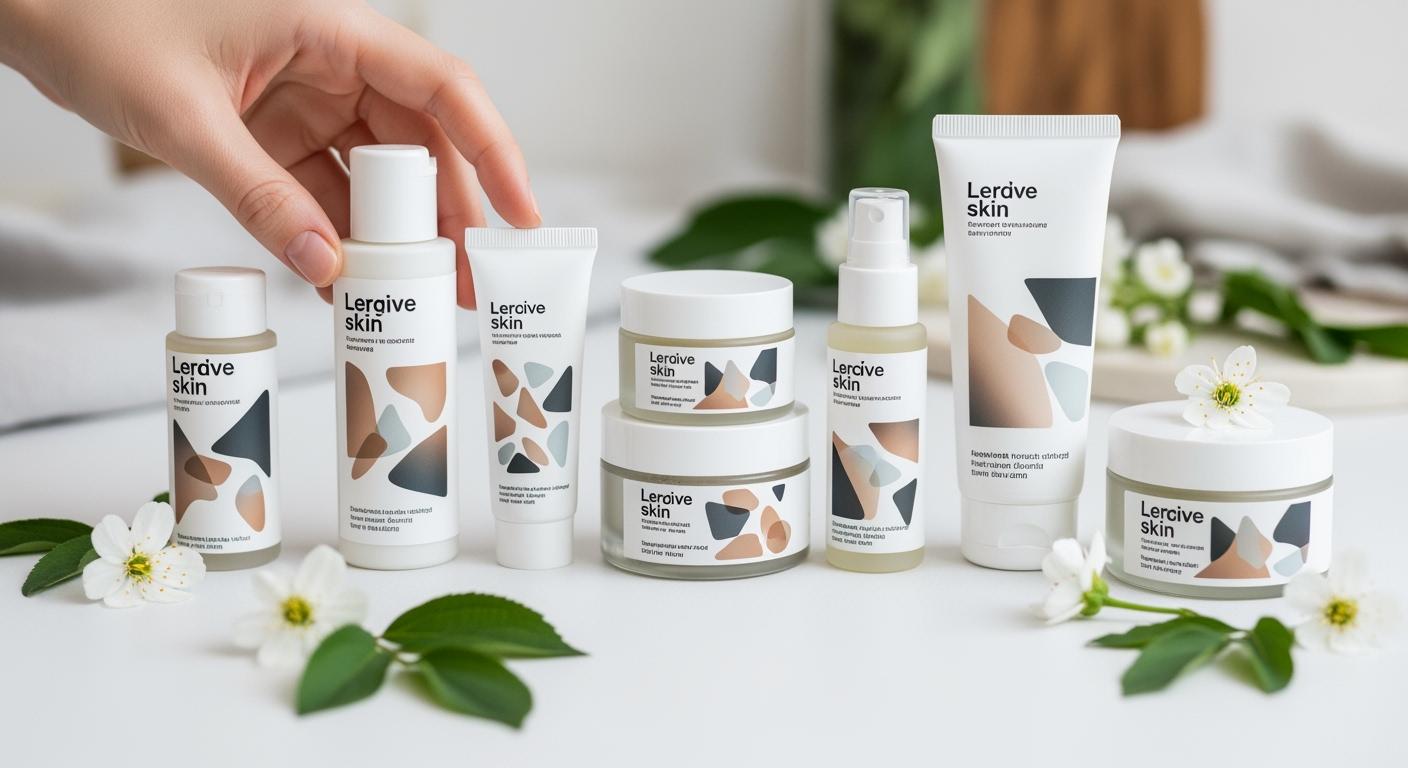
Sensitive skin products require careful consideration when you choose cosmetic packaging that ensures the formula remains safe and clean. It’s essential to select packaging that maintains product stability and minimizes irritation. Packaging serves as a safety shield, not merely a container. Airless and sealed dispensers offer distinct advantages:
- Designs without dip tubes effectively keep germs out.
- Reduced contact means fewer opportunities for contamination.
- The design ensures the product remains clean and safe with each use.
Involving suppliers early in the process helps you choose the best materials and designs for your sensitive skin products.
Key Takeaways
- Pick airless pumps or sealed dispensers. These keep sensitive skin products safe from air and germs. – Choose packaging materials that do not react with your formula. Glass or BPA-free plastics are good choices. They help keep the product safe. – Talk to your packaging supplier early in the process. This helps you pick the best materials and designs for your products. – Test your packaging with real formulas. This helps you find problems like color changes or contamination. It keeps your products safe and high quality. – Use dark or UV-protective packaging. This protects sensitive ingredients from light. It helps your products work well.
Why Sensitive Skin Products Need Special Packaging
Formula Stability and Hygiene
Sensitive skin products need protection from air, light, and water. These things can make natural ingredients break down fast. When this happens, the product does not work as well. Many sensitive skin products have antioxidants and natural oils. These can go bad quickly if not packed right. Airless pumps and food-grade materials help keep products fresh. Good packaging stops germs and dirt from getting inside. Using small openings or sealed dispensers lowers the chance of contamination. This helps keep your formulas clean and stable while you store and use them.
- Keeping out germs helps your products last longer.
- Freshness and stability are important for delicate ingredients.
- Safe packaging materials stop bad reactions that can hurt skin.
Packaging as Product Safety
Packaging is important for safety, not just for holding the product. Tamper-evident seals and breakable caps show if someone has opened the product. These features help you follow safety rules and protect your brand. The European Union has found many unsafe cosmetic products. Secure packaging helps you avoid these problems. It keeps your sensitive skin products safe for everyone. Most brands use tamper-evident seals for liquids because they work well and build trust.
Tip: Pick packaging that protects the formula and shows safety features.
Building Consumer Trust
High-quality packaging helps customers trust your sensitive skin products. Glass bottles can make products look fancy and professional. Clear labels and honest ingredient lists show you care about safety. Many people also want reusable or eco-friendly packaging. This shows you care about the planet and your customers. When you focus on safety and quality, your brand looks good. Customers feel sure about using your sensitive skin products.
Key Risks in Sensitive Skin Packaging
Contamination and Exposure
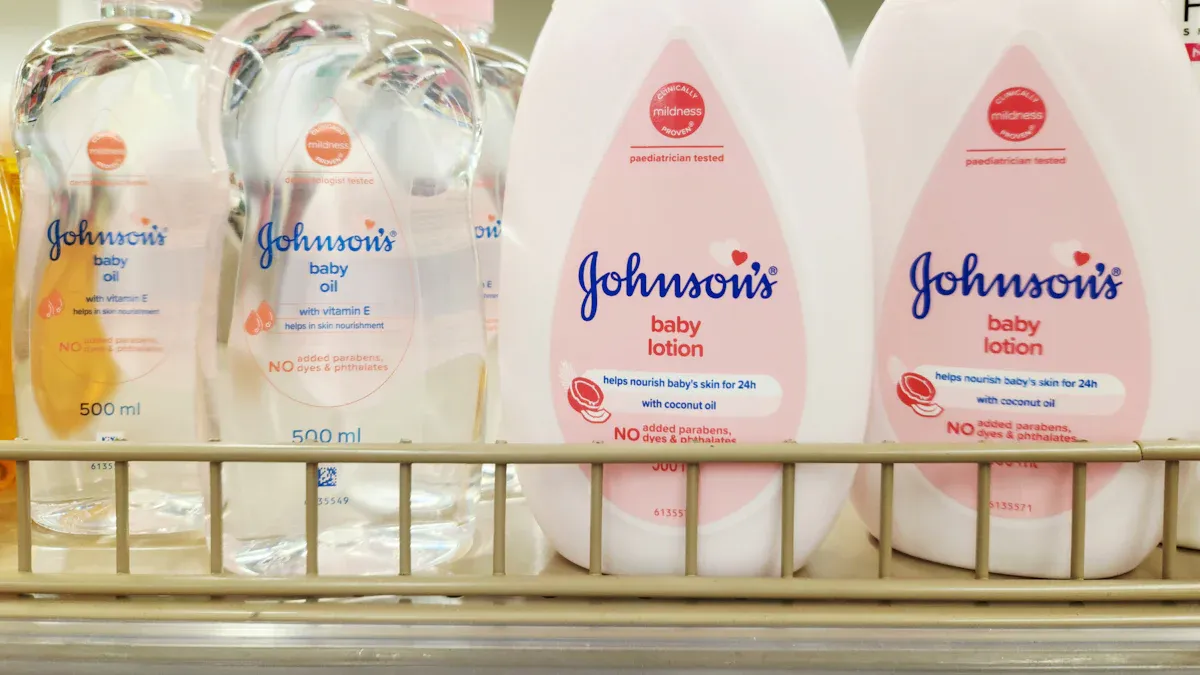
There are many ways your product can get dirty. Air, light, and water can hurt your formula. If the package does not close tight, germs and dirt can get in. This can make the product go bad or cause skin problems. You need to know how each risk can change your product’s safety and how well it works.
Here is a simple chart that shows common risks and how to stop them:
| Contamination Risk | Protective Measure |
|---|---|
| Exposure to Light | Use dark bottles like black or amber glass to block UV light. |
| Air Exposure | Use air-tight seals like airless pumps to stop air from getting in. |
| Moisture Contamination | Pick strong materials like glass or HDPE to keep water out. |
| Chemical Contamination | Use safe materials like BPA-free plastics or glass to stop bad chemicals. |
| Skin Irritation | Pick gentle materials like aluminum or eco-friendly choices to keep skin safe. |
Tip: Airless pumps and sealed dispensers stop air and hands from touching your formula. This keeps your product clean and fresh.
Harmful Material Interactions
Some packaging can mix with your formula in a bad way. If you use plastic with bad chemicals, these can get into your product. This can make people’s skin itch or cause allergies. Always pick packaging that is gentle on skin and does not have BPA or phthalates. Glass and BPA-free plastic are good for most sensitive skin products. Make sure your packaging does not change how your product looks, smells, or feels.
Product Integrity Challenges
Sensitive skin products often have natural or special ingredients. These can break down if they touch air, light, or water. You must keep your formula safe from the factory to the customer. If you do not use the right packaging, your product may not work or could be unsafe. Always test your packaging with your real formula. This helps you find problems early and keeps your brand safe.
How to Choose Cosmetic Packaging for Sensitive Skin
Airless Packaging Benefits
You should pick packaging that keeps sensitive skin formulas safe. Airless pumps are a good choice for sensitive skin products. These pumps stop air from touching the formula. This helps keep the formula fresh and stops it from going bad. Airless pumps give you the same amount every time you use them. They help lower the need for extra preservatives. This is important for sensitive skin.
Airless pumps also help keep things clean. You do not touch the formula directly. This lowers the chance of germs getting inside. Many fancy skincare brands use airless pumps. They help keep the formula stable and fresh. When picking packaging for sensitive skin, airless pumps are a smart option. They work well for creams, serums, and lotions. You can trust airless pumps to keep your skincare safe.
Tip: Airless pumps help your product last longer and stay clean.
Hygienic Dispensing Systems
You should pick systems that keep your formula safe from germs. Hygienic dispensing systems make a barrier between the product and the air. These systems include pumps, squeeze tubes, and special dispensers. You do not touch the formula, so it stays clean.
- Sealed systems block germs and fungi.
- You stop dirt and people from touching the product.
- You avoid mixing germs from fingers or shared tools.
Hygienic dispensing systems help you feel safe about your product. They help keep the formula strong and steady. These systems are good for sensitive skin and fancy skincare. You can pick the system that fits your formula and brand. Always test your packaging with your real product to make sure it works.
Airtight and UV-Protective Options
Sensitive skin products have ingredients that break down in air or light. You need airtight and dark packaging to keep these formulas safe. UV-protective packaging stops sunlight from hurting the ingredients. You can use dark glass bottles or UV-blocking plastic for sensitive skin products.
Here is a table that shows how airtight and UV-protective packaging helps:
| Evidence Type | Description |
|---|---|
| Color Difference Index (ΔE) | A ΔE below 2.0 means no color change. Above 5.0 means big changes that can hurt quality. |
| Post-Aging Drop Testing | Tests show UV-aged packaging stays strong after drops. This matters for shipping and sports. |
| Compatibility Testing | You test your formula with UV and heat in the packaging. This makes sure ingredients stay safe and strong. |
You should pick packaging that matches how sensitive your formula is to air and light. Airtight seals and dark materials help keep your product working well. You protect your brand by using the right packaging for sensitive skin. Always test your packaging with your formula. This makes sure your skincare meets safety and quality rules.
Note: You can use airless pumps and UV-protective bottles together for the best protection.
You should pick packaging that keeps things clean, stable, and easy to use. When picking packaging for sensitive skin, focus on airless pumps, hygienic systems, and airtight, UV-protective options. You help build trust and safety for your skincare products. The right packaging gives you good quality and peace of mind.
Material Choices and Hypoallergenic Packaging
Glass vs. Plastic for Sensitive Skin
When you pick packaging for sensitive skin, think about the formula and how people use it. Glass and plastic both have good points for food grade material. Glass blocks oxygen and UV light very well. This helps keep your product pure and safe. Glass does not mix with active ingredients, so your formula stays stable. It is also 100% recyclable, which is good for the planet and for brands that care about food grade material purity. But glass is heavy and can break easily. This can make shipping cost more and be risky.
Plastic, like PET, HDPE, and PP, is light and not expensive. These plastics are good for most sensitive skin products when you use food grade material. PET is clear and light. HDPE does not get hurt by chemicals. PP is used in airless systems for food grade material packaging. You need to make sure the plastic does not mix with your formula. Always pick BPA-free plastic and test for food grade material safety.
| Material | Advantages | Disadvantages |
|---|---|---|
| Glass | Does not react with your product Keeps active ingredients stable Can be recycled Does not take in smells or tastes |
Needs more energy to make Heavy and can break, so shipping costs more |
| Plastic | Light and cheap Good for daily use |
Can mix with some actives if not coated right, which can hurt your product |
Matching Material to Formula and Brand
You should match your packaging to your formula and your brand’s look. Glass is a good choice for sensitive skin products with strong actives like AHA or BHA. It keeps the formula safe and pure. Food grade material in glass or plastic stops bad reactions. Opaque food grade material keeps out light for light-sensitive ingredients. Air-tight designs stop air from getting in. For stable formulas, clean jars made from food grade material can work. Always pick packaging that fits your brand’s promise of safety and purity.
| Material Type | Key Properties | Suitability for Sensitive Skin |
|---|---|---|
| Glass | Blocks oxygen and UV light very well | Great for keeping sensitive ingredients safe |
| PET | Light, clear, works for most products | Good for stable formulas |
| HDPE | Does not react with chemicals | Good for active ingredients |
| PP | Used in airless systems | Helps keep formula stable |
Importance of Compatibility Testing
You must test every food grade material with your real formula before making lots of products. Compatibility testing makes sure your sensitive skin products stay safe and pure. This testing checks if the packaging changes your formula or if the formula changes the packaging. Here are the steps you should follow:
- Migration testing: Checks if anything bad moves from the food grade material into your product.
- Adsorption testing: Makes sure your important ingredients do not stick to the packaging.
- Chemical resistance: Checks that food grade material does not change after touching your formula.
- Sealing component testing: Makes sure seals and gaskets do not react with your formula.
- Barrier property checks: Tests if food grade material keeps out air and water.
- Accelerated aging: Pretends to store food grade material for a long time.
- Sensory evaluation: Looks for changes in smell or how it looks.
You should always check samples of food grade material before making a lot. This step keeps your sensitive skin products safe and pure. Following ISO 22715 rules helps you meet world safety standards for hypoallergenic packaging. Careful testing and the right food grade material help your products stay safe, pure, and trusted by your customers.
Common Mistakes When Choosing Packaging
Overlooking Hygiene for Looks
Some brands care more about how packaging looks. They forget about keeping things clean. You might pick a jar or clear bottle because it looks cool. But this can let air and light touch your product. Germs and dirt can get inside fast. Clear bottles let in light that can hurt ingredients. You need air-tight seals to keep things fresh and safe. Glass or BPA-free plastic are strong barriers. These materials stop germs and air from getting in. Always pick packaging that keeps your formula clean and safe.
Tip: Pick packaging that protects sensitive ingredients, not just what looks nice.
Using High-Contact Structures
Open jars make it easy for germs to get in. When you scoop out the product, you touch it with your hands. This can add bacteria and fungi. Sensitive skin products need special systems to stay clean. Pumps, squeeze tubes, and sealed dispensers help a lot. They stop your hands from touching the formula. This keeps the product safe and lowers irritation. Bad designs make it easier for germs to get in. Always choose packaging that keeps your product pure.
- Open jars let you touch the formula a lot.
- Pumps and dispensers keep hands away from the product.
- Sealed systems help keep the product safe.
Ignoring Light/Air Sensitivity
Sensitive skin products have plant oils and natural extracts. These can break down fast if they touch air or light. Oils like rosehip oil can go bad and smell weird. This makes the product not work as well. You need dark or UV-protective packaging to block light. Air-tight seals stop air from getting in. If you do not use these, your product may not be safe or strong.
| Packaging Feature | Benefit for Sensitive Skin Products |
|---|---|
| Opaque Materials | Block light and protect ingredients |
| Air-Tight Seals | Stop air and keep formulas fresh |
Skipping Compatibility Testing
You must test your packaging with your real formula. If you skip testing, bad things can happen. The packaging might change the color, smell, or feel of your product. Bad chemicals like BPA can get into the formula. Hypoallergenic packaging is very important for sensitive skin. Always do tests for migration, adsorption, and barrier strength. Testing samples makes sure your packaging works in real life.
Note: Careful testing stops big problems and helps people trust your brand.
You should pick packaging that keeps your product safe and clean. This helps your formula stay strong and easy to use for sensitive skin. Airless and hygienic systems are good choices. You also need to check if the materials work well with your formula. Testing everything is important to protect your product and make people trust you. Here are some steps to follow:
- Pick materials that fit your formula and your brand.
- Use vacuum pumps and dark bottles to keep things fresh.
- Choose applicators that work with your product’s texture.
- Make sure your packaging does not leak and is good for travel.
- Follow all the rules and laws.
| Aspect | Implication |
|---|---|
| Product Shelf Life | Lasts longer, so customers are happier |
| Customer Loyalty | Grows because your products are safe and good |
This way of picking packaging matches Oulete’s focus on airless packaging and dispenser systems. It shows you know how to keep products stable and clean like a pro.
FAQ
What packaging types work best for sensitive skin products?
You should pick airless pumps, sealed dispensers, or tubes. These choices help keep your formula safe from air and germs. They also help keep things clean and steady. Do not use open jars for sensitive skin products.
How do I know if my packaging is safe for sensitive formulas?
You need to test your formula with the packaging you pick. Look for leaks, color changes, or strange smells. Always ask your supplier to do a compatibility test. This helps you find problems before making lots of products.
Can I use eco-friendly materials for sensitive skin packaging?
Yes, you can use eco-friendly materials like glass or some plastics. Make sure these materials pass safety and compatibility tests. You want packaging that keeps your formula safe and matches your brand’s green goals.
Why is UV protection important for sensitive skin products?
UV light can break down important ingredients. You should use dark bottles or UV-blocking plastic. This keeps your product strong and safe for people to use.
How early should I involve my packaging supplier?
You should talk to your supplier at the start of your project. Planning early helps you pick the best materials and designs. This lowers risk and makes production go smoothly.