


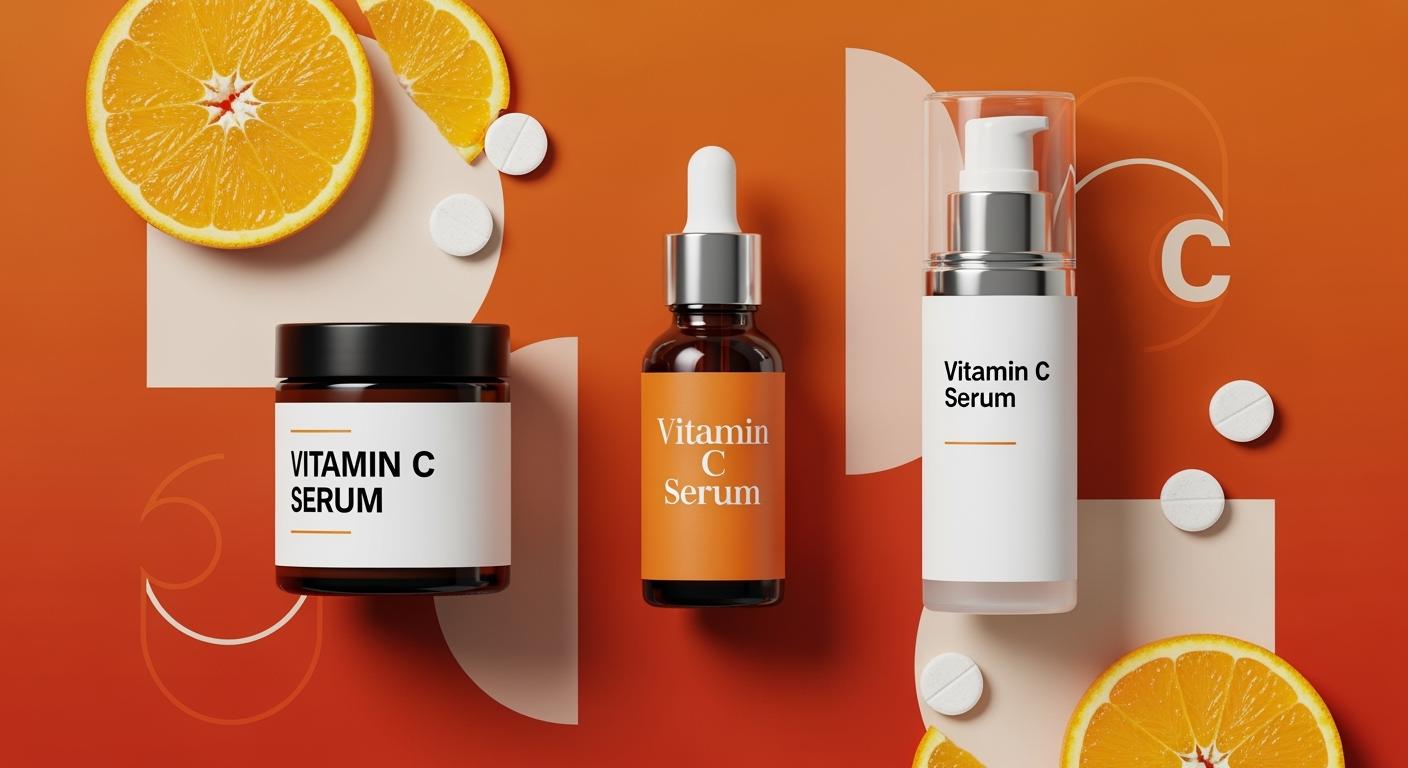
Choosing the best packaging for vitamin C serum is very important to keep it working well. Good packaging protects the serum from light, air, and heat. These things can cause the serum to spoil or lose its strength. If you make or buy the serum, you want packaging that keeps it stable and lasts longer. In this guide, you will learn how to find and choose the right packaging. You will get helpful tips and examples. These will help you make smart choices and focus on quality when picking packaging.
Key Takeaways
- Choose airless pump bottles for vitamin C serum. They keep out air and light, helping the serum last longer.
- Use dark glass packaging like amber bottles. They block UV light and protect the serum from degradation.
- Avoid clear glass bottles. They let in light, which can cause the serum to spoil quickly.
- Store vitamin C serum in a cool, dark place. Refrigeration helps maintain its effectiveness and stability.
- Check for signs of serum degradation. If the color changes or the smell is off, it’s time to replace the serum.
Why Packaging Matters for Vitamin C Serum
Vitamin C Instability Explained
Vitamin C serum is not stable. It can break down fast if it touches light, air, or heat. Studies show the serum can turn yellow or brown in weeks if it is not protected. This color change means the serum is losing power. Most vitamin C products with L-ascorbic acid are very sensitive. If they meet air or light, they can stop working well or bother your skin. You should remember this when picking packaging for your brand or clients.
Effects of Light, Air, and Heat
Light, air, and heat make vitamin C serum go bad. When the serum meets air, oxidation starts. Light makes this happen faster and causes light degradation. Heat breaks down the formula even more quickly. Opening the bottle often lets in more air and increases oxidation. These things can ruin the serum’s strength and make it expire sooner. You can avoid these problems by choosing good packaging.
Tip: Keep vitamin C serum in a dark place to slow down breakdown.
Packaging’s Role in Potency
Packaging protects the serum first. Good packaging keeps out light and air so the serum stays strong longer. Experts say to use air-tight and opaque containers like pump bottles or dark glass. These help keep the serum safe. Here is a quick look at how different packaging helps:
| Packaging Method | Benefit |
|---|---|
| Airless Pump | Stops air from getting in and prevents oxidation. |
| Opaque/UV-Protected Bottle | Blocks most UV light and slows down light damage. |
| Nitrogen Flushing | Removes oxygen to keep serum fresh until you use it. |
Top vitamin C serums use these ways to stay strong. When you pick packaging, look for anti-oxidation, light protection, and stability. This helps your product last longer and stand out on the shelf.
Best Packaging for Vitamin C Serum
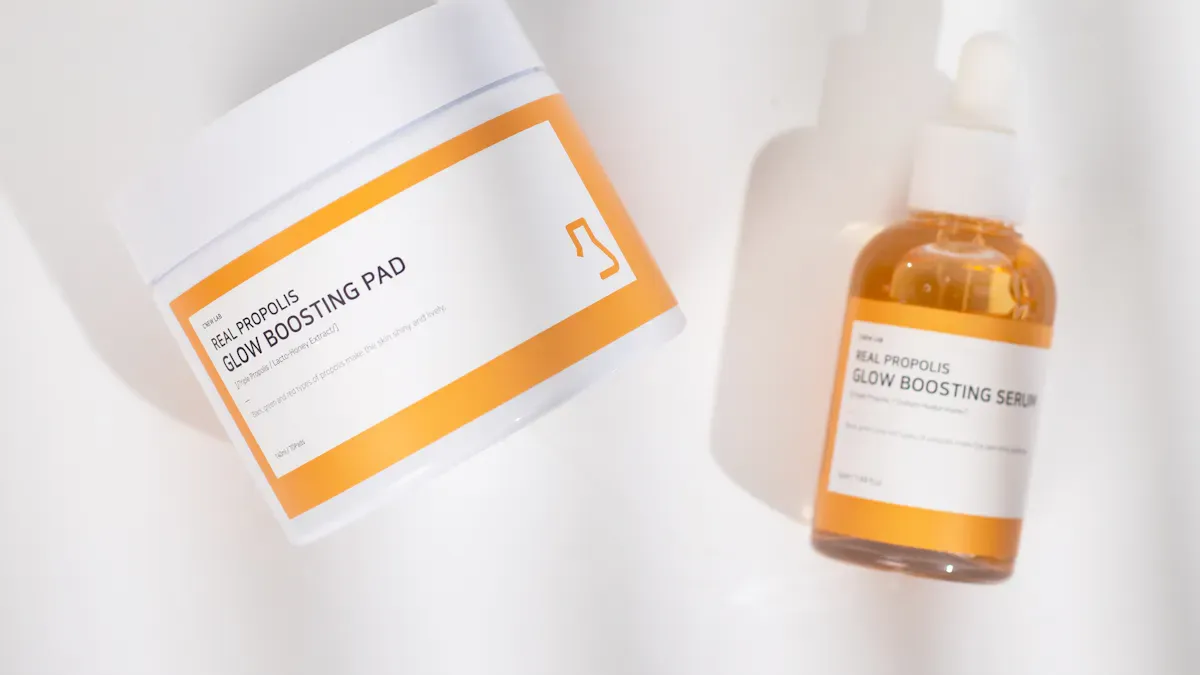
If you want your vitamin C serum to work well, you need the right packaging. The best packaging keeps out light, air, and heat. Let’s see which packaging works best and how it helps stop the serum from going bad.
Amber Glass Bottles
Amber glass bottles are a popular choice for vitamin C serum. They block most UV light. This slows down how fast the serum breaks down. Amber glass gives strong UV protection. This is important for formulas that can break down easily. The dark color also makes the bottle look fancy and shows you care about keeping the serum safe.
| Packaging Type | UV Protection Level | Effect on Vitamin C Degradation |
|---|---|---|
| Amber Glass | High | Minimizes degradation |
| Clear Glass | Low | Increases degradation |
| Other Colored Glass | Moderate | Varies, generally less effective |
Amber glass is tough and does not react with the serum. This means the serum stays the same and does not change in a bad way. You should not use clear glass bottles. They let in too much light. This makes the serum break down faster and not work as well.
Note: Always pick dark glass instead of clear glass for vitamin C serum. This easy step helps keep your serum strong and stable.
Opaque Plastic Containers
Opaque plastic containers can also be used for vitamin C serum. The opaque finish blocks some light. This helps protect the serum. But plastic lets in more light than dark glass. Some plastics have tiny holes that let air in. This can cause the serum to lose strength faster.
- Opaque plastic blocks some light but not as much as dark glass.
- Air can get in and make the serum go bad.
- Some plastics might let chemicals mix with the serum. This can make the serum not work as well or bother your skin.
If you use plastic, make sure it is good quality and safe. You want packaging that does not react with the serum or let in too much air.
Airtight Pump Systems
Airless pump bottles are the best for vitamin C serum. They keep out air and light. This helps the serum last longer and stay strong. Airless pumps stop oxygen from getting in after each use. This keeps the serum fresh and stops it from going bad.
| Benefit | Description |
|---|---|
| Eliminating air exposure | Stops oxygen from getting back in after you use it. |
| Reducing bacterial contamination | You do not have to touch the serum with your fingers. |
| Protecting ingredient stability | Keeps the antioxidants and other ingredients working well. |
Airless pumps give you the right amount each time. You do not waste the serum. The vacuum system lets you use almost all of the serum. This kind of packaging is good for travel and keeps the serum clean.
- Airless bottles help the serum last longer by keeping out air.
- They stop germs from getting in because you do not touch the serum.
- You can use almost all of the serum, up to 98%.
- The vacuum pump keeps the ingredients working well and stops them from breaking down.
If you want the best packaging, pick airtight bottles with an airless pump. This gives the most protection and keeps your serum strong.
Packaging Types Comparison
Let’s compare the main types of packaging for vitamin C serum. You should look for packaging that keeps out air and light, stays strong, and is easy to use.
| Packaging Type | Advantages | Disadvantages |
|---|---|---|
| Airless Pump Bottles | Best at keeping out air and germs. Gives the same amount each time. No waste. Lasts longer. | No big problems for keeping serum safe. |
| Amber Glass Bottles | Blocks a lot of UV light. Does not react with serum. Strong. Looks nice. | Heavy. Can break. May need a dropper to use. |
| Opaque Plastic Containers | Light. Can be made in different shapes. Blocks some light. | Not as good at blocking light. Lets in some air. Might mix with serum. |
- Airless pump bottles are the best for vitamin C serum. They keep out air and light, keep the serum strong, and are easy to use.
- Amber glass bottles are also good if you want dark bottles that block UV light. They help stop the serum from breaking down and look fancy.
- Opaque plastic containers give some protection, but you need to check if they are safe and strong.
Tip: Do not use clear bottles for vitamin C serum. They let in light and air, which makes the serum go bad faster and not work as well.
When you pick packaging, always choose airless pump bottles and dark, UV-protective materials. This helps your serum stay strong and work well so people will like it.
How to Choose Good Packaging
Key Features to Look For
When you buy packaging for vitamin C serum, you want it to keep the serum safe and strong. Pick packaging that blocks light and keeps air out. Dark glass or special plastic can help protect the serum from going bad. You also need UV protection. UV-coated glass or opaque plastic stops light from hurting the formula.
Check if the packaging is easy to use and gives you the right amount each time. Pumps, droppers, or spray tops help you use just what you need and not waste any. If you care about the planet, pick packaging you can recycle or refill. It is also important that the packaging is tough. You want it to stay strong and not break down when you store it.
| Feature | Description |
|---|---|
| Opacity | Blocks light and protects sensitive ingredients. |
| UV Protection | Stops UV light from causing degradation. |
| Usability and Dispensing | Makes it easy to use and control the amount. |
| Environmental Considerations | Uses recyclable or refillable materials. |
| Durability and Chemical Resistance | Keeps packaging strong and safe for serum. |
| Dosage Control | Lets you use the right amount and avoid waste. |
Dermatologists say, “Vitamin C degrades quickly, particularly when it’s exposed to light. So, an opaque container is a must.”
Packaging Red Flags
You should watch out for signs of bad packaging. If you see words like “eco-friendly plastic” but no details, ask for more info. If there is no batch testing data, you cannot know if the serum will stay good. If there is no return policy, you might get stuck with bad packaging.
| Red Flag | Description |
|---|---|
| Vague material descriptions | Example: “eco-friendly plastic” |
| Lack of batch testing data | No proof of product testing |
| Absence of return policy | No way to return defective items |
Recognizing Quality Packaging
You want packaging that keeps the serum safe and shows your brand cares. Ask the supplier if the packaging blocks light and air. Check if they test the packaging with your formula. Make sure the pump or dropper keeps the serum fresh and is easy to use. Ask these questions:
- Does the packaging block UV light and air?
- Has compatibility testing been done with the serum formula?
- Is the dispensing system airtight and stable?
- Can you see batch testing data?
- Is there a return policy for defective packaging?
A study found that 72% of buyers say packaging design helps them decide what to buy. Good packaging keeps the serum safe and makes people trust your brand. If you pick packaging that is strong and keeps out air and light, your vitamin C serum will last longer and look better.
Storage and Handling Tips
Home Storage Best Practices
You want your vitamin C serum to stay fresh and effective for as long as possible. The way you store it makes a big difference. Always keep the serum in its original amber or opaque bottle. This protects it from light, which can speed up oxidation. For best results, store the serum in the refrigerator at 4-8°C. Place it in a dark corner of the fridge, not on the door, so the temperature stays steady. Only take the bottle out when you need to use it. Let it warm up to room temperature before opening. This helps prevent condensation, which can let in air and moisture. After each use, close the bottle tightly and put it back in the fridge right away. Mark the date you first opened the bottle and check the color every week. Even if it looks fine, plan to replace the serum every 6-8 weeks.
Tip: Avoid storing serum in humid places like bathrooms. Heat and humidity can break down the formula, especially if it contains L-ascorbic acid.
Handling to Minimize Exposure
How you handle the serum also affects its shelf life. Try to use packaging with an airless pump. This type of bottle creates a vacuum and keeps air out, which helps prevent oxidation. Opaque packaging blocks light, and high-quality materials keep the serum stable. If you use a dropper, open the bottle for the shortest time possible. Always close it tightly after use.
| Technique | Description |
|---|---|
| Airless Pump Bottles | Create a vacuum to keep air out and slow down oxidation. |
| Opaque Packaging | Blocks light, which can damage the serum. |
| High-Quality Materials | Use bottles that do not react with the serum, keeping it stable and safe. |
- Use opaque, airtight packaging to block out light and air.
- This is especially important for serums with L-ascorbic acid.
Signs of Serum Degradation
You need to know when the serum has gone bad. Look for a change in color. If the serum turns yellow, orange, or brown, it means oxidation has started. Sometimes you might see spots or the whole serum looks discolored. This could mean bacteria have started to grow. Smell the serum. If it smells sour, rancid, or too sweet, it is no longer good. Fresh serum usually has a light, metallic scent. Oxidation is the main reason vitamin C serum degrades. Air, light, and heat all speed up this process. If you see or smell any of these signs, it is time to replace the serum.
You want your vitamin C serum to work well and last longer. Good packaging is very important for this. You should pick dark glass bottles to keep out light. Make sure the bottle closes tightly so air cannot get in. Use a dropper or pump to make it easy to use. Pick bottles made from strong materials that do not change with the serum.
Here is a simple checklist for your next order:
- Dark glass helps block light
- Tight lids keep out air
- Droppers or pumps make using it simple
- Strong materials stop bad changes
Oulete has airless bottles, pump bottles, glass droppers, and special options. Pick a company that knows how to make airless and light-blocking packaging. This will help your serum stay strong and make people trust your brand.
FAQ
What packaging gives the best protection against oxidation?
You get the best protection with airless pump bottles. These bottles keep air out and stop oxidation. This helps your vitamin C serum stay strong and last longer.
Why should you avoid clear bottles for vitamin C serum?
Clear bottles let in light. Light breaks down vitamin C fast. You want to use amber glass or opaque bottles to block light and keep the serum stable.
How do you know if packaging is airtight?
Check for a tight seal and ask for air leakage test results from your supplier. Airless pumps and screw caps with liners work well. If air cannot get in, your serum stays fresh.
What dispensing system works best for bulk orders?
Airless pumps and dropper bottles both work well. Airless pumps give better protection and control. Droppers are simple and cost less. Pick what fits your production needs.
Can you use recycled materials for vitamin C serum packaging?
Yes, you can use recycled glass or plastic if they block light and air. Make sure the material does not react with the serum. Always ask for chemical resistance data.