


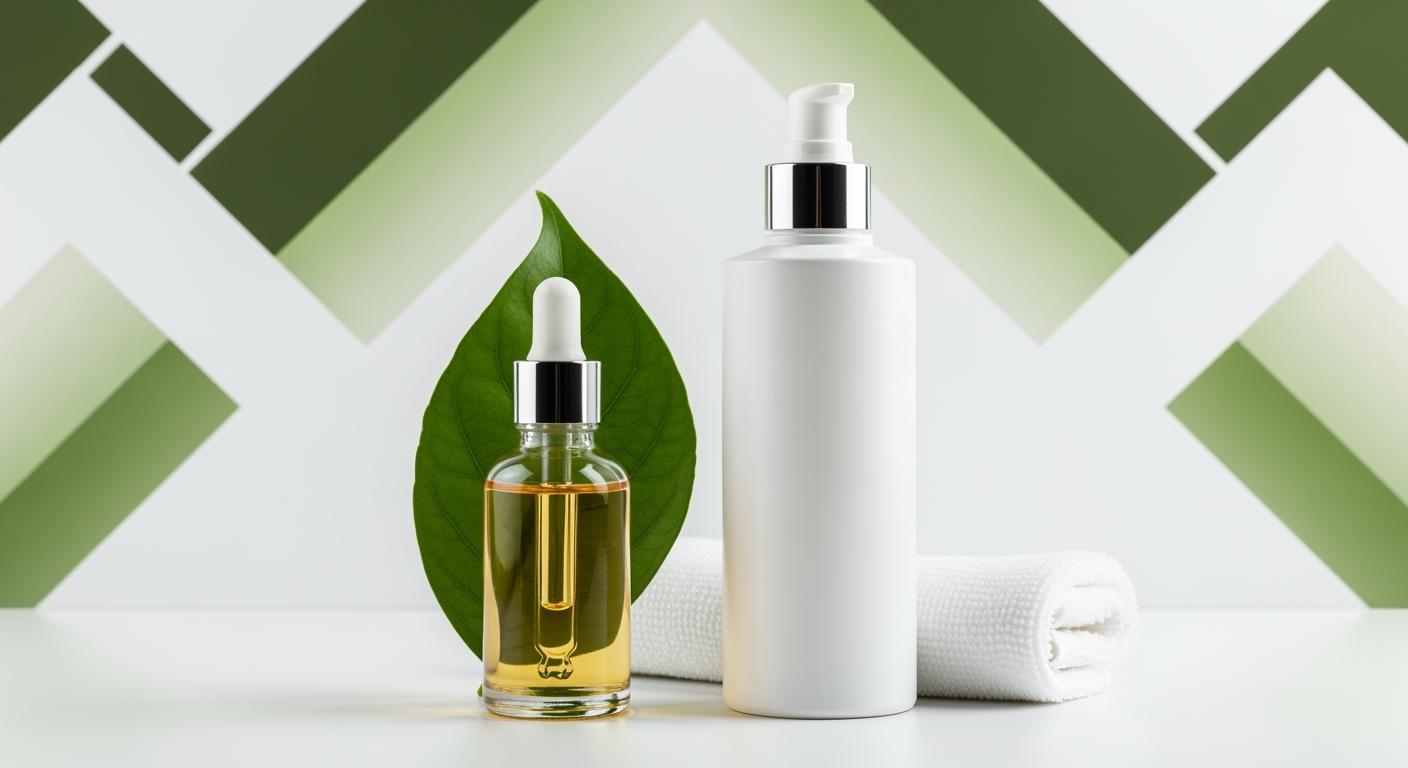
You can find glass and plastic packaging in many skincare brands. Both materials have special benefits. These help you pick what fits your product and brand best. The best packaging depends on your goals. Think about what you want your formula to do. Think about how you want customers to feel. Also, think about how you will ship and show your products. Look at this table to help you decide what matters most:
| Reason | Glass Advantages | Plastic Advantages |
|---|---|---|
| Product Compatibility | Great for sensitive formulas | Ideal for creams and lotions |
| Sustainability | 100% recyclable, reusable | Lightweight, lower carbon footprint |
| Durability and Portability | Premium feel | Shatter-resistant, easy to carry |
| Brand Aesthetic | High-end, luxury appeal | Flexible decoration, modern looks |
| Cost | Supports premium pricing | Cost-effective for many brands |
| Safety and Usability | Non-porous, stable | Durable for daily use |
There is no one right answer for every skincare line. Think about your own goals and what your product needs before you choose your packaging.
Key Takeaways
- Pick glass packaging for fancy products like serums and oils. Glass keeps important ingredients safe and looks expensive.
- Use plastic packaging for daily items like lotions and creams. Plastic is light, strong, and cheap to ship.
- Think about your brand’s look when picking packaging. Glass looks fancy, but plastic is useful and modern.
- Choose packaging that fits your product’s needs. Use airless containers for sensitive formulas to keep them working well.
- Remember the environment. Glass can be recycled. Plastic can use recycled materials to help the planet.
Why Glass and Plastic Packaging Are Both Common in Skincare
Material Benefits and Brand Expression
Glass and plastic are used a lot in skincare. Each one has its own good points. Glass makes products look fancy and high-quality. It gives a rich and classy style. Many brands pick frosted glass for an elegant look. This style brings in people who want luxury skincare. It also lets brands charge more money. Glass is good for the planet because you can recycle it. It is made from natural things. Glass keeps formulas safe and pure. It does not mix with the ingredients inside.
Plastic has other good things about it. It is light and strong. This makes it easy to move and use. You can pick many shapes and styles for your brand. Plastic helps you make cool and useful designs. These fit into daily life. Many brands use plastic airless bottles. These bottles keep important ingredients safe. They also make it simple to get the product out. Both glass and plastic help brands show what they care about. They also help brands reach different kinds of customers.
Typical Uses in Skincare Lines
Glass is used for serums and facial oils. It is also used for products that feel special or fancy. Oulete’s glass dropper bottles are a popular pick for these. They show that the skincare is pure and valuable. Plastic is used for lotions and creams. It is also used for things people use every day. Plastic is good for travel and online shopping. It does not break easily and costs less to ship. Oulete’s plastic airless bottles are a smart choice for fast selling and safe shipping.
Both glass and plastic are liked because they do different jobs. You should think about your formula and your brand’s look. You should also think about how people will use your products. This will help you pick the best packaging for your skincare line.
Glass Packaging: Best Uses in Skincare Lines
Ideal Products for Glass Packaging
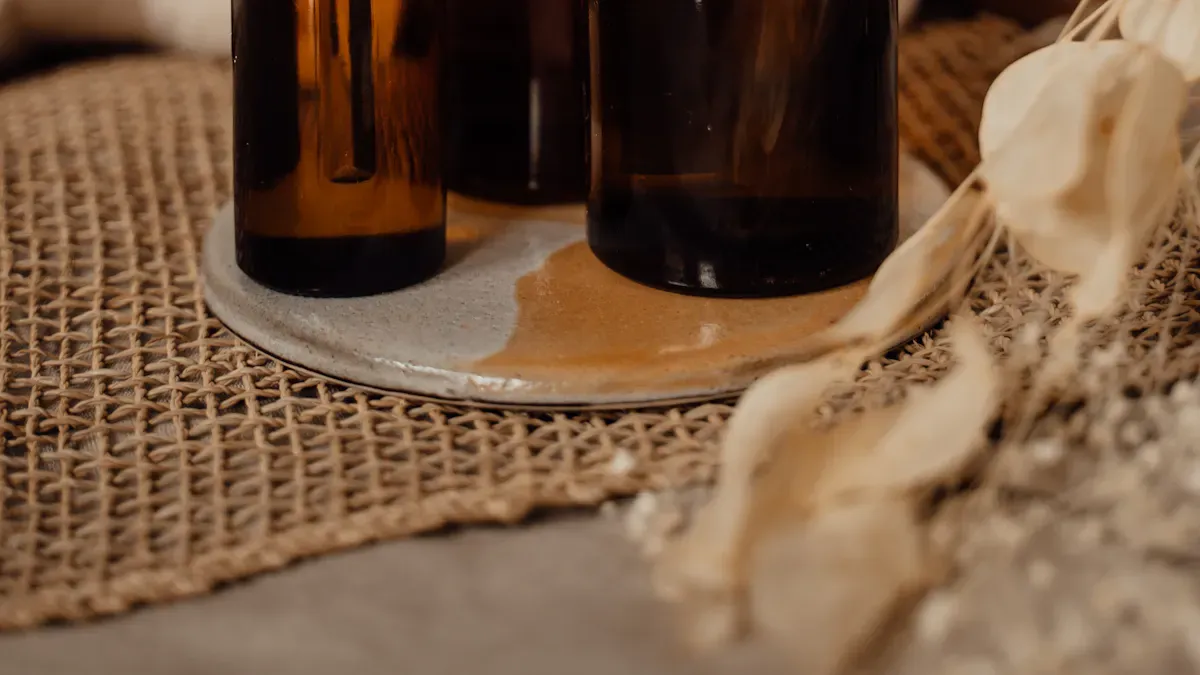
You often see glass packaging in premium skincare products. Serums, facial oils, and essential oils work best in glass containers. These formulas usually contain active ingredients that need extra care. Glass protects these ingredients from oxidation and UV light. This helps keep your product fresh and powerful. Skincare toners also use glass because it does not react with the formula. You get purity and safety for your customers.
If you want to show that your product is special, glass is a smart choice. Many brands use glass dropper bottles for serums. These bottles help you measure each drop. They also give a sense of ritual when using the product. Glass works well as an anti-oxidation solution. It keeps vitamin C and other sensitive ingredients safe from air and sunlight. You can trust glass to protect your formula and keep it stable.
Tip: Choose glass if your formula is sensitive to oxidation or needs a classic, high-end look.
Visual and Brand Impact of Glass
Glass and plastic packaging send different messages to your customers. Glass gives a feeling of luxury and quality. When someone holds a glass bottle, it feels solid and important. The smooth surface and clear look of glass build trust. People see glass as elegant and pure.
You can use glass to make your brand stand out on the shelf. The weight and shine of glass attract attention. Many shoppers connect glass with eco-friendly values. They know glass is easy to recycle. If you want your brand to look classic or premium, glass helps you reach that goal. The visual impact of glass can lift your product above others.
You should think about your formula, your brand story, and your customer’s experience. Glass packaging works best when you want to protect sensitive ingredients and create a high-value image.
Plastic Packaging: Best Uses and Advantages
Airless and Functional Skincare Packaging
Plastic packaging is used in many skincare products. Airless bottles, pumps, and tubes help keep formulas fresh. These containers stop air and light from getting in. This is important for products with active ingredients. You can use plastic for lotions, emulsions, and creams. Many brands pick plastic for things people use every day. It is strong and works well. Oulete’s plastic airless bottles give you more choices for design and use. You can choose different shapes and sizes for your brand.
Plastic is good for skincare products that need to be made fast. You can make new products quickly because plastic is easy to shape and decorate. This helps you follow trends and what customers want. Plastic is also good for selling online. It keeps your products safe when they are shipped. You do not have to worry about things breaking.
Portability, Cost, and Practicality
Plastic packaging gives you many good things for skincare. It is strong and easy to carry. Plastic is light and does not break easily. You can put small bottles or tubes in your bag. This makes plastic great for travel-sized skincare. You can also use plastic for blister packs and small containers. These choices help you follow airline rules and stop leaks.
Plastic helps you save money. It costs less than glass and lets you sell to more people. Brands with small budgets can use plastic to spend less. You also get strong packaging that works for daily use and shipping. This makes plastic a smart choice for many skincare products.
Tip: Think about your formula, how you sell, and your budget. Plastic packaging can help you make safe, simple, and modern skincare lines.
Matching Skincare Formulas with Packaging Materials
Formula Compatibility and Packaging Choice
It is important to pick the right packaging for your skincare formula. This helps keep your product safe and working well. Some skincare products, like retinol or vitamin C serums, have active ingredients. These can react when they touch air or light. These types of formulas need extra protection. Airless pumps help keep air away from the product. This keeps the active ingredients strong. Dark or solid containers stop sunlight from getting in. This helps stop bad reactions. Glass dropper bottles are good for serums that need careful use and a classic style. For creams and lotions, plastic airless bottles or tubes work well. They protect the product and are easy to use.
Oulete’s articles about retinol and vitamin C packaging say you should always think about how your formula reacts to the world around it. If your product is sensitive, pick packaging that gives more safety. This helps your formula stay stable and keeps your customers happy.
Dispensing, Protection, and User Experience
You want your customers to have a good time using your product. The right packaging makes this happen. Pumps, droppers, and airless containers make products easy and safe to use. These tools help customers get just the right amount. They also keep the rest of the product safe from germs and air. Good packaging makes your product look and feel nice.
- Pumps and airless bottles are easy to use and not messy.
- Droppers give control and a special feeling for serums.
- Tubes and jars are quick and simple for daily creams.
Simple packaging can help your product stand out. Designs that are not too busy focus on being easy to use and keeping the product safe. When you pick packaging, think about how it will protect your formula. Also, think about how it will feel in your customer’s hand. The best choice keeps your product safe and makes customers happy.
Tip: Always match what your formula needs with what the packaging can do. This helps your product stay fresh and keeps your customers coming back.
Skincare Packaging and Brand Positioning
Classic Premium vs. Modern Functional Image
You can shape how people see your skincare brand by choosing the right packaging. Glass and plastic each send a different message. Glass often makes people think of luxury and high quality. When you use glass, you give your product a classic and elegant look. Many shoppers feel that glass means the formula inside is special. They may believe it is worth more money. This feeling can help your brand stand out as a premium choice.
Plastic gives a modern and practical image. You show that your brand cares about daily use and easy handling. Plastic works well for brands that want to look fresh, clean, or high-tech. You can use plastic to create a smart and simple style. Many people like plastic for its light weight and safe feel. You can reach customers who want both style and function.
- Glass packaging communicates luxury and sophistication.
- Plastic packaging highlights modern design and everyday use.
Decoration and Visual Effects
You can use decoration to make your packaging even more special. Glass lets you try frosted finishes, which give a soft and elegant look. You can also use clear glass to show off the formula inside. Plastic, like PETG and acrylic, gives you more ways to play with color and shape. You can match colors to your brand or use hot stamping for shiny logos.
Here is a table that shows how decoration can help your brand:
| Benefit | Description |
|---|---|
| Enhances brand image | Makes your product look more stylish and appealing. |
| Versatile design | Lets you try many shapes, colors, and finishes. |
| Premium appearance | Gives a luxury feel, even with plastic materials. |
You can choose the best decoration based on your brand story and what your customers like. Oulete offers many options, such as frosted glass, color matching, and hot stamping. You can use these to create a look that fits your brand and makes your product stand out.
Logistics, Durability, and Cost in Packaging Decisions
Shipping, Breakage, and Cost Factors
You need to think about how your packaging will travel from the factory to your customer. Glass containers weigh much more than plastic ones. This extra weight means you pay more for shipping. Glass can weigh up to ten times more than plastic. You also face a higher risk of breakage with glass. If a bottle breaks during shipping, you lose both the product and the packaging. This can raise your total cost and slow down your launch. Plastic is lighter and stronger. You can ship more units at once and worry less about damage. This makes plastic a smart choice for brands that want to save money and move products quickly.
Durability matters for both shipping and daily use. Plastic packaging gives you better durability because it does not shatter. You can trust it for e-commerce and travel. Glass offers a premium feel but needs extra care during transport. You may need special boxes or padding to keep glass safe. This adds to your cost and planning.
Small-Batch and E-Commerce Considerations
Small batch beauty brands often find these numbers intimidating. But MOQs exist for good reason—they make production efficient, reduce waste, and keep per-unit prices manageable.
If you run a small-batch or e-commerce skincare brand, you face special challenges. Glass packaging often comes with higher minimum order quantities and higher production costs. Single portion packaging can cost 30-40% more than regular formats. You may need to balance your budget with your brand’s image and your customers’ needs.
- 95% of cosmetic packaging is disposed of after a single use.
- Only 14% of plastic waste is sent for recycling.
- Nearly 70% of plastic waste from the cosmetics industry remains unrecycled.
You should also think about new rules for recycling and waste. Some regions now require brands to use recyclable or biodegradable packaging. This can affect your cost and your choice of materials. You need to match your packaging to your sales channel, your budget, and your brand’s values. Durability, safety, and cost all play a role in your final decision.
Sustainability Considerations in Skincare Packaging
Recyclability and Material Impact
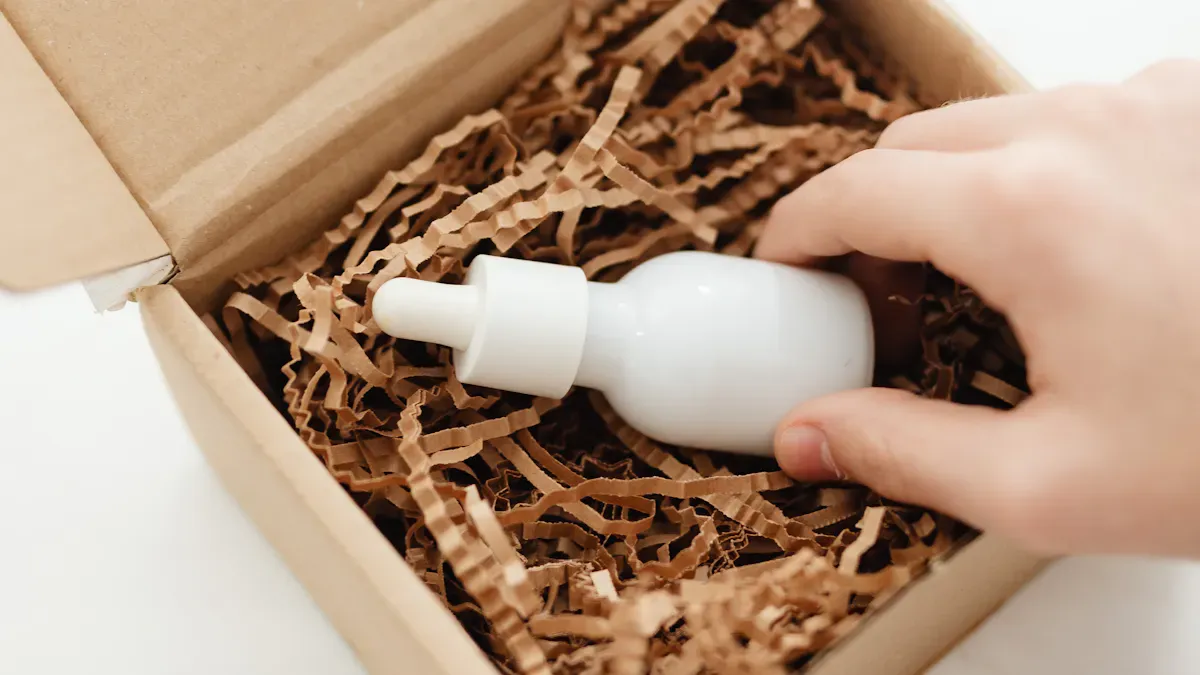
You should think about more than just the material when you care about sustainability. Glass and plastic both have good and bad sides. In the United States, 31.3% of glass packaging gets recycled. For plastic packaging like PET and HDPE, the recycling rate is 29%. Glass can be recycled over and over without losing its quality. Plastic usually gets downcycled, so it becomes something less useful after recycling. Refillability is also important. Glass is strong and works well for refilling many times. Some brands use containers made from recycled glass or plastic to help the environment.
PCR, Lightweighting, and Supply Chain Factors
You can help the planet by using post-consumer recycled (PCR) materials. PCR means using old plastic again, so we need less new plastic. This keeps more waste out of landfills. Many companies use PCR to look more eco-friendly. Over half of brands want to use less new plastic. More factories now make PCR packaging, so you have more choices.
| Benefit | Description |
|---|---|
| Reduces reliance on virgin plastics | PCR uses old plastic, so you need less new plastic. |
| Diverts waste from landfills | Recycling keeps plastic out of landfills and supports a circular economy. |
| Improves brand sustainability score | Using PCR shows your brand cares about the environment. |
| Commitment from companies | More than half of brands want to use less new plastic. |
| Accessibility of PCR materials | More suppliers now offer PCR-based packaging. |
Lightweighting is another way to help the earth. Lighter packaging uses less material and makes less pollution when shipping. You can send more products at once and use less fuel. When you look at supply chain facts, glass comes from natural things but takes a lot of energy to make and move. Plastic uses less energy but is made from fossil fuels. Glass is heavy, so it costs more to ship and makes more pollution. Plastic is lighter and easier to move, but not all of it gets recycled.
You should pick what matches your goals, your formula, and your brand’s style. There is no perfect answer for everyone. The best choice depends on what your project needs and what is most important to your brand.
How to Decide: A Guide for Skincare Brands
Key Questions for Packaging Selection
You need a simple plan when picking packaging for your skincare line. Glass and plastic packaging have different strengths. You can use a checklist to help choose what is best for your brand. Ask yourself these questions:
- What is your formula type? Serums and essential oils often need glass. Creams and lotions work well in plastic.
- How sensitive is your formula to air or light? Airless plastic bottles protect active ingredients. Glass can block UV light for sensitive formulas.
- What is your brand’s look? Do you want a classic luxury style or a modern, practical style?
- How important is sustainability for your brand? Glass is fully recyclable. Plastic uses less energy and has a smaller carbon footprint.
- What is your budget and production plan? Glass costs more to ship and make. Plastic is cheaper and easier for small batches.
- Where will you sell your products? Retail shelves need packaging that stands out. E-commerce needs strong, light packaging.
- How will customers use your product? Travel packaging should be light and not break. Ritual products may need droppers or pumps.
- What decoration or visual effects do you want? Frosted glass looks fancy. Plastic lets you match colors and use modern finishes.
- What are your minimum order quantities (MOQs)? Packaging MOQs can change your launch plan. Do not over-customize too soon.
Tip: Use this checklist to compare your needs with what each material offers. This helps you avoid mistakes like ignoring MOQs or picking packaging that does not fit your formula.
Here is a table showing common mistakes brands make:
| Mistake | Description |
|---|---|
| Ignoring Packaging MOQ | Brands focus on formula MOQ and forget packaging drives the real number. |
| Over-Customizing Too Early | Custom formulas plus custom packaging lead to high MOQ and high risk. |
Aligning Packaging with Brand and Product Goals
You can do better in the market by matching packaging with your brand and product goals. Good packaging helps your products stand out on the shelf. Eye-catching packaging makes people buy more and remember your brand. Many shoppers want brands that care about the planet. More than half of eco-friendly buyers will pay extra for products with green packaging.
You should think about how your packaging makes customers feel. Emotional packaging creates a fun unboxing experience. Packaging that shows your brand values builds trust and loyalty. When you use packaging that fits your brand story, you help customers build routines and buy more products. Brands that use clear sourcing and green practices get more loyal customers.
- Packaging that fits your brand identity increases sales and builds long-term relationships.
- Good packaging design can boost average order value and encourage customers to buy full skincare routines.
Note: A decision framework gives you a clear way to compare options. It helps you see trade-offs and match choices with your plan. You can spot problems and make confident decisions, even if no option is perfect.
You can look at case studies for ideas. One skincare founder turned their brand vision into packaging that protected product quality and showed brand values. They picked different sizes and kept the packaging system the same. This helped them launch well and build a strong brand.
You should remember that picking packaging is not just about choosing a material. It is a smart decision that shapes your brand, protects your product, and supports your business goals. Think about your formula, your channel, your budget, and your brand story. Use a framework to guide your choices and avoid costly mistakes.
There is not one perfect answer for every skincare brand. The best packaging depends on your formula and your brand’s style. You also need to think about shipping, cost, and the environment. Use a simple plan to help you choose. If you need more help, talk to packaging experts. They can give you advice and help you pick green options. Experts can also help you save money. Here is how experts can help:
| Benefit | Explanation |
|---|---|
| Expert Guidance | Gives advice that fits your marketing goals. |
| Sustainable Solutions | Finds green choices that follow rules and trends. |
| Cost Management and Efficiency | Helps you spend less and keep quality high. |
| Compliance and Quality Assurance | Checks that your packaging meets all standards. |
Professional manufacturers can help with glass and plastic packaging. They can also add custom decoration and give you samples. This lets you test and make changes before you start selling.
FAQ
What skincare products work best in glass packaging?
Glass is used for serums, facial oils, and essential oils. It keeps sensitive formulas safe and looks fancy. Pick glass if you want your skincare to feel special or classic.
When should you choose plastic packaging for skincare?
Plastic is good for lotions, creams, and things you use every day. It is light and does not break. Plastic is great for travel, online sales, and when you need to make products fast or ship them cheaply.
How does packaging affect your brand image?
Packaging shows what your brand is about. Glass makes your brand look rich and old-fashioned. Plastic gives a modern, useful, or medical look. You can use colors and decorations to match your brand and get the right customers.
Is glass or plastic more sustainable for skincare packaging?
Both glass and plastic can be good for the planet. Glass can be recycled and used again. Plastic can use PCR and be made lighter. Think about recycling, shipping weight, and how you get your packaging when you pick what is best for your brand.
How do you decide between glass and plastic for your skincare line?
Think about your formula, brand style, how customers use it, shipping, looks, and money. There is not one right answer. Pick packaging that fits your product and your brand’s goals.