


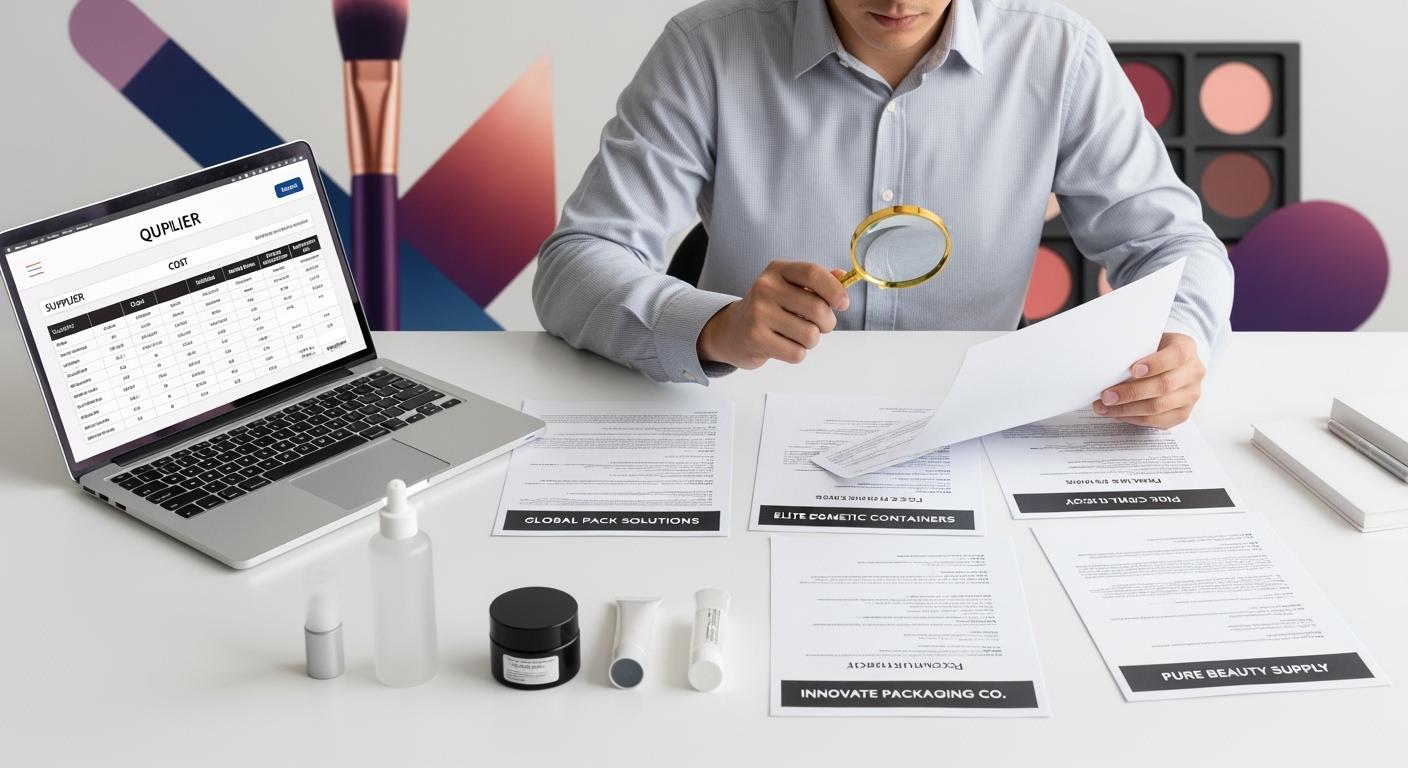
You need to think carefully when you compare quotations from cosmetic packaging suppliers. While price is important, you should check more factors. Product quality and material choices, such as glass or PET, also matter. Inventory levels can influence the value you receive. Minimum order amounts allow you to try new products. Good customer support provides you with additional assistance. Delivery rules and Total Cost of Ownership reveal the true price. Standard quotes help you compare quotations fairly and find the best deal.
Key Takeaways
- Always ask suppliers for quotes in the same format. This makes it easier to compare prices and details.
- Use a comparison table to organize the quotes. This helps you quickly find the best value from suppliers.
- Think about the Total Cost of Ownership (TCO). Don’t just look at the unit price. Include shipping, duties, and disposal costs too.
- Check the supplier’s quality and reliability. Look for certifications and ask for samples to make sure the product is consistent.
- Consider long-term partnerships with suppliers. These relationships can bring better prices, quality, and service over time.
Collect and Compare Quotations

Request Standardized Supplier Quotes
Always ask each cosmetic packaging supplier for quotes in the same format. This makes comparing quotations much easier. Each supplier should give details about packaging type, price per unit, and minimum order size. Ask for information about wholesale cosmetic packaging options. Make sure suppliers include all costs in their quotes. This means packaging price, shipping, and any extra fees. When you compare supplier quotes, you need to see the same details from every supplier. This helps make the quote comparison fair and clear.
Tip: Tell every supplier to use the same quote format. This will help you avoid confusion when you compare quotes.
Organize Wholesale Cosmetic Packaging Offers
You can put all quotes in a table. This makes comparing quotes simple. Write each supplier in a row. Add columns for packaging type, price, minimum order, lead time, and shipping cost. Here is an example:
| Supplier Name | Packaging Type | Price per Unit | Minimum Order | Lead Time | Shipping Cost |
|---|---|---|---|---|---|
| Supplier A | Glass Bottle | $0.50 | 5,000 | 3 weeks | $200 |
| Supplier B | PET Jar | $0.30 | 10,000 | 4 weeks | $150 |
This table lets you compare supplier quotes for wholesale cosmetic packaging quickly. You can find the best price and see which supplier gives the most value.
Ensure All Key Details Are Included
Check that each quote has all important points. Look for packaging material, price breakdown, and delivery terms. Make sure the supplier lists any extra fees. You should see wholesale cosmetic packaging options, bulk discounts, and payment terms. If a supplier leaves out details, ask for a new quote. This step helps you compare quotes well. You can trust your quote evaluation when you have all the information. You will also see how skilled the supplier is by how they present their quotes.
You should collect several supplier quotes before you decide. This will help you compare quotations and find the best wholesale cosmetic packaging deal. You will get the right packaging at the right price from the best supplier.
Analyze Supplier Costs and Terms
When you compare quotations, you should look at more than just numbers. You need to know how suppliers get their products. You must understand how costs are set. Many important things can change your final choice. This section will help you break down the sourcing process. It will show you how to look at the total cost. Then you can pick the best option for your business.
Unit Price and Bulk Discounts
Unit price is usually the first thing you see in a quote. Different packaging types have different prices. Here is a table that shows common prices for cosmetic packaging:
| Type of Packaging | Price Range (per unit) |
|---|---|
| Basic Packaging | Under $1.00 |
| Plastic Jars and Bottles | $0.50 – $1.50 |
| Glass Bottles and Jars | $1.00 – $3.00 |
| Airless Pump Bottles | $1.50 – $4.00 |
| Tubes (lip gloss, lotion, serum) | $0.40 – $1.50 |
| Luxury Packaging | $5.00+ |
You can also see different prices for boxes:
| Type of Box | Price Range (per unit) |
|---|---|
| Basic Folding Carton | $0.50 – $2.00 |
| Mid-Range Folding Carton | $1.50 – $4.00 |
| Standard Rigid Box | $4.00 – $12.00 |
| Luxury Rigid Box | $8.00 – $25.00+ |
| Eco-Friendly Folding Cartons | $0.80 – $3.00 |
Bulk discounts are important in the sourcing process. If you buy more packaging, you pay less for each item. Here are ways bulk discounts help you:
- Buying in bulk can lower your cost per item.
- You can keep prices steady before they rise.
- Bulk buying is good if you sell a lot and have space.
- Putting orders together can get you bigger discounts.
- You can bargain better with suppliers.
- Sending orders to one place can save on shipping.
Always ask suppliers about bulk discounts when you compare quotes. This step can help you save money.
Minimum Order Quantities and Lead Times
Minimum order amounts are another key part of the sourcing process. Some suppliers want you to buy a certain number of items. Here is a table with examples:
| Supplier | Minimum Order Quantity |
|---|---|
| Lisson Packaging | 2,500 units |
| Lisson Packaging | 5,000 units |
| SKS Bottle & Packaging | N/A |
Check if the minimum order fits your needs. If you want to try a new product, a smaller order can help you avoid risk.
Lead time is how long it takes for your packaging to arrive. Lead times change based on the packaging type and how much you customize. Here is a table with average lead times:
| Order Type | Average Lead Time |
|---|---|
| Standard, Low-Customization Packaging | 2–4 weeks |
| Fully Customized Boxes | 4–8 weeks |
| Seasonal or Highly Complex Designs | 8–12 weeks or more |
Plan your sourcing process with these lead times in mind. Short lead times help you react quickly. Long lead times can slow your launch.
Total Cost of Ownership (TCO) Factors
You need to look at all costs, not just the price per item. Total cost of ownership includes every cost in the sourcing process. Here are the main parts of TCO:
- Acquisition costs: These are for buying packaging, machines, and tools.
- Operational costs: These cover running machines, paying workers, handling products, energy, and repairs.
- Disposal costs: These are for getting rid of packaging safely and legally.
Using TCO helps you see the real cost. For example, a company used TCO and saved 18%. They delivered faster by 30%. They also met their sustainability goals better. TCO helps you compare quotes fairly and pick the best supplier.
Shipping, Duties, and Additional Fees
Shipping, duties, and extra fees can change your total cost. Ask each supplier about these costs during the sourcing process. Some suppliers include shipping in their quotes. Others do not. Duties and taxes can add to your cost, especially if you buy from other countries.
Changes in raw material prices can affect the cost structure of cosmetic packaging suppliers. This can raise production costs and lower profits.
Watch for changes in raw material prices. These changes can make your costs go up. Supply chain problems can cause delays or extra fees. Always ask suppliers how they deal with these risks.
When you compare quotations, look at all these important factors. The sourcing process is not just about finding the lowest price. You need to think about total cost, lead times, and risks. This way, you can make the best choice for your business.
Evaluate Cosmetic Packaging Supplier Quality
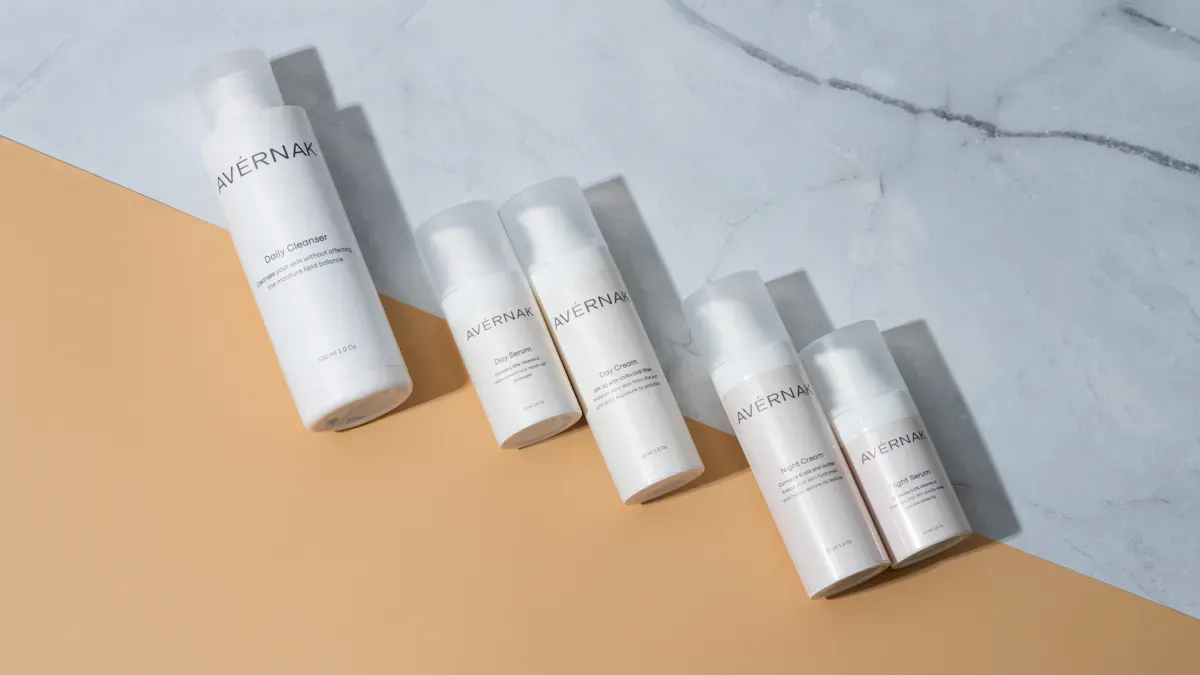
When you compare cosmetic packaging suppliers, you should look at more than price. You need to check quality, reliability, and value. A careful evaluation helps you pick the right partner for your business.
Product Quality and Consistency
Your packaging should look nice and protect your products. Good product quality means the packaging will not break or leak. Consistency means every order is the same quality. You can ask suppliers for samples to see their packaging. You should check for certifications that show the supplier follows strict rules.
Here is a table of common certifications you might see:
| Certification | Description |
|---|---|
| ISO 9001 | International standard for Quality Management Systems, making sure products are always good and customers are happy. |
| ISO 45001 | Focuses on keeping workers safe and healthy, lowering injuries at work. |
| ISO 14001 | Helps companies do better for the environment. |
| ISO 22716 | Gives rules for making cosmetics safely and cleanly. |
| GMP | Makes sure products are made safely and cleanly every time. |
| SA8000 | Checks that workers are treated fairly and ethically. |
| SMETA | Looks at worker rights, safety, and how the company affects the environment. |
You should ask suppliers about these certifications. They show the supplier cares about quality and safety. You can trust suppliers who have these standards. This step helps you avoid problems with your packaging.
Supplier Reliability and Service
Reliability is very important when picking a supplier. You want your packaging to arrive on time and in good shape. Reliable suppliers deliver every order without problems. You should check how long the supplier has been in business. You can read reviews from other customers. You can ask for references.
Good service helps your business. A reliable supplier answers your questions fast. They help you fix problems. They keep you updated about your orders. You should look for suppliers who talk clearly and help quickly.
Here are ways to check if a supplier is reliable:
- Ask about delivery times.
- Check if they have backup plans for delays.
- Find out how they fix mistakes or broken packaging.
- See if they offer tracking for shipments.
- Ask about their customer support hours.
You should use a scoring system for your evaluation. Give points for reliability, service, and communication. This helps you compare suppliers fairly.
Sustainability and Flexibility
Many brands want eco-friendly packaging. You should ask suppliers about their green practices. Some suppliers use recycled materials or offer packaging that cuts down waste. You can also ask about certifications like ISO 14001, which shows the supplier cares about the environment.
Flexibility means the supplier can meet your special needs. Some suppliers let you customize your packaging. They can change designs, colors, or sizes for your brand. You should look for suppliers who handle small or big orders. They should adjust quickly if your needs change.
Here are features that show flexibility:
| Feature | Description |
|---|---|
| Minimum Custom Quantities | Offers low MCQs and flexible MQs for different customer needs. |
| Adaptability | Changes processes for unique product sales needs. |
| Customization | Gives lots of choices for packaging and special boxes. |
| Support for Market Changes | Keeps improving to stay flexible and accurate for market changes. |
You can also look for these signs of flexibility:
- Custom choices for your packaging.
- High-quality printing and strong materials.
- Eco-friendly packaging options.
- Fast order turnaround.
- New technology for special packaging.
A supplier with these features gives you more value. They help your business grow and change with the market.
Tip: Use a scoring system that gives more points to what matters most to you, like reliability, quality, or customization. This helps you find the supplier who gives you the best value.
You should always check quality, reliability, and flexibility before picking a supplier. A good evaluation helps you get the best packaging for your business.
Strategic Comparison and Common Mistakes
Use Comparison Tables and Weighted Scoring
Making a table helps you compare suppliers side by side. You can see what each supplier does well or not so well. A weighted scoring system lets you give more points to things you care about most, like quality or price. This way, you can judge each supplier fairly. It helps you avoid picking just by guessing. Each supplier is checked using the same rules. This makes your choice more fair and helps you find the best value for your business.
- Weighted scoring gives you a clear way to rate suppliers.
- It helps stop mistakes from guessing or picking too fast.
- You can look at quality, service, and value, not just price.
Avoid Focusing Only on Price
Some people only look at price first. This is not a good idea. Low prices can mean poor quality or bad service. You need to check every part of the offer. Look at quality, how long it takes to get your order, and extra costs. Think about how the supplier can help your business grow. The best value comes from good price, high quality, and strong service together.
Check for Incomplete Supplier Quotes
You should always check if quotes are missing details. Some suppliers do not give all the needed information. This can cause problems later on. Ask for clear details about packaging, quality, and costs. Here are mistakes people make when looking at quotes:
- Wanting custom packaging with small orders.
- Not checking the rules for minimum orders.
- Rushing talks and not building trust.
- Forgetting about shipping and storage costs.
You can avoid these mistakes by asking questions and checking every detail. This helps you get the best value from your supplier.
Consider Long-Term Supplier Partnerships
Think about working with your suppliers for a long time. These partnerships give you more than just good prices. They help you get better quality and more value as time goes on.
| Benefit | Description |
|---|---|
| Enhanced Efficiency | Partners help you save time and resources on packaging. |
| Cost Reduction | They find ways to lower costs, like better materials and shipping. |
| Improved Sustainability | They know about green materials and help you lower your impact on the planet. |
| Better Alignment with Goals | They make sure your packaging matches your brand’s long-term plans. |
Long-term partnerships also help you get steady prices and better service. You can work together to come up with new ideas and manage costs. Good relationships with suppliers help you keep quality high and get your orders on time. This way, you get the best value and help your business grow.
When you compare cosmetic packaging suppliers, use a clear plan. This helps you look at cost, quality, and value over time. Tools like TCO analysis and weighted scoring help you make smart choices. Pick suppliers who are reliable and offer flexible materials. Eco-friendly practices are good for your business growth. Using these steps makes sourcing easier and helps you do better than others.
- Give more points to what is most important.
- Check samples to see quality and price.
- Work with suppliers for a long time to get better results.
FAQ
What should you do if a supplier quote is missing details?
Ask the supplier for a new quote with all details. You need full information to compare offers fairly. Missing details can hide extra costs or problems.
How can you check the quality of cosmetic packaging before buying?
You can ask the supplier for samples. Test the samples for strength, look, and fit. You should also ask about certifications like ISO 9001 or GMP.
Why is Total Cost of Ownership (TCO) important?
TCO shows the real cost of packaging. It includes buying, shipping, storage, and disposal. You avoid surprises and make better choices when you check TCO.
What are signs of a reliable cosmetic packaging supplier?
- Quick and clear answers
- Orders arrive on time
- Good reviews from customers
- Shares certifications and references
These signs help you trust the supplier with your business.