


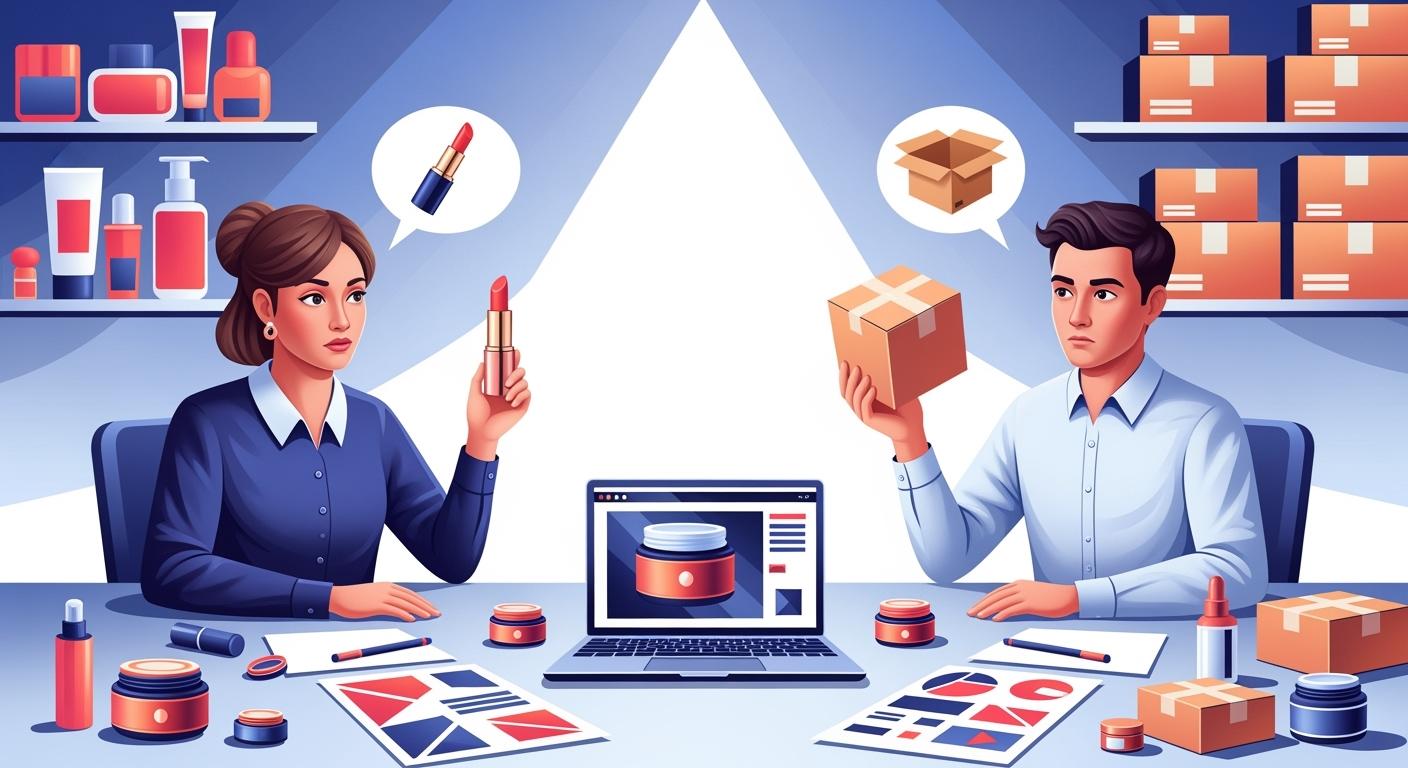
You want your beauty brand to stand out. Good packaging makes a difference, but it takes more than just a strong idea. When you avoid common communication mistakes, you help projects stay on track and save money. Here’s why clear talk with your packaging supplier matters:
- You choose the right size and material, cutting down on waste and shipping costs.
- Your packaging fits your audience and keeps your brand memorable.
- You spot problems early, so you don’t pay for mistakes later.
Clear communication leads to better results every time.
Key Takeaways
- Talking clearly with your packaging supplier stops expensive mistakes and delays. Give them all the details so your packaging works for you.
- Use a checklist for each project. Add important things like size, material, and finish. This stops confusion and makes sure your packaging fits your product.
- Set up one place for all communication. This keeps updates and details together. It lowers the chance of mixed messages and mistakes.
- Make choices early in the process. Confirm big details fast to keep your project moving. This stops last-minute changes that can slow things down.
- Try your packaging with your product formula early. This checks if they work well together. It helps stop problems that could hurt product quality.
Unclear Specifications
Starting a packaging project can be exciting. You might want to share your ideas right away. Maybe you send your supplier some pictures from Pinterest or photos of another brand’s bottle. That helps, but it is not enough. If you leave out important details, you could face delays or pay extra money. You might even get the wrong packaging.
Incomplete Reference Materials
A mood board or some reference images may seem helpful. But your supplier needs more information. If you only send inspiration pictures, your supplier cannot know exactly what you want. They need to know things like:
- Capacity (How much product fits in the package?)
- Material (Is it plastic, glass, or something else?)
- Size (What are the exact measurements?)
- Finish (Is it matte, glossy, frosted, or another type?)
- Accessories (Does it need pumps, droppers, or caps?)
- Target price
Without these details, your supplier cannot give you a real solution. You might get packaging that looks good but does not fit your product or your budget.
Missing Key Details
Many brands forget to share important information at the start. Here are some common things people miss:
- Product development briefs are not complete.
- You do not say if your formula needs special packaging.
- You skip testing if the material works with your product.
- Your packaging design does not match your formula’s needs.
These missing details cause communication mistakes. They slow down your project and can lead to expensive changes later.
Improving Specification Clarity
You can avoid these problems by taking a few easy steps:
Tip: Bring your design, marketing, and manufacturing teams together early. This helps everyone understand the project.
- Use a checklist for every project. Make sure you include capacity, material, size, finish, accessories, and price.
- Try digital tools like 3D printing or online proofing. These help you see your ideas before you make a final choice.
- Keep all your specs and files in one place. This makes it easy to track changes and stops confusion.
- Build a strong relationship with your packaging supplier. A good supplier will help you turn your ideas into clear plans.
When you give clear and complete specs, your supplier can deliver the right packaging. It will be on time and within your budget.
Abstract Requirements
Vague Aesthetic Terms
You want your packaging to feel special. Maybe you tell your supplier, “We want a premium look,” or “Our brand is all about clean beauty style.” These words sound great, but they mean different things to different people. If you only use abstract terms, your supplier might guess what you want. This can lead to communication mistakes. You could end up with packaging that does not match your vision or your brand’s needs.
Let’s say you ask for “luxury” packaging. Do you picture heavy glass, gold accents, or a soft-touch finish? Your supplier might think of something else. If you do not explain what “luxury” means for your brand, you risk delays and extra costs. Clear details help everyone move in the same direction.
Translating Vision into Specs
You can turn your ideas into real packaging by breaking down your vision into simple, clear steps. Here’s how you can do it:
- Define your brand’s vision and values. Write down what your brand stands for.
- Identify your target audience. Think about who will buy your product and what they like.
- Choose a tone and voice for your brand. This helps guide design choices.
- Create a brand guide. Include your vision, values, and visual references.
- Share visual inspiration, like mood boards or sample photos.
- List specific requirements. Mention logo usage, color palettes, and any must-have features.
- Ask questions if you are unsure. This helps avoid confusion.
- Set up regular check-ins with your supplier. Talk about progress and solve problems early.
- Give feedback that is clear and helpful.
- Celebrate small wins together. This keeps the project fun and positive.
Tip: The more details you share, the easier it is for your supplier to deliver packaging that matches your brand.
When you turn your vision into clear specs, you help your supplier understand exactly what you want. This saves time, reduces changes, and keeps your project on track.
Late Detail Confirmation
Delayed Decisions
Sometimes, you want to focus on the main idea first. You might wait to pick small things like print position or pump color. Maybe you want to see a sample before choosing the final finish. Waiting on these choices can seem smart, but it often causes problems. If you wait too long to decide, you may face last-minute changes. These changes can slow down your project.
Here are some choices brands often delay and what happens when they do:
| Common Mistakes | Effects on Packaging Projects |
|---|---|
| Prioritizing Aesthetics Over Functionality | This can make products leak or hard to use. |
| Underestimating Formula Compatibility | The packaging might break down or spoil the product. |
| Neglecting Fill Level Considerations | Customers may complain if the product looks wrong. |
| Forgetting About E-commerce Durability | Products can get damaged during shipping and upset buyers. |
| Jumping into Tooling Too Soon | You might need to fix tools, which costs time and money. |
Even small choices matter if you wait too long. Deciding early helps your supplier plan better. It also stops expensive mistakes.
Impact on Timelines
If you wait to confirm packaging details, your project can fall behind. You might think a small change is not a big deal. But it can cause more delays. Here is what might happen:
- Packaging delays can make you miss your launch date.
- Your marketing plans and sales can get messed up.
- Even small delays can mean you lose a lot of sales.
You might also wait longer if you send specs late, change designs at the end, or have slow approvals. Each problem adds more steps and waiting.
Tip: Decide on important details as soon as you can. Early choices help you avoid mistakes, keep your project moving, and save money.
A good packaging supplier can help you with these steps. They can spot problems early and keep things moving. When you work together and decide early, your brand can launch smoothly.
Formula Compatibility
Sharing Product Information
You want your product to look good and work well. To do this, you must share real formula details with your packaging supplier early. Every formula is different. Some are thick, some are thin, and some change with light or air. If you only say “serum” or “cream,” your supplier will not know what your product needs.
Here’s a simple table showing what you should share:
| Key Phase | Description |
|---|---|
| Material Analysis | Tell your supplier what materials your formula touches. This helps check for chemical reactions. |
| Filling & Conditioning | Say how you fill and store the product. This helps test for leaks or changes. |
| Observation & Measurement | Share if your formula changes color, smell, or texture. This helps spot problems early. |
| Performance Testing | Explain how you want the product to come out. This helps test pumps, droppers, or tubes. |
If you skip these steps, you could have chemical reactions, leaks, or spoiled products. Some ingredients break down when they touch light or air. Others need special packaging, like airless bottles, to stay fresh. Sharing this information early helps your supplier pick the right packaging and avoid expensive changes later.
Packaging and Formula Fit
You want your packaging to keep your formula safe and make customers happy. If the packaging and formula do not match, you can have big problems. Here are some risks:
- The formula can react with the packaging and lose quality.
- You might see changes in color, smell, or texture.
- The product could leak or be hard to use.
- Microbial growth or pH changes can happen if the fit is wrong.
- Bad fit can cause recalls, bad reviews, and lost trust.
You can stop these issues by testing stability and compatibility before making the product. Use tools and databases to find problems early. Pick packaging that fits your formula’s needs, like opaque bottles for products that do not like light. Always test how your formula works with the packaging over time.
Many communication mistakes happen when brands do not share enough about their formulas. When you work closely with your supplier and give them all the details, your project goes smoothly. A good packaging partner will help you test and avoid surprises. This saves time, money, and keeps your brand safe.
Sample vs. Production
Differences in Results
You might love the first sample your supplier sends. It looks perfect, feels right, and matches your vision. But here’s something many brands miss: what you see in a sample does not always match what you get in mass production. Small runs use different machines or hand-finishing. Large runs use automated lines. This can change the color, print, or even the feel of your packaging.
Let’s say your sample has a rich, deep color. In production, the color might shift a little. Maybe the print looks sharp on the sample, but it blurs when printed in bulk. Sometimes, the pump or cap fits well on the sample but feels loose or tight in production. These changes happen more often than you think. If you assume the sample and the final product will be identical, you risk surprises and extra costs.
Tip: Always ask your supplier about possible differences between samples and production. This helps you spot issues early.
Ensuring Consistency
You want every package to look and work the same. To make this happen, you need a plan. Here are some steps you can follow:
- Work closely with your packaging supplier and contract manufacturer from the start. Share your specs and check that everyone understands them.
- Set clear quality standards for color, print, and materials before production begins.
- Make sure your packaging meets all safety and legal rules for your market.
- Check samples from the first production run. Test the color, print, and fit. Try the pump or dropper to see if it works well.
- Keep improving. Ask for feedback and review results after each run.
When you follow these steps, you avoid common communication mistakes. You also make sure your packaging matches your brand every time. A professional packaging partner can guide you through these checks and help you fix problems before they grow.
Fragmented Communication

Multiple Suppliers, Mixed Messages
You might think using many packaging suppliers gives you more choices. Sometimes, this is true. But splitting your project between different teams can cause confusion. Each supplier may get a different set of specs. Some teams might not know about changes you made last week. This can lead to mixed messages and mistakes that slow down your project.
Here’s a table that shows what can go wrong if you do not have clear, unified communication:
| Challenge | Implication |
|---|---|
| Inconsistent Brand Messaging | It is hard to keep your brand image the same on all packaging. |
| Compliance Issues | You might miss important rules or regulations. |
| Inefficient Collaboration | Teams have trouble working together, which causes delays. |
| Errors in Packaging Specifications | Details can get lost, so packaging may not fit your needs. |
| Increased Development Inefficiencies | Projects take longer because communication is not smooth. |
You want your brand to look and feel the same everywhere. If you work with too many suppliers, you can lose that unity. You also have more checks for rules and more chances for mistakes. These communication problems can cost you time and money.
Benefits of Centralized Collaboration
You can stop these problems by using a centralized approach. When you work with one main packaging supplier or use a shared platform, you keep all your specs and updates in one place. Everyone sees the same information. This makes it easier to manage changes and keep your project on track.
Centralized collaboration helps you organize your work better. You can handle many product lines without losing control. Automated checks help you follow all the rules. Shared workspaces let your team and your supplier see updates, share ideas, and track progress together. You spend less time fixing mistakes and more time building your brand.
Some beauty brands use one place for all their product data. This helps them plan better and work faster. You can do this too. When you keep everything in one spot, your packaging projects go smoother and are more successful. A professional packaging supplier can help you with this and help you avoid common communication mistakes.
Price-Only Focus
Ignoring Project Conditions
You might want to ask for the lowest price first. Many brands do this when they talk to a packaging supplier. It feels easy, but it can cause problems. If you only care about price, you might miss other important things.
Choosing the cheapest option can give you nice-looking packaging. But it might not work well. You could have a bad user experience or break rules. Your brand’s reputation could get hurt. Beauty packaging needs to be more than cheap. It should be strong, safe, and fit your brand’s style.
Some project details are often forgotten when asking for prices:
- Minimum order quantity (MOQ)
- Special process or decoration needs
- Sample requirements
- Lead time and delivery schedule
- Shipping method and destination
- Target market rules and certifications
If you skip these details, your price quote will not be correct. You might see a low price at first. But later, you find extra costs or delays.
Smart buyers think about more than just price. They look at the whole value, like how long packaging lasts, if customers like it, and how it helps the brand in the future.
Getting Accurate Quotes
You want a price that matches what you need. To get this, you must give your supplier clear and full information. Here is what you should share:
- Tell them your needs and any problems you have.
- List the type of container, how fast you need it, and your future plans.
- Ask if they have options that can grow with your business.
- Make sure they help you after you buy.
- Check if the packaging is strong and lasts long.
- Ask for clear prices, timelines, and what is included.
- Think about how the packaging can change as your brand grows.
You can also:
- Add shipping costs if you need delivery far away.
- Say if you want more or fewer items in your order.
- Explain what printing you like.
- Ask about normal delivery times and possible delays.
- Look up what others say about the supplier.
When you give all this info, your supplier can give you a quote that fits your project. This helps you avoid mistakes and plan better. A good packaging partner will help you with these steps. They make sure you get the best value, not just the lowest price.
Version Control Issues
Managing Files and Samples
You handle many files and samples during a packaging project. You might update your logo, change a color, or tweak a design. If you do not track these changes, you can get confused. You may send the wrong file to your supplier or approve the wrong sample. This can lead to delays and extra costs.
Try using a simple system to manage your files and samples. Label each version with a clear name and date. Keep all your files in one folder. Share this folder with your team and your supplier. Make a list of all samples you approve. Write down which sample is the final one. This helps everyone stay on the same page.
Here is a quick checklist you can use:
- Name each file with the project and version number.
- Save color approvals and logo files in one place.
- Record every sample sign-off with a date.
- Note any changes in process or decoration.
Tip: Ask your supplier to confirm which files and samples they use for production. This stops mix-ups before they happen.
Preventing Confusion
You want your project to run smoothly. If you do not manage versions, you risk confusion. Your supplier might use an old logo or the wrong color. You could get packaging that does not match your brand. These communication mistakes can cause rework and slow down your launch.
A table can help you see where problems start:
| Issue | Result |
|---|---|
| Wrong file used | Incorrect packaging |
| Old sample approved | Outdated design |
| Process change missed | Production errors |
You can prevent these problems by setting up clear version control. Use one folder for all files. Keep a log of every change. Share updates with your supplier right away. When you manage files and samples well, you save time and money. You also build trust with your supplier. A professional packaging partner will help you set up these systems and keep your project on track.
Fast Replies vs. Effective Communication
Speed vs. Clarity
You might think that quick replies keep your project moving. Fast answers can feel good, but they do not always solve problems. Sometimes, speed creates confusion. You may get a reply in minutes, but if it lacks details, you still have to ask more questions. This back-and-forth wastes time and can lead to communication mistakes.
You need to balance speed with clarity. Here’s how you can do it:
- Gather feedback from your customers. Use what you learn to guide your packaging choices and make sure your design matches your brand.
- Focus on clear and simple product ideas. When you keep things straightforward, your supplier can understand your needs faster.
- Blend your brand’s unique style with what works best for your product category. This helps you make decisions quickly without losing your brand’s voice.
Tip: A clear message saves more time than a fast but vague reply. Take a moment to check your instructions before you send them.
Actionable Instructions
You want your supplier to turn your ideas into real packaging. To do this, you need to give instructions that are easy to follow. Actionable instructions mean your supplier knows exactly what to do next. They can start work right away, which keeps your project on track.
Here are some ways to make your instructions actionable:
- Use simple words and short sentences.
- List out each step or requirement.
- Attach drawings, specs, or photos when possible.
- Confirm details like size, color, and finish.
- Ask your supplier to repeat back the plan. This checks for understanding.
When you focus on clear, actionable instructions, you avoid delays and reduce the risk of errors. You also build trust with your supplier. A professional packaging partner will help you turn your ideas into production-ready plans, making your project smoother and more successful.
Timeline and Change Boundaries
Defining Schedules Early
You want your packaging project to go well. Setting clear timelines at the start helps everyone stay on track. If you talk about sample cycles and how many changes you can make early, you will not get surprised later. You should ask your supplier how long each step takes. You can also check which changes might slow things down or cost more.
Here’s a simple checklist to help you set up your schedule:
- Pick dates to review samples.
- Decide how many times you can make changes.
- Plan when production starts and ends.
- Ask which changes could slow your project.
- Find out how long shipping will take.
Tip: Talking about the timeline early helps you find problems before they get big.
A clear schedule helps your team and your supplier focus. You know what will happen, and your supplier can plan better. This makes your launch easier and less stressful.
Managing Revisions
Every packaging project needs some changes. You might want to move a logo, pick a new color, or change the finish. If you do not control changes, your project can get stuck or cost too much. You can stop this by setting clear rules for changes.
Start with a Statement of Work (SOW) that lists what you need. Say how many times you can make changes. Get all feedback before you change anything. Use a form for change requests. Ask your team to write what needs to change, why, and how fast it is needed.
Here’s a table to help you keep track of change requests:
| Element to Change | Reason for Change | Priority | Timeline |
|---|---|---|---|
| Logo placement | Brand update | High | 2 days |
| Color palette | Market feedback | Medium | 1 week |
Check in with your supplier often to stay on the same page. You can talk about bigger changes and make sure everyone knows what counts as a needed change. This stops confusion and keeps your project moving.
A good packaging supplier will help you set up these steps. They make sure your changes are organized and your schedule is realistic.
Common Communication Mistakes and Solutions
Prioritizing Aesthetics Over Function
You want your packaging to look great. Sometimes, you care more about design than how it works. If you pick a cool shape or finish, problems can happen. Bottles might leak or pumps may not work right. You can stop these mistakes by asking your engineering team for help early. They check if your design fits your product and works for customers.
When you work with a good packaging partner, you feel calm. They know about branding and making things. Talking gets easier, and packaging is not stressful anymore.
Overlooking Fill Level and Size
You might choose a bottle just because it looks nice. If you do not check the fill level, your product could look empty or spill out. Customers notice these problems. They want packaging that feels right and matches what they expect. You can fix this by making a sample and checking the inside space. This helps you see if your product fits and keeps your brand strong.
Here’s a simple table showing mistakes and ways to fix them:
| Mistake | Description | Solution |
|---|---|---|
| Prioritizing Aesthetics Over Functionality | Focusing too much on design can cause leaks or hard-to-use packaging. | Ask engineers early to make sure design works well. |
| Neglecting Fill Level Considerations | Not checking fill levels can make products look wrong. | Measure inside space and make a sample to check fill. |
Misaligning Brand Identity
You want your packaging to match your brand. If you do not share your ideas clearly, your supplier might make something that does not fit your style. You can fix this by making a brand guide and giving it to your supplier. Add your logo, colors, and what makes your brand special. Ask your supplier to check the shape, materials, and finish before making lots of packaging. This keeps your packaging the same and stops costly changes.
- Good packaging partners can help you with:
- Advice and planning for packaging
- Design and making sure it works
- Making samples and testing them
- Managing how things are made and checking quality
- Helping with shipping and checking how things go
You get better results when you work closely with your supplier. They help you find problems early and turn your ideas into real packaging. You avoid mistakes and can launch your products with confidence.
You can avoid most delays and extra costs by spotting communication mistakes early. Clear, structured talk with your supplier keeps your project on track. When you share your ideas and needs, a good packaging partner helps turn them into real plans and smooth production. Oulete supports you at every step, from samples to final delivery. Both you and your supplier share the job of making sure every detail is clear. Work together, and you will see better results for your brand.
FAQ
What details should I always share with my packaging supplier?
You should tell your supplier about your product’s capacity, material, size, finish, accessories, and target price. Giving clear specs helps your supplier find the best choices for you. This also helps you avoid waiting or making mistakes.
How can I make sure my packaging matches my formula?
Test your formula with the packaging as soon as you can. Tell your supplier about the texture, if it is sensitive, and how you want to use it. This lets your supplier pick the right materials and packaging shapes.
Why does my sample look different from the final product?
Samples are sometimes made by hand or on special machines. Production uses big machines that work faster. Ask your supplier what might change between samples and production. Always check a sample from the real production line before making a lot.
What’s the best way to manage files and design versions?
Put all your files in one folder. Give each file a clear name. Share updates with your team and your supplier. This helps everyone know what is happening and stops mix-ups.
How do I avoid project delays from late changes?
Make important choices early in your project. Set clear dates for feedback and changes. Talk with your supplier about how changes can slow things down. Deciding early helps your project finish on time.