


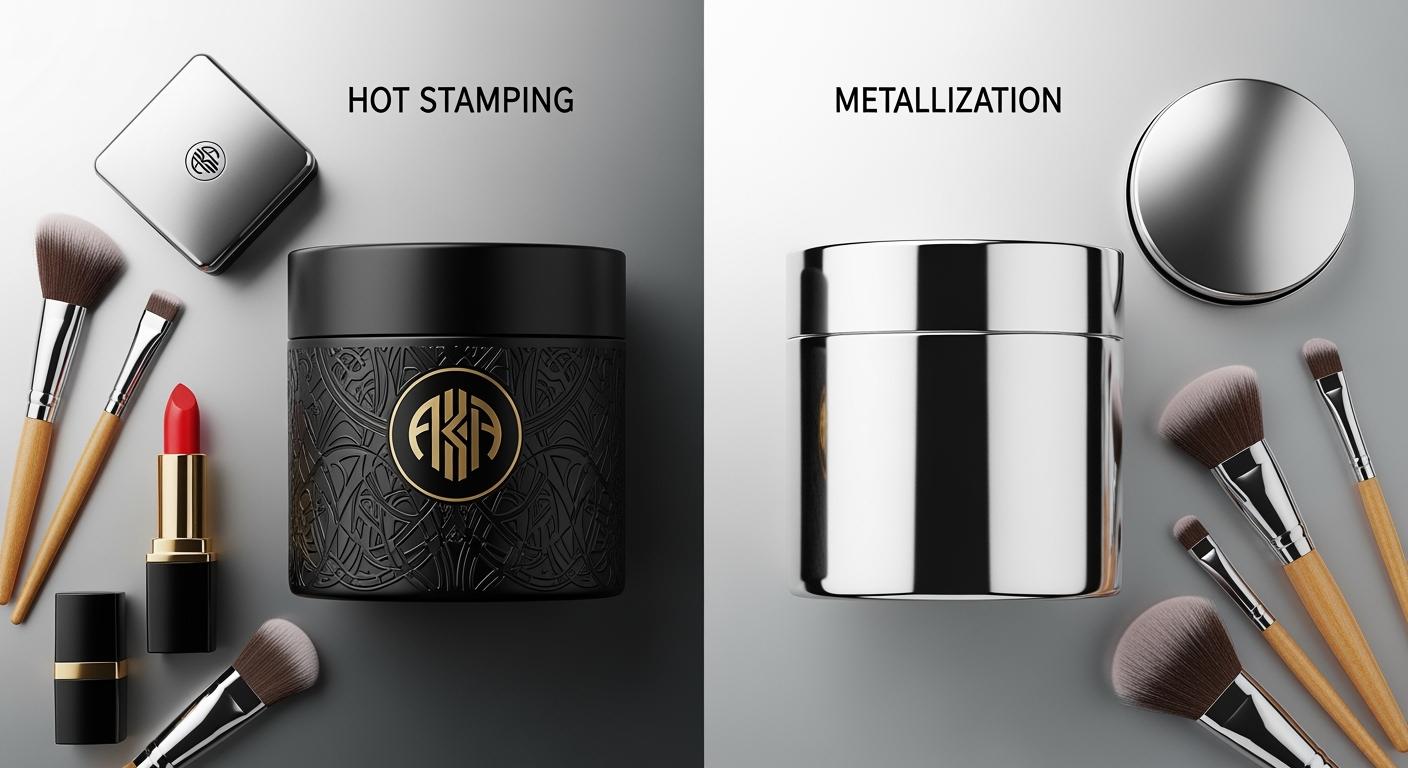
You may feel unsure about which decoration method to use for fancy cosmetic packaging. Hot stamping adds shiny metallic touches. Metallization covers the whole surface with a bright, mirror-like look. Each method tells your customers something different. Your decision changes how your brand looks and how your packaging works in real life.
Key Takeaways
- Hot stamping puts shiny spots on packages. It helps logos and details pop out. It does not make the design too busy.
- Metallization gives the whole package a shiny metal look. This makes it look fancy and bold. It helps the package get noticed in stores.
- Pick hot stamping for small groups or special details. Metallization is better for big orders that need to look the same and shiny.
- Think about what material you use. Hot stamping works on many surfaces. Metallization needs smooth surfaces to look best.
- Think about your money and what you want to do. Hot stamping can cost more to start. Metallization can save money if you make a lot.
Hot stamping for cosmetic packaging
What is hot stamping
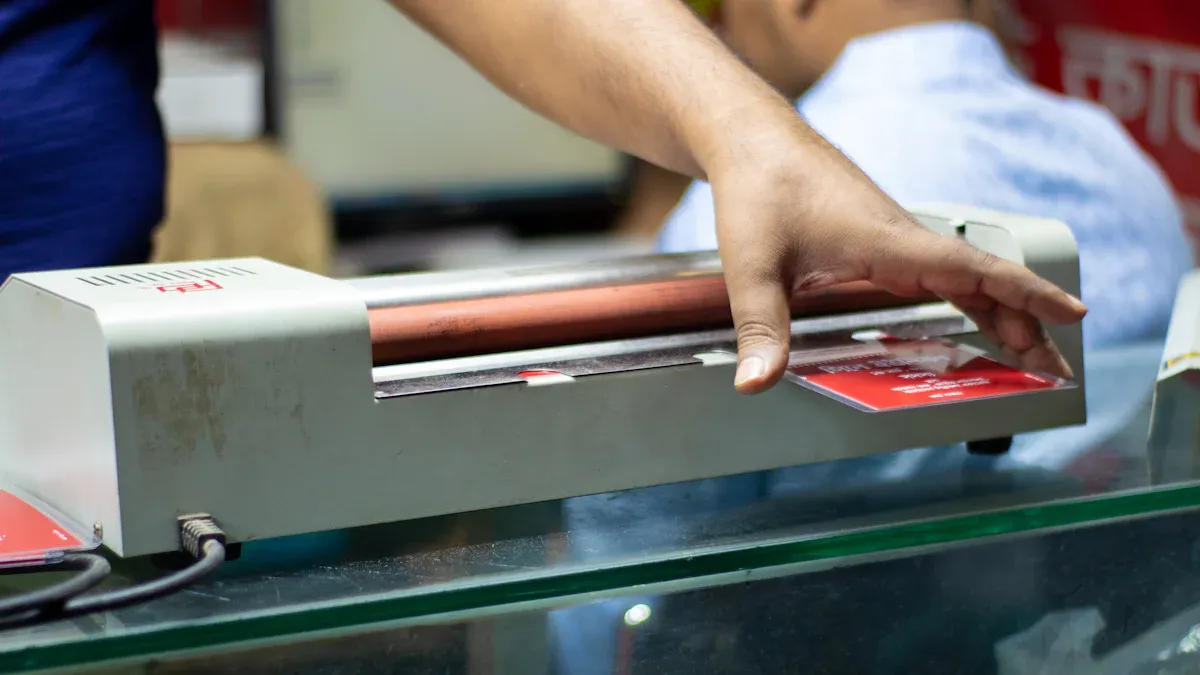
Hot stamping lets you put shiny metal touches on your packaging. It uses heat and pressure to stick a thin foil onto the surface. Here is how hot stamping works:
- Put a thin foil between a hot metal die and your package.
- Press down with heat so the foil sticks to the package.
- Lift the die to see the shiny new design.
Hot stamping makes bright, sharp designs that regular printing cannot do. You can pick gold, silver, or other shiny colors. Many beauty brands like hot stamping because it is neat and lasts a long time.
Where hot stamping works best
Hot stamping is great when you want to make certain parts stand out. You can use it for logos, borders, or small words. It is good for projects that need a fancy look but not full metallic. You often see hot stamping on:
- Jars
- Lipstick tubes
- Mascara packaging
- Airless pump containers
- Cosmetic boxes
Flat or gently curved surfaces work best for hot stamping. It helps you add detailed designs and branding that catch people’s eyes.
Benefits of hot stamping
Hot stamping gives you many good things for your packaging. Here are the main benefits:
| Benefit | Description |
|---|---|
| Luxurious Appearance | Hot stamping makes your packaging look fancy and special. |
| Mirror-like Shine | The foil is shiny and grabs attention. |
| Sharp Edges | Logos and names look clear and easy to read. |
| Effective Branding | Your brand stands out and gets noticed. |
Hot stamping helps you make your packaging look fancy but not too flashy. It is good for showing your brand is high quality.
Limitations to consider
There are some things to think about before picking hot stamping. Some common problems are:
- Cost: Special foils, like holographic ones, can cost more.
- Compatibility: Not all materials work well with hot stamping. Some need extra steps to make the foil stick.
- Environmental Concerns: Most foils are not good for the environment, but some eco-friendly choices are out now.
Tip: Hot stamping is not good if you want the whole surface to be metallic. It works best for small shiny parts, not full coverage.
Hot stamping is great for fancy details, but make sure your material and design fit the process.
Metallization and its applications
What is metallization
Metallization covers cosmetic packaging with a shiny metal layer. The process uses vacuum metallization or electroplating. These methods put a metal coating on the surface. You often see metalized finishes on plastics like ABS, PC, PP, PE, PS, and nylon. Metallization also works on glass and metal containers. Metalized inks add extra shine and color. The metal layer makes your packaging look better and last longer. You get a mirror-like surface that stands out in stores.
Best uses for metallization
Metallization is best for projects needing bold, full metallic effects. You can use it for luxury packaging or statement products. Metalized finishes make your brand look premium and catch attention. Metalized inks help you get unique colors and effects. Here is a table showing where metallization fits best:
| Product Type | Description |
|---|---|
| Lipstick Tube Shells | Metalized finish gives a shiny look. |
| Compact Lids | Metallized surface adds shine and appeal. |
| Mascara Bottles | Metalized decorating creates a premium feel. |
| Eyeshadow Palette Frames | Metalized layer boosts visual impact. |
| Lip Gloss Caps | Metalized inks attract buyers with shine. |
| Limited-Edition Collections | Metallized decorating offers special effects for unique releases. |
Advantages of metallization
Metalized decorating gives you many good things. You can use metalized inks for a premium look. Metalized surfaces show luxury and exclusivity. Metalized finishes catch light and improve shelf presence. You can use metallization for skincare and makeup lines. Metalized inks help tell your brand story and build your brand identity. Metallization works for many types of packaging.
- Metalized surfaces look nice and attract buyers.
- Metallization helps your brand stand out.
- Metalized inks make your products easy to spot.
- Metalized finishes support brand storytelling.
- Metallization works for different packaging types.
Drawbacks to note
There are some challenges with metallization. Metallization needs special equipment and materials. Metalized inks and coatings can release VOCs, which may affect the environment. Metalized surfaces can wrinkle or crease. Metallization increases production costs. Metal layers may corrode if they get wet. You need special adhesives for metalized finishes. Here is a table of common drawbacks:
| Drawback | Description |
|---|---|
| Investment | Metallization needs UV curing equipment. |
| Operating Expenses | Metalized inks and materials cost more. |
| Environmental Concerns | Metalized coatings may release VOCs. |
| Corrosion | Metalized layer can corrode with moisture. |
| Added Cost | Metallization increases expenses. |
| Wrinkling and Creasing | Metalized surfaces may bend or wrinkle. |
| Special Adhesives Required | Metalized finishes need special adhesives. |
Note: Check if your packaging material works with metallization. Metallized finishes work best on certain plastics, glass, and metals. Metallization may not fit projects with strict environmental rules or small budgets.
Hot foil stamping vs metallization—visual and functional differences
Accent vs. full metallic look
You want your cosmetic packaging to be noticed. Metallic decoration changes how people view your brand. Hot stamping lets you add shiny details to certain spots. You can highlight a logo, border, or small pattern. This method is good for making accents that feel fancy but not too much. You can pick foil colors to match your brand style. Hot stamping lets you choose where the shine goes. Your packaging can look neat and simple.
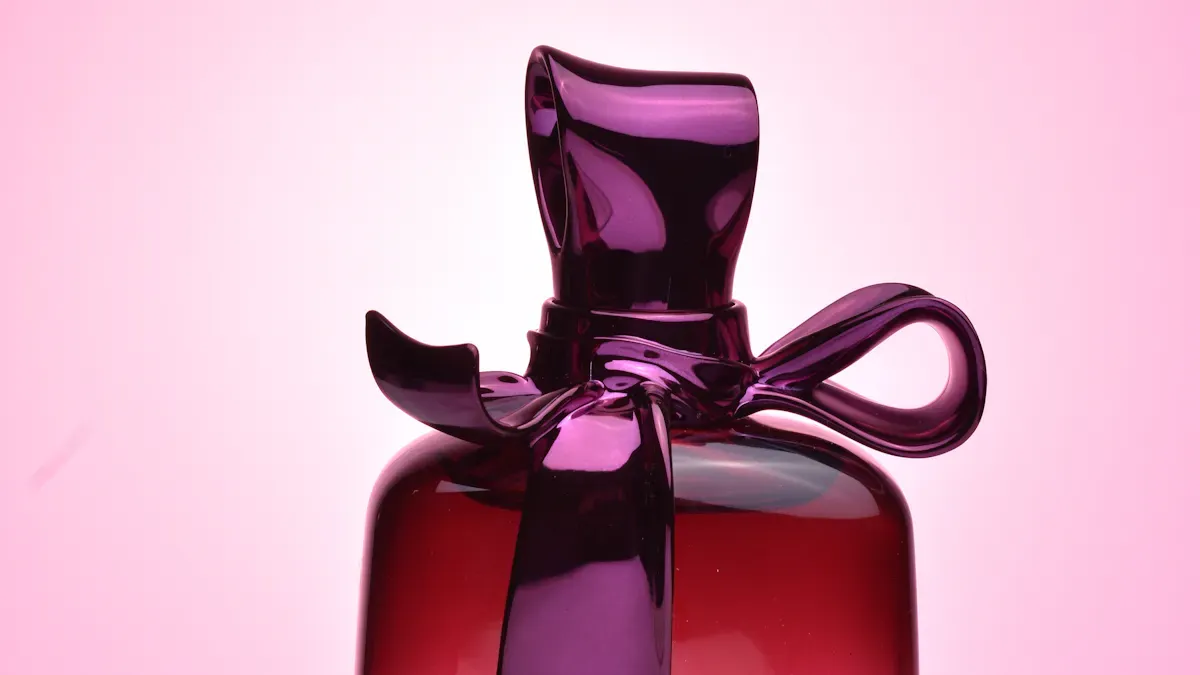
Metallization covers the whole surface with a metallic layer. This process gives a bold, shiny look that stands out. You get a mirror-like finish that catches attention from far away. Metallization works best when you want your whole package to reflect light and show strong color. You can pick from many colors like gold, silver, or rose gold. Metallization gives your packaging a smooth metallic effect that feels rich and modern.
Some brands think both methods give the same result. But hot stamping is best for small details and accents. Metallization is better for a full metallic surface. You should pick the effect that fits your brand’s message and the feeling you want for your customers.
Durability and consistency
You want your packaging to look good every time. Hot stamping makes sharp, strong accents that do not fade or scratch easily. The foil sticks tightly to the surface, so details stay clear. Hot stamping gives steady results, even on tricky shapes or small spots. This method is good for logos and text that need to stay neat.
Metallization gives a strong, even finish over the whole package. You get a smooth metallic layer that covers everything. This process works best on big, flat surfaces. Metallization can show tiny flaws if the base material is not perfect. You may see small wrinkles or creases if the process is not done well. Still, metallization gives a steady color and shine that stays bright during shipping and handling.
Some buyers think metallization always lasts longer. But both methods can be strong if you use the right materials and control the process. You should check samples from both methods to see which one fits your quality needs.
Cost factors
You want to balance quality and price. The cost of each method depends on your project size and design. Hot stamping costs more for setup and foil. You pay extra for each color and for fine details in your design. This method adds value and makes your packaging look fancy. It works best for smaller orders or when you want to highlight special features.
Metallization gets cheaper as your order size grows. The process uses mass production to lower the cost for each unit. You can cover big areas with metallic color without paying extra for each detail. Metallization is smart for big launches or when you want a bold look for many units.
Here is a quick comparison:
| Production Method | Cost Factors | Cost Implications |
|---|---|---|
| Hot Stamping | High foil and setup costs | More expensive, high added value and quality |
| Metallization | Mass production efficiencies | More cost-effective for larger runs, higher per-unit costs for smaller runs |
Some brands think hot stamping is always cheaper. But that is not true for big projects. You should match your decoration method to your budget, order size, and the color effect you want.
Environmental considerations
You care about the environment and want to make good choices. Both hot stamping and metallization use energy and materials. Old production lines can use 100 to 200 kW per hour and make more waste. Newer decoration methods use less energy, from 20 to 70 kW per hour, and cut down on waste.
Hot stamping uses foils that may not always be recyclable. Some new foils are more eco-friendly, but you need to ask your supplier. Metallization can release VOCs during production, especially if you use certain inks or coatings. You can lower your impact by picking processes that use less energy and make less waste.
Some buyers think all metallic effects are bad for the environment. But you can find options that use less energy and safer materials. You should ask your manufacturer about energy use, waste, and color choices that fit your green goals.
Tip: Always ask for environmental data and color samples before you decide. This helps you pick a process that matches your brand values and keeps your packaging looking good and responsible.
Material compatibility in cosmetic packaging
Material compatibility is very important when you pick hot stamping or metallization. Not all packaging materials work with every decoration method. You have to match the process to the surface for the best look and lasting results.
Hot stamping on different materials
Hot stamping works on many kinds of surfaces. You can use it on smooth paper, coated boxes, and some plastics. It also works on rough or bumpy papers where other metallic effects do not work. Here is a table to show where hot stamping works best:
| Material Type | Application |
|---|---|
| Luxury wine labels | Hot stamping |
| Cosmetic boxes | Lipstick, Perfume |
| Greeting cards | Invitations |
| Rough or textured papers | Where cold foil fails |
You get bright, shiny details on flat or gently curved surfaces. Hot stamping also works on coated paper, glass, and shiny plastics. If your packaging is smooth, you will get the best results.
Metallization and base material limits
Metallization needs a different kind of surface. This process works best on plastics like ABS, PC, and PET. You can also use it on glass and some metals. Metallization does not work well on bumpy or rough surfaces. The base must be smooth and clean for the metal layer to stick and shine.
If you want a bold, mirror-like finish, check if your packaging material is right for metallization. Some plastics and metals give the best effect. If the surface is rough or dull, the metallic layer may not look even.
Choosing based on substrate
You should always start by looking at your packaging material. Here is an easy way to decide:
- See if your packaging is smooth or rough.
- Think about how much of the surface you want to cover with metallic shine.
- Check your budget and how fast you need your packaging.
Tip: Hot stamping works with more types of materials. Metallization needs a perfect surface for the best shine.
When you match the decoration method to your packaging, you get better results and fewer problems. This helps you make packaging that looks good and fits your brand.
Brand positioning and design strategy
Minimalist and clean beauty brands
You want your packaging to look simple and pure. Many clean beauty brands use soft decoration styles. Hot stamping is good for these brands. It adds shiny touches without making the design too busy. You can use it to highlight your logo or add a thin border. This makes your packaging look elegant. Most brands pick soft colors and smooth shapes. This helps the packaging feel calm and trustworthy. The table below shows popular decoration choices for simple packaging:
| Decoration Technique | Description |
|---|---|
| Clean Lines | Smooth shapes like rectangles or cylinders keep the design simple. |
| Subtle Typography | Sans-serif fonts make words easy to read and clear. |
| Muted Color Palettes | Soft tones such as white, beige, and pastels evoke cleanliness. |
| High-Quality Materials | Glass and biodegradable paperboard show luxury and care for the environment. |
| Functional and Sustainable | Refillable or recyclable packaging supports eco-friendly values. |
Hot stamping works well with these styles. You can use it to add a small shiny logo or accent. This matches your brand’s clean look.
Luxury and high-impact lines
You want your packaging to be bold and special. Luxury brands use strong decoration methods. Metallization covers the whole surface with shiny metal. Holographic hot stamping foils make your product look valuable. Many top skincare brands use metallic decorations. This makes their products seem more expensive. Shiny effects can help people remember your brand and want to buy it. The table below shows features of luxury packaging:
| Aspect | Details |
|---|---|
| Premium Skincare Brands | Over 64% use metallic decoration for a luxury feel. |
| Consumer Engagement | Hot stamping foil enhances brand recall and perceived value. |
| Market Growth Rate | Packaging aesthetics drive growth in the cosmetics market. |
Metallization and bold hot stamping help your brand stand out. They attract buyers who want fancy products.
Aligning decoration with brand image
You need to match your decoration style to your brand. Packaging shows your values and quality. Shiny accents, color, and shape help people know your brand. Good logo placement and material choice build brand trust. You can use bioplastic bottles or recyclable materials to show you care about the planet. Amber glass and flint glass look fancy and protect your product. Good design uses both looks and words to make a strong impression.
- Packaging style shapes how people see your brand.
- Metallic decoration can mean luxury or simplicity, depending on how you use it.
- Consistent design choices help your brand stand out.
Tip: Always think about your audience and brand message when picking decoration styles. The right method helps you connect with buyers and reach your goals.
Production and durability considerations
Mass production consistency
You want every package to look the same. This is important for your brand and customer trust. If you make thousands, small changes can be easy to see. You need to check a few things to keep everything matching:
- Lipstick packaging should work well and look the same in every batch.
- The decoration must fit the style of your whole product line.
- Hot stamping and metallization both need steady processes to stop color changes or uneven shine.
- Strong decoration and easy production help keep quality high.
- Saving money and following rules also matter when you choose.
If you plan to make a lot, test samples from different batches. This helps you find problems early and keep your brand looking good.
Surface wear and finish matching
Your packaging goes through a lot during shipping and use. You want the shiny finish to stay bright and smooth. If the decoration is weak, it can wear out. You should look for:
- Scratches or fading on shiny parts after people touch them.
- Shine or color that looks different between pieces, like caps and bottles.
- Wrinkles or peeling, especially on curved or bumpy surfaces.
It can be hard to match finishes on different materials. You need to make sure the gold on a cap matches the gold on a bottle. This keeps your packaging looking nice and fancy.
Tip: Always ask for finish samples on every material you want to use. This helps you avoid problems when making lots of packages.
Quality control tips
You can keep your packaging nice by using good checks. Here are some things you should do:
- Look at the packaging to find any mistakes or color problems.
- Check the size to make sure it is right.
- Test bottles and jars for leaks so nothing spills.
- Drop the package to see if the decoration stays nice after a fall.
- Check that lids and seals work to stop germs.
You should do these checks at every step of making your packaging. Good and steady decoration makes your products look better and helps customers trust your brand.
Note: Good quality checks help you avoid big mistakes and keep your packaging looking great from the factory to the store.
Cost and project planning
Entry-level vs premium projects
You have to pick the right decoration for your project. Hot stamping is good for simple projects. It lets you add shiny parts without changing everything. This way, you get a fancy look with little risk. Metallization is better for high-end projects. It covers the whole package with a shiny, mirror-like layer. This makes your product stand out and look expensive. Think about what your brand wants before you choose.
Budgeting for decoration upgrades
You need to plan how much money to spend on decoration. Hot stamping costs more to set up, especially with special colors. You also pay more for each small detail. Metallization needs special tools and supplies. The price goes down if you make a lot at once. Write down how big your project is and what you can spend. Here is a quick guide:
- Hot stamping: Best for small batches and shiny logos.
- Metallization: Good for big orders and full shiny looks.
Tip: Try hot stamping first if you want to test new packaging or spend less. Pick metallization when you want to spend more and make a bigger change.
Managing risk in development
You need to watch out for problems while making your packaging. Each method has things that can go wrong. For hot stamping, you must use the right heat, pressure, and speed. If you miss these, the foil may not stick or the design may fade. Metallization needs a smooth surface and careful work. Always check samples and test before making a lot.
| Factor | Description |
|---|---|
| Hot Stamping Temperature | Keep between 85°C and 130°C for best foil transfer. |
| Hot Stamping Pressure | Adjust based on material thickness and foil performance. |
| Hot Stamping Speed | Choose speed to match foil transfer and ensure steady quality. |
You can lower problems by working with a company that knows both methods. Experts help you pick the right process for your material and brand. This gives you better results and fewer surprises.
When to choose hot stamping or metallization
Quick decision scenarios
Sometimes you need to pick fast for your cosmetic packaging. First, think about what you want your package to look like. If you want the whole package to look shiny like a mirror, metallization is the best choice. If you want just a small shiny part, like your logo or brand name, pick a method that makes accents stand out. Many brands use metallized decorating for fancy or special products. Hot stamping works well for things like compact lids, lipstick tube caps, and eyeshadow palette covers. For holiday collections, brands often use iridescent foil to make the packaging look festive.
| Scenario/Application | Description |
|---|---|
| Premium Cosmetic Lines | Hot stamping puts a metallic film on the package. This makes it look more fancy and special. |
| Specific Packaging Items | You see hot stamping on compact lids, lipstick tube caps, and eyeshadow palette covers. |
| Brand Identity | Brands use it for names, collection names, and symbols. This helps people remember the brand. |
| Seasonal Collections | Iridescent foil is used for holiday collections. It gives a fun and bright look. |
| Aesthetic Enhancement | Hot stamping adds a shiny touch but does not cover everything. |
| Durability and Versatility | It looks good and lasts long, so brands can stand out. |
Matching technique to goals
You want your packaging to show your brand’s style. Think about how you want it to look and feel. Metallization gives a real metal look. It can be shiny or not shiny. This makes your product look fancy and different from others. Hot stamping lets you pick different foil colors for your design. You can make your brand look stylish and help your product get noticed.
| Technique | Characteristics | Benefits |
|---|---|---|
| Metallization | Makes the package look like real metal. You can pick shiny or matte. | It makes your product special and adds a luxury feel. |
| Hot Stamping | Uses foils to make different metallic colors. | It gives a cool and stylish look, making your product unique. |
Tip: Pick the decoration method that matches your brand’s goals. Choose the one that works with your material and gives the look you want.
Practical tips for brands
You can make good choices by following these easy steps:
- Check what your package is made of. Metallization works best on smooth surfaces. Hot stamping works on more types of materials.
- Decide how much shine you want. Metallization is for full shiny packages. Hot stamping is for shiny logos or small parts.
- Think about your money and how many you need. Metallization is better for big orders. Hot stamping is good for small batches or trying new ideas.
- Ask your manufacturer for samples and advice. Experts can help you avoid mistakes and get the best results.
Note: You can trust a good cosmetic packaging company to help you. They will help you pick the right decoration for your project.
You want your packaging to look special and fit your brand. Hot stamping adds bright shiny spots and works on lots of materials. Metallization covers everything for a bold, shiny style. The best choice depends on how you want it to look, what it is made of, and how you make it. Check the table below for a quick look:
| Feature | Hot Stamping | Metallization |
|---|---|---|
| Aesthetic Appeal | Sharp graphics, many colors | Mirror-like, high value |
| Material Fit | Paper, film, plastics | Metal, smooth substrates |
| Sustainability | Recyclable options | Metal packaging recyclable |
- You can help your product get noticed and show you care about the planet.
- Oulete can help you pick the best decoration for your project.
FAQ
What is the main difference between hot stamping and metallization?
Hot stamping adds shiny spots like logos or borders. Metallization covers the whole package with a mirror-like shine. Each method changes your packaging in its own way. Your brand’s style and goals help you pick which one.
How do I know which process fits my packaging material?
Check if your material is smooth or rough. Hot stamping works on paper and plastic. Metallization needs a smooth base like ABS or glass. Ask your supplier for help with custom packaging.
Which method is better for luxury brands?
Metallization is good for a bold, high-end look. It gives your package a strong metallic effect. Hot stamping is best for soft, premium accents. Your brand’s image and market position help you choose.
Can I use both hot stamping and metallization on one package?
You can use both methods for a special effect. Metallization covers the main surface. Hot stamping adds shiny details. This makes your product stand out and supports creative designs.
Does hot stamping or metallization cost more?
Metallization costs more for small orders. Hot stamping costs more for complex designs or special foils. Metallization is cheaper for big runs. Always compare prices and production needs before you choose.