


Last summer, a Korean skincare brand sent us an urgent request. Their retinol serum, packaged in standard PET bottles, was arriving at distributors in Southeast Asia with visible discoloration. The warehouse temperatures had exceeded 40 degrees Celsius for days, and the packaging offered no thermal barrier. The formulation itself was fine in testing, but the bottles failed to protect it under real shipping conditions. Heat sensitive packaging is a system of temperature-reactive materials, barrier films, and airless dispensing designs that shields cosmetic formulations from heat-induced degradation during storage, transit, and retail display. The problem is more common than most brands realize, and the solution starts at the material selection stage, not after the product ships.
According to Global Data Stats, the global temperature-controlled packaging solutions market was valued at USD 16.38 billion in 2025 and is projected to reach USD 35.75 billion by 2033, growing at a CAGR of 8.44%. The cosmetics sector is a significant contributor to this growth, driven by the increasing use of active ingredients that break down under thermal stress.
What Makes Cosmetic Packaging “Heat Sensitive”
Heat sensitive packaging is a category of cosmetic containers and shipping systems designed to maintain formula stability when exposed to elevated temperatures. The term covers everything from the polymer used in the bottle itself to the insulated liners placed inside shipping cartons.
The temperature thresholds matter more than most brands appreciate. According to IMD Fulfilment, delivery vans can reach internal temperatures exceeding 40 degrees Celsius in direct sunlight. That is a common scenario during summer months, not an extreme event. The FDA Cosmetics Labeling Guide requires that pressurized cosmetic containers must not be stored at temperatures above 120 degrees Fahrenheit (approximately 49 degrees Celsius), establishing a regulatory ceiling that applies to aerosol sunscreens, setting sprays, and similar products.
Active ingredients like retinoids, vitamin C derivatives, and peptide complexes are particularly vulnerable. When packaging exposes these compounds to sustained heat, the formulation degrades. Emulsions separate. Pigments shift. Viscosity changes. The product reaches the consumer in a compromised state, and the brand takes the reputational hit.
On our production floor, we see this issue play out in material selection conversations daily. Brands that specify packaging based solely on appearance often discover too late that their bottle cannot withstand the thermal conditions of their distribution chain.
Heat-Resistant Packaging Materials: A Factory Perspective
Material selection is where heat performance is decided, not during shipping. The polymer you choose for your cosmetic bottle determines its thermal ceiling, chemical resistance, and dimensional stability under heat stress.
Polypropylene (PP) is one of the most heat-resistant common cosmetic plastics, with a melting point typically between 160 and 170 degrees Celsius. PP maintains structural integrity at temperatures that would deform PET or standard polystyrene. According to GlobeNewswire / Research and Markets, plastic is the leading material in the cosmetics packaging market with an estimated 64.5% share in 2024, but heat resistance varies significantly by polymer type, with PP outperforming PET and standard PS.
Oulete manufactures PP airless pump bottles using 20 injection molding machines with an annual capacity exceeding 20 million sets. When brands ask about heat performance, we point them toward PP as the baseline recommendation for serums, treatments, and any formula containing thermally sensitive actives. The material’s crystalline structure gives it a thermal advantage that shows up in real-world transit conditions, not just lab testing.
| Heat Sensitive Packaging Material Comparison | PP | PET | PETG | PS |
|---|---|---|---|---|
| Relative Heat Resistance | High | Moderate | Moderate-Low | Low |
| Typical Use in Cosmetics | Airless bottles, caps | Clear bottles, jars | Thick-wall containers | Sampling containers |
| Chemical Resistance | Excellent | Good | Good | Fair |
| PCR Availability | Yes (10-50%) | Yes | Limited | Limited |
| Recommended for Heat-Sensitive Formulas | Yes | Conditional | No | No |
PCR (post-consumer recycled) plastic is reclaimed resin that has completed at least one consumer use cycle. A question we hear frequently is whether recycled content compromises heat resistance. Oulete’s PCR capability covers PP, PE, and PET at ratios from 10% to 50%. In practice, well-processed PCR PP retains the thermal properties of virgin PP when the feedstock is properly sorted and the melt flow index is controlled during compounding. The key is source material quality, not the fact that it has been recycled.
Thermochromic Technology: When Packaging Signals Heat Exposure
Thermochromic ink is a temperature-reactive printing material that changes color at a specific activation temperature, providing a visible indicator of heat exposure on cosmetic packaging. According to Derksen Co., thermochromic pigments operate across a temperature activation range of negative 15 degrees Celsius to 60 degrees Celsius, covering the full spectrum of conditions relevant to cosmetic storage and transit.
The mechanism relies on leuco dye compounds encapsulated in microcapsules. When the surrounding temperature crosses the activation threshold, the dye undergoes a reversible or irreversible color shift. Reversible thermochromic inks return to their original color once the temperature drops. Irreversible inks remain changed permanently, creating a tamper-evident record of heat exposure.
For cosmetic brands, the practical applications include temperature indicator labels on serum bottles, color-changing zones on sunscreen packaging, and heat-warning strips on outer cartons. According to Allied Market Research, cited in Ajanta Bottle, the global smart packaging market, which includes thermochromic and temperature-indicator technologies, is projected to reach USD 7.8 billion by 2030.
No current SERP result combines thermochromic indicators with cosmetic bottle applications specifically. This is a gap. Brands shipping vitamin C serums to warm climates can apply irreversible thermochromic labels calibrated to activate within the pigment’s documented operating range, giving the end consumer or retailer a clear visual signal that the product may have been compromised. This integration of smart packaging sensor technology with thermal protection represents a practical step toward formula integrity assurance, not just a marketing feature.
Airless Pump Bottles as Heat-Sensitive Packaging
Airless pump bottles eliminate air contact between the formula and the environment through a vacuum-dispensing mechanism. While their primary function is oxidation prevention, they provide a secondary thermal protection benefit that most packaging guides overlook.
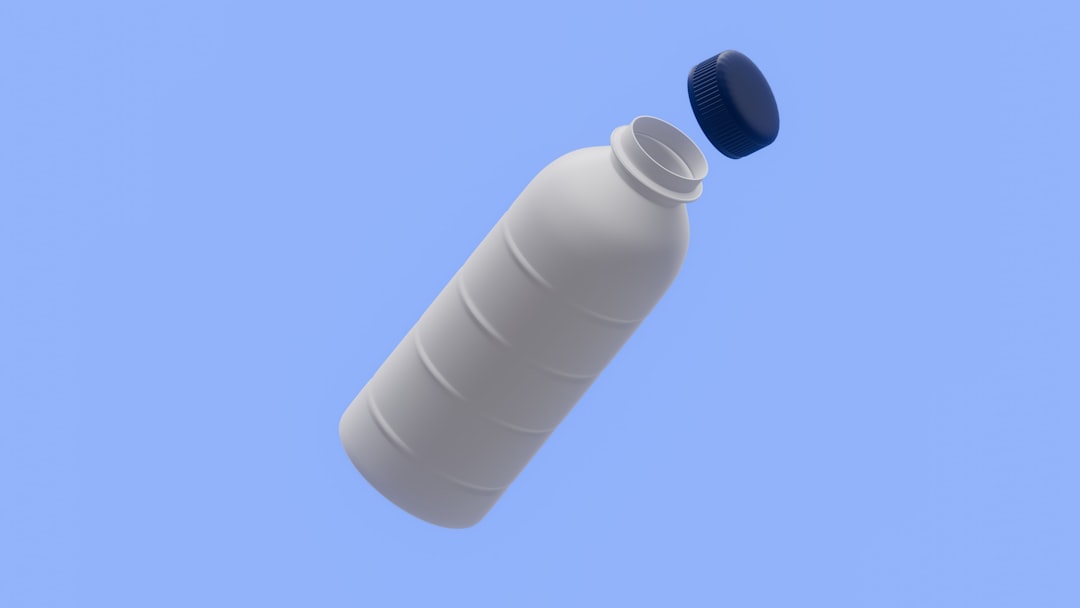
When cosmetic formulas heat up inside conventional bottles with air headspace, the combination of oxygen and elevated temperature accelerates degradation. Retinoids oxidize. Vitamin C converts to inactive forms. Emulsifiers lose their binding capacity. An airless pump bottle removes the oxygen variable from this equation, so even when the bottle encounters heat during transit, the formula faces only one stress factor instead of two.
Oulete’s PP airless bottles combine the thermal resistance of polypropylene with the oxygen-exclusion benefit of vacuum dispensing. This pairing is particularly effective for heat-sensitive formulas like retinol serums, peptide treatments, and stabilized vitamin C products. On our production line, we test airless pump mechanisms at elevated temperatures to verify that the piston seal maintains its vacuum integrity as the PP body expands slightly under heat.
The packaging design matters as much as the material. Wall thickness affects how quickly heat transfers from the environment to the formula inside. Opaque bottles block UV radiation, which compounds the effect of heat on photosensitive ingredients. When brands specify airless bottles for heat-sensitive formulas, we recommend opaque PP with a minimum wall thickness that provides both insulation and structural rigidity.
Insulated Shipping and Compliance Standards
According to Global Data Stats, passive insulation systems, including insulated boxes, gel packs, and phase-change materials, account for approximately 57% of the temperature-controlled packaging market. Their dominance comes from simplicity and cost efficiency, making them the most practical choice for cosmetic brands shipping direct-to-consumer during summer months.
The regulatory framework governing heat-sensitive cosmetic packaging spans multiple standards. According to EastColor, ISO 22715 requires that cosmetic packaging withstand physical stress, temperature variations, and humidity without breaking, cracking, or deforming. The standard also mandates compatibility testing between packaging material and cosmetic formula to prevent chemical migration under elevated temperature conditions.
For brands exporting globally, the ISTA 7D test protocol validates whether insulated shippers maintain required temperature ranges over extended periods, according to Berlin Packaging. This standard applies directly to cosmetic brands shipping sunscreen packaging and treatment products through hot-climate supply chains.
Asia Pacific is the fastest-growing region for temperature-controlled packaging, with a projected CAGR of 9.65%, according to Global Data Stats. This growth is driven by expanding e-commerce and rising exports. For brands sourcing packaging from Chinese manufacturers and distributing across Southeast Asia, the Middle East, or Africa, heat performance is not optional. It is a core specification.
Oulete holds ISO 9001 and GMP certifications, which govern the quality systems around thermal testing and specification compliance. When we produce packaging for brands targeting warm-climate distribution, we factor transit conditions into the material recommendation from the first conversation.
What to Specify When Ordering Heat-Sensitive Cosmetic Packaging
Procurement decisions for heat-sensitive packaging require specific technical parameters. Brands that send a generic RFQ without thermal specifications end up with packaging that works in a lab but fails in a delivery van.
The specification checklist for heat-sensitive cosmetic packaging starts with polymer grade. Request PP for high-heat applications. Specify the PCR ratio if sustainability targets require it, and confirm with your supplier that the recycled content has been tested for thermal performance at the same standards as virgin material.
Wall thickness is the second critical variable. Thicker walls provide better insulation but increase material cost and unit weight. The right balance depends on your distribution chain. Brands shipping exclusively through climate-controlled fulfillment centers can use thinner walls. Brands shipping direct-to-consumer in July need more insulation.
Thermochromic label integration is a specification that most buyers do not think to request. If your formula contains heat-sensitive actives, ask your packaging supplier whether they can apply irreversible thermochromic indicators to the bottle or carton. This adds minimal cost per unit but provides measurable value in reducing warranty claims and building consumer trust.
Validation testing should be part of your purchase specification. Request documentation showing that the packaging has been tested under accelerated temperature conditions, following ISO 22715 migration testing protocols or ISTA 7D shipping validation standards.
Oulete’s minimum order quantity starts at 1,000 units, making it feasible for brands to order sample runs and conduct their own thermal testing before committing to production volumes. When brands approach us with a new serum bottle project, testing reveals that compatibility testing with the actual formulation at elevated temperatures catches problems that material data sheets alone cannot predict.
Innovative packaging solutions like magnetic closure systems and thermochromic indicators represent a broader shift in the industry toward packaging that actively communicates with the user, rather than serving as a passive container.
The brands that protect their formulations best are the ones that specify heat performance at the packaging design stage. Requesting samples, testing with your actual formula at elevated temperatures, and choosing materials based on your distribution chain conditions will prevent the kind of failures that no amount of post-shipment damage control can fix.
FAQ
What materials are best for heat-sensitive cosmetic packaging?
Polypropylene (PP) offers the highest heat resistance among common cosmetic packaging plastics, with a melting point typically between 160 and 170 degrees Celsius. PP airless bottles are the recommended choice for formulations containing retinol, vitamin C, and peptides that degrade under thermal stress.
How do thermochromic indicators work in cosmetic packaging?
Thermochromic indicators use leuco dye compounds encapsulated in microcapsules that change color when the surrounding temperature crosses a specific activation threshold. The pigments operate across a range of negative 15 degrees Celsius to 60 degrees Celsius, and can be formulated as reversible or irreversible color-change systems.
Does heat damage skincare products like vitamin C and retinol?
Sustained exposure to elevated temperatures accelerates the degradation of active ingredients in skincare formulations. Retinoids oxidize, vitamin C converts to inactive forms, and emulsions can separate. Packaging that limits oxygen contact and provides thermal insulation reduces these effects significantly.
What temperature range is considered “heat sensitive” for cosmetics?
Delivery vans can reach internal temperatures exceeding 40 degrees Celsius in direct sunlight during normal summer operations. The FDA requires that pressurized cosmetic containers not be stored above 120 degrees Fahrenheit, approximately 49 degrees Celsius. Most active cosmetic ingredients begin degrading when exposed to sustained elevated temperatures during storage and transit.
Is PP or PETG better for heat-resistant cosmetic bottles?
PP outperforms PETG for heat-resistant applications. PP has a higher melting point and better dimensional stability under thermal stress. PETG offers superior optical clarity for transparent packaging but lacks the thermal ceiling that PP provides, making it less suitable for heat-sensitive formulations.
What standards govern temperature-sensitive cosmetic packaging?
ISO 22715 requires cosmetic packaging to withstand temperature variations without structural failure and mandates migration testing at elevated temperatures. The ISTA 7D protocol validates temperature-controlled shipping performance. The FDA sets storage temperature limits for pressurized cosmetic containers.
How does airless pump packaging help protect heat-sensitive formulas?
Airless pump bottles eliminate oxygen contact with the formula through a vacuum-dispensing mechanism. When heat exposure occurs during transit, the formula faces only thermal stress rather than the compounded effect of heat plus oxidation, resulting in measurably better formula stability.
Can PCR plastic withstand the same temperature as virgin plastic?
Well-processed PCR polypropylene retains the thermal properties of virgin PP when the feedstock is properly sorted and the melt flow index is controlled during compounding. The determining factor is source material quality and processing precision, not whether the resin has been recycled.