


A European skincare brand reached out to us last year with a specific problem. Their eyeshadow palette packaging used plastic snap clasps that broke after a few weeks of daily use. Customers complained on social media, returns increased, and the brand’s premium positioning took a hit. The fix was not a stronger clasp. It was removing the clasp entirely and replacing it with embedded neodymium magnets.
Magnetic closure systems are packaging mechanisms that use embedded neodymium magnets to create a secure, snap-shut seal without clasps or latches, delivering the tactile satisfaction and premium feel that luxury cosmetics brands require. The technology is straightforward, but the engineering decisions behind magnet selection, placement, and material pairing determine whether a package feels like a premium product or a cheap imitation.
This category is growing fast. According to Persistence Market Research, the global magnetic closure boxes market is valued at approximately US$1.1 billion in 2026 and is projected to reach US$2.9 billion by 2033, growing at a 14.6% CAGR. Cosmetics packaging is a major driver of that growth, and the technology is now appearing in everything from compact lids to airless pump bottle caps.
How Magnetic Closures Work: The Engineering Behind the Snap
A magnetic closure relies on neodymium magnets, a category of rare-earth permanent magnets made from a neodymium-iron-boron alloy. These magnets are compact, extremely strong relative to their size, and retain their magnetic field for decades under normal conditions. In cosmetic packaging, they are embedded into the walls or lids of the container, fully encased so the end user never touches the magnet itself.
Two primary configurations exist for magnetic closure systems, and choosing the wrong one creates problems.
Magnet-to-magnet configuration uses two opposing magnets, one in the lid and one in the base. This produces the strongest closure force and a satisfying snap. The tradeoff is cost, as two magnets per unit add material expense and require precise alignment during assembly. On our production floor, we see this configuration most often in eyeshadow palettes and multi-product gift sets where the unboxing moment matters.
Magnet-to-steel plate configuration pairs a single neodymium magnet with a thin steel receptor plate. Pull force is lower than magnet-to-magnet, but this approach cuts material costs and simplifies assembly. Production teams note that this configuration works well for compact powder lids and lipstick caps, where moderate hold strength is sufficient and the closure cycle count is high.
Magnetic closure systems provide a tactile response that snap clasps and friction-fit lids cannot replicate. The magnet creates a controlled acceleration as the lid approaches the base, producing the distinctive “click” that consumers associate with quality. According to The Custom Boxes UK, 72% of consumers judge a brand’s quality by its packaging, and 81% report higher repurchase rates when premium packaging is used.
Types of Magnetic Closure Systems for Cosmetics
Not all magnetic closures serve the same function. The format depends on the product type, retail environment, and consumer interaction pattern.
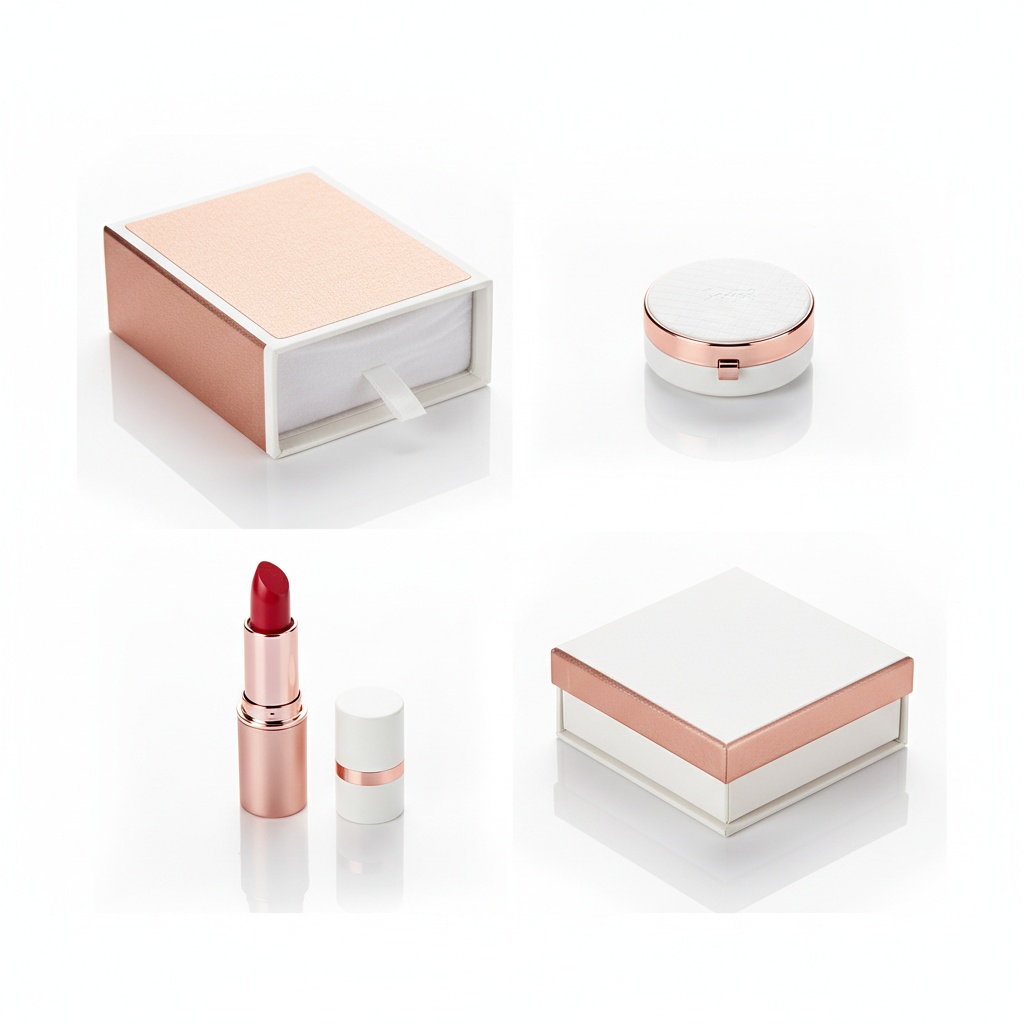
Rigid book-style boxes are the most common format for gift sets, eyeshadow palettes, and multi-SKU kits. The box opens on a hinge like a book cover, with magnets embedded in the front flap and the box face. This format protects fragile pressed powders during shipping and gives brands a full interior surface for printing and product presentation.
Compact and palette lids use flat magnetic closures integrated directly into the container wall. Blush compacts, foundation cases, and single-pan palettes all benefit from this approach. The closure must withstand daily purse carry, so pull force specifications matter more here than in gift boxes.
Magnetic cap systems represent a newer application. Lipstick tubes, face cream jars, and airless bottles can incorporate magnetic over-cap designs that replace threaded or snap-fit closures. This format enables one-handed operation, a practical advantage for products used during daily routines.
Collapsible magnetic boxes fold flat for shipping and storage, then pop into rigid form at the point of sale. Magnets hold the box shape and close the lid simultaneously. This format is particularly relevant for brands that need to minimize warehousing costs while maintaining a premium shelf presence.
According to Persistence Market Research via OpenPR, retail packaging, including cosmetics, leads end-use demand and represents approximately 54.3% of total magnetic closure box consumption in 2026. The cosmetics segment drives this share because magnetic closures solve a real functional problem: keeping products secure and fresh while creating an experience that reinforces brand value.
Why Cosmetics Brands Choose Magnetic Closures
Brands such as Fenty Beauty and Glossier have adopted magnetic components as functional brand differentiators, according to Albea Group. The reasons are not purely aesthetic. Magnetic closures deliver measurable advantages over traditional snap clasps and friction-fit closures.
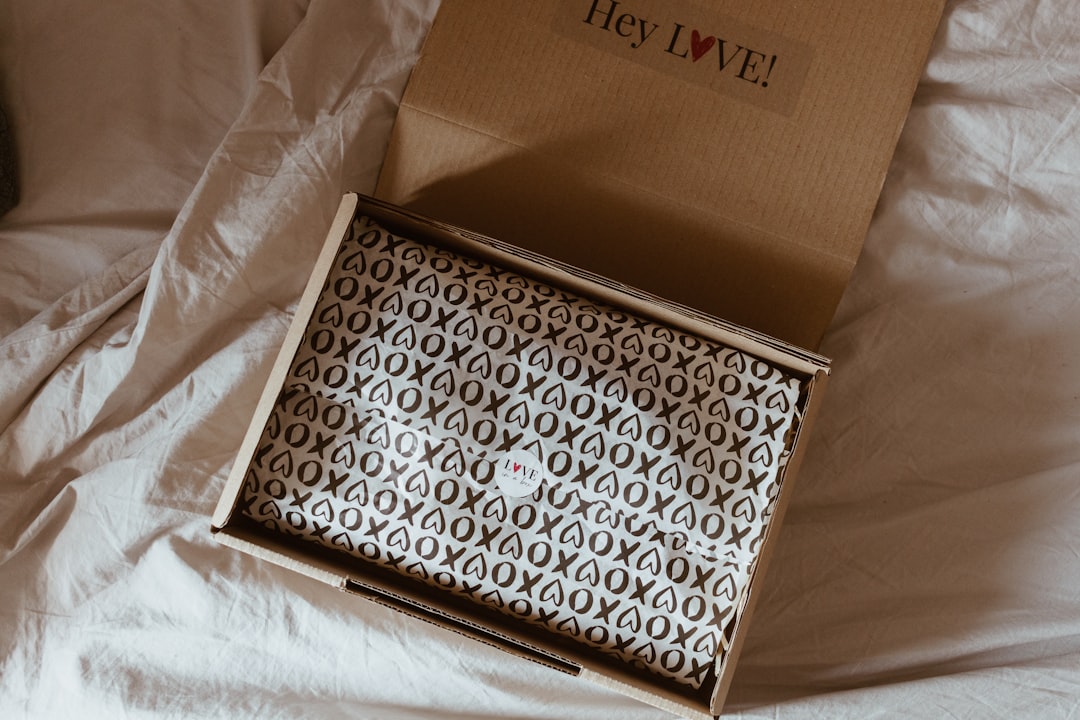
Tactile premium perception is the most immediate benefit. When a consumer closes a magnetic lid, the snap-shut action creates a sensory cue that reinforces the product’s positioning. This perception is difficult to achieve with plastic clasps or twist-off caps.
Durability over snap clasps is a production reality. Plastic hinges and snap tabs are stress points that fatigue over time. Neodymium magnets do not degrade mechanically through normal use cycles. On our production floor, we find that magnetic closures maintain consistent pull force across extended use periods, while plastic clasps begin to loosen relatively quickly with daily use.
Refillable system compatibility is where magnetic closures become strategically important. A magnetic lid can seal a replaceable cartridge or pan without any mechanical interlock, making refill insertion simple for the consumer. This connects directly to sustainability strategies, as brands can offer refillable skincare packaging systems that reduce waste without sacrificing the premium feel.
One-handed operation addresses accessibility. Threaded caps and snap closures often require two hands. Magnetic closures align and seal with minimal force and single-hand control, a practical advantage for consumers with limited dexterity.
Shipping integrity is the advantage logistics teams care about most. Magnetic closures resist vibration-induced opening during transit. Products arrive at the retailer with the lid firmly seated, reducing damage claims and improving the unboxing experience for direct-to-consumer shipments.
Materials and Finishes in Magnetic Packaging
The magnet itself is only one component. The structural and decorative materials surrounding it determine the package’s durability, appearance, and cost.
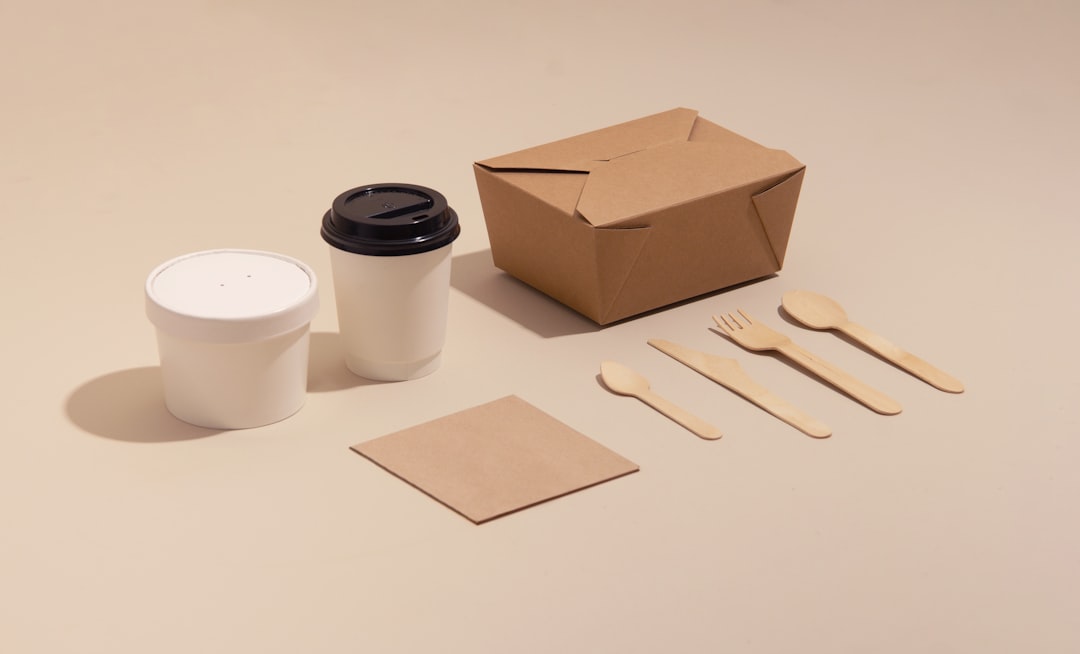
According to Persistence Market Research via OpenPR, cardboard remains the dominant structural material for magnetic closure boxes, accounting for approximately 45.6% of market share in 2026. This is driven by recyclability and compatibility with premium finishes like foil stamping, embossing, and soft-touch lamination.
| Component | Material Options | Key Consideration for Magnetic Closure Systems |
|---|---|---|
| Structural core | Chipboard, greyboard, injection-molded PP/ABS | Chipboard for rigid boxes; injection-molded plastics for compacts and bottles |
| Magnet | Neodymium (NdFeB), various grades | Higher grade = stronger pull force but higher cost |
| Magnet mounting | Adhesive pocket, injection-molded cavity | Cavity molding provides more consistent alignment |
| Exterior wrap | Art paper, specialty textures, kraft, fabric | Must be thin enough not to increase lid-base gap |
| Surface finish | Matte lamination, gloss UV, soft-touch, foil | Soft-touch finishes pair well with magnetic snap feel |
| Interior | Flocked EVA, satin, printed card | Protects product and reinforces brand presentation |
For injection-molded cosmetic packaging, the magnet sits in a purpose-built cavity within the mold tool. Oulete operates 20 injection molding machines in Shaoxing, Zhejiang, and our tooling engineers design these cavities to position the magnet precisely relative to the mating surface. Even minor positional offsets reduce pull force noticeably, so cavity tolerance control during mold fabrication is critical.
Oulete’s PCR material capability, covering PP, PE, and PET at 10% to 50% recycled content, allows brands to pair magnetic closures with sustainable outer shells. The magnet itself is a small metallic insert that does not compromise the PCR classification of the overall package.
Sustainability and the Recyclability Challenge
Magnetic closures create a specific recycling problem that most articles on this topic gloss over. Neodymium magnets embedded in chipboard or plastic disrupt automated sorting at recycling facilities. The magnets can attract to metal conveyor components, contaminate material streams, and reduce the recyclability of otherwise recoverable packaging.
Several solutions are emerging. Removable magnet designs allow the consumer or recycler to pop out the magnet before disposing of the box. Bio-based adhesive mounting makes magnet removal easier compared to permanent epoxy bonding. Some packaging engineers are exploring magnet pocket inserts, where the magnet sits in a friction-fit slot rather than a glued cavity, enabling tool-free separation.
Reusability is the more immediate sustainability argument for magnetic packaging. A well-made magnetic box outlasts the product inside it. Consumers repurpose magnetic closure boxes for jewelry storage, travel organizers, and gift packaging. This extended product life cycle reduces the per-use environmental impact even if the package is not recyclable through conventional streams.
For brands that need documented sustainability credentials, Oulete holds ISO 9001, CE, SGS, and GMP certifications, and can provide material declarations confirming RoHS compliance and recycled content percentages. These documents are essential for cosmetic brands importing into the US and EU markets.
Magnetic closures now serve as a foundation for broader smart packaging sensors integration. As brands embed NFC tags and QR codes into packaging for authentication and consumer engagement, the magnetic closure becomes part of a multi-technology package design. Similarly, heat-sensitive packaging solutions using thermochromic inks can complement magnetic closures to create packaging that is both interactive and functionally premium.
Sourcing Magnetic Closure Cosmetic Packaging from China
According to Persistence Market Research, North America holds approximately 36.2% of the magnetic closure boxes market share, while Asia Pacific is the fastest-growing region, anchored by manufacturing capacity in China and India. For cosmetic brands sourcing magnetic closure packaging, Chinese manufacturers offer scale, cost efficiency, and integrated supply chains that are difficult to replicate elsewhere.

When brands ask us what to prioritize during supplier evaluation, we focus on four areas.
Certifications matter for market access. ISO 9001 confirms quality management systems. GMP certification is relevant for cosmetic packaging specifically. SGS testing validates material safety claims. Without these documents, clearing customs in the US or EU becomes unpredictable.
Magnet specification documentation should be standard practice but often is not. Buyers should request the magnet grade, flux index, coating type, and pull force rating for each SKU. For cosmetic packaging with embedded, non-separable magnets, US regulations under 16 CFR Part 1262 (CPSC) generally do not apply because the magnets are fully encased and inaccessible. However, any detachable magnetic component must meet specific flux index thresholds.
MOQ and tooling realities vary significantly between rigid box suppliers and injection-molded packaging producers. Rigid boxes with magnetic closures typically carry lower tooling costs because the magnets are placed manually during assembly. Injection-molded compacts and magnetic caps require custom mold tools, increasing upfront investment but reducing per-unit cost at scale. Oulete’s annual capacity of 20M+ sets allows brands to scale production efficiently through our customization services.
Regulatory documentation for US and EU markets should be requested proactively. For brands selling into the US, the CPSC provides business guidance on magnet safety standards. For the EU, EN 71-1 applies to packaging for products marketed to minors. California Proposition 65 restricts trace heavy metals, and since neodymium magnets contain a nickel-iron-boron alloy, importers should request metal-content certificates confirming compliance, according to ComplianceGate.
Oulete manufactures magnetic closure cosmetic packaging from its Shaoxing, Zhejiang facility, with direct access to magnet and finishing material vendors for prototyping and specification validation. Brands working with a cosmetic packaging manufacturer in China gain this supply chain advantage, as regional proximity to component suppliers shortens lead times and simplifies the sampling process.
The specifications matter. The supplier you choose matters more. Start by requesting samples with your actual product, because the pull force that feels perfect with a test block may be too strong or too weak once your real compact or palette is inside.
FAQ
What is a magnetic closure system in packaging? A magnetic closure system is a packaging mechanism that uses embedded neodymium magnets to secure a lid, flap, or cap without mechanical clasps or latches. The magnets create a snap-shut seal through magnetic attraction between two magnets or between a magnet and a steel receptor plate. This closure type is widely used in premium cosmetic packaging, gift boxes, and retail presentation cases.
How do neodymium magnets work in packaging closures? Neodymium magnets are permanent rare-earth magnets made from a neodymium-iron-boron alloy that produces strong magnetic fields relative to their small size. In packaging, they are embedded into cavities molded or cut into the package walls, creating a magnetic field that pulls the lid toward the base. The magnets are fully encased and never contact the product or the consumer.
Are magnetic closure boxes sustainable and recyclable? Magnetic closure boxes present a recycling challenge because embedded magnets can disrupt automated sorting equipment at recycling facilities. Emerging solutions include removable magnet designs, bio-based adhesive mounting for easier separation, and friction-fit magnet pockets. The reusability of magnetic boxes, which consumers often repurpose for storage, extends the product lifecycle and reduces per-use environmental impact.
What is the difference between magnet-to-magnet and magnet-to-steel closures? Magnet-to-magnet closures use two opposing neodymium magnets for maximum pull force and the strongest snap-shut feel, making them ideal for premium gift boxes and palettes. Magnet-to-steel closures pair one magnet with a thin steel plate, reducing material cost and simplifying assembly while providing moderate hold strength suitable for compact lids and daily-use packaging.
Are magnetic closures safe for cosmetic products? Embedded neodymium magnets do not affect cosmetic formulations, as the magnet is fully encased within the package wall and does not contact the product. For standard cosmetic packaging where magnets are non-separable, US safety regulations under 16 CFR Part 1262 generally do not apply. Brands should verify that their packaging supplier provides engineering documentation confirming magnet encapsulation.
What types of cosmetics use magnetic closure packaging? Magnetic closures appear in eyeshadow palettes, blush compacts, foundation cases, lipstick tubes with magnetic over-caps, skincare jar lids, and premium gift box sets. The technology is also extending into airless pump bottle caps and refillable cartridge systems where easy lid removal and secure resealing are both required.
How much does magnetic closure packaging cost compared to traditional snap closures? Magnetic closure packaging carries a higher per-unit material cost than snap or friction-fit closures due to the neodymium magnet or magnet-and-steel components. The cost premium varies based on magnet grade, closure configuration, and order volume. At scale, the per-unit premium decreases, and brands often offset the cost through higher retail pricing enabled by the premium perception.
What certifications should I look for when sourcing magnetic closure packaging from China? ISO 9001 certification confirms quality management systems. GMP certification is relevant for cosmetic-grade packaging. SGS testing validates material safety. Buyers should also request RoHS compliance documentation, metal-content certificates for California Proposition 65, and magnet specification sheets showing grade, flux index, and pull force ratings.