


Cream Jars

Custom Cosmetic Packaging

Custom Cosmetic Tube Manufacturer

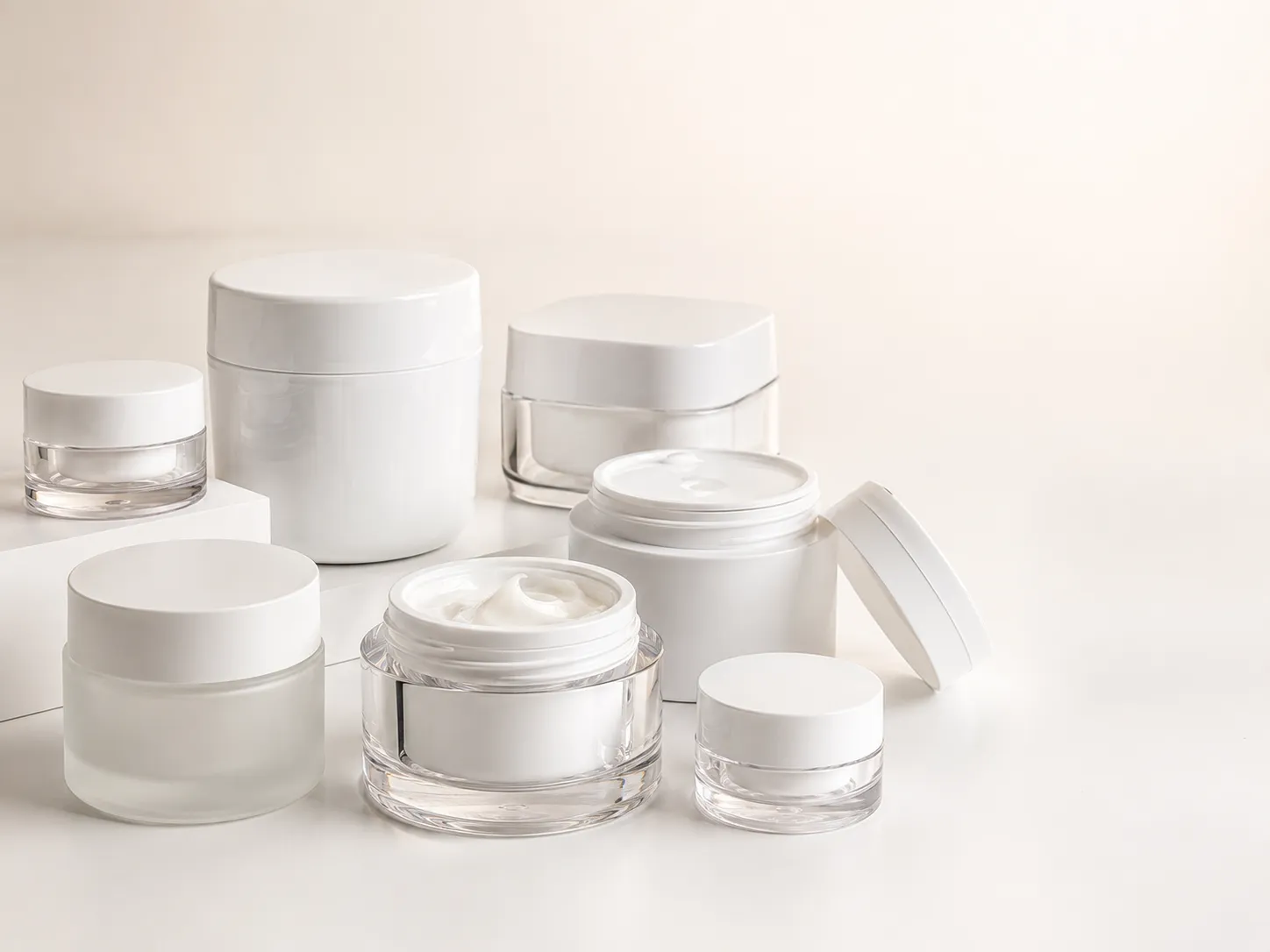
Oulete manufactures custom cream jars for skincare, beauty and personal care brands, with jar structure, material and closure developed around your formula and brand design.

Choose from plastic, glass and acrylic cream jars in capacities from 5ml to 200ml, with custom colors, lids, printing and finishes available for OEM, ODM, private label and wholesale packaging projects.

5–200ml

Available Capacity Range

PP · Glass · Acrylic

Jar Materials

10,000 pcs

Custom Order MOQ

OEM / ODM

Packaging Development

A Cream Jar Should Be Selected Around the Formula, Not Just the Look

Formula texture, active-ingredient sensitivity, filling method, opening width and expected consumer use all affect which jar material and structure are suitable — plastic, glass or acrylic each behave differently once a cream, balm or gel is inside.
Applications
Face cream, eye cream, night cream, body balm, mask, gel-cream and other jar-filled skincare products
Capacity
5ml – 200ml
Materials
PP / PETG plastic · Glass · Acrylic (single or double-wall)
Closures
Screw-cap lids, inner discs, seal liners and compatible dispensing inserts
Decoration
Custom colors, silk screen printing, hot stamping, frosting, spraying and electroplating
MOQ
Custom orders start from 10,000 pcs (plastic); glass and acrylic from 10,000 pcs
Project Type
OEM · ODM · Private Label · Wholesale
Custom Order Requirement
Custom Cream Jar MOQ: 10,000 pcs
Final requirements may vary according to jar model, material, capacity, color, lid structure, decoration process and number of SKUs.

How to Choose the Right Cream Jar for Different Applications

Different skincare products have different requirements for jar material, capacity, barrier performance and closure structure. Face creams, eye creams, body balms, gel creams and facial masks may require different jar sizes, opening widths, inner discs, seal liners and single- or double-wall structures.

For new packaging projects, we typically recommend the right cream jar based on product application, formula texture, active-ingredient sensitivity, filling method, dosage and target market, helping balance formula protection, consumer usability and brand presentation.

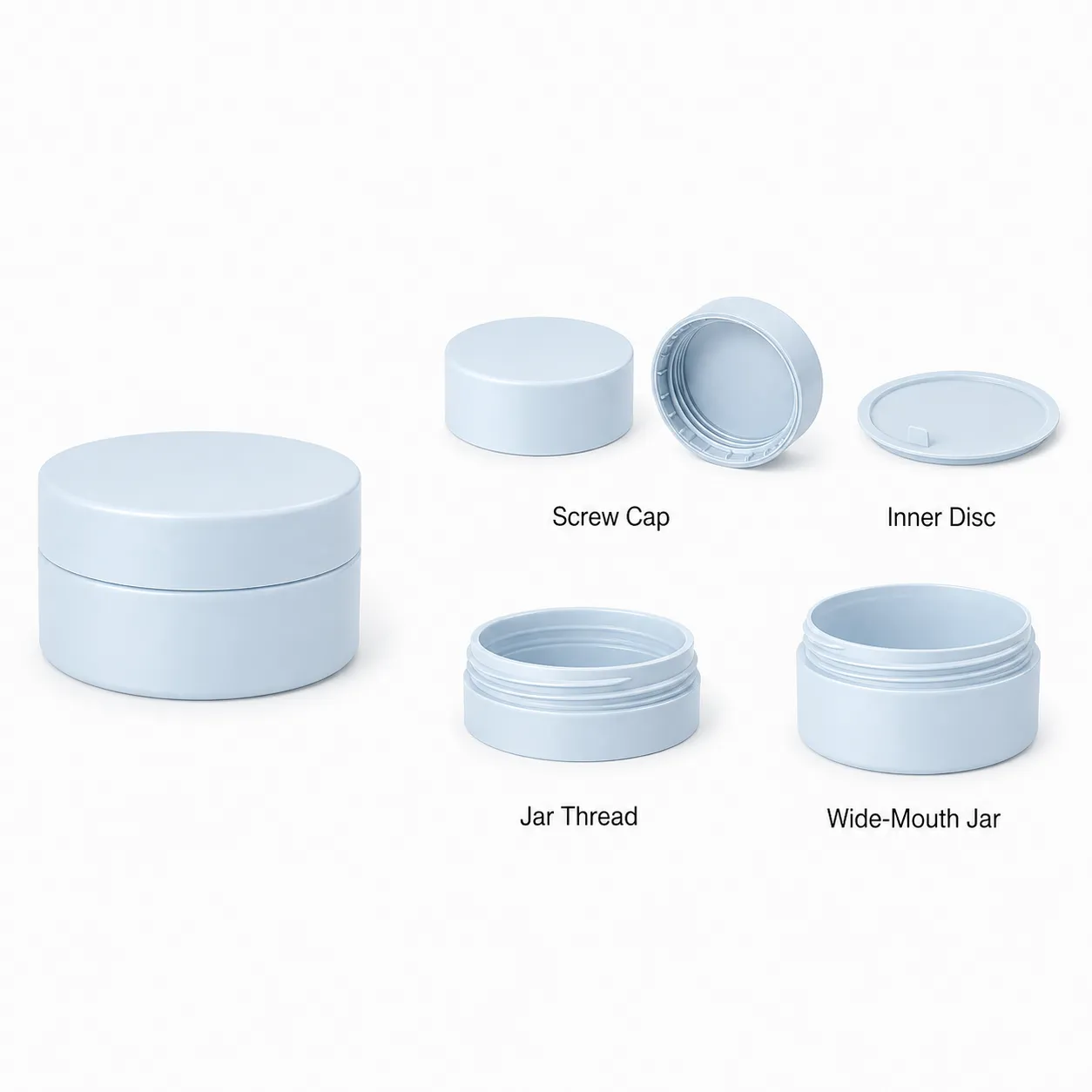
Plastic Cream Jars

PP and PETG jars for everyday skincare ranges — impact-resistant, light to ship, and available in a wide range of molded colors and frosted or clear finishes.
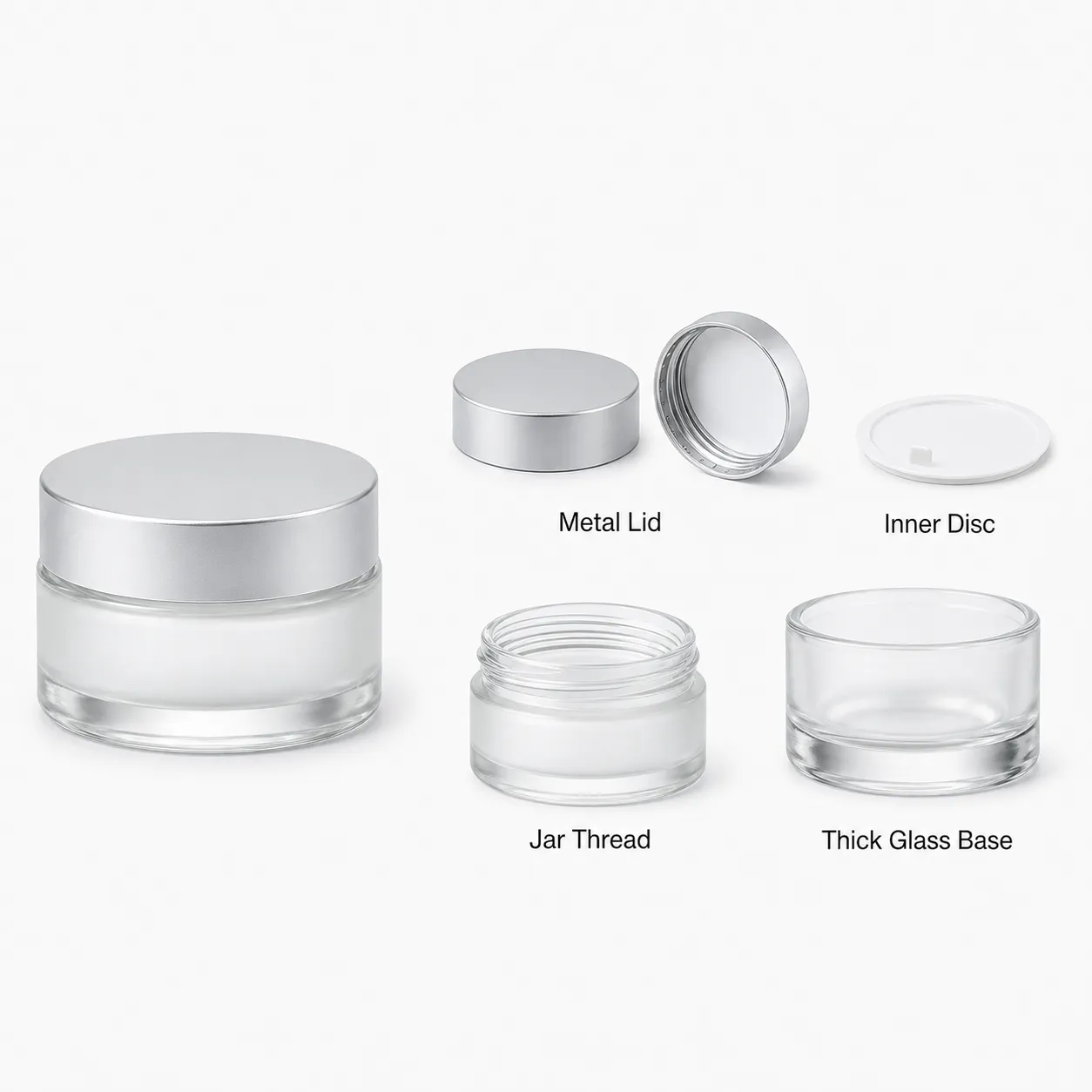
Glass Cream Jars

Clear or frosted glass jars that hold color and scent stable over time, commonly paired with metal, bamboo or acrylic lids for a premium retail look.
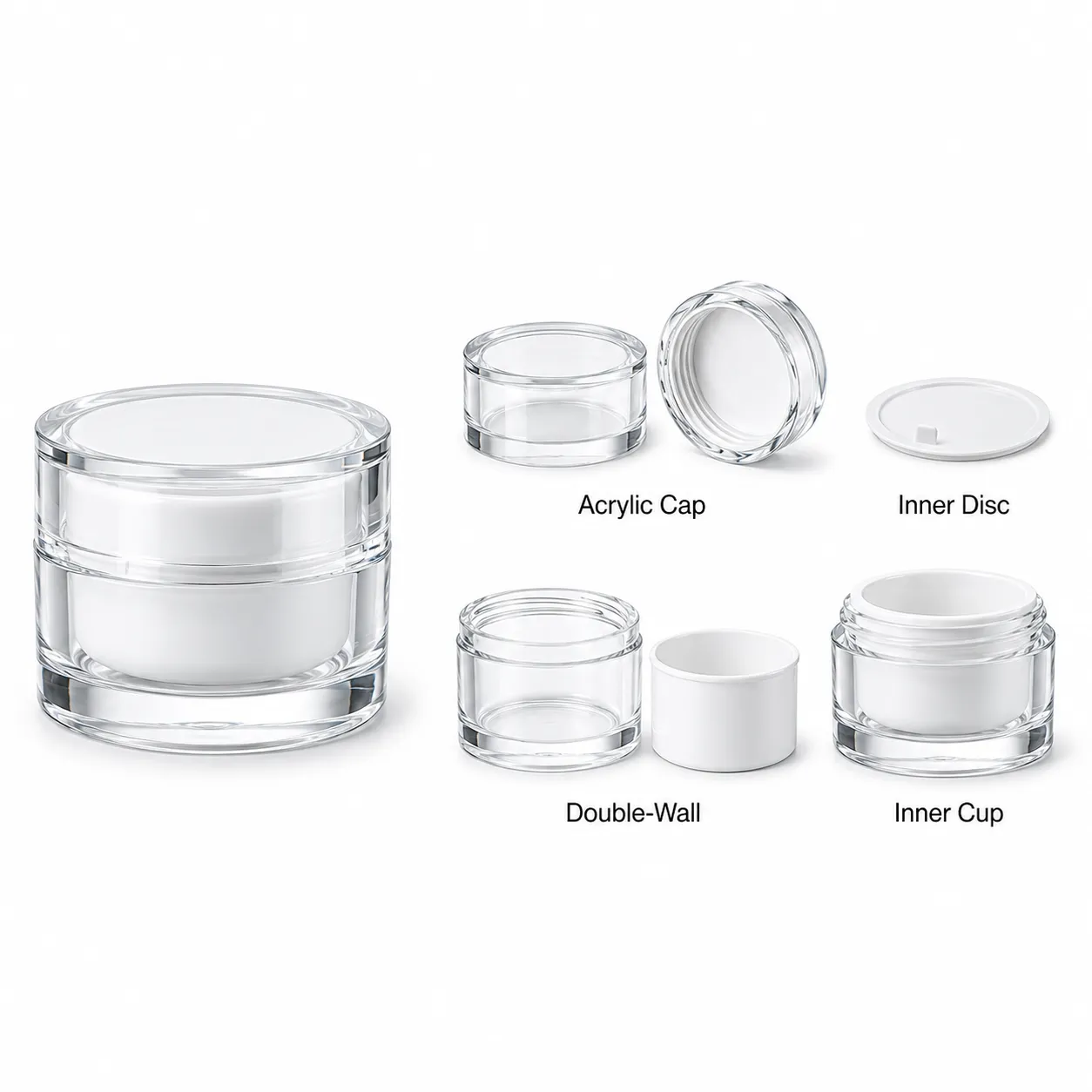
Acrylic Cream Jars

Double-wall acrylic construction for a substantial, glass-like feel without glass weight — a common choice for premium and prestige skincare lines.
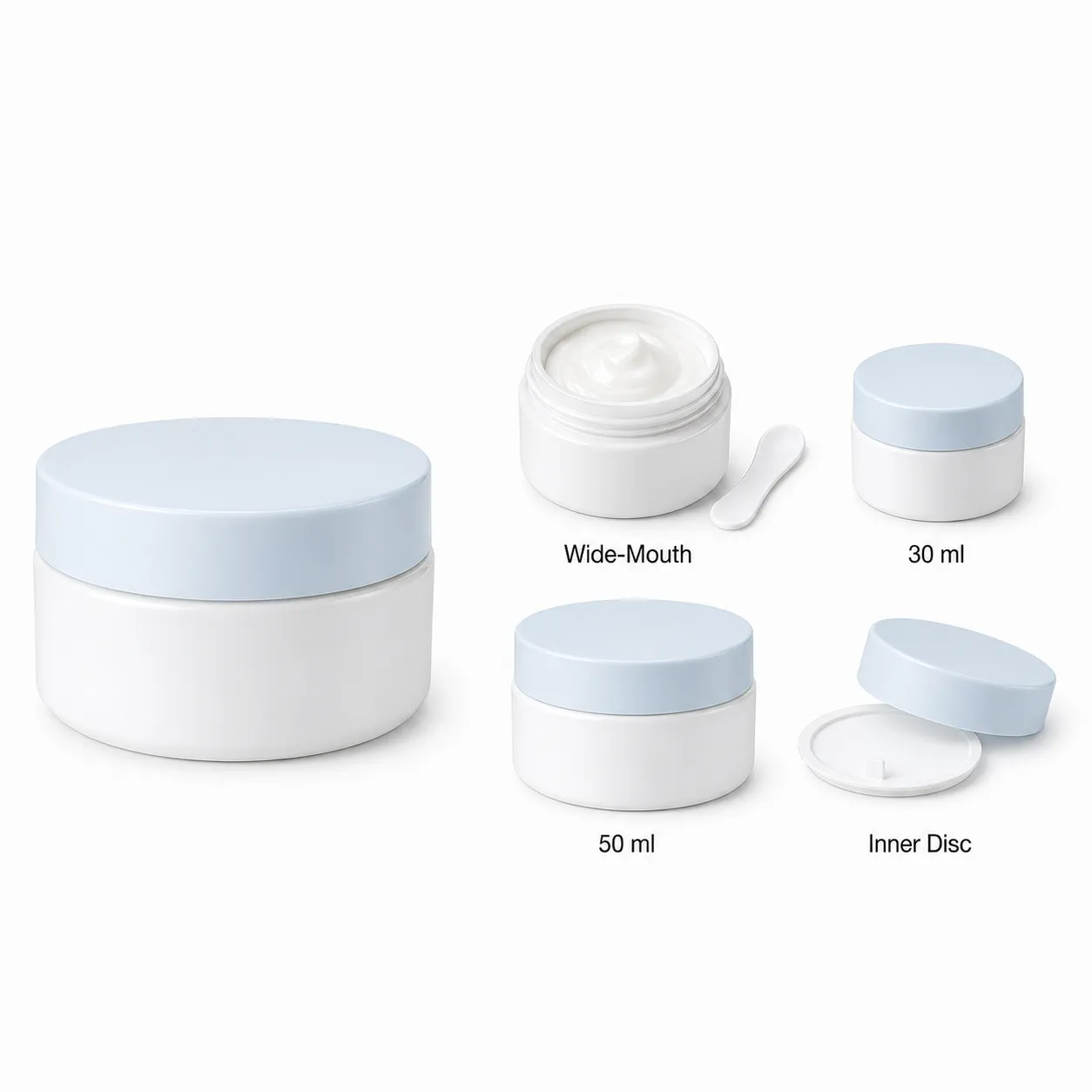
Face Cream Jars

Wide-mouth jars built for daily use — moisturizer, night cream and sleeping mask — sized to balance shelf presence with practical scoop access.
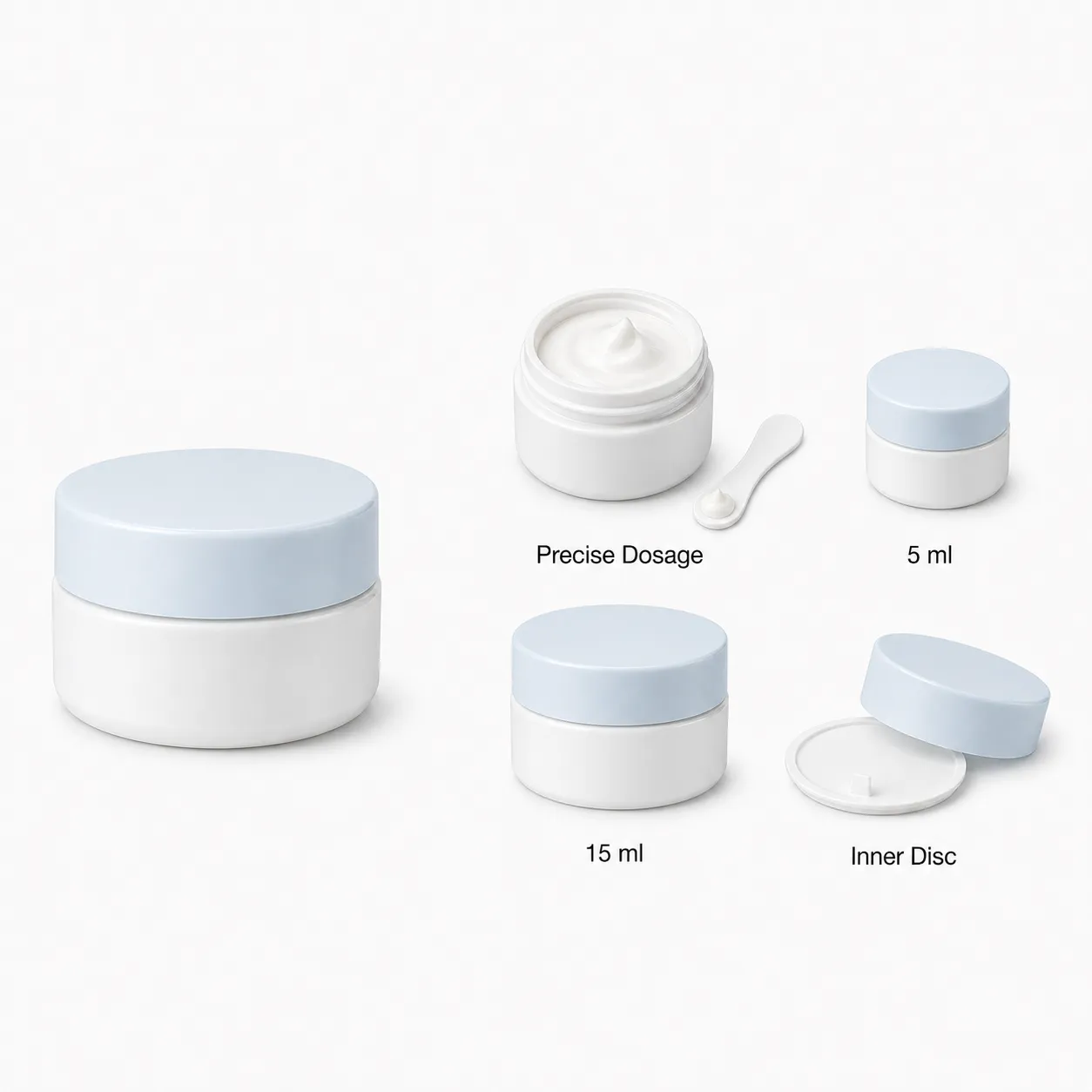
Eye Cream Jars

Small-capacity jars for concentrated eye and spot-treatment formulas, where dosage control matters more than overall jar volume.
Plastic, Glass and Acrylic Compared

Feature Plastic (PP/PETG) Glass Acrylic
Weight Lightest Heaviest Medium
Barrier / Inertness Good Excellent Good
Shelf Presence Clean & Simple Premium Premium, Lighter Feel
Breakage Risk Low Higher — needs protective packing Low
Cost $ $$$ $$
Best For Daily skincare ranges Premium or active-ingredient formulas Prestige lines wanting glass-like looks
Material selection should weigh formula sensitivity, breakage risk in transit and retail, and how the jar is meant to sit within a wider packaging line.

Matching Capacity to Product Type

Typical Capacity Common Application What to Consider
5–20ml Eye Cream / Spot Treatment Dosage Control and Portability
30–50ml Face Cream / Night Cream Scoop Access and Shelf Presentation
50–100ml Moisturizer / Mask Opening Width and Lid Seal
100–200ml Body Cream / Balm Wall Thickness and Handling
Diameter, height and opening width shape how a jar feels in use as much as the fill volume does. A 30ml eye cream jar and a 30ml sample jar can call for different proportions.

Cream Jar Manufacturer FAQ

What types of cream jars does Oulete manufacture?

Plastic (PP/PETG), glass and acrylic cream jars for face cream, eye cream, night cream, body balm and mask products.

What is the MOQ for custom cream jars?

Custom cream jar orders start from 10,000 pcs. Final requirements vary by material, capacity, color, lid style and number of SKUs.

What cream jar sizes are available?

Oulete supports cream jar projects from approximately 5ml to 200ml, depending on the selected structure and diameter.

Can I customize the jar color and lid?

Yes — jars can be customized with color matching, printing, hot stamping, frosting and compatible lid materials.

How do I choose between plastic, glass and acrylic?

Plastic suits daily, cost-driven ranges; glass suits premium or active-ingredient formulas needing an inert barrier; acrylic offers a glass-like look at a lighter weight for prestige lines.

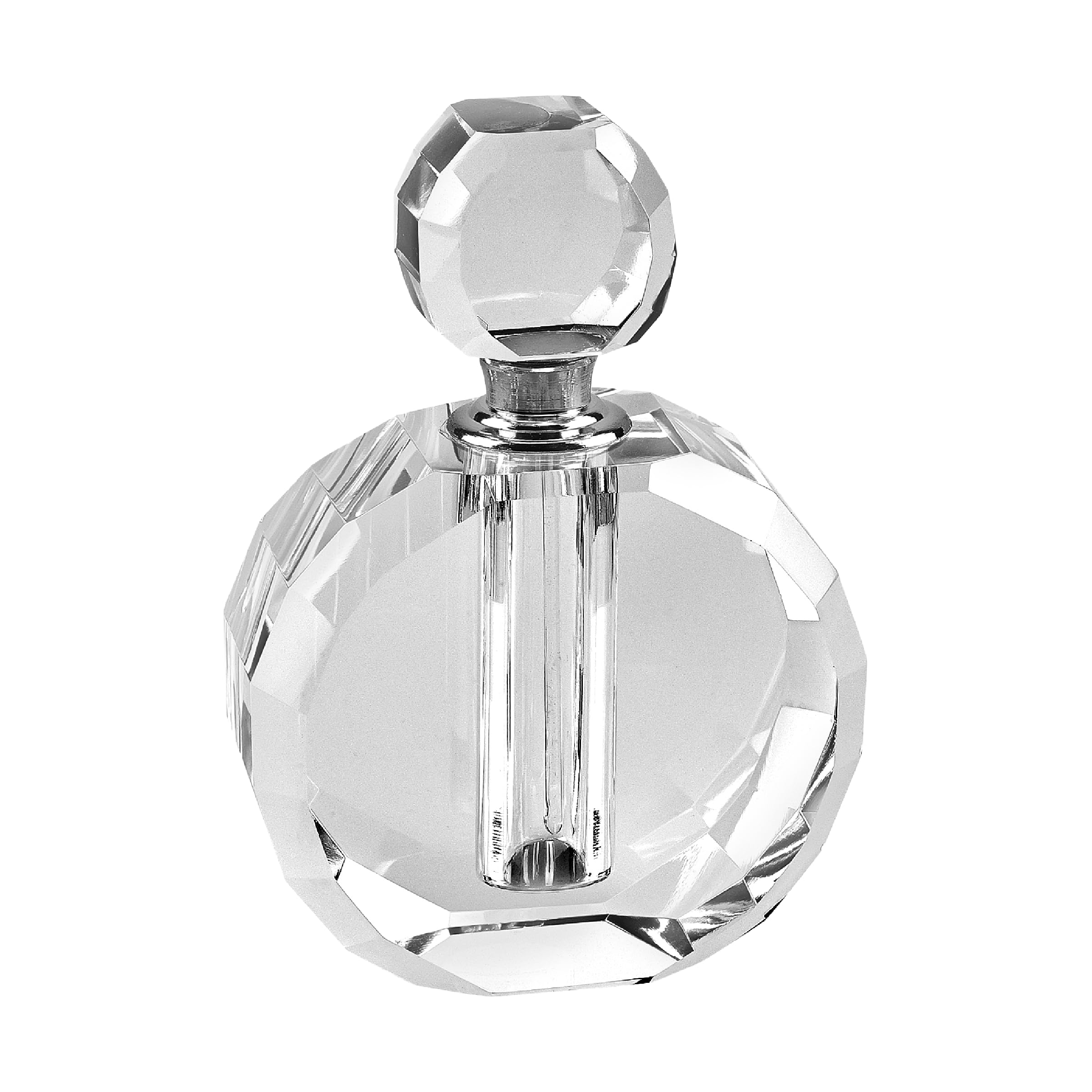
What is a dabber perfume

Quick Answer: What Is a Dabber Perfume? A dabber perfume is a fragrance packaged in a bottle without a spray pump — instead, the scent is applied by hand using a glass wand, an open neck, or a fingertip. Dabbers are most common with pure parfum, perfume oils, and attars, where a small, concentrated amount
Read More »

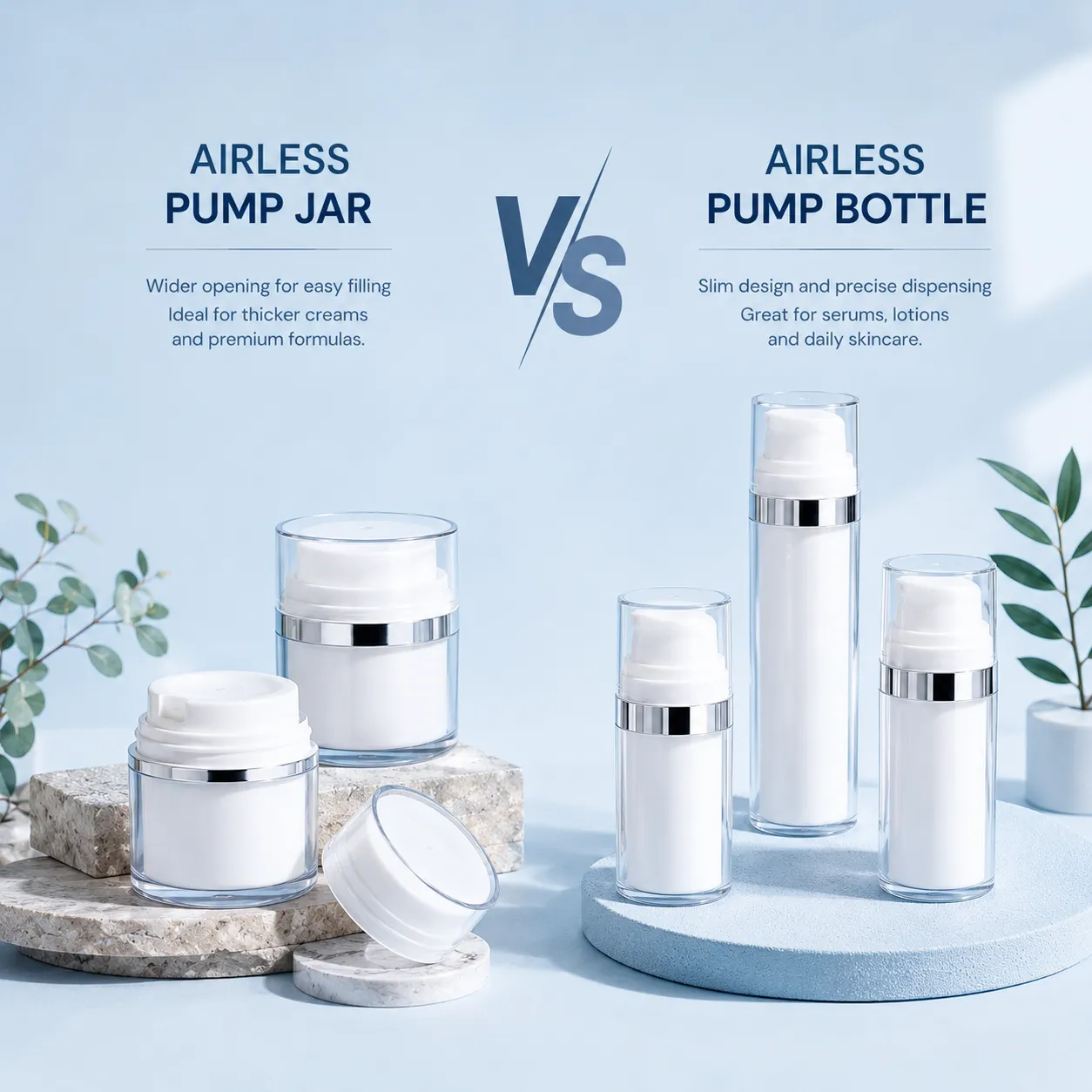
Airless Pump Jar vs Bottle for Face Cream: Which to Choose?

For face cream packaging, the choice between an airless pump jar and an airless bottle is not simply about which package offers better protection. Both formats can use airless dispensing structures. The more important question is how the formula should be dispensed, how the package should look within the skincare range, and how consumers are
Read More »

What Is an Airless Pump Bottle? How It Works & Benefits

An airless pump bottle is a non-pressurized dispensing package designed to dispense a formula without using the traditional dip tube found inside many conventional pump bottles. In a typical piston-based airless bottle, pressing the pump dispenses the product while an internal piston gradually moves upward from the bottom of the container. This reduces the empty

Read More »
Scroll to Top