


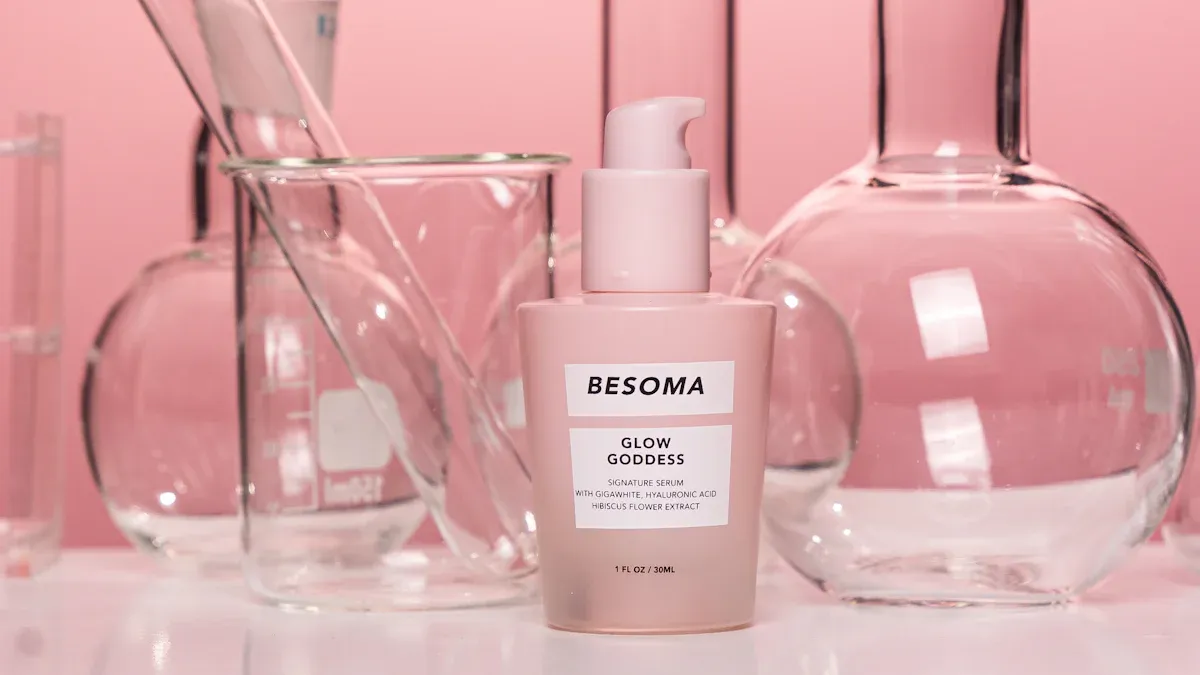
You need compatibility testing to keep cosmetic products safe. If you do not test, the product can get dirty or break down. Testing looks at how the packaging and product work together. This helps keep the product safe and good quality. Reports say that testing must follow rules and check stability in many situations. The table below shows why compatibility testing is important for cosmetic containers.
| Aspect | Description |
|---|---|
| Importance of Testing | Compatibility testing checks how packaging and products react. |
| Regulatory Mandate | EU and UK rules say testing is needed for safety. |
| Stability Assessment | Testing finds out how long products stay good. |
| Packaging Interaction | It looks for leaks and other problems with quality. |
| Testing Frequency | Test again after changing formula, packaging, or process. |
Key Takeaways
- Compatibility testing helps make sure cosmetics stay safe and work well. It checks how the container affects the product inside.
- Testing often is important, especially after changes to the product or container. This helps stop problems like leaks or germs getting in.
- Following rules from groups like the FDA and EU is very important. It keeps products safe and helps brands avoid trouble with the law.
- Good testing can stop brands from losing money on recalls. It also keeps their good name by making sure customers get quality products.
- Spending money on compatibility testing makes customers trust the brand more. It also helps people stay loyal by keeping products safe and working right.
Importance of Compatibility Testing
Product Safety
Cosmetic packaging must keep products safe. If you skip compatibility testing, many safety issues can happen. Some chemicals in the formula can damage plastic or metal. This might cause leaks or let bad things get into the product. Sometimes, the packaging takes in important ingredients. This makes the product not work as well. Labels can peel off or ink can smear. This can confuse people and make the product look messy. If ingredients make gas, bottles can puff up or change shape. These problems can make the product dirty or even hurt people.
- Leaking and contamination
- Label peeling and ink smearing
- Bottle paneling or expansion
- Loss of product efficacy
- Regulatory and compliance risks
Safety is not just about the formula. You need to check how the formula and packaging work together. This is why compatibility testing matters for every cosmetic product.
Quality and Stability
Cosmetic packaging should keep the product fresh and stable. Cosmetic stability testing shows how the formula changes over time in its container. If you do not test for compatibility, the product can lose color, texture, or smell. Studies show that packaging compatibility tests show how formulas and containers react. Sometimes, packaging can cause chemical changes or let bad things leak into the product. These changes can make the product unsafe or not work well.
Cosmetic stability testing also checks if the packaging keeps out light, air, and water. If the packaging does not work, the product can spoil faster. You need to prove what you say about shelf life and how well the product works. Cosmetic packaging must keep the product stable from the factory to the customer.
Regulatory Compliance
You must follow rules for cosmetic packaging in every country. Groups like the FDA and EU have strict rules for safety and stability. They say that packaging must not react with the formula or have bad chemicals. You must show that the packaging is safe and does not leak. Cosmetic stability testing checks for chemical reactions, leaching, and changes like warping or color fading. It also tests if pumps and droppers work well over time.
- FDA rules say packaging must be safe and not leak.
- EU rules say packaging must not react with the product and must be non-toxic.
- You need a Cosmetic Product Safety Report (CPSR) for the EU.
- Brands must not sell products that are mixed with bad things or have wrong labels.
- Testing checks for germs and if the product stays good.
You must use Good Manufacturing Practices (GMP) like ISO 22716. These rules cover cleanliness, tracking, and hygiene in your factory. If you do not follow the rules, you could have recalls, get fined, or hurt your brand. Some companies lost a lot of money or could not sell their products. Bad reviews and lost trust can hurt your business for a long time.
Meeting rules for cosmetic packaging is not a choice. Compatibility testing keeps your customers and your brand safe.
What Is Package Compatibility Testing?
Definition and Scope
Package compatibility testing helps keep your cosmetic products safe. It checks how your product and its packaging work together. You look for changes in the formula or the container. This testing means you check chemical, physical, and biological reactions. You want to stop problems like product spoilage or germs. If you skip this step, your product could go bad or become unsafe.
You must follow rules like ISO 22715. These rules help you keep your product safe and high quality. When you do package compatibility testing, you:
- Check how your formula and packaging react.
- Find problems like adsorption, corrosion, or leaching.
- Make sure your packaging blocks light, air, and water.
- Check that no chemicals move into your product.
- Make sure your product does not hurt the packaging.
You use different tests to check if things work well together. Stability tests show how packaging lasts in real life and in tough tests. Chemical compatibility tests find reactions between packaging and ingredients. Biological tests make sure ingredients stay safe with packaging. Physical checks look for leaks or changes in shape. Barrier tests measure how well packaging blocks UV light, oxygen, or water.
| Type of Test | Purpose |
|---|---|
| Stability test | Checks packaging in real and tough conditions. |
| Chemical compatibility tests | Finds chemical reactions between packaging and ingredients. |
| Biological compatibility assessments | Makes sure ingredients are safe with packaging. |
| Physical compatibility checks | Looks for leaks or changes in packaging. |
| Barrier property tests | Measures how well packaging blocks UV light, air, or water. |
Package compatibility testing protects your brand and your customers. This step keeps your products safe from the factory to the store.
Key Cosmetic Packaging Materials
There are many types of packaging in cosmetics. Each one needs testing to make sure it works with your product. You often use recycled plastics like HDPE, LDPE, PET, and PP. These plastics are strong and light. Bioplastics come from plants and help cut down on waste. Paper and glass are also used for creams, perfumes, and lotions.
You must test each material for compatibility. Some ingredients can react with plastics or glass. For example, oils can break down some plastics. Acids can damage metal parts. Water-based formulas can make paper weak. You need testing to find these problems before customers get your product.
- Recycled plastics (HDPE, LDPE, PET, PP)
- Bioplastics
- Paper
- Glass
You make sure your packaging keeps your product safe and fresh. You check for leaks, color changes, or loss of smell. You want your packaging to block sunlight, air, and water. You also want to stop harmful chemicals from moving into your product.
Picking the right packaging and testing for compatibility makes your product safer. This step helps you follow the rules and keeps your customers happy.
Methods of Compatibility Testing
Chemical Assessments
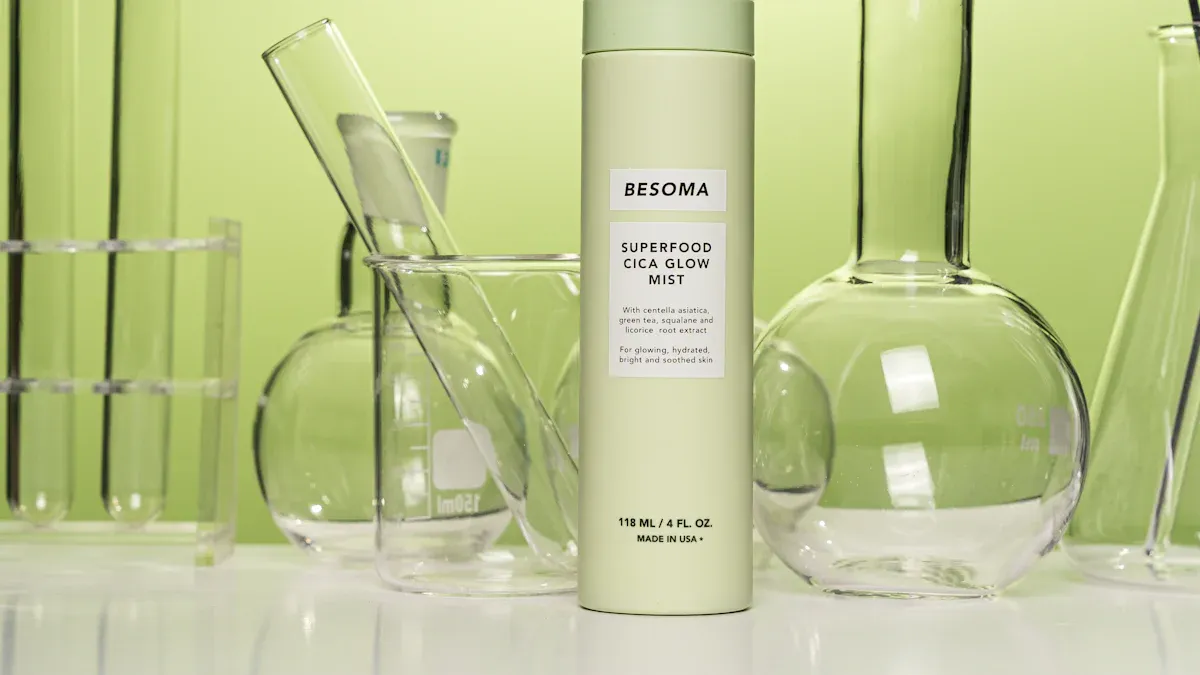
Chemical assessments help you see if your product and packaging fit together. These tests find problems like harmful things moving from the packaging into your product. There are different ways to check for chemical compatibility. NIAS screening looks for unknown things and breakdown products. Extractables studies show what comes out of packaging when stressed. Leachables studies watch what moves into your formula. Overall migration tests measure how much stuff leaves the packaging. Specific migration testing checks for leachables after special extraction.
| Method | Description |
|---|---|
| NIAS Screening | Finds and measures impurities, including unknown things and breakdown products. |
| Extractables Studies | Shows what can be pulled out of packaging under stress using special liquids. |
| Leachables Studies | Checks if things move from packaging into your product. |
| Overall Migration Tests | Measures non-volatile things that move from packaging into cosmetics. |
| Specific Migration Testing | Measures leachables after special extraction, linked to safety and stability. |
You also test for things like heavy metals, bisphenols, and phthalates. These tests help you follow safety rules and keep your product safe.
Physical Evaluations
Physical evaluations show how well your packaging works with your product. You use interaction studies to see if ingredients move or react with the packaging. These tests happen fast or over a long time. Appearance evaluation checks for changes like cracks, color changes, or breaks. You look for signs like penetration, adsorption, or things dissolving. If you see cracks or breaks, the packaging may not be right.
| Technique | Description |
|---|---|
| Interaction Studies | Tests for movement and reactions under fast and long-term conditions. |
| Appearance Evaluation | Checks how packaging looks, feels, and holds up over time. |
- Physical problems can look like:
- Penetration
- Adsorption
- Cracks
- Dissolving
Biological and Microbial Tests
Biological and microbial tests make sure your packaging keeps your product safe from germs. These studies check if your product stays good and works well. Challenge tests add bad germs to see if preservatives work. Preservative efficacy testing follows ISO 11930 rules to see if germs stop growing.
| Test Name | Description |
|---|---|
| Packaging Compatibility Testing | Checks if your product and packaging work together to stay safe and good. |
| Challenge Test | Adds germs to see if preservatives stop them. |
| Preservative Efficacy Testing | Checks if preservatives stop germs, following ISO 11930 rules. |
If your packaging does not match your formula, germs can get in. You need to make sure packaging works well, especially for products with little or no preservatives.
Risks of Poor Compatibility
Common Failures
If you skip compatibility testing, many problems can happen. The container might swell or change shape if it soaks up the formula or lets out vapor. Plastic parts can crack or get weak. Clear containers might turn cloudy or change color. The product inside can feel, look, or smell different. Sometimes, pumps and dispensers stop working right. These problems can make your products unsafe or hard to use.
Here is a table that shows common failures and how to stop them:
| Implications | How to Avoid |
|---|---|
| Weight loss due to migration through the tube sleeve. | Conduct a material science analysis to assess potential interactions between the tube sleeve material and the product formula. |
| Product contamination or changes in formula stability. | Add a barrier layer, such as EVOH, or use a polyfoil sleeve or an all-aluminum tube for better protection. |
| Reduced shelf life, leading to dissatisfied customers. | Confirm material compatibility through rigorous package compatibility testing. |
You should know that poor compatibility can cause spoilage or germs. Not following safety rules can put people in danger. Brands that do not test can lose trust and sales.
- Swelling or paneling of containers
- Stress cracking or brittleness in plastics
- Discoloration or hazing
- Changes in product texture, color, or scent
- Loss of pump or dispenser functionality
Careful testing keeps your products safe and protects your customers.
Case Studies
You can learn a lot from what happened before. Compatibility testing helps keep products stable and stops packaging from reacting with the formula. It also stops germs by making sure nothing leaks in or grows. Testing checks if pumps, seals, and containers work in real life. Following FDA and EU rules keeps your products safe and legal. Brands that test save money and waste by stopping recalls and complaints.
- Testing makes sure packaging does not break down or react.
- You stop germs and keep the product clean.
- You keep pumps and dispensers working.
- You follow safety and material rules.
- You avoid recalls and unhappy buyers.
Doing compatibility testing first makes your products better and builds trust. You protect your brand and keep your place in the market.
Interpreting Test Results
Understanding Outcomes
After you finish compatibility testing, you need to look at the results carefully. These results tell you if your cosmetic product and packaging work well together. You check for changes in color, smell, or texture. You also look for leaks, cracks, or signs of contamination. If you find problems, the packaging does not fit your product. Good results help you know if your product is safe and stable. You must compare your results to industry rules and standards. Certified labs use ISO 17025-accredited testing for accurate data. This keeps your brand safe and helps you follow rules like the EU Cosmetics Regulation.
Always check compatibility test results with care. When you understand the results, you protect your customers and your business.
Next Steps and Actions
If your test results show problems, you need to act fast. Here are steps to fix issues:
- Write down inspection results right away using digital forms. Include the type, how bad it is, and how many.
- Sort defects as critical, major, or minor. Fix critical defects first.
- Figure out defect rates and compare them to AQL limits. Stop making products if rates are too high.
- Give clear steps to fix the problems. Explain what needs to change.
- Check later to see if your fixes worked. Write down all results.
- Keep track by linking inspection results to each batch.
You must find and share the reasons for failed inspections. Make a Supplier Corrective Action Report with details and solutions. Check again after fixing to make sure the packaging is good.
Lab Setup Basics
You need a good lab setup for compatibility testing. Always use the final packaging for all tests. This helps you find problems early and keeps your product safe. Follow local rules for lab safety and compliance. Keep Material Safety Data Sheets where you can find them fast. Make Standard Operating Procedures for handling and checking quality. Train your team in safety and do regular drills. Track batches for quality control and to solve problems.
| Requirement | Description |
|---|---|
| Understand regulations | Follow all local rules for lab safety and compliance. |
| Store MSDS | Keep Material Safety Data Sheets easy to find for safety information. |
| Create SOPs | Make rules for handling, quality checks, and safety steps. |
| Staff training | Teach your team safety steps and practice drills often. |
| Track batches | Keep records of batches for quality and fixing problems. |
You should check batches to make sure they are the same, test pH levels, and do microbial tests. Use isopropyl alcohol to clean surfaces. Write down all tests to keep quality high and fix problems fast.
A well-run lab gives you good results and keeps your products safe.
You help make sure cosmetic products are safe and work well. Compatibility testing lets you find problems before they get worse. If you skip this testing, your products might get recalled. People may stop trusting your brand. Testing protects your customers and your company.
Ask your supplier for samples. Put your real product in the samples. Watch for any changes in color, smell, or texture.
- Keeps products safe and working right.
- Stops contamination and keeps products good.
- Helps brands avoid recalls and keeps their good name.
FAQ
What is compatibility testing for cosmetic containers?
You check if your product and container fit well together. Compatibility testing helps you find leaks, color changes, or germs before selling. This keeps your cosmetic product safe for people to use.
How often should you perform compatibility testing?
You need to test every time you change the formula, packaging, or how you make it. Testing often helps you keep your products safe and good quality.
What happens if you skip compatibility testing?
If you skip testing, your product can spoil or get dirty. Customers may not be happy. You might have to recall products and your brand could get a bad name.
Which packaging materials need compatibility testing?
You must test all types of materials like plastic, glass, paper, and metal. Each one can react in a different way with your product.
Can compatibility testing help you meet regulations?
You use compatibility testing to show your products follow safety rules. Testing helps you meet FDA and EU guidelines and stay out of legal trouble.