


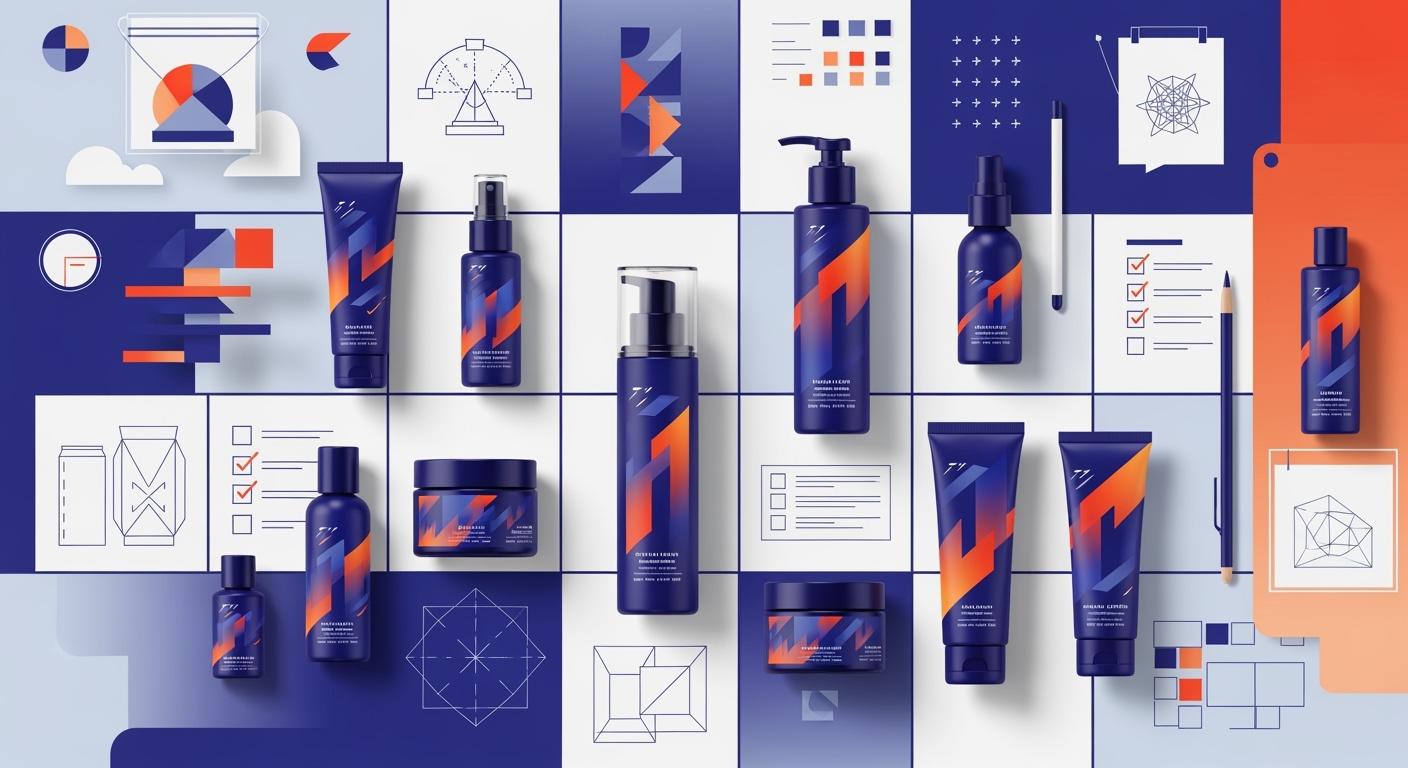
As your skincare brand grows, you add more products. These can be serums, lotions, creams, cleansers, and eye care. Customers start to see your brand as a group of products. They do not see just one product. A consistent packaging system helps you look professional. It also makes your products seem more valuable.
When all your products look alike, people see your brand as grown-up. This helps you charge higher prices for your SKUs.
Your packaging shows a lot about your business. If your store is growing, being consistent is very important. In every store, your packaging should look the same. This helps tell one story about your brand. It makes people trust you and see you as professional.
- Make your brand easy to recognize
- Help customers trust and like your brand
- Show that your brand is professional everywhere
Key Takeaways
- Put your skincare products in groups by what they do or who uses them. This helps make a clear packaging system.
- Pick packaging types that fit each product best. Keep the design the same for all products.
- Use the same colors, logos, and finishes for every product. This helps people remember your brand.
- Make standard sizes for each product type. This makes everything look tidy and professional.
- Use quality control steps to keep packaging the same during production.
Building a Consistent Packaging System
Defining Product Series Logic
Start by sorting your skincare products into groups. This helps you make your packaging look the same. When you put SKUs together by what they do or who uses them, it is easier for customers to know your brand. They can also see how each product fits in their daily routine.
Tip: If your product line is organized, your brand looks fancy and professional.
Many top skincare brands use these ways to group their products:
- Put products together by skin concern, like hydration, brightening, or anti-aging.
- Sort by how people use them, such as daily basics, special treatments, or travel sizes.
- Make groups based on scent or skin type.
This way, your display looks neat and balanced. Customers can look at your products and see how they connect. When you use matching displays for each group, your brand feels more special.
Here is how brands pick which SKUs go together:
| Evidence | Explanation |
|---|---|
| Making categories first changes everything. | Brands start by putting products in groups, which helps them focus on SKUs. |
| A clear product line helps with new ideas. | A good structure lets brands choose new products that fit the groups. |
| When all groups are seen together, the brand works as a system. | A clear product series helps customers understand and use the products. |
Think about how your main packaging and extra packaging fit this plan. Main packaging is what holds the product, like a bottle or jar. Extra packaging is the box or sleeve that protects and shows off the product. Both must follow your group plan to keep your brand looking the same.
Selecting Packaging Structures
After you group your products, pick the best packaging for each SKU. You do not need to use the same bottle for everything. Choose the best type for each formula and use design rules to make them match.
You can pick jars, tubes, droppers, or bottles for main packaging. Each type has good and bad points:
| Packaging Type | Advantages | Disadvantages |
|---|---|---|
| Jars | Look fancy, light, do not break easily | Can let in air and light, might get dirty |
| Tubes | Keep out air and light, less waste, easy to carry | Only work for some products, may not look fancy |
| Droppers | Give the right amount, stop waste, good for strong formulas | Not easy for big amounts, glass can break |
| Bottles | Work for many types, clean to use | May not keep out air, can be big and heavy |
Match each packaging type to what the product needs. For example, serums often use droppers or airless bottles. Creams can go in jars or airless jars. Cleansers and sunscreens work well in tubes. This keeps your formula safe and makes it easy to use.
How your packaging looks and feels is important too. It shows your brand’s style and helps customers know your products. Pay attention to color, finish, and decoration. These things make your main and extra packaging look like they belong together, even if the shapes are different.
When picking packaging, also think about:
- How well it keeps the formula safe over time
- How easy it is for customers to use
- How it shows your brand’s place in the market
- If it fits your target customers
- If it meets any green goals
You can use different colors to show different product lines. For example, use soft blue for hydration and gold for anti-aging. Small changes help customers tell products apart but still keep the packaging system the same.
Note: If your packaging matches the product’s job, you can sell more. Customers want to see that the packaging fits the product’s use.
Using the same packaging system can save money too. Brands that join similar lines or use the same packaging for many products often spend less and get products out faster. For example, a store that cut SKUs by 30% saved $120,000 in design costs. Another brand used one jar for three products and saved over $150,000 a year.
Always plan your main and extra packaging together. This keeps your brand message strong and makes your products look high-end. If you follow these steps, you will have a skincare packaging system that helps your brand grow.
Creating a Unified Skincare Packaging Language
Visual Identity and Decoration Rules
Your skincare brand needs a clear look. This helps your products stand out. It is like a main language for your packaging. Customers can spot your products quickly. You build this look with color, logo, font, finish, and brand tone. These parts show your brand’s style and values.
- Pick colors and pictures that fit your brand.
- Choose materials that match your values, like glass for a fancy feel or eco-friendly for a natural look.
- Use shapes and sizes that make your products pop on the shelf.
- Add features that make your packaging easy to use.
- Finish with details like embossing or coatings for a fancy touch.
Tip: If your packaging looks the same, customers trust your brand more and remember it.
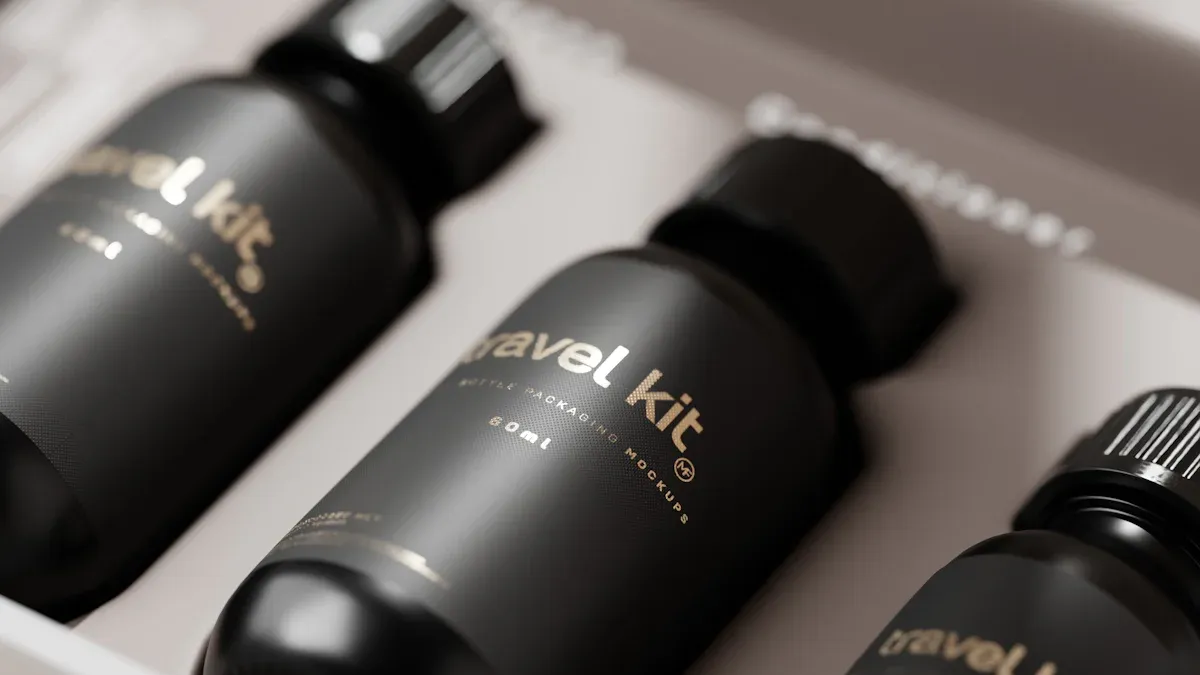
Decoration rules help your packaging look like a team. Not every bottle must look the same. Use decoration tricks to connect your products. Matching colors set the mood and help customers find what they want. Printing your logo builds trust and makes your brand easy to spot. Surface finishes, like matte or shiny, give a fancy feel and make your packaging special.
You can use these decoration rules to make your products look like a family:
- Match colors for all your products.
- Print your logo in the same place on each package.
- Use the same finish, like frosted or soft gloss, for every product.
- Try hot stamping or embossing for a fancy effect.
When you follow these rules, your skincare packaging looks like a system. It does not look like random products. This helps your brand stay the same and makes your products feel fancy.
Color, Logo, and Typography Consistency
You must keep your color, logo, and font the same for all your skincare SKUs. This is important for a clear look. Customers will spot your brand faster and trust it more.
Here are some ways you can do this:
| Strategy | Description |
|---|---|
| Color Palette Consistency | Use the same colors for all products so people know your brand. |
| Typography Standards | Keep the same fonts and order to stop confusion and look professional. |
| Logo Placement Rules | Keep logo size and spot the same for easy recognition. |
| Structural Consistency | Use similar box styles and materials for a smooth unboxing. |
| Information Hierarchy | Show benefits and instructions the same way for every product. |
| Brand Guidelines Document | Make a guide to keep design parts the same as you add new products. |
You should decide your brand’s main traits. Choose if your brand feels playful, fancy, or natural. Pick a main logo and two or three brand colors. Always use the same colors. Select one or two fonts that look good even when small.
Note: Good font choices help customers find important info. For fancy skincare packaging, use small logo spots and strong font order to show quality. Mass brands often use big logos to build trust fast.
You can listen to your customers. Their feedback shows what works and what does not. Use surveys or online tools to learn how people feel about your packaging. This helps you make changes that fit your brand and connect with your audience.
If you sell in other countries, you may need to change your packaging. You can change the size, translate the label, or use materials that fit local rules. This keeps your brand the same while meeting local needs.
When you use these ways, your skincare packaging will always look fancy and professional. Customers will see your products as part of one brand family. This builds loyalty and helps your brand grow.
Maintaining Family Feel Across Packaging Types
Structure and Proportion Alignment
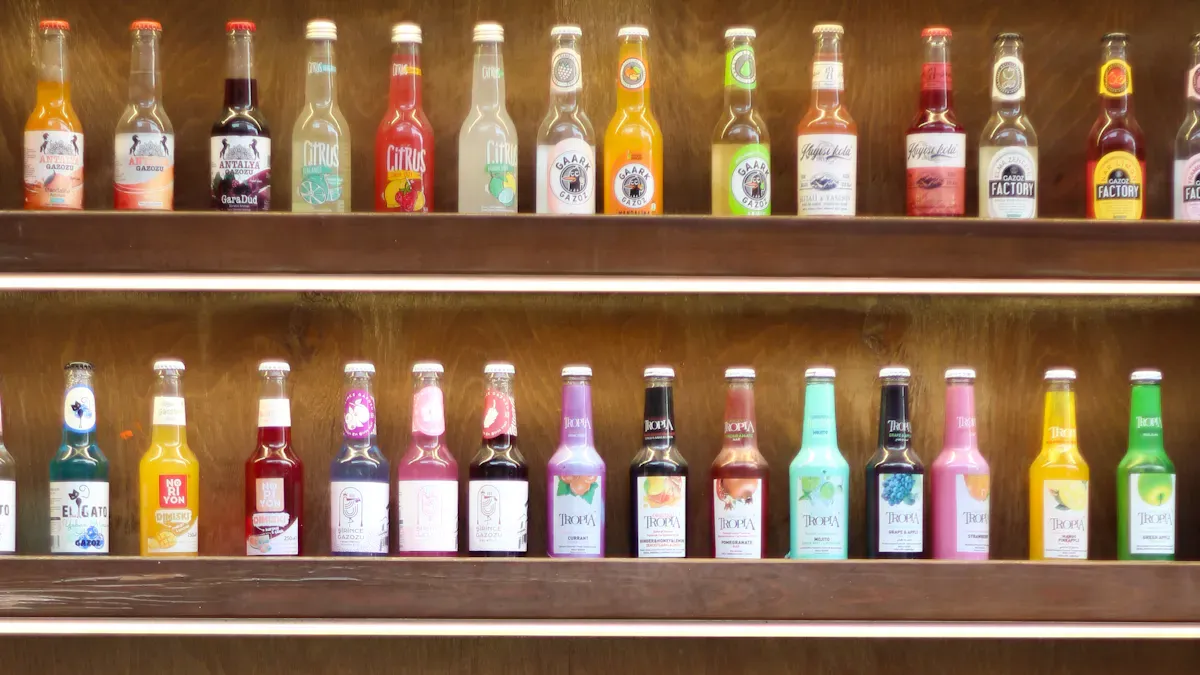
You can pick different packaging for each skincare product. But your products should still look like they belong together. For example, you might use a dropper for serum. You could use a pump for lotion. Creams can go in jars. Cleansers might use tubes. You do not need the same shape for every SKU. You make your brand strong by matching size, color, and decoration on all packages.
- Use the same colors for every main and extra package.
- Put your brand logo in the same place on each package.
- Pick the same finish, like matte or frosted, for all packages.
- Keep the style the same for main and extra packaging, even if shapes change.
Many brands use recycled materials for their packaging. You can pick paper, glass, or biodegradable stuff. This shows your brand cares about the planet. It also makes your skincare packaging feel fancy.
When you plan your packaging, treat legal text as a system. Keep the words lined up and spaced the same on all SKUs. This makes your packaging look neat and easy to grow.
Capacity and SKU Hierarchy
You should make clear rules for the size of each skincare product. This helps your brand look neat and helps customers understand your system. Using set sizes also makes your packaging look fancy and balanced.
| Product Type | Standard Capacity |
|---|---|
| Serum | 30ml |
| Eye Care | 15ml |
| Lotion | 50ml / 100ml |
| Cream | 50g |
| Travel Size | 5ml / 10ml |
You can use these sizes for both main and extra packaging. This keeps your brand system simple and easy to handle. When you follow these rules, your skincare packaging will look tidy and professional.
If you plan your label layout early, you stop crowding and hard-to-read words. Decide where to put technical text on both main and extra packaging. This makes things clear and helps your brand pass checks.
Treat the label on your main packaging as the product’s everyday look. Use the extra box for rules and info. This keeps your brand message strong and fancy.
By matching structure, size, and amount, you make every skincare SKU feel like one family. Customers will see your products as high quality and trust your brand more.
Ensuring Consistency in Mass Production
Quality Control and Sampling
You need strong quality checks to keep your skincare packaging the same. You must look at every step, from the first sample to the last box. Start by picking suppliers who follow your rules for main and extra packaging. Set clear rules for all your materials. When you get main packaging, check it right away. Do the same for extra packaging. This helps you find problems before customers see them.
You should use digital color tools to match colors in every batch. Tools like ColorCert and GMG ColorServer help you keep print and color the same on all packaging. These tools give your team live data. Everyone can see the real color data, so your brand’s look stays the same.
Here is a table of important quality steps:
| Quality Control Process | Description |
|---|---|
| Comprehensive supplier qualification | Check if suppliers meet your brand’s material quality needs. |
| Well-defined material specifications | Make sure all packaging matches your product and legal rules. |
| Incoming material inspection | Inspect all primary and secondary packaging when they arrive. |
| Validation of packaging materials | Test packaging under real production conditions. |
| Compliance with GMP and ISO standards | Follow good manufacturing and international rules for packaging quality. |
| Cross-functional integration | Get your Quality, Production, and Supply teams to work together. |
Making products in batches and checking often keeps all packaging the same. You can also use new things, like airless pumps or UV-blocking materials, to protect your skincare and keep packaging quality high.
Avoiding Common Packaging Mistakes
You can stop many mistakes by planning your packaging system early. Do not pick main or extra packaging for each SKU alone. This can break your brand’s look. Always match the main packaging to what your skincare formula needs. Do not forget to set decoration rules before you start making products. If you skip this, you may see color or print problems later.
Here are common mistakes to watch for:
- Picking main packaging for each SKU without a plan
- Not thinking about what different skincare formulas need
- Not making decoration rules for both main and extra packaging
- Not checking color and print during big production runs
- Forgetting about green packaging choices
You should use a checklist before you launch. Check your labels for FDA rules and make sure all info is right. Keep records and update your packaging when rules change. This keeps your brand safe and your skincare packaging the same.
By following these steps, you make sure your main and extra packaging always match your brand’s rules. Your customers will see your skincare as high quality and trustworthy.
You can make your skincare packaging look the same by doing these things:
- First, sort your skincare SKUs into clear groups.
- Next, pick packaging that works best for each product.
- Then, use the same decoration and style rules for all packaging.
- Also, set clear sizes and order for your SKUs.
- Last, check that every package looks right from start to finish.
When your packaging matches, every skincare product feels like it belongs together. Companies like Oulete can help you keep your skincare packaging the same in every group and at every step.
| Benefit | Description |
|---|---|
| Stronger shelf presence | Grouped skincare products stand out and look more professional. |
| Higher consumer trust | Matching skincare packaging helps people trust and like your brand. |
FAQ
What is a packaging system for skincare brands?
A packaging system means you use the same design rules for all your products. You choose colors, logos, and decoration that make your brand easy to spot. This helps customers trust your products.
Can I use different bottles for each SKU?
Yes, you can use different bottles or jars. You keep your brand look by matching colors, logo placement, and decoration. This makes every product feel like part of your brand family.
How do I keep packaging consistent during mass production?
You set clear rules for color, printing, and surface finish. You check samples and use quality control steps. This helps you avoid mistakes and keeps your packaging looking the same every time.
Why does capacity matter in packaging?
Capacity helps customers know what to expect. You use standard sizes for each product type. This makes your brand look neat and helps people compare products easily.
What mistakes should I avoid when building a packaging system?
You should not pick packaging for each SKU alone. You must set decoration rules early. You need to check color and print often. This keeps your brand strong and your products looking professional.