


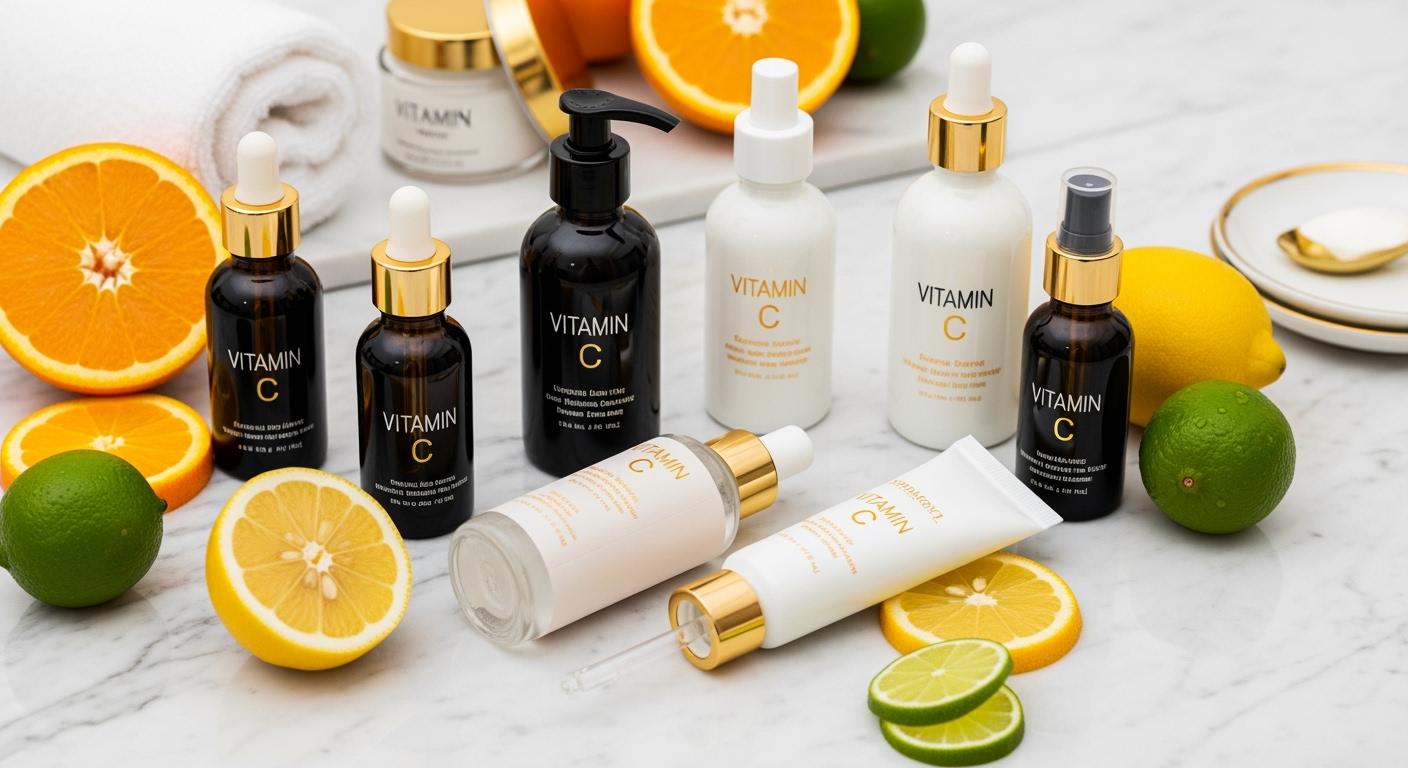
You want your vitamin C skincare products to last and deliver results. Amber glass, opaque bottles, and airless pumps offer the best bottle packaging to protect vitamin C from light and air. UV protection, airtight seals, and material compatibility keep your formulas stable. Size matters for portion control and freshness. Many brands use glass, plastic, and airless pump bottles to ensure quality and extend shelf life.
Key Takeaways
Choose amber glass or opaque bottles to protect vitamin C from light and air. This helps maintain product potency and effectiveness.
Opt for airless pump bottles to minimize oxidation. These designs preserve the integrity of sensitive ingredients like vitamin C.
Always test packaging materials for compatibility with your formula. This prevents unwanted chemical reactions that can degrade your product.
Educate retailers and users on proper storage practices. Keeping products in cool, dry places extends shelf life and maintains quality.
Implement quality assurance protocols to monitor product stability. Regular testing ensures your vitamin C skincare products deliver reliable results.
Part1: Packaging Importance for Vitamin C
1.1 Vitamin C Stability Challenges
Vitamin C is a powerful ingredient, but it breaks down quickly when exposed to light and air. You face challenges keeping vitamin C stable in skincare formulas. Packaging plays a key role in protecting vitamin C from environmental stress. If you choose the wrong packaging, your product can lose color, change odor, or become less effective. Stability programs often check appearance, viscosity, and how the packaging interacts with the formula. You need to prevent oxidation and UV damage to maintain quality.
Tip: Always test packaging for oxygen transmission rate, water vapor transmission rate, and UV transmission. This helps you ensure your vitamin C products stay stable.
Packaging shields vitamin C from light, oxygen, and environmental stress.
Air exposure leads to oxidation, reducing effectiveness.
Light exposure changes vitamin C’s structure, making it less reliable.
1.2 Packaging Solutions for Potency
You can use several packaging solutions to keep vitamin C potent. Airless pump bottles, dark glass, and opaque plastic tubes are proven choices. Each option blocks air and light, helping your formula stay strong. The table below compares these packaging types:
Packaging Type | Benefits |
|---|---|
Airless Pump Bottles | Keeps out air and light, prolongs serum life. |
Dark Glass Packaging | Blocks UV light, protects serum from degradation. |
Opaque Plastic Tubes | Cost-effective, good oxygen barrier, easy dispensing. |
Airless pump bottles prevent air from entering, preserving strength.
Dark glass packaging blocks UV light, maintaining stability.
Opaque plastic tubes offer a good oxygen barrier and cost savings.
Avoid clear glass bottles because they allow light in, leading to quicker spoilage.
1.3 Impact on Shelf Life and Quality
Your packaging choice directly affects shelf life and product quality. If you use jars, air enters each time you open them, speeding up degradation. Airless pumps and opaque containers block air and light, extending shelf life. Nitrogen flushing creates an oxygen-free environment, reducing oxidation. Proper storage and handling also help maintain product longevity.
Packaging protects sensitive ingredients from air, light, and time.
Airless pumps provide a vacuum-sealed environment.
Opaque or tinted containers block light, extending shelf life.
Jar packaging allows repeated air and light exposure, compromising stability.
Choosing the Best Bottle Packaging ensures your vitamin C skincare products stay potent and reliable, leading to higher customer satisfaction and fewer complaints.
Part2: Best Bottle Packaging Types Compared
2.1 Amber Glass Bottles
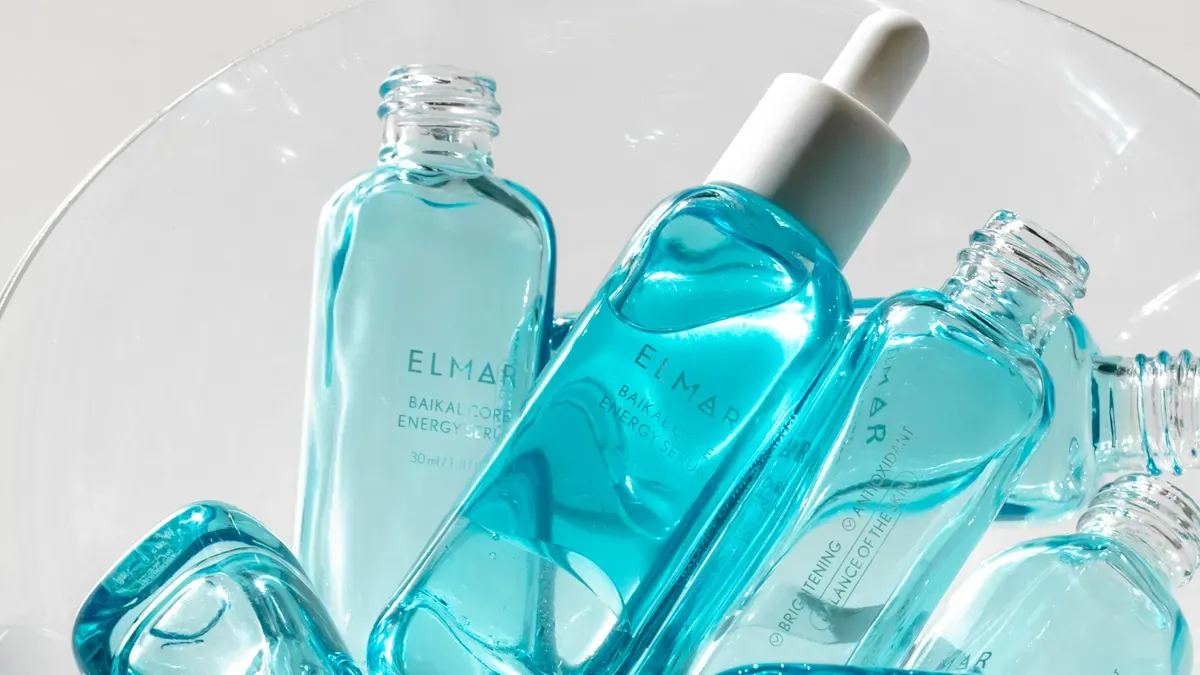
Amber glass bottles stand out as a classic choice for vitamin C skincare products. You benefit from their strong UV-blocking properties, which help maintain the stability of sensitive formulas. Amber glass acts as a natural filter, blocking both UV and visible light. This slows down the oxidation of vitamin C and keeps your product potent for longer.
Amber glass bottles protect light-sensitive ingredients from UV exposure, maintaining product stability and preventing chemical interactions. For instance, stability tests showed that vitamin C in amber glass decreased only by 3% over several months, compared to a 20% decrease in plastic packaging, demonstrating the effectiveness of amber glass in preserving product integrity.
You may face some drawbacks. The deep brown color reduces product visibility, which can be a disadvantage if you want to showcase your formula. Production costs are higher due to the use of colorants and specialized manufacturing. Still, amber glass remains a top contender for Best Bottle Packaging because it offers reliable protection and proven results.
Dark glass bottles, such as amber, act as a natural filter that blocks UV and visible light, slowing down the oxidation of vitamin C. This helps maintain the serum’s stability and potency, ensuring that the product remains effective until use.
If you want to source high-quality amber glass bottles, consider working with a reputable glass dropper bottles supplier.
2.2 Opaque Plastic Bottles
Opaque plastic bottles offer a practical and cost-effective solution for vitamin C packaging. You gain strong protection from harmful light, which is crucial for preserving the integrity of vitamin C, especially l-ascorbic acid. This type of packaging helps maintain the antioxidant properties of your formula, ensuring consistent performance.
Opaque plastics are lightweight and shatter-resistant, making them suitable for large-scale production and shipping. You can also customize these bottles with your branding and labeling needs. However, you should always check for material compatibility to avoid unwanted chemical interactions.
2.3 Airless Pump Bottles
Airless pump bottles represent one of the most advanced solutions for vitamin C skincare. You get a vacuum-sealed environment that minimizes air exposure and preserves the efficacy of your serums. This packaging type reduces repeated air exposure during use, which is essential for sensitive ingredients like vitamin C.
Evidence | Description |
|---|---|
Airless Pumps | Airless pumps create a vacuum-sealed environment that minimizes air exposure, preserving the efficacy of vitamin C serums. |
Topfeelpack’s Technology | Innovative airless bottle mechanisms prevent air from entering the container, ensuring the stability of the serum. |
Airless pump bottles enhance antioxidant efficiency by up to 80%, preventing oxidation of vitamin C.
Minimizing contact with the external environment helps preserve the stability of ascorbic acid.
You can find reliable options from an airless bottle manufacturer, which can help you achieve the Best Bottle Packaging for your vitamin C products.
2.4 Small Dropper Bottles
Small dropper bottles remain popular for precise dispensing and ease of use. You can offer controlled dosing, which appeals to many users. However, dropper bottles expose vitamin C to air each time you open them. This leads to a loss of about 30% of its activity per month, making them less ideal for long-term stability.
Packaging Type | Benefits | Risks |
|---|---|---|
Dropper Bottles | Convenient, easy to use | Air and light exposure, higher risk of oxidation |
Airless Pump Bottles | Protects from air exposure | N/A |
Dark Glass Bottles | Protects from light exposure | N/A |
If you choose dropper bottles, select dark glass to reduce light exposure and always educate your clients about proper storage.
2.5 Innovative Packaging Solutions
You can explore new technologies to further protect vitamin C. Innovative packaging solutions include UV-blocking outer layers, nitrogen flushing, and advanced airless pump technology. These options offer enhanced protection and can extend shelf life without altering your formula.
Packaging Solution | Description | Effectiveness |
|---|---|---|
UV-blocking Outer Layer | Protects the product from harmful UV rays. | Preserves stability and efficacy of vitamin C. |
Airless Pump Technology | Creates a vacuum-sealed environment to prevent air exposure. | Reduces oxidation and maintains potency throughout the product’s use. |
Dark Glass Bottles | Blocks visible light and UV radiation. | Enhances longevity and stability of vitamin C serums without additional preservatives. |
Nitrogen Flushing | Removes oxygen from the container, replacing it with nitrogen gas. | Dramatically reduces oxidation and extends shelf life without altering the formulation. |
You should consider these advanced options when searching for the Best Bottle Packaging for your vitamin C skincare line. They help you deliver stable, high-quality products to your clients and stand out in a competitive market.
Part3: Key Features for Packaging Selection
3.1 UV and Light Protection
You must protect vitamin C from UV and visible light to maintain its potency. Amber glass bottles and dark glass options block most UV rays, which slows down the breakdown of your formula. Opaque packaging also shields vitamin C from harmful light. When you select packaging, look for containers that prevent both air and light exposure. This step is essential for keeping your product fresh and effective. For more details on UV-resistant options, you can explore serum bottle packaging solutions.
3.2 Airtight and Oxygen Barrier
Vitamin C degrades quickly when exposed to air. Airtight and oxygen barrier features help you minimize this risk. Airless pumps and tubes create a sealed environment, which preserves the strength of your formula. These features also prevent spoilage and contamination. You should always prioritize airtight packaging when searching for the Best Bottle Packaging for vitamin C skincare.
3.3 Material Compatibility
You need packaging materials that do not react with vitamin C. High-quality options include mono-material PP, airless dispensers, and UV-resistant bottles. Glass packaging works well because it does not interact with the contents. This choice prevents chemical reactions and keeps your product safe for users.
3.4 Dispensing and Contamination Prevention
Proper dispensing mechanisms protect your formula from contamination. Airless systems and advanced filtration designs reduce the risk of bacteria entering the bottle. You should avoid jars, as they allow air and contaminants to enter each time you open them. Airless pumps and well-designed droppers help you deliver single doses while maintaining hygiene. These features support the Best Bottle Packaging for sensitive skincare products.
3.5 Regulatory and Sustainability Factors
You must comply with regional regulations. In the United States, Good Manufacturing Practices apply. The European Union requires CPNP notification. Asia-Pacific regions may need pre-market approval. Packaging must prevent contamination and use opaque or UV-blocking containers for vitamin C. You should also consider sustainability. Choose bio-based stabilizers, renewable materials, and biodegradable ingredients to align with modern business goals. For eco-friendly options, review sustainable cosmetic packaging.
Tip: Avoid common pitfalls such as using clear glass, low-quality plastics, or jars that expose your product to air and light. These choices can lead to rapid degradation and customer complaints.
Part4: Choosing the Best Bottle Packaging for Your Brand
4.1 Assessing Formula Needs
You should start by evaluating your vitamin C formula’s unique requirements. Each formula reacts differently to air, light, and temperature. Consider consumer demand for sustainability, the stability of your vitamin C, and cost efficiency. The table below helps you organize these factors:
Factor | Description |
|---|---|
Consumer Demand | Many buyers prefer sustainable packaging for safety and environmental reasons. |
Stability Considerations | Vitamin C needs air-tight packaging to prevent oxidation and maintain potency. |
Cost Efficiency | Smart packaging choices reduce waste and build brand loyalty. |
Formulate your vitamin C products in an oxygen-free environment.
Use packaging that is truly air-tight, not just marketed as airless.
4.2 Supplier Quality and Standards
You need reliable suppliers to achieve the Best Bottle Packaging for your brand. Evaluate each supplier’s quality standards, manufacturing capabilities, pricing, and compliance. The table below outlines key criteria:
Criteria | Description |
|---|---|
Quality Requirements | Suppliers must meet strict quality standards and hold certifications. |
Manufacturing Capabilities | Check if the supplier can handle your volume and customization needs. |
Pricing & Quotations | Look for transparent pricing that fits your budget. |
Average Lead Times | Reliable suppliers deliver on time and manage large orders. |
Quality & Compliance | Materials must meet industry standards and regulations. |
Tip: Request samples and certifications before placing large orders. For supplier quotes, you can contact Oulete or explore custom cosmetic packaging services.
4.3 Cost and MOQ Considerations
You must balance cost and minimum order quantity (MOQ) when selecting the Best Bottle Packaging. Custom packaging often requires higher MOQs, which increases upfront costs and storage needs. The table below summarizes the impact:
Description | Impact on Cost and MOQ |
|---|---|
Custom packaging needs higher MOQs | Raises costs for brands seeking unique solutions |
Unique formulas often have higher MOQs than private label | Affects financial planning, especially for new entrants |
Higher MOQs increase investment and risk | Brands must plan for storage and cash flow |
4.4 Customization and Branding
You can set your brand apart with custom bottle packaging. Options include custom printing, sizing, material choices, eco-friendly solutions, and prototypes. The table below highlights available features:
Customization Options | Description |
|---|---|
Custom Printing | Digital and rotary printing for unique branding |
Custom Sizing | Tailor bottle sizes to your product line |
Material Options | Choose from glass, plastic, or sustainable materials |
Eco-Friendly Packaging | Use recyclable or biodegradable packaging |
Mockups & Prototypes | Visualize your design before full production |
Note: Work with suppliers who offer mockups and prototypes to ensure your design matches your vision.
4.5 Identifying Poor Packaging
You must avoid poor packaging to protect your vitamin C products. Watch for these warning signs:
Clear bottles allow light in and degrade vitamin C.
Droppers expose the serum to air, causing faster oxidation.
If the serum turns dark orange or brown, it is losing potency.
Always choose dark or opaque bottles and pump dispensers.
Store products in a cool, dry place to maintain effectiveness.
Selecting the Best Bottle Packaging ensures your vitamin C skincare line remains potent, stable, and market-ready.
Part5: Storage and Handling Tips
5.1 Warehousing Best Practices
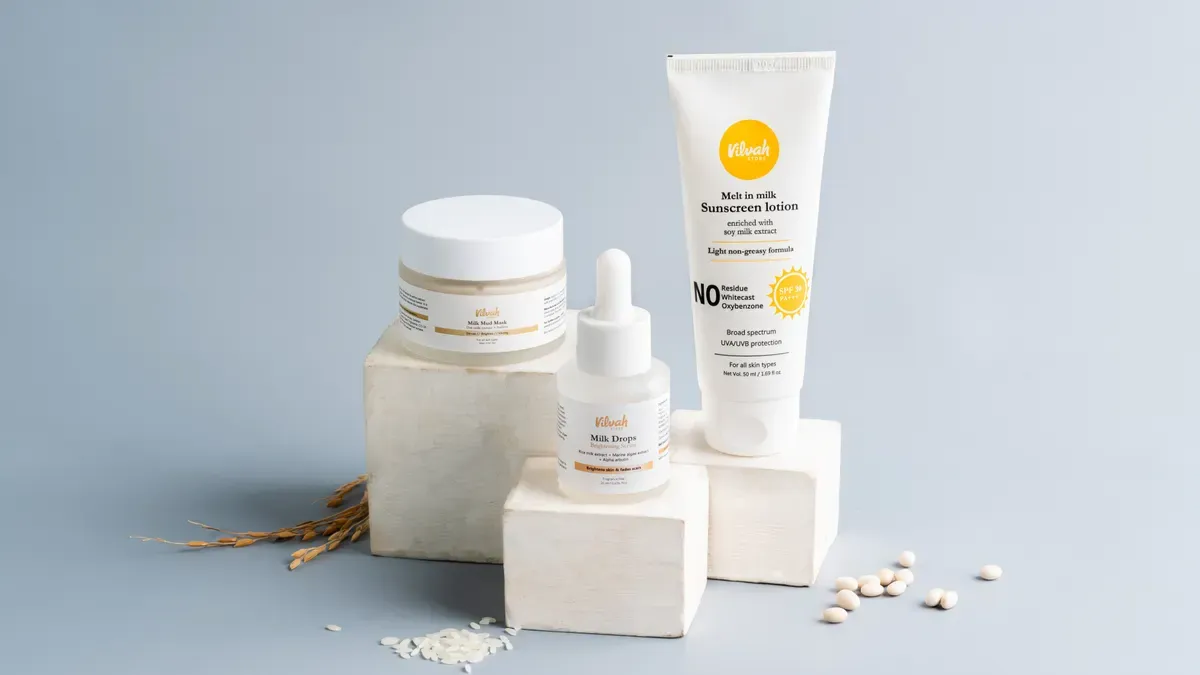
You need to maintain optimal storage conditions to preserve the potency of vitamin C skincare products after packaging. Warehousing environments should avoid heat, humidity, and direct light. Store your inventory in a cool, dry place, ideally between 59°–77°F (15°–25°C). Keep relative humidity between 35–65%. Use sealed, airtight containers to protect against moisture and air exposure. Dark-colored glass bottles help shield products from light, further enhancing shelf life. Always ensure lids remain tightly closed after handling. Retain desiccant packets inside bottles to absorb excess moisture and maintain product quality.
Store in a cool, dry area away from sunlight.
Avoid high-humidity zones like bathrooms or kitchens.
Use airtight, sealed packaging to prevent air and moisture ingress.
Keep bottles upright and organized to minimize accidental exposure.
Tip: Consistent storage conditions help you reduce product degradation and maintain customer satisfaction.
5.2 Educating Retailers and Users
You play a key role in educating your retail partners about proper storage and handling. Clear instructions help maintain product integrity throughout the supply chain. Consider these steps:
Instruct retailers to keep lids tightly closed after each use to prevent oxidation.
Recommend storing products in refrigerators to slow down oxidation and extend shelf life.
Advise against storing products in areas with fluctuating heat and humidity, such as bathrooms.
Provide printed guidelines or digital resources with each shipment. This proactive approach ensures your vitamin C products reach end users in optimal condition.
5.3 Quality Assurance Monitoring
You must implement robust quality assurance protocols to guarantee product stability. In-package stability testing simulates real-world conditions, including temperature, humidity, and light exposure. This process allows you to monitor vitamin C degradation over time and establish accurate expiration dates. Laboratory testing remains essential due to vitamin C’s sensitivity to oxygen, heat, and light. Regular testing ensures your product labels reflect true concentrations, maintaining trust with your clients.
Testing Schedule | Time Points |
|---|---|
Initial (T0) | 0 months |
1 month | |
2 months | |
3 months | |
6 months | |
9 months | |
12 months |
Monitor for color changes, crystal formation, or declining efficacy.
Investigate packaging integrity and storage logs if issues arise.
Analytical testing and UV exposure assessments help you identify and resolve problems quickly.
Note: Consistent quality assurance protects your brand reputation and ensures your vitamin C skincare products deliver reliable results.
You can achieve the Best Bottle Packaging for vitamin C skincare products by choosing amber glass, opaque bottles, or airless pumps. These options provide strong UV protection, airtight seals, and material compatibility. Airless bottles offer ingredient preservation, enhanced hygiene, and maximize product use:
Benefit | Description |
|---|---|
Ingredient Preservation | Airless bottles prevent oxidation of sensitive ingredients like Vitamin C, maintaining efficacy. |
Enhanced Hygiene | The design minimizes bacterial contamination risks by eliminating direct contact with the product. |
Maximized Product Use | The piston mechanism ensures nearly all product is dispensed, reducing waste for consumers. |
You should request physical samples, confirm quality assurance processes, clarify shipping timelines, source from verified platforms, and keep thorough documentation. These steps help you ensure supplier reliability and consistent product quality.
FAQ
What is the most important feature to look for in vitamin C bottle packaging?
You should prioritize UV protection. Amber glass or opaque bottles block harmful light. This helps maintain vitamin C potency. Airtight seals also prevent oxidation. Both features ensure your product stays effective during storage and shipping.
How do I know if a packaging material is compatible with my vitamin C formula?
You can request compatibility testing from your supplier. Ask for documentation on chemical resistance. Review test results for leaching or reactions. Always verify that the material does not affect your formula’s stability or color.
Are airless pump bottles worth the investment for vitamin C skincare?
Yes. Airless pump bottles reduce air exposure. This preserves vitamin C strength and extends shelf life. You also minimize contamination risks. Many B2B buyers choose airless pumps for premium or sensitive formulations. For vitamin C skincare packaging projects, contact Oulete to discuss airless pump bottle capacity, material compatibility, UV protection, decoration options, MOQ, and lead time.
What regulatory factors should I consider when choosing bottle packaging?
You must ensure packaging meets regional safety standards. Check for FDA, EU, or other local compliance. Packaging should prevent contamination and use approved materials. Always request certifications from your supplier.