


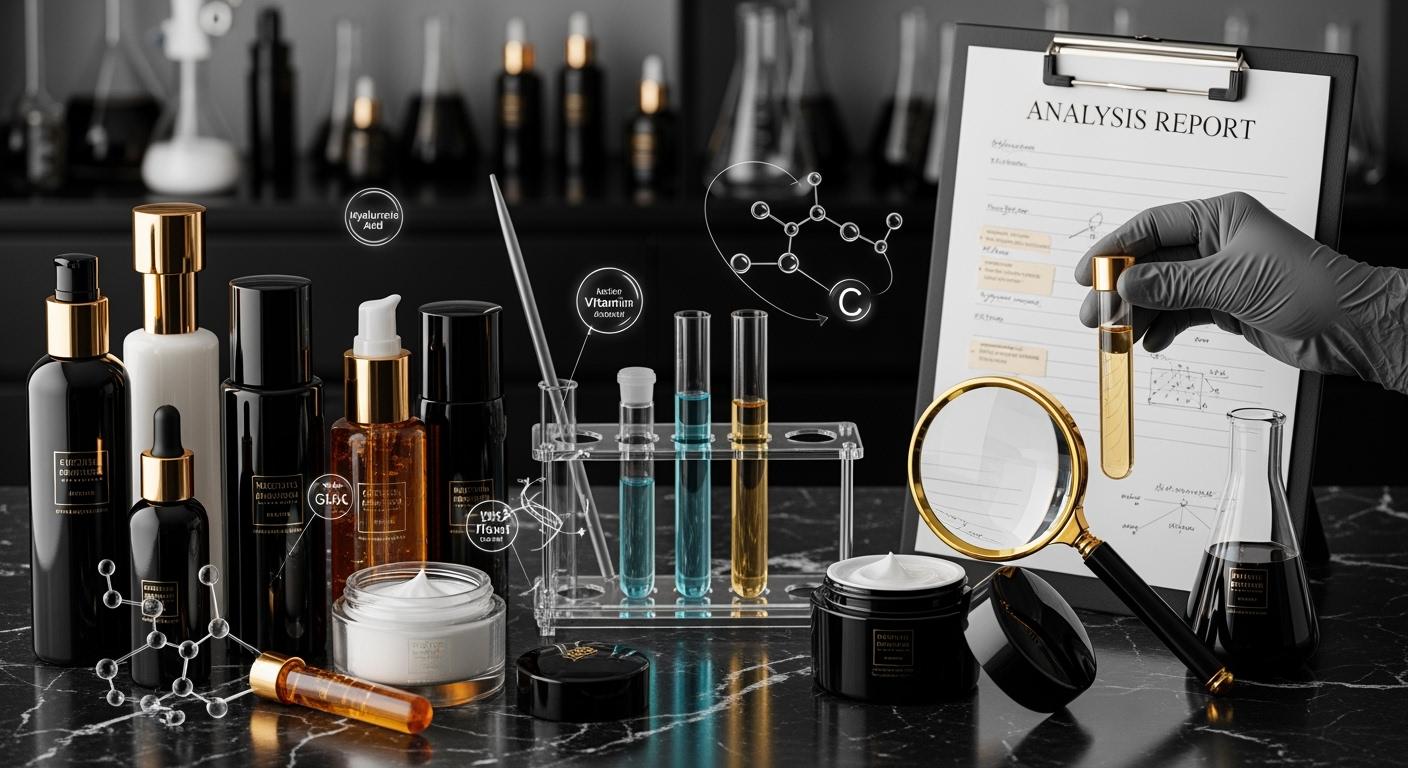
You face high stakes when choosing airless bottles for products with active ingredients. Cosmetic Packaging Compatibility Testing helps you prevent ingredient breakdown, safety hazards, and loss of performance. Ignoring this step exposes your brand to recalls, regulatory penalties, and damaged reputation. Treat compatibility testing as essential for every new formula, especially those containing sensitive actives.
Key Takeaways
Cosmetic Packaging Compatibility Testing is essential for ensuring that active ingredients remain stable and effective in their packaging.
Conduct thorough testing to identify any chemical interactions between your formula and the bottle material, preventing potential product degradation.
Choose packaging materials with low adsorption tendencies to protect sensitive ingredients from loss and maintain product quality.
Regularly monitor your products post-launch to catch any compatibility issues early, ensuring ongoing safety and effectiveness.
Document all testing results and make necessary adjustments to your formula or packaging to uphold quality standards.
Part1: Cosmetic Packaging Compatibility Testing Overview
1.1 Definition and Purpose
You need to understand what sets Cosmetic Packaging Compatibility Testing apart from general packaging tests. This process focuses on how your cosmetic formula interacts with its bottle and other packaging components. It looks at chemical, physical, and biocompatibility factors. In contrast, general packaging testing only checks if the packaging works as a container, without considering how it might affect your product.
Here is a table to help you see the difference:
Aspect | Cosmetic Packaging Compatibility Testing | General Packaging Testing |
|---|---|---|
Definition | Focuses on the interaction between packaging materials and cosmetic products, including chemical, physical, and biocompatibility. | General assessment of packaging performance without specific focus on interactions with cosmetics. |
Purpose | To assess chemical migration and potential adverse effects between cosmetic formulations and packaging. | To evaluate overall packaging integrity and functionality. |
When you work with active ingredients, you must ensure that the bottle does not cause quality issues. Your goal is to confirm that the formula stays stable inside its container. You also need to check for interactions like adsorption, corrosion, or leaching. The bottle must protect the product from outside factors, such as light or air, that could harm the formula.
Tip: Chemical compatibility databases can help you choose the right bottle material. These databases show how different chemicals react with packaging materials. They help you avoid problems like chemical breakdown or physical changes in your product.
1.2 Key Steps and Evaluation
You should follow a clear process when you conduct Cosmetic Packaging Compatibility Testing. This process involves several steps to make sure your bottle and formula work well together.
Start with your formula and place it in the final bottle.
Include all packaging parts, such as the pump head, gasket, cap, and any decoration.
Fill the bottle as you would in production.
Store the filled bottles under different conditions. Use various temperatures, humidity levels, and light exposures. Accelerated tests often use temperatures of 40–45°C to simulate long-term storage.
Check the bottles at set times. Look for changes in color, odor, viscosity, and pH. Inspect the packaging for cracks, leaks, or other problems.
You should also run specific tests:
Chemical Interaction: Check if the formula reacts with the bottle material.
Stability Testing: Watch for changes in the product over time while it stays in the bottle.
Leaching Tests: Make sure no harmful substances move from the bottle into the product.
Chemical compatibility databases play a key role in this process. They give you information about how your formula’s ingredients might interact with different bottle materials. This helps you select the safest and most effective packaging for your product.
By following these steps, you protect your product’s quality and safety. You also reduce the risk of recalls or regulatory issues. Cosmetic Packaging Compatibility Testing is not just a formality. It is a critical step in your product development process, especially when you use bottles for formulas with active ingredients.
Part2: Vulnerability of Active Ingredients
2.1 Sensitivity to Packaging Materials
You work with active ingredients that often react to bottle materials. Peptides, antioxidants, and essential oils show high sensitivity. The bottle’s surface can cause adsorption, trapping actives and reducing their concentration. Polyethylene and polypropylene bottles present moderate to high adsorption tendencies, so brands should evaluate material compatibility carefully when selecting PP airless bottles for skincare formulas. Elastomer seals show even higher interaction, leading to localized peptide trapping. Glass bottles offer lower adsorption but still allow charge-driven interactions for some peptides.
Packaging Material | Adsorption Tendency | Main Interaction Driver | Peptide Impact |
|---|---|---|---|
Polyethylene (PE) | Moderate | Hydrophobic surface domains | Gradual peptide depletion near walls |
Polypropylene (PP) | Moderate to high | Surface heterogeneity | Irreversible surface binding |
Elastomers / Seals | High | Porosity and polarity variation | Localized peptide trapping |
Glass | Low to moderate | Surface charge | Charge-driven adsorption for some peptides |
You must consider these interactions when selecting bottles. Essential-oil-rich and fragrance-forward formulas are especially vulnerable. Acidic products also face higher risks. EU regulations require you to document these interactions through Cosmetic Packaging Compatibility Testing.
Note: Bottles with rough surfaces or porous seals can accelerate ingredient loss. You protect product quality by choosing materials with low adsorption tendencies.
2.2 Impact on Product Stability
You see ingredient stability decline when bottles interact poorly with actives. Leaching, adsorption, and physical degradation threaten product performance. Plasticisers and stabilisers can migrate from bottles into your formula. Actives and fragrance components may adsorb onto bottle walls, lowering efficacy. Extended contact with HDPE bottles leads to surface roughening and microcracking, especially with essential oils.
Packaging compatibility protects actives from light, oxygen, and moisture.
Incompatible bottles cause ingredient degradation, reducing product effectiveness and safety.
Proper bottle selection maintains the stability and performance of sensitive cosmetic ingredients.
You monitor organoleptic properties, weight, pH, viscosity, and microbiological parameters during Cosmetic Packaging Compatibility Testing. These checks help you detect early signs of instability. You ensure your product remains safe and effective throughout its shelf life.
Part3: Risks of Incompatibility

3.1 Chemical Reactions and Degradation
You face serious risks when bottles interact poorly with active ingredients. Chemical reactions can change the color, odor, or texture of your product. These reactions may cause ingredient breakdown, reducing effectiveness and shelf life. For example, certain plastics can react with acids or essential oils, leading to visible changes or loss of fragrance. You must monitor these changes closely. Cosmetic Packaging Compatibility Testing helps you detect early signs of degradation. You check for shifts in viscosity, pH, and product homogeneity. If you ignore these tests, you risk releasing unstable products that fail to meet performance standards.
Tip: Always observe bottles for cracks or leaks. These signs often indicate chemical reactions between the formula and packaging material.
3.2 Contamination and Safety Risks
Unsafe bottles can leach harmful chemicals into your formula. This migration poses health risks for consumers and damages your brand’s reputation. You must understand which plastics present the greatest danger. The table below shows common bottle materials and their associated risks:
Harmful Plastic | Leached Chemical (Example) | Potential Health Concern (Example) |
|---|---|---|
PVC (3) | Phthalates | Endocrine disruption, reproductive issues |
PS (6) | Styrene monomer | Possible carcinogen, neurotoxic effects |
PC (in 7) | BPA (Bisphenol A) | Endocrine disruption, developmental concerns |
You also face contamination from packaging failures. Leaks or cracks allow bacteria and mold to enter the bottle. You protect your customers by choosing safe materials and running thorough compatibility tests.
Product degradation alters fragrance, color, or effectiveness.
Packaging failures increase the risk of contamination.
Health risks rise when harmful substances migrate from bottles into your formula.
3.3 Regulatory and Quality Issues
You must comply with strict regulations in cosmetic manufacturing. Authorities require you to document compatibility testing for every bottle and formula combination. If you skip these tests, you risk fines, recalls, and loss of market access. Quality assurance protocols include:
Stability tests under real-time and accelerated conditions
Chemical compatibility tests to detect interactions
Biological compatibility assessments for ingredient safety
Physical compatibility checks for leakage
Barrier property tests for resistance to environmental factors
Cosmetic Packaging Compatibility Testing ensures your product stays safe and stable. You maintain consumer trust and meet regulatory standards by following these protocols. You monitor color, odor, viscosity, pH, and packaging condition to catch problems early. Proper testing protects your business and supports long-term success.
Part4: Conducting Compatibility Testing
4.1 Standard Methods
You need to use reliable methods to assess how your cosmetic formula interacts with its bottle. The most common approaches include chemical compatibility testing and stability studies. These methods help you predict how your product will perform over time and under different storage conditions.
Chemical Compatibility Testing: You expose your formula to the bottle material and observe for any chemical reactions. This step checks for changes in color, odor, or texture. You also monitor for ingredient loss or migration of substances from the bottle into the product.
Stability Studies: You place your finished product in its final bottle and store it under various conditions. You monitor physical, chemical, and microbiological properties. This process helps you see if the bottle protects your product throughout its shelf life. You use the final marketed packaging to get accurate results. You check for changes in appearance, color, odor, and product functionality.
Tip: Always use the actual bottle and closure system you plan to sell. This approach gives you the most realistic results.
You can also use accelerated aging tests. You store bottles at higher temperatures and humidity to simulate long-term storage. This method helps you identify potential problems before your product reaches the market.
4.2 Evaluation Criteria
You must set clear criteria to judge if your bottle and formula are compatible. These criteria help you decide if your product meets quality and safety standards.
Physical Stability: You check for changes in color, texture, or phase separation. You look for leaks, cracks, or swelling in the bottle.
Chemical Stability: You monitor pH, viscosity, and active ingredient levels. You watch for ingredient degradation or loss of efficacy.
Microbiological Stability: You test for microbial growth inside the bottle. You ensure the packaging prevents contamination.
Barrier Properties: You assess how well the bottle protects against light, oxygen, and moisture. You want to keep your actives stable and effective.
You should document all results. You compare them to your product specifications. If you see any negative changes, you must investigate the cause. You may need to adjust your formula or choose a different bottle.
4.3 Informing Packaging Choices
You use the results from compatibility testing to guide your packaging decisions. If your formula shows instability or reacts with the bottle, you must consider alternative materials. For example, if you see ingredient loss with standard plastic bottles, you might switch to glass or use an airless bottle. Airless bottles can reduce oxygen exposure and improve product stability. You can explore options from an airless bottle manufacturer or consider PCR airless bottles for sustainable solutions.
You also use compatibility data to support ongoing quality assurance. You set up regular monitoring of your products in the market. You track any changes in product performance or packaging condition. If you notice issues, you can act quickly to protect your brand and customers.
Note: Cosmetic Packaging Compatibility Testing is not a one-time task. You should repeat tests when you change your formula, bottle supplier, or packaging design.
You can also consider custom solutions, such as custom dropper bottles, if your actives require special handling. Your testing results help you choose the best bottle for your product’s needs.
By following these steps, you ensure your cosmetic products remain safe, stable, and effective. You also meet regulatory requirements and build trust with your clients.
Part5: Best Practices for Brands
5.1 Actionable Steps for Testing
You can build a strong packaging compatibility program by following a clear process. Start early in your product development to avoid costly mistakes. Early testing helps you confirm that your formula stays stable and safe inside the bottle. This approach prevents chemical interactions that could lead to product failure or ingredient migration.
Here are key steps you should follow:
Choose ISO-Compliant Materials: Work with your bottle supplier to select materials that meet international safety standards for cosmetics.
Partner with Certified and Knowledgeable Suppliers: Select suppliers who understand cosmetic packaging and can provide full documentation for their bottles, such as airless bottles or PCR airless bottles.
Conduct Rigorous Quality Assurance and Testing: Set up a protocol that includes compatibility testing between your formula and the bottle. Use the final bottle and closure system for the most accurate results.
Integrate Sustainability Practices: Ask your partners to suggest sustainable bottle options that still comply with ISO 22715.
Analyze and Interpret Results: Collect your test data and compare it to your acceptance criteria.
Generate a Comprehensive Report: Summarize your methods and results. Use tables or images to make your findings clear.
Implement Improvements: If you find issues, work with your team to adjust the formula or switch to a different bottle, such as custom dropper bottles.
Verify and Validate: Retest any modified packaging and run pilot batches to confirm improvements.
Continuous Monitoring and Improvement: Keep testing and reviewing your processes to maintain high standards.
Tip: Involve your packaging supplier early. Their expertise can help you avoid common pitfalls and select the best bottle for your actives.
5.2 Ongoing Monitoring
You need to monitor your products after launch to ensure continued compatibility. Regular checks help you catch problems before they affect your customers or your brand reputation. Use the following strategies to maintain quality:
Strategy | Description |
|---|---|
Stability Testing | Run both accelerated and real-time studies to confirm your product’s shelf life in its bottle. |
Retention Sample Monitoring | Check stored samples at set intervals for changes in quality or appearance. |
Packaging Compatibility | Review bottle materials for ongoing chemical and physical compatibility with your formula. |
You should document all findings and adjust your processes as needed. This ongoing approach helps you deliver safe, effective, and high-quality cosmetic products in every bottle.
You protect your product’s integrity and effectiveness when you prioritize Cosmetic Packaging Compatibility Testing for bottles. Neglecting this step exposes you to safety, efficacy, and regulatory risks.
Proactive testing builds trust and confidence among your clients.
Rigorous testing ensures compliance and strengthens your brand reputation.
Testing Method | Purpose |
|---|---|
Migration studies | Assess migration from bottles to products |
Stability studies | Ensure product integrity over time |
Toxicological risk assessments | Evaluate safety and compliance with regulations |
Compatibility testing sets you apart as a high-performance brand. You deliver safe, reliable cosmetics that meet industry standards and customer expectations.
FAQ
What is cosmetic packaging compatibility testing for bottles?
You check how your cosmetic formula interacts with bottle materials. This testing helps you prevent ingredient loss, contamination, or degradation. You ensure your product stays stable and safe throughout its shelf life. If you are developing skincare products with active ingredients, explore Oulete’s custom airless bottle solutions or contact our team to choose suitable materials, pump structures, bottle capacities, and compatibility testing support for your formula.
Why do active ingredients need special bottle compatibility testing?
Active ingredients react easily with bottle surfaces. You must test to avoid adsorption, leaching, or chemical breakdown. This step protects product efficacy and meets regulatory requirements.
How often should you run compatibility tests on bottles?
You should test every new formula and bottle combination. You also need to retest when you change suppliers, bottle materials, or product ingredients. Regular testing helps you maintain quality and compliance.
What signs show bottle incompatibility with your formula?
You may notice color changes, odor shifts, leaks, or ingredient loss. These signs indicate chemical reactions or migration between your formula and the bottle. You must address these issues quickly.
Can you use recycled bottles for products with active ingredients?
You can use recycled bottles if they meet ISO standards and pass compatibility tests. You must verify that recycled materials do not compromise product safety or stability.