


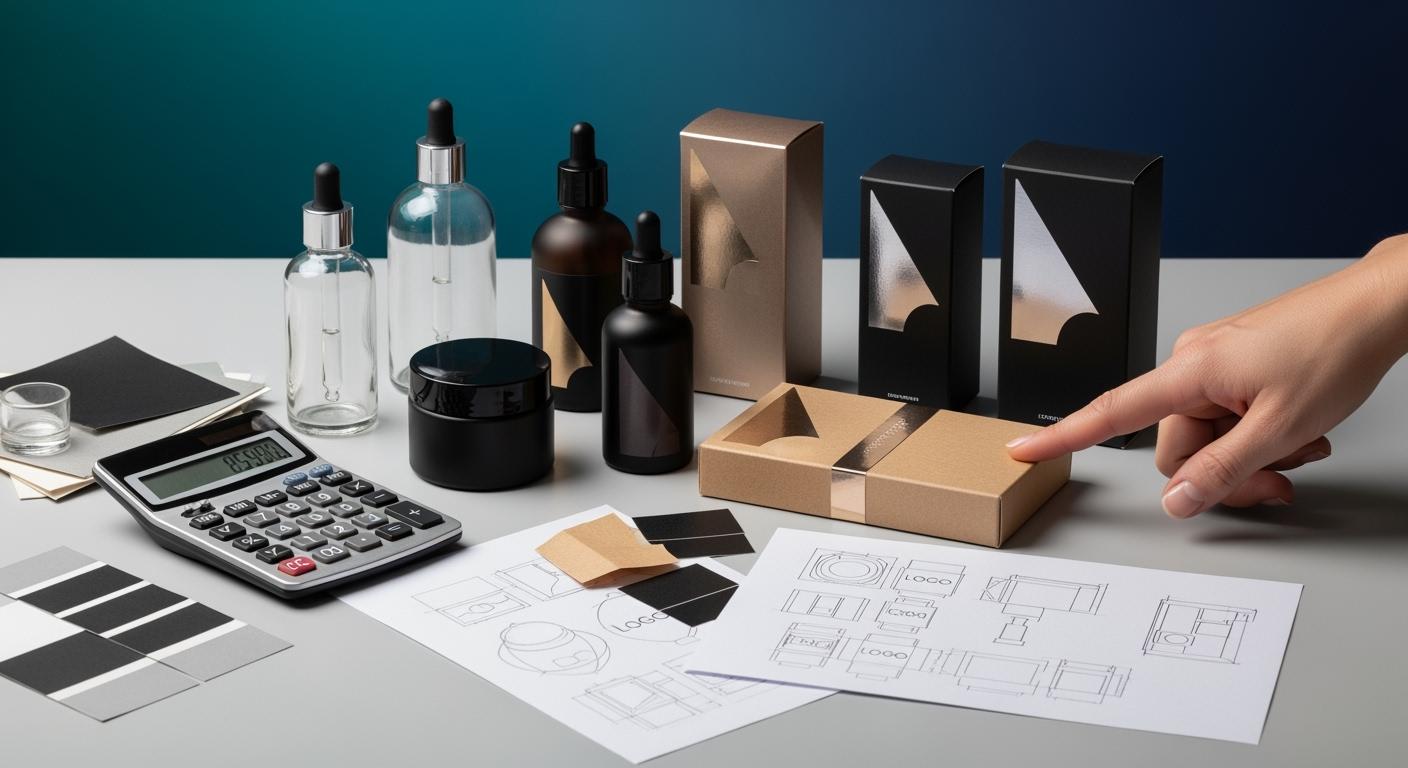
Many things can change the unit cost of custom cosmetic packaging. The table below lists the most important reasons:
| Factor | Description |
|---|---|
| Packaging Materials | The material you pick changes the cost for each package and the total cost. |
| Order Quantity | Buying more packages makes each one cost less. |
| Custom Design | Special features make packaging cost more. |
| Printing Costs | Harder designs can make packaging cost more. |
| Shipping Costs | Bigger or heavier packages cost more to ship. |
| Regulations | Following rules can make packaging cost more. |
| Sustainability Goals | Eco-friendly choices can make costs go up. |
You need to know these reasons when you start a cosmetic product or plan how much it will cost to make a cosmetic brand. Many brands pay too much for packaging because they do not know what each choice is worth. If you know about the supply chain and all packaging costs, you can make better choices and get more for your money. This can help you spend less on packaging and make your cosmetic brand worth more.
Key Takeaways
- Pick materials carefully to save money; lighter ones like PET and PP cost less.
- Buy in large amounts to pay less for each unit; bigger orders get better deals from suppliers.
- Use simple designs to spend less on printing and making tools; do not add hard features.
- Think about eco-friendly packaging for saving money later and making your brand look good.
- Remember shipping and rules costs to know the real price of packaging.
Material Choices and Packaging Types
Impact of Material on Unit Cost
Picking materials for custom cosmetic packaging is a big choice. Each material costs a different amount. This changes how much each package costs. Some materials, like PET and PP plastics, are cheaper. They help keep costs low. Glass and acrylic cost more. They also make shipping more expensive. Look at the table below to see the differences:
| Material | Unit Price Range (USD) | Typical Use Cases | Notes |
|---|---|---|---|
| PET | $0.15 – $0.35 | Toner bottles, serum pumps | Lightweight, recyclable |
| PP | $0.12 – $0.30 | Cream jars, closures | Cost-effective, common for caps |
| Acrylic | $0.50 – $1.20 | Luxury jars, lotion bottles | Glossy look, heavier feel |
| Glass | $0.40 – $1.80 | Serums, essential oils | Premium, breakable, heavy |
| Aluminum | $0.30 – $0.90 | Deodorants, minimalist skincare | Sustainable, high-end appeal |
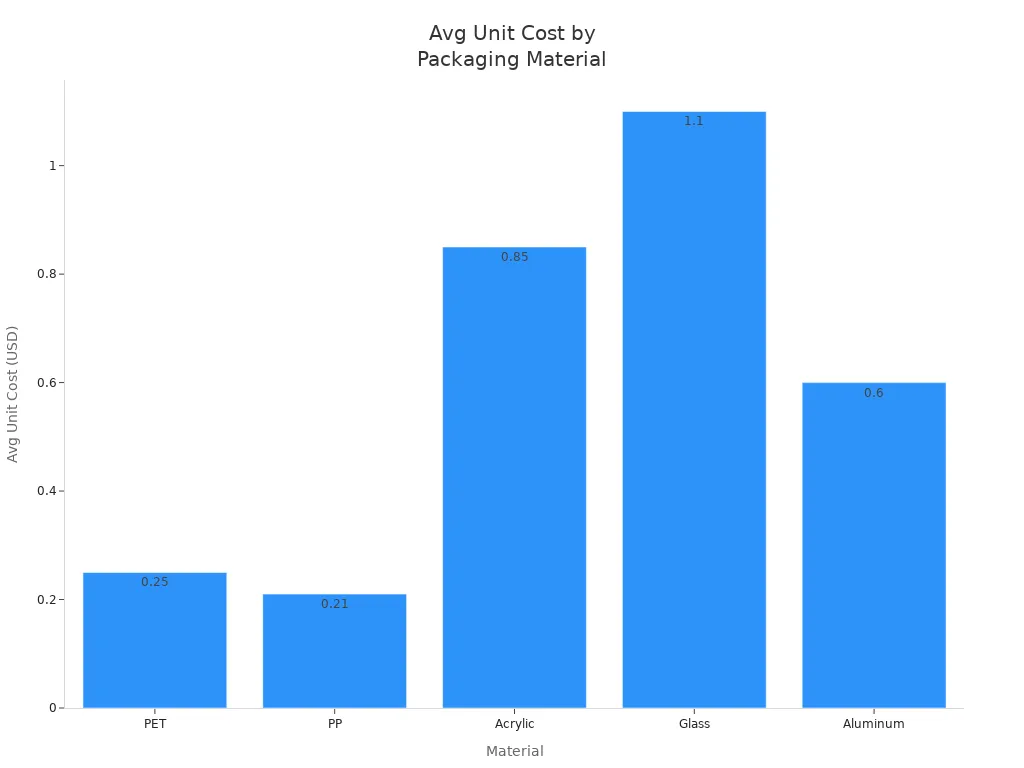
Plastic packaging is usually cheaper to make and ship. Glass looks fancy but costs more. It can break easily during shipping. Aluminum is good for the planet and costs a medium amount.
Tip: Pick light materials to save money on shipping. Use standard sizes to keep manufacturing costs low.
Types of Cosmetic Packaging (Jars, Bottles, Tubes)
The kind of packaging you choose changes the cost too. Jars, bottles, and tubes all have different prices. Tubes are often cheaper than jars or bottles. Airless pump bottles and luxury packaging cost the most. The table below shows the price ranges:
| Packaging Type | Price Range ($ per unit) |
|---|---|
| Plastic jars and bottles | $0.50–$1.50 |
| Glass bottles and jars | $1.00–$3.00 |
| Airless pump bottles | $1.50–$4.00 |
| Tubes | $0.40–$1.50 |
| Luxury packaging | > $5.00 |
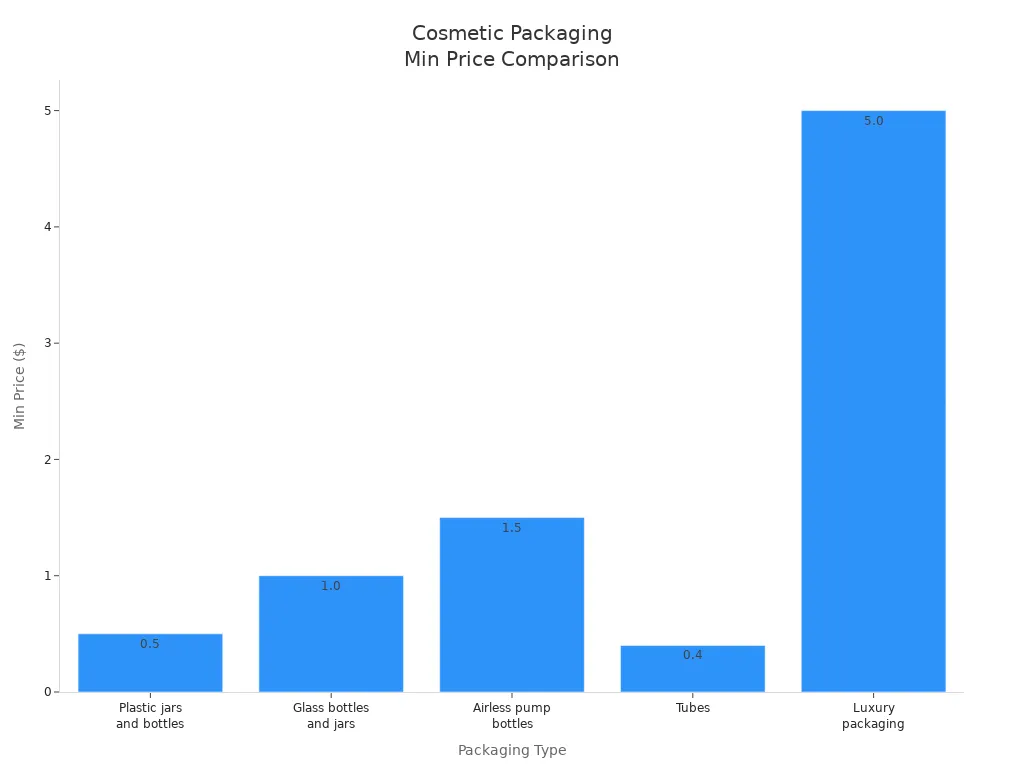
Choosing the right packaging type helps you control costs. If you want to spend less, pick tubes or simple plastic bottles.
Finish and Craftsmanship Quality
The finish and craftsmanship can change the cost a lot. Fancy brands use special finishes like embossing or metallic foiling. These can add $1–$5 to each package. Simple finishes cost less and still look nice.
- Good printing and cool designs make your packaging look special.
- Using eco-friendly materials can save money over time and might give you tax benefits.
Note: Think about your supply chain early. Printing and finishes change cost, wait time, and which materials you can use.
Balancing quality, cost, and design helps you get the best deal for your custom cosmetic packaging.
Order Volume and MOQ
Bulk Orders and Economies of Scale
When you order more packaging, you pay less for each piece. This happens because suppliers spread fixed costs over a larger quantity. You get a lower unit cost when you buy in bulk. Here is what happens when you increase your order size:
- Suppliers offer lower prices for bigger orders.
- Fixed costs, like machine setup, get divided among more units.
- You save money on each package as your quantity goes up.
Tip: Plan your orders to match your sales forecast. This helps you avoid extra inventory and keeps your packaging costs low.
Minimum Order Quantity Effects
Suppliers set a minimum order quantity, or moq, for each type of packaging. This is the smallest number you must buy in one order. The moq depends on the material, machine setup, and labor needed. If you order less than the moq, the cost per unit goes up. Here is a table showing typical moq for different packaging types:
| Packaging Type | MOQ Range |
|---|---|
| Plastic bottles and jars | 3,000–10,000 pcs |
| Glass containers | 1,000–5,000 pcs |
| Tubes | 5,000–20,000 pcs |
| Paperboard boxes | 500–3,000 pcs |
| Droppers and pumps | 3,000–5,000 pcs |
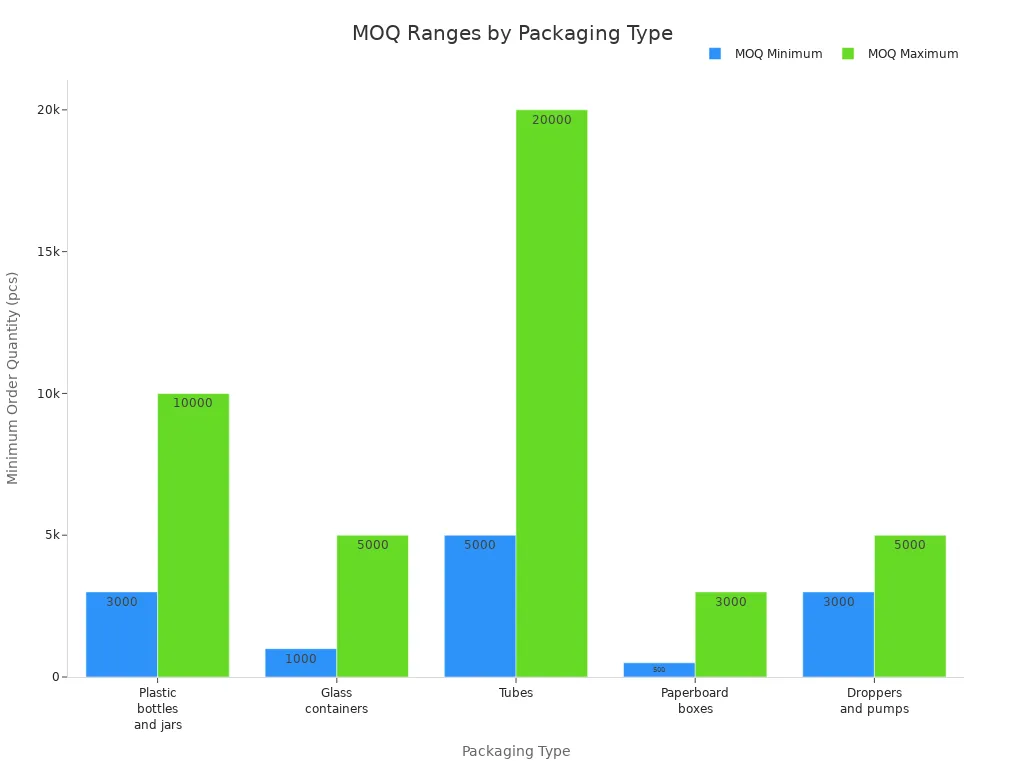
You see that larger orders lower the cost per unit. For example, a startup that orders 1,000 pieces may pay $3.00 per unit, but a bigger brand ordering 10,000 pieces pays only $1.50 per unit. This big difference shows why moq matters for your profit.
Note: If you want low moq cosmetic packaging, talk to your supplier. You can sometimes negotiate a lower moq by promising more orders in the future or using inventory management software to plan better.
Stock vs. Custom Packaging
You can choose between stock packaging and custom packaging. Stock packaging skips design and tooling fees, so it has a lower upfront cost and faster delivery. It works well if you need packaging fast or have a small budget. Custom packaging costs more at first because of design and tooling, but it can save money later by reducing waste and shipping costs.
- Stock packaging is good for quick, affordable solutions.
- Custom packaging fits your brand but takes more time and money to make.
Tip: If you want to lower your packaging costs, start with stock packaging. Move to custom packaging when your brand grows and you can order a higher quantity.
Managing your order volume and moq helps you control cosmetic packaging costs. You can use these strategies to get the best cost per unit and keep your supply chain running smoothly.
Customization and Design Complexity
Custom Cosmetic Packaging Features
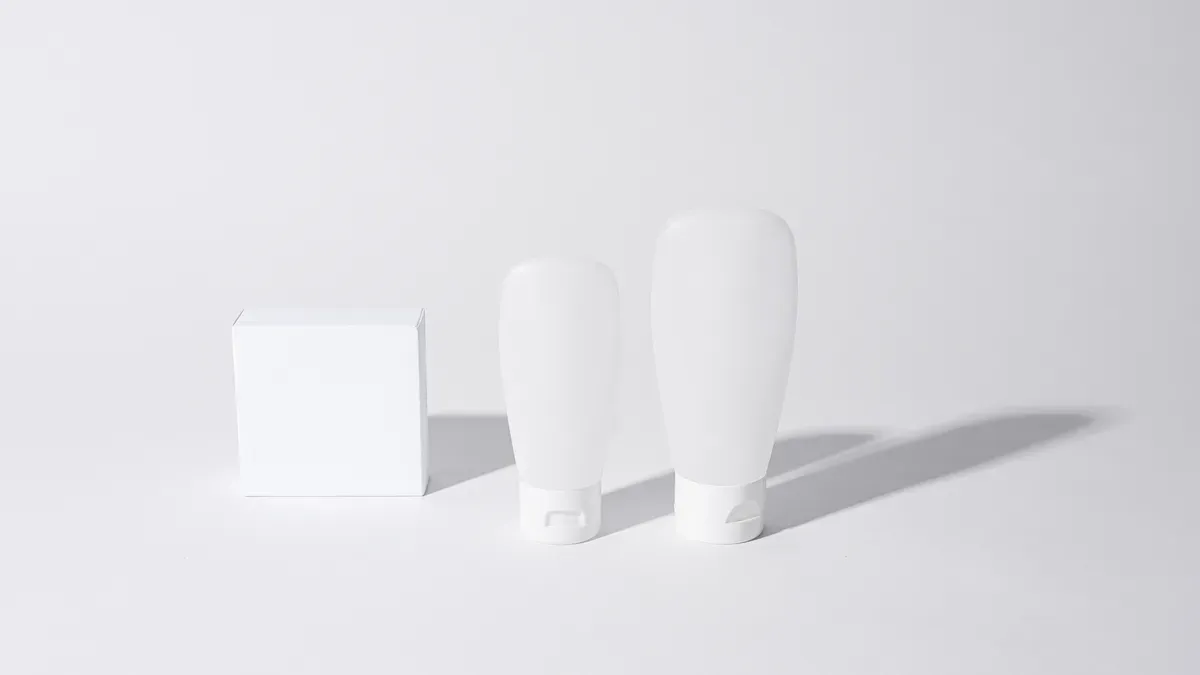
Custom cosmetic packaging features can change the price a lot. Things like embossing and debossing need special machines. These machines cost more to use. If you pick unique closures, like magnetic caps or fancy pumps, the price goes up. These parts use more materials and need careful work. Special features help your packaging look different. But they also make cosmetic packaging cost more.
Some of the priciest customization options are:
- Personalized packaging that shows off someone’s style
- Monogramming and special designs that look fancy
- New materials that feel high-end
- Eco-friendly designs that attract green shoppers
Design Complexity and Tooling Costs
Your design choices can change tooling costs and the price for each package. Harder designs need special tools and take more time to make. This makes the cost go up. The table below lists important cost factors for design complexity:
| Cost Factor | Description |
|---|---|
| Design Complexity | Custom designs need special tools and cost more to make. |
| Material Selection | Plastics are cheaper than glass or metal, so they cost less. |
| Volume Discounts | Buying more lowers the price for each package. |
| Customization | Special features add value but also cost more. |
| Sustainability Features | Eco-friendly choices add $0.02–$0.40 per package but help your brand. |
Tip: Try to match your custom features with your budget. Pick features that help your brand but do not cost too much.
Simplifying Decoration to Lower Costs
You can save money by making decoration simple. Using plain packaging with easy graphics and fewer colors costs less to print. Many brands use eco-friendly packaging. This helps the planet and can save money over time. Here are some ways to keep decoration simple:
- Pick eco-friendly materials to make your brand look good
- Use fewer colors and skip hard patterns
- Choose simple, modern designs that are easy to print
Cheap custom packaging can still look nice and work well. Try to balance price and how well the packaging works. This helps your packaging stay strong and look good. Finding this balance helps your cosmetic brand do well and keeps packaging costs low.
| Key Considerations | Description |
|---|---|
| Budget Awareness | Know your budget before picking packaging features. |
| Cost vs. Quality | Balance price and quality to keep your brand strong. |
| Custom vs. Generic | Custom packaging costs more but helps people remember you. |
Remember, smart choices for custom features keep your packaging costs low and help your brand stay strong.
Shipping, Tariffs, and Sustainability
Size, Weight, and Freight Costs
You should think about the size and weight of your cosmetic packaging. Lighter materials like plastic cost less to ship. Heavy materials such as glass make shipping more expensive. Many brands do not realize how much shipping changes the unit cost. You can save money by ordering more at once and keeping products near your customers. This can lower your cost for each package by up to 20%.
- Pick light packaging to save on shipping.
- Ship more at one time to get discounts.
- Store products close to customers to pay less for shipping.
Tip: Always add shipping costs when you plan your budget. This helps you know the real cost and avoid surprises.
Tariffs and Regulatory Expenses
Shipping to other countries and tariffs can change your packaging cost fast. Tariffs make materials and shipping cost more. Trade rules can change how you set your prices. You must follow rules, which can add extra fees and costs for certificates. For example, you might pay a fee every month or a percent of your sales for certification. These costs can be as high as $48,000 each year.
| Factor | Impact on Cost |
|---|---|
| International Tariffs | Make materials and shipping cost more |
| Trade Policies | Change how brands set their prices |
| Shipping Costs | Change the cost for each package |
You can pay less for rules and paperwork if you use fewer suppliers and keep track of rules better. Buying more from one supplier can help you get discounts and make paperwork easier.
Note: Think about all costs, not just the price for each package, when you plan your budget.
Sustainable Packaging Cost Impact
Eco-friendly packaging usually costs more than regular packaging. Materials like bamboo and cork can cost 20–50% more. You may need to spend money on new ideas and change how you get your supplies. But eco-friendly packaging can save you money with tax breaks, lower waste fees, and happy customers. You can balance the higher cost by setting clear green goals and picking materials like recycled glass, aluminum, or FSC-certified paper. Simple designs and refill programs help you make less trash and keep customers interested.
| Cost Type | Details |
|---|---|
| Materials | Eco-friendly materials like biodegradable and recyclable types usually cost more than regular plastics. |
| R&D | You need to spend money on new designs for green packaging. |
| Supply Chain | You may need to change how you buy and move supplies to be eco-friendly. |
| Savings Potential | Tax breaks, lower waste fees, and loyal customers can help pay for the higher cost. |
Tip: Use lighter materials and local suppliers to save money and lower pollution. Eco-friendly packaging makes your brand better and brings in shoppers who care about the planet.
You can lower the unit cost of cosmetic packaging by looking at the main things that change price:
- Materials
- Customization
- Tariffs
- Order volume
Try to save money by buying in bulk, using local suppliers, or picking different materials. The table below gives more ideas to help you pay less for each package:
| Strategy | Description |
|---|---|
| Bulk Purchasing | Ask suppliers for discounts when you buy a lot at once. This makes each package cost less. |
| Local Sourcing | Get materials from nearby suppliers. This cuts down on shipping costs. |
| Material Alternatives | Try other materials that work just as well but cost less. |
| Supplier Partnerships | Work with the same suppliers for a long time. This can help you get better prices. |
| Design Efficiency | Change your packaging design to use less material. Make sure it still looks good and keeps products safe. |
Order the right amount by matching how much you sell. Make your packaging simple. Use standard parts and have fewer types of packaging. This helps you get better deals. Keep your costs low but still make good, safe packaging. This helps your brand stay strong and makes customers trust you.
FAQ
What is the cheapest material for cosmetic packaging?
You can choose PET or PP plastic for the lowest cost. These materials are light, strong, and easy to recycle. They help you save money on both production and shipping.
How can you lower the unit cost of custom packaging?
Order in bulk to get discounts. Use simple designs and standard sizes. Pick cost-effective materials. Work with local suppliers to cut shipping costs.
Does eco-friendly packaging always cost more?
Eco-friendly options often cost more at first. You may save money later through tax breaks, less waste, and loyal customers who value green brands.
What is the minimum order quantity (MOQ) for custom packaging?
Most suppliers set an MOQ between 1,000 and 10,000 pieces. The exact number depends on the material and packaging type. Ask your supplier for details.