


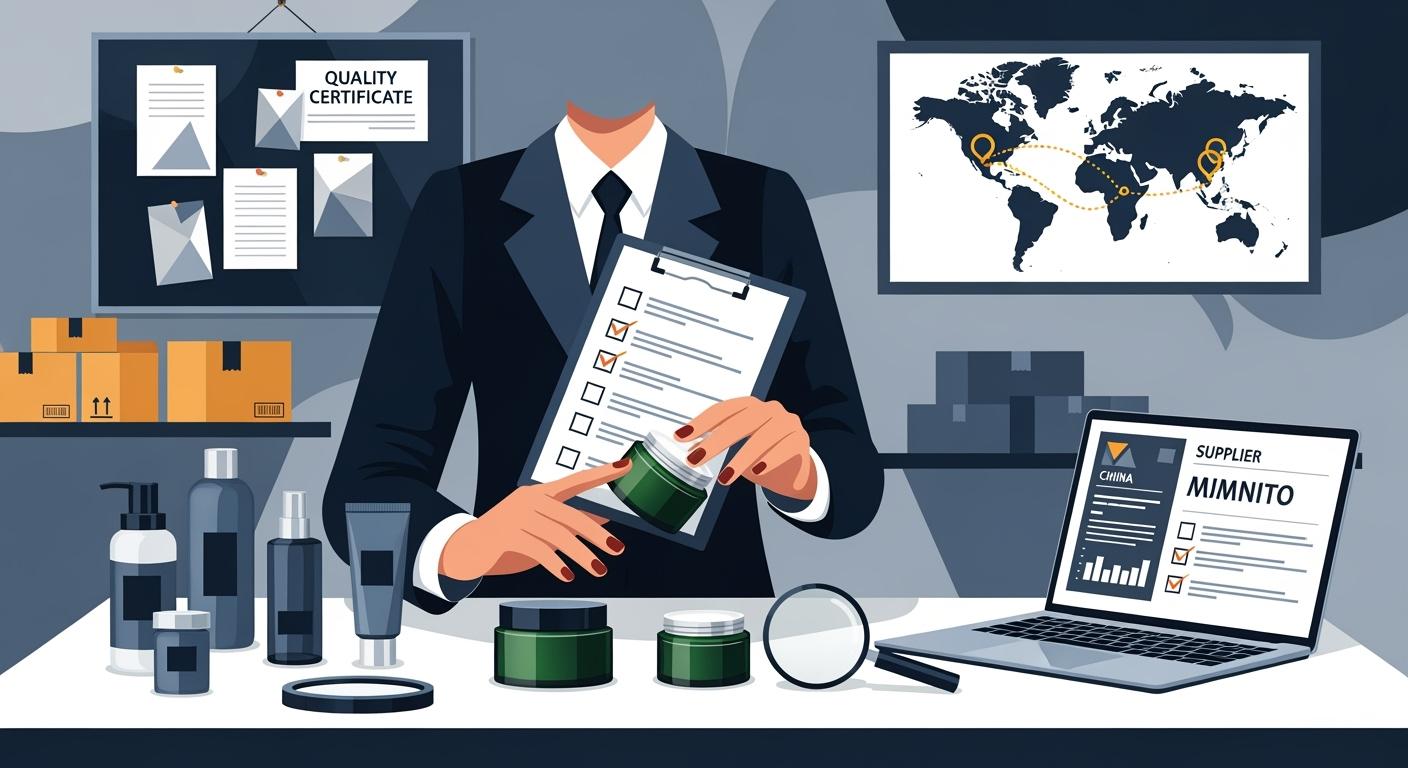
When you evaluate a supplier for cosmetic packaging in China, you will face many problems. You have to make sure the products are safe and follow the rules. You need to test how well the products work and check if the supplier is trustworthy. You also have to pay attention to shipping and moving products between countries. If you follow a plan, you can make better choices and lower your risks. Careful steps help you find good suppliers and build strong partnerships for a long time.
- Some common problems are:
- Making sure products are safe and follow the rules
- Testing how well the products work
- Checking if the supplier is trustworthy
- Taking care of shipping and moving products between countries
Key Takeaways
- Make sure you know what packaging you need. This helps you pick the right supplier and avoid expensive errors.
- Look up suppliers carefully. Use good websites, check their certificates, and ask for samples to check quality.
- Check if a supplier can make enough products and has good quality checks. This makes sure they can give you what you need and keep things good.
- Talk clearly with suppliers. Meet often and talk openly to build trust and fix problems fast.
- Lower risks by checking all papers and having backup plans. This keeps your business safe and helps things run well.
Define Packaging Needs
You need to know what you want before picking a supplier. Clear needs help you find the right partner and stop mistakes that cost money.
Product Specifications
List all the important features for your cosmetic packaging. These features help your brand look good and make customers happy. Think about these things:
- Manufacturer capabilities
- Product quality
- Minimum order quantities (MOQ)
- Customization options
- After-sales support
Ask suppliers if they have worked with your product type. Check if they can make special shapes, colors, or finishes. Good suppliers show samples and talk about how they check quality.
Order Volume and Budget
Order size and budget affect your choices. If you buy more, each item costs less. You need to balance your money and the quality you want. Think about these things:
- Material (PET, PP, acrylic, glass, aluminum)
- Decoration (spray coating, hot stamping, printing)
- MOQ (more units means lower price per item)
- Mold requirements (custom molds cost extra)
- Logistics (shipping costs more for heavy glass)
Buying more can save money, but you must plan for storage and shipping. If you do not have much money, pick simple designs or lighter materials.
Compliance and Sustainability
Your packaging must follow safety and environmental rules. Many buyers want suppliers with good certifications. These show the supplier cares about quality and the planet.
| Certification | Description |
|---|---|
| ISO 9001 | Quality management standard |
| GMP | Good Manufacturing Practices certification |
| FSC | Forest Stewardship Council certification for sustainability |
| REACH | Chemical safety standard |
| ISO 14001 | Environmental management standard |
| ISO 45001 | Occupational health and safety standard |
| TUV OK | Sustainable packaging certification |
| FDA 21 CFR 176.170 | Food contact materials compliance |
| (EU) No 10/2011 | EU plastic materials compliance |
Ask for proof of these certifications when you check a supplier. This step keeps your brand safe and helps your business grow.
Research and Shortlist Suppliers
You need to find good cosmetic packaging suppliers first. This helps you stay safe and build a strong supply chain. Use a step-by-step plan to pick only trusted partners.
Find Reliable Suppliers
Start looking on trusted B2B websites. These sites let you search by product type and check for certifications. Here are some easy steps:
- Go to sites like Alibaba or Global Sources. Search for cosmetic packaging and pick suppliers with checked profiles.
- Send each supplier a clear product brief. Watch how fast and clearly they answer you.
- Ask for business licenses and certifications. Check these papers to make sure they are real.
- Ask for samples from a few suppliers. Compare how good and steady the samples are.
- If you can, visit the factory. You can see how things are made and check the work area.
Tip: Getting samples and visiting factories helps you find problems early.
Check Credentials and Experience
You should always check a supplier’s papers and how long they have worked. Good suppliers have the right papers and lots of experience. Look for:
- A real business license for making cosmetics.
- GMP or ISO 22716 for good factory work.
- NMPA filing for products or ingredients.
- FDA registration if you want to sell in the U.S.
- MSDS for product safety.
Suppliers with many years in the field often have better quality checks and steady work.
Review Customer Feedback
Customer reviews show if a supplier is good or not. Read reviews on B2B sites and ask for old client contacts. Look for notes about:
- Product quality and if it stays the same
- On-time shipping
- Talking and fixing problems
You can also look at forums or social media for more thoughts. This helps you stay away from suppliers with bad reviews.
Evaluate a Supplier’s Capabilities
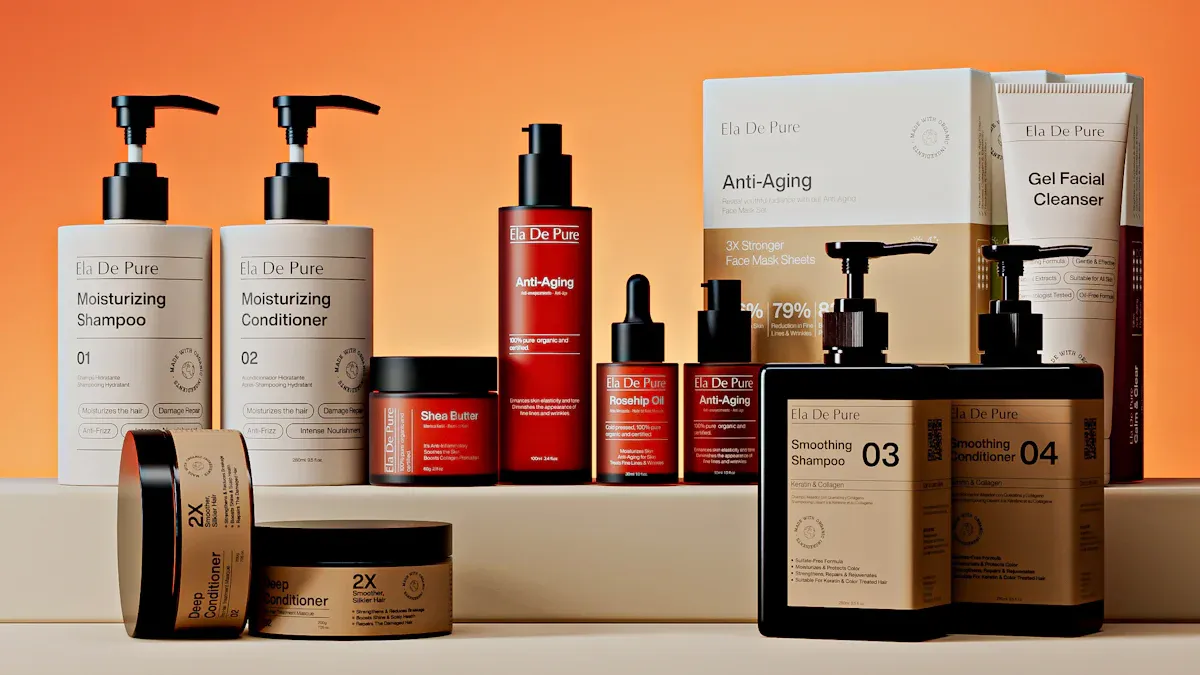
When you check a supplier in China, do not just look at price. You need to see if they can give you good quality and follow rules. You also need to see if they can make special designs. This guide will help you make smart choices.
Production Capacity
First, find out if the supplier can make enough products for you. Big factories use new machines to make things fast and keep quality high. Here are some common machines top factories use:
| Technology Type | Description |
|---|---|
| Automatic die-cutting, lamination | Uses machines to make products the same and fast. |
| Rigid box assembly lines | Mixes machine work and hand work for fancy boxes. |
| Thermoforming blister machines | Makes trays with good details using heat and molds. |
| EVA cutting machines | Uses computers to cut foam shapes very well. |
| CMYK + Pantone offset printing | Prints colors that match your brand on packaging. |
| Heidelberg machines | Prints with great color and keeps it steady. |
| Sample Production & Rapid Prototyping | Makes samples quickly so you can see them fast. |
Ask the supplier about their machines and how many items they can make each month. Real factories, like Oulete, will show you their tools and tell you their limits. This helps you get your products on time.
Quality Control Processes
Checking quality is very important. Good suppliers have strong systems to check every step. They look at materials, watch the process, and check before shipping. Here are some key steps:
- Use written quality rules.
- Check all materials before using them.
- Look at products while making them.
- Do a last check before sending.
- Use numbers to track quality.
Ask for proof of quality certificates. The main ones are:
| Certification | Description |
|---|---|
| ISO | Shows they follow world rules for quality. |
| GMP | Makes sure cosmetics are safe and good. |
| FSC | Shows paper and wood are used responsibly. |
| GRS | Checks recycled content and good practices. |
Top suppliers like Oulete have ISO 9001 and GMP. These show they care about quality.
Regulatory Compliance
You must check if the supplier follows all rules for your country. This keeps your brand safe and stops legal problems. Important rules are:
| Regulatory Standard | Description |
|---|---|
| EU Cosmetic Regulation EC No 1223/2009 | Makes sure cosmetics are safe in Europe. |
| FDA (US) | Gives rules for safety and labels in the US. |
| REACH (EU) | Controls chemicals in Europe and needs registration. |
| ISO 22715 | World rule for safe cosmetic packaging. |
| GMP | Makes sure production is good and safe. |
| NMPA | China’s rules for cosmetic products. |
Ask for copies of these papers and check if they are current. Suppliers with export experience, like Oulete, can give you these papers and help you follow rules.
Sample Testing
Testing samples shows you the real quality before you buy a lot. Follow these steps:
- Check materials and molds before making products.
- Look at samples during making to find problems early.
- Check samples before shipping for final approval.
- Ask for two or three sample types to compare.
- Check feel, color, and if the packaging fits your product.
- Keep sample rounds to three to save time.
Suppliers with fast sample making, like Oulete, can send samples quickly and help you change things before big orders.
Factory Visits
Going to the factory lets you see how the supplier works. You can check the work area, storage, and quality checks. Use this list:
- Look at the warehouse for good storage.
- Check equipment for protecting the environment.
- Visit the lab to see how they test.
- Watch the work area and quality checks.
Also check packaging types, surface, print, and labels. Real factories like Oulete will let you visit and show you everything.
Tip: Factory checks help you see if the supplier is real and can do the job. They also help you set clear rules and work better together.
Customization Ability
Many brands want special shapes, colors, or finishes. Check if the supplier offers OEM or ODM, design help, and small orders. Here are some choices:
| Customization Options | Advantages | Disadvantages |
|---|---|---|
| OEM / ODM services | Can make special designs | Custom molds take more time |
| Professional design support | Good prices | Fancy decoration costs more |
| Flexible MOQ for small brands | Good for new brands |
Suppliers with their own design and mold making, like Oulete, can help you make unique packaging and change fast. Customization helps your brand stand out and save money.
Material Compatibility
You need to make sure the packaging matches your product. This stops leaks, breaks, or bad reactions. Common materials are:
| Material Type | Properties and Compatibility |
|---|---|
| Recycled and Renewable Materials | Biodegradable plastics and recycled materials use less new resources. |
| Biodegradable and Plant-Based | Materials like PLA break down naturally and are good for the planet. |
| Glass and Aluminum | Glass can be recycled and works with most products; aluminum is strong and recyclable. |
| Paper and Cardboard | Good for outside packaging, easy to recycle, and breaks down. |
| Innovative Materials | Includes seaweed, beeswax, cornstarch, and water-soluble packaging. |
Ask the supplier to test your product with the packaging. Good suppliers like Oulete will help you check for leaks, color changes, or other issues. They can also suggest the best material for you.
When you check a supplier, always look at their real production, quality checks, rule following, sample help, and customization. This helps you build a safe and strong supply chain for your brand.
Compare Offers and Manage Risks
When you look at offers from different suppliers, do not just look at price. You should also check order size, delivery history, how they talk to you, and how they handle risks. Doing this helps you pick a good supplier and build a strong team.
MOQs and Pricing
Minimum order quantities and prices can be very different. You need to make sure what you want matches what the supplier gives. Here is a table that shows common MOQs and prices:
| Packaging Type | Typical MOQ | Price Range per Unit |
|---|---|---|
| Plastic Bottles | 1,000 – 10,000 units | $0.15 – $1.50 |
| Glass Bottles | 3,000 – 50,000 units | $0.15 – $1.50 |
| Plastic Jars | 500 – 5,000 units | $0.15 – $1.50 |
| Glass Jars | 3,000 – 30,000 units | $0.15 – $1.50 |
Many things change the price:
- PET is cheaper than acrylic or glass.
- Fancy finishes like hot stamping or UV coating cost more.
- Small orders cost more for each piece.
- SBS costs more than CCNB.
- Big orders are cheaper because machines work faster.
Delivery Track Record
You want a supplier who ships on time and keeps their word. Ask for proof of past shipments. Check if they send products when they say they will. Suppliers with good shipping records help you avoid late orders and keep your business running well.
Communication and Negotiation
Talking clearly is very important. You should have regular meetings to share news and fix problems. Here are some good ways to talk:
| Practice | Description |
|---|---|
| Clear Communication | Make sure everyone understands each other. |
| Cultural Awareness | Respect differences and learn about Chinese business ways. |
| Relationship Building | Build trust so you can work together for a long time. |
Regular meetings help you set clear rules and deadlines. Good talks can help you get better prices, but prices may change quickly. As David Gobeli says, brands often get set prices only for the first few orders or months.
Risk Minimization
You can lower risks by doing these things:
- Check all papers, like invoices and packing lists.
- Look at samples and check certifications.
- Plan for all costs, like shipping and quality checks.
- Check products while they are being made and after.
- Keep extra stock and have backup suppliers.
- Use contracts with IP protection, quality promises, and rules for late delivery.
You should learn about Incoterms and payment plans. These steps keep your business safe and help you work better with your supplier.
You need to evaluate a supplier step by step. Start by knowing your packaging needs. Research and check each supplier’s background. Visit factories and test samples. Review quality control and compliance. Compare offers and talk clearly. Manage risks with contracts and backup plans. If you follow these steps, you can choose the right partner and build a strong supply chain.
FAQ
How do you check if a Chinese supplier is a real factory?
Ask the supplier for their business license. Request pictures of the factory. If you can, go visit the factory yourself. You can also hire another company to check the factory for you. Real factories will show you their machines and how they make products.
What certifications should you request from a cosmetic packaging supplier?
Ask for ISO 9001, GMP, and FSC certificates. These papers show the supplier follows safety and quality rules. Always make sure the certificates are real and not expired.
Why is sample testing important before placing a large order?
Sample testing lets you see the real product first. You can check if the size, color, and material are right. This step helps you avoid big mistakes and makes sure the packaging is what you want.
What is the best way to communicate with suppliers in China?
Use simple and clear words when you talk. Have regular meetings or phone calls. Write down all the details so nothing is missed. Good talking helps you fix problems fast and build trust for working together a long time.