


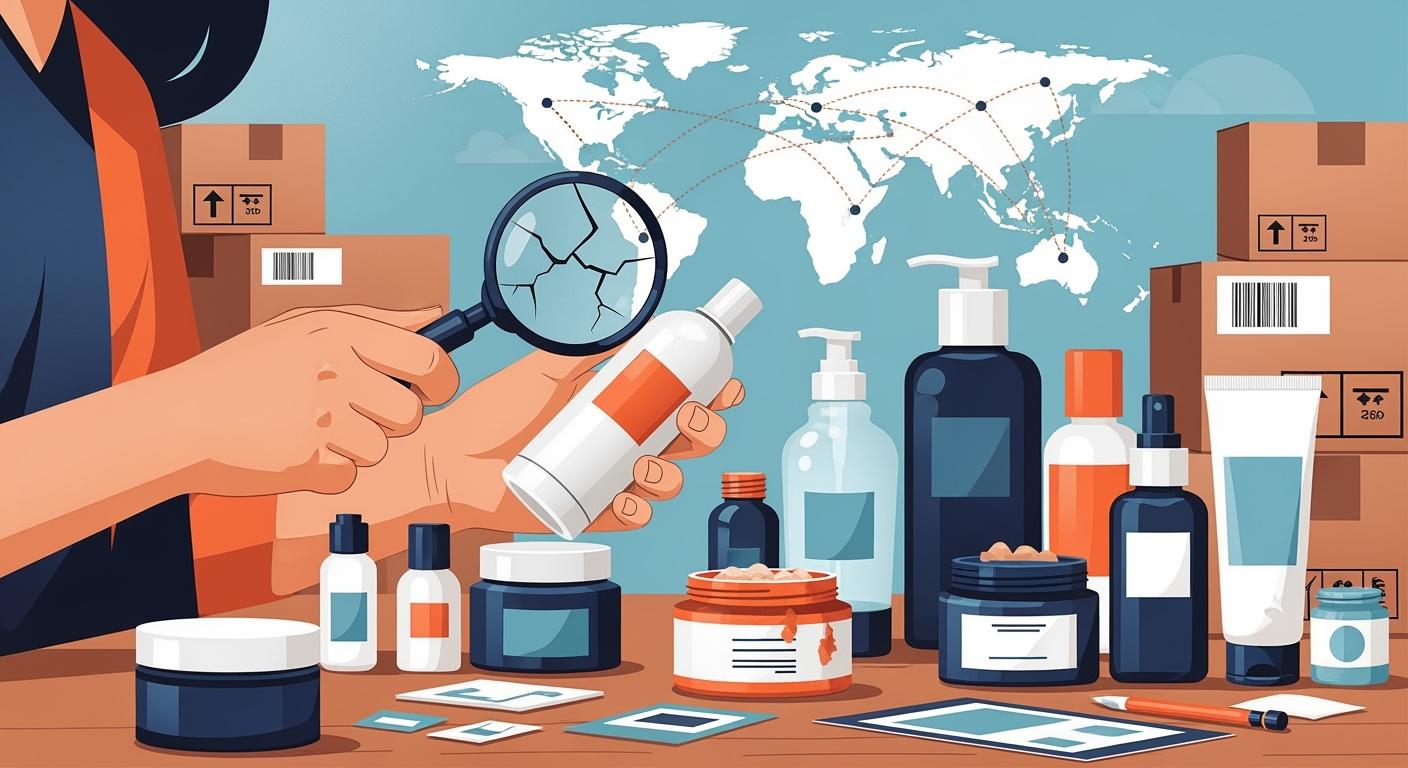
Sourcing cosmetic packaging from other countries can have hidden risks. These risks can hurt your brand’s success. You could have problems with rules, product issues, or late shipping if you miss important steps when buying.
- Not following rules can cause paperwork problems during checks. This can lead to import alerts or stop you from selling.
- Picking the wrong packaging can hurt how the product works. It might not last as long or feel different.
- Bad labels can make customs say no and mess up your supply chain.
If you buy products or make project choices, think about how you do things now. Try to find any mistakes before they turn into big, costly problems.
Key Takeaways
- Always look up the packaging laws for every country. Following the rules stops expensive delays and product recalls.
- Try out packaging samples with your product first. This makes sure they work together and stops leaks or damage.
- Talk clearly with suppliers. Use easy words and write down details to stop confusion.
- Learn about minimum order quantities (MOQs) to handle inventory well. This helps you not spend too much or have storage problems.
- Keep good records for shipping. The right papers help customs go smoothly and stop shipment delays.
Regulatory Compliance Issues
Country-Specific Packaging Laws
Every country has its own rules for cosmetic packaging. If you do not follow these rules, customs can take your shipment. Sometimes, they can even stop your project. Some brands lost all their products because their labels were wrong. For example, the European Union and the United States want different label details. In the EU, you must put the manufacturer’s details on the label. The U.S. FDA wants other label details and puts them in a different place. If you miss these rules, your products may not get into the country.
Here are some common problems with rules:
- Labels do not have ingredient lists or usage instructions.
- Manufacturer information is missing from the label.
- Labels confuse people or cause legal trouble.
To stop these problems, always check the packaging laws for your market. Work with a compliance expert who knows the rules for each country. Ask your supplier for sample labels and look at them closely. You should also watch for new rules because they can change often.
Material Safety and Certifications
You also need to make sure your packaging materials are safe and certified. Unsafe materials or dirty packaging can get your products rejected. They can even hurt your customers. Some shipments were not allowed in because they had banned color additives. Others showed signs of germs. These mistakes can hurt your brand and cost you money.
Here are some safety and certification problems:
- Using banned ingredients or unsafe color additives.
- Not meeting safety standards like REACH in the EU.
- Not checking for germs.
To keep your business safe, ask your supplier for safety certificates and test reports. Make sure they follow the safety rules for your market. You should do your own tests before you accept any shipment. This step helps you avoid recalls and keeps your customers safe.
Tip: Make a checklist for each market you sell in. Go over it with your supplier before you order. This easy step can stop many rule problems.
Communication and Language Barriers
Misunderstandings in Technical Specs
Working with suppliers from other countries can be hard. Time zones can make you wait a long time for answers. Sometimes, you must wait hours or even days. Language problems can make it hard to talk about details. If you do not say what you want clearly, suppliers might get confused. This can cause mistakes with artwork or packaging size. You might get the wrong materials too. You may get samples that are not what you wanted. These mistakes can waste your time and money. You might have to wait longer for your products. If you do not check on your order often, you can forget what is happening. Many brands have lost money because of these easy-to-make mistakes.
Tip: Always check drawings and details with your supplier. Get their answer in writing before you say yes.
Solutions for Clear Communication
You can stop most problems by talking clearly. Here are some things you can do:
- Work with global sourcing services that know how to help.
- Make simple rules for talking in English and your supplier’s language.
- Use translation tools or hire people who speak both languages.
- Have video calls and meetings often so everyone understands.
When you buy cosmetic packaging, make sure everyone knows the plan. Clear steps help you stop expensive mistakes. Good talking also helps you trust your supplier. You can fix problems faster and keep your project moving.
Note: Write down all deals and changes. This helps you if there is a problem later.
Minimum Order Quantities (MOQs)
Differences with Formula Manufacturers
It is important to know how minimum order quantities can change your project. Cosmetic packaging suppliers usually want you to buy more units than formula manufacturers. This can surprise you if you do not get ready for it. Check the table below to see some common MOQs:
| Type of Manufacturer | Minimum Order Quantity (MOQ) |
|---|---|
| Low MOQ Cosmetic Manufacturers | 50 to 100 units |
| Traditional Manufacturers | 5,000 to 10,000 units |
If you pick traditional manufacturers, you might have to buy thousands at once. Formula manufacturers sometimes let you buy smaller amounts. This difference can make inventory problems. You could have packaging that does not match your formula batches. You might spend money on packaging you cannot use right away.
Tip: Always look at the MOQ for both packaging and formula suppliers before you order. This helps you avoid having too much inventory and wasting money.
Managing MOQ Challenges
High MOQs can be risky for your business. You have to spend a lot of money before you know if your product will sell. You might end up with extra packaging in storage. This can cost you storage fees and waste materials. If you make a mistake with your packaging, you must order again fast, which costs more.
Here are some common problems:
- High MOQs use up your money and slow down cash flow.
- Extra inventory can go to waste if your product changes.
- Big orders make it hard to test new ideas or change plans.
You can handle these problems by talking with your suppliers. Ask them if you can buy less to save money. Lower MOQs help you stay flexible and meet demand. You can also split your orders or find suppliers who let you buy smaller batches.
Note: If you buy 5,000 units at $8 each, you spend $40,000 right away. You could use this money to grow your business or tell people about your product.
When you buy cosmetic packaging from other countries, always plan your order sizes well. Make sure your packaging matches your formula batches. This helps your project go smoothly and keeps your budget safe.
Ingredient Listings and Product Info
Import Delays from Incomplete Info
You have to give all ingredient lists and product info when you ship. If you leave out details, your imports can be delayed. Customs officers check every item for safety and rules. If something is missing, your shipment can get stuck at the border. You might have to wait a long time. You could pay extra fees or even lose your products.
Here is a table that shows what can happen if you do not give full ingredient lists and product info:
| Consequence | Description |
|---|---|
| Delays in regulatory reviews | Missing papers can make review times longer. |
| Customs clearance issues | Not showing all ingredients can cause problems at customs. |
| Potential fines or penalties | Not following rules can mean fines or import bans. |
Always check your documents before you ship anything. This step helps you avoid mistakes and keeps your project moving.
Ensuring Accurate Documentation
You need the right papers to clear customs and get your products on time. Good paperwork tells what is in each shipment. It also shows you follow all health and cosmetic rules. Work with your shipping partners to handle special items the right way.
Here are the main papers you should have ready:
- Commercial Invoice – Shows you sold the products and is needed for customs.
- Packing List – Helps customs see what is in each box.
- Certificates of Origin – Proves where your products were made.
- Bill of Lading – Is a contract and receipt for your shipment.
- Arrival Notice – Tells you when your shipment gets to its place.
Make sure your shipping papers match what is in the boxes. This helps you avoid delays and problems at customs. When you buy cosmetic packaging, you protect your business by staying organized and following these steps.
Tip: Go over all your papers with your team before you ship. This habit can save you time and money.
Aesthetics vs. Functionality
Usability and Consumer Experience
Cosmetic packaging should look nice and work well. Some brands only care about looks and forget how people use the product. This can make customers upset and hurt sales. If packaging is hard to open, people might get annoyed. Some people even get hurt by tough packaging. If labels are not clear, customers may not know how to use the product. They might not know what is inside either. Too much packaging can bother buyers. It can also make your brand look wasteful.
Here is a table that shows common usability issues and their effects:
| Usability Issue | Description |
|---|---|
| Difficulties in opening | Consumers often struggle to open packaging, leading to frustration. |
| Unclear labeling | Ambiguous labels can confuse consumers about product usage and ingredients. |
| Over-packaging | Excessive packaging can be wasteful and inconvenient for users. |
You should test your packaging with real people before you buy a lot. This helps you find problems early. Easy-to-use packaging makes customers happy and builds trust.
Tip: Pay attention to what customers say about your packaging. Small changes can make people happier and lower returns.
Practical Design Choices
You need to pick packaging that looks good and works well. Nice packaging can help your product stand out and sell more. But you should not forget about how it works. Small and easy-to-carry designs help people use and store products. Using eco-friendly materials can make your brand look better. It can also bring in more buyers. Clear labels help customers trust your product.
Here is a table that shows how different packaging aspects affect satisfaction:
| Aspect of Packaging | Impact on Functionality and Consumer Satisfaction |
|---|---|
| Portable Design | Easy-to-carry products increase usability and satisfaction. |
| Compactness | Space-saving packaging appeals to buyers and influences purchase decisions. |
| Environmental Friendliness | Eco-friendly packaging improves brand perception. |
| Visual Appeal | Attractive design encourages impulse buying and brand recognition. |
| Informational Clarity | Clear labels build trust and satisfaction. |
Packaging is also a way to market your product. A fun unboxing can make people share it online and buy again. When you mix style and function, you help your brand and keep customers happy.
Packaging Compatibility and Durability
Material-Formula Interactions
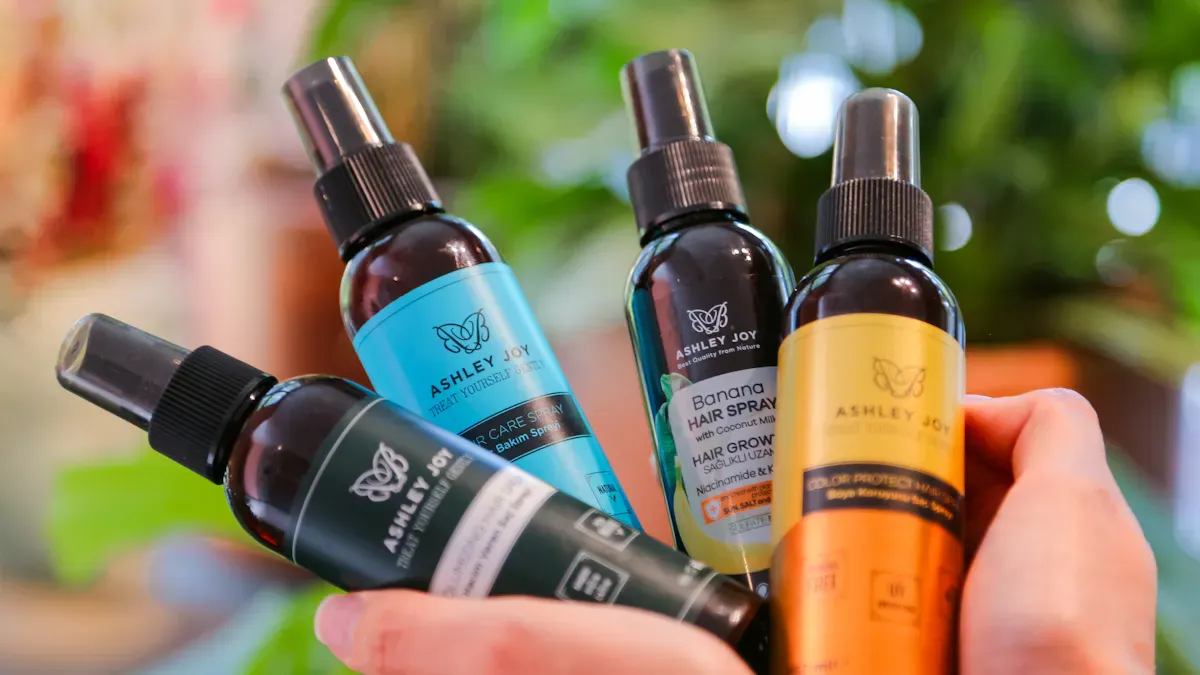
You need to make sure your packaging works with your formula. Some brands pick packaging just because it looks nice or costs less. If you do not test if they work together, you could have leaks or color changes. Sometimes, the product can even break down. For example, some formulas do not mix well with certain plastics or metals. This can make the packaging bend or ruin the formula. You might have to recall products or get complaints from customers if you skip this step.
Always ask your supplier for test results that show they checked compatibility. You should also test your formula with the real packaging before you order a lot. Oulete knows how to test if your packaging and formula work together. Our team does real tests and gives you clear reports. This helps you avoid big problems and keeps your project safe.
Tip: Do not trust only pictures or prices from suppliers. Ask for samples and test them with your own formula.
Durability and Transit Testing
Your packaging needs to stay strong during shipping and handling. Weak packaging can break, leak, or open up while being shipped. This can ruin your products and make customers upset. You should use special tests to check if your packaging is strong enough.
Here is a table of common ways to test cosmetic packaging:
| Testing Method | Description | Application |
|---|---|---|
| ASTM F1249 | Measures water vapor transmission rate | Checks moisture barrier for creams and lotions |
| ASTM D5276 | Drop testing of loaded containers | Tests fragrance bottle durability |
| ISTA 3A | Vibration testing for parcels | Simulates shipping for makeup compacts |
| ASTM F2338 | Seal strength testing | Ensures hair care packaging stays closed |
| ASTM D4169 | Shipping container assessment | Evaluates travel-size and luxury packaging |
You should also think about these tests:
- Moisture barrier testing keeps products from drying out.
- Drop testing helps stop bottles from breaking.
- Seal strength testing makes sure nothing leaks.
- Vibration testing checks if packaging lasts on long trips.
- Environmental response testing shows if packaging handles heat and wet air.
Oulete helps you by doing all these tests and checking quality. Our team uses these methods to make sure your packaging is tough. This means fewer returns and a better name for your brand.
Note: Strong packaging saves you money over time. It stops damage and keeps your customers happy.
Fill Level and Regulatory Standards
Meeting Fill Requirements
You must pay close attention to fill levels when you source cosmetic packaging overseas. Each country has rules about how much product must be inside each package. If you do not meet these rules, customs can stop your shipment. You may also face fines or forced recalls. For example, the European Union and the United States both check if the fill matches what you promise on the label.
You should always check the legal fill requirements for your target market. Ask your supplier for samples and measure the fill level yourself. Use a scale to weigh the product and the packaging. Compare this to the label claim. If you find a difference, talk to your supplier before you approve the order.
Here is a simple checklist for meeting fill standards:
- Review the fill regulations for each market.
- Request pre-production samples.
- Weigh and measure each sample.
- Confirm the fill matches the label claim.
- Keep records of your checks.
Tip: Use a third-party inspection service to check fill levels before shipping. This step can save you from costly mistakes.
Avoiding Consumer Complaints
If you do not control fill levels, you risk upsetting your customers. People notice when a bottle or jar looks half empty. They may think you are cheating them. This can lead to bad reviews and lost sales. You want your packaging to look full and match what you promise.
You can avoid complaints by working closely with your supplier. Set clear fill targets in your contract. Ask for photos or videos of the filling process. Check the packaging design to make sure it does not make the product look less than it is.
Here is a table showing common fill mistakes and how to avoid them:
| Mistake | How to Avoid |
|---|---|
| Under-filled packages | Set clear fill targets and inspect |
| Over-filled packages | Calibrate filling machines |
| Misleading packaging | Use honest, transparent containers |
Note: Happy customers trust your brand. Accurate fill levels help you build that trust and avoid costly returns.
E-Commerce Packaging Needs
Online Sales Requirements
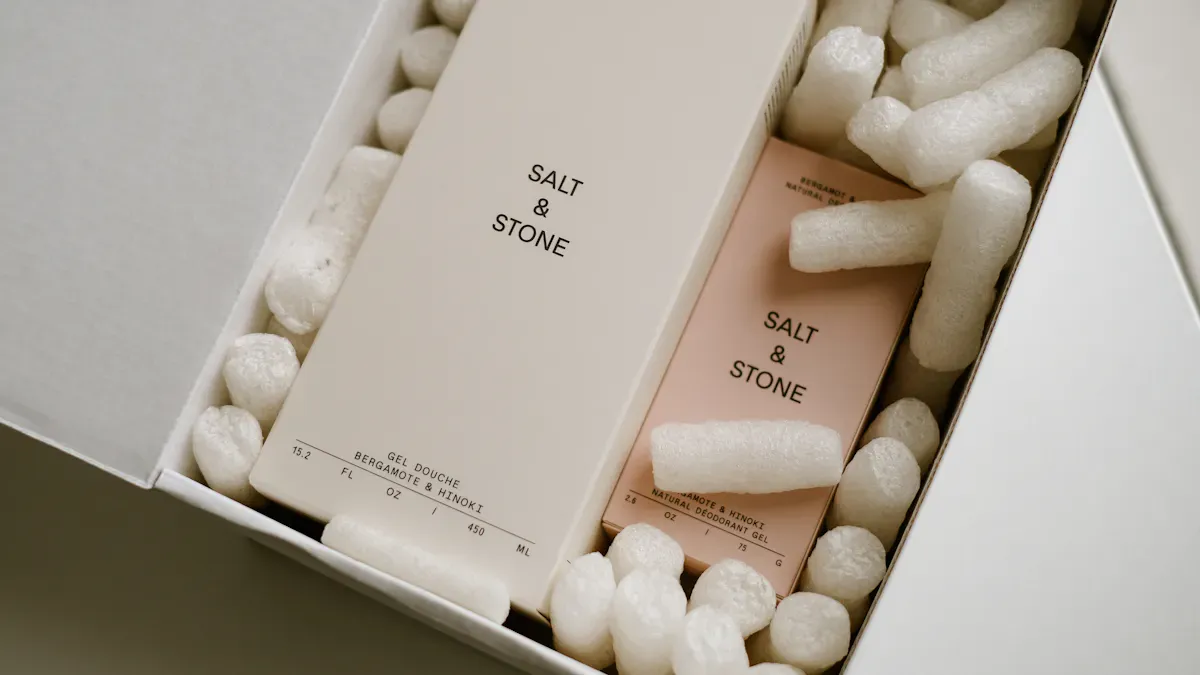
Selling cosmetics online has special packaging problems. Each website has its own rules for packaging. If you do not follow these rules, you can have delays. Sometimes, your products can even be removed from the website. For example, Amazon wants you to follow strict rules. You cannot put in notes that tell buyers to shop somewhere else. Etsy wants your packaging to feel warm and special. You should use tissue paper, thank-you notes, and soft branding. Faire wants packaging that is ready to show in stores. You should not use price tags or big logos. The packaging must look neat and clean.
| Marketplace | Packaging Requirements |
|---|---|
| Amazon | Compliance-focused, minimal inserts, no attempts to redirect customers off-platform. |
| Etsy | Warm, boutique feel with tissue paper, thank-you notes, and gentle branding. |
| Faire | Functional and display-ready, no price tags or bold branding, clean presentation. |
You need to keep your brand looking the same everywhere. Change your designs so they work for both stores and online. Pick eco-friendly materials to make less trash. This also makes buyers who care about the planet happy.
- Keeping your brand the same helps people know your products.
- Changing your design helps you follow different rules.
- Using green packaging shows you care about nature.
Tip: Check the rules for each website before you pick your packaging. This step helps you avoid mistakes and keeps your products for sale.
Enhancing Customer Experience
How you design your packaging changes how buyers feel. When people open a box, they judge your product by how it looks and feels. Packaging is like a helper that sells your product. It helps your brand stand out and makes people want to buy. Many buyers pick products because of the packaging. Packaging that is easy to carry and use makes buyers happy. It gives them the facts they need and fits their daily life.
- Nice packaging gets attention and helps you sell more.
- Clear labels help buyers trust you and choose your product.
- Easy-to-carry packaging makes products simple to use.
You should let real buyers try your packaging. Ask them what they think and change things if you need to. Good packaging makes buyers feel good and want to buy again.
Note: Happy buyers talk about your packaging online. Great packaging can help you get more sales and better reviews.
Testing Before Full Production
Prototyping and Sample Approval
You should always ask for prototypes before you approve any large order. Prototyping lets you see and touch the packaging. You can check if the size, color, and material match your needs. Many brands skip this step and face big problems later. For example, you might order 10,000 bottles and find out they leak or do not fit your filling machines. You cannot fix these mistakes after production starts.
You need to test the samples with your actual product. Fill the packaging with your formula. Check for leaks, color changes, or bad smells. Make sure the label sticks and stays clear. If you find problems, talk to your supplier right away. Ask for changes and new samples until you feel sure.
Tip: Never trust only photos or promises. Always test real samples with your own team.
Quality Control Inspections
You must set up quality checks before full production. Do not wait until the shipment arrives. Many brands find defects too late. For example, you might get scratched jars, broken pumps, or missing seals. These mistakes can cost you money and hurt your brand.
You should use a checklist for every order. Here is a simple one:
- Review all approved samples.
- Check materials and colors match your specs.
- Test packaging with your formula.
- Inspect seals, pumps, and closures.
- Confirm labels are correct and clear.
- Do drop and leak tests.
- Approve only after all checks pass.
You can hire a third-party inspector if you cannot visit the factory. This step helps you catch problems early. You save money and protect your brand.
Note: Careful testing before production keeps your project on track and your customers happy.
Import and Documentation Challenges
Shipping Paperwork
You must handle shipping paperwork with care when buying cosmetic packaging from other countries. If you forget a document or make a mistake, your shipment can get delayed at customs. Customs officers look at every shipment to make sure everything is correct. If you do not have the right papers, your products might get stuck or sent back. You always need these documents:
- Commercial invoice
- Packing list
- Certificate of origin
- Bill of lading
- Arrival notice
Check each paper for mistakes before you ship. Make sure all the details match what is really in your boxes. Work with your shipping partner to look over the paperwork and stop errors. You can use a checklist to keep track of every document. This helps you stay neat and lowers the chance of delays.
Tip: Save digital copies of all your papers. You can find them fast if customs asks for proof.
Tariffs and Duties
Tariffs and duties can make your total costs go up. Many manufacturers only think about price and pictures, but you need to think about these extra charges. Tariffs make cosmetic packaging cost more right away. You might also have problems in your supply chain, longer wait times, and higher storage costs. Some suppliers ask you to buy more at once to cover tariff costs, so you spend more money at the start.
Here is a table that shows how tariffs change costs:
| Packaging Source | Cost per Unit (Before Tariff) | Cost per Unit (After Tariff) | Cost per Unit (Switching Supplier) |
|---|---|---|---|
| China | $2.50 | $3.00 | N/A |
| Mexico (USMCA) | N/A | N/A | $2.60 |
You can see that the cost for a 50ml peptide moisturizer’s packaging went from $2.50 to $3.00 each because of tariffs. If you switch to a supplier in Mexico, the cost goes down to $2.60 each. This saves you $0.40 for every unit and helps your business make more money.
- Tariffs make buying from overseas more expensive.
- Supply chain problems can make you wait longer.
- Buying more at once means you pay more upfront.
You should check tariff rates for each country before you order. Think about using suppliers in places with trade deals. This can help you save money and avoid surprise fees.
Note: Knowing about tariffs and duties helps you protect your budget and keeps your supply chain working well.
Sourcing Cosmetic Packaging Checklist
When you buy cosmetic packaging from other countries, you need a simple checklist. This helps you avoid expensive mistakes. Use this guide to keep your project safe and protect your brand.
Compliance and Documentation
- Decide what you want for your packaging. Think about your brand and keeping products safe.
- Learn the rules for each country. Make sure your packaging follows all laws.
- Get all the right papers. You need commercial invoices, packing lists, and certificates of origin.
- Check your labels. They must show ingredients, how to use it, and who made it.
- Pick someone to handle compliance in the EU. Keep a Product Information File for every product.
Tip: Look over your papers before you ship. Good paperwork helps you get through customs faster.
Supplier Evaluation
You need to pick suppliers you can trust. Use this table to see if they are a good fit:
| Criteria | What to Look For |
|---|---|
| Product Safety | Do they have safety reports and certifications? |
| Manufacturing Practices | Do they follow GMP and ISO standards? |
| Communication | Do they reply fast and clearly? |
| Customization Support | Can they do your design and branding? |
| Production Capacity | Can they fill your order and meet deadlines? |
Ask for references and try to visit the factory if you can. Good suppliers help you avoid late orders and broken products.
Product Testing
Test your packaging before you buy a lot. Follow these steps:
- Ask for samples and try them with your product.
- Check for leaks, strength, and if the seal works.
- Use tests like ASTM and ISTA to check quality.
- Only say yes if all samples pass the tests.
Note: Testing early helps you find problems before they get big.
Logistics Planning
Plan your shipping so you do not get surprises:
- Use strong materials like bubble wrap and tough boxes.
- Put fragile items in two boxes for more safety.
- Work with shipping partners who know about cosmetic packaging.
- Track your shipment and save all your records.
A good plan keeps your products safe and helps you control costs.
If you follow this checklist, buying cosmetic packaging is easier and safer. You lower risks and make your supply chain stronger.
If you make mistakes when buying cosmetic packaging, bad things can happen. Your products might get recalled. Your brand could get a bad name. People may stop trusting you. You can stop these problems if you plan ahead. Talk clearly with your team and test everything well. Always use a checklist before you ship anything to make sure it is good and follows the rules:
| Checklist Item | Purpose |
|---|---|
| Product Specifications | Helps stop defects |
| Labelling | Stops rule problems |
| Safety Standards | Keeps you out of legal trouble |
Ask experts and skilled manufacturers like Oulete for help before you finish any deal.
FAQ
What is the biggest mistake when sourcing cosmetic packaging overseas?
Many people only look at price and photos. This can mean you get bad quality or the wrong materials. You should always ask for samples. Test them with your product before you buy a lot.
How can I avoid communication problems with overseas suppliers?
Use simple drawings and clear written steps. Make sure you confirm every detail in writing. Set up video calls often to check on your order and fix problems fast.
Why is compatibility testing important?
If you skip these tests, your formula might not work with the packaging. This can make it leak or go bad. Always test your product with the real packaging before you order a lot.
What documents do I need for smooth customs clearance?
You need a commercial invoice, packing list, certificate of origin, and bill of lading. Check that all the details match your shipment. If you miss a paper, your products can get stuck at customs.
How do I control total costs when sourcing overseas?
Do not just look at the price for each item. Add in tariffs, shipping, storage, and inspection fees. Make a table to compare all costs from different suppliers. This helps you pick the best choice.
Tip: Always check the full cost, not just the price for one item.