


A Malaysian skincare brand contacted us last year with an urgent problem. Their serums had passed JAKIM halal certification, but their packaging supplier could not provide documentation proving the bottles themselves were halal-compliant. Malaysia’s auditors flagged the entire product line, delaying a launch that had already been marketed to retailers.
Halal cosmetic packaging is packaging produced without haram-derived materials, manufactured under cross-contamination controls, and certified to Islamic standards such as JAKIM, MUI/BPJPH, or ESMA. For brands targeting Muslim-majority markets, the packaging is not an afterthought. It is a regulatory gate that can stop a certified product from reaching shelves.
According to EIN Presswire, the global halal cosmetics market is projected to reach USD 59.14 billion in 2026, growing at an 11.67% CAGR to reach USD 143.02 billion by 2034. That growth creates real compliance pressure on every link in the supply chain, packaging included.
Why Packaging Requires Its Own Halal Compliance
Most brands assume that a halal-certified formulation is sufficient. Auditors see it differently. Halal compliance is a supply chain concept, not just an ingredient list. If the bottle, tube, or pump that holds a certified serum contains animal-derived stearates as a mold release agent, the entire product loses its halal status.
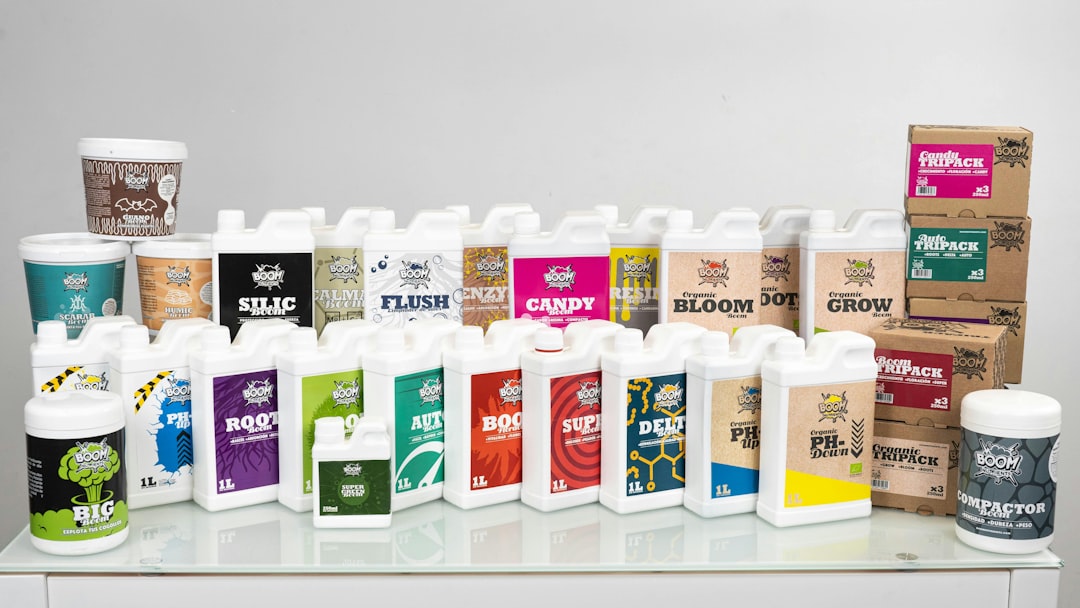
According to ISA Halal, packaging is one of the most commonly overlooked failure points in halal product assurance because contamination can occur at the material, production, or storage stage. Cross-contamination during manufacturing is a particular concern when shared production lines run halal and non-halal products in sequence.
On our production floor, we separate tooling and molds by client specification. When brands request halal-compliant runs, we schedule dedicated production windows and clean all contact surfaces between batches. This is the same principle applied in food-grade packaging, and halal auditors expect to see documented evidence of these controls.
According to EIN Presswire, non-Muslim consumers increasingly purchase halal cosmetics as a proxy for clean, ethical, and high-quality products. This trend means halal packaging compliance is becoming a brand trust signal well beyond its original religious market.
Prohibited Materials in Halal Cosmetic Packaging
Najis is an Islamic legal term for substances considered ritually impure. In packaging manufacturing, the primary prohibited categories are animal-derived materials and certain alcohol-based compounds. Production teams need to audit every input that contacts the packaging surface or becomes part of the finished container.
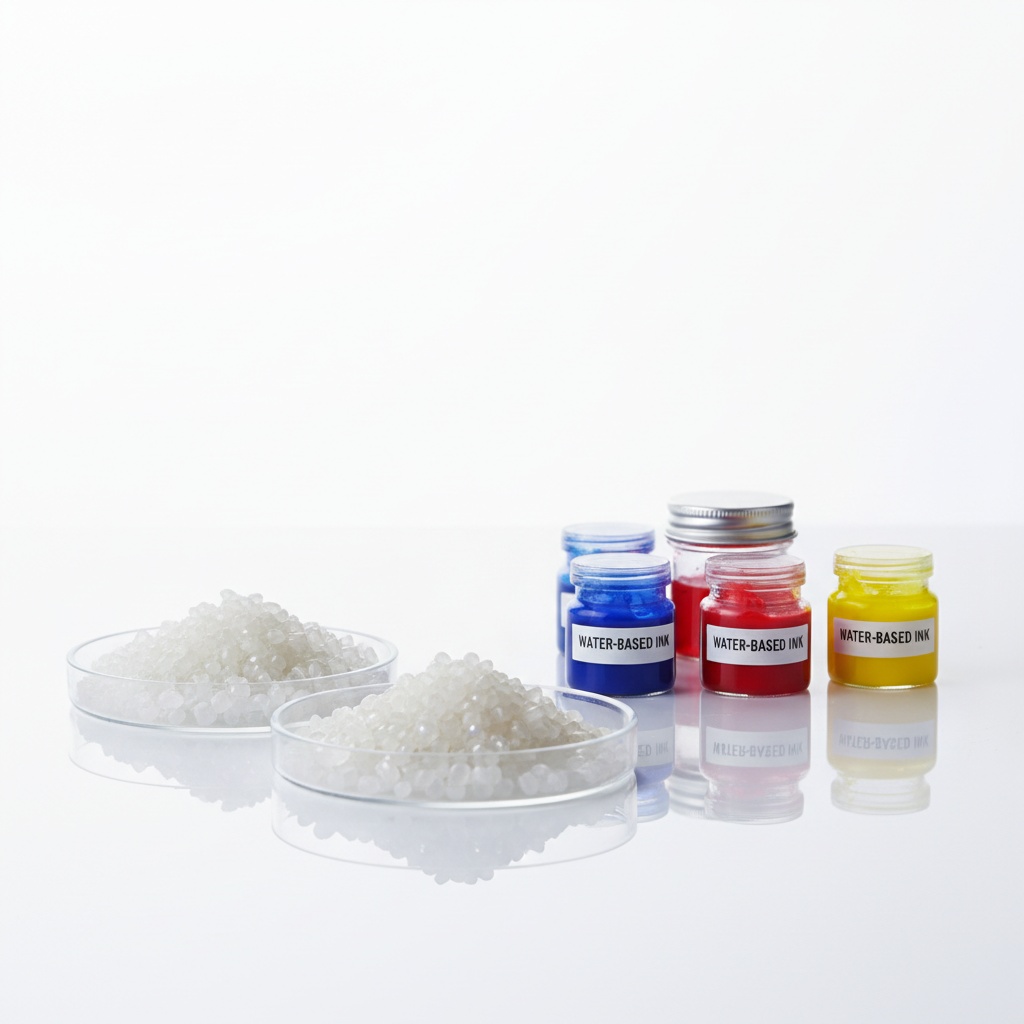
Animal-derived fatty acids appear in lubricants, mold release agents, and slip additives used during injection molding and blow molding. Porcine-derived stearic acid is the most common offender. Some UV-curable inks and adhesives for labeling also contain animal-derived glycerin or gelatin as binding agents.
Alcohol-based solvents in printing inks and coatings present a separate compliance question. While ethanol derived from non-grape, non-date sources may be acceptable under some certification bodies, most auditors flag any alcohol content above trace levels. Water-based inks and UV-cured coatings avoid this issue entirely.
Oulete uses water-based inks and UV coating processes across its decoration lines, including hot stamping and screen printing. These processes eliminate the alcohol solvent question at the source, which simplifies the halal audit trail for our clients’ products.
Common Packaging Materials and Their Halal Status
Not all packaging polymers carry the same halal compliance risk. The base resins used in cosmetic packaging are synthesized from petrochemical feedstocks, not animal sources. The compliance risk sits in the additives, colorants, and processing aids mixed into or applied onto these base materials.

| Material | Halal Cosmetic Packaging Compliance Risk | Key Audit Points |
|---|---|---|
| PP (Polypropylene) | Low | Check mold release agents and colorant carriers for animal-derived stearates |
| PE (Polyethylene) | Low | Verify slip agents; some use animal-derived erucamide alternatives |
| PET (Polyethylene Terephthalate) | Low | Review antimony trioxide catalyst documentation; generally synthetic |
| PETG (Glycol-Modified PET) | Low | Similar to PET; verify glycol modifier source documentation |
| Acrylic / PMMA | Low to Medium | Check UV stabilizers and surface coating additives |
| PCR Resins (Post-Consumer Recycled) | Medium | Traceability challenge; mixed-source feedstock requires batch certification |
Oulete manufactures PP, PE, and PET packaging with in-house PCR compounding capability at ratios from 10% to 50%. Because we control resin compounding internally, we can document every additive in the compound, which gives auditors the traceability they require. Factories that purchase pre-compounded resins from third parties face a harder documentation challenge.
PCR (Post-Consumer Recycled) plastic is reclaimed resin that has completed at least one consumer use cycle. For halal compliance, PCR introduces a traceability gap because the original application of the recycled material is unknown. Certification bodies typically require batch-level testing or a supplier declaration confirming the PCR feedstock is free of haram-derived contaminants. According to Research Nester, the broader halal packaging market is estimated at USD 345 billion in 2026, reflecting how pervasive compliance requirements have become across material supply chains, including recycled streams.
Major Certification Standards for Halal Cosmetic Packaging
Three certification frameworks dominate the halal cosmetics market. Each has distinct requirements, but they share common principles: ingredient traceability, manufacturing process control, and prevention of cross-contamination.
| Standard | Governing Body | Region | Key Packaging Requirements |
|---|---|---|---|
| MS 2634:2019 | JAKIM | Malaysia | Full supply chain audit; packaging materials must be sourced from halal-compliant suppliers; MHMS 2020 management system required |
| BPJPH / Law No. 33/2014 | BPJPH (formerly MUI) | Indonesia | All packaging materials require halal documentation; submissions via SiHalal portal in Bahasa Indonesia; mandatory for cosmetics sold in Indonesia |
| UAE.S 2055-1 | ESMA | UAE / GCC | Facility audit, ingredient sourcing verification, packaging compliance documentation; UAE Halal National Mark required |
According to ChemLinked, no single pan-ASEAN halal certificate exists. Brands targeting multiple ASEAN markets typically certify with JAKIM first because Malaysian certification carries the widest mutual recognition across the region. GCC countries generally follow GSO halal standards and may accept JAKIM or ESMA certification through mutual recognition agreements.
According to Product Registration Indonesia, Indonesia’s Halal Product Assurance Law mandates that all cosmetics sold in the country obtain BPJPH halal certification, including compliance of all packaging materials. For exporters, this means your packaging supplier must provide halal-compliant documentation before your product can even enter the Indonesian registration process.
How a Packaging Manufacturer Gets Halal Certified
The certification process for a packaging factory follows a predictable sequence. According to the American Halal Foundation, halal certification for cosmetics typically takes 4 to 8 weeks, depending on complexity of materials and manufacturing processes. For a packaging manufacturer specifically, the timeline depends on how well-organized the existing quality management system is.
Factories with ISO 9001 and GMP certifications have a structural advantage. The documentation infrastructure, batch traceability systems, and process controls already required by ISO 9001 overlap significantly with what halal auditors check. Oulete holds ISO 9001, CE, SGS, and GMP certifications, which means the quality management framework maps directly onto halal management system requirements without building a parallel documentation structure.
The audit itself examines raw material sourcing records, additive specifications, production line segregation protocols, cleaning validation logs, and storage controls. Auditors from bodies like JAKIM or accredited agencies working with BPJPH will physically inspect the facility or, for overseas manufacturers, may accept third-party inspection agencies accredited in the manufacturer’s country.
For China-based manufacturers, certification is achievable. Multiple certification bodies accept third-party factory audits conducted remotely or through accredited local inspection agencies. Our Shaoxing facility has hosted audits from international certification agencies, and the process follows the same documentation and inspection protocol as any other quality system audit.
What Brands Should Ask Their Packaging Supplier
When brands ask us about halal compliance, we walk them through a specific due diligence checklist. Production teams on the buyer side rarely know what to request, and many suppliers provide vague assurances instead of verifiable documentation.
Request a Material Declaration for every component that contacts the product: bottle body, pump mechanism, gaskets, dip tube, overcap lining. Each declaration should confirm the resin type, additive package, colorant carrier, and mold release agent, with a statement on animal-derived content.
Ask for the supplier’s halal certificate or, if the supplier is not yet certified, a signed Halal Compliance Commitment Letter listing the specific materials, processes, and controls in place. This document becomes part of your own certification submission to JAKIM, BPJPH, or ESMA.
Verify production line segregation policies. Ask whether the supplier runs halal and non-halal orders on the same equipment, and if so, what the cleaning and changeover protocol looks like. Documented procedures with timestamps and sign-offs are what auditors want to see.
Request batch traceability records that link a finished packaging shipment back to specific raw material lots. If a compliance question arises post-market, this traceability chain is your defense. Oulete’s 20 injection molding machines operate with batch-level tracking that connects finished airless bottles and PETG containers to their raw material certificates of analysis.
Finally, confirm the supplier’s position on decorative processes. Hot stamping foils, screen printing inks, UV coatings, and label adhesives all need the same scrutiny as the base container. Ask for Technical Data Sheets on every decorative material, with specific attention to binders, solvents, and carrier agents. Understanding your supplier’s full regulatory compliance posture across multiple frameworks gives you confidence that halal is not a gap.
Halal marking and logo placement is the final documentation step that auditors verify on the physical package. Each certification body specifies where the halal logo must appear, at what minimum size, and what accompanying text is required. JAKIM requires the certified halal logo to be printed directly on the primary packaging or label, not just on the outer carton. BPJPH mandates that the halal label include the certification number issued through the SiHalal portal. For packaging manufacturers, this means the label artwork must be finalized with the certification body’s approval before printing begins, and the halal logo placement must be integrated into the packaging design specification alongside other regulatory marks.
Frequently Asked Questions
What materials are prohibited in halal cosmetic packaging?
Packaging materials derived from porcine sources, non-halal animal fats, and certain alcohol-based solvents are prohibited under halal standards. The most common violations in packaging manufacturing involve animal-derived stearic acid used as mold release agents, porcine gelatin in adhesives, and ethanol-based solvents in printing inks.
Does packaging need its own halal certificate, or is the product certificate enough?
Packaging requires independent halal compliance verification. According to the American Halal Foundation, certification bodies audit packaging materials and manufacturing processes separately from the cosmetic formulation itself. A halal-certified product in non-compliant packaging can lose its certification status.
Which halal certification is accepted across Malaysia, Indonesia, and the UAE?
No single certificate covers all three markets. Malaysia uses JAKIM (MS 2634:2019), Indonesia requires BPJPH certification, and the UAE follows ESMA standards (UAE.S 2055-1). JAKIM certification carries the broadest mutual recognition across ASEAN markets. GCC countries may accept JAKIM or ESMA certificates through bilateral agreements.
Can a Chinese packaging manufacturer get halal certified?
Chinese manufacturers can obtain halal certification through accredited third-party auditors operating in China. Multiple international certification bodies, including those recognized by JAKIM and BPJPH, conduct factory audits at manufacturing sites in China either through on-site visits or accredited local inspection agencies.
Are PP and PETG plastics inherently halal-compliant?
PP and PETG base resins are synthesized from petrochemical feedstocks and contain no animal-derived content. However, compliance depends on the full additive package, including colorants, slip agents, mold release agents, and UV stabilizers. The base polymer is low-risk, but every processing aid must be individually verified.
Do inks and printing processes need halal verification?
Printing inks, UV coatings, hot stamping foils, and label adhesives all fall within the scope of halal compliance audits. Solvent-based inks may contain alcohol or animal-derived binding agents. Water-based inks and UV-cured coatings generally present lower compliance risk and simplify the audit process.
How long does halal certification take for a packaging supplier?
According to the American Halal Foundation, the process typically takes 4 to 8 weeks. Suppliers with existing ISO 9001 or GMP certifications can often complete the process faster because their documentation infrastructure and traceability systems already meet many of the halal management system requirements.