


Professionals who work with cosmetics packaging face a significant challenge. Sunscreen formulas contain strong chemicals that pose a risk of erosion to bottles, tubes, and dispensers. Many experts now recognize erosion as a serious issue, as packaging does not always fail in ways that are immediately visible.
Small problems can accumulate and lead to substantial financial losses. These losses may not be apparent right away in financial reports, as they often hide within minor packaging issues. A seal might weaken during transport, a pouch could gradually deteriorate on the shelf, and a laminate might become rigid and fail to function properly when shaped.
Sunscreen products must prioritize safety. Effective packaging ensures both the integrity of the formula and the safety of the user. Understanding how sunscreen interacts with various containers is essential for maintaining product quality and fostering brand trust.
Key Takeaways
- Sunscreen ingredients can wear down packaging. This can cause safety problems and make the product dirty.
- Picking the right packaging is very important. Use plastics and metals that do not react with sunscreen.
- Testing packaging with real sunscreen often helps find problems early. This stops issues before people use the products.
- Storing and handling sunscreen the right way can make it last longer. It also helps the packaging stay good for more time.
- New packaging ideas, like containers you can refill, can cut down waste. They also make things safer.
Risk of Erosion from Sunscreen Ingredients
Industry Concerns and Key Questions
Many people who work with cosmetics packaging worry about erosion. They ask if sunscreen ingredients can damage containers. Studies show erosion is a real problem. It affects many types of packaging. Sunscreen formulas have chemicals that can react with plastics, metals, or glass. These reactions can make containers weaker. They can also change the sunscreen inside.
Packaging experts have several concerns:
- Packaging needs to be checked for safety problems with its structure.
- People must look at how packaging and sunscreen interact before selling a product.
- Chemical incompatibility happens when containers react with sunscreen ingredients.
- This reaction can cause the product to break down, change color or smell, and create safety risks.
- Harmful substances like plasticizers, stabilizers, solvents, volatile organic compounds, and heavy metals can move from packaging into sunscreen and cause health risks.
- Physical compatibility problems include stress cracking and product breakdown from UV filters in sunscreens.
- Keeping the movement of substances within safe limits is important for consumer safety.
Packaging professionals must watch out for these risks. They need to test materials and formulas together to stop problems before they happen.
Why Erosion Matters for Packaging
Erosion risk affects every step of making sunscreen products. R&D teams must pick ingredients that do not harm containers. Procurement specialists need to choose packaging that resists chemical reactions. Packaging designers must make structures that protect the sunscreen and the user.
When sunscreen ingredients damage containers, many problems can happen. The sunscreen may not work as well. The container may crack or leak. Harmful substances may move from the packaging into the sunscreen and cause health risks. These problems can lead to recalls, loss of trust, and trouble with rules.
Erosion risk is not always easy to see. Small changes in containers or formulas can build up over time. Professionals must know how sunscreen ingredients interact with plastics, metals, and glass. They must test for chemical and physical compatibility. This helps keep products safe and protects the brand.
The cosmetics packaging industry must treat erosion risk as very important. Careful material choices and regular testing help prevent problems and keep sunscreen products safe and effective.
Chemical Mechanisms of Erosion
Common Sunscreen Ingredients Involved
Sunscreens use both organic and inorganic agents to block UV rays. Organic agents like oxybenzone and octinoxate absorb UV light. Inorganic agents such as titanium dioxide (TiO2) and zinc oxide (ZnO) reflect UV rays. These ingredients protect skin but can also affect containers in different ways.
Organic agents have special groups that can react with plastics. These reactions can slowly change the plastic. Inorganic agents, especially when tiny, can speed up reactions if sunlight hits them. This can make packaging break down faster.
Packaging experts need to know which ingredients are in their products. This helps them pick containers that will not react badly.
How Chemical Reactions Affect Materials
Sunscreen ingredients can damage containers in many ways. When TiO2 and ZnO get UV light, they make reactive oxygen species (ROS). These ROS attack metal surfaces. This causes corrosion and makes metal break down quickly. Rough metal can corrode much faster than smooth metal.
Plastics can also get damaged by sunscreen chemicals. Organic agents can break plastic and make it crack or become brittle. Some ingredients can pull things out of the plastic. These things can mix with the sunscreen.
Glass is strong against most sunscreen chemicals. But strong acids or bases can still make glass dull or etched over time.
Knowing how these reactions work helps experts make safer sunscreen containers.
Sunscreen Container Materials at Risk
Plastics: Vulnerabilities and Examples
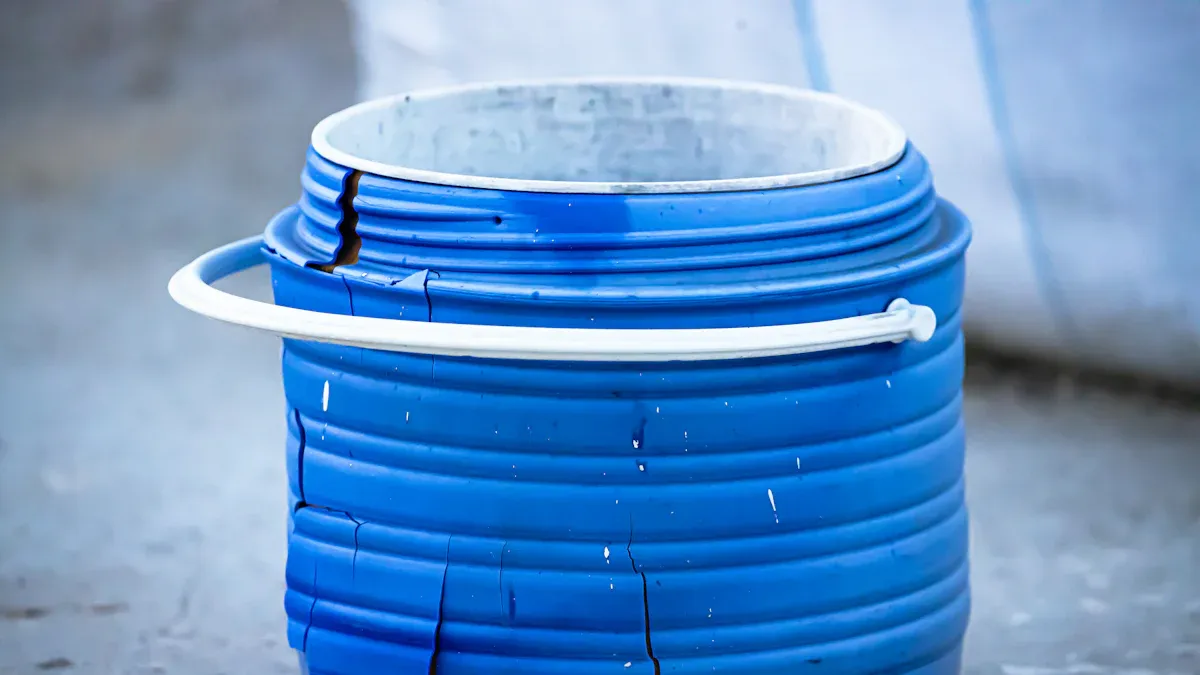
Plastics are used a lot for sunscreen bottles. Companies pick plastics like PE, PP, and PET. These plastics are cheap and bend easily. But sunscreen can make them weaker as time passes. Some UV filters in sunscreen can make plastics crack or change color. Plasticizers and stabilizers might come out when they touch sunscreen. This can change how the sunscreen feels or how safe it is. For example, oxybenzone and octinoxate can react with PET bottles. This can cause tiny cracks or make the bottle look cloudy. Small problems in packaging can get worse during shipping or storage.
Metals: Corrosion and Degradation
Metals look fancy and feel nice for sunscreen bottles. But metals have their own problems with sunscreen. Sunscreen ingredients can make metals lose their shine. They can also hurt soft gemstones like pearls and opals. Silver gets dull fast when it touches sunscreen. Gold-plated parts can lose their coating sooner because of sunscreen. Aluminum, used for caps or tubes, can rust if the sunscreen has strong chemicals. These changes can make the bottle look bad and get weaker.
- Silver gets dull from sunscreen.
- Gold-plated parts can wear off faster.
- Soft gemstones can get damaged near sunscreen.
Glass: Resistance and Limitations
Glass is strong against most sunscreen chemicals. Many brands use glass for fancy sunscreen bottles. Glass does not react much with UV filters. It keeps the sunscreen safe and clear. But glass is not perfect. Strong acids or bases in sunscreen can scratch or dull glass over time. Glass can also break more easily than plastic or metal. This can be dangerous when shipping or using the product. Glass is good at stopping chemical damage, but it needs careful use to keep people safe.
Consequences of Material Erosion
Product Contamination Risks
Material erosion in sunscreen packaging can cause contamination. Chemicals from the container can get into the sunscreen. This can lead to several problems.
- Hormonal disruption can happen if chemicals like BPA or phthalates get into sunscreen. These chemicals can change how the body’s hormones work and cause health problems.
- Microplastics from damaged packaging can make skin sensitive. Some people may feel irritation, swelling, or allergic reactions.
- Bioaccumulation is another risk. Microplastics can build up in the body over time. Scientists are still studying the long-term effects.
People trust that sunscreen is safe. Contamination from packaging can put that safety in danger. Studies show even small amounts of chemicals can change the sunscreen formula. This can make sunscreen less effective and less safe.
Loss of Sunscreen Effectiveness
Erosion affects more than safety. It also makes sunscreen work less well. When packaging breaks down, air, light, or water can reach the sunscreen. These things can break down the active ingredients. The sunscreen may not protect against UV rays as well.
Studies found some sunscreen chemicals can bleach packaging faster. This bleaching can show that the sunscreen inside is breaking down too. Coral bleaching in the ocean happens when sunscreen washes off skin and hurts sea life. Bleaching in packaging means the sunscreen formula is at risk. Research teams test for bleaching to see if sunscreen still works.
Safety and Regulatory Concerns
Safety is always important in sunscreen packaging. Rules require companies to test for risks. Stability tests check if sunscreen and packaging react. Compatibility tests look for leaks, color changes, or other problems.
- Accelerated stability testing uses heat, cold, and freeze–thaw cycles.
- Photostability testing exposes sunscreen to light.
- Compatibility testing uses different packaging materials.
Studies show sensitive formulas need special containers. Oily or alcohol-based sprays need resins that do not crack or soften. Coral bleaching in nature has led to more research on sunscreen safety. Bleaching in packaging means the product may not meet safety rules. Companies must follow these rules to keep users safe.
Regular research and testing help companies find risks early. This keeps sunscreen safe and protects people and the environment from bleaching and coral bleaching.
Solutions and Best Practices
Selecting Compatible Materials
Picking the right material keeps sunscreen and users safe. Some plastics are better at stopping chemical erosion. Lab tests show this is true. The table below shows how different HDPE blends work:
| Material | Chemical Resistance Level | Observations |
|---|---|---|
| HDPE100/TP0 | Highest | It stayed strong and did not change much. |
| HDPE98/TP2 | Moderate | It got a little weaker in acid or with strong cleaners. |
| HDPE92/TP8 | Lowest | It lost a lot of strength in acid or with strong cleaners. |
Using HDPE100/TP0 keeps packaging strong. It also lowers the chance of erosion. Experts should pick the best material for each sunscreen formula.
Packaging Design Strategies
Designers can stop chemical problems by using safe materials. If a sunscreen has avobenzone or oxybenzone, use packaging that does not react. This keeps the sunscreen working well. Simple shapes and smooth surfaces help stop reactions from starting. Adding a special layer inside the container can also help.
Tip: Always test new packaging with the real sunscreen before making a lot.
Storage and Handling Recommendations
Good storage and handling help sunscreen and packaging last longer. These tips help stop erosion:
- Use dark or tinted bottles to block light and keep ingredients safe.
- Do not use metal bottles for acid sunscreens to stop rust.
- Pick PET or glass bottles for better chemical safety.
- Use plastics without BPA to avoid bad reactions.
- Try paper, cardboard, or bamboo for a greener choice.
Storing and handling sunscreen the right way keeps it safe and the packaging strong.
Sunscreen packaging can get damaged by chemicals. This damage can make the product unsafe. It can also hurt the brand’s reputation. Picking the right materials is important. Testing the packaging often helps keep it strong.
Photostability testing is very important for sunscreen. It checks if UV filters still work when they get light.
Professionals can do things to lower risks:
- Make clear plans for packaging that is good for the planet.
- Spend money on research for safer chemicals.
- Watch and share how packaging affects the environment.
- Gather and throw away unused products in a safe way.
| Innovation Type | Description |
|---|---|
| Rechargeable aluminum packaging | Lets people use bottles again and cut down on waste. |
| Intelligent aluminum bottle | Has a tiny chip that checks how much is used or if it is real. |
| Environmentally friendly coatings | Makes bottles look nice and uses fewer bad chemicals, keeping products safer. |
New smart packaging and green materials will help keep people and nature safe.
FAQ
What are the main chemical ingredients in sunscreen that can affect container materials?
Many sunscreens have chemicals like oxybenzone, octinoxate, and avobenzone. These chemicals can react with plastics, metals, or glass. They can cause cracks, leaks, or color changes. Some chemical exposure may also raise health risks for skin and people.
How does sunscreen toxicity impact skin and health?
Sunscreen toxicity can make skin irritated, red, or cause allergies. Some chemicals may get into the skin after use. These effects can hurt health over time. People with sensitive skin should check sunscreen safety and avoid products with strong chemicals or high toxicity.
Can sunscreen chemicals harm coral and marine environments?
Yes, sunscreen chemicals can hurt coral and marine life. When people swim, sunscreen washes off and goes into the water. This chemical exposure can cause coral bleaching and disturb sea animals. The environmental impact of sunscreen toxicity is a big worry for nature and marine health.
What are the effects of UV protection on skin and health?
UV protection keeps skin safe from sunburn and long-term harm. Sunscreen blocks harmful UV rays. But some chemical ingredients may cause health risks if used too much. People should balance UV protection with safe sunscreen choices for skin and health.
How can professionals reduce chemical exposure and toxicity from sunscreen packaging?
Professionals can pick packaging materials that resist chemical erosion. Testing for chemical compatibility helps lower chemical exposure and toxicity. Using safe materials protects skin, health, and nature. Good packaging design also lowers the risk of harmful effects from chemicals and keeps sunscreen safe.