


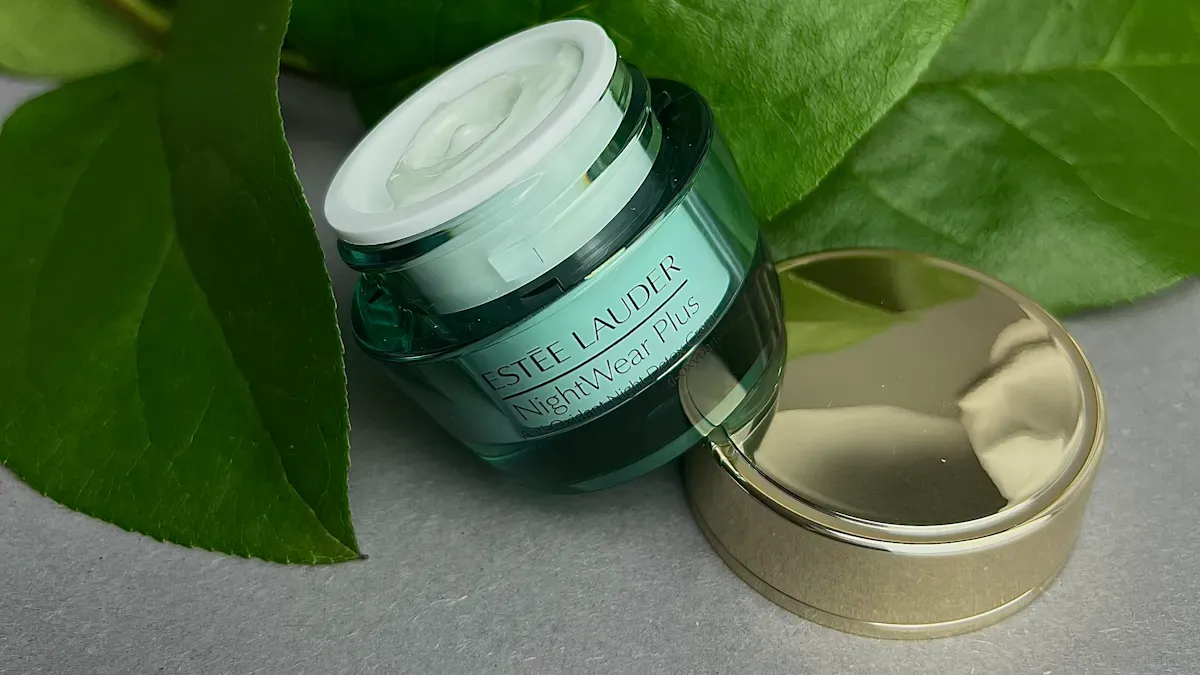
You can see that plastic-free cosmetic containers are becoming popular in the beauty industry. Brands, OEM/ODM clients, and packaging designers need to use sustainable beauty packaging. This helps them stay ahead and meet what people want. New ideas and custom solutions help you follow new rules and keep customers happy. The table below shows important trends for the future:
| Trend Type | Description |
|---|---|
| Refillable and Reusable | Brands are making designs so people can refill and reuse packaging. This helps cut down on waste. |
| Biodegradable and Compostable | More materials can break down on their own, which is better for the environment. |
| Mono-Material Packaging | Using only one material for packaging makes it easier to recycle. |
| Smart Technologies | Adding technology to packaging can make it more fun to use and better for the planet. |
Key Takeaways
- Plastic-free cosmetic containers are getting more popular. Brands want to help the Earth by using these containers. Picking eco-friendly packaging is good for the planet.
- Refillable and reusable packaging makes less trash. It also helps people like the brand more. Each refill can stop up to 12 plastic bottles from being used each year.
- Biodegradable and compostable materials are used more in cosmetic packaging. These materials break down on their own. This helps the environment.
- Smart technologies in packaging, like QR codes, make things easier for users. They also help people recycle more. Cool designs get the attention of people who care about the Earth.
- Brands that use sustainable practices get more trust from customers. They also do better in a tough market. What you choose as a buyer helps make this good change happen.
Industry trends in plastic-free cosmetic containers
Market growth and drivers
The market for plastic-free cosmetic containers is growing fast. Many places and types of products are seeing big increases. The table below shows some important areas:
| Segment | Growth Rate (CAGR) |
|---|---|
| Asia Pacific | Notable CAGR from 2025-2034 |
| Biodegradable Materials | Significant CAGR from 2025-2034 |
| Deodorant Sticks | Significant CAGR from 2025-2034 |
| Color Cosmetics | CAGR from 2025-2034 |
| Indie Brands | Significant CAGR from 2025-2034 |
| DTC Brand Websites | Significant CAGR from 2025-2034 |
People like you help this market grow by making smart choices. There are a few main reasons why more brands use plastic-free packaging:
- You care about how packaging waste hurts the planet.
- You buy more things online, so companies need lighter and greener shipping.
- You want fancy cosmetics in nice packaging that is also good for the earth.
- New science helps make materials like compostable options.
These trends show that shoppers want brands to use sustainable beauty packaging. When you pick products with plastic-free containers, you help change the future of beauty packaging.
Regulatory and consumer pressures
There are also strong rules and consumer demands in this market. Europe has tough laws about packaging. Governments ban single-use plastics and spend money on better green packaging. These steps make brands use plastic-free packaging and follow circular economy ideas.
Note: New laws in Europe mean brands must use sustainable packaging for cosmetics. These rules and high demand for green products make more brands use plastic-free containers.
You help decide what businesses buy by wanting sustainable products. Brands know that using plastic-free packaging shows they care about the earth. This helps them get noticed in a busy market. As more people want green products, you will see more brands focus on helping the environment.
Innovations in sustainable beauty packaging
Biodegradable and compostable materials
Many brands use biodegradable and compostable materials for cosmetic packaging. These materials break down on their own and help the planet. There are new technical advances in this area. The table below shows some important innovations:
| Innovation Type | Description |
|---|---|
| Polyhydroxyalkanoates (PHAs) | Bioplastics that compost in soil and marine settings. |
| High-barrier compostable films | Films that match plastics for protecting products. |
| Hybrid materials | Blends of biopolymers with natural fibers for strength. |
| Functional additives | Additives that control how materials break down, preventing early degradation. |
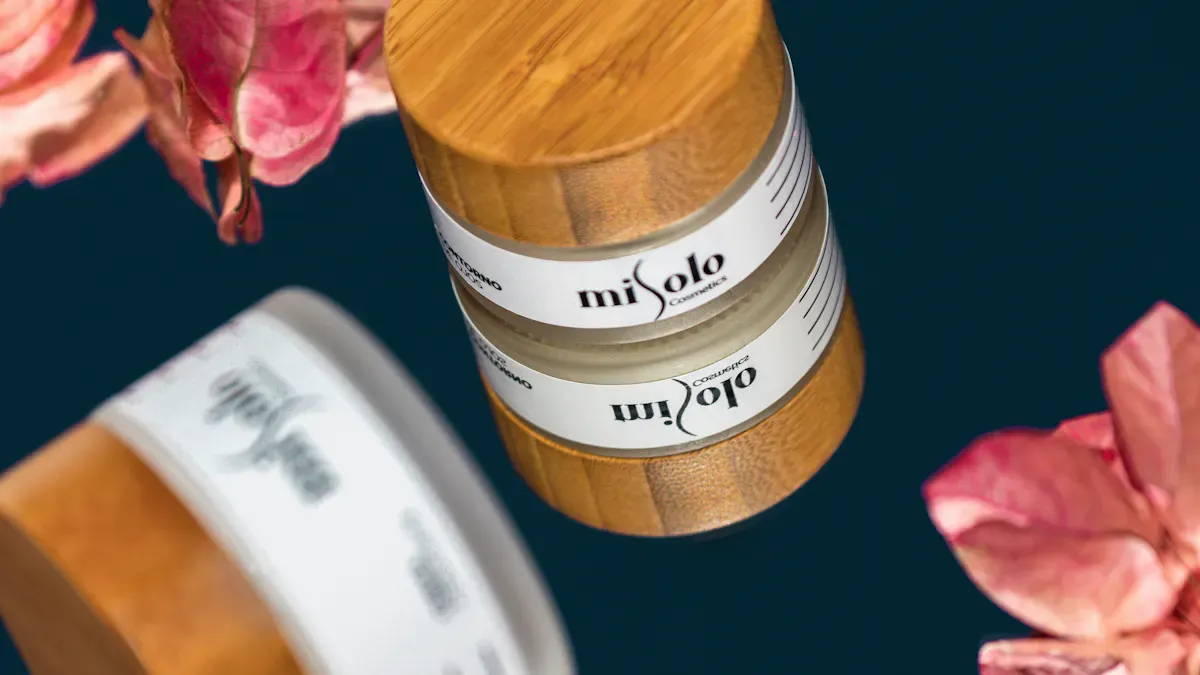
You see brands using wooden packaging, bioplastics made from corn and sugarcane, plant-based polymers, mycelium packaging, bio-resins, and bamboo. These choices look fancy and help eco-friendly branding. Oulete offers custom solutions with bamboo, molded fiber, and wood. You can pick packaging that fits your brand and helps the planet.
Tip: You can choose biodegradable materials that fit your product and brand. This helps you stand out and support the environment.
You also see new features like airless pump systems, biodegradable applicators, and smart packaging with QR codes for recycling. These advances keep products safe and make recycling easier.
Refillable and reusable packaging systems
Refillable packaging systems change how you use beauty packaging. You refill containers instead of throwing them away. This cuts down on waste and supports sustainable cosmetic packaging. The EU Packaging and Packaging Waste Regulation pushes brands to make recyclable or reusable packaging. Refillable packaging systems are becoming more popular because they help brands follow these rules.
- Refillable packaging cuts single-use waste.
- You use containers longer and save resources.
- Brands make refill-friendly and recyclable products.
- Each refill can save up to 12 plastic bottles a year.
Refillable packaging systems help build brand loyalty. You come back to buy refills, which supports repeat purchases. Brands focus on airtight seals and strong containers to keep products safe. Oulete designs custom refillable and reusable packaging for B2B clients. You can work with Oulete to make packaging that fits your needs and follows new rules.
Note: The reuse-and-refill segment in makeup is worth about USD 894.2 million in 2024. It may reach USD 1.67 billion by 2030, growing at a rate of 11.2% each year.
Solid and minimal packaging solutions
Solid and minimal packaging solutions are changing beauty packaging trends. Brands use less material and simple designs. This cuts waste and makes recycling easier. The table below shows some top options:
| Packaging Type | Description | Best For |
|---|---|---|
| Biodegradable and Plant-Based Plastics | Plastics from renewable sources that break down under certain conditions | Dry products for eco-conscious consumers |
| Refillable and Reusable Systems | Durable containers for multiple uses | Premium skincare and haircare products |
| Paper-Based and Cardboard Solutions | Cardboard tubes and paper-wrapped bars | Shampoo bars and pressed compacts |
| Minimalist and Lightweight Design | Designs that use less material but keep function | High-volume products for material savings |
| Mono-Material Packaging | Uses one material for easy recycling | Pumps and closures for recycling claims |
You see wooden packaging, glass, paper, cardboard, and bioplastics used for cosmetics. These materials are biodegradable, recyclable, and look nice. Oulete helps you design solid and minimal packaging that fits your brand and product.
Callout: You can pick solid and minimal packaging to help the planet and follow new trends. This gives your brand a modern and green image.
The push for plastic-free cosmetic containers does not lower product quality. Brands use smart packaging technology to make products better and keep them safe. Oulete’s technical skills and custom solutions help you stay ahead in the market.
Materials for plastic-free packaging
Glass and aluminum options
You can pick glass or aluminum for your cosmetic containers. These materials keep your products safe and look fancy. Glass makes your products feel special and blocks air and light. Aluminum is light and strong, so it is easy to ship. Using aluminum helps lower pollution from shipping. Both glass and aluminum can be recycled many times.
Here is a simple comparison:
| Material | Advantages | Disadvantages |
|---|---|---|
| Glass | Non-porous, UV protection, luxury appeal | Heavy, fragile |
| Aluminum | Lightweight, high recycling rate, durable | Can dent, less luxury than glass |
About 71% of aluminum cans get recycled around the world. Most recycled aluminum is used again, so it is a good choice for green packaging. Glass can also be recycled, but not as much as aluminum. By choosing these materials, you help protect the earth.
Paper, cardboard, and molded fiber
More brands now use paper, cardboard, and molded fiber for packaging. These materials come from recycled things and break down in nature. They are strong for their weight and keep products safe when shipped. You can use them for boxes, tubes, and trays.
- Biodegradable and recyclable
- Made from recycled materials
- Moisture resistant
- Provide cushioning and reduce damage
These choices keep your products safe and cut down on trash. They match new packaging trends and help you use eco-friendly materials.
Emerging eco-friendly materials
There are new eco-friendly materials for beauty packaging now. These include biodegradable plastics, plant-based resins, and other green resources. As technology gets better, these materials cost less and are easier to use. Many brands pick these materials because they are better for the planet and follow new rules.
Laws make companies use more green materials. As more people want green products, eco-friendly packaging gets cheaper. You can pick these materials to stay ahead and show you care about the earth.
Tip: Using new eco-friendly materials can help your brand get noticed and meet the need for plastic-free packaging.
Benefits and challenges of sustainable cosmetic packaging
Environmental impact and brand value
When you pick sustainable cosmetic packaging, you help the earth. Many brands use things like recycled plastics, FSC-certified paper, and biodegradable films. These choices make less waste and are better for the planet. Some brands use plant-based plastics to fight plastic pollution and lower carbon emissions.
- Green packaging helps the environment.
- Brands using eco-friendly packaging earn customer trust.
- More people want green products, so brands sell more.
You help set trends by buying products that match your values. In beauty, packaging shows what a brand believes in. Good packaging design makes you trust and buy again. Over half of U.S. shoppers chose green packaging in the last six months. This means eco-friendly choices are important for brand value.
Tip: Picking green beauty packaging means you support brands that care about the planet.
Cost, durability, and supply chain issues
Switching to plastic-free packaging can cost more money. Green materials can cost 20–50% more than regular plastics. Brands may need new machines, which adds to the cost. New rules, like the UK’s Plastic Packaging Tax, make old packaging cost more.
You might see some supply chain problems. It is sometimes hard to get enough green materials. Brands need good suppliers. If a supplier is late, it can stop production.
- Higher costs for raw materials
- Need for new machines
- Delays and trouble getting supplies
Hygiene and product safety
You want your cosmetic packaging to keep products safe and clean. Brands check all materials for safety and test how they work with the product. They also test for toxins and make sure packaging is safe for food. If you use refillable packaging, you must clean it well to stop germs. Brands also check suppliers and test if packaging can break down.
- Safety checks for all packaging
- Tests for toxins and food safety
- Cleaning and checking refillable packs
Note: Safe and clean packaging keeps you healthy and your products fresh.
B2B opportunities and custom solutions
Meeting brand and OEM/ODM needs
You can use plastic-free packaging to make your brand special. Many brands and OEM/ODM clients want eco-friendly packaging now. This helps them get new customers and keep old ones. When you pick green materials, you show your company cares about the earth. You also meet what shoppers want today.
- OEM/ODM companies that use green production can get more buyers.
- Brands that care about the planet can get good partners and even rewards from the government.
- More people want vegan, cruelty-free, and clean beauty. This changes how products are made and packed.
- Rules and what shoppers want make brands use biodegradable and recyclable materials.
You see more brands using plastic-free packaging for clean and green products. In the U.S., 35% of young buyers want clean-certified beauty items. In Europe, eco-friendly ODM solutions went up by 29% after microplastics were banned. These facts show you can use green packaging to get more customers and follow new rules.
Tip: Picking plastic-free packaging helps you stand out and earn trust from people who care about the planet.
Design and innovation for packaging professionals
New design ideas help you make packaging that looks good and is green. When you use new materials and smart designs, you make customers happy. You also show your brand’s values.
- Cool packaging design helps you use green materials and ways.
- You can get shoppers interested by showing you care about the earth.
- Smart packaging, like QR codes or fun features, can make using products better and help your brand look good.
- Many brands now use biodegradable choices to match what shoppers want and help the planet.
Oulete works with you to make custom, green packaging. You can pick bamboo, molded fiber, wood, and other earth-friendly materials. Oulete’s team helps you follow world rules, like the EU’s rule for recyclable or reusable packaging by 2030. You get packaging that fits your brand and follows the newest rules.
Note: New design ideas help the planet and make people like your brand more.
The future of sustainable cosmetic packaging
Trends to watch by 2025 and beyond
Cosmetic packaging will change a lot soon. Many brands want to help the planet. People want eco-friendly products. By 2025, these trends will be important:
- More brands will pick plastic-free packaging for green shoppers.
- Companies will use glass, paper, bamboo, and cornstarch-based plastics.
- Refillable packaging will be used more, so you can reuse containers.
- These ideas will cut plastic waste and bring in eco-friendly shoppers.
You will see new technology in packaging too. Here are some main changes:
| Advancement Type | Description |
|---|---|
| Biodegradable Materials | PLA, PHA, and cellulose break down in compost. |
| Recycled Materials | Old plastics are used again to save resources. |
| Minimalist Design | Simple packaging is easy to recycle and makes less trash. |
| Refillable Systems | You can use containers many times to cut waste. |
| Digital Tools | QR codes and NFC tags help with recycling and tracking. |
| Upcycling | Waste from other industries becomes new packaging. |
These trends mean you will have more smart and green choices.
How B2B clients can stay ahead
You can lead by using smart green packaging steps. Here are things you can do:
- Use bioplastics to lower pollution.
- Give refillable containers so people can use them again.
- Pick suppliers who use fair and green ways.
- Use machines that save energy and use clean power.
- Recycle water in your factory to save resources.
- Tell people about your supply chain and green actions.
- Make products that can be reused or recycled for a circular economy.
Tip: If you do these things, you show you care about the earth and earn trust from customers. You also keep up with new rules and trends in beauty.
You notice that cosmetic packaging is changing quickly. There are new trends and more sustainable beauty packaging. Brands and designers pick eco-friendly materials and use digital tools. They do this to give people what they want. You can check if sustainable cosmetic packaging works well. You do this by looking at things like how much the materials cost, how heavy the packages are, how much can be recycled, if customers like the packaging, and if sales go up.
| KPI | Description |
|---|---|
| Material cost per unit | Cost of sustainable materials used per unit |
| Shipping weight | Weight of packaging affecting transportation costs |
| Recyclability rates | Percentage of packaging that can be recycled |
| Consumer satisfaction | Customer feedback on packaging quality and appeal |
| Sales lift | Increase in sales attributed to new packaging |
You get ahead of others when you use custom beauty packaging. Groups like the Ellen MacArthur Foundation and Consumer Goods Forum want brands to be more green. When you pick eco-friendly packaging, you help make the future better.
FAQ
What are the main benefits of plastic-free cosmetic containers?
When you pick plastic-free containers, you help stop pollution. These containers use renewable materials. You show you care about the planet and help keep it clean.
Are plastic-free containers safe for cosmetics?
Yes. Brands check these containers to make sure they are safe. Your cosmetics stay fresh and safe in approved packaging.
How do I recycle or dispose of plastic-free packaging?
Tip: Look for the recycling symbol on your packaging.
You can recycle glass, aluminum, and paper in most places. Compost biodegradable materials if you can.
Can you customize plastic-free packaging for your brand?
You can work with suppliers like Oulete to make custom shapes and sizes. This helps your brand look special and reach your green goals.