


A European skincare brand reached out to us last year with a problem that had nothing to do with formula stability or decoration finish. Their serum bottles were arriving at Amazon fulfillment centers intact, but customers were leaving one-star reviews claiming the products “looked opened.” The bottles had no shrink band, no induction seal, nothing to prove the product was untouched. The brand lost credibility over a packaging decision that would have added fractions of a cent per unit.
Tamper evident packaging is a container or closure design that provides visible, irreversible evidence of unauthorized access, making it a regulatory requirement for cosmetics, pharmaceuticals, and food products sold in regulated markets.
According to Precedence Research, the global tamper evident packaging market reached USD 2.34 billion in 2025 and is projected to grow to USD 4.76 billion by 2034 at an 8.22% CAGR. That growth is not driven by pharmaceutical demand alone. Cosmetic brands, particularly those selling direct-to-consumer, are adopting tamper evident features at an accelerating rate because consumers now expect visible proof that a product has not been opened before purchase.
What Tamper Evident Packaging Actually Means
Tamper evident packaging is a packaging system designed so that any attempt to open, remove, or access the contents leaves visible, permanent evidence of entry. The key word is “evident,” not “proof.” The packaging does not prevent tampering. It reveals tampering after the fact.
This distinction matters because buyers frequently confuse three related but different concepts. Tamper-resistant packaging is designed to make unauthorized access difficult, often through specialized materials or locking mechanisms. Child-resistant closures are engineered to prevent children under five from opening a package within a reasonable time, governed by the Poison Prevention Packaging Act (PPPA) and CPSC testing protocols. Tamper evident packaging serves a different function entirely: it tells the consumer whether someone has already accessed the product.
On our production floor, we see brands confuse these categories regularly. A twist-off cap with a breakaway ring is tamper evident. A push-and-turn cap is child-resistant. Some closures combine both features, but each serves a separate regulatory and consumer safety purpose.
The physical mechanisms behind tamper evidence fall into distinct categories. Break-away rings snap when a cap is first unscrewed, leaving a visible gap between the ring and the closure. Shrink bands deform permanently when heated and cannot be re-applied without specialized equipment. Induction seals bond a foil liner to a container opening, requiring physical rupture to access the product. Each mechanism produces a different type of irreversible visual change that consumers can identify without instructions.
Why Tamper Evidence Matters for Cosmetic Brands
The cosmetic industry has historically treated tamper evidence as a pharmaceutical concern. That assumption is outdated. Regulatory requirements, e-commerce growth, and counterfeit risks have made tamper evident packaging a baseline expectation for cosmetics.
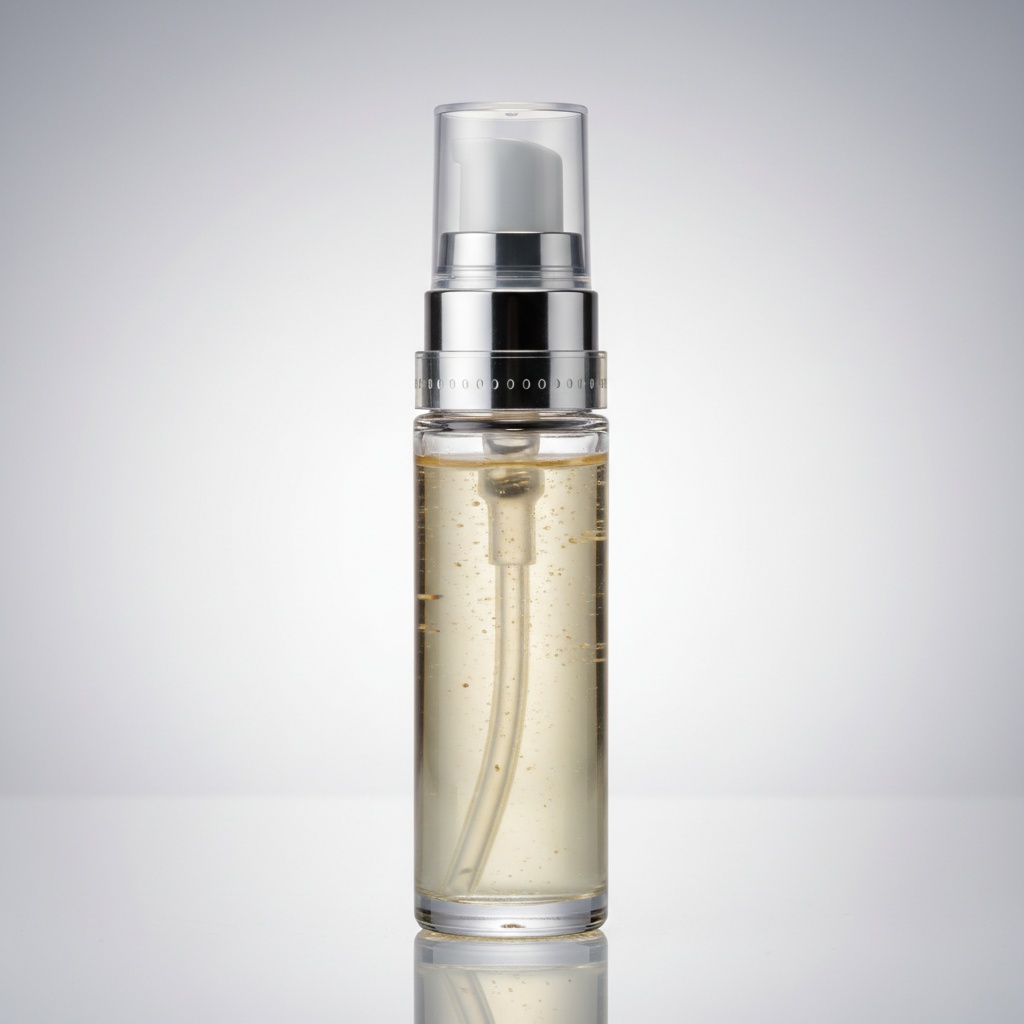
Under 21 CFR 700.25, the FDA mandates tamper-resistant packaging for cosmetic liquid oral hygiene products and vaginal products sold at retail in the United States. The regulation, effective since February 7, 1983, requires that the tamper-resistant indicator remain intact through manufacture, distribution, and retail display. Packages must also carry a prominently placed consumer alert statement describing the tamper evident feature.
The Modernization of Cosmetics Regulation Act (MoCRA), signed in 2022, expanded FDA oversight of cosmetics. The FDA published updated cosmetics packaging guidance in early 2026, reinforcing tamper-resistant requirements and extending manufacturer accountability. Brands selling into the U.S. market need to verify that their packaging meets both legacy 21 CFR 700.25 requirements and any new obligations under MoCRA.
For brands selling into the EU, Regulation (EC) No 1223/2009 requires that packaging must not endanger the safety of the product. While the EU does not have a single tamper-evidence standard equivalent to the FDA rule, GMP compliance under ISO 22716 is mandatory, and tamper evidence is increasingly expected for e-commerce sales under EU market surveillance frameworks.
The e-commerce channel has amplified the importance of tamper evidence for cosmetics. When a customer receives a skincare product through the mail, there is no retail associate to verify shelf integrity. The shrink band, induction seal, or label seal becomes the only trust signal between the brand and the consumer. Brands that skip this step face higher return rates and lower review scores, particularly on marketplace platforms where product authenticity concerns drive purchasing decisions.
According to GlobeNewswire / Future Market Insights, food and beverage accounts for over 35% of the tamper evident packaging market by end-use, but the luxury goods sector is growing at a 4.50% CAGR through 2030. Cosmetic brands that position tamper evidence as a consumer trust feature, not just a compliance checkbox, gain a measurable advantage in these high-growth channels.
6 Types of Tamper Evident Packaging for Cosmetics
Each tamper evident method works through a different physical mechanism, and the right choice depends on your closure type, product category, production speed requirements, and target market regulations.
Shrink bands are PVC or PET film sleeves applied over a closure and heat-shrunk to conform tightly to the bottle neck and cap junction. When the cap is twisted, the band tears along a perforation line and cannot be reapplied. Shrink bands are the most versatile tamper evident option for cosmetics because they work with virtually any bottle shape and closure type. On our production lines, we apply shrink bands after filling using a heat tunnel integrated into the packaging line.
Induction seals use electromagnetic energy to bond an aluminum foil liner to the rim of a container. The consumer peels away the foil to access the product. Induction sealing is the largest technology segment in the tamper evident market, according to Precedence Research, because it provides both tamper evidence and a hermetic barrier against moisture and oxygen. For lotions, creams, and liquid foundations, induction seals offer dual functionality that shrink bands cannot match.
Breakaway neck bands (or tear-off rings) are molded directly into the closure. The ring snaps away from the cap body during the first opening, leaving a visible gap. This is the most common tamper evident feature on screw-cap cosmetic bottles because it requires no additional application step. The closure arrives from the mold with the band already integrated.
Label seals are adhesive labels applied across a closure or lid seam that tear or leave a “VOID” pattern when removed. Label seals are popular for jar packaging, where shrink bands may not conform well to wide-mouth geometries. They also allow brands to incorporate anti-counterfeit features like holographic printing or QR codes directly on the seal.
Overwrap films encase the entire package in a transparent film that must be torn to open. Overwrap is common in prestige cosmetics and gift sets where the unboxing experience matters. The film signals “new and unopened” at the shelf or upon delivery.
Tape seals use tamper evident adhesive tape applied to carton flaps, box seams, or secondary packaging. When removed, the tape leaves behind a residue pattern or printed message. Tape seals are primarily used for outer packaging and shipping containers rather than primary product packaging.
Tamper Evident Packaging Comparison for Cosmetics
| Type | Best Cosmetic Application | Visual Indicator | Works With Complex Closures | Recyclability Impact |
|---|---|---|---|---|
| Shrink Band | Serums, toners, dropper bottles | Torn perforated film | Yes, highly adaptable | Requires separation before recycling |
| Induction Seal | Lotions, creams, foundations | Peeled/ruptured foil liner | Limited to wide-mouth closures | Foil must be removed and separated |
| Breakaway Neck Band | Screw-cap bottles, mist sprayers | Snapped ring below cap | Integrated into cap mold | Recycled with closure |
| Label Seal | Jars, compacts, palettes | Torn label or VOID pattern | Yes, surface-applied | Paper-based options available |
| Overwrap Film | Gift sets, prestige packaging | Removed transparent film | Yes, covers entire package | Requires separation |
| Tape Seal | Shipping cartons, outer boxes | Residue pattern on surface | N/A (secondary packaging) | Minimal impact |
Tamper Evidence for Pumps, Droppers, and Airless Bottles
Most guides on tamper evident packaging focus on simple screw-cap bottles. But cosmetic brands increasingly use complex closure systems, including pump dispensers, dropper assemblies, and airless pump bottles, where standard tamper evident approaches need adaptation.
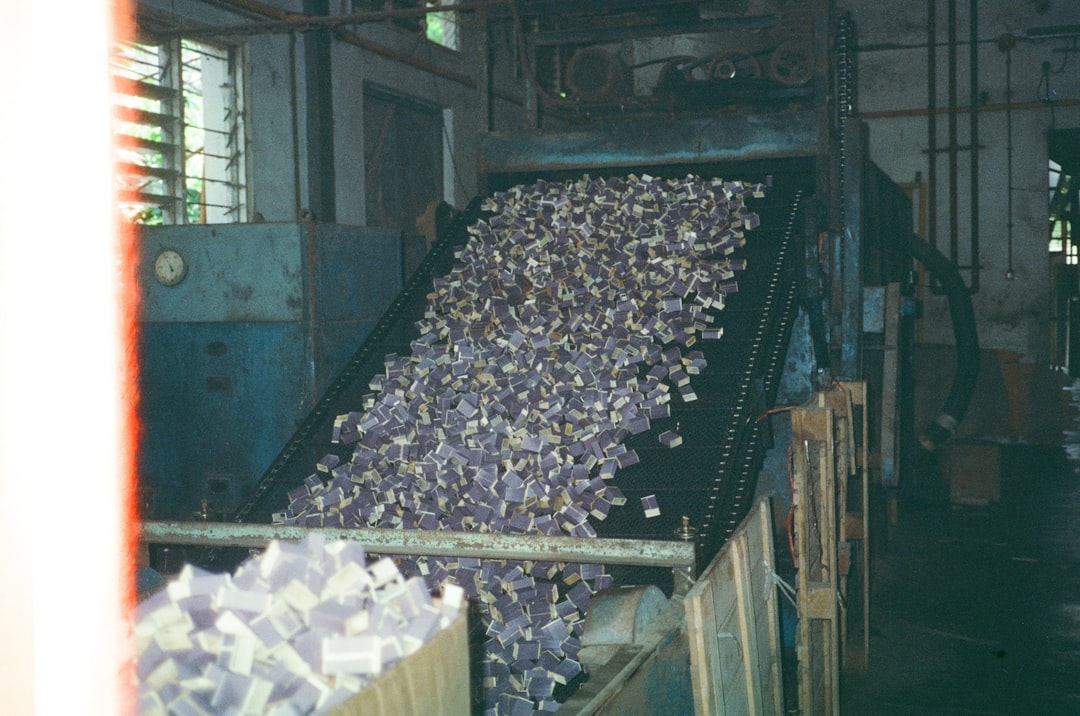
Pump bottles present a specific challenge because the pump head sits above the collar, creating a tall profile that shrink bands must cover without interfering with pump actuation. The solution is a perforated shrink sleeve that covers only the collar-to-bottle junction, not the pump head itself. When the consumer first presses the pump, the band tears at the perforation. We design the perforation placement during the tooling stage to ensure clean separation without leaving sharp film edges.
Dropper bottles with pipette assemblies are typically sealed with a shrink band around the collar where the rubber bulb assembly meets the glass or plastic body. The band must be tight enough to prevent rotation of the dropper cap during transit but not so tight that it distorts the bulb or makes removal difficult for the consumer. On our serum bottle lines, we calibrate the heat tunnel temperature to achieve consistent shrink without deforming the pipette housing.
Airless pump bottles are the most complex case. The pump mechanism is integral to the bottle design, and the dispensing actuator must remain locked during shipping. Most airless bottles use a twist-lock or clip-lock mechanism as a functional lock, but this is not tamper evidence because the consumer cannot see whether the lock has been previously engaged and disengaged. Adding a shrink band over the actuator-to-body junction solves this problem. The band confirms that the entire unit is factory-sealed, separate from the mechanical lock that prevents accidental dispensing.
Oulete manufactures airless pump bottles, dropper bottles, pump bottles, and cosmetic tubes with tamper evident features integrated into the packaging design from the tooling stage. This means the tamper evident method is not an afterthought applied by a third-party converter. It is part of the same production process that molds the bottle and assembles the closure.
How to Specify Tamper Evident Requirements When Sourcing from China
Sourcing tamper evident cosmetic packaging from Chinese manufacturers requires precision in your specifications. Vague requests like “add tamper evidence” produce inconsistent results because different factories interpret the requirement differently.
When brands reach out to us for tamper evident packaging, we ask five specific questions before quoting. These same questions form a practical checklist for any buyer sourcing from a Chinese packaging manufacturer.
1. Which tamper evident method do you need? Specify shrink band, induction seal, breakaway ring, label seal, or overwrap by name. If you are unsure, describe your closure type and target market, and the manufacturer should recommend the appropriate method.
2. What is your target market’s regulatory requirement? FDA 21 CFR 700.25 for the U.S., EU GMP (ISO 22716) for Europe, or China GB 5296.3-2008 for Chinese domestic retail. Each standard has different expectations for the type and placement of tamper evident features.
3. Do you need the tamper evident feature applied at the factory or by your contract filler? Shrink bands and induction seals can be applied during either manufacturing or filling. Breakaway neck bands must be molded into the closure during manufacturing. This decision affects your supply chain logistics and cost structure.
4. What are your decoration requirements on or near the tamper evident feature? Shrink bands can be printed with brand graphics, regulatory warnings, or authentication codes. Induction seal liners can carry printed messages revealed upon removal. These decorations must be specified before tooling begins.
5. What certifications does the manufacturer hold? For tamper evident packaging destined for regulated markets, verify the manufacturer’s ISO 9001, GMP, and any market-specific certifications. Oulete holds ISO 9001, CE, SGS, and GMP certifications, which are auditable and documented for buyer due diligence.
This checklist prevents the most common sourcing mistakes: receiving packaging without the correct tamper evident method, discovering at the filling line that the feature interferes with the closure mechanism, or failing a regulatory review because the tamper evident indicator does not meet the target market’s standard.
Sustainable Materials and Tamper Evidence: What Works with PCR
As cosmetic brands shift to PCR (Post-Consumer Recycled) materials, a practical question surfaces: do tamper evident features work the same way on recycled plastics as they do on virgin resins?
Breakaway neck bands molded from PCR PP or PCR PE perform comparably to virgin material in most applications. The snap force, hinge integrity, and visual break pattern remain consistent when PCR content stays within standard ranges. Oulete compounds PCR materials in-house at ratios from 10% to 50% for PP, PE, and PET, and our testing confirms that breakaway ring performance is not degraded at these PCR levels.
Shrink bands are material-agnostic in their application. The band is applied to the outside of the closure and bottle, so the substrate material, whether virgin or PCR, does not affect shrink band adhesion or tear behavior. The concern with shrink bands is the band material itself, not the container. PET shrink bands are more recyclable than PVC bands, and brands targeting sustainability should specify PET when requesting shrink band tamper evidence.
Induction seals require a compatible liner material and container rim surface. PCR containers can have slightly different surface characteristics than virgin resin, including variation in rim flatness and porosity. Testing reveals that induction seal bond strength should be verified on PCR containers before committing to production. We recommend running a sealing trial with the actual PCR container and liner combination before finalizing the packaging specification.
According to Precedence Research, plastic dominates the tamper evident packaging material segments with over 44% market share due to versatility and cost-effectiveness. As PCR adoption accelerates across the cosmetics industry, the intersection of sustainable packaging and tamper evidence will become a standard specification requirement rather than a niche concern.
Choosing the Right Tamper Evident Method for Your Product
The decision between tamper evident methods is not purely technical. It involves regulatory requirements, consumer perception, production line compatibility, and cost at your expected order volume.
For serums and dropper bottles, shrink bands are the most practical option. They accommodate the irregular profile of a dropper assembly, provide clear visual evidence of opening, and can be applied at high speeds on automated lines.
For lotions, foundations, and cream products, induction seals provide the strongest case because they combine tamper evidence with a moisture and oxygen barrier. The dual functionality justifies the slightly more complex application process.
For pump dispensers and mist sprayers, breakaway neck bands molded into the closure are the cleanest solution. The tamper evident feature is built into the component, requires no secondary application step, and does not interfere with pump actuation.
For jars and wide-mouth containers, label seals or overwrap are preferred. Shrink bands struggle with wide-diameter openings, and induction seals require a flat, uniform rim that some jar designs do not provide.
For e-commerce and D2C brands, consider combining a primary tamper evident feature (shrink band or induction seal on the product) with a secondary feature (tape seal on the shipping box). The double layer addresses both product integrity and shipping security, which is particularly relevant for marketplace channels where products pass through multiple handling stages before reaching the consumer.
According to Shosky Security / FMI, the e-commerce segment of the tamper evident packaging market is growing at a 5.10% CAGR through 2030, faster than any other sector. Brands that treat tamper evidence as a multi-layer system, covering both primary and secondary packaging, are better positioned for the channel shift toward direct fulfillment.
The specifications you write today determine the trust signals your customers see six months from now. Start by defining your regulatory requirements, then select the tamper evident method that fits your closure type and production process. Request samples with your actual containers and formulations before committing to tooling, because the only reliable test is the one that uses your real product.
Frequently Asked Questions
What is the difference between tamper evident and tamper resistant packaging?
Tamper evident packaging provides visible, irreversible evidence that a container has been opened or accessed; it does not prevent opening. Tamper-resistant packaging is designed to make unauthorized access difficult through materials or mechanisms that resist opening. The FDA uses “tamper-resistant” in 21 CFR 700.25 for cosmetics, but the industry commonly uses “tamper evident” to describe features that reveal, rather than prevent, unauthorized access.
Which types of tamper evident packaging does the FDA require for cosmetics?
The FDA requires tamper-resistant packaging under 21 CFR 700.25 specifically for cosmetic liquid oral hygiene products and vaginal products sold at retail. Acceptable technologies include shrink bands, induction seals, sealed pouches, and breakable caps. While not all cosmetics categories are covered by this regulation, MoCRA has expanded FDA cosmetics oversight, and brands should verify current requirements for their specific product category.
How do shrink bands work as tamper evidence on cosmetic bottles?
Shrink bands are PVC or PET film sleeves placed over the junction between a bottle cap and body, then heated to conform tightly to the container profile. A perforation line allows controlled tearing when the cap is first opened. Once torn, the band cannot be reattached or re-shrunk, providing permanent visual evidence that the closure has been removed.
What is induction sealing and when should cosmetic brands use it?
Induction sealing is a process that uses electromagnetic energy to bond an aluminum foil liner to a container rim, creating a hermetic seal. Cosmetic brands should use induction seals when they need both tamper evidence and a barrier against moisture, oxygen, or contamination. This method is most effective for lotions, creams, and liquid foundations packaged in bottles or jars with flat, uniform rim surfaces.
Can tamper evident packaging be made from sustainable or recycled materials?
Breakaway neck bands molded from PCR PP or PE perform comparably to virgin materials at recycled content ratios up to 50%. Shrink bands are material-agnostic in application and can be specified in recyclable PET rather than PVC. Induction seals on PCR containers require bond strength verification before production. Overall, tamper evident features are compatible with sustainable packaging strategies when the material combinations are tested and validated.
What tamper evident options work with airless pump bottles?
Airless pump bottles typically use a shrink band applied over the junction between the actuator housing and the bottle body. The band confirms factory-sealed status independently from the mechanical twist-lock or clip-lock that prevents accidental dispensing during shipping. The shrink band is applied after final assembly and tested for clean tear behavior specific to the airless bottle geometry.
How do I specify tamper evident requirements when sourcing packaging from China?
Specify the exact tamper evident method by name, your target market’s regulatory standard (FDA, EU GMP, or China GB), whether application happens at the factory or filling line, any decoration on the tamper evident feature, and the manufacturer’s quality certifications. Vague requests produce inconsistent results because different factories interpret “tamper evidence” differently.
What is the difference between child-resistant closures and tamper evident packaging?
Child-resistant closures are designed to prevent children under five from opening a package within a defined time period, governed by CPSC protocols under the Poison Prevention Packaging Act (PPPA). Tamper evident packaging reveals whether a package has been previously accessed. Some closures combine both features, but each addresses a separate safety function and regulatory requirement.