


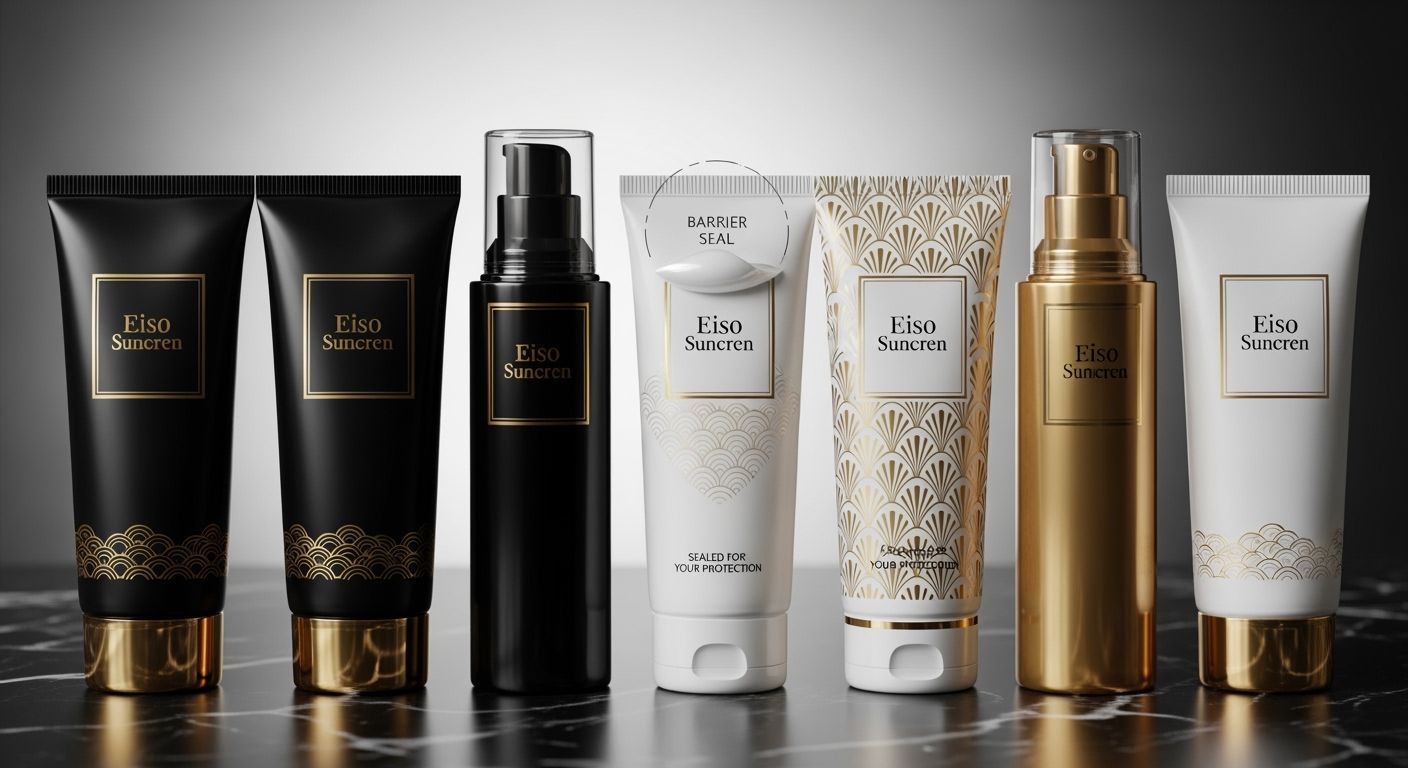
You need to consider cap type, barrier performance, and decoration options when choosing sunscreen packaging. These aspects protect your formula, improve usability, and strengthen your brand’s image. Advanced materials like laminate and metal tubes help block UV rays, oxygen, and microbes. High-end decoration techniques set your product apart and reinforce luxury positioning.
You must focus on procurement, customization, and supply chain efficiency to meet market and regulatory demands. If your sunscreen project requires tube structure selection, cap matching, or decoration planning, Oulete’s cosmetic tube packaging options can help you compare suitable formats.
Aspect | Impact on Shelf Life and Brand Perception |
|---|---|
Barrier Performance | Laminate tubes block UV rays, oxygen, and microbes, preserving formula stability |
Product Stability | Stabilizes SPF molecules for consistent results |
Brand Differentiation | High-end aesthetics improve visual identity and luxury positioning |
Competitive Advantages | Advanced tube solutions enhance credibility and customer trust |
You must focus on procurement, customization, and supply chain efficiency to meet market and regulatory demands. |
Key Takeaways
Choose the right cap type for your sunscreen tube to enhance usability and protect the formula.
Select barrier materials like ABL or PBL to ensure product stability and extend shelf life.
Utilize high-quality decoration techniques to strengthen brand identity and attract customers.
Test compatibility between your formula and tube material to prevent leaks and maintain quality.
Implement efficient procurement strategies to manage costs and adapt to market demands.
Part1: Cap Types In Sunscreen Tube Packaging
1.1 Closure Options And Functions
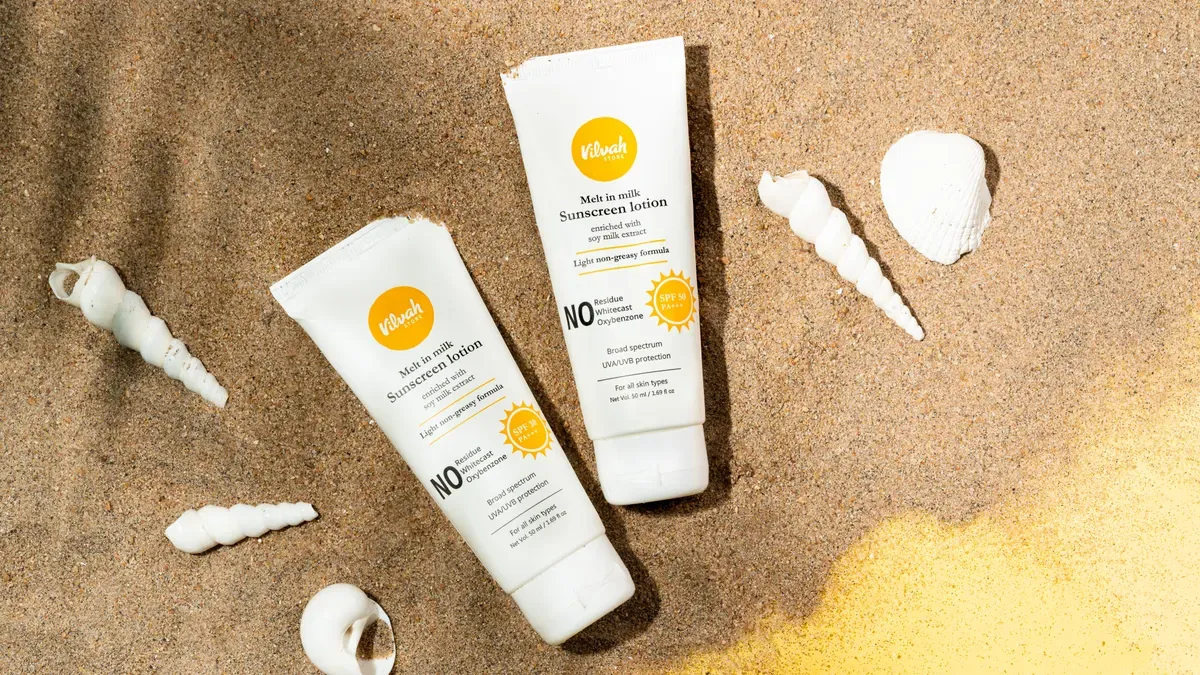
When you select Sunscreen Tube Packaging, you need to choose the right cap type for your product’s needs. The most common cap types include flip-top, screw, standing, nozzle, and custom closures. Each option offers unique benefits for sunscreen formulas. The table below summarizes the main types and their features:
Cap Type | Description |
|---|---|
Flip-top caps | Easy to open and close, suitable for frequent use. |
Screw caps | Provides a secure closure, ideal for thicker products. |
Standing caps | Allows the tube to stand upright, enhancing shelf appeal. |
Nozzle caps | Offers precise dispensing, great for lotions and gels. |
Custom closures | Tailored solutions for specific branding or functional needs. |
1.2 Protection And Compatibility
Cap design plays a key role in protecting your sunscreen formula. Screw caps offer high leak prevention and excellent product integrity, while flip-top caps provide good protection and high convenience. The table below compares these options:
Cap Type | Leak Prevention | Product Integrity | Convenience | Hygiene |
|---|---|---|---|---|
Screw Cap | High | Excellent | Moderate | High |
Flip-Top Cap | Moderate | Good | High | Moderate |
You should match the cap type with your tube material to ensure compatibility and maintain product stability.
1.3 Usability And Dispensing
The cap design affects how easily users can open, dispense, and reseal sunscreen. Flip-top caps allow quick access, making them ideal for on-the-go use. Nozzle caps and pump heads provide precise dispensing, which helps reduce waste and mess. Ergonomic designs improve accessibility, especially for users with limited dexterity.
1.4 Procurement And Customization
When you plan procurement, consider minimum order quantities (MOQ) and lead times. Most suppliers require MOQs between 1,000 and 10,000 units for customized caps. Custom tooling costs range from $2,000 to $8,000 as a one-time fee. You can work with suppliers like Oulete to develop tailored closures that fit your brand and functional needs. This approach helps you balance cost, performance, and supply chain efficiency for Sunscreen Tube Packaging.
Part2: Barrier Performance And Material Choices
2.1 ABL, PBL, And Metal Tubes
When you select materials for Sunscreen Tube Packaging, you must weigh the advantages of ABL (Aluminum Barrier Laminate), PBL (Plastic Barrier Laminate), and metal tubes. Each material offers unique protection and performance for sunscreen formulas. ABL tubes use a thin layer of aluminum to block oxygen and light, making them ideal for sensitive or high-SPF products. PBL tubes rely on EVOH (ethylene vinyl alcohol) for their barrier, which works well for less aggressive formulas and offers a lighter, more flexible feel. Metal tubes, often made from pure aluminum, provide the highest level of protection but can be less flexible and more expensive.
The table below compares the key barrier properties of ABL and PBL tubes:
Feature | ABL Laminate Tubes | PBL Laminate Tubes |
|---|---|---|
Oxygen Barrier | Excellent – Blocks 99%+ oxygen | Very good – EVOH barrier resists oxygen well but slightly less than ABL |
Light Protection | Superior – strong aluminum foil | Moderate – EVOH offers less UV/light defense |
Chemical Resistance | High – great for aggressive formulas | Moderate – ideal for less aggressive cosmetic products |
Water Vapor Barrier | Strong – low WVTR values | Good – slightly higher WVTR compared to ABL |
When you consider environmental impact, ABL tubes require bauxite ore for aluminum, while PBL tubes use petroleum-based plastics. ABL tubes consume more energy during manufacturing, but they can be lighter than thicker PBL tubes, which may reduce transportation emissions. ABL tubes also help preserve products longer, reducing waste. The recyclability rate of ABL tubes is expected to reach 50% by 2034, up from 22% in 2025.
2.2 Light, Oxygen, And Moisture Protection
Barrier performance directly affects the stability and shelf life of sunscreen. ABL tubes provide near-zero oxygen transmission and excellent water vapor protection. PBL tubes, while very good, allow slightly more oxygen and moisture to pass through. EVOH tubes offer good oxygen barriers but do not match the performance of ABL tubes.
Tube Type | Oxygen Transmission Rate (OTR) | Water Vapor Transmission Rate (WVTR) |
|---|---|---|
EVOH Tubes | Very good, higher than ABL | Moderate, lower than ABL |
ABL Tubes | Near zero | Excellent, lower than EVOH |
Opaque and UV-protective packaging prevents ingredient breakdown from sunlight. Sealed tubes and airless pumps reduce exposure to air and bacteria, maintaining formula integrity. Thermal-resistant packaging helps minimize degradation from high temperatures.
2.3 Formula Compatibility And Shelf Life
You must ensure that your chosen tube material is compatible with your sunscreen formula. Some formulas contain oils, solvents, acids, or essential oils that may react with plastic tubes, causing swelling, stress cracking, or softening. Packaging additives can migrate into the sunscreen over time, affecting quality. Compatibility testing is crucial. Fill a sample tube with your actual formula and store it in a warm area for several weeks. Check for leaks, swelling, or cracks, and observe any changes in color or odor. Certain ingredients can degrade specific tube materials, leading to leaks or changes in the product.
Test each formula with the intended tube material before full-scale production.
Monitor for physical changes and any shifts in product appearance or smell.
Use tubes with proven chemical resistance for aggressive or high-SPF formulas.
2.4 Cost, MOQ, And Supply Chain
Material selection impacts both cost and supply chain management for Sunscreen Tube Packaging. Raw material prices for aluminum, plastic, and adhesives can fluctuate, affecting production costs and profit margins. Material scarcity may cause manufacturing delays, especially for sustainable or recyclable packaging. You should evaluate manufacturers based on their expertise with your preferred materials and their minimum order quantities (MOQs). Look for suppliers with industry certifications and strong quality control.
For high-volume skincare lines, a Blanket Purchase Order (BPO) allows for optimized machine use and better pricing. Limited-edition products with specialized materials require early material pre-purchasing and careful project management. For new products with uncertain demand, use a rolling forecast model and negotiate flexible MOQs.
For standard materials and predictable sales, initiate a Blanket Purchase Order with quarterly deliveries.
For specialized materials, prioritize pre-purchasing agreements to secure supply.
For new launches, use a rolling forecast and flexible MOQs to manage risk.
Tip: You can learn more about procurement strategies and supply chain solutions for cosmetic packaging on Oulete’s packaging services page.
By understanding these factors, you can make informed decisions that protect your product, support your brand, and streamline your supply chain.
Part3: Decoration Options For Sunscreen Tubes
3.1 Printing And Metallic Effects
You have many decoration techniques to choose from when customizing Sunscreen Tube Packaging. Each method offers unique benefits for branding and shelf appeal. Here is a quick overview:
Decoration Technique | Description | Benefits |
|---|---|---|
Offset Printing | High-quality graphics, precise color matching | Best for large orders |
Screen Printing | Durable, vibrant spot colors | Great for bold, simple designs |
Hot Stamping | Metallic accents, foil effects | Adds luxury and sophistication |
Label Application | Flexible, easy for small batches | Cost-effective for limited runs |
Shrink Sleeves | Full-surface coverage, intricate designs | Allows creative, eye-catching graphics |
Hot stamping creates metallic and foil effects that signal luxury. UV printing delivers vibrant, durable colors. These techniques help your product stand out on crowded shelves.
3.2 Custom Branding And In-Mold Labeling
Custom branding lets you build a strong identity for your sunscreen line. In-mold labeling (IML) fuses graphics directly into the tube during molding, creating a seamless, durable finish. This method resists scratching and fading, which keeps your branding sharp throughout the product’s life. Unique decoration, such as metallic accents against matte finishes, can increase perceived value and support premium pricing.
3.3 Regulatory And Practical Factors
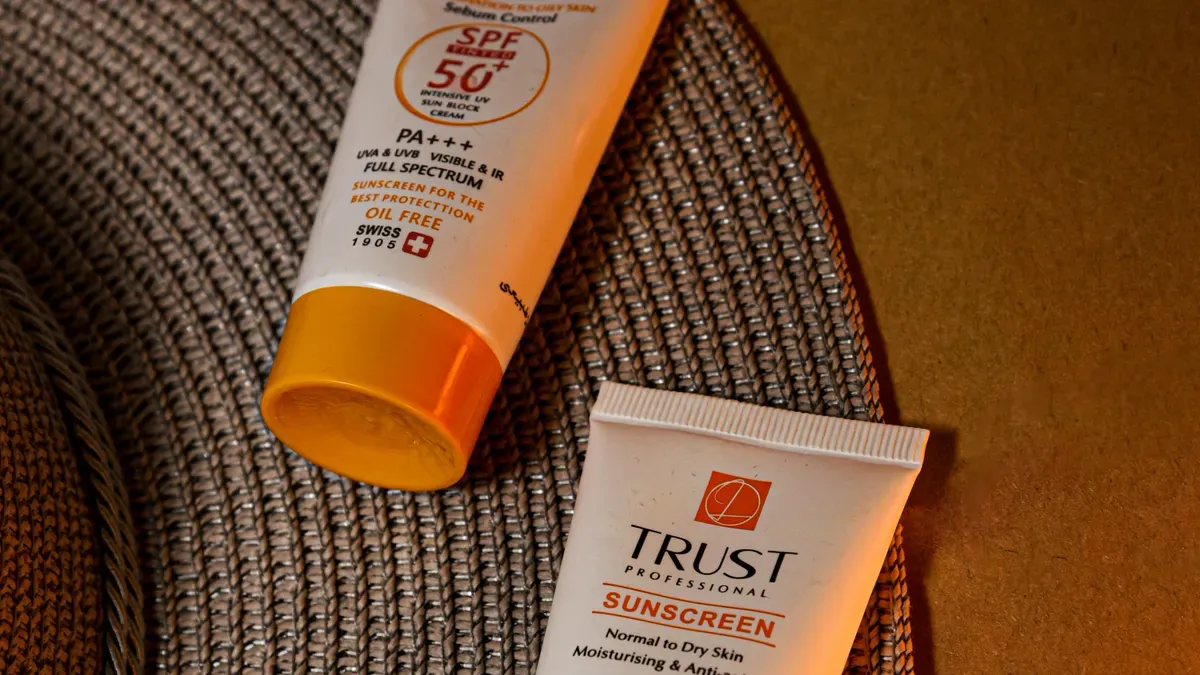
You must follow strict regulations for sunscreen packaging decoration and labeling. Major markets require you to display SPF value, water resistance duration, active ingredients, usage directions, and safety warnings. Here is a summary:
Requirement | Description |
|---|---|
SPF Value | Must be shown on the packaging |
Water Resistance | Duration must be indicated |
Active Ingredients | List required |
Usage Directions | Clear instructions needed |
Warnings | Safety warnings must be included |
You also need to include the responsible party’s name and address, nominal content, and a full ingredient list. Packaging must meet recyclability and waste reduction goals. For more details, see Oulete’s skincare packaging compliance guide.
3.4 Sampling, Lead Time, And Quality
Sampling helps you verify decoration quality before full production. Decorated tube samples usually take 20–25 days after order confirmation. Free stock-color samples are often available for initial review. Always check for color accuracy, print durability, and finish consistency. Reliable suppliers will provide quality control reports and support your procurement process.
You improve product protection and brand value when you select the right cap type, barrier material, and decoration options for Sunscreen Tube Packaging. You align packaging choices with formula needs, branding, and procurement efficiency. Consider these benefits:
Effective packaging choices enhance procurement efficiency and reduce costs.
Sustainable options strengthen customer loyalty and transform logistics into brand storytelling.
Just-in-time procurement lowers storage costs and adapts to market changes.
Successful brands integrate packaging decisions into product launch strategies:
Refillable containers encourage repeat purchases.
Airless pumps maintain product stability.
Unique shapes and vibrant colors reinforce brand identity.
You should consult packaging experts for tailored solutions and successful launches.
FAQ
What is the typical lead time for custom sunscreen tube packaging?
You can expect a lead time of 25–35 days for custom sunscreen tubes. This includes design approval, sampling, and production. For urgent projects, you can contact Oulete for a quote and timeline.
How do you choose the best tube material for sunscreen formulas?
You should match your formula’s sensitivity to light, oxygen, and chemicals with the right tube material. ABL works best for high-SPF or sensitive products. PBL suits less aggressive formulas. Always test compatibility before finalizing.
What is the minimum order quantity (MOQ) for decorated tubes?
Most suppliers set MOQs between 1,000 and 10,000 units for decorated tubes. Custom colors or finishes may require higher quantities. You should confirm MOQ with your supplier early in the project.
How can you ensure print quality and color accuracy?
You should request pre-production samples and review them for color, finish, and durability. Reliable suppliers provide quality control reports. Sampling helps you avoid costly errors in large orders.
What decoration options help your brand stand out?
You can use hot stamping, metallic effects, and in-mold labeling for a premium look. Unique shapes and vibrant colors also boost shelf appeal. Explore more decoration ideas on Oulete’s tube packaging page.