


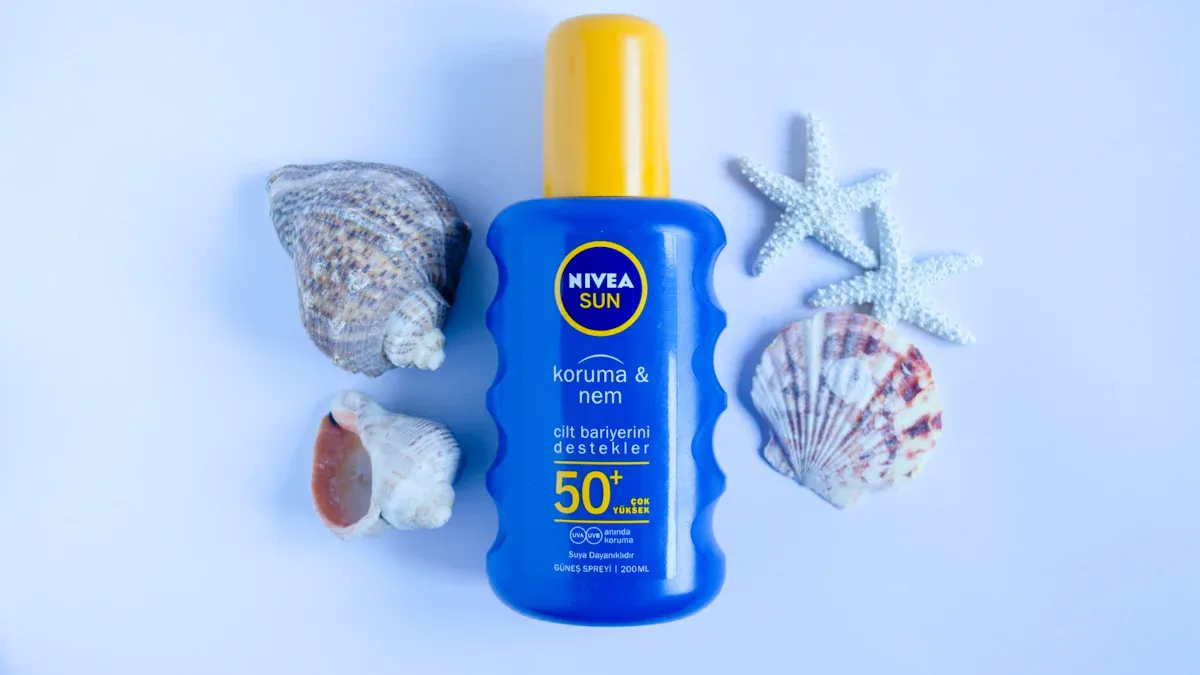
Picking the best sunscreen spray bottle can seem hard. You want to keep your skin safe from uv rays. You also care about safety and the planet. Some people like aerosol sprays because they cover skin fast. They also seem easy to use. Other people like non-aerosol sprays for better control. These sprays have less chance of breathing in tiny bits. Think about what is most important to you. Do you want easy use, strong skin protection, or a sunscreen that is good for the earth?
Key Takeaways
- Aerosol sprays cover skin fast but can miss spots. Wind and how you spray can cause this. Non-aerosol sprays let you control where you spray. They help you put sunscreen on evenly.
- Non-aerosol sunscreens are safer for kids. They are good for sensitive skin too. They lower the risk of breathing in spray. You can put them on more carefully.
- Think about the environment when picking sunscreen. Non-aerosol types use recyclable bottles. They have fewer bad chemicals.
- Aerosol sunscreens cost more for each ounce. Non-aerosol sunscreens last longer. They give you more for your money.
- Always check your skin after you use sunscreen. Look for shiny spots you missed. Rub in those areas to protect your skin.
Quick Comparison of Sunscreen Spray Bottle Types
Aerosol vs. Non-aerosol Overview
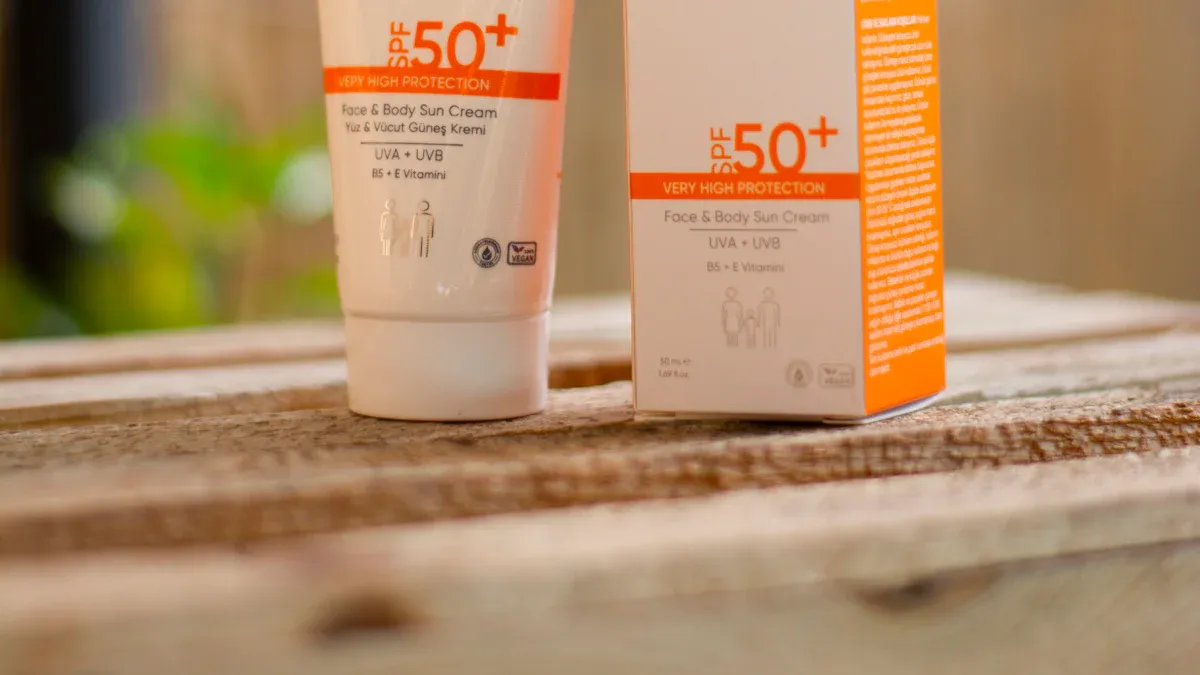
You may wonder how aerosol and non-aerosol sunscreens compare. Here is a simple table to help you see the main differences:
| Attribute | Aerosol Sunscreen | Non-Aerosol Sunscreen |
|---|---|---|
| Coverage Accuracy | Medium – depends on how you spray it | High – you can see and feel where it goes |
| Application Speed | Fast – good for big areas | Slower – you need to rub it in |
| Reapplication Ease | Easy over clothes or light layers | Can get messy, especially with makeup |
| Kids & Sensitive Skin | Not safe to breathe in; not for faces | Safer, especially mineral sunscreen |
| Portability | Small but some rules for planes | Many leak-proof bottles |
| Environmental Impact | Aerosol cans add to air pollution | Better for earth; tubes can be recycled |
| Cost Efficiency | Usually costs more for each ounce | Saves money because it lasts longer |
Aerosol sunscreen covers your skin quickly. It is easy to use when you need to spray arms and legs fast. Non-aerosol spray sunscreen lets you control where it goes. You can see the spots you cover, so you do not miss any. If you want a sunscreen for kids or sensitive skin, mineral sunscreen in a non-aerosol bottle is safer.
Experts say non-aerosol spray sunscreen is safer for people and the planet. You do not breathe in as many chemicals from non-aerosol sprays. These bottles use fewer chemical propellants, so they are better for the air. Non-aerosol bottles also have more packaging that you can recycle.
Aerosol sunscreen usually costs more for the same amount. Non-aerosol sunscreen lasts longer and gives you more for your money. If you travel, check if you can bring aerosol cans on planes. Non-aerosol bottles are leak-proof, so you can put them in your bag.
You should pick the sunscreen spray bottle that fits your needs. Do you want something fast, safe, or good for the earth? Think about what matters most before you choose.
Spray Sunscreen Effectiveness

Coverage
When you grab a spray sunscreen bottle, you probably want to cover your skin fast. Aerosol sprays seem easy. You just press the button and mist your arms, legs, and back. But did you know that a lot of the spray can miss your skin? Studies show that up to 60% of aerosol particles float away because of wind or even the way you hold the bottle. That means your ears, jawline, and other tricky spots might not get enough sunscreen. You might think you covered everything, but some areas stay exposed to uv rays.
Non-aerosol spray sunscreen gives you more control. You can aim the nozzle and see where the sunscreen lands. You often need to rub it in, but this helps you spot places you missed. You get more even coverage, so your skin stays safer from uv. If you want to make sure you protect every inch, non-aerosol bottles help you do that. You spend a little more time, but you get better results.
Tip: Always check your skin after spraying. Look for shiny spots and rub in any extra sunscreen. This helps you avoid missed patches and keeps your protection strong.
Protection
You want your sunscreen to block uv rays and keep your skin safe. The level of protection depends on how much sunscreen sticks to your skin. Aerosol sprays use propellants to push the sunscreen out. These propellants can take up a big part of the bottle—sometimes more than half. That means you get less actual sunscreen for each spray. If you use aerosol spray sunscreen, you might not get the full SPF protection promised on the label.
Non-aerosol spray sunscreen usually gives you more reliable protection. You get more sunscreen per spray, so your skin gets a thicker layer. This helps block uv rays better. Non-aerosol bottles also make it easier to apply broad spectrum protection, which guards against both UVA and UVB rays. If you want water resistance, check the label. Many non-aerosol options offer strong water resistance, so you can swim or sweat without losing your shield.
- Aerosol sprays often lose product to the air, especially outside.
- Non-aerosol sprays stick to your skin and give you better resistance against sun and water.
- You get more SPF protection with non-aerosol bottles because less product is wasted.
If you want the best protection, take your time with spray sunscreen. Make sure you cover every spot and use enough product. Your skin will thank you!
Safety Concerns with Spray Sunscreen
Inhalation Risks
When you use spray sunscreen, you see mist in the air. Breathing in these tiny bits can be bad for you, especially for kids. Health experts like the FDA and CDC worry about breathing in spray sunscreen. They say you should not spray it near your face or mouth. If you have asthma or trouble breathing, you must be extra careful.
Here are some important things to remember:
- The FDA is still checking if breathing in spray sunscreen is safe, especially for kids.
- Pediatricians say not to use spray sunscreen on kids with asthma or breathing problems.
- The CDC says do not spray sunscreen on your face. Spray it on your hands first, then rub it on your skin.
- Always keep spray sunscreen away from your eyes and mouth.
Tip: To stay safe, use your hands to put sunscreen on your face and your child’s face. This helps you avoid breathing in bad particles.
Many people think aerosol sunscreens are always safe, but that is not true. Breathing in the mist can cause problems, so use spray sunscreen where air moves well.
Skin Sensitivity
Your skin can react to sunscreen ingredients. Some people have skin that gets red or itchy after using some products. Aerosol sunscreens can sometimes cover skin unevenly and may cause airborne contact dermatitis. This means you could get a rash from the mist landing on your skin or floating in the air.
Dermatologists found that fragrance is the most common allergen in sunscreen. Many products, including non-aerosol and liquid sunscreen, have fragrance. If you have sensitive skin, check the label for fragrance and other things that might bother you. Sunscreen makers must pick their ingredients carefully to keep your skin safe. If you have allergies or autoimmune conditions, you must be extra careful with what you use.
Note: Mineral sunscreen is often better for people with sensitive skin. It uses zinc oxide or titanium dioxide, which are less likely to cause irritation and protect against uv rays.
Children’s Safety
You want your child safe in the sun, but you also want to avoid risks from sunscreen. Pediatricians usually say to use lotion or mineral sunscreen for kids. They worry about breathing in spray sunscreen, especially aerosol sunscreens. If you only have spray sunscreen, you can use it, but be careful.
Here are some tips for keeping your child safe:
- Use lotion or mineral sunscreen if you can.
- If you must use spray sunscreen, spray it on your hands first, then rub it on your child’s skin.
- Never spray sunscreen near your child’s face, eyes, or mouth.
- Mineral sunscreens with zinc oxide or titanium dioxide are less likely to bother your child’s skin.
- Any sunscreen is better than none, but always try to use the safest one.
Remember: Keeping your child safe from uv is important, but you also need to think about how you put on sunscreen. Pick the safest way for your family.
Convenience Factors
Ease of Use
You probably want a sunscreen that makes life easier. Aerosol spray sunscreen feels quick and simple. You press the button, and a fine mist covers your skin. This works well when you need to get ready fast or reach tricky spots like your back. Still, many people find it hard to know how much sunscreen they actually use. You might spray for too short a time or miss patches, which lowers resistance against the sun. Product reviews often mention that users struggle to apply the right amount. You cannot always see where the mist lands, so you risk uneven coverage.
Non-aerosol spray sunscreen gives you more control. You can aim the nozzle and see the product hit your skin. You usually need to rub it in, but this helps you spot missed areas. You get better resistance and coverage. The Cancer Council recommends lotion or cream sunscreens for better visibility and protection.
Tip: Always check your skin after spraying. Look for shiny spots and rub in any extra sunscreen to boost resistance.
Portability
Traveling with sunscreen can be tricky. You want something that fits in your bag and passes airport security. Here’s a quick table to show the limits for different types:
| Type of Sunscreen | Carry-On Limit | Checked Bag Limit | Additional Notes |
|---|---|---|---|
| Aerosol | 3.4 oz (100 ml) | 17 fl oz (500 ml) | Must secure lids to prevent leaks; consider using ziplock bags. |
| Liquid | 3.4 oz (100 ml) | 17 fl oz (500 ml) | Follow the 3-1-1 rule for liquids in carry-ons. |
| Solid (Sticks) | No limit | No limit | Not subject to liquid restrictions, ideal for travel. |
You should store aerosol spray sunscreen upright in your liquids pouch. Tape the nozzle if you check it in your luggage. Use a clear toiletry bag for easy access during security checks. Non-aerosol bottles often leak less, so you can toss them in your bag without worry. Solid sticks offer the best portability and are not subject to liquid rules.
Messiness
Messiness matters when you use sunscreen. Aerosol sprays can leave sticky residue on surfaces and clothes. The mist floats in the air and lands everywhere, not just on your skin. You might notice oily spots on your phone or sunglasses after spraying. Non-aerosol spray sunscreen tends to be less messy. You aim and spray, then rub it in. This keeps the product on your skin and off your stuff. You also avoid wasting product, which helps with water resistance and saves money.
Note: If you want to keep your hands and gear clean, choose a non-aerosol spray sunscreen or a stick. These options help you stay neat and protected.
Environmental Impact of Sunscreen Spray Bottles
Packaging
When you pick a sunscreen spray bottle, you may not think about the packaging after you use it. Bottles are made from different materials. Each material affects the planet in its own way. Here’s a simple look at the most common types:
| Packaging Type | Description | Environmental Impact |
|---|---|---|
| Plastic Bottles | Lightweight and strong | Single-use plastic stays in landfills for years |
| Glass Bottles | Recyclable and tough | Heavier to move, but easier to recycle |
| Aerosol Cans | Simple to use, has propellants | Can send chemicals into the air and hurt the ozone layer |
| Tubes | Made from aluminum or plastic | Hard to recycle, may become pollution |
| Biodegradable/Recycled | New, earth-friendly choices | Made to break down faster and cut down waste |
Not all packaging is the same. Plastic bottles and tubes often become trash. Glass and biodegradable bottles are better if you want to help the earth.
Chemicals
Some sunscreen ingredients can harm the ocean. Chemicals like oxybenzone and octinoxate can damage coral reefs and hurt sea life. These chemicals can bleach coral and mess up fish hormones. Hawaii banned some of these chemicals to protect its reefs.
Here are some chemicals to watch out for:
- Oxybenzone
- Octinoxate
- Benzophenone-1 and -8
- OD-PABA
- 4-Methylbenzylidene camphor
- Octocrylene
- Nano-Titanium dioxide
- Nano-Zinc oxide
- Methylparaben
- Propylparaben
If you want to help the ocean, pick bottles labeled “reef safe.” These usually skip bad chemicals and use minerals like zinc oxide instead.
Recyclability
You may wonder if you can recycle your sunscreen bottle. It depends on the material. Plastic bottles are sometimes recyclable, but many cities do not take them if they have leftover product. Glass bottles are easier to recycle, but you must rinse them first. Aerosol cans can be tricky. Some recycling centers take them, but only if they are empty. Tubes are hardest to recycle because they mix materials.
Tip: Always check your local recycling rules before you throw away your sunscreen bottle. Pick packaging that is easy to recycle or made from recycled materials when you can.
You can help the planet by choosing bottles with less plastic and more recycled or biodegradable materials. Every small choice makes a difference!
Cost and Availability
Price
You probably want to know how much you will spend on a spray bottle. Prices can change a lot based on the type you pick. Aerosol spray bottles often cost more per ounce than non-aerosol ones. You pay for the speed and the fine mist. Non-aerosol bottles usually give you more product for your money. You might notice that mineral options cost a bit more, but they last longer because you use less each time.
Here’s a quick look at what you might pay:
| Type | Average Price (per oz) | Notes |
|---|---|---|
| Aerosol Spray | $1.50 – $3.00 | Fast, but more waste |
| Non-Aerosol Spray | $1.00 – $2.50 | More control, less waste |
| Mineral Spray | $2.00 – $4.00 | Gentle, lasts longer |
Tip: You can save money by buying larger bottles or looking for sales at the start of summer.
Where to Buy
You can find spray bottles almost everywhere. Drugstores like CVS, Walgreens, and Rite Aid keep them on their shelves. Big stores such as Walmart and Target have many choices. Grocery stores often carry popular brands, too. If you like shopping online, check Amazon, Ulta, or the brand’s own website. Some outdoor stores, like REI, sell special formulas for sports or travel.
Here are some places to look:
- Local drugstores and supermarkets
- Big box stores (Walmart, Target)
- Online shops (Amazon, Ulta, brand websites)
- Outdoor and travel stores
Note: Some stores offer store brands that cost less but work just as well. Always check the expiration date before you buy.
You have many options to pick the right sunscreen for your needs and your budget.
Recommendations for Choosing a Sunscreen Spray Bottle
For Families
If you have kids, you want everyone to stay safe. Experts say not to use aerosol sunscreen on young kids. These sprays can put tiny bits in the air. Kids might breathe these in. Non-aerosol bottles or mineral sunscreen lotions are better for little kids. You can control where the sunscreen goes. There is less risk of breathing in bad stuff. If you need to use spray sunscreen, spray it into your hands first. Then rub it on your child’s skin. Do not spray sunscreen right on the face.
Here’s a quick guide for families:
| Recommendation | Details |
|---|---|
| Avoid aerosolized sprays | Kids can inhale particles. Non-aerosol is safer. |
| Use lotions for young kids | Mineral sunscreen lotions are gentle and easy to see on the skin. |
| Application method for sprays | Spray into your hands, then apply to skin. Never spray near the face. |
Tip: Mineral sunscreen is good for sensitive skin. It also gives strong resistance against the sun.
For Athletes
You move a lot and need sunscreen that works fast. Many athletes like aerosol sunscreen because it covers big areas quickly. These sprays feel light and do not leave much on your skin. You can sweat and still feel comfortable. Look for sunscreen that is water resistant and protects against many types of sun rays. Some brands, like Neutrogena Ultimate Sport, are sweatproof and oil-free. They help keep you safe during sports or long workouts.
- Fast spraying saves time before games.
- Sweatproof sunscreen keeps you protected.
- Light sprays do not make you feel sticky.
- Mineral sunscreen sprays have fewer harsh ingredients.
Note: Always check if your sunscreen is water resistant. Put more on after swimming or sweating a lot.
For Eco-conscious Users
You care about the earth and want a sunscreen bottle that helps. Pick bottles made from recycled PET, not new plastic. These bottles make less pollution and use less energy. They also help recycling and cut down on plastic trash. Choose mineral sunscreen with reef safe ingredients to protect the ocean. Look for brands that use green factories and smart shipping to lower pollution.
| Feature | Virgin Plastic | Recycled PET | Environmental Impact |
|---|---|---|---|
| Carbon Footprint | High | Low | Lower CO₂ emissions |
| Energy Consumption | Intensive | Reduced | Saves fossil fuels |
| Recyclability | Moderate | High | Supports reuse loop |
| Consumer Preference Rate | ~55% | ~78% | Eco-conscious appeal |
- Pick mineral sunscreen with reef safe ingredients.
- Stay away from liquid sunscreen with harsh chemicals.
- Support brands that use recycled bottles and green technology.
🌱 Every time you pick a recycled sunscreen spray bottle, you help the earth and the reef.
You have lots to think about when picking a sunscreen spray bottle. Experts say both aerosol and non-aerosol types have strengths and weaknesses:
- Aerosol sprays cover hard-to-reach spots fast, but wind and technique can leave missed areas.
- Non-aerosol sprays give you more control, though you need to rub them in.
“Spray formulations may be convenient, but they often result in uneven coverage. It’s like painting a wall with a fine mist versus using a roller.”
Try both types or ask a dermatologist. Your needs matter most!
FAQ
Can you use spray sunscreen on your face?
You should not spray sunscreen directly on your face. Spray it on your hands first, then rub it in. This keeps the mist out of your eyes and mouth.
Is aerosol sunscreen safe for kids?
Most experts say aerosol sunscreen is not safe for young kids. Kids can breathe in the mist. Choose lotion or non-aerosol spray for children.
How do you get the best coverage with spray sunscreen?
Hold the bottle close to your skin. Spray slowly and evenly. Rub it in to make sure you cover every spot. Check for shiny areas and missed patches.
Are spray sunscreen bottles recyclable?
Some bottles are recyclable, but it depends on the material and your local rules. Empty aerosol cans may go in recycling. Always check the label and your city’s guidelines.