


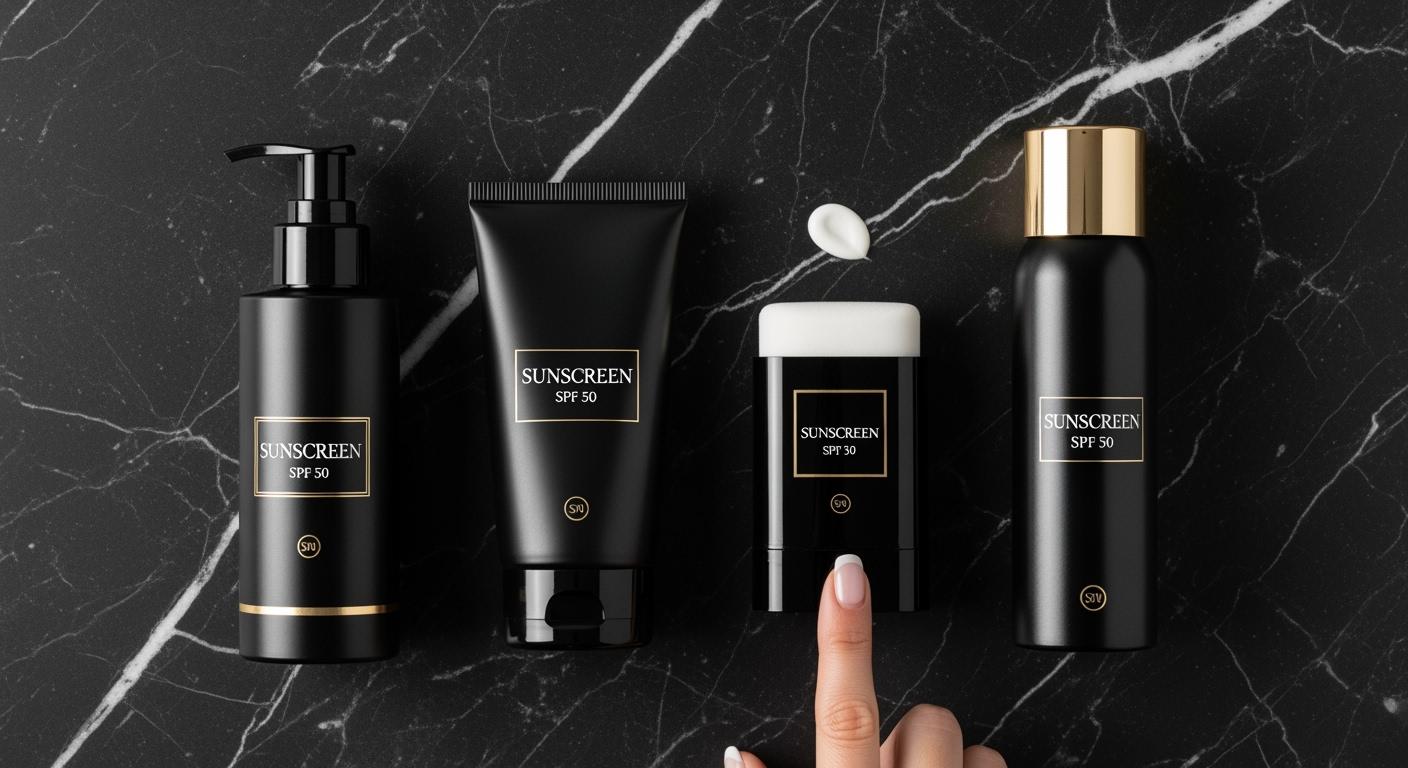
You will find four main sunscreen packaging options: bottles, tubes, sticks, and sprays. Packaging plays a key role in protecting active ingredients from air, light, and temperature changes. UV-resistant coatings and opaque materials help prevent ingredient breakdown. Airtight seals and leak-proof designs ensure stability and reduce spills. The Sunscreen Packaging Guide explores how material choices, clear labeling, and user convenience support product quality and regulatory compliance.
Key Takeaways
Choose the right packaging type—bottles, tubes, sticks, or sprays—to match your sunscreen formulation and customer needs.
Consider sustainability by selecting eco-friendly materials and exploring refillable packaging options to reduce waste.
Ensure clear labeling on your products to meet regulatory requirements and build trust with consumers.
Evaluate the user experience by focusing on convenience, portability, and ease of application for your sunscreen packaging.
Test your packaging for stability and protection against UV damage to maintain product effectiveness and quality.
Part1: Sunscreen Packaging Guide Overview
Choosing the right packaging format shapes the success of your sunscreen product in the market. The Sunscreen Packaging Guide highlights four main packaging types: bottles, tubes, sticks, and sprays. Each option offers unique features that impact product protection, user experience, and brand positioning. Understanding these differences helps you match your packaging to both your product’s formulation and your customers’ needs.
Below is a comparison table that outlines the defining characteristics and usability of each packaging type:
Packaging Type | Characteristics | Usability |
|---|---|---|
Bottles | Firmer body, clear shoulder shape, suitable for liquid SPF | Direct squeeze dispensing, good for larger application areas |
Tubes | Flexible dispensing, suitable for lotions and creams | Squeeze out desired amount, practical for face and body sunscreen |
Sticks | Solid, balm-like structure, twist-up for clean application | Ideal for face touch-ups, portable, suitable for travel |
Sprays | Fast application, great for outdoor use | Convenient for quick application, ideal for the beach |
1.1 Bottles
Bottles remain a staple in the sunscreen industry. You can use bottles for liquid SPF products that require a firmer container and a clear shoulder shape. Bottles allow for direct squeeze dispensing, which works well for covering large areas of skin. Many manufacturers choose bottles because they are cost-effective and lightweight. You can customize bottles with different caps, pumps, or nozzles to suit your product’s viscosity and application method. However, environmental concerns about plastic waste have led some brands to seek alternative materials or recycling programs.
1.2 Tubes
Tubes offer flexibility and practicality for both lotions and creams. You can squeeze out the desired amount, making tubes ideal for controlled application on the face and body. Tubes are portable and fit easily into bags or pockets, which appeals to users who need sunscreen on the go. From a manufacturing perspective, tubes provide a practical solution for travel-sized products. However, recycling tubes can be challenging due to mixed materials, so you may want to explore mono-material options for improved sustainability.
1.3 Sticks
Sticks provide a solid, balm-like structure that twists up for clean and precise application. You can use sticks for targeted areas such as the face, ears, or nose. Sticks are compact and spill-proof, making them suitable for travel and outdoor activities. Many brands see growing popularity in sticks because they offer convenience and reduce mess. Sticks also present eco-friendly potential, especially when you use recyclable or biodegradable materials.
1.4 Sprays
Sprays deliver fast and even coverage, which makes them popular for outdoor use and quick reapplication. You can offer sprays for customers who want convenience at the beach or during sports. Sprays allow for easy use, but you should consider concerns about volatile organic compounds (VOCs) and their impact on the environment. Some regions have regulations on aerosol packaging, so always check compliance requirements before choosing this format.
Tip: Match your packaging format to your product’s texture and your target market’s preferences. For example, bottles work best for liquid sunscreens, while sticks suit solid balms for touch-ups.
The Sunscreen Packaging Guide recommends evaluating each packaging type based on consumer preferences and key features. Here is a summary:
Packaging Type | Consumer Preference | Key Features |
|---|---|---|
Bottles | Cost-effective, lightweight | Customizable, but environmental concerns exist |
Tubes | Portable, easy dosage control | Recycling issues, practical |
Sticks | Compact, spill-proof | Growing popularity, eco-friendly potential |
Sprays | Easy to use, quick application | Concerns over VOCs and ozone depletion |
You should always align your packaging choice with your product’s formulation, your brand’s sustainability goals, and your customers’ expectations. The Sunscreen Packaging Guide serves as a foundation for making informed decisions that support product stability, regulatory compliance, and market appeal.
Part2: Bottles
2.1 Features
You will find that bottles offer a range of features that support both product quality and brand presentation. Manufacturers often choose bottles for their improved material quality, which increases durability and enhances the perceived value of your sunscreen. Enhanced finishes make your product more visually appealing on the shelf. Reliable closures prevent leaks and maintain product integrity during shipping and use. Bottles also provide ample space for branding, allowing you to display your logo and product information clearly. Consistent dispensing and leak-proof designs help you deliver a positive user experience and reduce waste.
Feature | Benefit |
|---|---|
Improved Material Quality | High durability and better consumer perception |
Enhanced Finishes | Increased visual appeal for stronger shelf presence |
Better Closures | Leak prevention and product integrity |
Thoughtful Branding Area | More space for effective marketing and recognition |
Reliable Performance | Consistent dispensing and leak-proof design for user satisfaction |
2.2 Pros and Cons
When you select bottles for sunscreen packaging, you gain several advantages. Bottles support rapid development of material diversity, which lets you choose from options like HDPE and LDPE. These materials are lightweight and cost-effective, making bottles easy to process for mass production. Bottles are also convenient for end users and offer reliable protection for fluid formulas.
However, you should consider some disadvantages. Bottles may have lower luxury perception compared to glass. Environmental concerns exist, especially with plastic waste. Some bottles may interact with sunscreen ingredients, which can affect product stability. Heat resistance and safety can also be issues, depending on the material.
Material | Advantages | Disadvantages |
|---|---|---|
HDPE | Durable, chemical resistant, recyclable | Less flexible, opaque finish |
LDPE | Flexible, transparent, soft texture | Less rigid, lower chemical resistance |
Tip: Evaluate your material choice carefully to balance cost, performance, and sustainability.
2.3 Best Uses
Bottles work best for high-volume, fluid sunscreen formulas. You can use bottles for family-size products or when you need to add pumps and spray dispensers. The Sunscreen Packaging Guide recommends bottles for manufacturers who want reliable, scalable solutions for large-scale production. Bottles help you meet the needs of business clients who value durability, branding opportunities, and efficient supply chain management.
Part3: Tubes
3.1 Features
Tubes offer unique features that set them apart from bottles and other sunscreen packaging formats. You can select soft-touch LDPE material for tubes, which provides flexibility and durability. This material allows for easy dispensing and reduces the risk of breakage during transport. Tubes give you precise dispensing control, so you can minimize waste and ensure consistent coverage. The targeted orifice design enables pinpoint accuracy, which helps you deliver the right amount of sunscreen with each use.
Feature | Description |
|---|---|
Soft-Touch LDPE Material | Flexible and durable for easy dispensing |
Precise Dispensing Control | Targeted application, reducing waste and ensuring consistency |
Targeted Orifice Design | Pinpoint accuracy, minimizing mess and waste |
You can also choose opaque or metal-laminated tubes to block UV light and air. This design helps maintain the effectiveness of your sunscreen by preventing ingredient breakdown. Tubes minimize air exposure with each use, unlike jars that expose the entire product. Each application stays clean and safe, which reduces contamination risks.
Note: SPF sunscreen tubes use materials like aluminum to create a barrier against light and air, keeping the product potent throughout its shelf life.
3.2 Pros and Cons
Tubes provide several advantages for sunscreen packaging. You can prolong sunscreen efficacy by using tubes that offer superior ingredient protection. Tubes are portable and resealable, making them ideal for outdoor activities and travel. You can differentiate your brand with custom tube designs and finishes. Tubes reduce product waste compared to jars, as there is no double-dipping. Dosing control is easier than with spray formats.
However, tubes come with some challenges. The upfront cost is higher than jars or basic bottles. Recycling can be complex, especially for laminated or multi-material tubes. Filling tubes requires specialized equipment, especially for thick formulas. Tubes are often single-use unless you implement a take-back program.
Pros | Cons |
|---|---|
Prolongs sunscreen efficacy via superior ingredient protection | Higher upfront cost than jars or basic bottles |
Portable and resealable—ideal for outdoor activities | Recycling complexity—especially laminated tubes |
Supports brand differentiation through custom design | Filling requires specialized equipment |
Reduces product waste compared to jars | Limited refillability unless part of a take-back program |
Easier dosing control than spray formats |
Tip: The Sunscreen Packaging Guide recommends evaluating tube material and closure options to balance performance, cost, and sustainability.
3.3 Best Uses
Tubes suit a wide range of sunscreen formulations. You can use tubes for creams, lotions, gels, sprays, sticks, mineral or physical sunscreens, tinted sunscreens, water-resistant formulas, and products for kids or sensitive skin. Tubes work well for both face and body applications. They provide a practical solution for travel-size and on-the-go products.
Type of Sunscreen Tube | Description |
|---|---|
Cream sunscreen tubes | Rich and moisturizing, suitable for dry or normal skin |
Lotion sunscreen tubes | Lighter texture, absorbs quickly, ideal for oily or combination skin |
Gel sunscreen tubes | Lightweight, non-greasy, suitable for face and body |
Spray sunscreen tubes | Convenient for large areas, quick-drying |
Stick sunscreen tubes | Targeted, mess-free, portable |
Mineral or physical sunscreen tubes | Contains zinc oxide or titanium dioxide, ideal for sensitive skin |
Tinted sunscreen tubes | Combines sun protection with cosmetic benefits |
Water-resistant sunscreen tubes | Suitable for swimming or sports |
Kids’ sunscreen tubes | Gentle, often water-resistant |
Sensitive skin sunscreen tubes | Fragrance-free, hypoallergenic |
You can explore more about tube options and specifications by visiting a cosmetic tube packaging product landing page. Tubes help you meet the needs of business clients who value product protection, branding flexibility, and efficient dispensing. The Sunscreen Packaging Guide highlights tubes as a versatile choice for manufacturers seeking both performance and shelf appeal.
Part4: Sticks
4.1 Features
You can select stick packaging for sunscreen products when you want to offer user convenience and mess-free application. Sticks allow you to target specific areas of the skin, such as the face, lips, or ears. You will find that sticks provide a twist-up mechanism, which ensures clean and precise dispensing. Many manufacturers choose sticks because they are compact and spill-proof. You can enhance sustainability by using paper-based packaging or recyclable plastics. Sticks also support branding with customizable shapes and colors.
User convenience
Mess-free application
Targeted coverage for specific skin areas
Sustainable options like paper-based packaging
Tip: Sticks help you deliver sunscreen in a solid format that reduces waste and supports portability.
4.2 Pros and Cons
Sticks offer several advantages for sunscreen packaging. You can provide a product that is easy to carry and apply without spills. Sticks allow for precise application, which is especially useful for sensitive areas. You can choose plastic components for smooth twist-up movement and secure closure. Aluminum packaging gives your product a premium feel. However, sticks may limit the types of sunscreen formulas you can use. Filling and molding sticks require specialized equipment. Some stick formats may not suit large-scale applications.
Pros | Cons |
|---|---|
Compact and spill-proof | Limited to solid formulas |
Targeted, precise coverage | Specialized filling equipment needed |
Mess-free for travel | Not ideal for large-area application |
Sustainable packaging options | Higher production complexity |
Note: The Sunscreen Packaging Guide recommends evaluating stick packaging for products that require targeted application and portability.
4.3 Best Uses
You can use stick packaging for sunscreen products that need targeted and precise application. Sticks work well for face, lips, ears, and other small areas. You will find sticks especially useful for travel-size products and outdoor activities. Many business clients select sticks for children’s sunscreen because they are mess-free and easy to use.
Benefit | Description |
|---|---|
Convenience | Sunscreen sticks are compact and spill-proof, making them easy to carry. |
Targeted Application | Ideal for applying on specific areas like the face, lips, or ears. |
Mess-free | Allows for easy application without the risk of spills, especially useful for kids. |
Sticks provide targeted and precise application.
They are mess-free and convenient for on-the-go use.
You can choose stick packaging when you want to offer a portable, easy-to-use sunscreen solution that supports brand differentiation and sustainability.
Part5: Sprays
5.1 Features
Spray packaging offers unique features that can enhance your sunscreen product line. You can select spray bottles that are compact and lightweight, making them easy to transport and store. This format allows for quick and even application, which is ideal for covering large areas efficiently. The lightweight texture of spray formulas creates a uniform sun protection film and gives a refreshing feel on the skin. Quick absorption ensures that the sunscreen does not leave a sticky or greasy residue, improving user satisfaction.
Feature | Benefit |
|---|---|
Convenience of use | Easy to carry and use outdoors, suitable for travel |
Lightweight texture | Forms a uniform sun protection film, refreshing feel on the skin |
Even application | Covers large areas quickly and conveniently |
Quick absorption | Absorbs quickly without leaving a sticky or greasy residue |
Compact and lightweight for easy carrying
Allows for easy control of product dosage
Facilitates outdoor use without additional tools
Tip: Spray packaging can help you streamline the application process for clients who value speed and convenience.
5.2 Pros and Cons
Spray-on sunscreen packaging brings several advantages to your business clients. You can offer a product that is convenient for on-the-go reapplication and easy to use. The spray format feels comfortable on the skin and supports fast coverage. However, you should consider important safety concerns. Inhalation of certain ingredients, such as propellants and titanium dioxide, may pose health risks, including lung problems. Studies in rodents have linked these ingredients to cancer. Another challenge is ensuring adequate application, as users may not apply enough product, which can reduce the effectiveness of the sunscreen. The Sunscreen Packaging Guide recommends evaluating these factors when selecting spray packaging.
5.3 Best Uses
You can use spray packaging for sunscreen products that target outdoor, sports, or travel markets. Sprays work well for large-area application, such as body sunscreens for families or athletes. This format is also suitable for water-resistant and quick-dry formulas. Business clients often choose sprays for promotional kits or seasonal product lines. You can differentiate your brand by offering sprays with ergonomic designs and child-safe nozzles. The Sunscreen Packaging Guide highlights sprays as a practical option for clients who prioritize convenience and broad coverage.
Part6: Materials and Protection
6.1 Material Options
You can select from several material options when designing sunscreen bottles. Each material offers unique benefits for product protection and branding. Plastic, such as HDPE and LDPE, provides durability and flexibility. You can mold plastic into various shapes and sizes, which supports custom branding. Glass bottles deliver a premium look and resist chemical interactions. Aluminum bottles offer lightweight strength and block UV rays effectively. Biodegradable materials, like PLA or paper composites, help you meet sustainability goals and reduce environmental impact.
Material | Key Benefits | Typical Use in Bottles |
|---|---|---|
Plastic (HDPE/LDPE) | Durable, flexible, cost-effective | Mass-market sunscreen bottles |
Glass | Premium appearance, inert, recyclable | High-end or specialty bottles |
Aluminum | UV-blocking, lightweight, strong | Outdoor and travel bottles |
Biodegradable | Eco-friendly, compostable | Green product lines |
Tip: You should evaluate material compatibility with your sunscreen formula to prevent unwanted reactions and ensure product stability.
6.2 UV and Leak Protection
You need to protect sunscreen from UV exposure and leaks to maintain product quality. UV rays can degrade active ingredients, reducing effectiveness. Opaque bottles or UV-resistant coatings shield the contents from light. Leak-proof closures, such as screw caps or pumps, prevent spills during shipping and use. You can use laboratory tests to assess material performance. These tests include color difference index measurements and drop tests after aging.
Different packaging materials protect sunscreen from UV degradation through mechanisms that involve the structural integrity of the materials. For instance, UV radiation can break covalent bonds in polymer chains, leading to weaker materials that are more permeable to oxygen and moisture. Rigorous testing protocols, such as color difference index measurements and post-aging drop tests, assess the effectiveness of these materials in maintaining both color stability and structural integrity over time.
You should rely on lab data when selecting materials for bottles. Lab results help you verify UV protection and leak resistance. This approach ensures your sunscreen bottles meet regulatory standards and deliver reliable performance to business clients.
Part7: User Experience
7.1 Convenience and Portability
You want your sunscreen packaging to deliver maximum convenience and portability for your clients. Bottles remain a popular choice for their sturdy construction and reliable closures. Lightweight materials, such as HDPE and LDPE, make bottles easy to carry and store. On-the-go packaging appeals to business clients who need mess-free solutions for travel or outdoor use. You can enhance user experience by integrating smart packaging technologies, such as color-changing bottles that remind users to reapply sunscreen.
Feature | Description |
|---|---|
On-the-go packaging | Popular for its convenience and mess-free application across various beauty categories. |
Lightweight materials | Shift towards lighter materials enhances portability for consumers. |
Smart packaging technologies | Integration of technologies that improve user experience and remind users to apply sunscreen. |
Brands can link bottles with mobile apps or devices for reapplication reminders.
Color-changing bottles provide a visual cue for timely use.
Tip: Choose robust bottle designs that prevent leaks and withstand frequent handling. This approach ensures your product remains reliable in various environments.
7.2 Application and Preferences
You should consider how packaging type influences application methods and user preferences. Bottles with pump dispensers or flip-top caps allow for controlled, even dispensing. This feature supports efficient coverage and reduces waste. Many business clients prefer bottles for creams and lotions because they offer excellent barrier protection and maintain product integrity.
Application Method | Packaging Type | Key Features |
|---|---|---|
Creams | Laminated tubes | Lightweight, excellent barrier protection |
Gels | Laminated tubes | Flexible, aesthetic and functional |
Sprays | Spray formats | Convenient, fast application, usage considerations |
Oils | Aluminium tubes | Airtight, light-blocking, ideal for sensitive formulations |
Sprays, sticks, and pump bottles are favored for their ease of use and ability to cover large areas evenly.
Portability remains crucial; select bottles with secure closures to prevent leaks during transport.
You can improve user satisfaction by offering bottles that balance convenience, portability, and application efficiency. This strategy helps your business clients deliver a superior sunscreen experience to their customers.
Part8: Labeling and Compliance
8.1 Clear Labeling
You must ensure that your sunscreen bottles display clear and accurate information. Proper labeling helps your business clients meet legal standards and build trust with buyers. You should include the following elements on every bottle:
Ingredient lists in descending order of predominance
Clear instructions for use
Necessary warnings, especially for products with safety risks
These elements make it easy for users to understand what is inside the bottle and how to use the product safely. You also need to comply with over-the-counter (OTC) drug labeling requirements if your sunscreen serves a therapeutic purpose. This means you must follow strict guidelines for font size, placement, and language. Clear labeling reduces confusion and supports your brand’s reputation in the market.
Tip: Use bold fonts and contrasting colors to highlight important information on your bottles. This improves readability and ensures compliance.
8.2 Regulatory Needs
You must follow regulations in every market where you sell your sunscreen bottles. In the European Union, Regulation (EC) 1223/2009 classifies sunscreens as cosmetic products. You need to conduct SPF testing and provide specific labeling. You cannot use misleading claims like “sun blocker.” Your bottles must display clear warnings and instructions.
In the United States, sunscreens are classified as OTC drugs. You must comply with a category-specific monograph to market your product. The monograph outlines allowed UV filters, labeling requirements, testing methods, and claims. The FDA announced proposed changes to the US monograph on September 24, 2021. You should stay updated on these changes to avoid compliance issues.
Region | Classification | Key Requirements |
|---|---|---|
EU | Cosmetic (Reg. 1223/2009) | SPF testing, specific labeling, no misleading claims |
US | OTC Drug | Monograph compliance, allowed UV filters, labeling, testing |
You must review regulations regularly and update your bottle labeling as needed. This ensures your products remain compliant and competitive in global markets.
Part9: Branding and Shelf Appeal
9.1 Brand Image
You shape your brand image through thoughtful bottle design. Packaging does more than protect sunscreen; it communicates your company’s values and sets your product apart in a crowded market. When you select bottle materials and finishes, you send a message about quality, sustainability, and reliability. Effective packaging design helps you build trust with business clients and end users. It also preserves SPF, prevents oxidation, and reduces thermal stress, which supports product integrity.
Consideration | Key Benefits |
|---|---|
Protection | Preserves SPF, prevents oxidation and thermal stress |
Convenience | Improves user experience & portability |
Sustainability & Identity | Builds trust, reduces environmental impact |
Compliance | Meets legal standards & assures safety |
You create a unique identity by using bottles that feature custom shapes, colors, and branding elements. This approach enhances visual appeal and influences purchasing decisions. Packaging innovation allows you to differentiate your sunscreen line and strengthen your market presence.
Tip: Use bottle designs that reflect your brand’s commitment to sustainability and product safety. This strategy helps you stand out and attract business partners who value responsible manufacturing.
9.2 Shelf Impact
You drive shelf impact by choosing bottles that catch attention and encourage purchase. Packaging is often the first interaction a buyer has with your product. According to recent studies, 72% of American consumers say packaging design influences their purchase decisions. 67% indicate that packaging materials affect their choices. You can leverage these insights by selecting bottles with high-quality finishes, ergonomic shapes, and clear labeling.
Bold colors and unique shapes make your bottles more noticeable.
Durable materials and leak-proof closures increase perceived value.
Easy-to-read labels help buyers quickly understand product benefits.
The Packaging Innovation and Consumer Appeal Analysis shows that innovative bottle solutions enhance usability, sustainability, and aesthetic appeal. These features drive consumer engagement and brand loyalty. You ensure your sunscreen bottles protect the formula from UV radiation and contamination, while also supporting your marketing strategy.
Note: Bottles with strong shelf appeal help you secure better placement in retail environments and boost sales for your business clients.
Part10: Sustainability Options

10.1 Eco-Friendly Materials
You can improve your sustainability profile by choosing eco-friendly materials for sunscreen bottles. Many brands now partner with organizations like TerraCycle to support recycling initiatives. Traditional bottles often use complex materials that make recycling difficult. This leads to environmental waste and higher disposal costs. You see a growing trend toward recyclable and biodegradable packaging solutions. The skincare industry is shifting toward sustainability, and you can join this movement by selecting materials that reduce your environmental impact.
Recyclable plastics, such as HDPE and PET, offer durability and easier processing.
Biodegradable options, like PLA and paper composites, break down naturally and support green product lines.
Partnerships with recycling programs help you close the loop and demonstrate your commitment to responsible manufacturing.
Tip: You can highlight your use of eco-friendly bottles in marketing materials to attract business partners who value sustainability.
10.2 Refill and Reuse
You can further reduce waste by implementing refill and reuse programs for sunscreen bottles. Companies like Shiseido have shown that refillable packaging can cut plastics by about 85% and lower the carbon footprint by over 50% compared to standard bottles. In 2021, Shiseido offered refillable packaging for nearly 800 SKUs across 33 brands. The company aims for 100% sustainable packaging by 2025, with 65% of its packaging in Japan already meeting this goal.
Refillable bottles allow your clients to reuse containers, lowering material costs and supporting environmental targets.
You can design bottles with easy-to-open closures and robust construction for repeated use.
Reuse programs help you build brand loyalty and meet sustainability standards in global markets.
Sustainability Feature | Benefit for Business Clients |
|---|---|
Refillable bottles | Lower material costs, less waste |
Robust design | Supports repeated use, durability |
Reuse programs | Builds loyalty, meets regulations |
Note: You can position your sunscreen bottles as part of a circular economy, appealing to business clients who prioritize eco-friendly solutions.
Part11: Decision Checklist
11.1 Key Factors
You need to consider several key factors when selecting sunscreen packaging for your business clients. These factors help you ensure product quality, regulatory compliance, and customer satisfaction. You should focus on the following:
Stability: Test your bottles to confirm they protect the sunscreen formula. Stability testing helps you avoid ingredient breakdown and maintain product effectiveness.
Format: Choose a packaging format that matches how your clients use the product. Bottles work well for liquid sunscreens and large-volume applications.
Protection: Select bottles that guard against light, air, heat, and leaks. This protection keeps the sunscreen safe during shipping and storage.
Labeling: Use clear and honest labeling on your bottles. Accurate information supports compliance and builds trust with your business partners.
Real-world Testing: Validate your bottle design with actual users. Real-world feedback helps you improve usability and performance.
Tip: You should always align your packaging choice with your product’s needs and your client’s expectations. This approach reduces risk and supports long-term business growth.
11.2 Matching Packaging to Product
You must match your packaging type to the specific sunscreen formulation and target market. The table below compares common packaging options, including bottles, and highlights their strengths and limitations for business clients:
Packaging Type | Pros | Cons |
|---|---|---|
Tubes | Easy to use, prevents contamination | Limited product visibility |
Pumps | Convenient, good for lotions | Can be more expensive |
Sticks | Portable, easy application | May not suit all formulas |
Sprays | Quick application, good for sprays | Can be less precise |
Bottles remain a reliable choice for liquid and high-volume sunscreens. You can customize bottles with pumps or flip-top caps to improve dispensing. Tubes and sticks offer portability and targeted application, while sprays provide fast coverage for outdoor use. You should select the packaging that best fits your product’s texture, your client’s market, and your brand’s sustainability goals.
Note: You can improve your decision-making process by using this checklist and consulting lab data before finalizing your packaging selection.
When you select sunscreen bottles for your business, focus on these critical factors:
Product protection and stability
User experience and convenience
Strong branding and shelf appeal
Sustainability and eco-friendly options
Use the decision checklist and review lab data before finalizing your packaging. For tailored solutions, reach out to packaging experts who understand your industry needs.
FAQ
What bottle materials best protect sunscreen from UV damage?
You should choose opaque or UV-coated bottles. These materials block sunlight and help maintain sunscreen stability. HDPE, aluminum, and glass bottles offer strong UV protection. Always verify material performance with lab testing before selecting a bottle for your product line.
How do you ensure bottle closures prevent leaks during shipping?
Select bottles with tested, leak-proof closures such as screw caps or pumps. Request drop and pressure tests from your supplier. Reliable closures protect your sunscreen and reduce costly returns or product loss in transit.
Can you customize bottle shapes and sizes for branding?
Yes, you can work with manufacturers to create custom bottle shapes, sizes, and finishes. Customization supports your brand identity and helps your sunscreen stand out on retail shelves. Contact Oulete to customize bottles for your brand.
What sustainability options exist for sunscreen bottles?
You can select bottles made from recycled plastics, biodegradable materials, or design refillable systems. These options reduce environmental impact and appeal to eco-conscious business partners. Highlight your sustainability efforts in your marketing materials to strengthen your brand reputation.