


PCR Sustainable Packaging: A Manufacturer’s Guide to Post-Consumer Recycled Cosmetic Containers
Three years ago, a European skincare brand sent us a sample request that changed our production floor. They wanted a 50ml airless bottle made from 30% post-consumer recycled polypropylene. We ran the first batch, and the bottles came out with a grayish tint and visible speckling. The brand rejected them. That failure forced us to rebuild our compounding process from scratch, and it taught us more about PCR sustainable packaging than any whitepaper ever could.
PCR sustainable packaging is post-consumer recycled plastic packaging that reduces energy consumption by 79% and greenhouse gas emissions by 67% compared to virgin materials, while keeping plastic waste out of landfills. Today, after processing hundreds of tons of PCR resin across PP, PE, and PET, we can speak to what actually works on a production line and what the glossy sustainability reports leave out.
What Is PCR Plastic and How Does It Become Packaging?
PCR (post-consumer recycled) plastic is resin derived from plastic products that consumers have used and discarded through recycling programs, then mechanically or chemically reprocessed into new raw material. This distinguishes it from PIR (post-industrial recycled) content, which comes from manufacturing scrap that never reached a consumer.
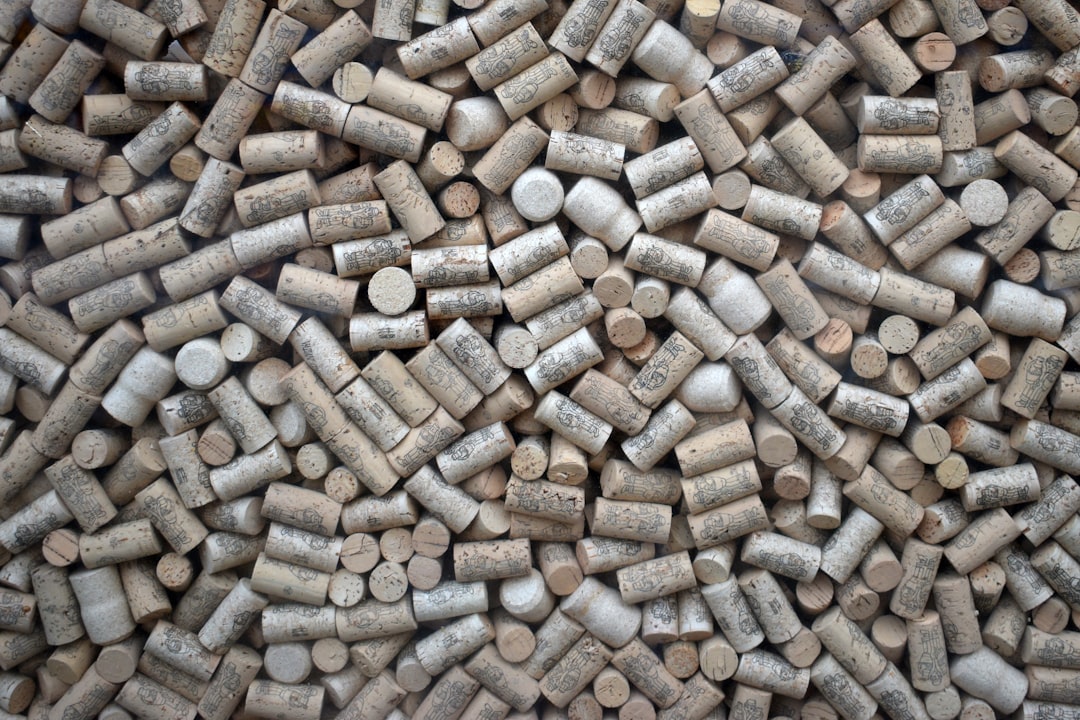
The manufacturing chain has five stages: collection from municipal recycling streams, sorting by resin type using near-infrared scanners, washing and decontamination, mechanical grinding into flakes, and re-extrusion into pellets. Those pellets enter our injection molding machines like virgin resin, though processing parameters need adjustment.
According to ISO 14021:2016, post-consumer material is defined as material generated by households or commercial facilities in their role as end-users of the product, which can no longer be used for its intended purpose. This standard draws a hard line between PCR and PIR, and that distinction matters for sustainability claims.
We found on our production line that PCR pellets behave differently from virgin material in three measurable ways: melt flow index varies noticeably between batches, the material carries residual odor that requires additional venting during injection, and color consistency shifts unless you pre-compound with masterbatch. These are solvable problems, but only if your manufacturer has in-house compounding capability rather than buying pre-mixed PCR resin from a broker.
Why the Market Is Moving Toward PCR Packaging
The shift from “nice to have” to “must have” happened faster than most brands expected. According to GlobeNewswire, the global PCR plastic packaging market was valued at USD 21.43 billion in 2025 and is projected to reach USD 58.27 billion by 2035, growing at a CAGR of 10.52%.
Three forces are driving this growth simultaneously.
Regulatory pressure is no longer theoretical. Five U.S. states including California and Washington have enacted PCR content requirements for packaging. The EU’s packaging and packaging waste regulation pushes even further. Brands that delay adoption will face compliance costs later that dwarf the investment required today.
Corporate commitments have locked in demand. According to Meyers, major consumer-goods firms now pledge 25-50% post-consumer recycled content portfolio-wide by 2030. These are not aspirational statements. They are procurement mandates that purchasing teams must execute against.
Consumer behavior has shifted the math. Sustainability claims now influence purchase decisions in premium beauty, and brands with verified PCR content report stronger shelf performance in channels where environmental credentials are visible.
Yet adoption lags behind ambition. According to SC Johnson, the supply of post-consumer recycled plastics today only meets about 6% of demand. This supply gap creates both urgency and opportunity for brands that secure reliable PCR sourcing now.
PCR Materials for Cosmetic Packaging: PP, PE, and PET Compared
Not all PCR resins perform equally in cosmetic applications, and choosing the wrong material for your product type creates problems that surface months after launch. Here is what we have learned processing each material type across thousands of production runs.
PCR Sustainable Packaging Material Comparison
| Property | PCR PP (Polypropylene) | PCR PE (Polyethylene) | PCR PET (Polyester) |
|---|---|---|---|
| Best applications | Airless bottles, jars, closures | Tubes, squeeze bottles, caps | Rigid bottles, thick-wall containers |
| Available PCR range | 10-50% | 10-50% | 10-50% |
| Color limitations | Moderate (responds well to masterbatch) | Higher (natural white difficult above 30%) | Lowest (clear PCR PET widely available) |
| Chemical resistance | Excellent for most cosmetic formulas | Good for water-based products | Good but sensitive to certain solvents |
| Surface finish quality | Good with proper compounding | Acceptable, slight texture variation | Excellent, closest to virgin appearance |
| Recyclability of final product | Widely recyclable (resin code 5) | Widely recyclable (resin codes 2, 4) | Most recyclable plastic (resin code 1) |
PCR PP is our most-requested material for cosmetic packaging because polypropylene’s chemical resistance handles the complex formulations in serums, retinol creams, and vitamin C products without interaction. Our PP airless bottles run PCR content from 10% to 50% depending on the brand’s sustainability targets and visual requirements.
PCR PE works well for cosmetic tubes and flexible containers where slight surface texture variation is acceptable. The material softens at lower temperatures than PP, suiting squeeze-dispensing formats. We recommend PE for cleansers, body lotions, and hand creams where package feel matters less than formula protection.
PCR PET offers the highest clarity among recycled resins, which explains why it dominates beverage packaging. For cosmetics, it works in rigid bottle formats where transparency matters. The limitation: PET requires higher processing temperatures, and PCR PET’s thermal history from its first life can narrow the processing window.
The Real Benefits of PCR Packaging for Beauty Brands
According to Trayak, PCR reduces energy consumption by 79% and greenhouse gas emissions by 67% compared to virgin plastic production. These numbers represent the most significant environmental advantage of any packaging material switch a cosmetic brand can make without changing package format entirely.
Carbon footprint reduction is immediate and measurable. Unlike switching to glass or aluminum, which can increase transportation emissions due to weight, PCR plastic maintains the lightweight advantage while cutting production-stage emissions. A 30ml cosmetic airless bottle made with 30% PCR PP generates roughly one-third less CO2 during resin production than its virgin equivalent.
Regulatory compliance becomes proactive rather than reactive. Brands using PCR content today are ahead of regulations coming into force between 2025 and 2030. This matters especially for brands selling into EU and California markets, where minimum recycled content thresholds are being codified into law.
Supply chain resilience improves. Virgin resin prices fluctuate with petroleum markets. PCR resin pricing follows waste-stream economics rather than oil futures, creating a more predictable cost structure as collection infrastructure matures.
Brand storytelling gains substance. A packaging claim backed by third-party PCR certification and a verified supply chain gives marketing teams something concrete. “30% post-consumer recycled content, certified by APR” carries more weight than vague “eco-friendly” language that regulators are increasingly challenging.
For brands evaluating the full cost picture of sustainable packaging choices, our analysis of the hidden costs of not using eco-friendly packaging breaks down the financial risks of delaying the transition.
PCR Percentage Guide: How to Choose the Right Ratio for Your Product
This is where most articles on PCR sustainable packaging stop being useful. They tell you PCR is good without helping you decide whether your product needs 20%, 30%, or 50% recycled content. The right percentage depends on four factors that interact with each other.
Visual requirements set the upper bound. At 10-20% PCR content, most brands cannot tell the difference from virgin plastic without side-by-side comparison. At 30%, slight color shifts appear that masterbatch can compensate for. Above 40%, achieving bright whites or transparent finishes becomes significantly harder. Luxury brands targeting pristine white packaging typically stay at 25% or below. Brands embracing natural aesthetics can push to 50%.
Formula compatibility narrows the options. Water-based products like toners and micellar waters perform well with PCR content up to 50% across all three resin types. Oil-heavy serums and retinol formulations need more careful material selection, and we recommend staying with PCR PP. Highly acidic products (vitamin C serums, AHA formulations) require lower PCR percentages because variability in recycled resin composition affects long-term chemical interaction. Our lab data on hidden properties of PCR plastic details these interactions.
Certification targets drive minimum thresholds. If your brand has committed to a 25% PCR portfolio target by 2030, your packaging needs to hit at least that number. Some brands hedge by using 30% PCR content on their highest-volume SKUs, which brings the portfolio average above target even if smaller product lines use virgin material.
Cost sensitivity determines feasibility. PCR resin carries a premium over virgin material that varies by resin type and market conditions. Brands should expect cost differences that scale roughly with PCR percentage. Moving from 0% to 30% PCR is proportionally less expensive per unit than moving from 30% to 50%, because higher ratios require more processing steps to maintain quality.
Certifications and Quality Verification for PCR Content
Third-party verification separates legitimate PCR packaging from greenwashing, and the certification landscape has matured significantly. Here are the standards that matter for cosmetic packaging specifically.
APR PCR Certification is the gold standard in North America. Developed by the Association of Plastic Recyclers in coordination with EU RecyClass, it requires full chain of custody documentation and third-party assessment verifying that recycled content genuinely comes from post-consumer sources. According to APR, the certification process audits material flow from collection through final pellet production.
ISO 14021:2016 defines the terminology and calculation methodology for recycled content claims. Any supplier claiming PCR percentage should be able to demonstrate compliance with this standard’s definitions and testing requirements.
FDA and EFSA regulations govern materials used in direct contact applications. According to Grounded Packaging, EFSA sets strict standards under EU Food Contact Materials Regulation 1935/2004, requiring a Declaration of Compliance and migration testing. While cosmetics are not food, brands selling into markets that apply food-contact standards to cosmetic packaging need suppliers who can meet these thresholds.
What to ask your supplier. Request the Certificate of Analysis (CoA) for PCR resin batches, not just the supplier’s general certification. Ask whether they compound in-house or purchase pre-compounded material. In-house compounding, which we do at our Shaoxing facility, gives direct control over blend ratios and consistency. Third-party compounding adds a chain-of-custody link where traceability can break down.
Oulete holds ISO 9001, CE, SGS, and GMP certifications. For brands evaluating a cosmetic packaging manufacturer in China, these certifications combined with PCR processing capability indicate a facility that can deliver verified recycled content at production scale, not just sample quantities.
Sourcing PCR Packaging: What Brands Should Know Before Ordering
Practical sourcing details are absent from most PCR packaging guides because the authors are not manufacturers. Here is what actually matters when placing an order.
MOQ realities. PCR packaging production requires compounding setup, color matching with masterbatch, and trial runs that burn material. Our minimum order quantity starts at 1,000 units, which is lower than most factories running PCR because our in-house compounding eliminates the need to order pre-mixed resin in bulk quantities.
Lead time variables. Standard virgin-resin production timelines apply as a baseline, but add time for PCR resin sourcing verification, compounding trials on first orders, and additional QC steps. Repeat orders on established PCR formulations run on standard schedules.
Decoration compatibility. Printing, hot stamping, and labeling on PCR surfaces requires adjusted parameters. PCR PP’s surface energy differs from virgin PP, so flame or corona treatment settings need calibration. We found that silk-screen printing adhesion on 30%+ PCR PP improves with a pre-treatment step that adds minimal cost but prevents field failures.
Refillable skincare packaging with PCR content represents the convergence of two sustainability strategies. Brands combining refillable systems with PCR outer shells demonstrate a compounding commitment that resonates with both consumers and retailers evaluating shelf space allocation.
Sample before committing. Any credible manufacturer will produce samples at the specified PCR percentage for review before production. If a supplier cannot provide samples with verified PCR content, they are likely blending post-industrial regrind and calling it PCR. Request third-party test results with samples.
Frequently Asked Questions About PCR Sustainable Packaging
What is PCR plastic material? PCR plastic is post-consumer recycled resin produced by collecting, sorting, cleaning, and reprocessing plastic products that consumers have used and disposed of through recycling programs. It differs from post-industrial recycled (PIR) material, which comes from manufacturing waste that never reached end-users.
How much does PCR packaging cost compared to virgin plastic? PCR resin currently carries a premium over virgin material that varies by resin type, PCR percentage, and market conditions. The premium has been decreasing as collection infrastructure scales. Brands should request specific quotes at their target PCR percentage rather than relying on generalized estimates.
What percentage of PCR content is optimal for cosmetic packaging? Most cosmetic brands start at 25-30% PCR content, which balances environmental impact with minimal visual compromise. Luxury brands prioritizing pristine white finishes may stay at 15-20%, while brands embracing natural aesthetics can push to 50% with careful compounding.
Can PCR packaging match virgin plastic in quality? At PCR percentages below 30%, properly compounded PCR packaging is visually indistinguishable from virgin plastic for most cosmetic applications. Mechanical properties like impact resistance and chemical compatibility remain within specification across the full 10-50% range.
Is PCR plastic recyclable again? Yes. PCR packaging can be recycled again through the same municipal recycling streams. The mechanical recycling process degrades polymer chains slightly with each cycle, but packaging at typical PCR percentages maintains sufficient integrity for multiple recycling loops.
What is the difference between PCR and biodegradable packaging? PCR keeps existing plastic in circular use by recycling consumer waste into new packaging. Biodegradable packaging breaks down under specific conditions but requires new raw materials each cycle. For a deeper analysis, see our comparison of glass vs plastic cosmetic containers.
How do you verify PCR content claims from a supplier? Request APR PCR Certification documentation, batch-specific Certificates of Analysis, and third-party test reports. Verify that the facility holds ISO 9001 and GMP certifications. If a supplier cannot produce chain-of-custody documentation from collection source to finished pellet, treat their claims with skepticism.
Which cosmetic products work best with PCR packaging? Water-based products (toners, micellar waters, essences) are the most compatible with high-percentage PCR packaging across all resin types. Oil-heavy formulations and products with active acids work best with PCR PP at moderate percentages (20-30%). Fragrance products need additional compatibility testing.