


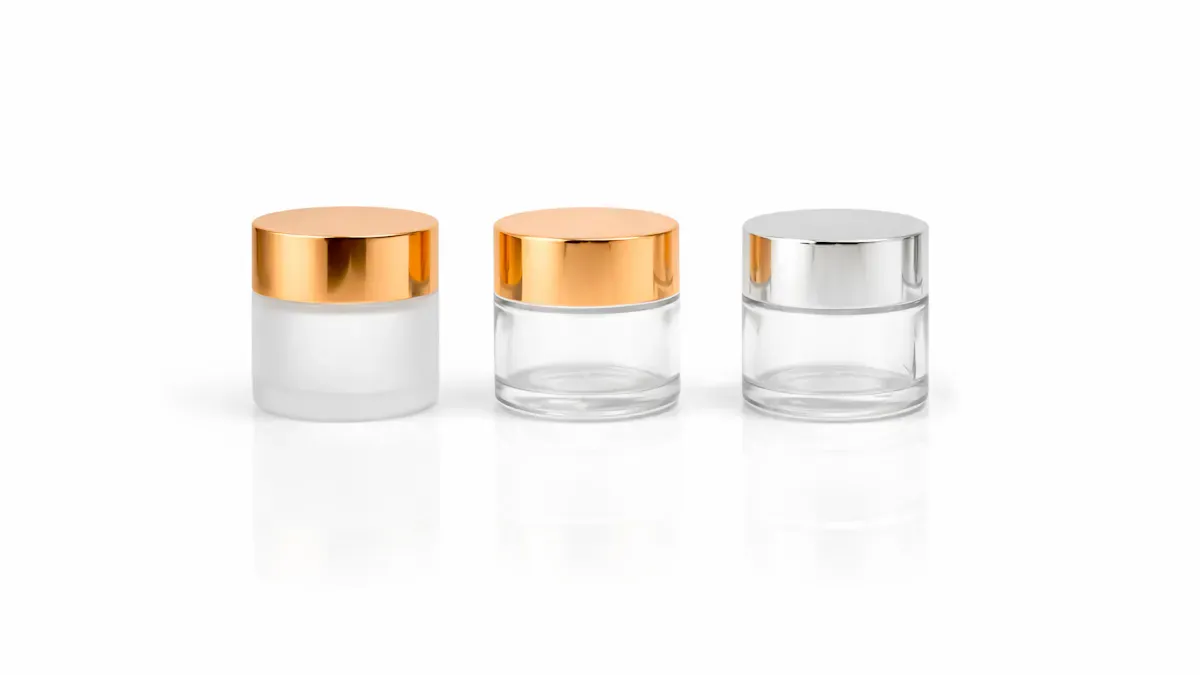
You need to choose the right supplier for your cosmetic containers who understands your business goals. They should help you stand out in a busy market. Many companies look for new partners for these reasons:
- More people want sustainable beauty products.
- People care more about the environment and how they buy things.
- New rules about the environment change how packaging is made.
If you choose the right supplier, you gain access to high-quality, customizable solutions and support you can trust. Oulete is a great example of a supplier that offers these benefits.
Key Takeaways
- Figure out what your product and brand need before you talk to suppliers. Know which packaging is best for your products.
- Check the quality and safety of the materials. Always look for certifications to make sure they follow industry rules.
- See if there are ways to customize. Pick suppliers who can make special designs that show your brand’s style.
- Check if the supplier is dependable. Make sure they can handle your production needs and deliver on time so you do not have delays.
- Think about working with the supplier for a long time. A good supplier should help your business grow and give helpful advice.
Define Product & Brand Needs
Identify Packaging Requirements
First, you need to know what your product needs. Think about who will buy your product. Packaging keeps your product safe and helps people notice your brand. Glass jars make skincare look fancy and protect it from air and water. Plastic jars are good for makeup because they are light and not expensive. You should look at the size, material, and how each container looks.
Tip: Write down your product types and what packaging they need before talking to suppliers.
| Packaging Type | Key Requirements |
|---|---|
| Skincare | Ingredient declaration, net quantity, FDA labeling compliance |
| Makeup | Clear labeling, product name, net contents, ingredient rules |
| Fragrance | Safety and shipping regulations, country of origin labeling |
Align with Brand Image
Your packaging should fit your brand’s style and what you believe in. Top brands use research to learn what customers want. They focus on their main values and make sure packaging shows quality and brand culture. Design teams and AI tools help make designs that match your brand’s look. Testing and feedback help you make the design better.
| Strategy | Description |
|---|---|
| Market Research and Consumer Insights | Learn what your target customers like and study competitors’ packaging. |
| Brand Core Value Refinement | Show product benefits and brand culture through packaging. |
| Design Execution and Optimization | Work with design experts and use technology for drafts. |
| Testing and Feedback Mechanism | Test designs and gather feedback to improve packaging. |
List Essential Features
Make a list of what your packaging must have. Good-looking packaging gets attention. Eco-friendly materials make your brand look good. Using the same design helps people remember your brand. It is important that containers feel nice and work well. Features like built-in applicators are helpful. Nice pictures help sell products online.
| Feature | Description |
|---|---|
| Visual Appeal | Colors, shapes, and textures that attract your target audience. |
| Eco-friendly Solutions | Biodegradable or recycled materials for environmentally conscious customers. |
| Brand Identity | Packaging that shows your brand’s values and connects emotionally with buyers. |
| User Experience | High-quality materials and unique designs that feel luxurious. |
| Consistency | Similar design across products for easy brand recognition. |
| Functionality | Innovative features like applicators or mirrors. |
| Online Appeal | Attractive visuals for digital shoppers. |
Supplier Evaluation Question: Does the supplier offer materials and features that match your checklist?
Assess Quality & Material Standards
The quality of materials affects your product’s safety and your brand’s image. You want containers that keep your formulas safe. Good materials, like glass, block UV rays and protect products. Premium packaging helps people trust your brand. Many customers now want sustainable choices. This can make your brand look better.
Check Material Safety & Certifications
Always check if your supplier follows global safety rules. Good suppliers show proof of certifications and follow strict rules. These certifications mean the supplier cares about safety and quality.
| Certification | Description |
|---|---|
| EU Cosmetic Regulations | Ensures safety and compliance for the EU market. |
| FDA Requirements | Sets safety standards for the U.S. market. |
| ISO 22716 | Focuses on Good Manufacturing Practices (GMP) for cosmetics. |
| ISO 22715 | Sets packaging quality standards for cosmetics. |
| FSC Certification | Shows commitment to sustainability and responsible sourcing. |
Tip: Always ask for official certificates and audit reports. Check if the documents are up to date and real.
Questions to Ask Suppliers:
- Which certifications do you have? Who gave them to you?
- How often do you renew these certifications?
- Can you show recent audit reports or records?
- Do you have papers for REACH/RoHS and migration tests?
Inspect Sample Quality
Ask for samples before you decide. Look at how each container looks and feels. Good suppliers, like Ningbo Meisheng Packing Co., Ltd. and Gerresheimer, use strict checks and batch testing. This stops contamination and makes sure every batch is good. Check for smooth surfaces, clear printing, and strong build.
Tip: Test samples with your real product to see if they work well.
Review Quality Control
A strong quality control system means fewer problems. Top suppliers check products many times during production. They follow world rules and keep good records. Ask about their batch testing and inspection steps. Also ask how they fix problems. Good suppliers help you with advice and solve issues fast.
Checklist for Evaluating Quality Control:
- Does the supplier use batch testing and regular checks?
- Do they follow world standards like ISO or CE?
- Can they give technical help and handle big orders?
Pick a supplier who cares about quality like you do. This keeps your brand safe and your customers happy.
Customization & Branding Options

Custom Design Capabilities
You want your cosmetic packaging to be different. Many brands want special designs and limited editions. Suppliers with flexible manufacturing can help you make unique shapes, colors, and finishes. They can make small or big orders. This is good if you want to try new ideas or sell products for certain seasons. Unique packaging helps you connect with customers and makes them loyal.
Tip: Ask suppliers if they can make small batches and custom molds. Check if they know how to do special finishes or shapes.
- Flexible suppliers can:
- Make personalized and limited-edition packaging.
- Change production for small or big batches.
- Offer new materials and creative ideas.
Branding & Decoration Support
Your packaging should show your brand’s style and values. Good suppliers use new materials like biodegradable plastics and recycled paper. These choices make your brand look modern and eco-friendly. The feel of the packaging, like smooth or rough surfaces, can make your product seem more valuable. Some suppliers add technology, like QR codes, to help customers trust your brand.
- Look for suppliers who offer:
- Custom printing, embossing, or hot stamping.
- Special textures or finishes for a luxury feel.
- Digital features that connect with your customers.
Supplier Evaluation Question: Can the supplier add your logo, colors, or digital elements to the packaging?
Eco-Friendly Choices
Many brands now pick eco-friendly packaging. Suppliers use recycled, refillable, or compostable materials to cut waste. Some brands have refill programs or rewards for returning empty containers. This helps the planet and makes your brand stand out. Big companies use more recycled plastic, glass, and aluminum. Simple designs with less material are also popular.
Supplier support for sustainable packaging can make your brand special. Customers notice when you use green materials and clear messages. This builds trust and shows you care about the environment.
Tip: Ask suppliers about their eco-friendly options and how they help recycling or refilling.
Supply Reliability & Lead Times
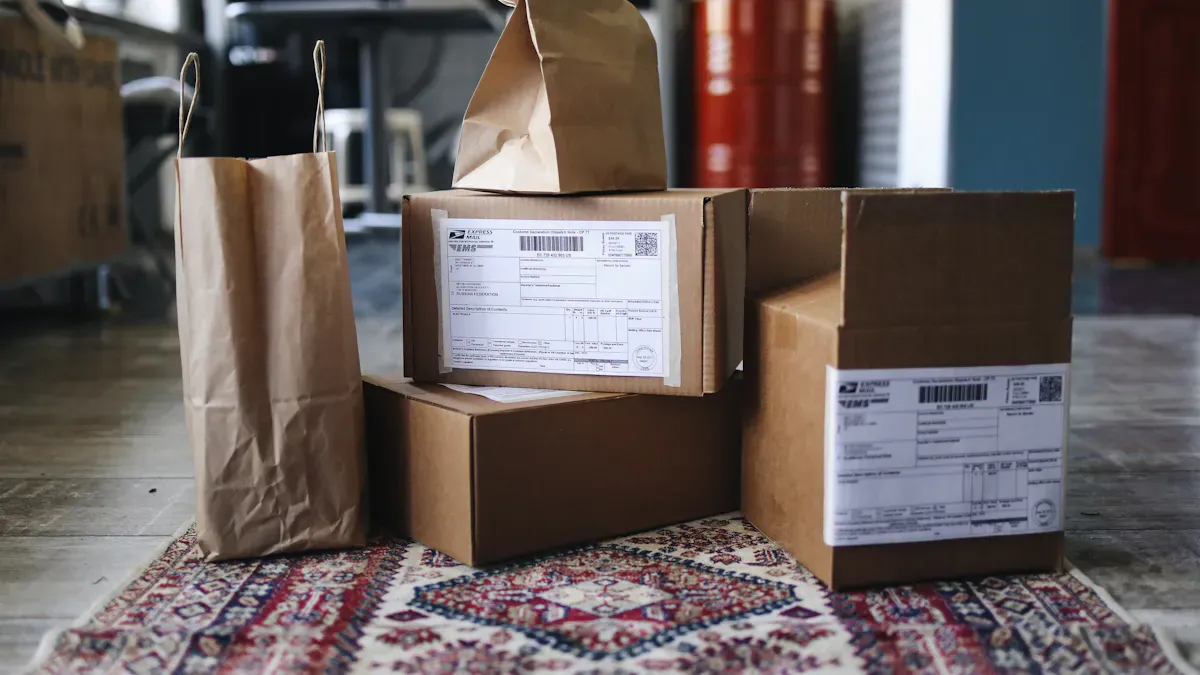
Picking the right supplier helps stop delays and shortages. Reliable supply lets you launch products on time. This keeps your customers happy. You should check how well a supplier handles making, sending, and supporting products.
Production Capacity
Ask the supplier how many containers they make each month. A strong supplier can fill big orders fast. They can also help if you suddenly need more containers. This stops you from running out during busy times or sales. Ask if they have backup plans for problems. This shows they can keep your supply chain safe.
Tip: Ask for stories about big orders or sudden changes in demand.
Delivery Timelines & MOQs
Lead times and minimum order quantities (MOQs) change your costs and inventory. Shorter lead times help you follow new trends. Lower MOQs let you try new products with less risk. Use this table to compare your choices:
| Inventory Required | Typical Lead Times | Better Margin Match |
|---|---|---|
| High MOQ | Longer lead times | Low-margin products |
| Low MOQ | Shorter lead times | High-margin products |
Pick a supplier who fits your business style. Ask about their usual delivery times and how they handle rush orders. Make sure they give updates while shipping. This helps you trust them and plan better.
Customer Service & Support
Good customer service keeps your supply chain working well. Top suppliers give tracking and updates. They help fix problems fast and keep you in the loop. Some, like Green Logistics, give full support and are open about their process. Others, like Cosmopacks, offer custom help and make sure packaging fits your brand and rules.
Look for these support features:
- Fast, clear answers
- Self-service tools for easy help
- After-sales help and quick fixes
- Regular feedback and checks to get better
Supplier Evaluation Question: How does the supplier fix complaints and urgent problems? Do they give tracking and after-sales help?
Pick the right supplier who cares about talking and helping. This builds a strong partnership and keeps your business running well.
Choose the Right Supplier for Value & Partnership
Compare Pricing & Value
You should not just look at price when you choose the right supplier. Think about all the costs, not just each item’s price. This means you should count energy use, repairs, and how much money you save over time. Ask if you get discounts for buying a lot or for being a loyal customer. Some suppliers give extra help like design tips, technical support, or after-sales service. These extras can help you save time and money.
Tip: Ask for a list of all costs and what extra help comes with the price.
Check if the supplier can change their machines for different order sizes. This helps you keep up with new trends or rules fast.
Evaluate Long-Term Partnership Potential
A good partnership helps your brand do better than others. When you choose the right supplier, you get more than just products. You get a partner who wants you to win. Find suppliers who:
- Share what they know and their tools with you.
- Help you fix problems and follow rules.
- Support new ideas and help you stay ahead.
- Change fast when you need something new.
Ask how they worked with other brands before. Good suppliers have proof of quality and important certificates. They also talk clearly and help after you buy.
Supplier Evaluation Question: How does the supplier work with you, listen to feedback, and keep getting better?
Sustainability Practices
Sustainability is important when you choose the right supplier. Many brands want suppliers to follow tough rules for the planet and people. Top suppliers use recycled things, biodegradable plastics, glass, bamboo, and compostable biopolymers. They spend money to find better ways to make packaging.
| Practice | Description |
|---|---|
| Chain-of-custody | Follows certified materials to show where they come from. |
| Recycled Materials | Uses recycled PET, glass, or aluminum from customers. |
| Biodegradable Options | Gives plant-based plastics and packaging that breaks down. |
| Responsible Sourcing | Uses FSC or PEFC certified paper and wood. |
Check if the supplier follows local laws and treats workers fairly. Brands like Shiseido only pick suppliers who pass hard checks for sustainability. This keeps your brand safe and helps the earth.
Tip: Ask for proof of certificates and details about their green actions.
If you focus on these things, you can choose the right supplier who gives you value, trust, and a strong partnership for your business.
You can pick better suppliers by looking at five main things. These are product needs, quality standards, customization, supply reliability, and partnership value. Use this checklist to compare suppliers:
- Check certifications, quality control, and facility standards.
- Test samples and look at how suppliers do their job.
- Search for suppliers online and ask for clear quotes.
- Look at customization, branding, and sustainability choices.
- Check delivery times and customer service.
Oulete is special because they have strict quality checks. They offer flexible customization and fast delivery. Their prices are good and their support is great. Pick a partner who helps your brand grow and keeps your products safe.
FAQ
What is the typical minimum order quantity (MOQ) for cosmetic containers?
MOQs change depending on the supplier and product. You need to ask each supplier about their MOQ. Some suppliers let new brands or custom projects order less.
How can I check the quality of cosmetic containers before ordering?
You can get samples from the supplier. Try these samples with your own product. Make sure the surface is smooth, the printing is clear, and the container is strong.
Can suppliers help with custom designs and branding?
Many suppliers can make special molds, colors, and finishes. Ask if they help with design and decoration, like printing or embossing.
What should I ask about a supplier’s production capacity?
Ask how many containers they make each month. Check if they can handle big or urgent orders. Good suppliers give examples of meeting high demand.
Do suppliers offer eco-friendly packaging options?
Many suppliers now use recycled, refillable, or biodegradable materials. Ask about their green choices and how they help with recycling or refilling.