


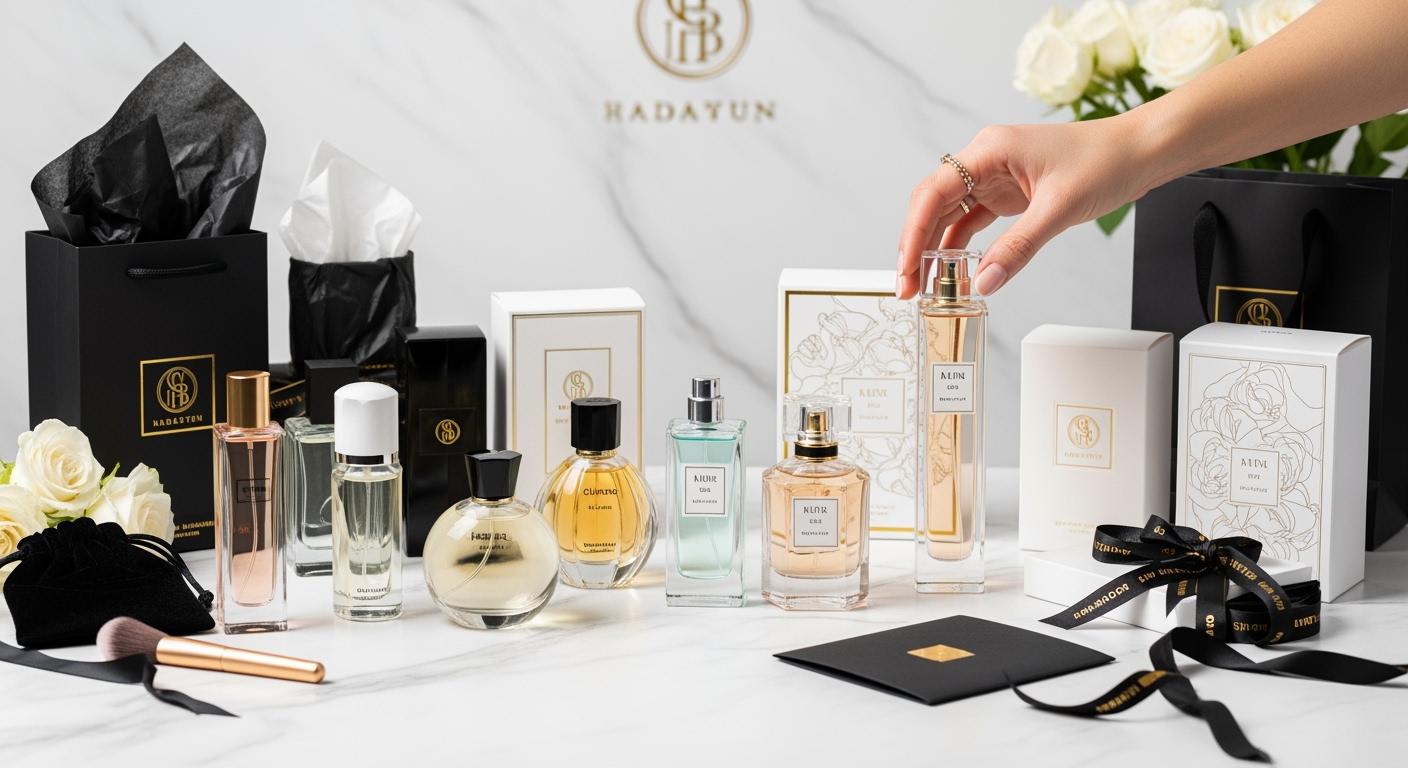
When you choose perfume bottle packaging for your fragrance and beauty brand, you shape how customers see your products. Packaging does more than protect perfume during shipping or display. It becomes the first touchpoint with your brand. You must consider three main factors: brand image, your target consumer, and the fragrance type. Packaging for fragrances often sets the mood and expectation before a customer even tries the scent. Studies show that the right perfume bottle design can:
Express the fragrance’s essence and create a memorable experience
Boost perceived value by showing elegance and uniqueness
Attract attention and build a strong brand identity in a crowded market
Focus on packaging that highlights your fragrance, appeals to your audience, and keeps your product safe.
Key Takeaways
Choose packaging that reflects your brand identity. The right design communicates your values and creates a strong first impression.
Understand your target consumer’s preferences. Tailor your packaging to appeal to their tastes, focusing on sustainability and aesthetics.
Match your packaging style to the fragrance type. The design should embody the scent’s personality, enhancing the overall consumer experience.
Prioritize quality materials for durability and protection. High-quality packaging ensures your fragrance remains safe during shipping and handling.
Stay updated on packaging trends. Embrace sustainability and innovative features to meet modern consumer demands and stand out in the market.
Part1: Brand Image & Target Consumer
1.1 Define Brand Identity for Perfume Packaging
You need to analyze your brand identity before you choose perfume bottle packaging. The packaging serves as the first impression for your fragrance. It communicates your values and market positioning. The physical elements such as bottle shape, label, and box design create a brand experience that connects with your audience. Leading brands use specific design dimensions to project psychological traits. The table below shows common brand identity elements in perfume packaging:
Design Dimension | Visual Characteristic | Consumer Psychological Projection |
|---|---|---|
Geometric Stability | Rectangles, thick bases, sharp corners | Timelessness, elegance, stability |
Organic Curves | Rounded shoulders, flowing lines | Sensuality, softness, nature |
Architectural Structure | Studded textures, pillar-like forms | Power, urban masculinity, couture heritage |
Minimalism | Lab-style bottles, clean transparency | Purity, modernism, gender-neutrality |
Fragrance brands define their brand identity through careful consideration of packaging design elements such as form, material, and finish. These elements communicate the brand’s values and market positioning, creating a cohesive identity that resonates with consumers.
You should select packaging that aligns with your brand’s core message. For example, a luxury brand may use thick glass and gold accents to signal quality and opulence. A modern brand might prefer minimalist bottles with clean lines. The right packaging design helps your fragrance stand out and builds a lasting impression.
1.2 Understand Fragrance Target Market
You must identify your target consumer before you choose perfume bottle packaging. Demographic data shapes packaging decisions. Younger demographics, especially Gen Z and millennials, drive changes in fragrance packaging preferences. These groups value sustainability, aesthetic appeal, and personalization. Social media platforms like TikTok influence their choices. You should consider the following factors:
The best packaging creates a multisensory journey for the consumer.
Well-designed packaging enhances fragrance experiences.
Colors, textures, typography, and materials reinforce brand identity.
Consumer preferences vary by age, gender, and region. Younger consumers focus on convenience and sustainability. The Asia-Pacific region holds a large share of the global perfume packaging market. Countries like China and Japan demand premium fragrances. Glass packaging is favored for high-end perfumes due to its premium feel and fragrance integrity. Plastic appeals to younger consumers for its versatility and lower costs. You need to match your packaging materials and design to the expectations of your target market.
1.3 Match Packaging to Fragrance Type
You should match your packaging design to the fragrance type. Packaging for fragrances must reflect the scent’s personality and characteristics. The table below shows how brands pair packaging styles with fragrance types:
Fragrance Type | Packaging Style Description |
|---|---|
Floral | Elegant designs, clear or frosted glass, pastel colors, intricate detailing like embossed patterns. |
Woody | Sturdy designs, earthy tones, matte finishes, natural elements like wooden caps. |
Fresh | Modern, transparent glass, light colors, clean lines, minimalist aesthetic. |
A well-designed fragrance package creates a positive impression and helps your product stand out. It communicates your brand’s identity, values, and style. Packaging embodies the scent of the perfume, allowing consumers to form a first impression. It presents the invisible aroma through tangible design. The design helps consumers experience the unique charm of the fragrance.
Warm tones such as gold, deep red, and purple evoke passion and richness. These colors suit oriental or spicy gourmand scents.
Cool tones like blue and green suggest freshness and calm. They fit aquatic or herbal fragrances.
Monochromatic black and white represent quiet luxury and modern sophistication.
Typography also plays a role. Serif typefaces communicate heritage and elegance. Sans-serif fonts represent modernism and clarity. Script and artistic fonts add exclusivity. You should use these elements to reinforce your brand identity and appeal to your target audience.
When you choose perfume bottle packaging, you must consider brand identity, target consumer, and fragrance type. This approach ensures your packaging design supports your brand experience, meets consumer expectations, and highlights the unique qualities of your fragrance.
Part2: Choose Perfume Bottle Materials
2.1 Glass vs. Plastic in Perfume Packaging
When you choose perfume bottle materials, you shape the first impression of your fragrance. Glass and plastic are the most common choices for perfume bottle packaging. Each material offers unique benefits and drawbacks for brands in the fragrance industry.
Here is a comparison to help you decide:
Material | Advantages | Disadvantages |
|---|---|---|
Glass | Classic, upscale look; Inert surface; Reusable; Light-blocking versions; Customizable shapes | Fragile; Heavy; More energy-intensive to produce |
Plastic | Durable; Lightweight; Molding flexibility | Potential interaction with contents; Less environmentally friendly |
Glass gives your perfume a luxury feel and protects the fragrance from chemical reactions. You can use glass to create custom shapes and finishes that enhance packaging design and brand experience. Glass is also 100% recyclable and does not absorb odors or flavors. However, glass is heavier and can break during shipping, which increases costs and risks.
Plastic offers durability and light weight. You can mold plastic into many shapes, which supports creative packaging design. Plastic works well for travel-sized fragrance packaging and reduces shipping costs. However, plastic may interact with perfume ingredients and alter the scent. Plastic is less eco-friendly and may not appeal to eco-conscious consumers.
Tip: For high-end or luxury fragrances, glass remains the preferred choice. For mass-market or travel products, plastic can provide cost savings and convenience.
2.2 Eco-Friendly Fragrance Packaging Options
Sustainability has become a top priority for brands and their customers. You can choose sustainable materials to meet the needs of eco-conscious consumers and support your brand values. Glass stands out as a leading eco-friendly option. You can recycle glass many times without losing quality, making it ideal for sustainable fragrance packaging.
You can also use cork and wood for perfume caps. These materials eliminate plastic and create a natural, eco-conscious look. Many brands now combine glass bottles with wooden or cork caps to offer a fully sustainable product. This approach appeals to customers who value both aesthetics and environmental responsibility.
Note: Sustainable materials not only reduce environmental impact but also enhance your brand image. You show your commitment to sustainability and attract new market segments.
2.3 Material Quality & Product Protection
Material quality plays a key role in protecting your fragrance and maintaining its shelf life. You must select materials that shield the perfume from light, oxygen, and temperature changes. Aluminum bottles provide excellent protection. They block UV rays, maintain stable temperatures, and prevent oxygen from degrading the fragrance. Properly sealed aluminum containers can extend the shelf life of fragrances for five to ten years or more.
You should also ensure your packaging meets industry quality standards. The table below lists common tests for perfume bottle packaging:
Test Name | Purpose | Method Description |
|---|---|---|
Chemical Resistance Test | Ensures materials resist degradation from perfume components | Bottles are exposed to solvents and monitored for changes over time. |
Leakage Test | Confirms seal integrity to prevent product loss | Bottles are pressurized and submerged to check for air bubbles indicating leaks. |
Visual Inspection | Ensures aesthetic quality and detects surface defects | Inspectors examine each bottle under standardized lighting for imperfections. |
Weight Check | Verifies material consistency and production uniformity | Digital scales measure bottle weight to ensure consistency across batches. |
Spray Test | Evaluates nozzle functionality and spray pattern | Bottles are filled and sprayed to assess atomization quality and flow consistency. |
You must prioritize quality and durability in your packaging design. High-quality materials protect the fragrance, support your brand experience, and reinforce your commitment to excellence. When you choose perfume bottle packaging, you invest in both the protection and the perception of your product.
Part3: Perfume Bottle Design Elements
3.1 Shape & Style Selection
When you choose perfume bottle shapes and styles, you set the stage for the first impression of your fragrance. The right shape can attract attention and communicate the identity of your product. Many luxury brands use these popular styles:
Minimalist elegance
Art Deco
Artistic and sculptural
Vintage-inspired
Unique colors and patterns
Sustainable luxury
Limited editions and customization
A well-designed bottle can capture emotions and justify higher prices. The shape of a bottle signals different qualities to consumers. For example, rectangular bottles look modern and precise, while round bottles feel classic and soft. Tall bottles stand out on shelves, and wide bottles suggest luxury and substance.
Bottle Shape | Consumer Association |
|---|---|
Rectangular/Square | Modern, precise, often masculine |
Round/Oval | Softer, classic, often feminine |
Tall/Narrow | Strong shelf presence |
Low/Wide | Substantial, luxurious |
You should align the bottle shape with your fragrance’s theme to enhance appeal and create a strong brand experience.
3.2 Color, Finish & Typography
Color and finish play a key role in fragrance packaging. Current trends include black, white, gold, and earthy tones. These colors show luxury and eco-friendly values. Vintage looks and minimalism are also popular, blending nostalgia with modern design. Many brands now use sustainable materials to appeal to eco-conscious consumers.
Typography is just as important. The typeface you choose helps build your brand’s visual identity. Serif fonts suggest tradition and elegance. Sans-serif fonts show modernism and clarity. Script fonts add exclusivity and a human touch.
Typeface Type | Brand Perception Description |
|---|---|
Serif Typefaces | Communicate heritage, classic elegance, and tradition. |
Sans-Serif Typefaces | Represent modernism, clarity, and an avant-garde spirit. |
Script and Artistic Fonts | Add a layer of human touch and exclusivity, emphasizing craftsmanship. |
Typography quickly communicates your marketing message and shapes the first impression of your perfume.
3.3 Customization for Luxury Fragrance Packaging
Customization lets you create unique fragrance packaging that stands out in a crowded market. Luxury brands value options like different material thicknesses, minimalist designs, and refined typography. Many brands also focus on sustainability, using refillable systems and biodegradable materials.
Materials: Choose from various thicknesses for sturdiness and quality.
Design Aesthetics: Minimalist designs and monochrome palettes highlight luxury.
Sustainability: Refillable bottles and eco-friendly packaging attract eco-conscious consumers.
Customization helps you build a personal connection with your customers. It increases engagement and loyalty, which are vital for success in the fragrance industry. You can use customization to show your brand’s identity and commitment to quality, making your perfume memorable and desirable.
Part4: Functionality & Shipping Protection
4.1 Dispensing & Closure Features
You must select the right dispensing and closure features to ensure a positive user experience and protect your perfume. These features impact both the safety and the luxury feel of your fragrance packaging. The table below shows common options:
Type of Feature | Description |
|---|---|
Single Layer Caps | A straightforward, cost-effective option providing a simple and functional closure. |
Double Layer Caps | Offers enhanced durability and a sophisticated appearance, elevating the overall design. |
Magnetic Caps | Provides a secure fit with a satisfying snap, enhancing user experience and adding luxury. |
Spray and Atomizer | Popular dispensing mechanism achieving uniform and quantitative application of perfume. |
Rollerball | Convenient application method controlled by rolling a metal or glass ball for precise use. |
Closure features like audible feedback during closure, tamper-evident mechanisms, and flip-top dispensing caps improve safety and convenience. Tamper-evident closures give visible proof of tampering, which builds trust and meets FDA requirements. You should always include at least one tamper-evident feature in your packaging design.
4.2 Durability for Fragrance Packaging
Durability is essential for protecting your fragrance during shipping and handling. You need to test your packaging to ensure it can withstand real-world conditions. Common tests include:
Drop tests from 3-4 feet onto concrete to check for breakage.
Moisture and temperature resistance tests to protect perfume from environmental changes.
Vibration testing to simulate transportation.
Simulated altitude testing for air shipment.
Perfume bottles face risks like clogged nozzles, air blockages, misaligned nozzles, damaged pumps, and pressure buildup. You can reduce these risks by using sturdy materials and proper cushioning. Never ship a gift box without an outer corrugated box. Let newly filled bottles stabilize at room temperature for 24 hours before packaging to prevent damage.
4.3 Compliance & Industry Standards
You must follow industry standards and regulations to ensure safety and market access. Key requirements include:
IFRA compliance for fragrance ingredient safety.
California Prop 65 warnings for certain chemicals.
Main display panel with product identity and net content.
Information panel with manufacturer details and warnings.
You should list ingredients in INCI format and include safety icons like flammable warnings, PAO, recyclable marks, and cruelty-free badges. Brands must also show the product name, volume, fragrance concentration, country of origin, batch number, expiration date, usage instructions, and regulatory marks. Environmental laws may affect your choice of materials and sustainability practices, so ongoing compliance is necessary for quality and market success.
Tip: Strong functionality and compliance in your fragrance packaging protect your brand reputation and ensure a positive first impression for your customers.
Part5: Trends in Perfume Bottle Packaging
5.1 Current Fragrance Packaging Trends
You see rapid changes in the perfume industry. Brands now focus on sustainability and advanced technology. Many companies use eco-friendly materials to reduce their environmental impact. You notice more refillable solutions that help cut down on waste. Brands also use new glass manufacturing methods to create unique shapes and closures. These changes improve both function and aesthetics.
You can find these trends shaping the market:
Use of sustainable materials for bottles and caps
Integration of NFC tags for product authentication and AR experiences
Emphasis on tactile and sensory experiences during unboxing
Refillable packaging solutions for waste reduction
Sophisticated designs that highlight brand identity
These trends help you create a strong impression and meet the demands of modern consumers.
5.2 Innovative Perfume Bottle Features
Brands lead with innovation in fragrance packaging. You can choose recyclable materials and refillable designs to show your commitment to the environment. Many brands now add smart features like QR codes and NFC chips. These features let you engage customers and share your brand story.
You can also use organic textures and earth-inspired colors to connect with nature. Minimalist designs help reduce waste and keep the focus on quality. Some brands even combine fragrance with music or visuals for a multi-sensory experience. These features set your perfume apart and build loyalty.
5.3 Partnering with Packaging Experts
You gain many advantages when you work with packaging experts. The table below shows key benefits for fragrance and beauty brands:
Benefit | Description |
|---|---|
Quality Control | Advanced manufacturers reduce ingredient measurement errors from ±3% to ±0.5%. |
Supply Chain Efficiency | Dedicated project managers ensure smooth communication and workflow. |
Cost Control | Clear pricing structures help you plan your launch capital with precision. |
You also benefit from custom packaging that enhances brand differentiation. Nielsen research shows that packaging design influences purchasing decisions for 72% of consumers. When you partner with experts, you access structural engineering talent and design innovation. This support helps you create perfume packaging that stands out and delivers lasting value.
You can make smart choices for your fragrance packaging by following a few clear steps. Focus on materials that protect your perfume and match your brand’s style. Choose sustainable options like recyclable glass and FSC-certified paperboard. Evaluate design elements such as typography and color to reflect your brand’s ethos. Ensure your packaging is functional and convenient for customers. Work with expert manufacturers to create high-quality solutions.
Quick Checklist for B2B Brands:
Prioritize materials for protection and aesthetics
Consider sustainability in every component
Evaluate design for brand alignment
Ensure packaging is functional
Partner with packaging experts
Strong packaging helps your brands stand out and keeps your fragrance safe. Consult with experts to create packaging that elevates your perfume in the market.
FAQ
What is the most important factor when selecting perfume bottle packaging?
You should focus on how the packaging supports your brand’s identity and protects the perfume. High-quality cosmetic glass bottles can improve shelf appeal while helping protect fragrance quality during storage and shipping. Strong packaging helps you stand out in the market and ensures your product arrives safely.
How can brands ensure their perfume bottles remain compliant with regulations?
You must follow industry standards, such as IFRA guidelines and local labeling laws. Regularly review updates from regulatory bodies to keep your packaging compliant and avoid costly recalls.
What are the best ways to test perfume bottle durability before shipping?
You can use drop tests, vibration tests, and temperature resistance checks. These tests help you identify weak points and improve packaging before large-scale distribution. For spray-based products, choosing reliable spray bottle packaging also helps improve dispensing performance and user experience.
How do you balance sustainability with luxury in perfume bottle design?
You can choose recyclable materials and refillable systems. Many brands now use eco-friendly glass and FSC-certified paperboard to show commitment to both luxury and sustainability.
Can custom bottle shapes help brands differentiate in the fragrance market?
Yes. Custom shapes let you express your brand’s personality and attract attention. Unique designs make your perfume memorable and help you compete in a crowded market.
Looking for Custom Perfume Bottle Packaging?
Oulete offers glass perfume bottles, frosted glass bottles, spray bottles, dropper bottles, custom caps, and decoration options for fragrance and beauty brands. Whether you need a luxury packaging look, sustainable materials, or custom logo decoration, our team can help you choose the right packaging solution for your product line.