


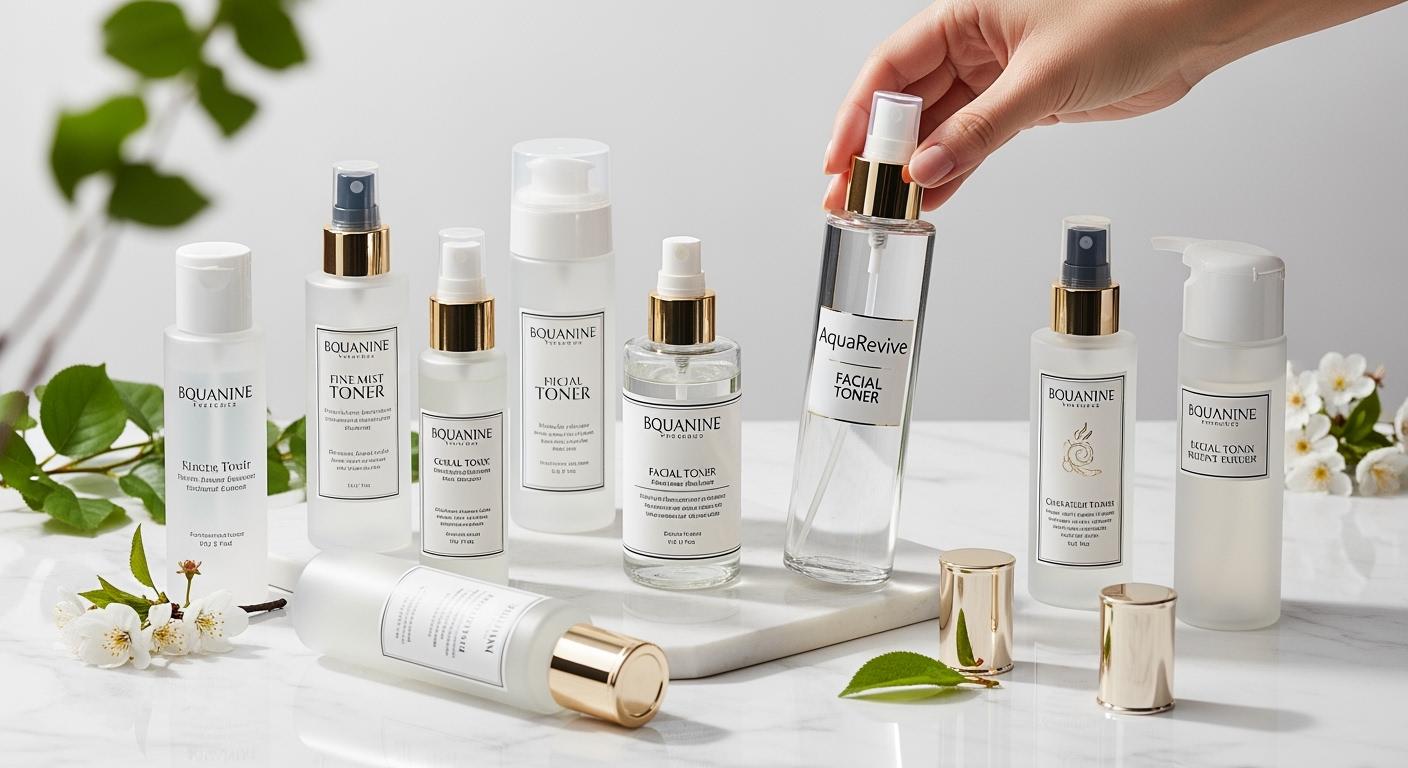
You should choose cosmetic packaging like PET plastic or glass bottles with pumps or sprayers for facial toner products. These options support hygiene and make dispensing easy. Packaging plays a vital role in protecting the product, maintaining shelf life, and improving user experience. Industry studies show that airless pump bottles help extend shelf life and reduce contamination, while smart packaging enhances product traceability. Align packaging design with your target demographic, product formulation, and brand identity to create cosmetics that stand out in the skincare market.
Key Takeaways
Choose packaging materials like PET plastic or glass to enhance product safety and appeal.
Opt for airless pump bottles to extend shelf life and reduce contamination for sensitive ingredients.
Consider user-friendly dispensing options like pumps and sprayers to improve hygiene and convenience.
Align packaging design with your brand identity to create a memorable experience for customers.
Prioritize sustainable materials, such as PCR-PET or glass, to meet consumer demand for eco-friendly products.
Part1: Types of Cosmetic Packaging for Facial Toners
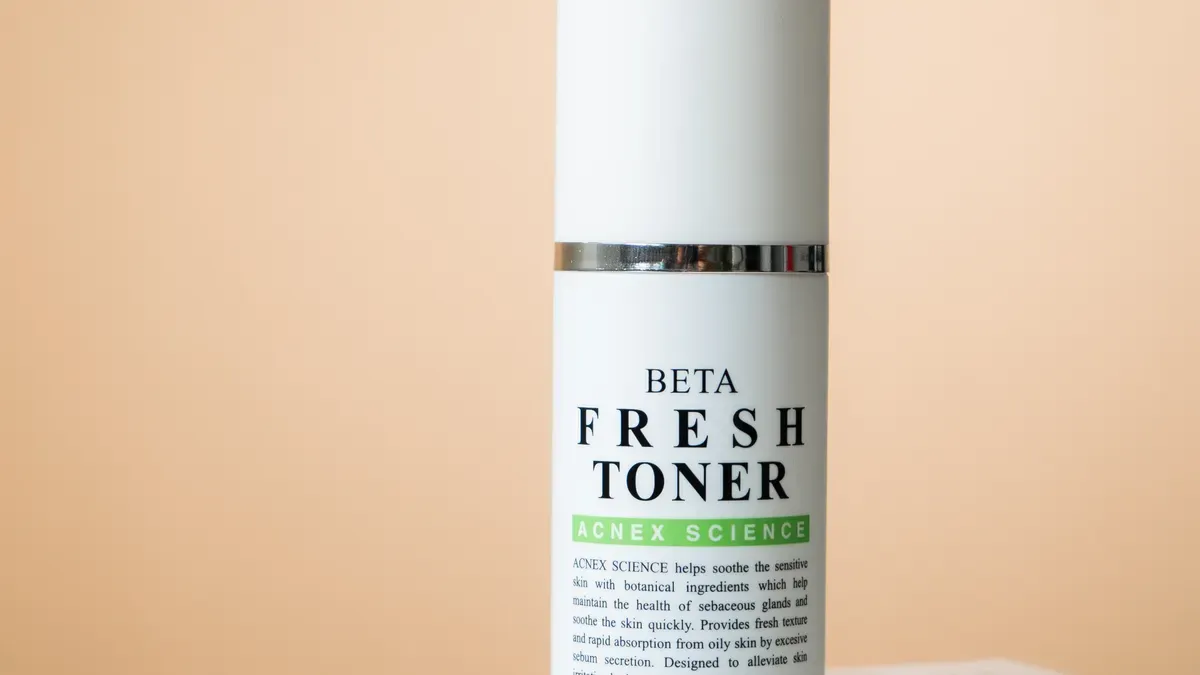
1.1 Bottle Types: Standard, Airless, and Tubes
When you select cosmetic packaging for facial toner products, you need to compare the main types of bottles and containers. Each type offers unique benefits for different cosmetic products. The table below summarizes the most common types of bottles used for facial toners:
Type | Material | Benefits |
|---|---|---|
Glass Bottles | Glass | Premium feel, UV protection |
Plastic Bottles | PET/HDPE | Lightweight, cost-effective |
Pump Bottles | Plastic | Convenient, reduces contamination |
Standard bottles remain popular for many facial toner products. You can choose glass bottles to give your cosmetics a premium look and protect sensitive ingredients from UV light. PET plastic bottles offer a lightweight and cost-effective solution, making them suitable for large-scale production and shipping.
Airless bottles have become a top choice for preserving active ingredients in cosmetic packaging. The following table compares airless bottles with regular bottles:
Feature | Airless Bottle | Regular Bottle |
|---|---|---|
Air Contact | Minimal to none | Frequent |
Preservation | Excellent for active formulas | Moderate to low |
Shelf Life Extension | Yes | Limited |
Airless pump bottles limit air exposure, which helps extend the shelf life of your products. This feature is especially important for facial toners with sensitive or active ingredients. Tubes are another option, but they work best for thicker cosmetic products rather than liquid toners.
1.2 Dispensing Options: Pumps, Sprayers, Flip-Top, and Screw Caps
Dispensing mechanisms play a key role in the performance of cosmetic packaging. You must consider how each closure type affects both hygiene and ease of use. The table below outlines the advantages and disadvantages of common dispensing options:
Closure Type | Advantages | Disadvantages |
|---|---|---|
Screw cap | Easy to produce, cost-effective | May leak if not tightly sealed |
Pump dispenser | Great for lotions, mess-free | Not ideal for thick or tiny volume |
Flip top | One-hand use, consumer-friendly | Hinge may weaken over time |
Pumps and sprayers are the most hygienic choices for facial toner products. You can use airless pump dispensers to reduce contamination and ensure precise dosing. Flip-top caps allow for one-handed operation, which can improve user convenience in professional settings. Screw caps offer a simple and cost-effective solution, but they may not provide the best seal for liquid cosmetics.
1.3 User Experience and Hygiene
User experience and hygiene are critical factors when you choose types of cosmetic packaging for facial toner products. The right dispensing mechanism can help you maintain product integrity and meet the expectations of your target market. Consider the following points:
Press pumps minimize contamination risk and are easy to use, but they may dispense too much product for thin formulas.
Spray pumps provide a hygienic and convenient option, especially for on-the-go use, but they may not suit thicker products.
Droppers allow for controlled dosing, making them ideal for concentrated cosmetic products.
Spray mist nozzles deliver even coverage, which works well for hydrating toners.
Rollerball applicators reduce waste and offer a cooling effect, which is popular for eye-area toners.
You should match the packaging type to the texture of your product and the needs of your target demographic. For example, airless pump bottles work well for high-performance cosmetics that require protection from air and contamination. Spray bottles suit lightweight, refreshing toners, while droppers fit concentrated formulas.
Tip: Always test your chosen cosmetic packaging with your actual product to ensure compatibility and optimal performance.
By understanding the strengths and limitations of each bottle type and dispensing option, you can select cosmetic packaging that enhances your brand, protects your products, and meets the demands of the cosmetics market.
Part2: Material Selection for Cosmetic Packaging
Choosing the right material for cosmetic packaging shapes the performance, sustainability, and appeal of your facial toner products. You must consider how each material affects product protection, shelf life, and brand positioning. The best cosmetic packaging material for bottles balances durability, compatibility, and recyclability.
2.1 PET Plastic: Pros and Cons
PET plastic stands out as a leading choice for facial toner bottles. You gain several advantages when you select PET for cosmetic packaging:
PET is lightweight and shatterproof, which makes it ideal for travel-size bottles and reduces shipping costs.
This material resists chemicals, so it maintains the integrity of water-based toner products and prevents degradation.
PET supports a clear, glossy finish that enhances the appearance of your products on retail shelves.
The established recycling infrastructure for PET allows you to offer sustainable packaging options, especially when using post-consumer recycled (PCR) PET.
However, PET plastic offers limited UV protection compared to glass. You may need to add UV-blocking additives or use colored bottles for formulas with sensitive ingredients. PET also has a shorter product integrity duration than glass, so you should evaluate the shelf life requirements of your products.
Note: PET plastic, especially in PCR form, aligns with the growing demand for sustainable packaging. Brands that use PCR-PET can highlight both recyclability and visual clarity, which appeals to environmentally conscious clients.
2.2 Glass and Acrylic: Benefits and Drawbacks
Glass and acrylic bottles provide a premium look and feel for cosmetic packaging. You can compare their features using the table below:
Feature | Glass Packaging | Plastic Packaging |
|---|---|---|
UV Protection | Blocks 99% of harmful UV rays | Negligible protection |
Product Integrity Duration | Maintains quality for up to 3 years | Lasts about 6 months |
Consumer Perception | Associated with premium quality | Often seen as less premium |
Willingness to Pay More | Customers pay up to 20% more | N/A |
Glass bottles offer excellent protection for active ingredients, blocking most UV rays and extending the shelf life of your products. You can position your brand as premium by choosing glass, as clients often associate it with higher quality and are willing to pay more. Glass is also infinitely recyclable, which strengthens your sustainability story.
Acrylic bottles mimic the look of glass but weigh less and resist shattering. However, acrylic faces challenges in recyclability and sustainability. Many recycling programs do not accept acrylic, so you may encounter limitations if your clients prioritize sustainable packaging.
2.3 Recycled and Sustainable Materials
Sustainable packaging has become a top priority for many brands in the cosmetics industry. You can choose from several options to improve the environmental profile of your bottles:
Glass is infinitely recyclable and does not lose quality through repeated recycling cycles. This makes it a strong choice for brands that want to emphasize recyclability.
PET plastic, especially PCR-PET, balances clarity, strength, and recyclability. Many brands now adopt PCR versions of PET to enhance sustainability and meet client expectations.
Acrylic offers design flexibility but falls short in sustainability due to limited recycling options.
You should also consider the trend of “quiet sustainability.” Clients expect environmental credibility as a baseline, not just as a marketing point. PET plastic excels here because it combines recyclability with visual clarity, allowing you to deliver both aesthetics and sustainable packaging.
Tip: Always verify the compatibility of recycled materials with your toner formulas to ensure product protection and performance.
When you select the best cosmetic packaging material for your bottles, you support product preservation, reinforce your brand’s sustainability values, and appeal to clients who value both performance and environmental responsibility.
Part3: Packaging Protection and Product Compatibility
3.1 Preserving Actives: UV and Environmental Protection
You need to protect active ingredients in facial toner products from light and environmental factors. Cosmetic packaging plays a key role in preserving the efficacy of functional skincare products. Many ingredients, such as L-ascorbic acid, lose stability when exposed to light and air. You can use bottles with UV protection to extend shelf life and maintain product quality. The table below shows how different packaging types help shield actives:
Packaging Type | UV Protection Benefits | Additional Notes |
|---|---|---|
Amber or Opaque Bottles | Blocks harmful UV rays, preserving light-sensitive ingredients like vitamin C and retinol. | Ideal for products sensitive to light exposure. |
Airless Pump Systems | Prevents oxidation and eliminates UV radiation pathways by enclosing the product. | Offers hygiene benefits and minimizes contamination risk. |
Advanced Coatings | Anti-UV coatings on clear bottles provide aesthetic appeal without sacrificing protection. | Balances design with functional protection for active ingredients. |
You should match the level of UV protection to the photosensitivity of your functional skincare products. Airless pump technology prevents oxidation and provides UV protection by enclosing products in opaque reservoirs. Anti-UV coatings allow you to use clear bottles without compromising on protection.
3.2 Chemical Compatibility and Safety
Cosmetic packaging must be compatible with your functional skincare products. Incompatible packaging design can cause leaching or degradation. You need to avoid interactions between packaging materials and product formulas. The table below highlights common issues:
Type of Interaction | Consequence |
|---|---|
Formulas rich in oils, solvents, acids, or essential oils | Can cause swelling, stress cracking, or softening of the tube |
Migration of packaging additives | Potential contamination of the product |
You should test packaging materials with your products to prevent unwanted reactions. Bottles made from PET or glass offer strong resistance to most functional skincare products. You must ensure that packaging additives do not migrate into cosmetics.
3.3 Shelf Life and Storage
Proper storage conditions help maintain the quality of facial toner products. Cosmetic packaging design influences shelf life and product stability. You should follow these recommendations for bottles:
Factor | Recommendation |
|---|---|
Temperature | Store in a cool place to prevent degradation |
Light Exposure | Keep in a dark place, away from sunlight |
Sensitive Ingredients | Follow specific storage instructions for toners with natural extracts or vitamin C |
You need to store functional skincare products in cool, dark places. For toners with sensitive ingredients, follow specific storage instructions. Packaging design that includes UV protection and airless systems supports longer shelf life.
Tip: Always verify that your cosmetic packaging matches the needs of your functional skincare products. This ensures product safety and maximizes shelf life.
Part4: Trends, Sustainability, and Branding in Cosmetic Packaging
4.1 Eco-Friendly and Minimalist Packaging Trends
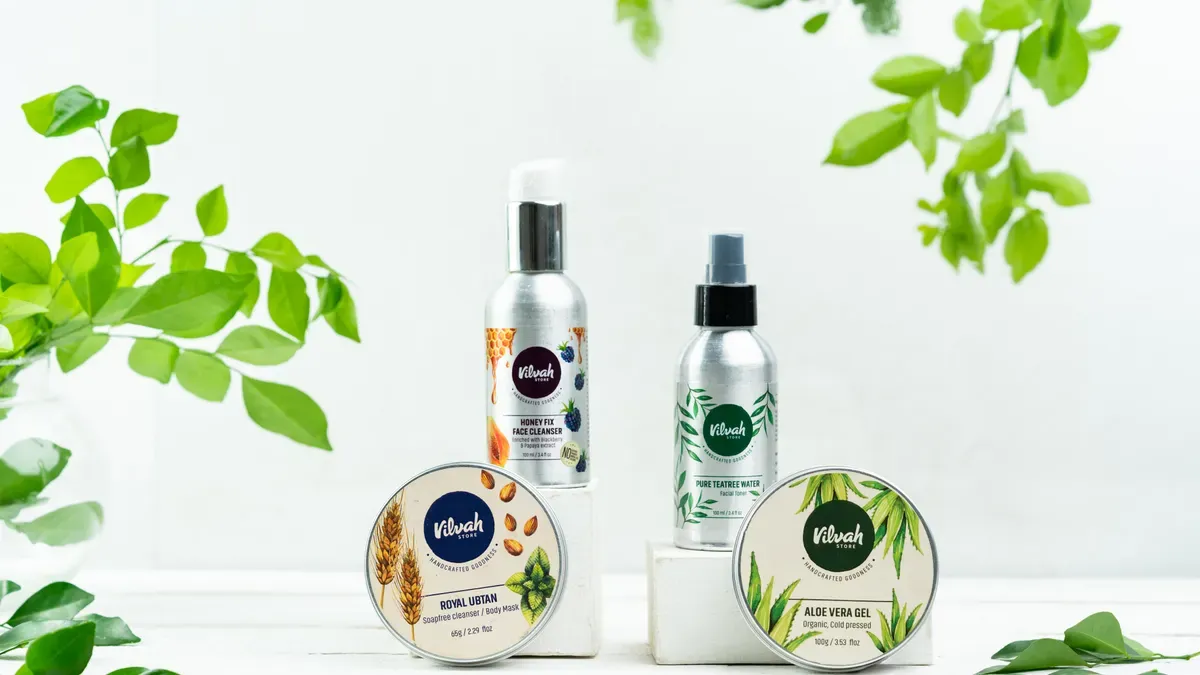
You see the latest trends in cosmetic packaging shaping the industry for facial toner bottles. Eco-friendly containers now dominate the market. Over 60% of buyers in 2024 pay more for sustainable packaging. Nearly 70% seek recyclable or refillable options. Refills and reusable packaging can reduce CO₂ emissions from cosmetics packaging by up to 85% compared to single-use plastics. Younger clients, especially those under 35, choose eco-friendly materials twice as often as older generations. Innovations like seaweed-based films and mushroom packaging will soon enter commercial skincare packaging. Minimalist packaging design enhances brand identity and creates emotional connections. It aligns with sustainability values and appeals to environmentally conscious buyers. The modern look of minimalist packaging attracts a specific demographic and increases shelf appeal.
Tip: You can explore eco-friendly packaging solutions to stay ahead in the cosmetics market.
4.2 Customization for Brand Identity
Custom cosmetic packaging helps you reinforce your brand identity. You select materials, design elements, and structural features that reflect your brand’s values. The table below shows how you can use customization to differentiate your products:
Customization Aspect | Description |
|---|---|
Materials | Choose materials that match your brand, such as earthy tones for organic products or sleek designs for luxury brands. |
Design Elements | Incorporate colors and patterns that align with your visual identity. |
Structural Features | Use unique bottle shapes or closures to convey innovation. |
You can use paperboard boxes for a high-quality finish. Kraft boxes give a rustic look, ideal for organic skincare products. Custom cosmetic packaging allows you to create a memorable unboxing experience and build loyalty.
Note: Luxury brands often use glass bottles and minimalist designs, while mass-market brands prefer cost-effective materials and vibrant packaging.
4.3 Creative Packaging: Clear, Frosted, and Colored Glass
Creative finishes in cosmetic packaging design influence how buyers perceive your products. Clear glass offers an attractive appearance but accelerates degradation of sensitive ingredients and shortens shelf life. Frosted glass provides UV protection, preserves product integrity, and gives a luxurious look. Colored glass also protects against UV rays but limits visibility of product amount. The table below compares glass types for bottles:
Glass Type | Benefits | Drawbacks |
|---|---|---|
Clear | Attractive, lightweight | Shorter shelf life, not for sensitive products |
Frosted | UV protection, luxury, hides variations | More expensive, fragile |
Colored | UV protection, preserves integrity | Limited visibility, color fading |
Frosted glass reduces fingerprints and product variations, enhancing the unboxing experience. Creative packaging finishes help your brand stand out in the crowded cosmetics market. Unified packaging design elevates perceived value and fosters emotional connections.
You can use creative packaging to differentiate your products and reinforce your brand ethos in skincare.
When you choose cosmetic packaging for facial toner bottles, you must focus on these main factors:
Packaging type, such as airless bottles, protects sensitive ingredients and supports product safety.
Material selection, like glass or PET, ensures compatibility and aligns with sustainability goals.
Protection features, including UV-blocking and airtight seals, maintain product quality.
Branding and design communicate transparency and sophistication.
You should choose cosmetic packaging that balances safety, convenience, and brand differentiation. Always choose cosmetic packaging that meets technical requirements and supports your marketing strategy. Avoid common mistakes by choosing cosmetic packaging that reduces environmental impact and appeals to modern buyers.
Key Factor | Why It Matters |
|---|---|
Material Compatibility | Protects toner from degradation |
Consumer Appeal | Enhances brand identity and supports sales |
Choose cosmetic packaging that positions your facial toner bottles for long-term success in the competitive skincare market.
FAQ
What bottle material works best for facial toner products?
You should choose PET plastic or glass bottles. PET offers durability and cost efficiency. Glass provides a premium look and strong UV protection. Both materials support product safety and align with industry standards.
How do you ensure bottle compatibility with toner formulas?
You need to test bottles with your actual toner formula. Check for chemical resistance and avoid leaching. PET and glass bottles usually perform well with water-based toners.
Which bottle features improve hygiene for facial toner packaging?
You can select airless pump bottles or sprayers. These features minimize contamination and support precise dispensing. Pumps and sprayers also enhance user experience in professional settings.
How does bottle packaging support brand identity for B2B clients?
You can customize bottle shape, color, and finish. Frosted or colored glass bottles communicate luxury. Unique designs help your brand stand out in the skincare market. Contact Oulete to customize bottles for your brand.
What sustainable bottle options are available for facial toner products?
You can use PCR-PET bottles or glass bottles. Both options support recycling and reduce environmental impact. Many brands now prefer bottles made from post-consumer recycled materials.