


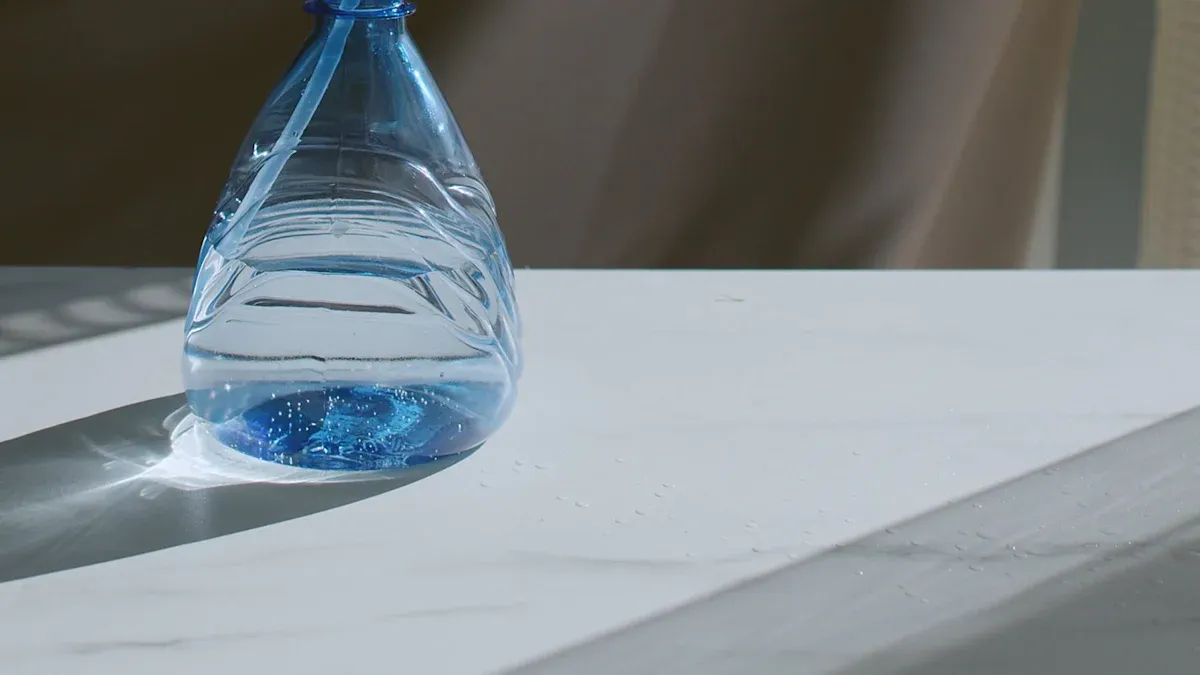
You use a pumping spray bottle by pressing the trigger. This action forces liquid through a tube and out the nozzle. The pump builds pressure, turning the liquid into a fine mist. You can easily control the spray by adjusting your grip or the nozzle settings.
Tip: Adjust the nozzle for a wider or more focused spray.
Key Takeaways
- A pumping spray bottle works by pressing the trigger, which creates pressure to turn liquid into a fine mist.
- Regular maintenance, like cleaning the nozzle and checking for clogs, keeps your spray bottle working effectively and extends its life.
- Choosing the right spray bottle for your needs, such as adjustable nozzles for different spray patterns, enhances performance and efficiency.
Pumping Spray Bottle Mechanism
Key Parts and Their Roles
You can understand a pump bottle better by looking at its main parts. Each part has a special job that helps you turn water into mist. Here is a table that shows the key components and their functions:
| Component | Function |
|---|---|
| Liquid Container | Holds the fluid you want to spray. |
| Trigger | Starts the pumping action and changes air pressure inside the pump. |
| Pump Mechanism | Uses your hand power to move the liquid out of the bottle. |
| Dip Tube | Pulls liquid from the bottom of the container when you squeeze the trigger. |
| Nozzle | Shapes the spray and breaks the liquid into tiny droplets. |
| Piston | Moves inside the pump to create pressure and push out the liquid. |
| Spring | Pushes the piston back to its starting spot after each spray. |
| One-Way Valve | Lets liquid move in one direction and stops it from flowing back into the bottle. |
Most pump bottles use strong plastics like polypropylene for the trigger, pump, and nozzle. The reservoir often uses high-density polyethylene or glass. The tube is usually made from low-density polyethylene. The spring can be metal or plastic, and the one-way valves use materials that work well with the pump and nozzle.
How Does the Pump Work in a Spray Bottle
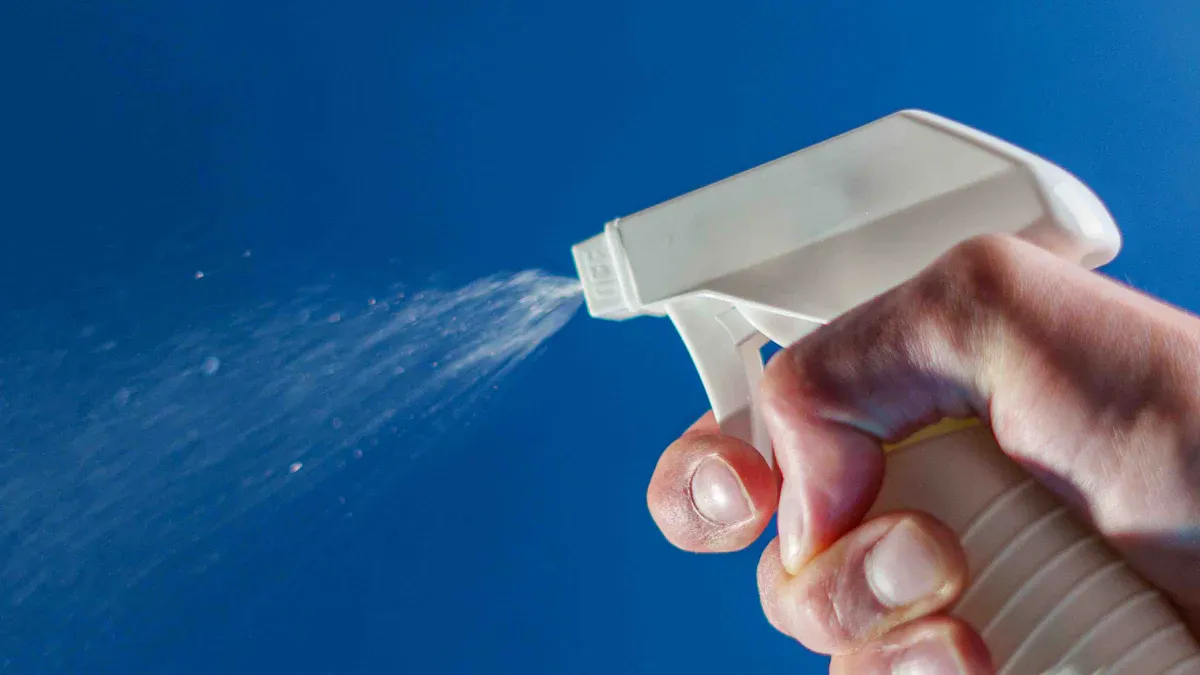
When you press the trigger on a pump bottle, you start a chain reaction. The trigger pushes the piston into the pump chamber. This action creates pressure inside the chamber. The pressure forces liquid up the dip tube and into the pump. The one-way valve opens to let the liquid move forward but stops it from going back. The pump mechanism then pushes the liquid through the nozzle. The nozzle breaks the liquid into small droplets, making a fine mist or a stream.
The piston and spring work together. The piston moves to reduce the space in the chamber, which pushes the liquid out. The spring helps the piston return to its starting position, so you can spray again. This process lets you control how much liquid comes out and how the spray looks.
Note: The nozzle design can change the spray pattern. You can twist the nozzle to get a wide mist or a narrow stream.
Step-by-Step: How Does a Spray Bottle Work
You might wonder, “how do spray bottles work?” Here is a simple step-by-step guide to show you what happens inside a pump bottle:
- You squeeze the trigger. This starts the pump mechanism and creates low pressure in the chamber.
- The one-way valve opens. Liquid moves from the reservoir into the pump chamber.
- The pump mechanism builds pressure. This pressure pushes the liquid toward the nozzle.
- The piston compresses the spring. When you release the trigger, the spring pushes the piston back.
- The one-way valve closes. This stops liquid from flowing backward.
- The nozzle atomizes the liquid. The high-speed liquid breaks into tiny droplets, creating a mist.
The atomization process happens because the nozzle forces the liquid through small holes at high speed. The liquid jet becomes unstable and splits into micro-droplets. This is how a pump bottle can turn water or other liquids into a fine mist.
You use the pumping action every time you press the trigger. The pump bottle repeats this process with each squeeze, giving you a steady spray.
Types, Uses, and Maintenance
Trigger Sprayer Pump Variations
You can find many types of trigger sprayer pumps on the market. Most sprayers use plastic because it is lightweight and affordable. Metal sprayers work well for tough jobs and last longer in industrial settings. Some bottles use glass or composite materials for style or special uses. Design features change how the spray nozzle works and how you use the pumping spray bottle. Look at this table to see how design affects performance:
| Design Feature | Impact on Performance | Best Use Cases |
|---|---|---|
| Nozzle Type | Changes droplet size and coverage | Mist: Houseplants; Stream: Cleaning |
| Adjustability | Makes the sprayer more versatile | Multi-purpose cleaning, gardening |
| Material Quality | Affects durability and chemical compatibility | Harsh chemicals, water-based sprays |
Tip: Choose an ergonomic sprayer with a comfortable grip. This reduces hand fatigue and makes spraying easier.
How Do Spray Bottles Work for Different Uses
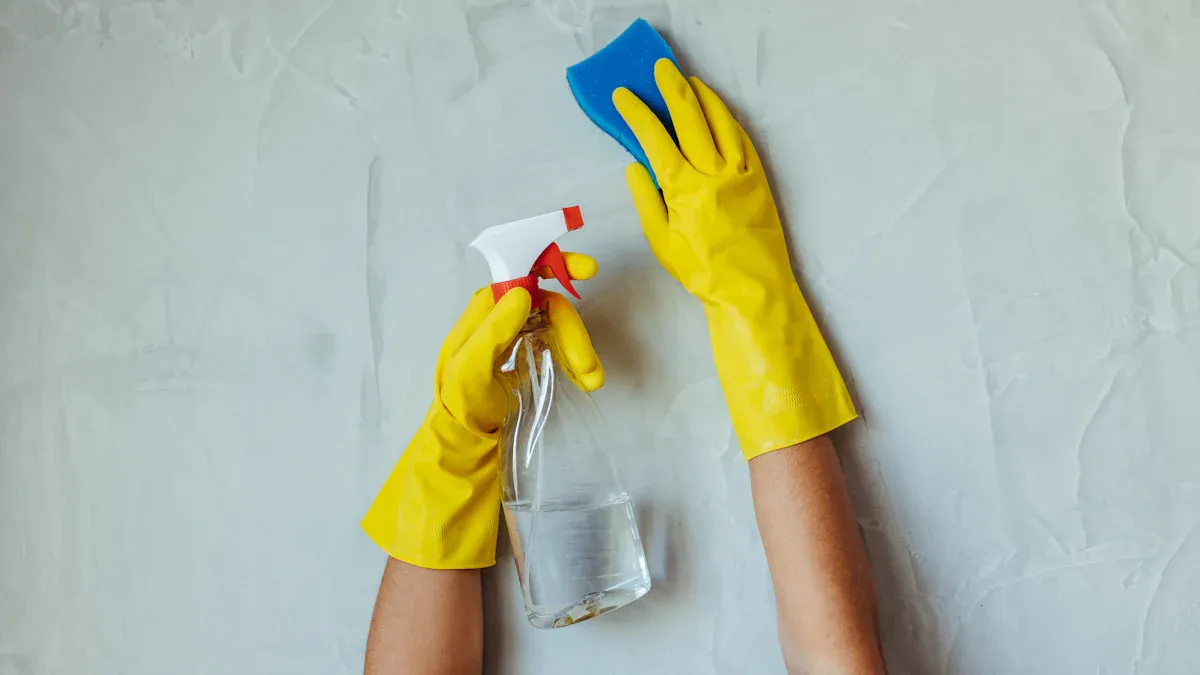
You use a pumping spray bottle for cleaning, gardening, or personal care. Cleaning bottles often use HDPE plastic to resist chemicals. Personal care bottles may use glass for safety with oils. Spray nozzles for cleaning adjust for targeted jobs, while gardening sprayers focus on a fine mist. Continuous spray bottles let you spray upside down and cover large areas with less effort. Mist bottles work best for gentle tasks like skincare. Spray bottles with larger droplets help you tackle tough cleaning jobs or water plants.
When you ask, “how does a spray bottle work,” you should think about the job you need to do. For chemicals, check the material and closure type. Make sure the bottle can handle pressure and temperature changes. Always label bottles and follow safety rules.
Maintenance and Troubleshooting Tips
You keep your sprayer working well by cleaning it after each use. Inspect the spray nozzle for clogs or irregular spray patterns. Clean the tank and nozzle with warm, soapy water and let all parts dry before reassembling. Check for cracks, leaks, or worn parts every month. If your pumping spray bottle stops spraying, follow these steps:
- Check the liquid level and make sure the dip tube is connected.
- Clean a clogged spray nozzle by soaking it in vinegar and using a pin to clear debris.
- Lubricate sticky triggers and check for air leaks.
- Make sure the tube reaches the liquid and has no cracks.
Note: Store your sprayer upright and wipe the nozzle after each use. Regular cleaning prevents residue build-up and keeps the spray bottle looking good.
A quality sprayer lasts six months to a year with regular use. Clean and inspect your sprayer often to extend its life and keep it working smoothly.
You now understand how a pumping spray bottle works and why knowing its mechanism helps you choose the right product. When you select bottles with features like airless pumps or locking nozzles, you minimize waste and improve efficiency. Regular maintenance keeps your bottle working well and extends its life.
- Clean your bottle to prevent clogs and ensure consistent performance.
- Choose reusable options to save money and reduce plastic waste.
- Refillable spray bottles cut costs and support sustainability.
| Metric | Single-Use Plastic Bottles | Reusable Tumblers |
|---|---|---|
| Usage Frequency | Used once | Used daily |
| Decomposition Time | Centuries | Fully recyclable |
| Replacement Rate | 1 million/minute | Replaces 1,000+ bottles |
| Resource Use | More water than it holds | Breaks even after 15 uses |
Apply these tips in your daily routine to make smarter, eco-friendly choices.
FAQ
How do you fix a spray bottle that won’t spray?
You clean the nozzle with warm water. You check the dip tube for blockages. You reconnect loose parts. You test the trigger for smooth movement.
Can you use any liquid in a pumping spray bottle?
You use water, cleaning solutions, or plant sprays. You avoid thick liquids or oils. You check the bottle label for safe liquids.
Why does the spray bottle leak?
- You see leaks when the nozzle is loose.
- You find cracks in the bottle.
- You replace worn seals to stop leaks.