


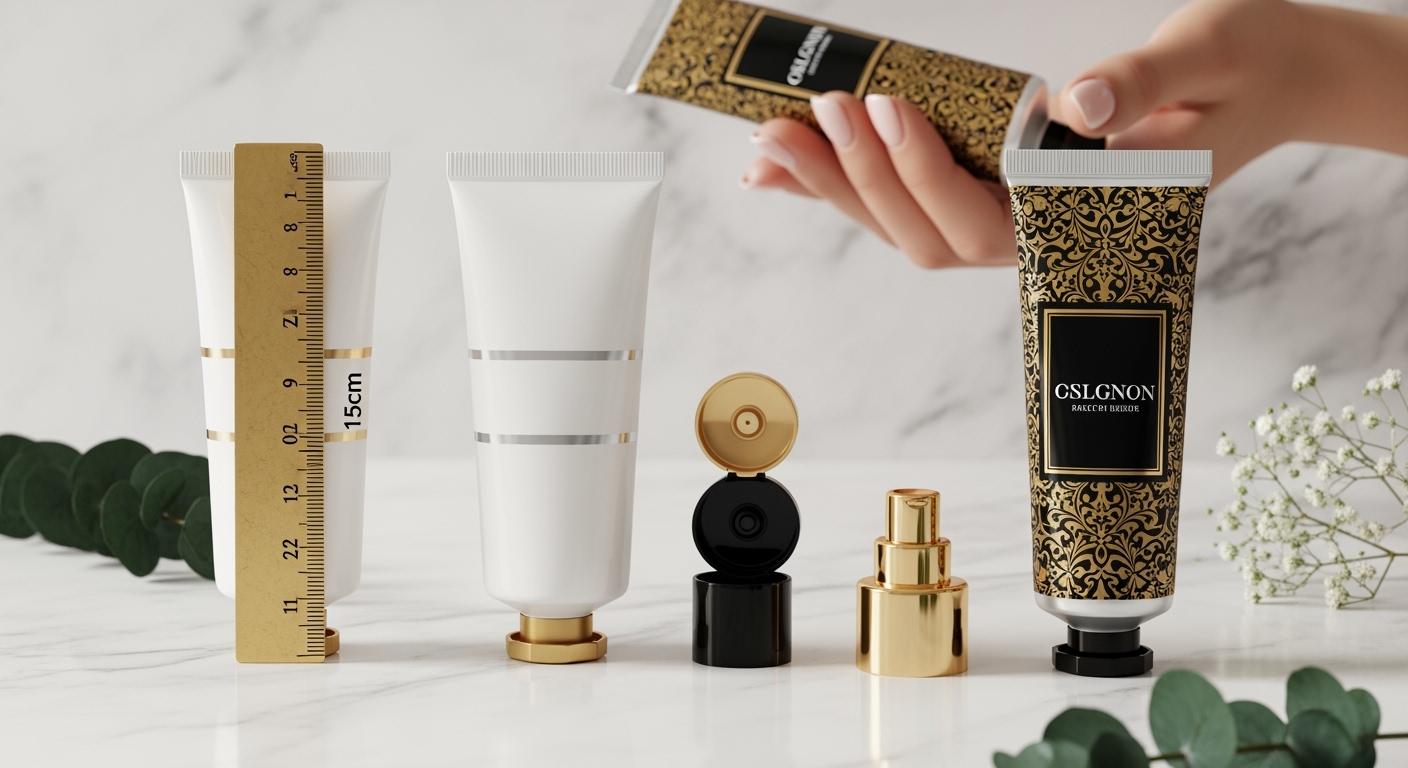
Selecting the right hand cream tube packaging shapes your brand image and product performance. You can choose from popular sizes like 30ml, 50ml, 75ml, or 100ml, and opt for materials such as recyclable aluminum or innovative eco-friendly options:
Feature | Details |
|---|---|
Sizes | 30ml, 50ml, 75ml, 100ml (Customizable) |
Materials | 99.7% aluminum, PLA, paper-based, recycled, refillable |
Cap Types | Screw, flip, sealed caps |
Decoration | Glossy, matte, metallic, offset printing |
Portability, secure seals, and ergonomic design ensure convenience, product protection, and precise dispensing—key factors for B2B clients seeking user satisfaction, sustainability, and strong branding.
Key Takeaways
Choose the right tube size for your hand cream. Smaller sizes like 30ml and 50ml are great for travel, while larger sizes like 100ml suit home use.
Select eco-friendly materials for packaging. Aluminum tubes are fully recyclable and protect sensitive ingredients, appealing to eco-conscious consumers.
Pick the right cap type for convenience. Flip-top caps allow one-handed use, while screw caps provide a secure seal for thicker creams.
Enhance your brand with custom decoration. Unique colors and finishes improve shelf appeal and encourage customer loyalty.
Consider user experience in your design. Ergonomic shapes and secure seals ensure product safety and build trust with your customers.
Part1: Hand Cream Tube Packaging Size
1.1 Tube Size Options
You can select from a wide range of tube sizes when planning your hand cream tube packaging. Standard sizes span from 5ml to 200ml, but most brands focus on the 10ml to 100ml range for optimal usability and cost efficiency. Smaller tubes, such as 30ml and 50ml, offer excellent portability and suit travel needs. Larger tubes, like 100ml and 150ml, work well for home or professional use. The table below highlights common sizes and their typical applications:
Size (ml) | Use Case |
|---|---|
30 | Travel |
50 | Travel |
100 | Home use |
150 | Home use |
Choosing the right size impacts how your customers interact with your product. Smaller tubes encourage frequent purchases and easy sampling. Larger tubes provide value for bulk buyers and professional settings. You can explore more options on our hand cream tubes and cosmetic tube packaging pages.
1.2 Size by Application
You should match tube size to the intended application. For travel and everyday carry, 30ml tubes fit easily in bags and pockets. Retail environments often favor 50ml tubes for frequent home use. Professional settings, such as spas or clinics, benefit from 80ml tubes that offer a long-lasting supply. The following table shows which sizes suit different applications:
Tube Size | Best Suited For | Application Type |
|---|---|---|
30ml | Everyday carry, travel | Travel |
50ml | Frequent home use | Retail |
80ml | Long-lasting supply | Professional use |
Selecting the right size for each application ensures your product meets the needs of your target market. You can also consider face wash tubes for similar packaging solutions.
1.3 Portability and Convenience
Portability remains a key factor in hand cream tube packaging. You want your clients to offer products that fit easily into purses, pockets, or travel kits. Smaller tubes, such as 30ml and 50ml, provide convenience for users on the go. Larger tubes, like 100ml, suit home use and reduce the need for frequent replacements.
Ergonomic shape and finish enhance user experience. Rounded edges and soft-touch finishes make tubes comfortable to hold and easy to squeeze. You can select finishes that match your brand identity, such as matte or glossy surfaces. Secure seals and leak-proof caps protect the product during transport and storage, which is essential for B2B clients who prioritize reliability.
Tip: When choosing tube sizes, consider both the end-user experience and the logistics of shipping and display. Smaller tubes reduce shipping costs and maximize shelf space, while larger tubes offer value for professional buyers.
Hand Cream Tube Packaging size selection shapes product utilization, branding, and customer satisfaction. You can tailor your packaging to fit specific market segments and optimize your supply chain.
Part2: Tube Material Choices
2.1 Plastic Tubes
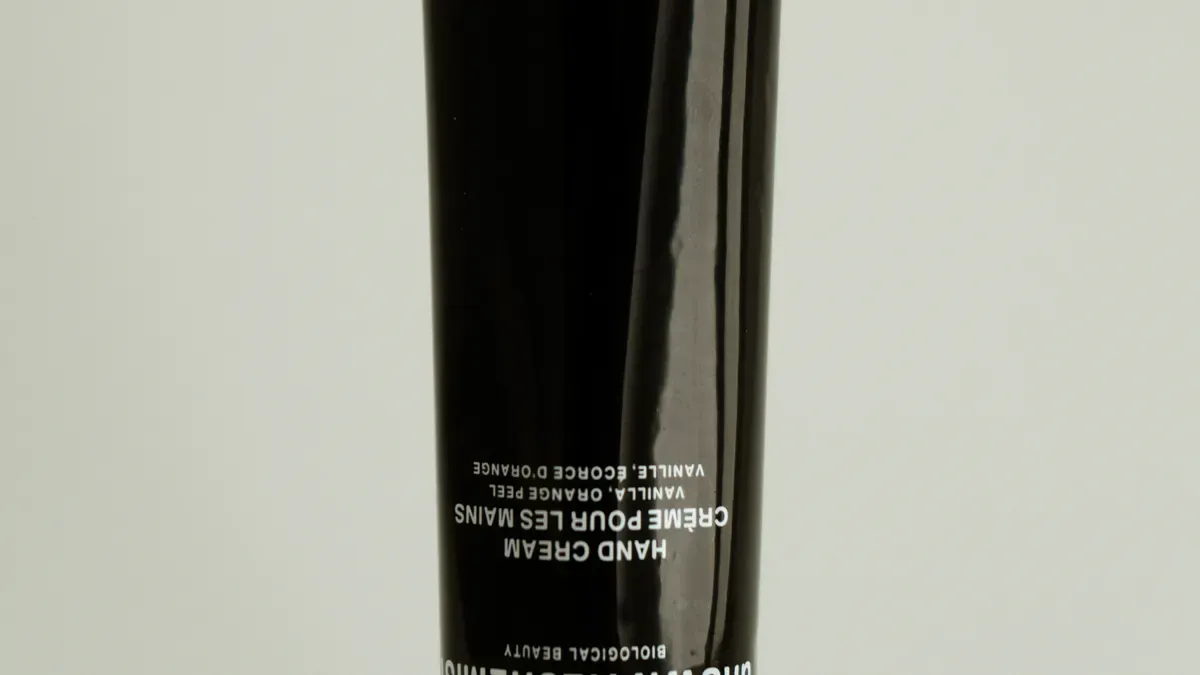
Plastic tubes remain a popular choice for hand cream tube packaging. You can select from various plastics, such as polyethylene (PE) and polypropylene (PP). These tubes offer flexibility, lightweight construction, and cost efficiency. However, plastic squeeze tubes often contribute to plastic pollution because they are less recyclable than other options. When you need a budget-friendly and versatile solution, plastic tubes can meet your requirements, but you should consider their environmental impact.
Factor | Aluminum Collapsible Tubes | Plastic Squeeze Tubes |
|---|---|---|
Environment Impact | Highly recyclable, less waste. | Less recyclable, contributes to plastic pollution. |
2.2 Aluminum Tubes
Aluminum tubes provide strong protection for your hand cream products. You benefit from exceptional sealing that blocks air and light, which helps prevent oxidation of sensitive ingredients like vitamin C. Aluminum tubes are 100% recyclable and do not contain plastic, making them a sustainable choice. Many B2B clients prefer aluminum for its premium feel and eco-friendly reputation.
Aluminum tubes offer full recyclability.
They support sustainability goals.
They appeal to eco-conscious markets.
2.3 Eco-Friendly Materials
You can now choose from a range of eco-friendly materials for hand cream tube packaging. These include post-consumer recycled plastics (PCR), bioplastics, aluminum, and paper-based materials. Many organizations now use sustainable tube packaging to reflect their brand values and commitment to the environment. If you want to explore more sustainable options, consider PCR airless bottles, PP airless bottles, or acrylic airless bottles.
2.4 Barrier Properties
Barrier properties play a key role in preserving product quality. You should look for materials that offer:
Oxygen barriers to protect sensitive ingredients and extend shelf life.
Moisture barriers to maintain product consistency and safety.
Light barriers, especially UV protection, to keep ingredients effective.
Contaminant barriers, such as airless or pump tubes, to enhance hygiene.
Selecting the right material for hand cream tube packaging ensures your product stays fresh, safe, and appealing to your clients.
Part3: Cap Types & Features
3.1 Flip-Top Caps
Flip-top caps offer convenience for hand cream tube packaging. You can open and close them with one hand, which makes daily use easier. These caps provide decent sealing, but durability can be a concern. Many flip-top caps lack inner lining, which may affect long-term product protection. The table below shows the main advantages and disadvantages:
Advantages | Disadvantages |
|---|---|
Convenient to use | Often unlined |
Decent sealing | Durability issues |
Flip-top caps work well for lotions and cleansers. You can match cap colors to your brand or add metallic accents for a premium look.
3.2 Screw Caps
Screw caps deliver a secure seal that prevents leakage. You can rely on them for creams, gels, and ointments. Many users find screw caps user-friendly, but some prefer flip-top caps for faster access. Screw caps suit products that require infrequent use and strong protection.
Screw caps provide tight seals.
Flip-top caps allow one-handed operation.
Disc top caps offer controlled dispensing and sleek design.
3.3 Nozzle & Applicator Caps
Nozzle and applicator caps give you precise control over dispensing. Nozzle tips help you apply thick creams to dry spots, while applicator caps target sensitive formulas and ensure even distribution. These caps minimize exposure to air and prevent contamination. The table below highlights their features:
Feature | Nozzle Tips | Applicator Caps |
|---|---|---|
Control over Dispensing | Allows precise control over the amount dispensed | Provides targeted application for specific areas |
Product Integrity | Helps preserve the formula by minimizing exposure to air | Often designed to prevent contamination |
Ideal for | Thick creams and targeted application on dry spots | Sensitive formulas and even distribution |
You can consider custom dropper bottles for products needing precision application.
3.4 Specialty Caps
Specialty caps help your product stand out. Unique designs, such as the SampoX hand cream tube with a ‘cat-ear’ shaped tail seal and abacus-shaped cap, create a whimsical look and easy-grip texture. These features enhance shelf presence and appeal to markets seeking differentiation, including Gen Z and gift buyers.
3.5 Cap Selection Tips
You should select caps based on functionality and compatibility with your product. The table below summarizes key factors:
Cap Type | Functionality | Use Case |
|---|---|---|
Screw Caps | Provide a tight seal, suitable for infrequent use. | Creams, gels, ointments |
Flip-Top Caps | Allow one-handed operation, designed for convenience. | Daily-use products like lotions and cleansers |
Nozzle Tips | Enable controlled, targeted dispensing for precision applications. | Lip care, eye creams, medicated ointments |
Pump Caps | Offer measured doses, ensuring consistent application and reducing waste. | Thicker creams or serums |
Membrane Seals | Protect products from air and microbial contamination, ensuring freshness. | All types of tubes before first use |
Tip: You can enhance your packaging by color-matching caps or adding metallic accents. Secure seals are essential for travel and storage. Design freedom allows you to tailor cap features to your brand and product needs.
For thicker creams, you may want to explore lotion bottles with pump for consistent dosing and reduced waste.
Part4: Decoration & Branding
4.1 Surface Finishes
You can elevate your hand cream tube packaging by selecting the right surface finish. Soft-touch coating has become popular among global cosmetic brands. This finish gives your tubes a luxurious, velvety feel that communicates elegance and quality. It also improves grip, which is practical for daily use. Matte finishes create a premium, understated look, while glossy finishes deliver vibrant, eye-catching appeal. The table below compares these options:
Feature | Matte Finish Tubes | Glossy Tubes |
|---|---|---|
Visual Appeal | Soft, understated, premium | Bright, vibrant, eye-catching |
Tactile Feel | Soft-touch, smooth, non-reflective | Slick, shiny, reflective |
Best Applications | Skincare, hand cream, eye cream | Body lotion, toothpaste, sunscreen |
A soft-touch or matte finish can help your product stand out in a crowded market and enhance the user experience.
4.2 Printing Techniques
You have several printing techniques to choose from for custom cosmetic packaging services. Each method offers unique advantages:
Silk screen printing produces bright, durable graphics, ideal for small batches.
Offset printing delivers high-quality images and vibrant designs for large runs.
Digital printing allows fast, flexible customization for limited editions.
Hot stamping adds metallic or glossy accents, giving your tubes a luxurious touch.
Flexographic printing ensures consistent quality for high-volume production.
These techniques let you combine visual impact with cost efficiency. You can request a custom packaging quote to find the best solution for your brand.
4.3 Labeling & Sleeves
Labeling and sleeves play a vital role in both branding and regulatory compliance. Shrink sleeves and wraparound labels maximize printable area, giving you nearly 360 degrees for product information and graphics. This approach simplifies packaging by combining branding, compliance details, and tamper evidence. The table below highlights key benefits:
Benefit | Description |
|---|---|
Simplifies Packaging | Combines branding and compliance in one component |
Reduces Labor and Inventory | Lowers operational costs compared to adhesive labels |
Maximizes Printable Area | Offers space for graphics and regulatory text |
Ensures Compliance | Provides room for warnings, ingredients, and directions |
You must include essential information such as product name, net quantity, ingredient list, and required warnings. Cosmetic packaging customization ensures your tubes meet industry standards and reflect your brand identity.
4.4 Branding Impact
Custom decoration directly influences shelf appeal and brand recognition. Unique colors, logos, and finishes help your products stand out. Consistent design across your product line builds trust and encourages repeat purchases. Distinctive shapes and finishes attract attention and invite customers to interact with your packaging. Custom solutions strengthen your visual identity and support premium positioning in the market.
Tip: Investing in high-quality decoration and branding for hand cream tube packaging can increase customer loyalty and boost your brand’s reputation. Explore our cosmetic packaging customization services to create packaging that aligns with your business goals.
When you select Hand Cream Tube Packaging, focus on size, material, cap, and decoration. Each factor shapes product safety, user experience, and brand impact. Use this checklist to guide your decision:
Consideration | What to Check |
|---|---|
Product Stability | Airless or sealed tubes for sensitive formulas |
User Experience | Easy-open caps and comfortable grip |
Sustainability | Recyclable or eco-friendly materials |
Branding | Custom finishes and clear labeling |
Ergonomic design and secure seals protect your product and build trust. Oulete offers expert support, compliance guidance, and custom solutions for your packaging needs.
FAQ
What tube size works best for travel kits?
You should choose 30ml or 50ml tubes for travel kits. These sizes fit easily in bags and meet airline regulations. They also help you offer convenient, single-use or short-term packaging for your clients. You should choose 30ml or 50ml tubes for travel kits. These sizes fit easily in bags and meet airline regulations. They also help you offer convenient, single-use or short-term packaging for your clients. For custom travel-size hand cream packaging, contact Oulete to discuss tube capacity, material, cap style, decoration, MOQ, and branding requirements.
Which material offers the best product protection?
Aluminum tubes provide strong barriers against air, light, and moisture. You can use them to protect sensitive hand cream formulas. They also support your sustainability goals because they are fully recyclable.
How do you select the right cap for hand cream tubes?
You should match the cap to your product’s viscosity and usage. Flip-top caps work well for daily lotions. Screw caps suit thicker creams. Nozzle tips help with precise application. Always test for secure seals.
Can you customize tube decoration for branding?
Yes, you can fully customize tube decoration. You may choose from matte, glossy, or soft-touch finishes. Printing options include silk screen, offset, and hot stamping. Custom decoration helps your brand stand out in the market.
What makes packaging eco-friendly for B2B clients?
You should look for recyclable materials like aluminum or PCR plastics. Paper-based tubes and refillable designs also support sustainability. Eco-friendly packaging helps your business meet environmental standards and client expectations.