


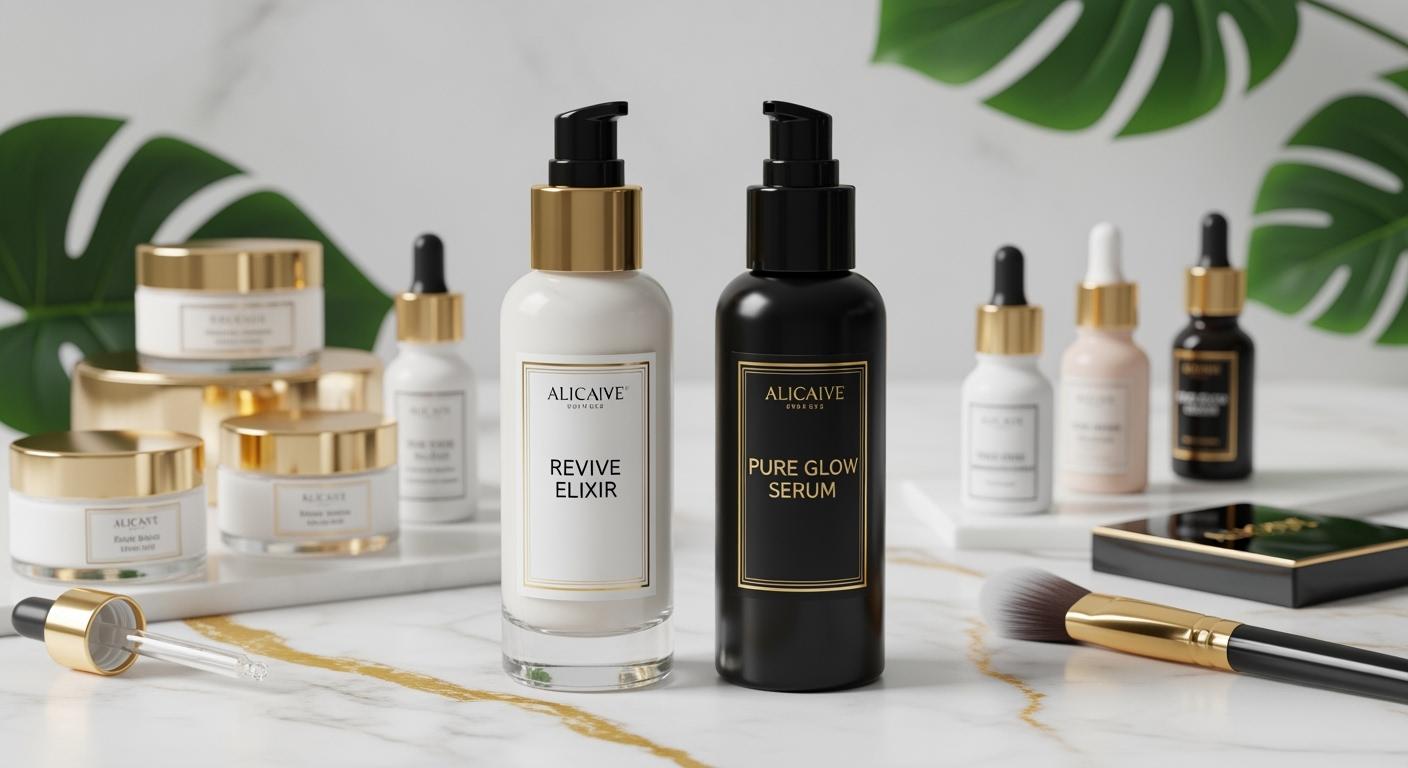
You gain stronger product protection, sustainability, and premium brand image when you choose Glass Airless Pump Bottles for your skincare line.
Airless packaging helps maintain the stability and potency of sensitive and active ingredient formulations, ensuring that consumers receive the full benefits of the product.
Natural and organic products benefit from airless bottles as they are more susceptible to contamination and spoilage due to minimal preservatives.
The packaging you choose for your cosmetic collection is crucial to communicating the personality of your products, and our airless pump bottles are contemporary and cutting-edge.
Cost and handling may influence your decision, but glass offers clear advantages for brands seeking to elevate their product quality and market perception.
Key Takeaways
Glass airless pump bottles protect active ingredients, ensuring product potency and stability over time.
Choosing glass packaging enhances your brand’s sustainability image, as glass is recyclable and eco-friendly.
Plastic airless bottles offer cost savings and durability, making them practical for shipping and handling.
The premium look of glass bottles can elevate your brand perception and attract discerning customers.
Consider your product’s needs and target market when selecting between glass and plastic packaging.
Part 1: Glass Airless Pump Bottles: Product Protection
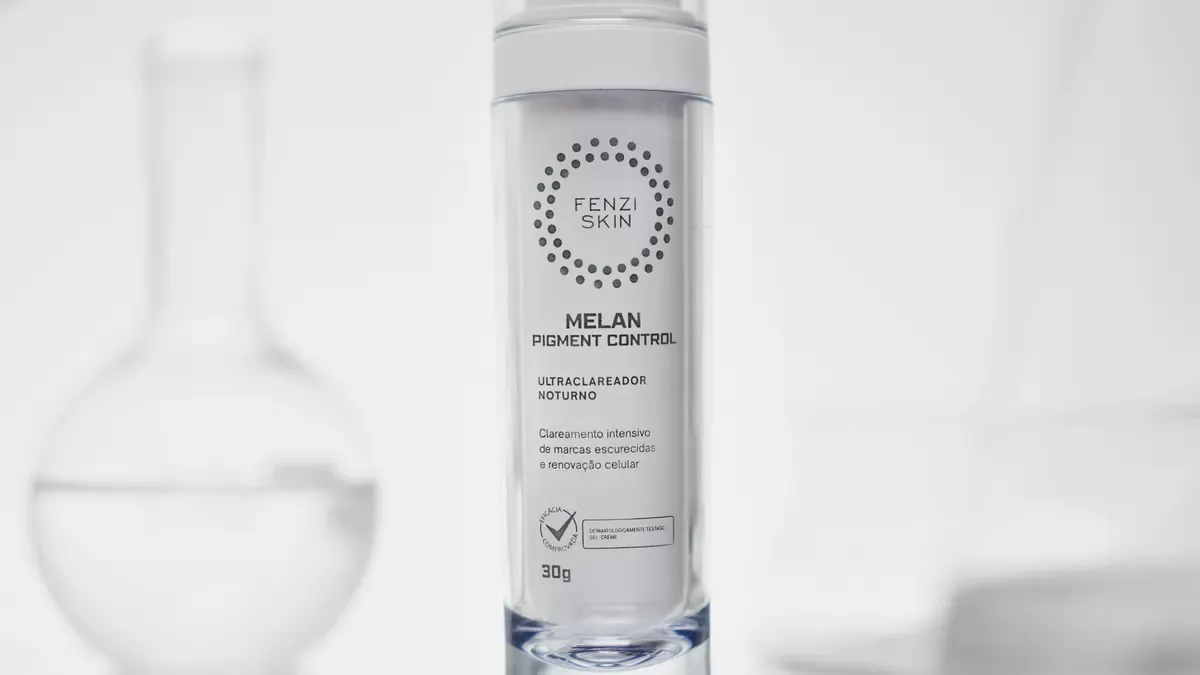
1.1 Preserving Active Ingredients
You want your skincare formulations to remain potent and effective throughout their shelf life. Glass Airless Pump Bottles offer a superior solution for preserving active ingredients. The non-porous quality of glass prevents air, moisture, and contaminants from entering the bottle. This means your formulas stay pure and stable, even when they contain sensitive actives like vitamin C or retinol. Glass does not react with these ingredients, so you avoid unwanted chemical changes that can reduce product efficacy.
Research shows that glass containers can retain up to 98% of active ingredients after 24 months. This high retention rate ensures your customers receive the full benefits of your formulations. In comparison, plastic bottles may allow oxidation and leaching, which can degrade actives and compromise product quality. When you choose glass, you protect your investment in high-performance ingredients and deliver consistent results to your clients.
Tip: For brands that market products with minimal preservatives or high concentrations of actives, glass airless packaging provides an extra layer of protection against ingredient breakdown.
1.2 Reducing Contamination Risks
You need to minimize contamination risks in your skincare line. Glass Airless Pump Bottles help you achieve this goal. Glass is non-toxic and non-porous, so it does not absorb or release chemicals into your product. This property keeps your formulas safe from external pollutants and prevents cross-contamination.
Plastic bottles can sometimes interact with their contents, especially when exposed to heat or light. These interactions may introduce unwanted substances into your skincare products. With glass, you eliminate this risk. Your formulas remain uncontaminated, which is essential for products designed for sensitive skin or those with strict purity standards.
You also benefit from the airless pump mechanism. This system prevents users from touching the product inside the bottle, reducing the chance of introducing bacteria or other contaminants. You maintain a high standard of hygiene from the first pump to the last.
1.3 Airless Technology Benefits
Airless technology offers several advantages for your skincare brand:
Extended shelf life by preventing oxidation
Improved hygiene, as users do not touch the product directly
Better preservation of active ingredients
Consistent product delivery with every use
You reduce the need for strong preservatives because the airless system protects your formula from exposure. This is especially important for natural or organic skincare lines. You also provide your customers with a reliable, high-quality experience, as the pump dispenses the right amount of product every time.
Note: Glass Airless Pump Bottles combine the best of both worlds—material safety and advanced dispensing technology. This combination helps you maintain product integrity and build trust with your clients.
Part 2: Sustainability and Environmental Impact
2.1 Glass Airless Pump Bottles: Eco Benefits
You want your skincare brand to stand out for its commitment to sustainability. Glass Airless Pump Bottles offer clear environmental advantages. Glass is non-toxic and does not leach chemicals into your products or the environment. You can recycle glass indefinitely without losing quality, which reduces the demand for raw materials and lowers landfill waste.
A Lifecycle Assessment (LCA) gives you a complete picture of environmental impact. This assessment examines every stage, from raw material extraction to disposal. Glass airless bottles show lower impacts in resource depletion compared to plastic containers. You also benefit from reduced product waste, since airless technology dispenses nearly all of the formula inside.
When you choose glass, you signal your dedication to eco-friendly practices. Many brands use glass packaging to reinforce their green credentials and attract environmentally conscious buyers. If you want to explore more sustainable options, you can review our PCR airless bottles, which use post-consumer recycled materials.
Note: Glass Airless Pump Bottles help you minimize your environmental footprint and support a circular economy.
2.2 Plastic Airless Bottles: Environmental Concerns
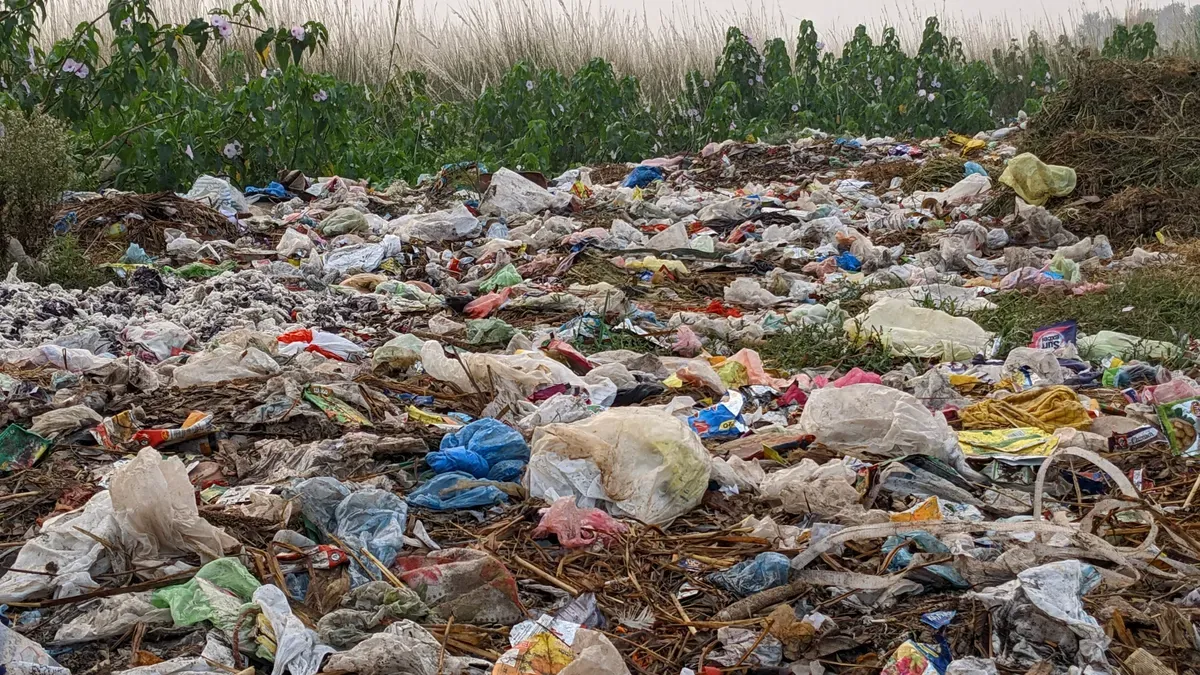
Plastic airless bottles present several environmental challenges. The beauty industry generates millions of tons of packaging waste each year, much of it from single-use plastics. You face issues with excessive packaging waste, especially when containers use multi-layered materials that are hard to recycle.
Most plastic bottles rely on virgin materials, which increases fossil fuel consumption and puts more pressure on landfills. Design complexity also makes recycling difficult. Multi-material components often prevent consumers from separating parts for proper disposal. As a result, plastic packaging contributes significantly to pollution and resource depletion.
You can reduce these impacts by choosing bottles made from PCR (post-consumer recycled) plastic. Learn more about PCR airless bottles and how they can help your brand lower its environmental footprint.
Excessive packaging waste
Over-reliance on virgin plastics
Difficult recycling due to design complexity
2.3 Recyclability and Waste Management
You need to consider recyclability and waste management when selecting packaging. Glass Airless Pump Bottles offer superior recyclability. You can recycle glass multiple times without degrading its quality. This process supports a closed-loop system and reduces the need for new materials.
Plastic bottles, especially those made from PET, require less energy to manufacture but often create more product waste. Studies show that PET jars have the highest product waste, leading to a total environmental impact that is twenty-six percent higher than airless pump bottles. Transportation emissions also increase with heavier glass bottles, but the overall environmental impact remains lower in most categories.
The table below compares key sustainability factors:
Packaging Type | Recyclability | Manufacturing Energy | Product Waste | Transportation Emissions |
|---|---|---|---|---|
Glass Airless Pump Bottles | High | Moderate | Low | Higher |
Plastic Airless Bottles | Moderate | Low | High | Lower |
You can improve your brand’s sustainability by choosing packaging that balances recyclability, energy use, and waste management. Glass Airless Pump Bottles provide a strong foundation for eco-friendly skincare lines. If you want to learn more about sustainable packaging solutions, visit our product pages for glass and PCR airless bottles.
Tip: Consider the full lifecycle of your packaging to make informed decisions that benefit both your brand and the environment.
Part 3: Cost and Practicality
3.1 Manufacturing and Shipping Costs
You need to consider both manufacturing and shipping costs when selecting airless pump bottles for your skincare products. Glass airless pump bottles usually cost more to produce than plastic bottles. The production process for glass requires more energy and specialized equipment. You also pay more for shipping glass bottles because they weigh more and need extra protection during transport. This added weight and fragility increase your overall logistics expenses.
Plastic airless bottles offer a more affordable solution. Manufacturers can produce plastic bottles at a lower cost. You also save on shipping because plastic bottles are lighter and less likely to break. These savings can help you manage your budget, especially if you plan to scale your product line.
Here is a quick comparison:
Material | Weight | Fragility |
|---|---|---|
Glass | Heavier than plastic | Prone to breaking |
Plastic | Lighter than glass | Less fragile |
Tip: If you want to reduce costs and simplify logistics, plastic airless bottles may be the better choice.
3.2 Durability and Handling
You must think about how your packaging will perform during handling and distribution. Glass bottles look elegant, but they can break if dropped or mishandled. This risk increases during shipping and warehouse storage. You may need to invest in extra packaging materials to protect glass bottles, which adds to your costs.
Plastic bottles provide better durability. They resist impacts and do not shatter easily. You can handle and transport them with less worry about damage. This reliability makes plastic bottles a practical option for large shipments or e-commerce fulfillment.
3.3 Retail and User Convenience
You want your packaging to work well for retailers and end users. Glass bottles feel premium and can enhance your brand image on store shelves. However, their weight can make them harder to stock, move, and display. Retailers may prefer lighter packaging for easier shelf management.
Plastic bottles offer convenience. They are lightweight and easy to handle. Retailers can stock them quickly, and customers can carry them without effort. If you prioritize practicality and cost-efficiency, plastic airless bottles deliver strong advantages for your business operations.
Note: Balancing cost, durability, and convenience helps you choose the right packaging for your skincare brand’s needs.
Part 4: Brand Image and Market Perception
4.1 Premium Appeal of Glass Airless Pump Bottles
You want your skincare brand to stand out in a crowded market. Glass Airless Pump Bottles help you achieve a premium look that attracts attention. Packaging acts as a key differentiator for beauty brands. Glass offers visual distinctiveness and supports elegant designs. You can use custom shapes and decorative finishes to enhance shelf presence. Many high-end brands rely on glass packaging to justify premium pricing. The transparency of glass lets customers see the product, which builds trust in quality. Heavier glass containers create a sense of exclusivity and value.
Glass packaging links to luxury and sophistication.
Minimalistic aesthetics contribute to a premium appearance.
Premium closures and finishes boost brand value.
4.2 Consumer Trust and Safety
You build consumer trust by choosing high-quality packaging. Glass Airless Pump Bottles signal reliability and safety. Market research shows that packaging material influences buying decisions. Many consumers associate high-quality packaging with high-quality products. Packaging serves as the first signal of trust and quality. Well-designed bottles communicate reliability before customers even use the product.
66% of consumers in Europe say packaging affects their perception.
67% consider materials important in their buying choices.
72% believe packaging design impacts their purchasing decisions.
You reinforce your brand’s commitment to safety and quality by selecting glass bottles.
4.3 Market Positioning
You position your brand for success by choosing the right packaging. Glass Airless Pump Bottles support a premium market strategy. Manufacturers emphasize design and aesthetics as key differentiators. Custom shapes and decorative finishes help your products stand out. High-end brands use distinctive glass packaging to justify higher prices. The table below shows how packaging influences market positioning:
Packaging Type | Brand Perception | Pricing Strategy | Shelf Presence |
|---|---|---|---|
Glass Airless Pump Bottles | Premium | High-End | Strong |
Plastic Airless Bottles | Practical | Value | Moderate |
You can elevate your brand image and attract discerning buyers with glass packaging.
Part 5: Formula Compatibility
5.1 Glass vs Plastic: Formula Stability
You need packaging that keeps your skincare formulas stable and effective. Glass airless pump bottles offer strong chemical compatibility, especially for products with sensitive ingredients. Borosilicate glass stands out for its resistance to acid and minimal degradation. Soda-lime glass, while common, can show higher weight loss and potential leakage when exposed to acidic formulations. Plastic bottles provide durability but may interact with certain actives, especially under extreme conditions.
A recent study compared how glass and plastic bottles perform with common skincare formulas:
Formulation Type | Glass Type | Degradation After Time |
|---|---|---|
Vitamin C serum (pH 2.8) | Borosilicate | 0.03% after 12 months |
Vitamin C serum (pH 2.8) | Soda-lime glass | 18% after 8 weeks |
Mineral sunscreen (pH 7.2) | Both types | Maintained stability |
DIN Certco tested refillable glass bottles under harsh conditions.
Soda-lime glass lost 23% weight after acid exposure.
Borosilicate glass showed only 0.08% degradation.
Airless technology protects formulas by preventing oxidation and reducing the need for preservatives. You can maximize product longevity and maintain ingredient potency.
Tip: Choose borosilicate glass for acidic or high-performance skincare products to ensure maximum stability.
5.2 Customization Options
You want packaging that reflects your brand identity and meets your product needs. Both glass and plastic airless pump bottles offer a range of customization options. You can select bottle materials and finishes, pump designs, and branding features.
Customization Aspect | Options Available |
|---|---|
Bottle Material & Finish | Plastic, glass, frosted, glossy, matte |
Pump & Nozzle Design | Different dispensing styles |
Color & Branding | Custom colors, silk-screen printing, metallic accents |
Plastic bottles provide flexibility in color and shape. Glass bottles deliver a premium look with frosted or glossy finishes. You can add silk-screen printing or metallic accents to enhance brand visibility. Recent innovations include recyclable plastics and refillable designs, helping you meet sustainability goals.
Note: Customization lets you tailor packaging to your formula requirements and brand strategy. You can combine advanced protection with unique aesthetics to stand out in the skincare market.
Part 6: User Experience
6.1 Ergonomics and Dispensing Precision
You want your customers to enjoy a smooth and precise dispensing experience. Glass airless pump bottles deliver a premium feel with each press. The pump mechanism ensures you get the right amount of product every time. You avoid waste and maintain consistency. Plastic airless bottles also offer reliable dispensing. The lightweight design makes them easy to handle, especially for frequent use. Both materials support advanced pump technology, but glass often feels more substantial in the hand. You can choose pump styles that match your formula’s viscosity and your brand’s aesthetic.
Tip: Ergonomic design improves user satisfaction and reduces product waste. You can select pump options that fit your target market’s needs.
6.2 Weight and Portability
You need to consider how bottle weight affects user experience and logistics. Glass airless pump bottles feel luxurious, but their weight and fragility make them less suitable for travel. Plastic airless bottles are lightweight and durable. You can include them in travel kits or gym bags without worry. The table below summarizes consumer feedback on weight and portability:
Bottle Type | Weight and Portability Feedback |
|---|---|
Glass Airless Pump | Not ideal for travel due to weight and breakability; premium feel. |
Plastic Airless Pump | Lightweight and durable; perfect for travel kits and gym bags. |
You improve customer convenience by choosing packaging that fits their lifestyle. You also reduce shipping costs and minimize breakage during distribution.
6.3 Consumer Feedback
You gain valuable insights from consumer feedback on airless pump bottles. Customers appreciate the premium feel of glass, but they often mention concerns about weight and breakability. Plastic bottles receive positive reviews for their portability and durability. You can use this feedback to refine your packaging strategy. Brands that prioritize luxury may prefer glass, while those targeting active or travel-focused consumers often choose plastic.
Note: Listening to user feedback helps you align your packaging choices with market expectations. You build trust and loyalty by offering bottles that match your customers’ needs.
You gain the most product protection, sustainability, and premium brand image with glass airless pump bottles. Plastic bottles offer lower costs and better portability.
Key points:
Glass: Superior ingredient protection, eco-friendly, premium look
Plastic: Cost-effective, durable, lightweight
For most skincare brands, glass airless bottles elevate your product line. Review your formula needs and brand goals before choosing your packaging.
FAQ
What are the main benefits of glass airless pump bottles for skincare brands?
Glass airless pump bottles protect sensitive ingredients. You gain a premium look and strong sustainability credentials. Glass does not react with formulas, so you maintain product integrity. Need help choosing the right packaging for your skincare line? Contact Oulete for a custom quote.
How do plastic airless bottles impact product safety?
Plastic airless bottles resist breakage and offer lightweight convenience. You must check compatibility with active ingredients. Some plastics may leach chemicals or allow oxidation, which can affect formula stability.
Can you recycle glass and plastic airless bottles easily?
You can recycle glass bottles multiple times without losing quality. Plastic bottles may require sorting and cleaning. Some plastics are not accepted by all recycling facilities.
Which bottle type is better for shipping large orders?
You save on shipping costs with plastic bottles. They weigh less and resist damage during transit. Glass bottles need extra protection and increase logistics expenses.
How do airless pump bottles support brand differentiation?
Airless pump bottles help you stand out. Glass options create a luxury image. Plastic bottles offer flexibility in design and color. You can customize both to match your brand strategy.