


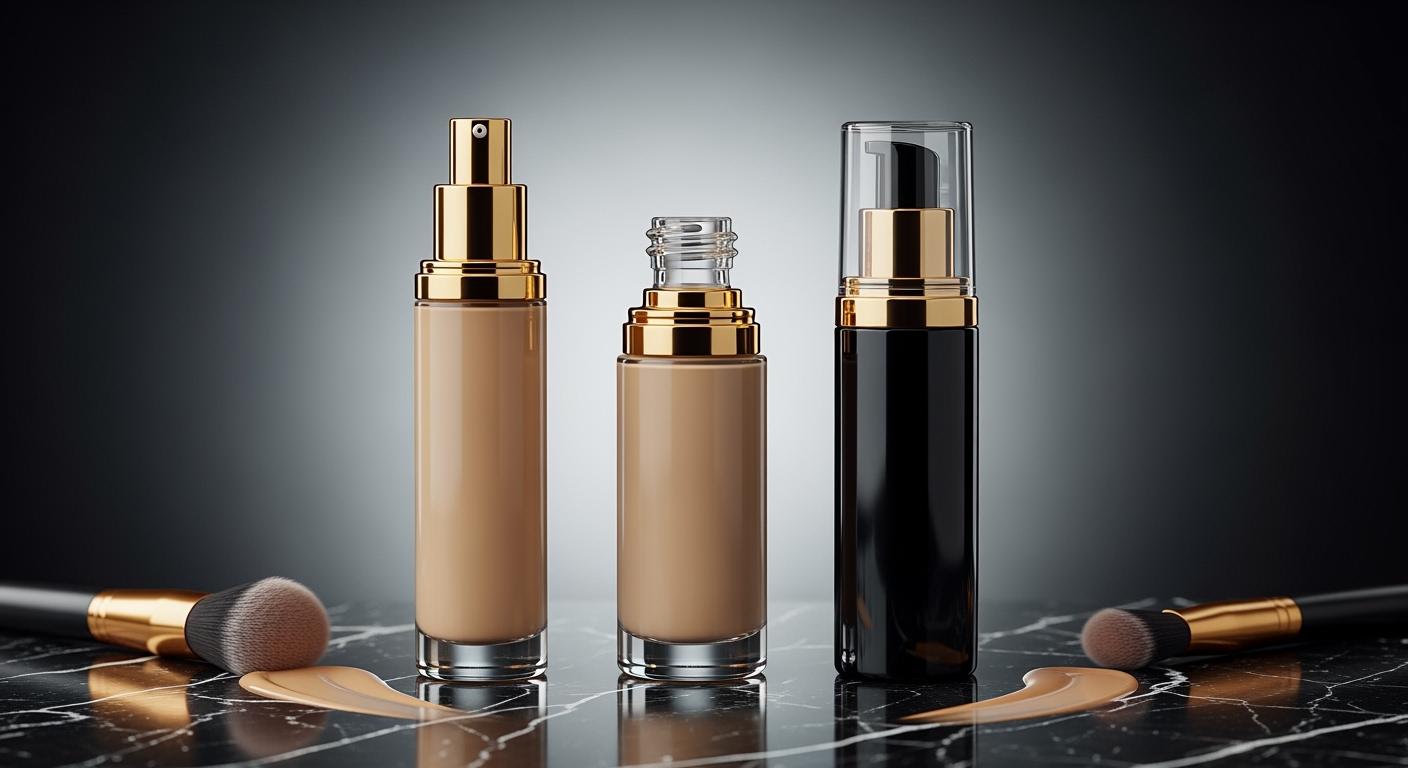
You make critical decisions when you select foundation bottle packaging for your makeup line. Pump, glass, and airless options each offer unique benefits that influence your product’s quality and your brand’s reputation. Pumps and dispensers have become popular because they improve hygiene and allow you to control the amount used. Airless bottles protect formulas from air, which helps you maintain product efficacy and extend shelf life. The right packaging reflects your commitment to both performance and brand image.
Key Takeaways
Choose the right foundation bottle type to enhance product quality and brand image.
Pump bottles offer hygienic dispensing and reduce waste, making them ideal for travel.
Glass bottles provide a premium look and are recyclable, supporting sustainability efforts.
Airless bottles protect formulas from air exposure, extending shelf life and maintaining quality.
Always test packaging compatibility with your foundation to avoid costly recalls.
Part1: Foundation Bottle Packaging Overview
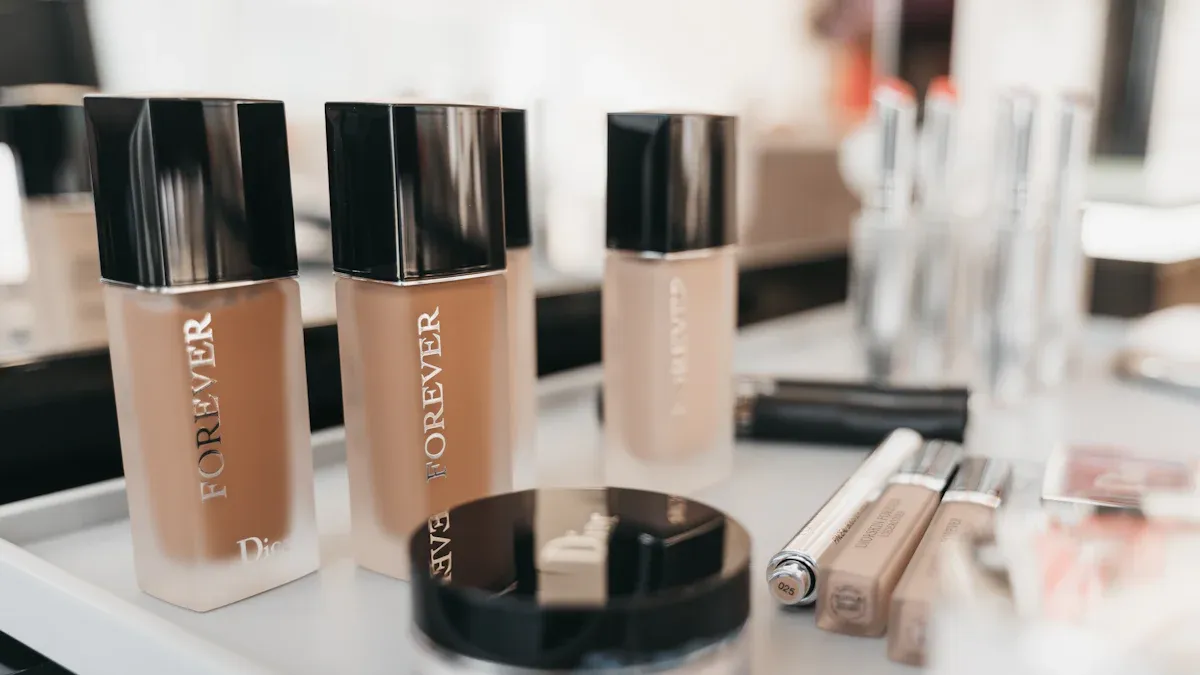
When you select Foundation Bottle Packaging for your makeup brand, you encounter several popular options. Each type offers unique advantages that can impact your product’s performance and your brand’s reputation. You need to understand these choices before you compare their features and benefits.
1.1 Pump Foundation Bottle Packaging
Pump bottles have become a top choice for liquid foundations. You benefit from easy dispensing and reduced waste. The pump mechanism limits air exposure, which helps preserve the foundation’s texture and color. You also minimize contamination risk because the pump prevents direct contact with the product. Many brands prefer pump bottles for their sleek design and portability.
Tip: Pump bottles are ideal for travel and on-the-go touch-ups.
Here is a quick overview of pump bottle features:
Feature | Description |
|---|---|
Hygienic Application | Minimizes direct contact, reducing contamination risk. |
Preservation of Quality | Limits air exposure, preserving texture and effectiveness. |
Convenience and Portability | Spill-proof and easy to carry. |
Enhanced User Experience | Sleek design aligns with consumer preferences. |
1.2 Glass Foundation Bottle Packaging
Glass bottles offer a classic and premium look. You can use glass packaging to highlight your brand’s commitment to quality and sustainability. Glass resists chemical reactions, which helps maintain the foundation’s integrity. Many brands choose glass bottles for their durability and style.
Glass bottles suit both liquid and cream foundations.
You can customize glass bottles with unique shapes and finishes.
For brands seeking dropper solutions, glass dropper bottles provide controlled dispensing for serums and lubricated foundations.
1.3 Airless Foundation Bottle Packaging
Airless bottles use vacuum technology to protect your foundation from air exposure. This system keeps the product isolated, which extends shelf life and maintains quality. You avoid oxidation and preserve sensitive ingredients. Airless bottles also ensure hygienic dispensing and precise application.
You can rely on airless packaging for formulas that require extra protection and stability.
Note: Airless pump bottles are ideal for preserving foundation integrity and preventing waste.
Now that you know the main types of Foundation Bottle Packaging, you can compare their features and decide which suits your brand’s needs.
Part2: Features & Benefits
2.1 Pump Bottles: Dispensing & Hygiene
You want your customers to enjoy a clean and efficient experience every time they use your foundation. Pump bottles deliver consistent, waste-free foundation with every press. You can control the amount dispensed, which helps reduce excess use and extends the life of your product. This accuracy is especially important for makeup brands that want to minimize waste and improve customer satisfaction.
Pump bottles also protect your formula from bacteria and debris. The sealed design shields sensitive actives, which helps extend shelf life and maintain product quality.
Here is a quick look at how pump bottles improve dispensing and hygiene:
You get precise product delivery with each pump.
You control the amount needed, avoiding spills and mess.
You reduce waste, which saves money and resources.
Feature | Benefit |
|---|---|
Calibrated actuator | Accurate dosage |
Smooth spring action | Consistent flow from start to finish |
Minimal air exposure | Extends shelf life |
Less product waste | Cleaner application |
If you want to explore advanced pump options, check out airless pump bottles for foundation to combine hygiene with extended shelf life.
2.2 Glass Bottles: Sustainability & Style
You can use glass bottles to show your commitment to sustainability and premium branding. Glass is recyclable and can be reused many times without losing quality. This helps you minimize the demand for new materials and supports your brand’s environmental goals.
Evidence Type | Description |
|---|---|
Recyclability | Glass can be recycled indefinitely without loss of quality, minimizing the demand for virgin materials. |
Durability | Glass is naturally resistant to scratches and chemical erosion, ensuring product integrity throughout the supply chain. |
Reduced Preservatives | The barrier properties of glass reduce the need for synthetic stabilizers and preservatives, promoting cleaner formulations. |
You can also choose glass bottles for their style. Frosted finishes, unique shapes, and high-quality pumps give your products a premium look and feel. Customizable branding options help you stand out on the shelf and build loyalty with your customers.
Frosted glass finishes provide a premium look and feel.
Unique shapes and high-quality pumps enhance sophisticated presentation.
Customizable branding options align with luxury market expectations.
Refillable designs appeal to eco-conscious buyers.
Packaging acts as the “salesman on the shelf,” capturing attention and elevating your brand image.
2.3 Airless Bottles: Purity & Shelf Life
You need to protect your foundation formulas from air and contamination. Airless bottles use a vacuum pump mechanism that keeps air from entering the container. This design is crucial for maintaining the quality and longevity of your foundation.
The special design and structure of the vacuum bottle can effectively block the air and provide an independent and stable storage environment for the products in the bottle, preventing the products from oxidation and deterioration due to contact with air.
Airless pump bottles can extend the shelf life of your products by up to 15%. This is especially important for formulas with sensitive ingredients. You also minimize the risk of product separation and ensure that every last drop can be dispensed cleanly.
Good sealing prevents air contact.
Stable storage environment protects sensitive formulas.
Extended shelf life for easily oxidized products.
You can rely on airless packaging to keep your foundation fresh and effective. For more details, explore airless foundation bottle packaging for advanced protection and product integrity.
Part3: Pros & Cons Comparison
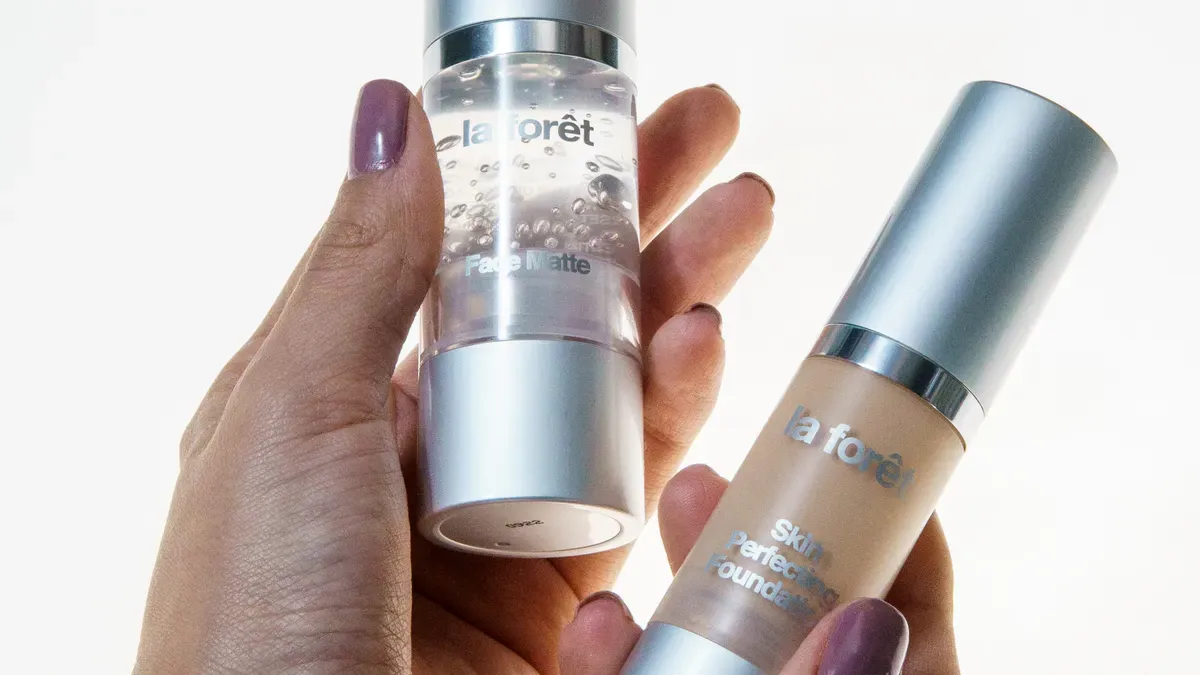
3.1 Product Protection
You need to protect your foundation formulas from environmental threats. Each packaging type offers different levels of protection for your products.
Glass bottles provide UV protection and help preserve formulas. The thick walls reduce light penetration, which maintains the stability of sensitive ingredients.
Airless pump bottles minimize contamination and extend shelf life. The vacuum system keeps air out, so your formulas stay potent longer.
Traditional pump bottles offer some protection but do not fully prevent air exposure.
If you want to maximize product protection, consider airless foundation bottle packaging for advanced formula preservation.
3.2 User Experience
You want your customers to enjoy a smooth and reliable application every time. The design of your packaging impacts how users interact with your foundation.
Packaging Type | Usability Impact | Product Integrity Impact | Aesthetic Appeal Impact |
|---|---|---|---|
Pump Bottles | Controlled dispensing, easy to use | Protects against contamination, keeps product fresh | Enhances the overall look of the product |
Glass Bottles | Premium feel, can be paired with droppers for precise application | Maintains product quality, inert environment | Offers a luxury appearance |
Airless Bottles | Consistent dosing, prevents waste, travel-friendly | Prevents oxidation, extends shelf life | Modern and sleek design |
Tight seals prevent contamination and preserve product quality.
Easy-to-use closures improve usability during application.
The unboxing experience shapes customer satisfaction and brand perception.
You can rely on airless bottles for consistent dosing and reduced waste. The plunger mechanism makes the product easy to use and ensures you get every last drop.
3.3 Sustainability
You want to reduce your environmental impact while maintaining product quality. The sustainability of your packaging depends on both materials and design.
Airless packaging reduces environmental waste by minimizing product residue and supporting complete use.
A recent life cycle assessment found that airless pump packaging has a lower environmental burden than traditional glass and pump systems.
Key factors include the production of packaging materials and the amount of leftover lotion.
Glass bottles are recyclable and can be reused many times. This supports your brand’s sustainability goals.
3.4 Brand Image
You know that packaging serves as a critical element of branding and marketing. The right design elevates your brand’s image and attracts new customers.
Packaging creates first impressions and can generate intrigue.
Distinctive packaging increases brand recall and encourages repeat purchases.
Luxury brands use high-end materials like frosted glass and metallic finishes to emphasize exclusivity.
Organic brands focus on earthy tones and recycled materials to highlight sustainability.
Trendy brands appeal to younger buyers with bright colors and playful designs.
Scientific brands use sleek, clinical packaging to convey trust and efficacy.
Series packaging creates a cohesive visual identity for your product line. This approach makes your products instantly recognizable and encourages customers to purchase entire collections.
You can use Foundation Bottle Packaging to differentiate your brand and build loyalty in a competitive market.
Part4: Choosing the Right Packaging
4.1 Formulation Compatibility
You must check that your foundation formula works well with the packaging material. If you ignore compatibility, you risk product recalls and extra costs. Problems can include color migration, health risks from harmful substances, and structural issues like cracking or deformation.
A cosmetics brand experienced color migration because the packaging material did not match the foundation formula.
Harmful substances can migrate from packaging into the product, creating health concerns.
Some packaging materials may crack or deform when exposed to certain formulas.
Tip: Always test your formula with the packaging before launching your product.
4.2 Market Preferences
You need to understand what your target market values most. Many consumers prefer sustainable packaging, and convenience plays a big role in their choices. Luxury brands often use refillable packaging to build loyalty.
Here is a summary of key market preferences:
Factor | Evidence |
|---|---|
Sustainability | Eight out of 10 consumers in the UK prefer environmentally friendly packaging materials. |
Consumer Convenience | Convenience, affordability, trialability, personalization, and gifting appeal are key factors. |
Brand Loyalty | Luxury brands with high loyalty are adopting refillable packaging, especially for skincare. |
Note: Market research helps you align your packaging with consumer expectations.
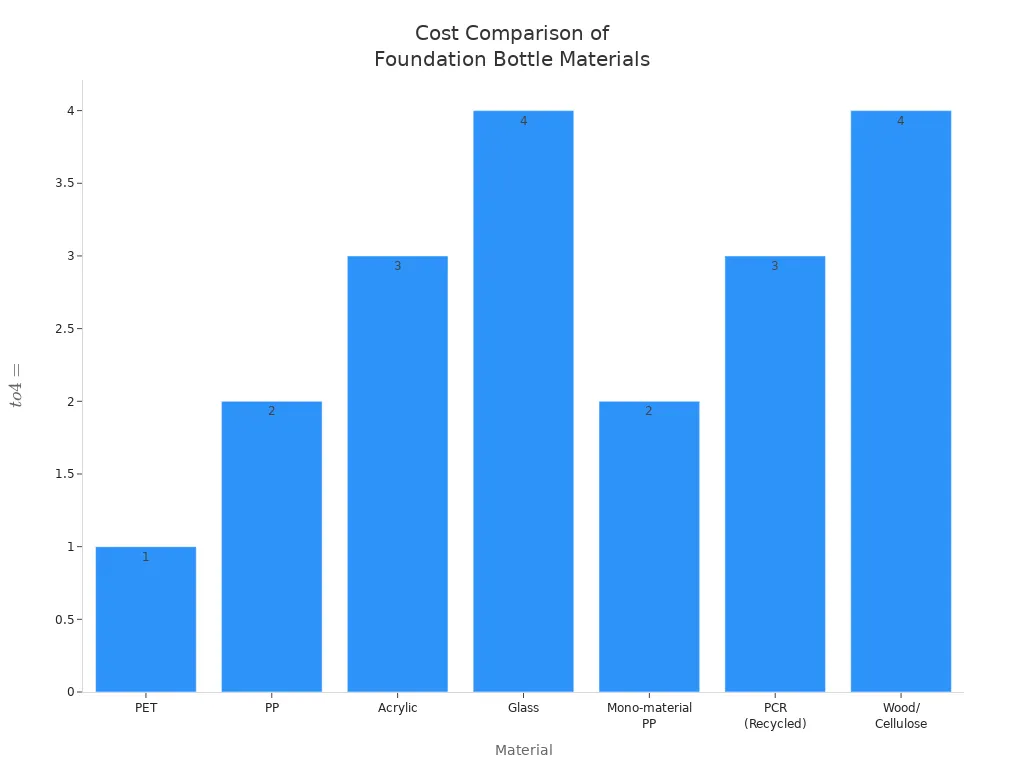
4.3 Cost Considerations
You must balance quality and cost when selecting packaging. Materials like PET and PP offer lower costs, while glass and wood/cellulose are more expensive but provide higher sustainability.
Material | Cost | Sustainability |
|---|---|---|
PET | $ | Low |
PP | $$ | Medium |
Acrylic | $$$ | Low |
Glass | $$$$ | High |
Mono-material PP | $$ | High |
PCR (Recycled) | $$$ | Very High |
Wood/Cellulose | $$$$ | Very High |
Tip: Consider both upfront costs and long-term sustainability when making your decision.
4.4 Regulatory Factors
You must follow regulations in every region where you sell your products. Packaging must meet safety standards and include proper labeling.
The EU’s REACH and the FDA in the US set strict requirements for packaging materials.
Packaging must not pose health risks.
Labels must show product name, ingredients, and expiration dates.
Bottles should display recyclability symbols and disposal instructions.
Regulatory compliance protects your brand and builds trust with customers.
Foundation Bottle Packaging requires careful consideration of formulation, market trends, cost, and regulations. You can make informed choices by evaluating each factor.
Part5: Practical Tips for Brands
5.1 Supplier Evaluation
You need to choose your packaging supplier with care. The right partner helps you protect your product and build your brand. Use this checklist to guide your evaluation:
Criteria | Description |
|---|---|
Customization and Branding | Look for suppliers who offer design options that match your brand identity. |
Testing and Quality Assurance | Ask about their testing methods to ensure packaging meets your standards. |
Sustainability | Review their eco-friendly claims and materials. |
Look for specifics in sustainability claims.
Check for credible certifications from third parties.
Question “compostable” claims and understand the process required.
Examine all components of the packaging for true sustainability.
Tip: You can streamline your search by exploring custom cosmetic packaging services that specialize in foundation bottles.
5.2 Quality Testing
You must test your packaging before launching your product. Quality testing ensures your foundation stays safe and effective. Ask your supplier about their quality assurance process. Request samples and run your own tests for compatibility, durability, and leakage.
Test for color migration and chemical resistance.
Check for leaks and pump performance.
Simulate shipping and storage conditions.
Note: Reliable suppliers will support you with documentation and testing protocols.
5.3 Customization
You can set your brand apart with custom packaging. Customization includes shapes, colors, finishes, and branding elements that reflect your identity. A well-designed bottle transforms a standard container into a branding tool. Unique packaging helps your product stand out and attracts attention in a crowded market.
Align decoration choices with your price positioning.
Use custom shapes and finishes to create a unique look and feel.
Tailor packaging to resonate with your target audience.
Custom packaging can increase consumer appeal and promote repeat purchases.
You have many options for foundation bottle packaging. Pump, glass, and airless bottles each offer unique benefits. Consider these key points:
Select bottle size and material to match your product and brand image.
Use customizable pumps for precise application and less waste.
Choose refillable or recyclable designs for sustainability.
Test packaging for quality and compatibility.
Actionable Step | Description |
|---|---|
Adopt minimalist design | Use clean, simple packaging with sustainable materials. |
Plan for refill systems | Reduce waste and support eco-conscious buyers. |
Start with your formula’s needs. Design packaging as a complete system. Balance performance, sustainability, and consumer appeal to build trust and loyalty.
FAQ
What foundation bottle packaging best protects sensitive formulas?
Airless bottles offer the highest protection. You keep formulas safe from air and contaminants. This option helps you extend shelf life and maintain product integrity.
How can you ensure packaging aligns with your brand’s sustainability goals?
Choose recyclable materials like glass or PCR plastics. Request documentation from suppliers about material sourcing and recycling rates.
Tip: Ask for third-party certifications to verify sustainability claims.
Are pump bottles suitable for all foundation types?
Pump bottles work well for most liquid foundations. You may need to test viscosity and compatibility for thicker or oil-based formulas. Always run product trials before full-scale production.
What is the minimum order quantity (MOQ) for custom packaging?
MOQs vary by supplier and design complexity. You often see MOQs starting at 5,000 to 10,000 units for custom bottles.
Ask suppliers for flexible options if you launch small batches.
How do you test packaging compatibility with your foundation?
You should conduct stability and compatibility tests. Fill sample bottles with your formula, store them under different conditions, and check for leaks, discoloration, odor changes, pump performance, or texture changes over time. If you are developing a new foundation packaging project, contact Oulete to request sample bottles and confirm material compatibility before full-scale production.