


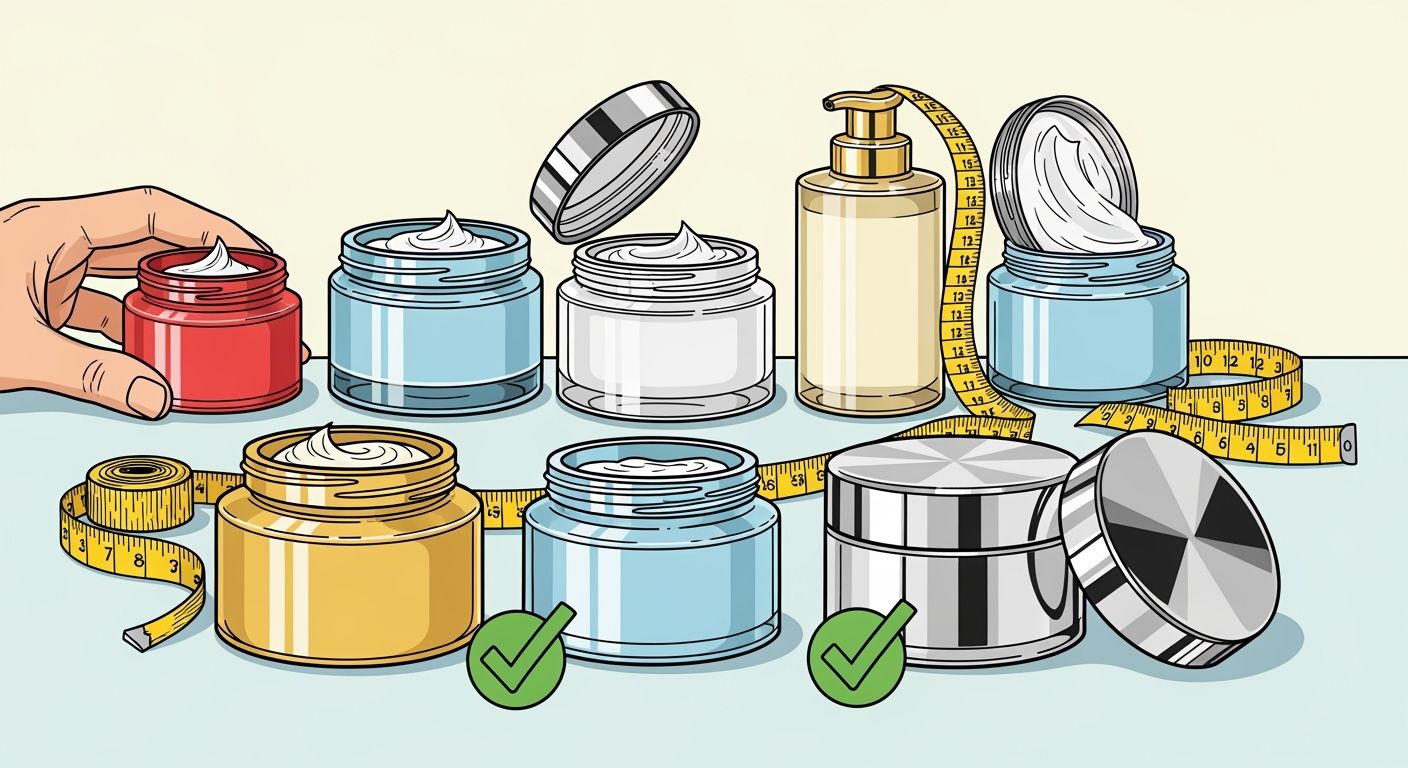
You need to select the right face cream jar packaging for night creams to protect your product and support your brand image. Capacity, liner, and finish all play a role in how your night cream performs and appears. For example, glass jars prevent leaching and maintain stability, while the closure system helps prevent moisture loss and oxidation. The liner you choose must match your formulation. If your brand needs custom finishes, colors, or decoration for premium night cream jars, Oulete’s cosmetic packaging customization can help align packaging performance with shelf appeal. See the table below for common liner types and their uses:
Liner Material | Compressibility | Chemical Resistance | Recommended Formulation Type |
|---|---|---|---|
Polyethylene (PE) Foam | High | Standard | Basic face creams, hand creams, low-active lotions |
PTFE (Teflon) Faced | Low | Extremely High | Aggressive solvents, high-concentration acids, pure oils |
Foil Induction Seal | N/A | Absolute Barrier | Products requiring tamper evidence and zero oxygen transmission |
Plastisol | Moderate | Good | Hot-pour balms, pomades, waxes |
PE Foam | High | Standard | Standard cosmetic creams |
Key Takeaways
Choose the right jar material to protect sensitive ingredients. Glass jars prevent degradation and maintain product stability.
Select jar capacity based on usage patterns. Smaller jars suit high-value formulas, while larger jars work for daily-use products.
Match liner types to your formulation. Proper liners prevent leaks and maintain product integrity, ensuring customer satisfaction.
Consider the finish of your jars to enhance brand perception. Matte and frosted finishes suggest luxury, while glossy finishes offer a modern look.
Plan for procurement and supply chain factors. Work closely with suppliers to ensure timely delivery and compliance with regulations.
Part1: Packaging Importance for Night Creams
1.1 Product Protection & Shelf Life
You need to prioritize product protection when selecting Face Cream Jar Packaging for night creams. Many night cream formulations contain sensitive ingredients like retinol. Retinol can break down quickly when exposed to light, oxygen, or heat, which reduces its effectiveness. Packaging that blocks light and limits air exposure helps maintain ingredient stability and extends shelf life. For example, opaque airless pumps and dark glass jars offer strong protection against oxidation and UV rays. The table below compares common packaging types and their benefits for night creams:
Packaging Type | Light Protection | Air Exposure | Stability Benefits | Best For |
|---|---|---|---|---|
Opaque Airless Pump | Excellent | Minimal | Prevents oxidation and contamination | Antioxidant serums, retinols |
Dark Glass Bottles | Very Good | Moderate | Blocks UV rays, temperature stable | Oils, vitamin C products |
Plastic Tubes | Moderate | Low | Convenient, less product exposure | Cleansers, masks |
Clear Containers | Poor | High | Limited protection | Basic moisturizers, body lotions |
1.2 Brand Image & User Experience
Face Cream Jar Packaging also shapes how customers view your brand. Heavier jars, such as luxury glass containers, often signal higher quality and effectiveness. The finish and design of the jar can make your product stand out on the shelf and create a premium feel. Many brands use unique finishes and tactile designs to enhance perceived value. A well-designed jar not only protects the product but also improves the user experience by making it easy to open, handle, and apply the cream.
Heavier containers increase the perception of luxury and efficacy.
Premium glass jars and custom finishes boost brand value.
Design and finish help differentiate your night cream in a crowded market.
1.3 Procurement & Supply Chain Factors
You must consider procurement and supply chain factors when choosing packaging. Raw material prices can change quickly due to global events, which affects the cost and availability of packaging. Reliable delivery terms and consistent supply are essential for keeping production on schedule. Many brands now seek sustainable packaging options, such as refillable jars or recycled materials, to meet retailer and consumer demands. Compliance with international standards and sustainability regulations also influences your packaging decisions.
Tip: Work closely with suppliers to ensure your Face Cream Jar Packaging meets both quality and regulatory requirements, and plan for potential supply chain disruptions.
Part2: Face Cream Jar Packaging Capacity Selection
2.1 Common Jar Sizes & Applications
Selecting the right jar size is a key decision for your night cream line. Most brands choose jar sizes between 5g and 200g, but the most popular options for night creams are 30g (1 oz) and 50g (1.7 oz). These sizes balance product value, shelf presence, and consumer expectations. You can use smaller jars for high-value, concentrated formulas or samples, while larger jars work well for body creams or value packs.
Here is a table that summarizes typical jar sizes and their applications:
Jar Size | Typical Application | Duration |
|---|---|---|
30g (1 oz) | Higher-priced, concentrated products like anti-aging creams or specialized serums | N/A |
50g (1.7 oz) | Daily moisturizers, day creams, and night creams | 1 to 3 months |
2.2 Usage, Shelf Life & Inventory
Jar capacity should align with how your customers use the product and the shelf life of your formulation. Night creams with sensitive ingredients, such as retinol or vitamin C, benefit from smaller jars. Smaller capacities reduce air exposure and help maintain potency. For daily-use products, 30-50ml jars provide enough product for 1-3 months, which matches typical usage cycles and ensures freshness.
The following table shows how jar size relates to usage patterns and shelf life:
Jar Size | Usage Pattern | Shelf Life Consideration |
|---|---|---|
30-50ml | Daily-use products | Provides 1-3 months of use, ensuring peak potency. |
Larger sizes | Occasional-use products | Focus on value and integrity over extended timeframes. |
Smaller sizes | Sensitive ingredients | Minimize air exposure, requiring more frequent replacement. |
You should also consider inventory management. Smaller jars allow for more frequent restocking and reduce the risk of expired inventory. Larger jars may suit products with longer shelf lives or those intended for professional or spa use.
Tip: Match jar capacity to your product’s shelf life and consumer usage habits to optimize both product quality and inventory turnover.
2.3 MOQ & Cost Considerations
Minimum order quantity (MOQ) and cost play a major role in your packaging decision. Most suppliers set the MOQ for face cream jars at around 12,000 pieces per model. This standard applies to popular models such as cream jar F005, F004, F003, ZF110 (50g), ZF105 (50g), ZF092 (30g), ZF082 (50g/100g), and ZF068 (50g/80g/150g).
Here is a quick reference table for MOQ:
Model | MOQ |
|---|---|
cream jar F005 | 12,000 pcs |
cream jar F004 | 12,000 pcs |
cream jar F003 | 12,000 pcs |
cream jar ZF110 (50G) | 12,000 pcs |
cream jar ZF105 (50G) | 12,000 pcs |
cream jar ZF092 (30G) | 12,000 pcs |
cream jar ZF082 (50G/100G) | 12,000 pcs |
cream jar ZF068 (50G/80G/150G) | 12,000 pcs |
You need to plan your procurement and budget based on these MOQ requirements. Higher MOQs can lower unit costs but may increase inventory holding costs. You should also factor in lead times, especially for custom-decorated jars or special finishes. Work closely with your supplier to confirm production schedules and delivery timelines.
Note: Always request samples before placing a large order to ensure the jar capacity, material, and finish meet your product and brand standards.
Face Cream Jar Packaging capacity selection impacts your product’s shelf life, user experience, and supply chain efficiency. By choosing the right size, you can optimize inventory, reduce waste, and support your brand’s positioning in the market.
Part3: Liner Selection for Night Cream Jars
3.1 Liner Types & Functions
You need to select the right liner for your night cream jars to protect your product and maintain its quality. Liners, also called seal discs, play a key role in packaging. They help prevent leaks and provide a barrier against tampering. This ensures your night cream stays secure and intact from the factory to the end user.
You can choose from several liner options for night cream jars:
Food-grade ceramic liners: These liners offer high chemical resistance and do not react with sensitive ingredients. They are ideal for premium or active formulations.
Plastic liners: These include PE foam, PTFE (Teflon)-faced, and plastisol. Each type serves different needs based on compressibility and chemical resistance.
Foil induction seals: These provide an absolute barrier and tamper evidence, which is important for regulatory compliance and consumer trust.
Ceramic liners stand out for night creams with sensitive actives like retinol or vitamin C. They help prevent ingredient breakdown and preserve product efficacy.
Tip: Always match the liner type to your formulation and brand positioning to ensure both protection and a premium feel.
3.2 Material Compatibility
You must check liner compatibility with your night cream formulation before finalizing your packaging. Not all plastics or materials suit every formula. Oil-rich creams, for example, can interact with certain plastics and cause problems.
Here are some common compatibility issues:
Formulations rich in oils can interact negatively with some plastics.
This interaction may cause swelling or softening of the liner.
Packaging additives may migrate into the cream, affecting safety and quality.
The table below shows how different liner materials perform with water-based and oil-heavy creams:
Liner Material | Compatibility with Water-Based Creams | Compatibility with Oil-Heavy Creams |
|---|---|---|
Standard Foam | Suitable | Not suitable due to swelling risks |
Chemically Resistant Liner | Not specified | Required for lipid resistance |
You should also consider these points:
Oil-rich formulas can lead to leaching and degradation of packaging materials.
Swelling, stress cracking, and migration of additives can occur if you use the wrong liner.
Not all plastics are suitable for all formulations.
If you need custom solutions, you can consult Oulete’s custom cosmetic packaging services for guidance on material selection and compatibility testing.
Note: Always request compatibility testing from your supplier before mass production. This step helps prevent costly recalls and protects your brand reputation.
3.3 Quality & Supplier Collaboration
You need to work closely with your packaging supplier to ensure consistent quality and performance of your night cream jar liners. Quality control measures help you avoid leaks, contamination, and product failures.
Key quality control checks include:
Dimensional accuracy: Use go/no-go gauges and automated measuring systems to verify proper fit and function.
Internal pressure resistance: Test the jar’s ability to withstand pressure during filling and transport.
Thermal shock resistance: Assess the liner’s resilience to rapid temperature changes.
Chemical durability: Measure resistance to various cosmetic formulations and ensure pH stability.
Surface quality: Inspect for defects that could affect aesthetics and integrity, often using AI for precision.
Functional testing: Evaluate compatibility with closures and performance during automated filling and capping.
You should document all quality requirements in your supplier agreement. Regular audits and sample testing help maintain high standards and reduce the risk of supply chain disruptions.
Tip: Build a strong partnership with your supplier. Clear communication and regular quality checks ensure your night cream jars meet both regulatory and brand standards.
Part4: Jar Finish & Design Impact
4.1 Finish Options & Brand Perception
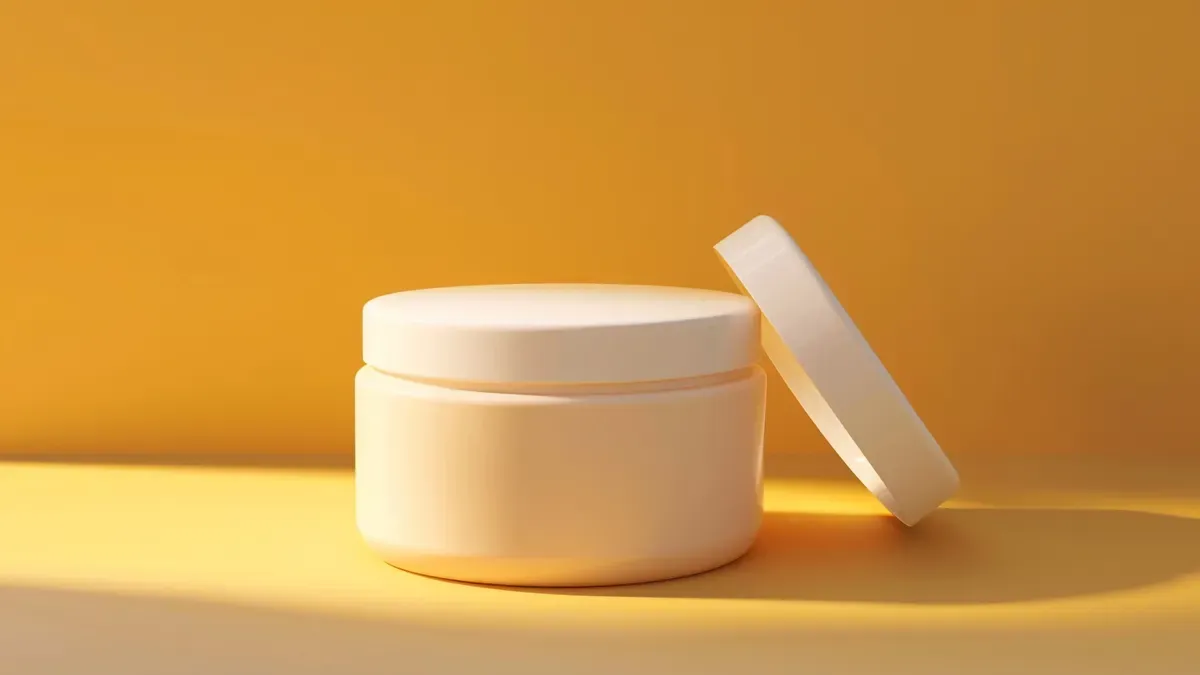
You can use jar finishes to shape how buyers and end users view your night cream products. Glossy, matte, and frosted finishes each create a different impression. Glossy jars reflect light and give a clean, modern look. Matte finishes suggest premium quality and sophistication. Frosted surfaces add a soft, elegant touch. When you select the right finish, you help your brand stand out in a crowded market. Many luxury skincare brands use matte or frosted jars to signal exclusivity and high value.
4.2 Tactile Feel & Luxury Appeal
The way a jar feels in the hand can influence how buyers and users perceive your brand. Tactile finishes do more than look good—they create a sensory experience that supports a luxury image.
Matte and soft-touch surfaces enhance user interaction and evoke a sense of premium quality.
76% of skincare consumers say packaging influences their perception of brand value, which highlights the importance of tactile finishes in luxury branding.
Matte textures are often linked to upscale products and contribute to an exclusive vibe for night creams.
You can request samples from your supplier to test how different finishes feel and perform during filling and handling.
4.3 Customization & Lead Time
You have many options for customizing your night cream jars. Customization lets you match your packaging to your brand’s identity and market position. The table below outlines common customization choices and their impact on lead times:
Customization Type | Details |
|---|---|
Shapes | Classic round jars, modern hexagonal jars, and custom designs available. |
Colors | Wide range of color options, from transparent to vibrant hues. |
Finishes | Options include silkscreen, decal, hot stamping, and custom color spraying for a unique look. |
Lids | Standard screw-on caps, metal lids, plastic closures, and customizable designs available. |
Lead Time for In-stock | Shipment arranged in 7 days. |
Lead Time for Custom | Mold-making and sampling takes about 20 days, followed by mass production in 35 to 40 days. |
You should plan your project timeline based on these lead times. For custom designs, allow extra time for mold-making and sampling.
Tip: Early collaboration with your supplier helps you manage lead times and ensures your packaging meets both quality and branding goals.
You can select the best face cream jar packaging for night creams by focusing on capacity, liner, and finish. Match jar size and material to your product type and brand goals. Align packaging with your supply chain and sustainability practices. Use this checklist to guide your decisions:
Checklist Item | Importance |
|---|---|
Jar Size & Material | Fits product and brand positioning |
Liner Compatibility | Protects sensitive formulations |
Supply Chain Sustainability | Reduces waste and builds trust |
Regulatory Compliance | Ensures legal market entry |
Work with experienced suppliers. Test samples, check compatibility, and review quality controls to ensure reliable results.
FAQ
What is the best jar material for night creams with sensitive ingredients?
You should choose glass or high-barrier plastic jars for sensitive night cream formulas. These materials prevent ingredient degradation and maintain product stability. For expert advice on material selection, compatibility testing, or face cream jars, you can contact Oulete for a quote.
How do I determine the right jar capacity for my product line?
You need to match jar capacity to your product’s usage cycle and shelf life. Most brands select 30g or 50g jars for night creams. Smaller jars suit high-value or sensitive formulas, while larger jars work for value packs or professional use.
Why is liner compatibility important in cosmetic packaging?
Liner compatibility prevents leaks, contamination, and ingredient breakdown. You must test liners with your specific formulation to ensure safety and product integrity. Always request compatibility testing from your supplier before mass production.
How does jar finish impact brand perception in B2B markets?
Jar finish shapes how buyers and end users view your product. Matte and frosted finishes signal luxury and exclusivity. Glossy finishes create a modern, clean look. You can use Oulete’s cosmetic packaging customization to match jar finishes with your brand positioning.
What is the typical lead time for custom face cream jar orders?
Lead time for custom jars includes mold-making and sampling, usually about 20 days, then mass production, usually 35–40 days. In-stock models ship faster, usually within 7 days. Plan your procurement schedule to account for these timelines.