


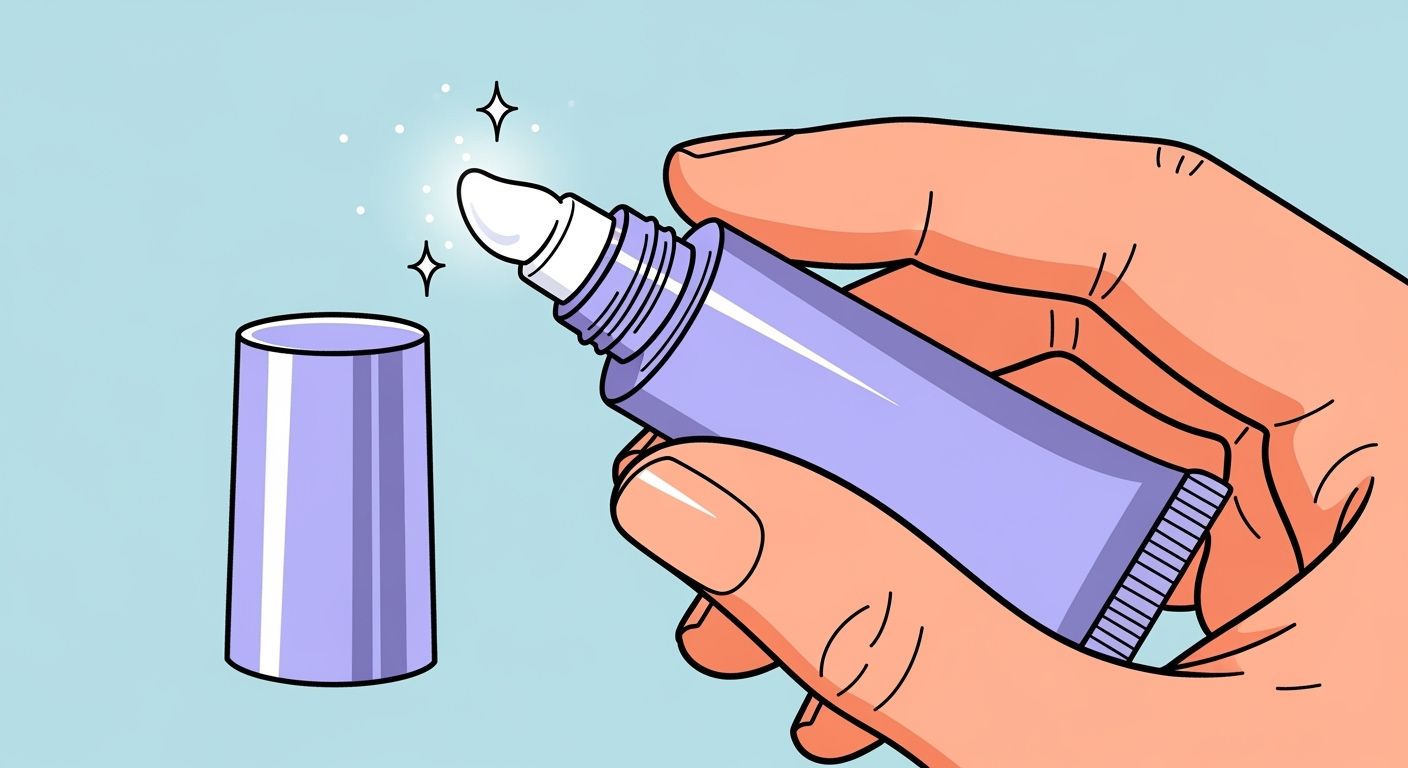
You face unique challenges when selecting eye cream tube packaging for your skincare line. The sensitive eye area demands precise application and strict hygiene. Small capacity tubes help you maintain product freshness and reduce waste. The right applicator tip improves both user experience and trust.
Applicator Type | Benefits |
|---|---|
Smooth Roller Applicator | Ensures optimal product absorption and a luxurious user experience. |
Cooling Tip Applicator | Reduces puffiness and enhances serum absorption through innovative cooling technology. |
Contoured Applicator | Fits facial contours for even application and maximum product efficiency. |
Key Takeaways
Choose the right applicator tip to enhance user experience and product effectiveness. Options like rollerball and metal tips provide cooling effects and reduce puffiness.
Opt for small capacity tubes to maintain product freshness and minimize waste. This design supports accurate dosing and aligns with premium brand positioning.
Select safe materials like aluminum or BPA-free plastics to ensure hygiene and protect active ingredients. Proper seals and tamper-evident features enhance product safety.
Part1: Why Eye Cream Tube Packaging Matters
1.1 Sensitive Eye Area Needs
You must consider the unique needs of the sensitive eye area when choosing eye cream tube packaging. The skin around the eyes is thin and reacts easily to irritation. Packaging plays a key role in protecting both the formula and the user.
Eye cream packaging ensures clean application and reduces direct contact with fingers, which helps maintain hygiene.
You can achieve precise dispensing and dosage control, which is essential for products used near delicate skin.
The packaging shields active ingredients from air and light, preserving their effectiveness.
The coolness of a rollerball applicator can reduce swelling and improve the application experience.
Small capacity tubes help prevent waste and keep the product fresh.
1.2 Brand and Regulatory Demands
Packaging decisions impact your brand’s reputation and compliance with regulations.
You need to select materials that match your formula, such as oils or water-based products, to avoid leakage or compatibility issues.
Recyclable options like PET, HDPE, and PP support sustainability goals.
BPA-free materials are important for consumer safety.
Packaging must display ingredients, usage instructions, and warnings clearly.
Claims about organic or natural products must meet strict standards.
Staying on top of safety rules and regulations is a must. You want to make sure those OEM eye cream tubes aren’t just compliant but also safe for users.
1.3 Impact on Product Quality
The right eye cream tube packaging protects your product and supports your brand.
Tube packaging prevents contamination and extends shelf life by keeping out air and light.
Airless systems and secure caps offer leakage prevention and maintain formula integrity.
Brands face challenges such as formula compatibility, decoration capability, MOQ flexibility, and quality assurance.
Challenge | Description |
|---|---|
Formula Compatibility | Ensuring the packaging materials do not react with the active ingredients. |
Applicator Expertise | Designing applicator tips that enhance user experience and product effectiveness. |
Decoration Capability | Ability to apply branding and aesthetic designs on the packaging. |
MOQ Flexibility | Managing minimum order quantities to suit production needs. |
Sustainability Options | Choosing eco-friendly materials to meet consumer demand for green products. |
Quality Assurance | Ensuring the packaging maintains product integrity and safety. |
Part2: Applicator Tips for Clean Application
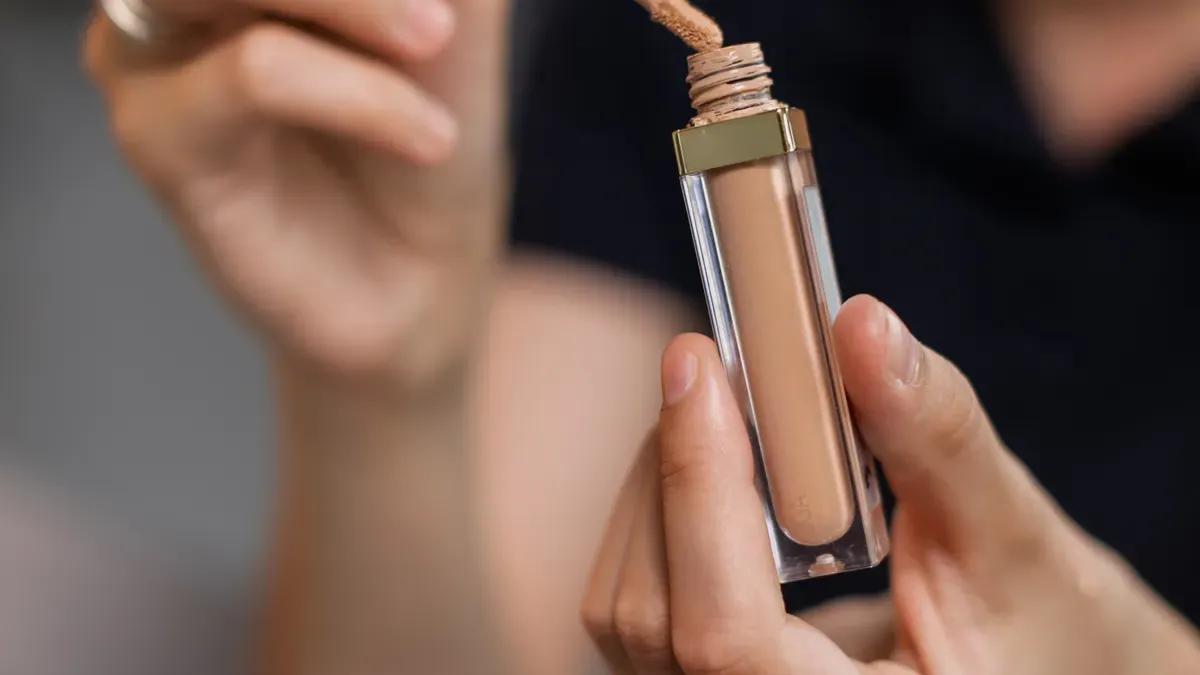
Choosing the right applicator tip for your eye cream tube packaging can set your product apart in the skincare market. You need to balance hygiene, user comfort, and precise dosage control. Each applicator type offers unique benefits for both product performance and consumer satisfaction.
2.1 Rollerball and Metal Tips
Rollerball and metal tips remain popular choices for eye cream tube packaging. You can deliver a cooling sensation and a gentle massage with these applicators. This approach helps reduce puffiness and supports formula protection by limiting direct contact with the product.
Applicator Type | Benefits |
|---|---|
Rollerball Tips | Cooling effect, puffiness reduction, stimulates blood circulation and lymphatic drainage, enhances absorption of eye creams. |
Metal Tips | Anti-inflammatory benefits, provides a firm glide, instant cooling, soothes the under-eye area. |
You can use rollerball tips to stimulate blood flow and lymphatic drainage. Metal tips offer a firm, smooth glide and instant cooling, which soothes the under-eye area. Both options help you maintain hygiene and reduce the risk of contamination. These applicators also support small-dose output, which is essential for expensive eye cream formulas.
Tip: For brands seeking premium appeal and enhanced user experience, consider integrating rollerball or metal tips into your eye cream tube design.
2.2 Ceramic and Silicone Tips
Ceramic and silicone applicator tips provide advanced hygiene and user comfort. You can choose ceramic tips for their cooling effect and superior cleanliness, making them ideal for sensitive skin. Silicone tips offer precise control and are easy to clean, which enhances hygiene during application.
Ceramic tips deliver a revitalizing sensation and a luxurious feel.
Silicone tips ensure optimal absorption and allow for easy cleaning.
Both types minimize direct contact with the product, reducing contamination risks.
You can rely on these applicators to maintain formula protection and support sustainability goals. Their easy-to-clean surfaces help prevent leakage and extend the shelf life of your eye cream tube.
2.3 Soft and Slanted Nozzles
Soft and slanted nozzles give you flexibility in application. You can target the delicate eye area with gentle pressure, which reduces irritation. The slanted shape fits facial contours, allowing for even distribution of the product. This design supports accurate dosing and minimizes waste.
Soft nozzles provide a cushion-like feel for sensitive skin.
Slanted tips help you reach hard-to-access areas around the eyes.
Both options support travel-friendly packaging due to their secure fit and small capacity.
You can also customize these nozzles with different materials and finishes to match your brand’s identity.
2.4 Nozzle Design for Precise Dosing
Nozzle design plays a critical role in dosage control and waste reduction. You can use a small nozzle size to dispense the right amount of product every time. This approach helps you minimize waste of expensive ingredients and ensures consistent results for your customers.
Small nozzle openings enable precise dosage control, which is essential for minimizing waste.
Narrow tips prevent excess product from being dispensed, reducing the risk of skin issues around the eye area.
The design limits air exposure, which helps preserve the integrity of active ingredients and slows down oxidation.
You can improve your product’s performance and reputation by focusing on nozzle design. This attention to detail supports formula protection and helps you meet regulatory and quality standards.
Note: When sourcing eye cream tube packaging, always evaluate the compatibility of applicator tips with your formula and desired user experience.
Part3: Small Capacity in Eye Cream Packaging
3.1 Freshness and Shelf Life
You need to keep eye cream formulas fresh and effective. Small capacity packaging helps you achieve this goal. Airless tubes prevent air from entering, which preserves active ingredients. High-quality materials protect the formula from light and external contaminants. This approach supports hygiene and reduces the risk of leakage.
Here is a quick overview of typical capacity ranges:
Capacity Range | Common Uses |
|---|---|
5ml | Eye cream, lip care |
8ml | Eye cream, lip care |
10ml | Eye cream, lip care |
15ml | Eye cream, lip care |
20ml | Eye cream, lip care |
25ml | Eye cream, lip care |
30ml | Eye cream, lip care |
50ml | Eye cream, lip care |
3.2 Accurate Dosing and Waste Reduction
Small eye cream tube packaging gives you better control over product dispensing. Long nozzles and precise applicator tips allow you to deliver the right amount every time.
Small tubes with long nozzles help you avoid waste.
Squeezable tubes work well for travel and let users control the amount easily.
Soft squeeze tubes adapt to pressure changes, improving the user experience.
This design supports high-value skincare products that require careful dosing.
3.3 Premium Positioning and Sampling
You can use small capacity packaging to position your brand as premium and support sampling strategies.
Aspect | Benefit |
|---|---|
Lower MOQs | Reduces risk for new brands, allowing market testing with smaller batches |
Premium Packaging Options | Enhances perceived value with airless pumps and glass jars |
Sampling Efficiency | Supports customer engagement and encourages trial |
Small packaging lets you test the market with less risk. Premium options, such as airless pumps or glass jars, align with luxury skincare trends. Quick sampling builds brand loyalty and helps you reach new customers.
3.4 MOQ and Supply Chain Factors
You must consider minimum order quantities and supply chain factors when sourcing eye cream tube packaging.
MOQs for cosmetic tubes usually range from 1,000 to 10,000 units, depending on supplier and customization.
Direct manufacturers often set MOQs at 5,000 units for plastic and 10,000 units for glass or airless options.
Evaluate supplier experience, flexibility, communication, and sustainability practices.
These factors help you manage costs, ensure quality, and maintain a reliable supply chain for your skincare business.
Part4: Hygiene Design in Eye Cream Tube Packaging
4.1 Material Choices for Safety
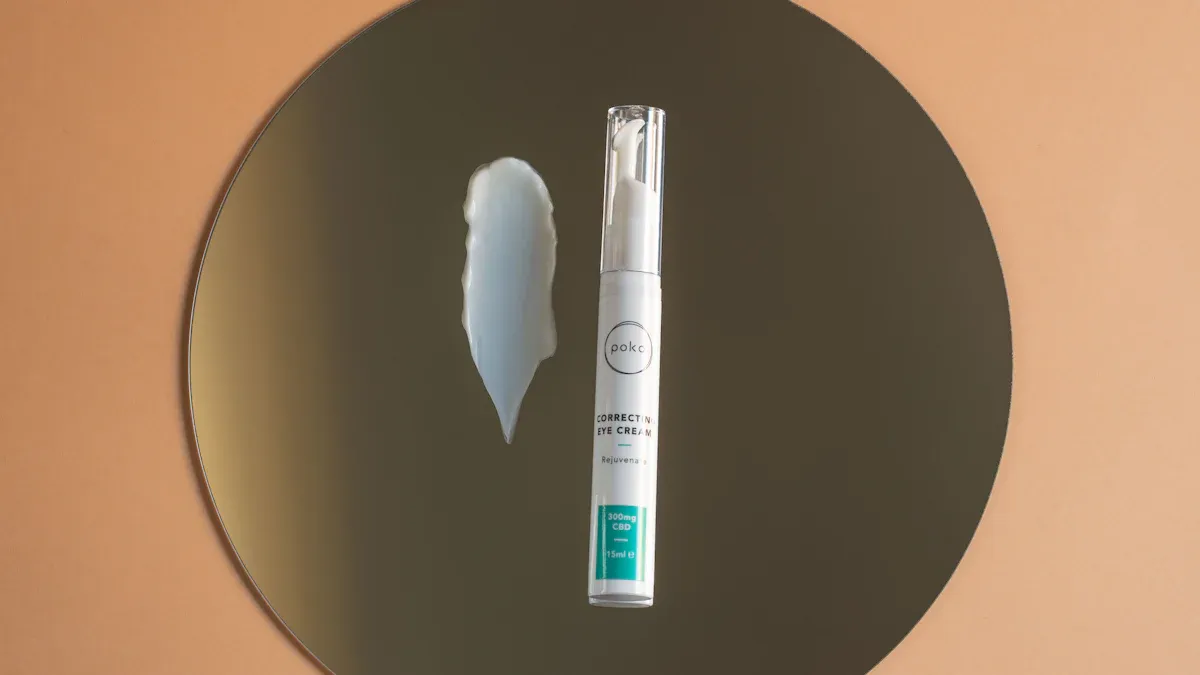
You need to select safe and reliable materials for eye cream tube packaging. The right material protects your formula and supports hygiene. Aluminum tubes work well because they block light, air, and moisture. This barrier prevents oxidation and keeps active ingredients stable. You also get precise dosage and minimize waste, since users do not touch the product directly.
Aluminum tubes are favored for eye cream packaging because they provide excellent protection by blocking light, air, and moisture, which helps prevent oxidation of the ingredients. They also allow for precise dosage, minimizing waste and ensuring hygiene by avoiding direct contact with fingers.
You can also consider high-quality plastics like PET, HDPE, or PP. These materials resist chemical reactions and support recycling goals. Always check for BPA-free options to meet safety standards.
4.2 Protective Caps and Seals
Protective caps and seals play a key role in maintaining hygiene and product integrity. You need to keep air, bacteria, and contaminants away from sensitive skincare formulas. Airtight seals help preserve the efficacy of active ingredients such as vitamin C and retinol. Caps and seals also improve the user experience by reducing contamination risks.
These tubes provide a hygienic way to deliver active ingredients directly to the eye area.
Airtight seals protect sensitive formulas from oxidation.
The design enhances user experience by minimizing contamination risks.
The airtight seal design minimizes exposure to air, bacteria, and contaminants.
This significantly preserves the efficacy of active ingredients like vitamin C and retinol.
You should choose caps that fit tightly and seals that show if the product has been opened. This approach helps you prevent leakage and supports your brand’s quality claims.
4.3 Tamper-Evident Features
Tamper-evident features give your customers confidence in your product’s safety. You can use induction foil seals for eye cream tube packaging. This seal bonds to the tube neck and forms a membrane over the opening. The user must break or peel the seal before first use. This visible barrier shows if someone has tampered with the product.
An induction foil seal is an aluminum-based liner that bonds to the tube neck through electromagnetic induction heating. It creates a sealed membrane over the tube opening, which must be visibly broken, peeled, or removed before first use, thus providing clear evidence of tampering. This feature not only enhances product safety but also supports hygiene claims and protects the freshness of the formula.
You should also consider shrink bands or breakable caps for added security. These features help you meet regulatory requirements and build trust with your buyers.
4.4 Quality Control and Compliance
You must follow strict quality control and compliance standards for eye cream tube packaging. These steps ensure your packaging meets safety and durability requirements. You should test for wear resistance, ink adhesion, tensile strength, sealing, and leakage. Reliable packaging protects your formula and supports your brand’s reputation.
Quality Control Aspect | Description |
|---|---|
Wear Resistance | Tests to ensure the packaging can withstand wear and tear during use. |
Ink Adhesion Fastness | Ensures that printed designs remain intact and do not fade or peel off. |
Tensile Strength | Measures the strength of the material to prevent tearing or breaking. |
Sealing and Leakage Detection | Tests to ensure that the packaging is sealed properly and does not leak. |
Product Thickness | Ensures that the thickness of the packaging meets safety and durability standards. |
You need to comply with regulations from organizations such as the FDA and the European Commission. The EU Cosmetic Regulation (EC) No. 1223/2009 sets strict rules for cosmetic packaging. You should also check for RoHS and REACH compliance, and request Material Safety Data Sheets (MSDS) from your suppliers. Testing reports from recognized organizations like SGS and TÜV add another layer of trust.
Compliance with FDA regulations
Adherence to EU Cosmetic Regulation (EC) No. 1223/2009
RoHS and Reach compliance
Material Safety Data Sheets (MSDS) availability
Testing reports from recognized organizations like SGS and TÜV
You can ask your supplier these questions to strengthen your quality control process:
Do you inspect every production batch?
What certifications do you hold (e.g., ISO 9001, GMP)?
What’s your process for dealing with defects?
Part5: Sourcing and Customization for Eye Cream Tubes
5.1 OEM/ODM Collaboration
You can boost your skincare brand’s flexibility by working with OEM and ODM partners for eye cream tube packaging. These collaborations let you tailor technical specifications, adjust packaging to fit your formula, and meet market requirements. Technical teams support you throughout development, helping with revisions and sourcing coordination.
Benefit | Description |
|---|---|
Flexibility in Technical Specs | Customization options to meet different brand positioning, price ranges, and market requirements. |
Support Throughout Development | Technical team assistance in formulation and packaging solutions based on market needs. |
Customization Options | Adjustments based on formula design, packaging selection, and target market compliance. |
Development Support | Assistance through packaging development, revision, approval, sourcing coordination, and planning. |
5.2 Sampling and Lead Times
Sampling and lead times play a major role in your sourcing process. Efficient sampling speeds up approvals and keeps production on track. Delays in sampling or lead times can disrupt product launches and weaken distributor relationships.
Factor | Impact on Sourcing Process |
|---|---|
Sampling | Delays in approvals can stall production; efficient sampling can lead to faster timelines. |
Lead Times | Directly affects market competitiveness; delays can disrupt product launches and weaken distributor relationships. |
You can contact Oulete for a quote and sample requests to ensure timely project delivery.
5.3 Quality Assurance Protocols
You need strong quality assurance protocols to maintain product integrity and prevent leakage. Suppliers should follow certifications like ISO 9001:2015 for quality management and ISO 14001:2015 for environmental standards. Final inspections and compliance with MSDS, REACH, and GRS standards help you control risks.
Certification Type | Description |
|---|---|
ISO 9001:2015 | Quality Management System |
ISO 14001:2015 | Environmental Management System |
ISO 45001:2018 | Occupational Health and Safety Management System |
QC | 100% final inspection |
Certification | MSDS, REACH, ISO9001, ISO18001, ISO45001, GRS |
You can learn more about quality control and compliance on Oulete’s custom cosmetic packaging services page.
5.4 Cost and Supply Chain Optimization
You can optimize costs and stabilize your supply chain by understanding unit costs and negotiating with suppliers. Long-term strategies help reduce expenses and improve procurement efficiency.
Understanding the true unit cost helps in identifying all cost components involved in packaging.
Effective negotiation strategies can lead to better pricing and terms with suppliers.
Long-term cost reduction strategies can stabilize the supply chain and reduce overall expenses.
You can use these strategies to control costs for small capacity tubes, applicator selection, and packaging materials. Oulete’s expertise supports your supply chain optimization for eye cream tube procurement.
You can elevate your skincare brand by choosing eye cream tube packaging with the right applicator tips, small capacity, and strong hygiene design.
Rollerball, ceramic, metal, and silicone tips improve user satisfaction and reduce leakage.
Small tubes keep formulas fresh and support premium positioning.
Supplier | Customization Options |
|---|---|
Supplier A | Various tube sizes and materials |
Supplier B | Sustainable packaging options |
Supplier C | Innovative design capabilities |
FAQ
What is the best material for eye cream tube packaging?
You should choose PET, HDPE, PP, or aluminum. These materials protect formulas, support hygiene, and meet most regulatory standards for cosmetic packaging.
How can you ensure the hygiene of eye cream tubes during production?
You should request quality control documentation and certifications from your supplier. Ask about batch inspections and compliance with ISO standards for cosmetic packaging.
What is the typical MOQ for custom eye cream tube orders?
Most suppliers set MOQs between 1,000 and 10,000 units. For tailored solutions, you can contact Oulete for a quote.