


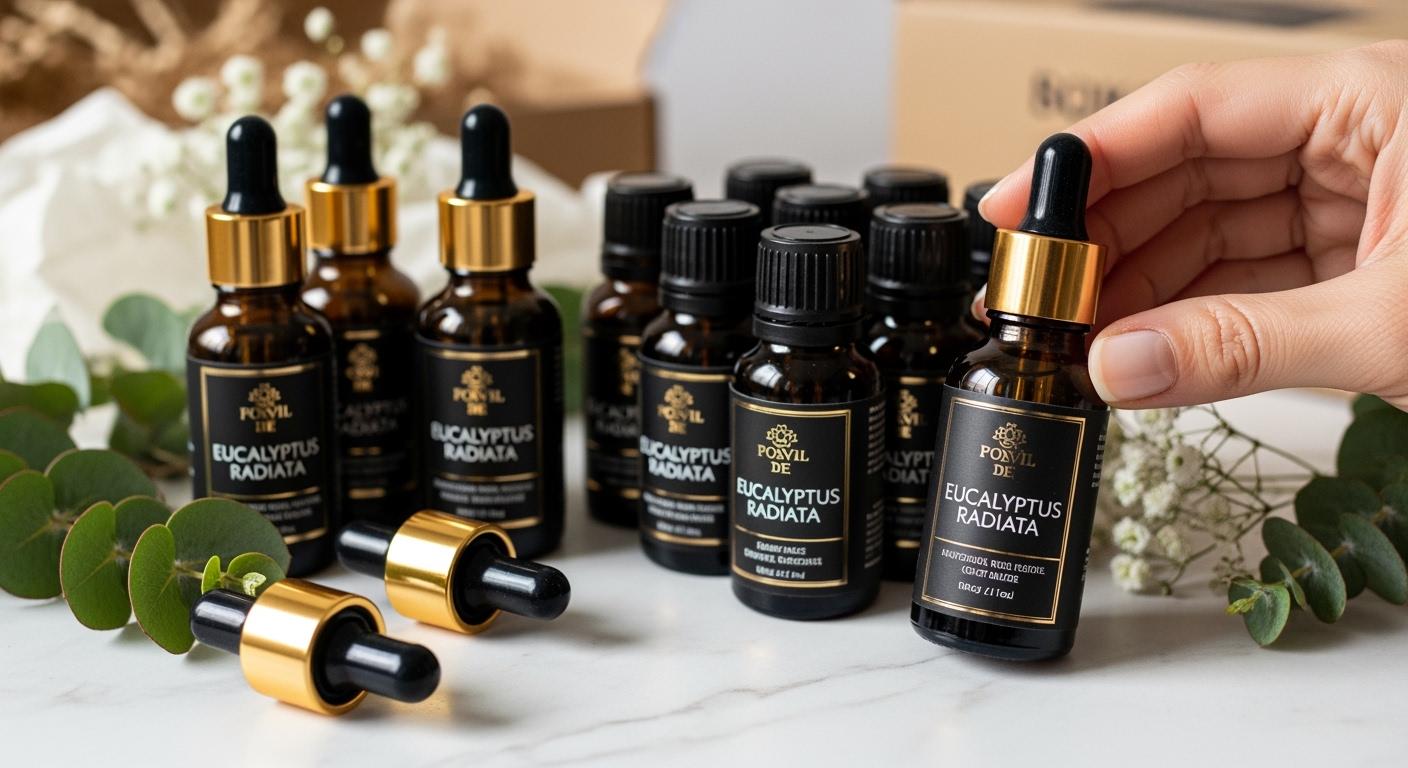
You know that packaging plays a vital role in keeping essential oils safe, fresh, and compliant with industry regulations. Amber glass and dropper caps set the standard for Essential Oil Bottle Packaging, offering strong protection against light and accurate dispensing. For your business, reliable packaging ensures product integrity and meets strict requirements in major markets, such as:
Clear, legible, and durable labeling
Safety Data Sheets for products with health risks
Special labeling for cosmetics, detergents, or biocides
You gain scalability and cost savings when you choose proven packaging solutions for your bulk orders.
Key Takeaways
Choose amber glass bottles for essential oils. They block up to 99% of UV rays, preserving oil quality and extending shelf life.
Use dropper caps for precise dispensing. They minimize waste and ensure accurate dosing, which is crucial for product consistency.
Select suppliers who meet quality standards. Look for certifications like ISO9001 to ensure reliable packaging and compliance with regulations.
Prioritize sustainability by using recyclable amber glass. This choice aligns with eco-friendly practices and enhances your brand image.
Inspect bulk shipments for defects. Check for cracks, bubbles, and uneven thickness to maintain product quality and customer satisfaction.
Part1: Essential Oil Bottle Packaging Overview
1.1 Amber Glass and Dropper Caps
You need to select packaging that protects your essential oils and supports your business goals. Amber glass bottles and dropper caps stand out as the core options for Essential Oil Bottle Packaging. Amber glass provides superior UV protection, which is critical for preserving the integrity of essential oils. You can rely on amber glass to block up to 99% of UV rays below 450 nm. This feature helps oils like lavender maintain their properties for up to 24 months longer than oils stored in clear glass. Opaque glass options, including amber, shield products from UV damage, making them the preferred choice in the industry.
Dropper caps offer precise dispensing, which is essential for accurate dosing and minimizing waste. You can find dropper caps compatible with various bottle sizes and materials, ensuring flexibility for your product line. Glass holds about 63.7% of the essential oil containers market by 2026, attributed to its chemical inertness and impermeability. Amber glass is specifically recognized for its ability to protect essential oils from UV radiation, which is essential for maintaining their quality and efficacy.
Tip: When sourcing bottles, request material specifications and compatibility documentation from suppliers. This step ensures you meet both quality and regulatory requirements.
For more information on amber glass bottle specifications, visit Oulete’s Amber Glass Bottles.
1.2 Industry Standards
You must comply with strict industry standards when choosing Essential Oil Bottle Packaging. These standards guarantee product safety, regulatory compliance, and market access. The table below summarizes key certifications and requirements:
Standard/Certification | Description |
|---|---|
INCI | Ingredients must be listed using standardized names to meet global market requirements. |
Allergen Warnings | Labels should identify potential allergens and include dilution guidelines. |
Country-Specific Standards | Products sold in the US, EU, and Asia must meet region-specific regulations on labeling, safety, and recyclability. |
You should also ask suppliers for data on liner composition, glass thickness, and closure torque standards. Confirm their understanding of hazardous goods requirements, especially for flammable products. These steps help you maintain compliance and protect your brand reputation.
Part2: Amber Glass Benefits
2.1 UV Protection
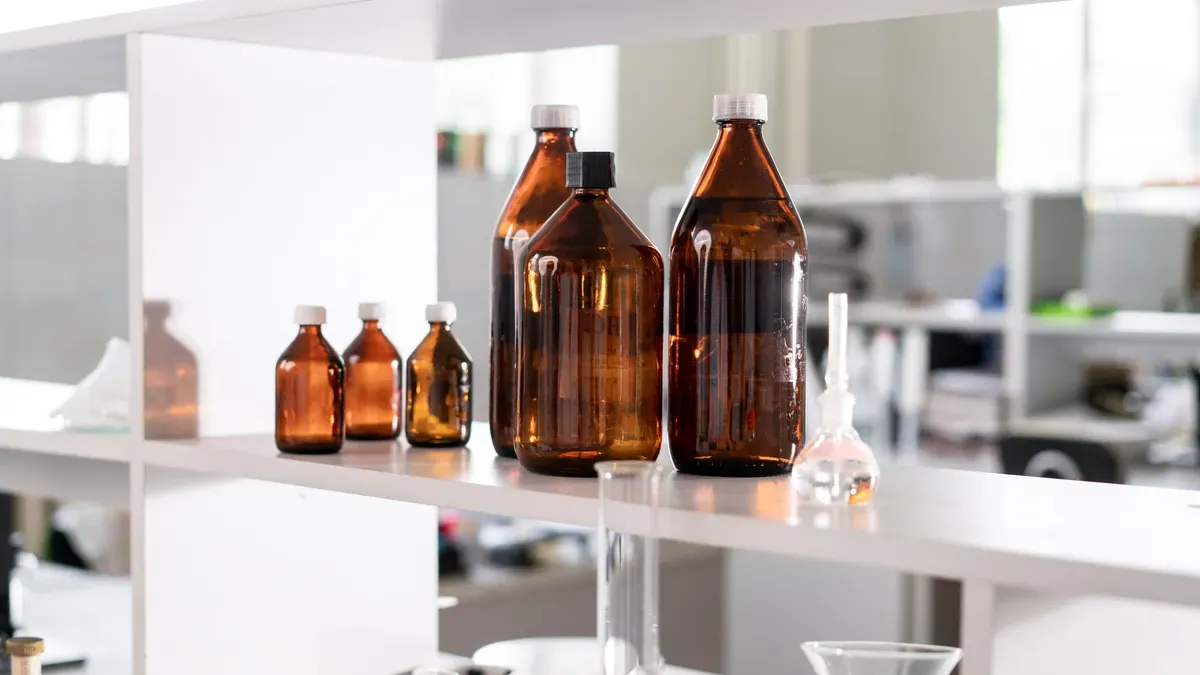
You need to protect essential oils from harmful ultraviolet light. Amber glass bottles give you the best defense against UV rays. Laboratory tests show that amber glass blocks up to 99% of UV rays below 450 nm. This level of protection far exceeds what clear or blue glass can offer. The table below compares the UV filtering abilities of different glass types:
Glass Type | UV Transmission Capability |
|---|---|
Amber glass | Blocks up to 99% of UV rays below 450 nm |
Clear glass | Allows 80-90% UV transmission |
Blue glass | Provides moderate UV protection |
UV light causes the most damage to organic compounds in essential oils. When you use amber glass, you reduce the risk of photodegradation and oxidation. This means your oils stay potent and effective for a longer time. You can trust amber glass to maintain the chemical integrity of your products, which is critical for B2B buyers who need consistent quality in Essential Oil Bottle Packaging.
Tip: Always request UV transmission data from your packaging supplier. This ensures your bottles meet industry standards for light protection.
2.2 Preserving Oil Quality
You want your essential oils to stay fresh and effective throughout their shelf life. Amber glass helps you achieve this goal. It shields your oils from damaging light, which can cause chemical changes and reduce their potency. Studies show that lavender essential oil stored in amber glass retains its aroma and antibacterial properties for up to 24 months longer than oils stored in clear glass. You also get a 40% longer shelf life for oils in amber glass compared to clear glass bottles.
Amber glass blocks UV rays that degrade essential oils.
Essential oils in amber glass maintain their properties for much longer.
You reduce the risk of chemical alterations due to UV exposure.
By choosing amber glass, you ensure your products meet customer expectations for quality and performance. This is especially important for businesses that supply essential oils to health, wellness, or cosmetic brands.
2.3 Sustainability
You can support your company’s sustainability goals by choosing amber glass bottles. Glass is 100% recyclable and can be reused many times without losing quality. Amber glass packaging reduces your environmental footprint compared to plastic or single-use materials. Many B2B buyers prefer glass because it aligns with eco-friendly practices and meets growing market demand for sustainable packaging.
Amber glass is made from natural materials like sand, soda ash, and limestone.
Recycling glass saves energy and reduces raw material use.
Using recyclable packaging can improve your brand image and help you meet regulatory requirements in global markets.
When you select amber glass for your Essential Oil Bottle Packaging, you make a responsible choice for both your business and the environment.
Part3: Dropper Caps Functionality
3.1 Precise Dispensing
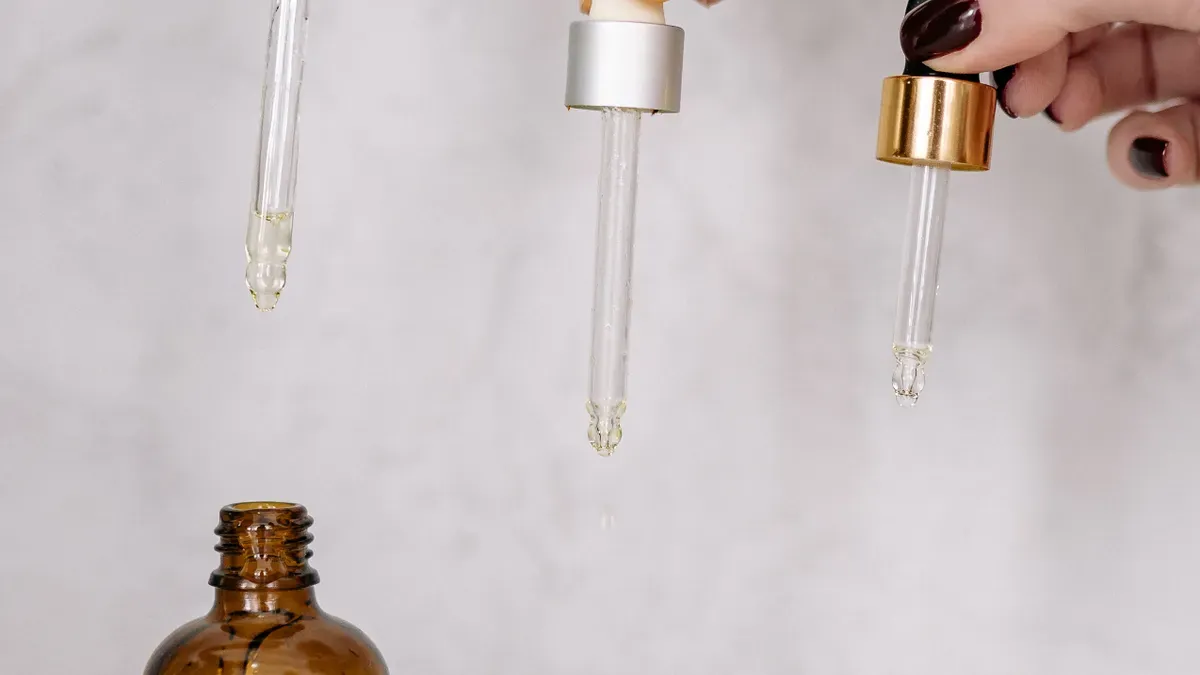
You need precise control when dispensing essential oils, especially in a B2B environment where consistency matters. Dropper caps, such as EuroDrop systems, help you achieve accurate dosing every time. These caps use several design features to ensure you get the right amount of oil with each use. The table below highlights the main features that support precise dispensing:
Feature | Description |
|---|---|
Controlled flow rates | EuroDrop caps are designed to dispense by the drop, ensuring precise measurement of essential oils. |
Compatibility with viscosities | The orifice size of the dropper insert can be matched to the viscosity of the essential oil for optimal flow. |
Minimizes mess and waste | The design of the EuroDrop system helps in reducing spillage and ensures that the oil is dispensed accurately without excess. |
Hydrostatic action | Air enters the bottle during dispensing, controlling the flow of essential oils effectively. |
You can rely on these features to reduce waste and maintain product quality. This level of control is essential for Essential Oil Bottle Packaging, where accurate dosing supports both safety and efficiency in your operations.
Tip: Choose dropper caps with adjustable orifice sizes to match the viscosity of your oils. This helps you avoid clogging and ensures smooth dispensing.
3.2 Compatibility
You must consider compatibility when selecting dropper caps for your bottles. Not all materials work well with essential oils. Glass and aluminum bottles offer the best protection, as they prevent damage and deterioration that can occur with plastic containers. Some manufacturers use fluorination to create a barrier between essential oils and plastic components, but this adds complexity and cost.
Glass and aluminum bottles are preferred for essential oils.
Plastic containers may require special treatments to prevent interaction with oils.
Euro dropper bottles, which are popular in the essential oil market, come in sizes from 5ml to 30ml. These bottles feature natural plastic dropper inserts that fit a range of neck sizes. This flexibility allows you to use dropper caps across different bottle capacities, making your packaging process more efficient.
You should always verify that your dropper caps and bottles are compatible to avoid leaks or product degradation. This step ensures your Essential Oil Bottle Packaging meets industry standards and protects your brand reputation.
Part4: Bulk Sourcing Tips
4.1 Supplier Selection
You need to choose suppliers who meet strict standards for Essential Oil Bottle Packaging. Leading essential oil brands use clear criteria to select partners. You can review the table below to understand what matters most:
Criteria | Description |
|---|---|
Quality | Suppliers must follow ISO9001:2015 standards and perform rigorous inspections for durability and safety. |
Customization | You can work with suppliers to create tailored droppers and caps that fit your brand’s needs. |
Sustainability | Suppliers should use eco-friendly materials and processes to reduce carbon emissions. |
Certifications | Look for certifications such as ISO9001:2015 and SEDEX to ensure quality and safety standards. |
You should always ask for documentation on certifications and audits. The most common certifications include ISO 9001 for quality management and ISO 14001 for environmental management. These certifications show that your supplier follows best practices and meets global standards.
Certification | Description |
|---|---|
ISO 9001 | Quality Management |
ISO 14001 | Environmental Management |
Tip: Request samples and test reports before placing bulk orders. This step helps you verify supplier claims and avoid costly mistakes.
4.2 Quality Assurance
You must ensure that every bottle meets your quality standards. Reliable suppliers invest in research and development to improve product durability and efficiency. You can expect the following quality assurance processes:
A dedicated R&D department works to enhance bottle strength and performance.
Quality control teams test glass bottles before shipment.
Only premium materials are used, and finished products are checked for defects.
You need to watch for common defects in bulk shipments. The table below lists frequent issues and their impact:
Defect Type | Causes | Impact |
|---|---|---|
Bubble Defects | Impurities, poor melting, bad batch composition | Aesthetic flaws, reduced strength |
Cracks and Checks | Sudden temperature changes, improper annealing, mechanical stress | Higher risk of breakage, unsafe product |
Thin or Uneven Wall Thickness | Poor mold design, uneven glass distribution, incorrect forming | Weakness, breakage under pressure |
Stones and Inclusions | Contaminated materials, incomplete melting, furnace erosion | Flaws, weak points, increased breakage |
Surface Scratches and Abrasions | Friction during transport, improper handling, rough contact | Lower visual appeal, possible structural damage |
Sealing and Finish Defects | Faulty molds, inconsistent glass, poor finishing | Leakage, improper closure fit, lower satisfaction |
Note: Inspect shipments upon arrival. Use checklists to spot defects and report issues quickly.
4.3 Cost Optimization
You can save money by negotiating with suppliers. Discuss pricing, minimum order quantities, and payment terms. You should not hesitate to ask for better rates, especially when you order in bulk. Many suppliers offer discounts for larger orders or flexible payment options.
Compare quotes from multiple suppliers.
Ask about volume discounts and special offers.
Review payment terms to find options that suit your cash flow.
Tip: Build long-term relationships with suppliers. Reliable partners may offer better prices and priority service.
4.4 Logistics
You need to protect your bottles during transport. Glass bottles are fragile and require careful packaging. Follow these steps to minimize breakage:
Secure the bottle cap with tape to prevent leaks.
Wrap each bottle in bubble wrap or place it in a styrofoam cooler.
Use dividers or molded inserts in boxes to keep bottles from moving.
Fill empty spaces with packing peanuts, air pillows, or extra padding.
Use the double boxing method for added protection.
Choose waterproof containers for extra security against leaks.
Label boxes with fragile stickers and orientation arrows.
You can reduce losses and ensure your products arrive safely. Proper logistics planning helps you maintain quality and customer satisfaction.
Tip: Work with logistics providers who have experience handling glass packaging. They know how to prevent damage and manage fragile shipments.
You can use these bulk sourcing tips to improve your Essential Oil Bottle Packaging strategy. Careful supplier selection, quality assurance, cost optimization, and logistics planning help you build a reliable supply chain.
Part5: Choosing the Right Bottle
5.1 Size and Material
You need to select the right bottle size and material to match your product line and customer needs. The table below shows common bottle sizes, their typical uses, and key features:
Bottle Size | Typical Applications | Key Features |
|---|---|---|
1ml to 5ml | Sample-sized oils, travel kits | Compact, easy to carry, precise application |
10ml | Individual consumer use | Balance of portability and value |
15ml to 30ml | Personal and professional aromatherapy | Value and easy handling |
50ml and above | Bulk storage, carrier oils | Reduces waste, cost-efficient |
Glass bottles work best for Essential Oil Bottle Packaging because glass is nonreactive and preserves oil quality. Dark-colored bottles, such as amber, protect oils from UV light degradation. High-quality plastics can be used, but they may interact with oils over time.
Tip: Match bottle size to your product’s purpose. Use small bottles for samples and larger ones for bulk or professional use.
5.2 Customization
You can set your brand apart by customizing your bottles. Premium brands often choose from a range of options to create a unique look. The table below highlights popular customization elements:
Customization Element | Description |
|---|---|
Foil Color | Add metallic finishes or subtle branding touches with custom foil colors. |
Cap Color | Select cap colors that match your branding for a refined appearance. |
Rubber Color | Choose rubber dropper colors for differentiation and brand recognition. |
You can also select from various closure types, such as droppers, sprays, or pumps. Embossing your logo or brand name on the bottle gives a high-end look. Explore more options for custom essential oil bottles to find the best fit for your brand.
5.3 Branding (Oulete)
Branding plays a key role in how customers view your products. Effective labels balance design, compliance, and storytelling. A well-crafted label captures attention, builds trust, and drives sales. Packaging that elevates the perceived value of your oils can influence purchase decisions. You can use packaging design as a marketing tool to stand out in the market.
If you want to enhance your brand presence, consider working with oulete’s bottle packaging solutions. Their expertise in Essential Oil Bottle Packaging helps you create packaging that supports your business goals and attracts buyers.
Part6: Sourcing Channels
6.1 Wholesale Options
You have several trusted wholesale channels for sourcing bottles and dropper caps for Essential Oil Bottle Packaging. Leading manufacturers like Oulete offer a wide range of amber glass bottles with various capacities and closure options. You can see the main features in the table below:
Feature | Details |
|---|---|
Manufacturer | Oulete |
Product Type | Amber essential oil glass bottles |
Capacity Range | 5ml, 10ml, 15ml, 20ml, 30ml, 50ml, 100ml |
Common Neck Finishes | DIN18, DIN20, 18-410, 20-410 |
Closure Options | Plastic/aluminum screw caps, dropper assemblies |
Customization Options | Silk-screen printing, hot stamping, custom packing |
Export Packing | Cartons with dividers, palletizing available |
MOQ & Lead Time | Lower MOQ for standard items, higher for custom projects |
You can also find suppliers with extensive inventories, offering bottles in amber and cobalt blue, with custom closures like pipette droppers and sprayers.
6.2 Online Platforms
You can use online platforms to access a global network of suppliers for bottle packaging. These platforms make it easy to compare prices and order samples. The table below shows the advantages and disadvantages of sourcing through wholesale distributors and online marketplaces:
Sourcing Method | Advantages | Disadvantages |
|---|---|---|
Wholesale Distributors | Flexibility with lower MOQs, fast delivery, product variety | Higher prices, limited customization |
Online Marketplaces | Easy access to global suppliers, price transparency, small orders | Inconsistent quality, complex logistics, slow communication |
You should review supplier ratings and request samples before making large purchases. This helps you avoid quality issues and ensures your bottles meet your standards.
6.3 Supplier Relationships
You benefit from building long-term relationships with your bottle suppliers. Strong partnerships can lead to better deals, discounts, and reliable service. You should choose suppliers who offer competitive pricing and maintain high quality. A relationship based on trust and integrity makes communication easier and helps you solve challenges quickly. Ethical sourcing practices also matter. You should work with suppliers who respect fair labor conditions and local communities.
Tip: Select suppliers who align with your values and quality standards. This approach supports your brand and ensures compliance with regulations.
You gain many advantages when you choose amber glass and dropper caps for Essential Oil Bottle Packaging. These options protect your oils, support your brand, and help you meet industry standards. Careful bulk sourcing ensures you get quality products and reliable supply. Apply the tips from this guide to improve your packaging strategy. For custom solutions, reach out to oulete and take your packaging to the next level.
Strong packaging choices set your business apart in the essential oil market.
FAQ
What bottle sizes work best for essential oil packaging in bulk orders?
You can choose sizes from 5ml to 100ml for essential oil packaging. Most B2B buyers prefer 10ml, 15ml, and 30ml bottles. These sizes balance storage efficiency and ease of use for professional applications.
How do amber glass bottles help you meet regulatory requirements?
Amber glass bottles protect oils from UV light and preserve quality. You meet industry standards for product safety and shelf life. Regulatory agencies often require packaging that prevents contamination and degradation.
Can you customize dropper caps for different oil viscosities?
Yes, you can request dropper caps with various orifice sizes. This customization ensures accurate dispensing for oils with different viscosities. Suppliers often provide compatibility charts to help you select the right cap.
What quality checks should you perform when receiving bulk bottle shipments?
You should inspect for cracks, bubbles, uneven thickness, and sealing defects. Use a checklist to verify each batch. Reliable suppliers provide test reports and samples to confirm quality before shipment.