


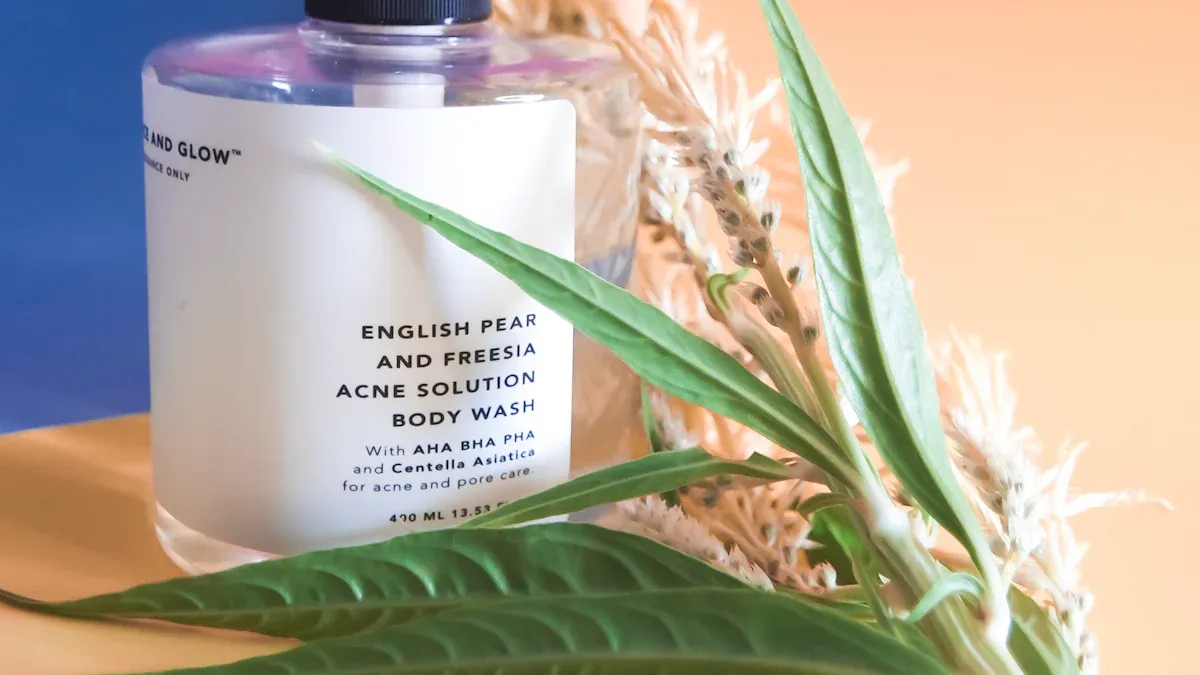
You use durability test standards to make sure lotion pump bottles work well. These standards check if each cosmetic bottle stops leaks, keeps the pump working, and protects lotion. Tests include cycle tests, seal checks, and drop tests. Cosmetic airless pump bottles use a vacuum seal to stop leaks and contamination. Durability test standards also help lotion stay fresh and make sure the bottle gives out every drop. Look at how the main parts compare:
| Aspect | Description |
|---|---|
| Leak Prevention | Airless pump bottles stop air from getting in, which helps prevent oxidation and contamination. |
| Pump Dispenser Performance | The piston mechanism makes sure product comes out without air gaps. |
| Quality of Airless Bottles | Made to keep sensitive formulas safe, so shelf life is longer and product stays good. |
Key Takeaways
- Durability test standards help make sure lotion pump bottles work right and do not leak. Airless pump bottles keep lotion fresh by stopping air from getting in, which helps keep it good. Do important tests like the pump actuation cycle test to check for leaks and see how well it works. Use strong seals and good materials to make your products safer and last longer. Follow industry rules and keep good records to help customers trust you.
Durability test standards for pump dispensers
ASTM and ISO standards overview
You should know which standards are used for testing pump dispensers in big lotion bottles. These standards help make sure the pump works well and keeps the lotion safe. The most used standards for pump dispensers and cosmetic airless pump bottles are from ASTM and ISO. You can find the main standards in this table:
| Standard | Description |
|---|---|
| ASTM-D1693 | Standard related to pump dispensers |
| ISO 9001:2015 | Quality management systems standard |
| ASTM F2227 | Tests the performance of lotion pumps, ensuring consistent product dispensing and durability. |
| ASTM F2054 | Evaluates the bursting strength of flexible package seals to ensure airtight seals for product integrity. |
These standards check if the pump gives out lotion smoothly, stops leaks, and keeps the packaging strong. You use these rules to see if the pump works with different bottle sizes and types.
Cosmetic airless pump bottles requirements
Cosmetic airless pump bottles have to follow strict rules. Each pump should give lotion smoothly, with no air bubbles or leaks. The airless design keeps lotion fresh by blocking air from getting in. This protects the formula and makes it last longer. You should use strong neck seals in your bottles. These seals stop leaks and help the pump work, even in big bottles. There are different kinds of cosmetic airless pump bottles, and each has special features. But all must pass tests for being strong and not leaking. You also need to check the size choices of airless bottles to make sure they fit your lotion needs.
Tip: Always try the pump with the real lotion you want to use. This helps you know if the airless system works with your formula.
HDPE bottle quality criteria
When you pick HDPE bottles for lotion, you need to think about quality. The cap you choose affects how well the bottle seals, stops leaks, and lets the pump work. You must pick the right size so the cap fits tight and works with strong neck seals. Using the right cap and bottle together keeps lotion safe when shipping and storing. Good packaging keeps your lotion safe and makes your product look nice on the shelf.
- The cap you pick helps stop leaks.
- The right size cap fits with leakproof seals.
- Matching the cap and bottle keeps lotion safe when shipped.
- Good packaging makes customers trust your products.
Key durability tests to combat leakage
Pump actuation cycle test
You need to check if the pump works well over time. The pump actuation cycle test helps you see how many times you can press the pump before it breaks or leaks. You press the pump again and again, sometimes thousands of times. This test shows if the pump can handle daily use. You want the pump to give out lotion smoothly every time. If the pump stops working or gets stuck, you know there is a problem. You also watch for leaks around the pump head and the airless bottle neck. This test helps you combat leakage in cosmetic airless pump bottles. You want to make sure the pump stays strong and does not let air inside the airless system.
Tip: Always use the real lotion in the pump during this test. This helps you see how the pump and airless bottle work together.
Leak and seal integrity test
You must make sure the pump and airless bottle do not leak. The leak and seal integrity test checks if the bottle keeps lotion inside and air outside. You fill the airless bottle with lotion and close the pump tightly. You turn the bottle upside down and shake it. You squeeze the bottle and press the pump. You look for drops of lotion around the pump or the airless bottle neck. If you see lotion, the seal is not good. You want the airless pump to keep lotion fresh and safe. This test helps you find weak spots in the pump or airless bottle. You can fix these problems before you sell the product.
Drop and impact resistance test
You need to know if the pump and airless bottle can survive a fall. The drop and impact resistance test helps you see if the bottle breaks or leaks when dropped. You fill the airless bottle with lotion and close the pump. You drop the bottle from a height of 1.2 to 1.5 meters. You drop it on different sides, like the bottom, top, and corners. You check if the pump still works and if the airless bottle stays closed. You look for cracks or leaks. This test shows if the pump and airless bottle can handle bumps during shipping or when customers drop them at home.
- Typical drop height for this test is between 1.2 to 1.5 meters.
- You drop the bottle several times to make sure it stays strong.
Temperature range durability test
You want the pump and airless bottle to work in hot and cold places. The temperature range durability test checks if the pump and airless system can handle big changes in heat. You put the airless bottle in a hot room, sometimes up to 98–100°C. You also test the pump and airless bottle in cold rooms. You watch if the pump still works and if the airless bottle keeps its shape. Some airless bottles use special plastics, like Japanese-imported Xyron PPE, which stay strong in high heat. The pump may have parts like injection-molded magnetic rotors that work up to 460°C. Copper wires in the pump can handle 180–220°C. These features help the pump and airless bottle last longer and keep lotion safe.
| Feature | Specification |
|---|---|
| Temperature Challenge | 98–100°C |
| Material Used | Japanese-imported Xyron PPE plastic |
| Thermal Stability | Superior compared to conventional plastics |
| Rotor Type | Injection-molded integrated magnetic rotor |
| Maximum Rotor Temperature | Up to 460°C |
| Copper Wire Heat Resistance | Rated for 180–220°C |
You use these tests to make sure the pump and airless bottle do not leak or break when the weather changes. Good testing helps you keep your lotion safe and fresh for your customers.
Importance of durability standards for pump dispensers
Product safety and leak prevention
You want your lotion to stay safe and fresh. Durability standards help airless packaging do this job. Airless bottles use a vacuum seal to keep out air. This stops the lotion from going bad. The active ingredients stay strong. Airless pump bottles do not let germs or air inside.
- Airless pumps keep air away, so lotion works better.
- Airless bottles make your lotion last longer on the shelf.
- Airless packaging uses a piston to push out lotion, so you waste less.
- Airless bottles protect your lotion, so it does not spoil fast.
You can trust airless packaging to keep lotion safe. Leak protection works best with bottles that pass tough tests. You do not have to worry about spills or wasting lotion.
Regulatory compliance and consumer satisfaction
You must follow rules in the cosmetic industry. Durability standards for airless packaging help you follow these rules. When bottles pass these tests, you show your lotion is safe and good quality.
- Durability standards help you meet safety and quality goals.
- You can sell in more places when you follow these rules.
- Airless packaging helps the planet by being eco-friendly.
- You give customers clean and safe packaging.
Customers want lotion that stays fresh and lasts longer. Airless bottles give them what they want. You also help the earth by picking eco-friendly packaging for your lotion.
Brand reputation and quality assurance
You build trust when you use strong airless packaging. People remember brands that care about safety and the planet.
- Airless bottles show your brand cares about the earth.
- You prove your lotion is safe with strong packaging and long shelf life.
- Customers see you care about quality and safety.
- Eco-friendly packaging helps your brand stand out.
You can make your brand stronger by using airless bottles that pass all tests. This shows you care about your customers and the planet.
Manufacturer compliance and documentation
Quality assurance processes
You need strong quality checks to make sure every bottle is good. When you make lotion in big bottles or refill containers, you check each step. You want to stop leaks, keep the pump working, and protect the lotion. Here are some steps you should follow:
- Preventative maintenance keeps pumps and bottles working well. You look at and oil parts before they break.
- Corrective maintenance helps you fix leaks or change broken parts fast.
- Predictive maintenance lets you watch for problems, so you can fix them early.
- Component replacement means you change old parts based on how much you use the bottle.
- Cleaning and sanitation keep every bottle and pump safe for lotion. You clean after each batch.
- Validation checks if pumps and bottles work right. You test how they are put together and how they work.
- Documentation means you write down every step. You keep notes about tests, repairs, and cleaning for each batch.
You use these steps for refillable systems and big refill bottles. This helps you give safe, high-quality lotion every time.
Certification and recordkeeping
You must show your bottles and packaging meet all the rules. Certification and recordkeeping help you prove this. You need to keep good records for each batch of lotion or refill bottle. These records have test results, cleaning logs, and repair reports.
| Parameter | Requirement |
|---|---|
| Pump Body Performance | Pumping life should be ≥1000 times without failure. |
| Sealing Performance | No leakage under 0.3MPa pressure for 24 hours (ISO 11607 – 1). |
| Capacity Accuracy | ±2% capacity deviation (tested on 50 samples). |
| Domestic Certification | GMPC 2024 version (meets EU Cosmetics Regulations). |
| International Certification | FDA 21 CFR 175.300 (Food Contact Material Safety Standard). |
You also need important papers for each lotion bottle and refill. These include the Safety Data Sheet, Certificate of Analysis, stability test reports, and germ test results. These papers show your lotion, bottle, and packaging are safe and follow all rules.
Third-party certifications help you sell in new places. They show your bottles and refills follow strict rules. Certifications help buyers trust you and make you stand out. If you do not keep up with these rules, you may not be able to sell or could get in trouble. Good records and certification protect your business and your customers.
You use durability test standards to make sure lotion pump bottles are safe and work well. These rules help stop leaks and make the pump work smoothly. Cosmetic airless pump bottles and HDPE bottles need strong seals and tough materials. If you follow these rules, you get good results for a long time:
- Bottles break less, so they last longer.
- Strong bottles cost less to fix.
- Good bottles make customers happy.
You should test pumps many times, write down what you find, and pick good materials. Doing these things helps you follow the rules and keeps your brand safe.
FAQ
What is the most important durability test for lotion pump bottles?
You should focus on the pump actuation cycle test. This test checks if the pump works after many uses. It helps you find weak pumps before you sell your product.
How do you know if a pump bottle is leakproof?
You can perform a leak and seal integrity test. Fill the bottle, close it, and turn it upside down. If no lotion leaks out, your bottle passes the test.
Why do airless pump bottles keep lotion fresh?
Airless pump bottles use a vacuum seal. This seal keeps air out. Your lotion stays safe from germs and does not spoil quickly.
Do you need special certification for selling pump bottles?
Yes, you need certifications like ISO 9001:2015 or FDA 21 CFR 175.300. These show your bottles meet safety and quality rules. Customers trust certified products.