


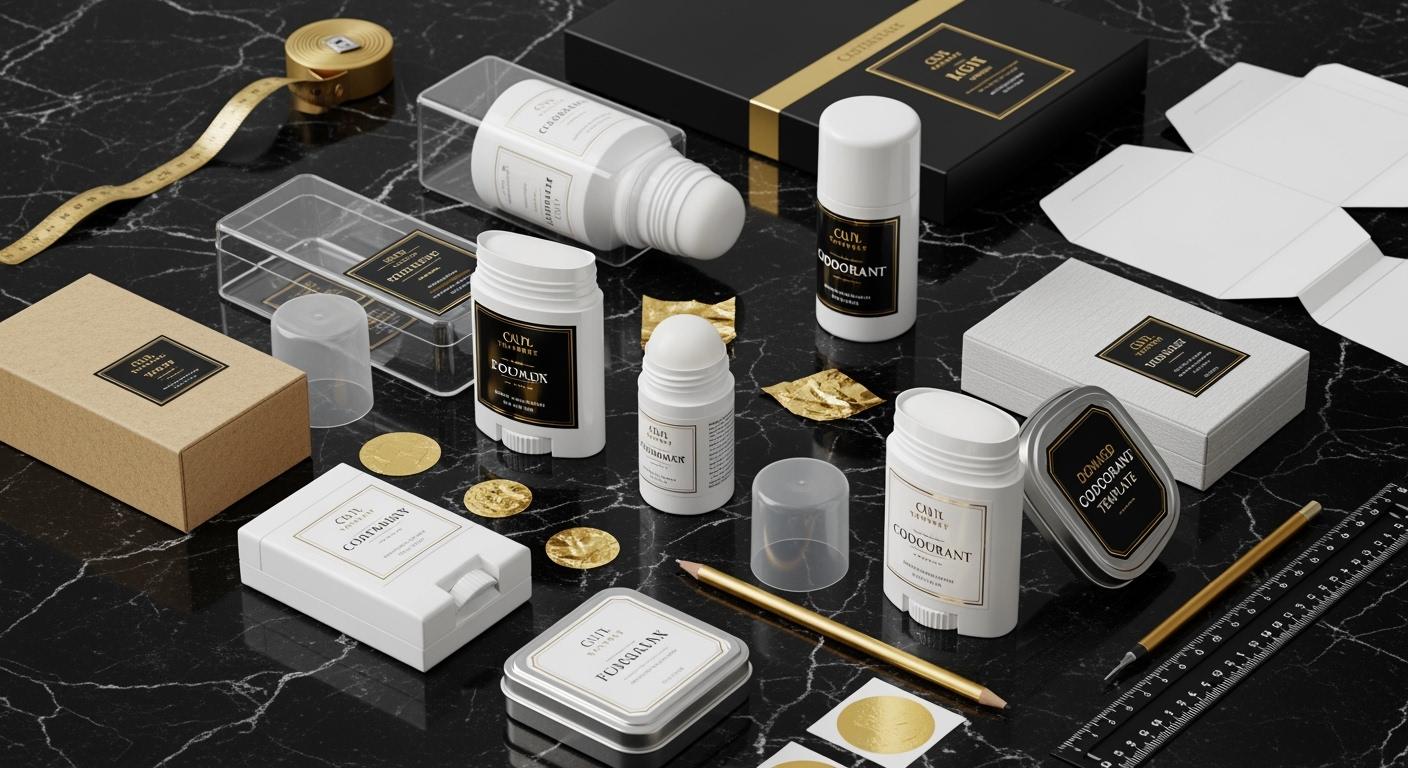
You face critical decisions when selecting deodorant stick packaging for your brand. The right choice of materials, sizes, and customization options impacts how your product stands out in the personal care market. Sleek, compact packaging can give your product a premium look, while innovative and sustainable solutions help you meet growing consumer and industry demands. Effective packaging must protect the formula, offer user comfort, and support your brand’s commitment to quality and the environment.
Key Takeaways
Choose the right material for deodorant stick packaging to enhance product quality and brand image. Consider options like AS for premium looks and PP for cost-effectiveness.
Select appropriate sizes for your deodorant sticks to meet market demands. Smaller sizes work for samples, while larger sizes appeal to regular users.
Utilize customization options like color, shape, and finishes to make your packaging stand out. Unique designs help attract attention and build brand recognition.
Prioritize sustainability by opting for recyclable or biodegradable materials. Eco-friendly packaging aligns with consumer preferences and supports environmental goals.
Plan for order quantities and lead times when sourcing packaging. Understanding these factors helps manage costs and ensures timely delivery.
Part 1: Deodorant Stick Packaging Materials
1.1 AS and PP Plastics
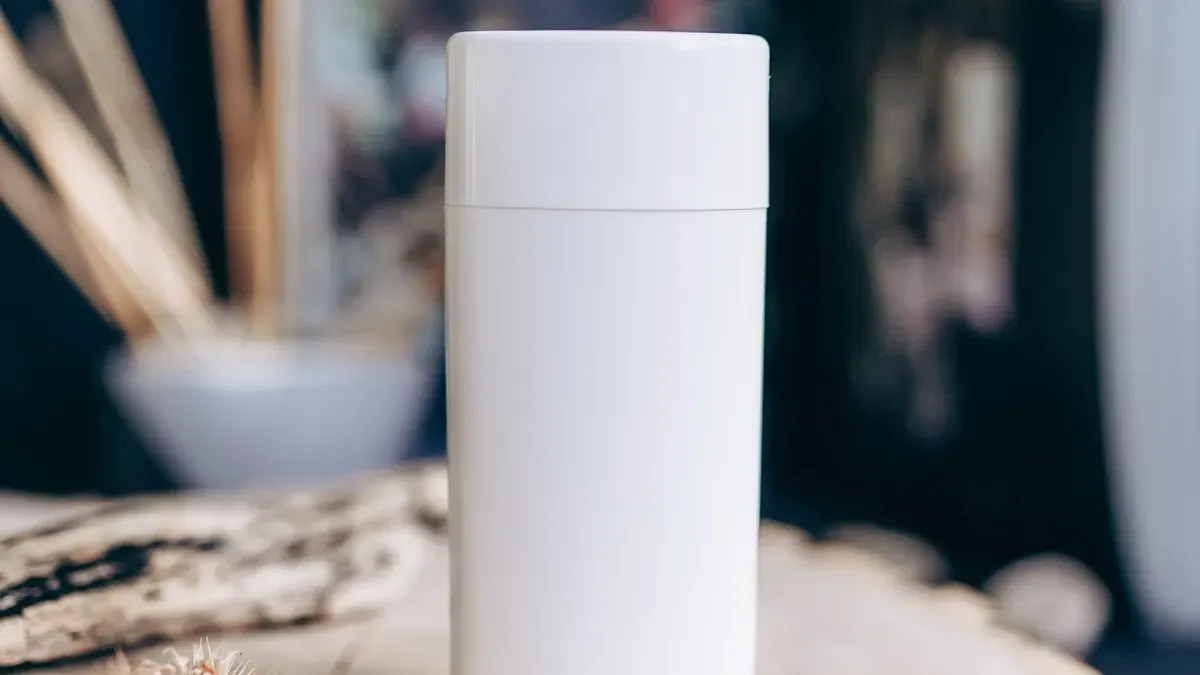
You encounter two primary plastics when selecting deodorant stick packaging: AS (Acrylonitrile Styrene) and PP (Polypropylene). AS gives your product a premium look with high optical clarity, similar to glass. This material feels substantial and resists scratches, making it ideal for brands that want to highlight quality. AS supports sharp print edges and various decoration methods, which helps your brand stand out on the shelf. However, AS works best with most deodorant formulas but needs testing for high oil content.
PP is the most common choice for deodorant stick packaging. You benefit from its practicality and cost-effectiveness. PP is BPA-free and can be molded into many colors and finishes. It does not offer the same clarity as AS, so it suits brands that do not need to showcase the product visually. PP is recyclable and available in post-consumer recycled grades, which supports your sustainability goals.
Tip: If you want a balance between cost and appearance, consider combining AS for the outer shell and PP for the inner mechanism.
Here is a comparison of common materials used globally for deodorant stick packaging:
Material Type | Characteristics | Common Use Cases |
|---|---|---|
PP (Polypropylene) | Durable, widely compatible, easy to manufacture at scale. | Standard deodorant formulas. |
AS (Acrylic Styrene) | Offers crystal-clear transparency, matte or frosted finishes. | Premium packaging needs. |
HDPE | Suitable for high-oil or alkaline formulas. | Various deodorant applications. |
Aluminum | Premium aesthetic, infinitely recyclable, used in refillable systems. | High-end deodorant products. |
Glass | Chemically inert, ideal for sensitive formulas, heavier and more fragile. | Essential oils and fragrances. |
Cardboard Twist-Up | Biodegradable, lightweight, lower environmental impact. | Natural or organic product lines. |
Bamboo Composite | Renewable, visually distinctive, biodegradable under industrial conditions. | Emerging alternative packaging. |
1.2 Aluminum and Paper Tubes
Aluminum and paper tubes offer unique benefits for deodorant stick packaging. Aluminum tubes provide a luxurious feel and excellent protection from light, moisture, and oxygen. You can recycle aluminum multiple times without losing quality. This material is lightweight, which reduces shipping costs and carbon emissions. Aluminum tubes are customizable for branding and comply with health regulations, making them a safe choice for cosmetic products.
Paper tubes are biodegradable and made from recycled materials. They align with your sustainability goals and appeal to eco-conscious consumers. You can choose from various finishes to match your brand identity. However, paper tubes are less durable and have limited moisture resistance compared to aluminum.
Material | Advantages | Disadvantages |
|---|---|---|
Aluminum Tubes | Recyclable multiple times, excellent product protection, lightweight, customizable, luxurious feel | Environmental impact from production, prone to dents during shipping |
Paper Tubes | Biodegradable, eco-friendly, made from recycled materials, customizable finishes | Less durable, limited moisture resistance |
Note: Aluminum tubes preserve product integrity and shelf life by blocking oxygen, light, and moisture. Paper tubes are more eco-friendly but may not protect the formula as well.
1.3 Sustainable Material Options
You see a growing shift toward sustainable materials in deodorant stick packaging. Bioplastics, recycled cardboard, and biodegradable materials like cornstarch and bamboo are becoming popular. These options help reduce greenhouse gas emissions and keep waste out of landfills. Bioplastics can lower emissions by up to 68% compared to traditional plastics. Recycled cardboard requires less energy to produce and supports your environmental goals.
Many brands now offer refillable systems and innovative designs to attract eco-conscious buyers. Bamboo composite packaging stands out for its renewable nature and distinctive appearance. You can choose materials that match your sustainability targets and consumer preferences.
Sustainability certifications such as ISO 14001, ISCC, and SA8000 help you demonstrate environmental responsibility and supply chain transparency.
Certification | Description |
|---|---|
ISO 9001 | Quality management systems |
ISO 14001 | Environmental management systems |
SMTA | Supply Chain Management |
SA8000 | Social Accountability |
ISCC | Sustainability Certification |
NBCU | NBC Universal Certification |
GSV | Global Security Verification |
1.4 Material Considerations
You must weigh several factors when choosing materials for deodorant stick packaging. Customization options for shapes, sizes, and colors let you tailor packaging to your brand. Cost-effectiveness and durability matter for large-scale production. Environmental impact is crucial, so recyclable or biodegradable materials help you meet sustainability standards.
To select the best material, follow these steps:
Define product requirements, including filling method and formula characteristics.
Verify compatibility with filling equipment dimensions and temperatures.
Assess sustainability goals and choose recyclable materials.
Request samples to test quality and durability.
Review supplier credentials for compliance and quality assurance.
Aluminum packaging offers non-toxic properties and meets health regulations, which is essential for cosmetic products. Its recyclability reduces demand for new materials and lowers environmental harm. Lightweight materials decrease carbon emissions during transport, supporting your sustainability objectives.
Choosing the right material for deodorant stick packaging helps you protect your product, enhance brand value, and meet regulatory and environmental standards.
Part 2: Deodorant Stick Packaging Sizes
2.1 Standard Sizes (6ml, 15ml, 30ml, 50ml, 75ml, 90ml)
You have a wide range of standard sizes to choose from when selecting deodorant stick packaging. Common options include 6ml, 15ml, 30ml, 50ml, 75ml, and 90ml. These sizes help you address different market needs, from travel-friendly mini sticks to full-size products for daily use. Smaller sizes work well for sample programs or promotional sets, while larger sizes suit regular retail sales.
Packaging Type | Description |
|---|---|
Round Stick Packaging | Available in push-up and propel/repel designs, suitable for various container sizes. |
Oval Stick Packaging | Comes in top-fill and bottom-fill designs, with options for smaller deodorant sizes. |
Powder Containers | Holds deodorant in powder form, less common than stick types. |
Refill or Reuse | Focuses on sustainable materials and designs, increasingly popular among eco-conscious consumers. |
Roll-On Containers | Specialized solutions for roll-on deodorants, adaptable to specific product needs. |
2.2 PP Size Options (15ml, 40ml, 50ml, 75ml)
Polypropylene (PP) stands out for its versatility and cost efficiency. You can select from several PP size options, such as 15ml, 40ml, 50ml, and 75ml. These sizes fit most cosmetic-contact applications and support a range of product lines. PP’s design flexibility and recyclability make it a top choice for B2B packaging projects.
Size | Typical Application |
|---|---|
20g | Cosmetic-contact packaging for deodorants |
30g | Cosmetic-contact packaging for deodorants |
50g | Cosmetic-contact packaging for deodorants |
75g | Cosmetic-contact packaging for deodorants |
PP’s popularity comes from its heat resistance, processability, and growing use of biobased alternatives. You benefit from a material that meets both performance and sustainability goals.
2.3 Industry Standard (1.75oz–2.50oz)
Most brands in the personal care market use industry-standard sizes between 1.75oz and 2.50oz. These sizes balance product value and consumer expectations. You can rely on these standards to streamline production and meet retailer requirements.
2.4 Size Selection
Choosing the right size for deodorant stick packaging shapes your product’s market position. Smaller sticks attract on-the-go users and sample programs. Larger sizes appeal to customers seeking value. You can also use refillable or reusable formats to target eco-conscious buyers.
Stick packaging offers convenience and portability.
Roll-on packaging suits those who prefer liquid applications.
Spray packaging targets active users who want quick, non-contact use.
Other formats, like wipes and creams, serve niche markets and support sustainability trends.
Tip: Align your size selection with your brand’s target audience and distribution channels to maximize market impact.
Part 3: Customization Options
3.1 Color and Shape Choices
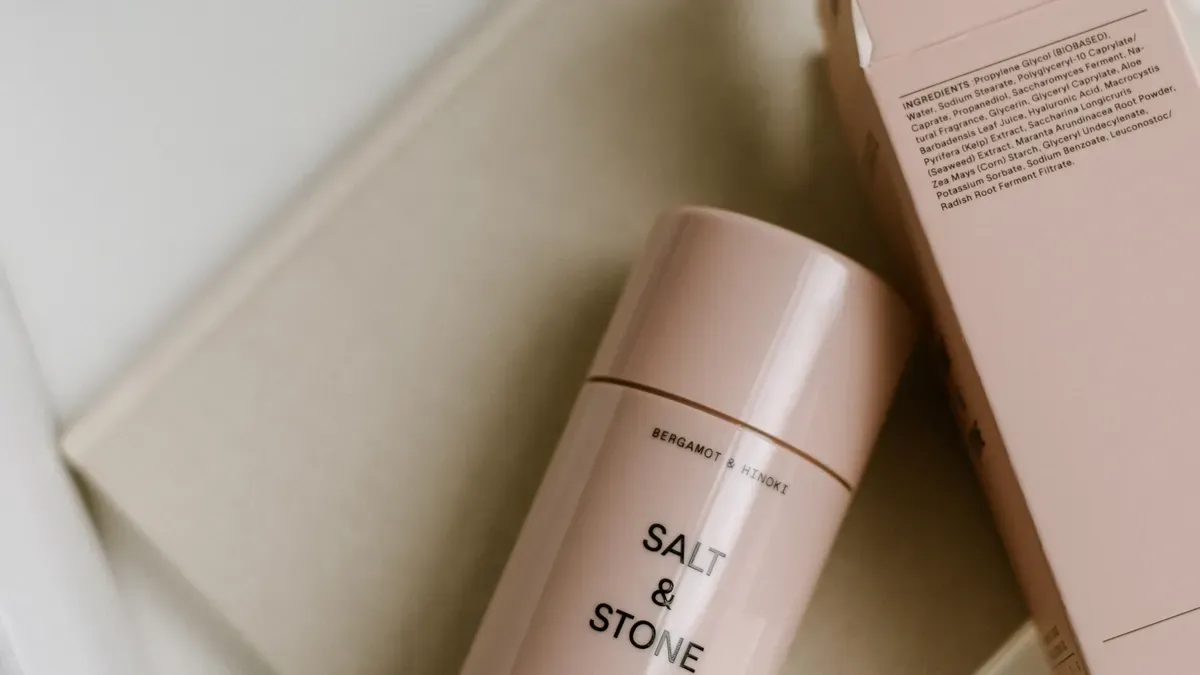
You can use color and shape to make your deodorant stick packaging stand out. Brands often select bold colors, such as black or gray, to create a strong identity. Unique shapes help your product catch the eye on crowded shelves. For example, some brands use gold decoration or new shapes to refresh their look while keeping their logo visible. These choices help you build brand recognition and attract your target market.
You can choose from round, oval, or custom shapes. Each shape offers a different feel and function. Round paper deodorant sticks appeal to eco-conscious buyers. Refillable aluminum sticks with sleek designs target the premium market. Plastic sticks offer flexibility in both color and shape, letting you match your brand’s style.
Tip: Consistent color and shape choices help customers remember your brand and make your products easy to spot.
3.2 Printing and Stamping
You have many printing and stamping options to enhance your packaging. Each technique offers unique benefits and costs. You can select methods based on your design needs, order size, and budget.
Technique | Description |
|---|---|
Black Kraft | Black dyed kraft paper for high-quality printing. |
Metallic | Glossy or matte metallic film for a premium look. |
Holographic | Laminated paperboard with holographic or rainbow foil. |
Texture | Premium paper with a textured surface for a tactile feel. |
Offset Print | High-quality printing using a plate and rubber blanket. |
Digital Print | Cost-effective for small runs, no plate needed. |
UV Print | Uses UV light to cure ink quickly, producing vibrant colors. |
Screen Print | Transfers designs using a mesh screen and ink. |
Soy Bean Ink | Eco-friendly ink made from soy and vegetable oil. |
Fade-Resistant Inks | Holds color for up to three months in sunlight. |
Pantone | Ensures precise color matching. |
Lamination | Adds a shiny film for durability and color enhancement. |
Embossing | Creates raised or recessed designs for a tactile effect. |
Hot Stamp | Transfers ink or foil at high or cold temperatures for a luxury finish. |
Anti-Scratch Lamination | Protects against scratches and fingerprints. |
You can combine these techniques to create a package that reflects your brand’s values and stands up to handling and shipping. For more details on custom cosmetic packaging services, you can explore custom cosmetic packaging solutions.
3.3 Finishes and Soft Touch
You can choose from a range of finishes to enhance the look and feel of your deodorant stick packaging. Soft touch finishes create a velvety, smooth surface that feels premium. Matte finishes give your packaging a modern, refined look. Both options reduce visible marks from handling and protect against scratches and moisture.
Soft touch finishes elevate the sensory experience and perceived value.
Matte finishes support upscale branding and keep the package looking clean.
Both finishes extend shelf life and maintain visual appeal.
These tactile features engage multiple senses and help your product stand out. Many brands use embossing or soft touch to signal quality and innovation.
3.4 Labeling and Branding
You can use labels and branding to maximize shelf presence and communicate your brand story. There are several label types and finishes to choose from:
Label Type | Benefits |
|---|---|
Rectangular Labels | Easy to apply, versatile for many designs. |
Oval Labels | Unique shape, enhances brand identity. |
Wrap-Around Designs | 360-degree branding, maximizes label space. |
Contour-Fit Labels | Custom shapes that fit the package, boost visual appeal. |
Finishes | Matte, glossy, metallic foils, and embossed designs for shelf impact. |
You can combine label shapes and finishes to create a unique look. Embossed or metallic labels add a premium touch. Wrap-around designs give you more space for information and graphics. For more options, see refillable skincare packaging.
Note: Strong branding on your packaging helps you stand out and makes your product memorable.
3.5 Refillable and Disposable Designs
You can choose between refillable and disposable designs based on your brand’s goals and customer needs. Refillable deodorant sticks promote sustainability and encourage repeat purchases. Disposable sticks offer convenience and lower upfront costs.
Aspect | Refillable Deodorants | Disposable Deodorants |
|---|---|---|
Convenience | Practical with refill cartridges | Single-use, no refilling needed |
Cost Savings | Long-term savings from reusing containers | Lower initial cost |
Innovation | Supports new technology and design | Limited innovation |
Consumer Education | Requires education on benefits | Familiar to most users |
Material Choices | Metal, glass, recycled plastics | Usually single-use plastics |
Metal: Durable and high-end, but heavy and costly.
Glass: Recyclable and transparent, but fragile.
Recycled Plastics: Lightweight, cost-effective, and versatile.
The choice of materials in refillable packaging is important. Metal and glass offer durability and recyclability. Recycled plastics meet sustainability goals and provide design flexibility. You can select the best option to match your brand’s values and market position.
Choosing the right customization options for deodorant stick packaging helps you build a strong brand, attract your target market, and support your sustainability goals.
Part 4: Practical Considerations
4.1 Order Quantities
You need to plan for minimum order quantities (MOQs) when sourcing custom deodorant stick packaging. Most suppliers set MOQs to ensure efficient production and cost control. For custom deodorant stick packaging, the typical MOQ is:
Product Type | Minimum Order Quantity |
|---|---|
Custom Deodorant Stick Packaging | 1,000 units |
You can request a custom packaging quote to confirm the MOQ for your specific project. This step helps you align your procurement with your production needs.
4.2 Lead Times
Lead times for deodorant stick packaging depend on several factors. You should consider the following:
Material choice affects production speed.
Each material has a unique manufacturing process.
Customization, such as color or finish, adds time.
MOQs and factory schedules influence delivery dates.
Details like stick body design and SKU count can extend timelines.
You can contact Oulete for a quote to get accurate lead time estimates based on your requirements.
4.3 Cost Factors
You must evaluate cost factors when choosing packaging. Material selection, customization level, and order size all impact your final price. Custom shapes, premium finishes, and sustainable materials often increase costs. Bulk orders can lower unit prices, but you need to balance inventory with cash flow. Requesting detailed quotes from suppliers helps you compare options and control your budget.
4.4 Supply Chain and Sustainability
You face new challenges in supply chain management and sustainability. Many suppliers now use recycled materials, such as polypropylene, to meet environmental goals. For example, some deodorant sticks use up to 100% recycled content and remain fully recyclable. New EU regulations require all packaging to be genuinely recyclable, which means you must choose designs and materials that comply with these standards. The EU Greenwashing Directive also restricts sustainability claims unless you have verified evidence. You should review supplier certifications and sustainability practices before making decisions.
For more information on supply chain and sustainability in bottle packaging, visit supply chain and sustainability bottle packaging.
Tip: Always verify that your packaging supplier meets current regulatory and sustainability standards to protect your brand and support your environmental commitments.
You see that material, size, and customization choices shape your deodorant stick packaging strategy. These decisions affect brand value, product quality, and sustainability. Many buyers now prioritize eco-friendly solutions. Over 70% of consumers prefer environmentally friendly packaging, and 72% are willing to pay more for sustainable products.
Evidence Type | Detail |
|---|---|
Consumer Preference | Over 70% prefer eco-friendly deodorant packaging |
Willingness to Pay | 72% pay more for sustainable products |
Plastic Waste | Over 1 million containers reach landfills each year |
To select the best packaging, follow these steps:
Choose a single polymer family for all components.
Avoid mixed materials that hinder recycling.
Decide between recyclable and refillable designs.
Ensure compliance with recycling claims.
Prepare supplier documentation for recycled content.
You can consult with packaging suppliers to tailor solutions that fit your brand and sustainability goals.
FAQ
What is the most popular material for deodorant stick packaging in B2B markets?
You often choose polypropylene (PP) for its durability, cost efficiency, and recyclability. PP works well for large-scale production and supports various customization options. Many B2B clients prefer PP due to its compatibility with most deodorant formulas.
How do you select the right size for your deodorant stick packaging?
You should consider your target market, product positioning, and distribution channels. Smaller sizes suit samples or travel kits. Standard sizes, such as 50ml or 75ml, fit retail shelves and meet consumer expectations. Consult your supplier for size recommendations based on your needs.
Can you customize deodorant stick packaging with your brand colors and logo?
Yes, you can fully customize packaging with your brand colors, logo, and unique finishes. Suppliers offer printing, hot stamping, and embossing. These options help you create a strong brand identity and improve shelf presence.
What are the benefits of refillable deodorant stick packaging for B2B brands?
Refillable packaging supports sustainability goals and appeals to eco-conscious buyers. You reduce waste and encourage repeat purchases. Many B2B clients use refillable designs to align with corporate responsibility initiatives and market trends.
How do you ensure your packaging meets sustainability standards?
You should request certifications such as ISO 14001 or ISCC from your supplier. Choose recyclable or biodegradable materials. Verify that all components use a single polymer family to support recycling. Regularly review supplier documentation for compliance.