


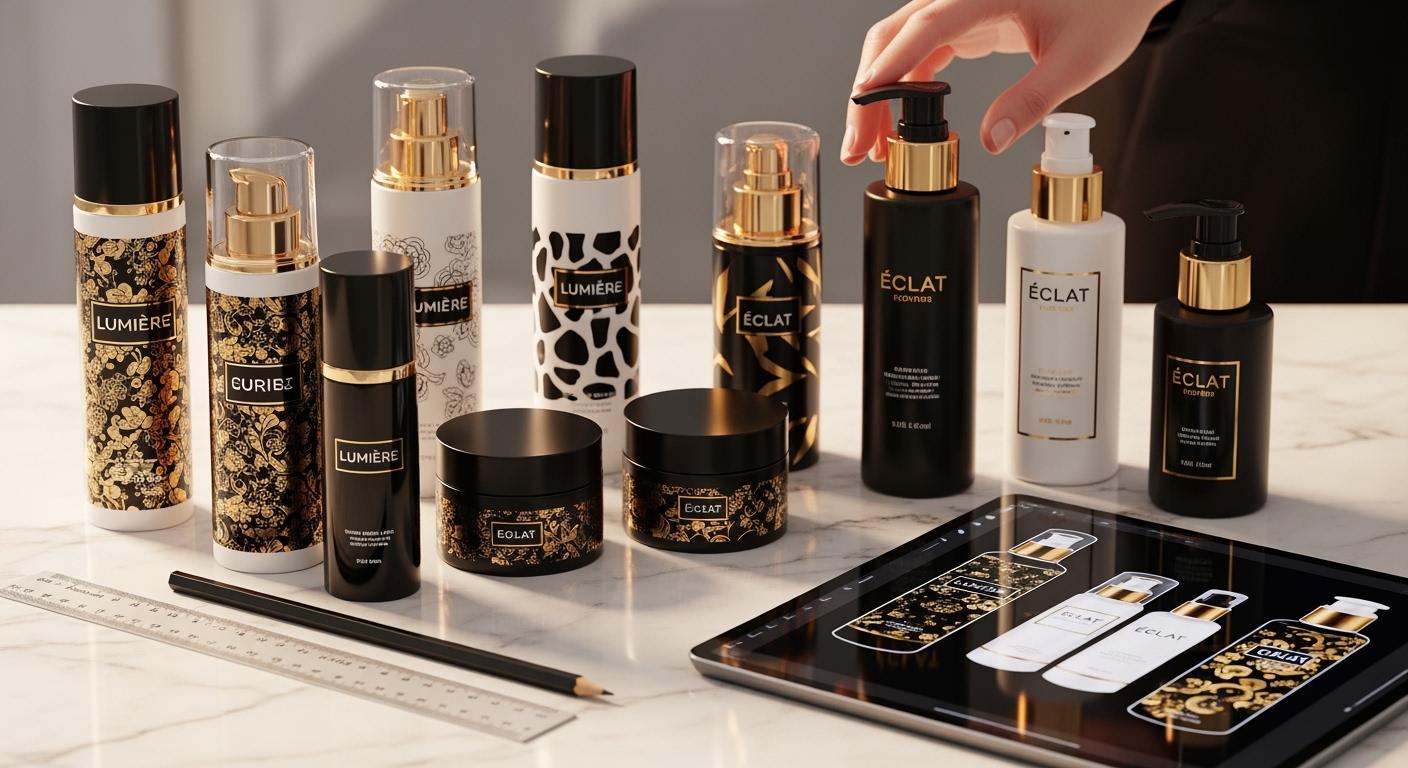
Custom Printed Cosmetic Bottles give your brand a powerful edge with eye-catching visuals, premium finishes, and sustainable packaging. You can choose innovative printing methods and select high-quality materials to create a strong first impression and attract buyers. The right design and material choices help you stand out in a crowded market, improve customer experience, and foster loyalty.
Market research shows:
Feature
Impact on Purchasing Decisions
Eye-catching designs, luxurious finishes
Encourage purchase decisions
Sustainable packaging
Attract environmentally conscious consumers
Functional, user-friendly designs
Lead to brand loyalty and repeat purchases
High-quality materials
Justify higher price points, elevate brand value
Consistent packaging
Foster long-term customer loyalty
You can balance aesthetics, functionality, and regulatory compliance to maximize your packaging strategy.
Key Takeaways
Choose the right printing method for your cosmetic bottles to enhance visibility and brand identity. Options like screen printing and UV printing offer unique benefits.
Select high-quality materials like glass or PET to improve product appeal and support sustainability. These choices can elevate your brand’s image and meet eco-friendly goals.
Maintain color consistency across all packaging to build trust and recognition. Use standardized color systems and conduct regular tests to ensure accuracy.
Incorporate minimalist and premium design trends to attract consumers. Simple, elegant designs with eco-friendly materials resonate well in the market.
Partner with reliable suppliers who offer flexibility and quality assurance. Their expertise can help you navigate production challenges and meet your branding needs.
Part1: Custom Printed Cosmetic Bottles – Printing Methods
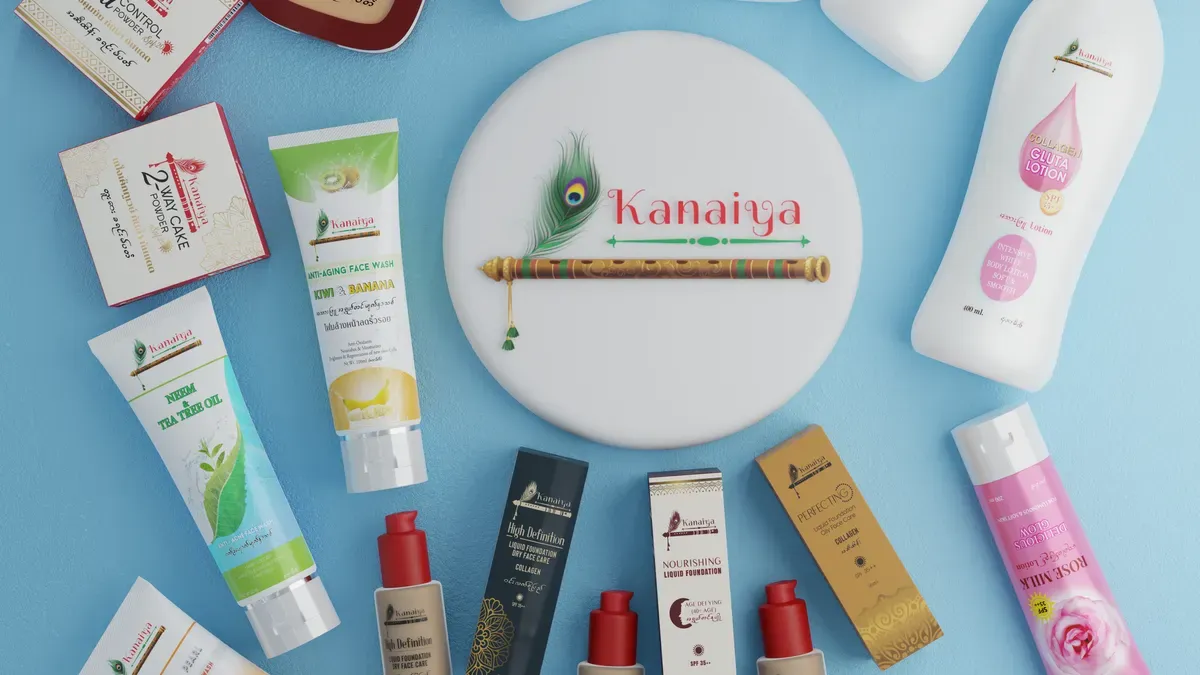
Custom Printed Cosmetic Bottles require careful selection of printing methods to achieve the best results for your brand. You can choose from several techniques, each offering unique advantages and limitations. Understanding these options helps you match the right method to your bottle material and production needs.
1.1 Screen Printing
Screen printing stands out for its ability to deliver vibrant, bold colors that make your packaging pop. You get lasting prints that resist fading, which is ideal for products exposed to frequent handling. This method works well for PET, HDPE, PP, and PVC bottles, making it a versatile choice for many cosmetic applications.
Advantages | Disadvantages |
|---|---|
Perfect for vibrant, bold colors that really pop on your tubes. | Time-consuming setup making it less ideal for large batches. |
Creates lasting prints that won’t fade easily. | Can get costly for high-volume production. |
Screen printing produces high-quality, durable designs that enhance product visibility. However, setup takes time and costs can rise for large runs. Intricate designs may be difficult to achieve. You should consider this method for glass, plastic, and metal bottles when you want bold branding and long-lasting graphics. For more details on compatible bottle types, visit airless bottle manufacturer.
Material Type | Compatibility with Screen Printing Inks |
|---|---|
PET | High |
HDPE | High |
PVC | Moderate |
PP | High |
1.2 Pad Printing
Pad printing gives you flexibility for branding, labeling, and customization. You can apply full-color logos, detailed information, and unique designs to bottles. This method excels at decorating curved or irregularly shaped bottles, such as waisted or cylindrical containers.
Branding: Add full-color logos to boost brand identity.
Labeling: Print information that resists fading and wear.
Customization: Apply unique designs and color palettes.
Compliance: Display expiration dates and ingredients clearly.
Pad printing works well on glass, plastic, and coated surfaces. You achieve fine-detail accuracy on small or curved surfaces like caps and sample vials. Multi-color printing is possible with precise registration. You can use pad printing for perfume bottles, sample vials, and specialty packaging. For more information on bottle compatibility, check custom dropper bottles.
Effective for curved or irregular shapes
Precise application of graphics and logos
Suitable for various cosmetic packaging materials
High opacity ink does not interfere with contents
Cost-effective for short and mid-size runs
1.3 UV Printing
UV printing offers high-quality, vibrant, and clear prints. You benefit from durable, scratch-resistant graphics that cure instantly. This method suits a wide range of plastic materials and supports special effects for enhanced branding.
High-quality, vibrant, and clear prints
Durable and scratch-resistant
Instant curing and bonding process
Suitable for a range of plastic materials
UV printing technology achieves high-resolution results on plastics, glass, and metal using ultraviolet curing inks. You can add gloss, matte, or textured finishes to your packaging. This method is ideal for glass bottles, PET and HDPE plastics, acrylic containers, metal tins, and coated cosmetic jars.
1.4 UV DTF Printing
UV DTF printing gives you superior durability and design flexibility. You can create graphics that resist scratching, fading, and peeling. This method is essential for products exposed to moisture, oils, chemicals, and sunlight. You can choose gloss finishes, matte effects, and raised textures to enhance the luxury appeal of your packaging.
UV DTF printing is more efficient than traditional methods for small and large runs. However, high equipment costs and limited efficiency—printing one bottle at a time—make it less suitable for mass production. You need specialized maintenance and skilled personnel to operate this technology.
High equipment costs
Limited efficiency for mass production
Requires specialized maintenance
1.5 CIJ & Laser Printing
Continuous Inkjet (CIJ) and laser printing are popular for labeling and coding cosmetic bottles. CIJ offers very high printing speed, making it suitable for fast production lines. You can use CIJ on almost all materials, including plastic, metal, and glass. However, CIJ prints may smudge or fade under certain conditions and require regular maintenance.
Laser marking creates permanent, tamper-proof marks that resist water, heat, and chemicals. You do not need consumables, and maintenance is minimal. Laser marking is ideal for long-term traceability and provides excellent resistance to abrasion. You can use laser printing for glass, metal, and coated bottles.
Feature | Continuous Inkjet (CIJ) | Laser Marking |
|---|---|---|
Printing Speed | Very high; suitable for fast production lines. | High to very high, depending on the laser type and substrate. |
Substrate Compatibility | Excellent compatibility with almost all materials including plastic, metal, glass, and flexible packaging. | Highly compatible, especially with the right laser type (CO₂, fiber, or UV). |
Consumables | Requires regular use of ink, solvent, and filters. | No consumables needed—zero ink or solvent usage. |
Maintenance | Requires frequent maintenance, printhead cleaning, and part replacements. | Very low maintenance with minimal moving parts and no fluids involved. |
Print Durability | Good print quality but can smudge, fade, or rub off under certain conditions. | Permanent, tamper-proof, and resistant to water, heat, and chemicals. |
Environmental Impact | Uses VOC-based solvents and creates chemical waste. | Environmentally friendly—no emissions, no hazardous waste. |
Laser markings are permanent and resistant to water, heat, and chemicals.
CIJ prints are temporary and can smudge or fade under certain conditions.
Laser marking creates abrasion-resistant marks directly on surfaces.
CIJ is less durable and can be affected by environmental factors.
Laser marking is ideal for long-term traceability and does not require consumables.
Tip: You should select the printing method based on your bottle material, production volume, and branding goals. Custom Printed Cosmetic Bottles benefit from matching the right technique to your packaging needs.
Part2: Materials for Cosmetic Bottles
2.1 Glass
You can achieve a premium look and feel with glass bottles, which enhances the visual appeal of your cosmetic packaging. Glass supports a wide range of decorative techniques, such as screen printing, embossing, and UV coating. These methods allow you to create Custom Printed Cosmetic Bottles with intricate designs and vibrant colors. Glass resists chemical interactions, so your printed graphics remain stable and do not affect the product inside. You can choose from clear, frosted, or amber glass to influence both the appearance and functionality of your packaging.
Tip: For luxury creams and serums, consider glass cream jars to reinforce a high-end brand image.
Type of Glass | Common Use Cases | Key Compliance Factor |
|---|---|---|
Type I | Luxury creams, foundations, serums, fragrances | Chemically inert and impermeable, excellent protection against contamination and degradation |
Type II | Various cosmetic products | Chemically inert and impermeable, excellent protection against contamination and degradation |
Type III | General cosmetic products | Chemically inert and impermeable, excellent protection against contamination and degradation |
2.2 PET
PET bottles offer lightweight strength and excellent clarity, making them a popular choice for many cosmetic brands. You can achieve high-quality prints with UV and screen printing methods. PET supports a wide range of shapes and sizes, which gives you flexibility in design. PET is widely recyclable and supports the use of post-consumer recycled content, which helps your brand meet sustainability goals. For enhanced eco-credentials, you can explore PCR airless bottles that use recycled PET.
2.3 PP, PS, Acrylic
PP and PS bottles provide cost-effective solutions for Custom Printed Cosmetic Bottles. You can use pad printing and screen printing to achieve clear branding on these materials. PP offers good chemical resistance and durability, while PS provides a glossy finish for a premium look. Acrylic stands out for its glass-like clarity and high-end appearance. However, acrylic has significant limitations in recyclability, which can challenge your sustainability claims. Brands using acrylic should be aware of increased scrutiny from eco-conscious buyers.
2.4 Sustainable Materials
You can choose from a variety of sustainable materials for eco-friendly cosmetic packaging:
Glass: Luxurious and recyclable.
Plastic: Lightweight, versatile, and available in PCR options.
Aluminum: Durable and fully recyclable.
Bamboo & Biodegradable Options: Renewable and compostable.
Paper-Based Packaging: Suitable for solid products and fully compostable.
Sustainable materials like glass, aluminum, and bioplastics support durability and recyclability. You can also explore paper-based and compostable packaging to reduce landfill waste. These materials often require eco-friendly inks and printing methods, which enhance the final appearance and align with market demand for greener solutions.
Part3: Design Tips for Custom Printed Cosmetic Bottles
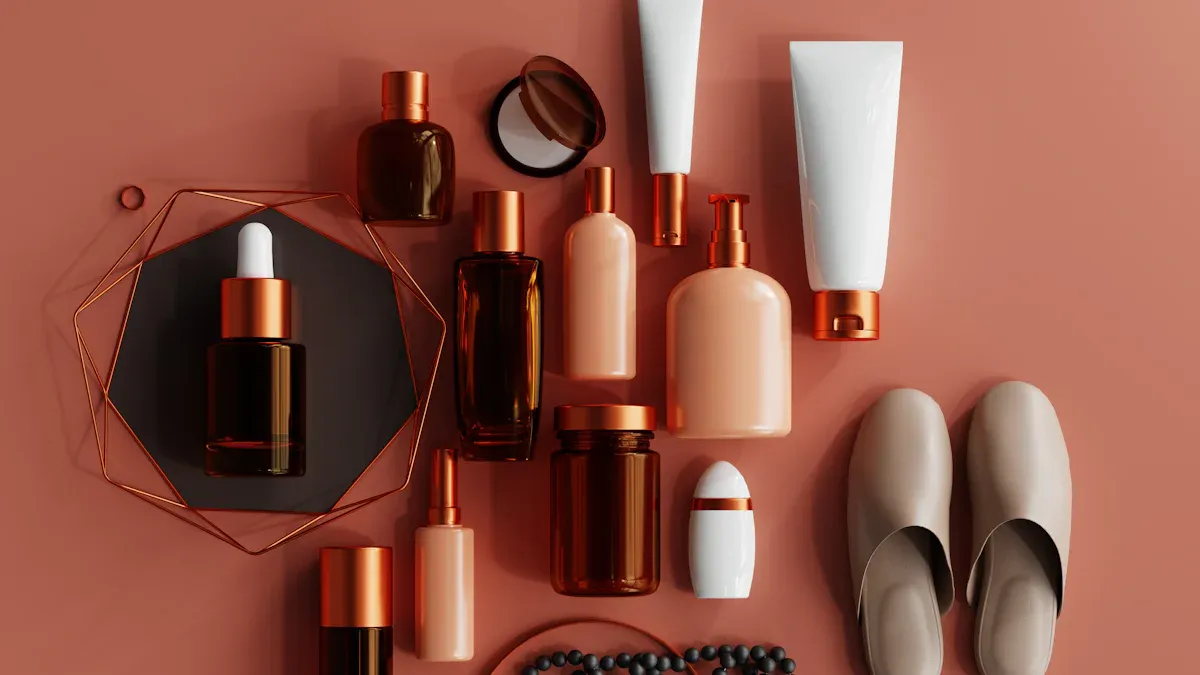
3.1 Color and Brand Consistency
You need to maintain color and brand consistency to build trust and recognition in the market. Inconsistent colors can confuse buyers and weaken your brand identity. You can follow these best practices to ensure your Custom Printed Cosmetic Bottles always match your brand vision:
Implement a color management system for accurate color reproduction across all packaging.
Partner with reputable label printers who can deliver precise color matching.
Provide physical color swatches to your suppliers for reference.
Create a comprehensive brand style guide with exact color codes.
Use color management tools to calibrate displays and proof colors.
Stick to standard color systems like Pantone or RGB/CMYK.
Regularly test colors on different devices and materials for uniformity.
Validate colors in print with reliable vendors and color proofs.
Educate your team about the importance of color consistency.
You can also explore cosmetic tube packaging for flexible branding options that support consistent color application.
3.2 Matte vs. Gloss Laminates
The choice between matte and gloss laminates impacts how your packaging feels and looks. You can use matte finishes to soften colors and create a muted, natural palette. This works well for minimalist designs and luxury brands that want a premium feel. Matte finishes offer a soft, velvet-like touch that enhances the unboxing experience.
Gloss finishes make colors more vibrant and are ideal for packaging with high-resolution photography. The smooth, slick feel of gloss laminates gives a high-tech appeal. Your choice of laminate influences how buyers perceive your product before they even open it.
Tip: Use matte for understated elegance and gloss for bold, eye-catching displays. Test both finishes on your face cream jars to see which aligns best with your brand.
3.3 Minimalist and Premium Styles
Minimalist and premium designs continue to trend in the cosmetic industry. You can combine simplicity with luxury by using eco-friendly materials and clear labeling. The table below highlights current trends:
Trend | Description |
|---|---|
Eco-friendly materials | Use amber glass, recycled paper, and cardboard tubes to support ecological protection. |
Minimal labeling | Simple forms and clear labeling enhance practicality and user experience. |
Luxury with sustainability | Premium designs that use eco-friendly materials while maintaining a high-end feel. |
Digital interaction | Add QR codes for easy access to product information and enhanced user engagement. |
Visual storytelling | Use recycled paper and amber glass to convey brand values and environmental care. |
You can apply these trends to serum bottle packaging to create a modern, premium look that appeals to business clients and end users.
3.4 Sustainability in Design
Sustainable design is essential for meeting regulatory requirements and market demand. You can choose recyclable materials like glass, PET, and aluminum. Biodegradable options such as bamboo and paper-based packaging also support your sustainability goals. Use eco-friendly inks and printing methods to reduce your environmental impact.
Note: Refillable packaging, such as refillable skincare packaging, helps you reduce waste and appeal to environmentally conscious partners.
3.5 Practical Aspects: Stackability & Durability
You need to consider stackability and durability when designing packaging for shipping and retail display. Durable materials like acrylic, paperboard, and high-quality plastics protect your products during transport. Modular designs improve stackability and allow for flexible retail displays. Structural elements, such as reinforced corners or flat surfaces, maximize visibility and accessibility while ensuring product protection.
Choose materials that withstand handling and shipping.
Design bottles with shapes that stack securely.
Incorporate features that protect labels and graphics from abrasion.
You can apply these principles to face cream jars to ensure safe delivery and attractive shelf presentation.
3.6 Regulatory and Quality Standards
You must comply with regulatory and quality standards in every major market. Each region has specific requirements:
China: New packaging regulations focus on materials, design, and labeling for consumer safety and environmental sustainability. The CSAR introduces stricter labeling rules and approval processes.
Europe: The EU emphasizes safety assessments and sustainability. You need to use recyclable materials and reduce packaging waste.
United States: The FDA regulates cosmetic packaging. You must follow guidelines for labeling, material selection, and safety assessments. Labels must include ingredients, usage instructions, and safety warnings.
You should work with suppliers who understand these regulations and can provide documentation for compliance. Regular quality checks and audits help you maintain high standards and avoid costly recalls.
Tip: Stay updated on regulatory changes to ensure your packaging remains compliant and competitive in the global market.
Part4: Supplier Selection for Custom Printed Cosmetic Bottles
Choosing the right supplier for your custom printed cosmetic bottles shapes the success of your packaging strategy. You need a partner who brings advanced printing technology, deep material expertise, and a commitment to quality.
4.1 Evaluating Supplier Capabilities
Start by assessing each supplier’s core strengths. Reliable suppliers offer a range of manufacturing options, strong production capacity, and recognized quality certifications. They also support flexible order sizes and provide expert design assistance. Use the table below to guide your evaluation:
Criterion | Description |
|---|---|
Manufacturing Capabilities and Capacity | Assess the types of bottles the supplier can produce and their production capacity. |
Quality Certifications and Standards | Look for certifications like ISO 9001:2015 to ensure quality management. |
Minimum Order Quantities (MOQ) and Flexibility | Evaluate the MOQ and the supplier’s ability to accommodate rush orders. |
Customization Depth and Design Support | Check the range of customization options and design support available. |
Tip: Suppliers with in-house mold fabrication and material sourcing often deliver better quality control.
4.2 Customization and Flexibility
Supplier flexibility plays a key role in meeting your custom printing needs. You benefit when your supplier can:
Respond quickly to design changes, helping you adapt to market trends.
Handle both small and large order sizes, which supports efficient product launches.
A flexible supplier helps you stay competitive and respond to shifting business demands.
4.3 Quality Assurance
Quality assurance ensures your cosmetic bottles meet industry standards and protect your brand reputation. Review the supplier’s processes using the table below:
Quality Assurance Process | Description |
|---|---|
Production Capabilities | Examine the supplier’s ability to manage materials sourcing, mold fabrication, and manufacturing in-house for better quality control. |
Certifications | Look for updated ISO certifications (ISO 22716, ISO 15378, ISO 9001) and FDA/CFDA registration to ensure compliance with quality regulations. |
Third-Party Oversight | Ensure the supplier allows for third-party audits to verify operational conditions and quality standards. |
You should also request sample testing and implement a Color Approval Protocol. This protocol covers material identification, surface finish, light source standards, and color tolerance. Both your team and the supplier should sign off on samples before full production begins.
Note: Regular quality checks and third-party audits help you maintain high standards and avoid costly issues.
You set your cosmetic bottles apart when you choose the right printing methods, materials, and design strategies. Aligning your packaging with your brand goals and regulatory standards helps you achieve business success.
The most effective packaging matches your product, audience, and business goals.
Creative and strategic design communicates your brand’s core message.
Expert engineering and production make your packaging stand out in a crowded market.
Apply these insights and work with experienced suppliers to ensure your packaging delivers results.
FAQ
What printing method works best for small batch cosmetic bottles?
You can use pad printing or UV DTF printing for small batches. These methods offer flexibility and high-quality results. You achieve precise branding without high setup costs.
How do you ensure color consistency across different bottle materials?
You should use standardized color systems like Pantone. Request color proofs from your supplier. Test samples on each material before full production. This process helps you maintain brand consistency.
Which materials support sustainable cosmetic packaging?
You can select glass, PET with PCR content, aluminum, or bamboo. These materials offer recyclability and durability. Sustainable choices help your business meet environmental goals and regulatory requirements.
What quality checks should you request from your supplier?
You should ask for sample testing, color approval protocols, and third-party audits. These checks verify material quality, printing accuracy, and regulatory compliance. Oulete’s custom cosmetic packaging services can support sample review, color confirmation, and decoration checks before mass production.
How do you comply with cosmetic packaging regulations?
You must follow regional guidelines for labeling, material safety, and environmental standards. Work with suppliers who provide documentation and stay updated on regulatory changes. Compliance ensures safe and legal packaging.