


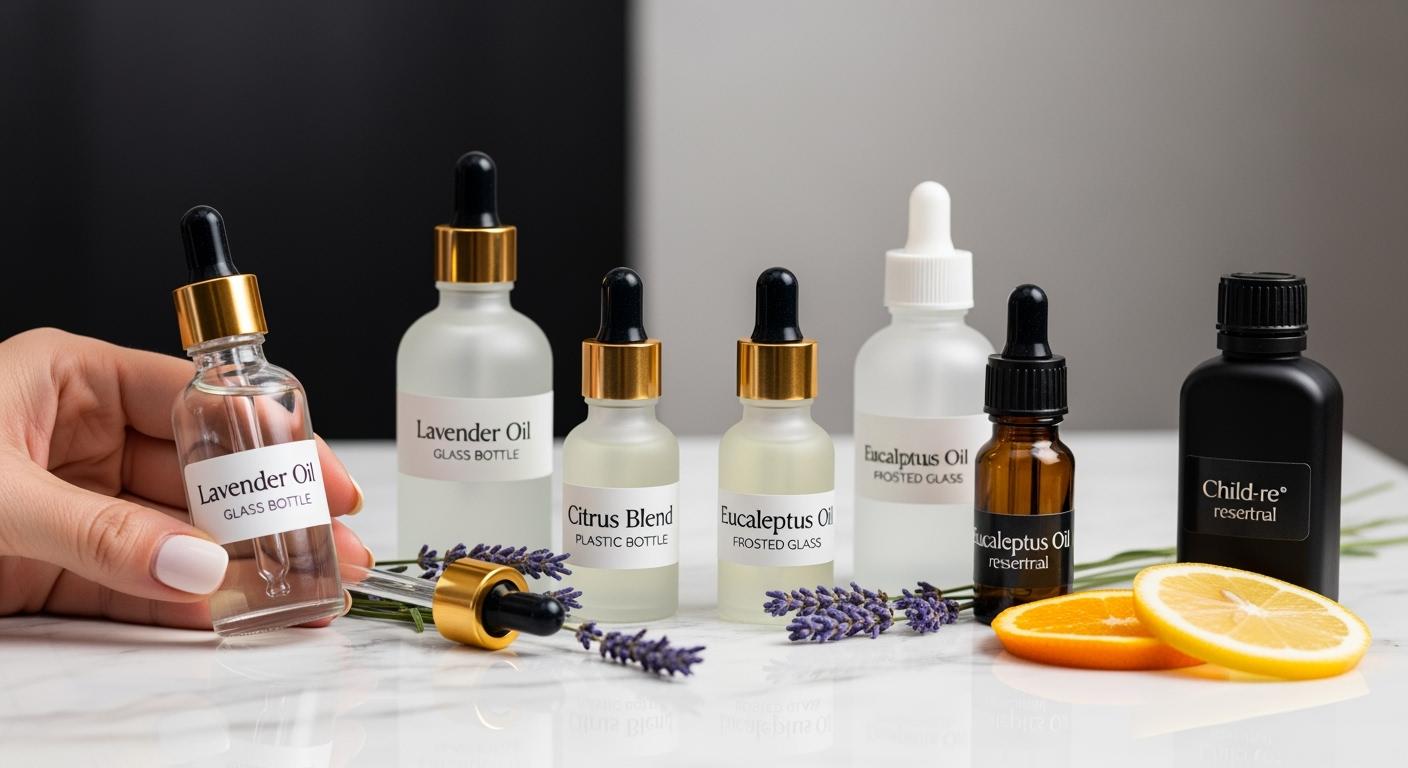
You face many choices when selecting packaging for essential oils. Size, color, material, and closure options all shape the safety and appeal of your products. Custom Dropper Bottles let you control these factors. Your decisions affect oil quality, brand image, and customer satisfaction. Each choice supports your business goals and sets your products apart in the market.
Key Takeaways
Choose the right size for your dropper bottles to match your essential oil products. Smaller sizes are great for samples, while larger sizes suit bulk buyers.
Select colors like amber or blue for your bottles to protect oils from UV light. This choice preserves quality and enhances brand identity.
Opt for glass materials for high-value oils to ensure chemical safety and UV protection. Use plastic for budget-friendly or travel-sized options.
Incorporate secure closures like tamper-evident caps to enhance product safety and build customer trust. This feature assures clients of product integrity.
Customize bottle shapes and colors to create a unique brand identity. Distinctive packaging attracts attention and communicates your brand values.
Part1: Custom Dropper Bottles Overview
1.1 Essential Oil Packaging Role
You rely on packaging to protect essential oils and maintain their quality. Packaging shields oils from environmental factors like UV light, oxygen, water vapor, pressure, and heat. This protection helps preserve the chemical and sensory properties of your products. Essential oils in packaging materials also provide antimicrobial benefits, which extend shelf life and keep products safe. You can use active packaging systems and encapsulation techniques to further guard against degradation and contamination.
Tip: Choosing the right packaging boosts product longevity and ensures your oils arrive in perfect condition.
1.2 Why Customization Matters
You face a competitive market where product differentiation is key. Custom Dropper Bottles allow you to tailor packaging to your brand’s needs. You can select from a range of sizes, shapes, materials, colors, and dropper types. The table below shows the main customization options available for dropper bottles in the essential oil industry:
Customization Option | Description |
|---|---|
Size and Shape | Customizable to meet specific requirements, including unique shapes for branding. |
Material | Options include glass, plastic, silicone, or rubber, allowing for tailored choices based on use. |
Color | Bottles can be tinted to match branding or label designs. |
Labeling and Branding | Custom labels or prints can feature company names, logos, and branding elements. |
Dropper Type | Customization of dropper type, size, and material (glass or plastic) is available. |
You can also request features like frosted spray coating, silk-screen printing, hot stamping, and custom mold creation. These enhancements improve product presentation and add a luxury element. Unique shapes, colors, and sizes help your products stand out. Customization appeals to eco-conscious clients and strengthens your brand image.
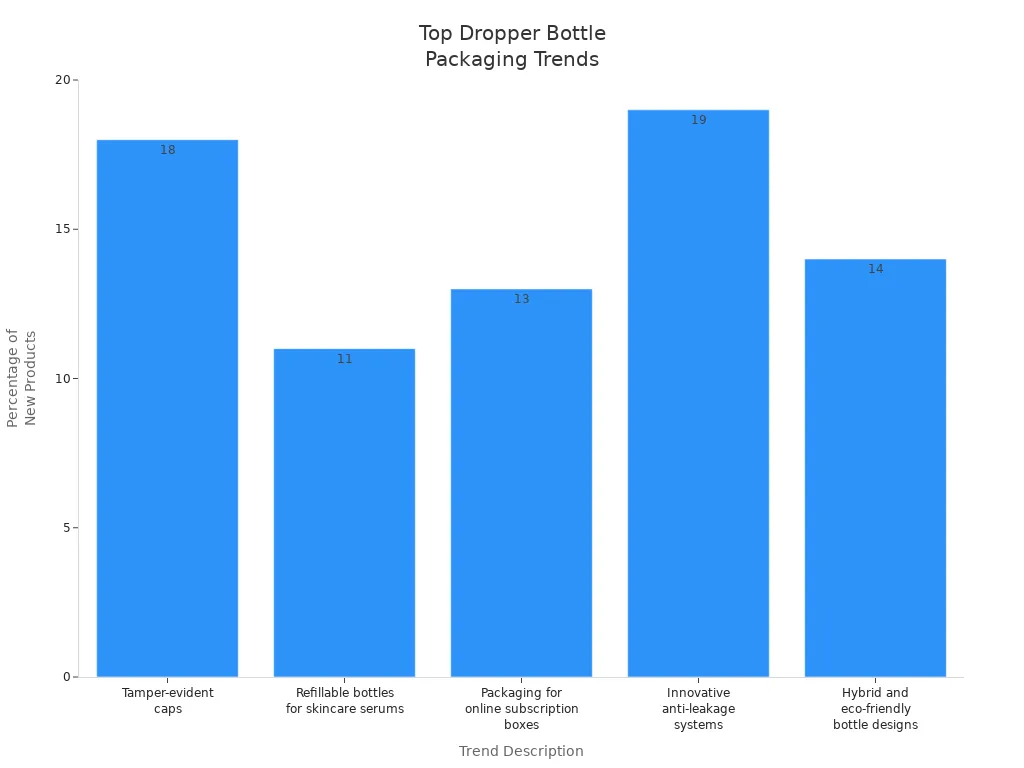
You can explore custom dropper bottles to find solutions that match your business goals. Tamper-evident caps, refillable bottles, and eco-friendly designs are trending in the B2B sector. These features enhance product safety and appeal, helping you meet market demands.
Part2: Size Options
2.1 Available Sizes (5ml–100ml)
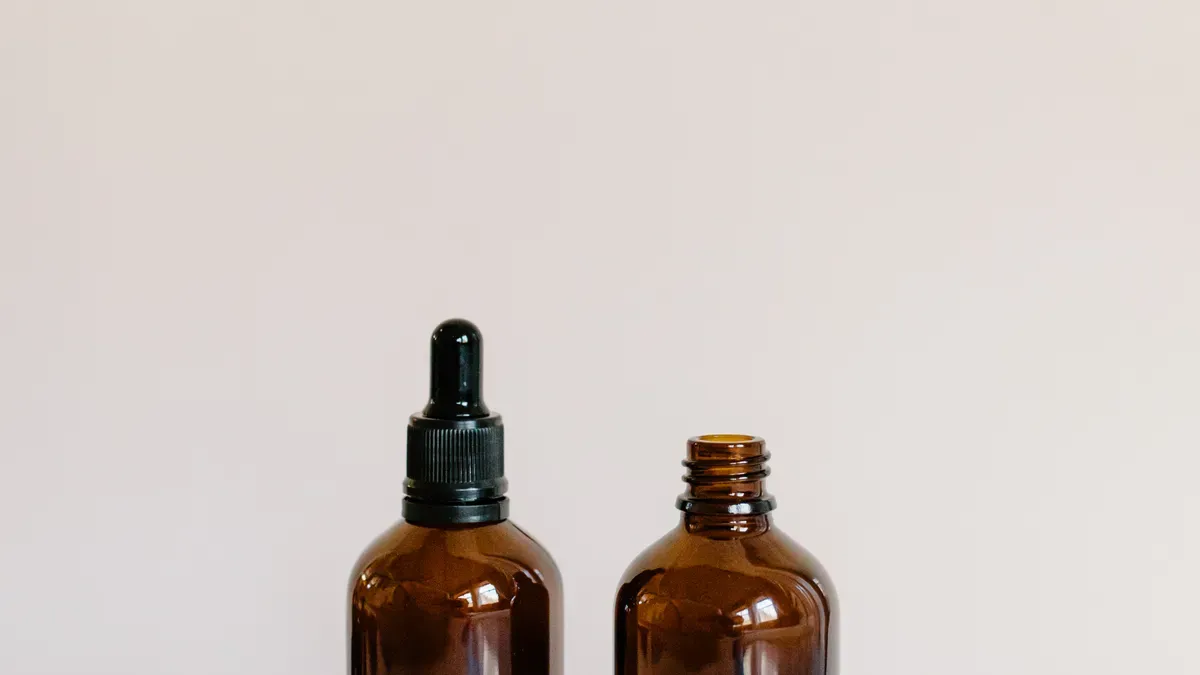
You can select from a wide range of dropper bottle sizes to match your essential oil products. The most common sizes in the market range from 5ml to 100ml. Each size serves a specific business purpose, from sampling to bulk distribution. The table below outlines the standard options and their typical uses:
Size (ml) | Description |
|---|---|
5ml | Small size for samples or travel |
10ml | Commonly used for personal use |
15ml | Intermediate size for regular users |
20ml | Versatile option for various applications |
30ml | Popular size for daily use |
50ml | Larger size for bulk buyers |
100ml | Ideal for distributors and wholesalers |
You can use these sizes to target different segments of the market. For example, 5ml and 10ml bottles work well for sample kits or travel sets. Larger bottles, such as 50ml and 100ml, suit wholesale clients or refill programs.
2.2 Choosing the Right Size
Selecting the right bottle size impacts your business operations and customer satisfaction. Smaller bottles can boost sales by lowering purchase hesitation. Larger bottles reduce packaging waste per milliliter but require stronger protection during shipping. Your choice should reflect your business model and customer behavior.
When choosing the best size for your Custom Dropper Bottles, consider these factors:
Essential oils need precise and protective packaging.
The wrong bottle or dropper design can cause leakage, oxidation, and waste.
User experience matters; the right size improves functionality and brand image.
Protection effectiveness: Will the bottle preserve your oils?
User experience: Is the bottle easy to use?
Regulatory compliance: Does the size meet safety standards?
Brand alignment: Does the size fit your brand’s values and look?
Cost efficiency: Does the size support your profit margins?
Scalability: Can you maintain supply as your business grows?
Retailers should offer popular sizes to meet demand.
Producers should match sizes to product type and branding.
Smaller bottles may reduce air exposure for concentrated oils.
Tip: Evaluate your shipping and storage needs. The right size can lower costs and improve operational efficiency.
If you want to explore alternatives for packaging, you might also consider working with an airless bottle manufacturer for products that require extra protection from air exposure.
Part3: Color Choices
3.1 Common Colors (Amber, Blue, Clear, Green)
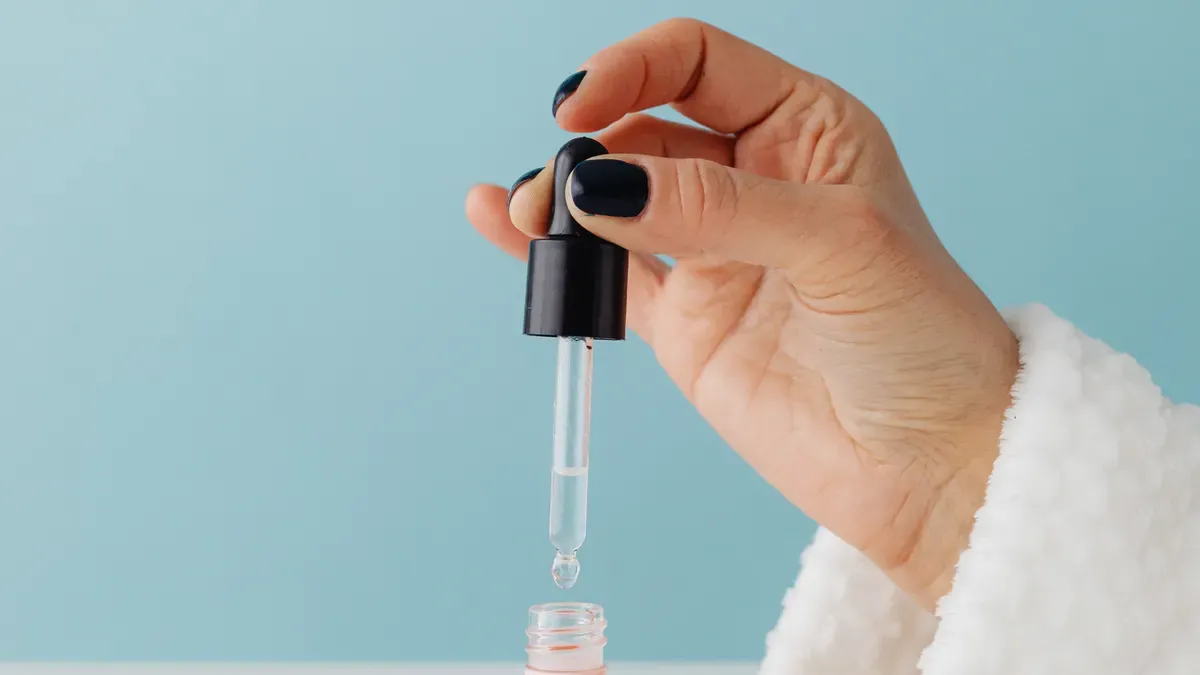
You can choose from several popular colors when selecting dropper bottles for essential oils. Amber, cobalt blue, clear, and green are the most common options in the industry. Amber glass stands out as the preferred choice for many businesses. It blocks up to 99% of UV rays, which helps protect light-sensitive oils like citrus and rose. This color keeps your oils from breaking down and losing their scent or potency. Cobalt blue and green bottles also offer protection from light, making them good alternatives to amber. These colors give you more options to match your brand’s look and feel. Clear bottles are available, but they do not protect oils from light exposure. You should use clear bottles only for oils that are not sensitive to light or for short-term storage.
Note: Dark-colored glass, such as amber, blue, and green, is crucial for preserving the shelf life and quality of essential oils.
3.2 Color Impact on Oil Quality
The color of your dropper bottle does more than affect appearance. It plays a key role in maintaining the quality of your essential oils. Amber glass blocks harmful UV rays below 450 nm. These rays can damage organic compounds in your oils, changing their color, scent, and effectiveness. For example, lavender oil stored in amber glass can keep its aroma and antibacterial properties for up to 24 months longer than oil in clear glass. Cobalt blue and green bottles also help protect oils, but amber offers the highest level of UV protection.
You can use custom colors to set your brand apart in the market. Custom Dropper Bottles in unique shades can make your products more recognizable and appealing to buyers. When you choose the right color, you protect your oils and strengthen your brand identity at the same time.
Part4: Material Selection
4.1 Glass vs. Plastic
You must decide between glass and plastic when choosing materials for Custom Dropper Bottles. Each option offers unique benefits and drawbacks. The table below highlights the main differences:
Feature | Glass Dropper Bottles | Plastic Dropper Bottles |
|---|---|---|
Advantages | – Chemical resistance | – Durable and lightweight |
– UV protection | – Cost-effective | |
– Luxury appeal | – Child-safe options | |
Disadvantages | – Fragility | – Lower perceived value |
– Heavier weight | – Possible chemical interaction | |
Best for | Luxury skincare brands, premium essential oils | Budget-conscious brands, travel-size skincare packaging |
Glass bottles resist chemicals and block UV light, which helps preserve oil quality. They also give your products a premium look. However, glass is heavier and can break during shipping. Plastic bottles are light, durable, and cost less. They work well for travel kits and budget lines. Yet, plastic may interact with essential oils and does not always protect against UV rays.
Tip: Choose glass for high-value oils and plastic for sample or travel sizes.
4.2 Specialty Materials
You can explore specialty materials to meet unique business needs. Some brands use sugarcane-derived HDPE, which lowers carbon footprint and offers the same benefits as traditional plastic. Aluminum bottles provide UV resistance and are easy to recycle. These materials help you meet sustainability goals and appeal to eco-conscious clients. For even more sustainable options, consider PCR airless bottles, which use post-consumer recycled materials and support green initiatives.
Material Type | Environmental Impact | Benefits |
|---|---|---|
Glass | Recyclable, non-reactive, environmentally friendly | Preserves oil purity, blocks UV light, ideal for long-term storage |
Plastic (PET, HDPE) | Lightweight, cost-effective, some options are eco-friendly | Convenient, shatterproof, suitable for diluted blends |
Sugarcane-Derived HDPE | Lower carbon footprint, eco-friendly alternative | Chemically resistant, same benefits as traditional HDPE |
Aluminum | Lightweight, UV-resistant, recyclable | Protects from light and oxidation, ideal for travel and bulk storage |
4.3 Material Compatibility
You need to match bottle material with oil type to avoid leaks and contamination. Essential oils can dissolve some plastics, which leads to product loss and safety risks. Citrus oils, for example, may cause oxidation in plastic bottles, changing the oil’s chemistry and possibly creating skin irritants. Glass remains the safest choice for most pure essential oils. Always check for regulatory compliance, such as EU REACH and US FDA standards, to ensure your packaging meets safety rules.
Premium packaging prevents leaks and faulty caps.
Identifying compatibility issues early improves customer satisfaction.
Glass bottles are recyclable and preserve oil purity.
Plastic bottles are shatterproof and lightweight, but not always suitable for all oils.
Note: Always test your essential oils with the chosen bottle material before large-scale production.
Part5: Closure Options
5.1 Screw Caps
You can choose screw caps for essential oil packaging. Screw caps offer a simple and reliable closure. They seal tightly and prevent leaks during shipping and storage. Tamper-evident caps add another layer of security. You see these caps on many glass essential oil bottles. Tamper-evident features assure your clients that the product remains untouched until it reaches them. This builds trust and protects your brand reputation.
Screw caps provide a tight seal for safe transport.
Tamper-evident caps confirm product integrity and safety.
You can select child-resistant designs for added protection.
Tip: Tamper-evident caps give peace of mind and help you meet regulatory standards.
5.2 Dropper Types
You have several dropper types to choose from. Each type affects how your clients dispense essential oils. Glass droppers and calibrated eye droppers allow precise dosing. You control the amount dispensed, which is important for concentrated oils. Dropper assembly must match the bottle neck finish to prevent leaks and support different ingredients.
Shorter dosing tools help you control each drop.
Different dropper types influence flow rate and drop size.
Thinner oils need a smaller orifice for better control.
Thicker oils require a larger orifice for accurate dispensing.
Glass dropper bottles work best when you need exact dosing. You can also use orifice reducers for precise pouring. These features improve user experience and reduce product waste.
5.3 Secure Sealing
Secure sealing protects your essential oils from leakage, spoilage, and contamination. You must select closures that maintain product integrity and extend shelf life. Euro-dropper bottles feature tamper-evident designs that enhance safety and convenience. Orifice reducers allow for controlled dispensing and prevent spills.
Aspect | Contribution to User Experience |
|---|---|
Leakage | Prevents waste and keeps bottles clean, boosting perceived quality. |
Safety | Child-resistant features improve consumer confidence in safety. |
Spoilage | Protects oils from oxygen and light, ensuring longevity and purity. |
If you need alternative packaging for sensitive ingredients, consider airless pump jars for skincare. These jars offer secure sealing and minimize air exposure, which is ideal for products that require extra protection.
Custom Dropper Bottles with secure closures help you deliver quality products and build trust with your clients.
Part6: Custom Dropper Bottles and Branding
6.1 Unique Shapes for Brand Identity
You can use unique bottle shapes to build a strong brand identity. Custom Dropper Bottles allow you to design packaging that reflects your company’s values. For example, a bottle shaped like a leaf can show your commitment to eco-friendly practices. This shape makes your product easy to recognize and helps buyers remember your brand. You can choose shapes that match your logo or product theme. When you select a distinctive shape, you create a lasting impression in the minds of your clients.
You may also compare dropper bottles with other packaging types, such as cosmetic tube packaging. Tubes offer flexibility for creams and gels, but dropper bottles provide precision for essential oils. Custom shapes in dropper bottles give you more options to express your brand’s personality and stand out in the market.
6.2 Enhancing Product Appeal
Custom colors and shapes influence how buyers view your essential oil products. You can use color to evoke emotions and communicate your brand message:
Blue signals trust and reliability.
Red creates urgency or excitement.
Green suggests health and sustainability.
Shape also affects perception:
Rounded bottles feel friendly and approachable.
Sharp-edged bottles convey precision and seriousness.
You can select colors and shapes that match your target audience and product purpose. This strategy helps you attract attention and build loyalty.
Packaging customization impacts your business reputation. The table below shows key benefits:
Benefit | Description |
|---|---|
Eco-Friendly Materials | Made from sustainable, biodegradable materials to reduce environmental impact. |
Attracts Eco-Conscious Consumers | Aligns with the values of consumers focused on sustainability. |
Enhances Brand Visibility | Custom packaging improves shelf appeal and communicates product value. |
Influences Buying Decisions | Quality presentation can sway consumer choices in a competitive market. |
You can use Custom Dropper Bottles to improve shelf appeal and communicate product quality. When you invest in unique packaging, you show your clients that you care about their experience and your reputation. This approach helps you build trust and grow your business in the essential oil industry.
When you customize dropper bottles for essential oils, you shape both product quality and brand image. Consider these key points:
Select bottle size, color, and material to protect oils and attract buyers.
Match pipette length and tip shape to bottle height.
Choose bulb and cap materials for safety and formula compatibility.
Balance science, strategy, and aesthetics for best results.
Feature | Description |
|---|---|
Material Selection | Glass offers chemical safety and UV protection for essential oils. |
Precision Dosing | Dropper assemblies provide accurate, controlled dispensing. |
Compatibility Testing | Test all components to ensure product integrity. |
Consult oulete for tailored solutions and expert advice on your next packaging project.
FAQ
What is the best material for essential oil dropper bottles?
You should choose glass for most essential oils. Glass resists chemicals and blocks UV light. It keeps oils pure and safe. Plastic works for diluted oils or travel kits, but glass offers better protection for high-value products.
How do I select the right dropper type for my oils?
You need to match the dropper to your oil’s thickness. Thin oils require a small orifice for control. Thick oils need a larger opening. Calibrated droppers help with precise dosing, which is important for professional use.
Can I customize bottle color for my brand?
Yes, you can request custom colors. Amber, blue, and green protect oils from light. Unique colors help your brand stand out. Custom colors also support your marketing and product recognition.
What closure options ensure product safety during shipping?
You should use tamper-evident screw caps or child-resistant closures. These options prevent leaks and show if someone opened the bottle. Secure closures protect your oils and build trust with your clients.
Are custom dropper bottles compliant with regulations?
You must check that your bottles meet local and international standards. Look for compliance with FDA, EU REACH, or other relevant guidelines. This ensures your packaging is safe and legal for essential oils.