


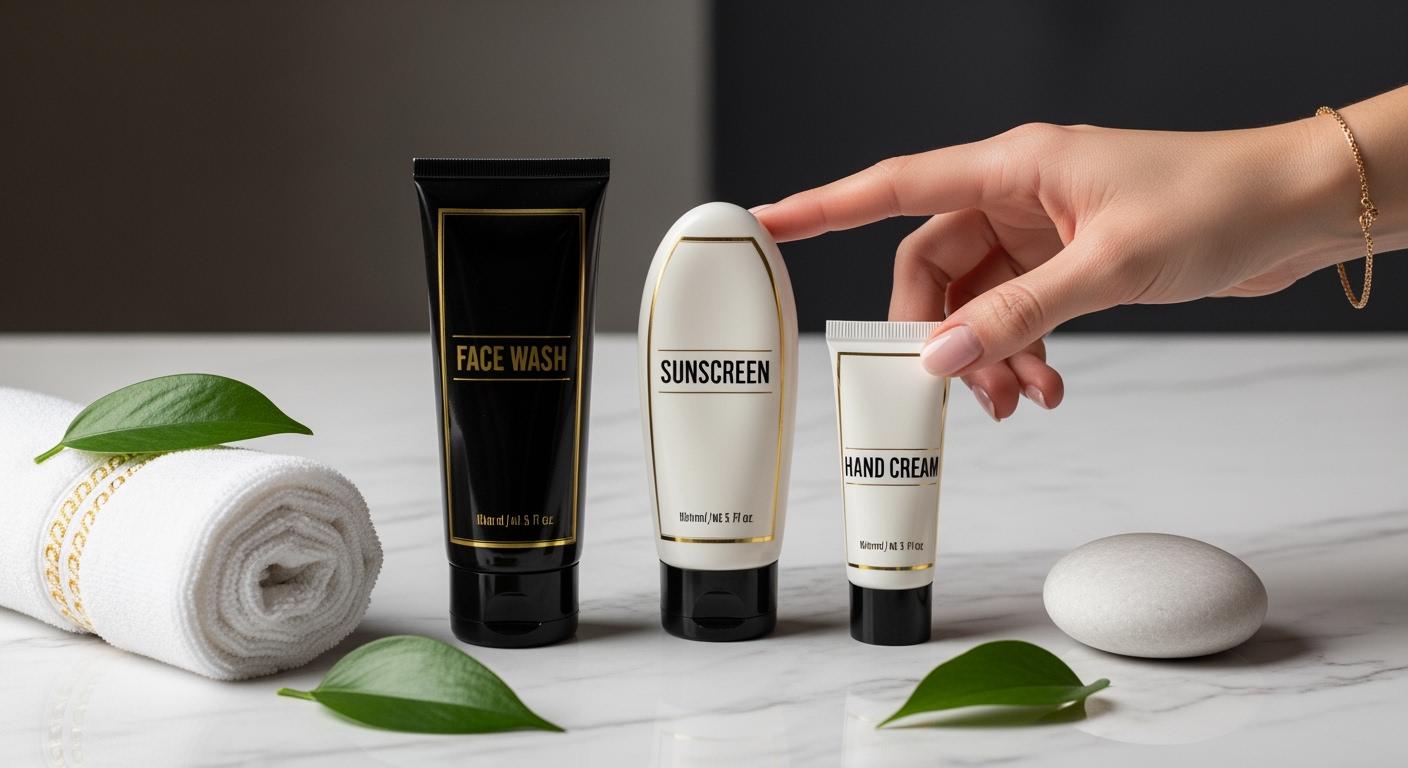
You need packaging that keeps your face wash, sunscreen, and hand cream safe, clean, and easy to use. Cosmetic Tube Packaging stands out because it offers squeezability, durability, and better hygiene. You get controlled dispensing, which means less waste and a better user experience. Flip-top and screw-on caps add security and convenience. More brands choose eco-friendly, lightweight tubes to meet market demand. The market for cosmetic tube packaging is growing fast, with a value of USD 4.2 billion in 2025 and a projected USD 8.4 billion by 2035, showing a 7.2% annual growth rate.
Key Takeaways
Cosmetic tube packaging offers better hygiene and controlled dispensing, reducing waste and enhancing user experience.
Choose eco-friendly materials like PE and PBL for sustainability, appealing to environmentally conscious consumers.
Customization of tube shapes and finishes helps build brand identity and attract customers on retail shelves.
Select packaging that protects sensitive formulas from air, light, and moisture to maintain product integrity.
Stay informed about market trends to ensure your packaging meets consumer demands and supports your brand’s growth.
Part1: Cosmetic Tube Packaging Overview
1.1 Definition & Features
Cosmetic Tube Packaging refers to flexible, squeezable containers designed for skincare products. You benefit from features that set tubes apart from bottles and jars. Tubes offer oxygen and moisture barriers, light protection, and contamination prevention. These features help keep your product fresh and safe. The table below shows key features:
Feature | Description |
|---|---|
Oxygen Barriers | Prevent ingredient degradation and rancidity. |
Light Protection | Shield photosensitive ingredients and natural extracts. |
Contamination Prevention | Ensure hygienic dispensing through single-direction flow. |
Moisture Barriers | Maintain product consistency and texture. |
Pressure Resistance | Protect during shipping and retail handling. |
You also get travel-friendly designs, one-handed operation, and controlled dispensing. Tubes save space and support hygienic delivery, making them ideal for busy routines.
1.2 Relevance to Skincare
Cosmetic Tube Packaging plays a crucial role in skincare. You need packaging that protects sensitive formulations from air, light, and moisture. Tubes help maintain product integrity and prevent contamination. Airless pump tubes work well for oxygen-sensitive ingredients. Tamper-evident closures and precision applicator tips improve hygiene and usability. Soft touch materials enhance the consumer experience and ensure product safety. PE material offers durability and resistance to chemicals, making it suitable for face wash, sunscreen, and hand cream. A 60 mL tube provides a convenient size for travel and daily use.
1.3 Market Trends
The market for Cosmetic Tube Packaging continues to grow. You see demand for formats that allow controlled application, such as tubes with integrated applicators and airless pumps. Premium textures and finishes create memorable sensory experiences and signal quality. Multilayer laminates and aluminum foils provide effective barrier protection. The market share for ABL tubes stands at 58%, while PBL tubes hold 42%. Brands use specialized packaging as a competitive differentiator. Beautiful packaging influences perceived quality and allows you to charge a premium for attention to detail.
Part2: Face Wash Tubes
2.1 Packaging Requirements
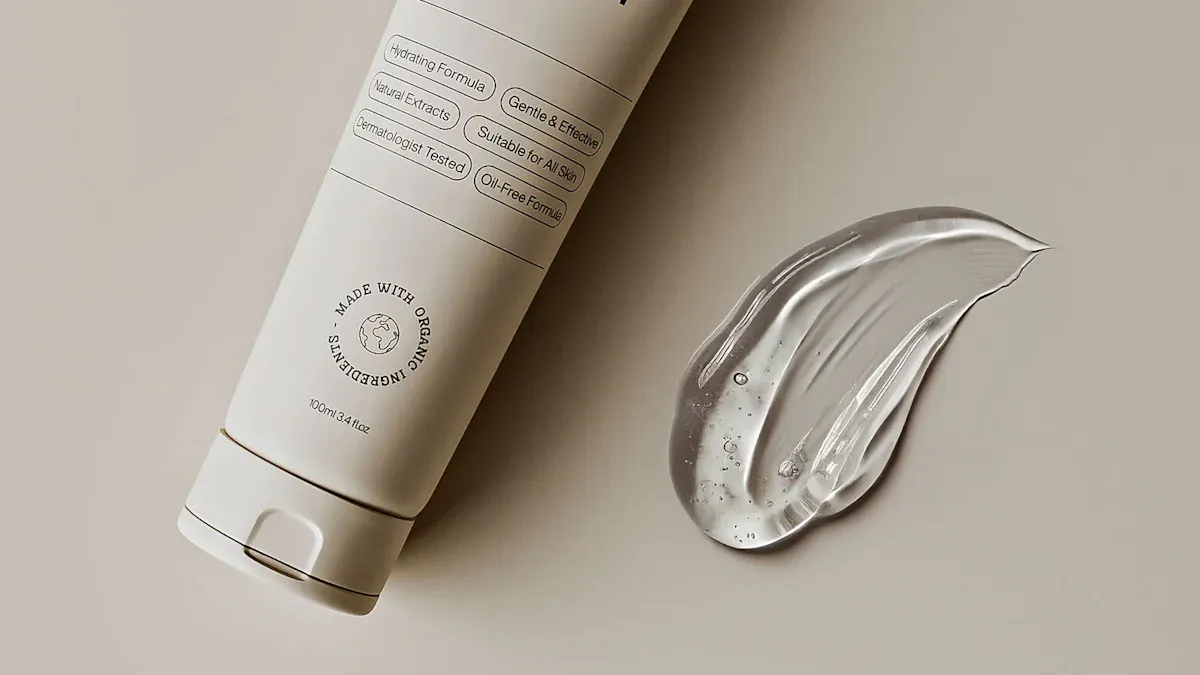
You need packaging that protects your face wash and makes it easy to use. Cosmetic Tube Packaging meets several important requirements for face wash products. The table below shows the main factors you should consider:
Requirement Type | Description |
|---|---|
Material Types | Use eco-friendly materials like PBL and PE tubes that can be recycled. |
User Convenience | Tube design with flip-top caps for easy access and mess-free dispensing. |
Product Stability | Strong seams and effective closures prevent leaks and protect the product from air and water. |
You can compare tubes with bottles. Tubes offer better control and reduce waste, while bottles may require pumps or extra steps for dispensing.
2.2 Tube Types & Materials
You have several material options for face wash tubes. Each material offers unique advantages. The table below highlights the most common types:
Material Type | Advantages |
|---|---|
Polyethylene (PE) | Flexibility, durability, and chemical resistance. |
Polypropylene (PP) | Excellent moisture barrier properties and high-temperature resistance. |
Polystyrene (PS) | Clarity and impact resistance, suitable for transparent tubes. |
Aluminum | Excellent barrier properties against light, air, and moisture. |
Aluminum Barrier Laminate (ABL) | Superior barrier properties against oxygen and light. |
Plastic Barrier Laminate (PBL) | Good barrier properties while being fully recyclable. |
You can select materials based on your product’s needs. PE and PBL tubes work well for most face wash formulas. Bottles may use similar materials, but tubes provide better squeezability and portability.
2.3 User Experience Design
You want packaging that delights your customers and supports your brand. Effective design improves usability and satisfaction. Consider these features:
Easy-to-open caps and clear dosage instructions help users interact with the product.
Attractive packaging draws attention and builds brand loyalty.
Soft-touch finishes and embossed logos add a sense of luxury.
Tubes protect the product from light and air, maintaining quality.
A well-designed tube makes dispensing simple and reduces mess.
Cosmetic Tube Packaging gives you flexibility in design and branding. You can create a memorable experience that sets your product apart from competitors.
Part3: Sunscreen Tubes
3.1 Packaging Needs
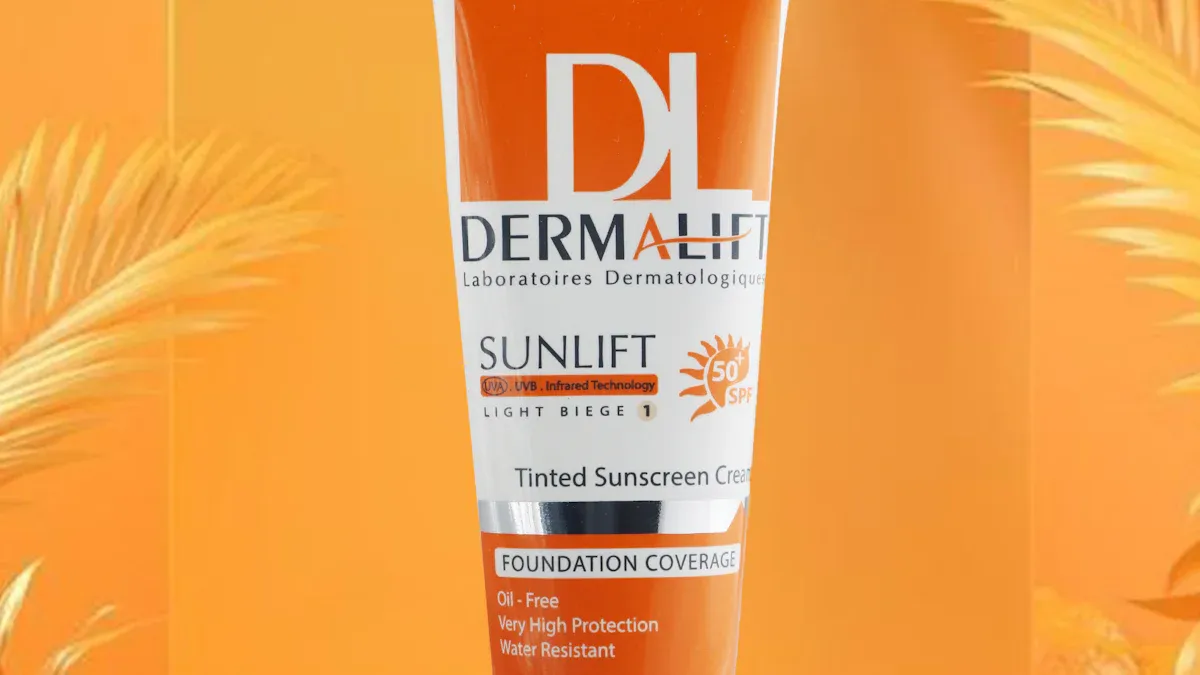
You need packaging that keeps sunscreen stable and effective. Sunscreen formulas break down when exposed to light, heat, or air. You must choose packaging that blocks UV rays and prevents oxidation. The table below highlights the most important features for sunscreen packaging:
Feature | Description |
|---|---|
UV-Resistant Materials | Ensures product stability and effectiveness by blocking harmful UV rays. |
Airless Technology | Preserves active ingredients by preventing air exposure and oxidation. |
Opaque Packaging | Blocks harmful light, protecting the formulation from degradation. |
Opaque tubes and bottles both help maintain product quality. Airless pumps reduce contact with air and bacteria, which extends shelf life and keeps the formula safe.
3.2 Tube Options & Materials
You have several options for sunscreen packaging. Each material offers unique benefits for protecting sensitive formulas:
Plastic tubes are lightweight, durable, and cost-effective. They work well for daily use.
Airless pump bottles protect the formula from air, which helps preserve active ingredients.
Aluminum tubes and cans provide strong barriers against light and air. They are also recyclable.
High-density polyethylene (HDPE) offers opacity and impact resistance.
PET plastics with UV stabilizers add extra protection and remain lightweight.
You can compare tubes and bottles for sunscreen. Tubes offer better squeezability and portability, while bottles may provide more precise dosing with pumps.
3.3 UV Protection & Portability
UV protection is essential for sunscreen packaging. You should select materials and coatings that block harmful rays and prevent product breakdown. Some tubes use sleeves or coatings with UV absorbers for extra defense. Airless pumps and secure caps help maintain product integrity and make the packaging portable. Travel-sized tubes and stick formats fit easily in bags or pockets, so users can reapply sunscreen throughout the day.
Tip: Choose Cosmetic Tube Packaging with UV-resistant materials and airless technology to ensure your sunscreen stays effective and easy to use on the go.
Part4: Hand Cream Tubes
4.1 Essential Features
You need hand cream packaging that preserves your product and makes it easy for customers to use. Proper sealing prevents air and contaminants from entering the tube, which keeps the cream fresh and safe. You can choose from different cap styles, such as flip-tops or screw caps, to improve convenience and reduce mess. Many businesses now prefer sustainable materials for their packaging. This choice supports your brand’s commitment to the environment and meets the expectations of eco-conscious consumers. Cosmetic Tube Packaging offers these features, making it a reliable choice for hand cream compared to bottles, which may allow more air exposure and require pumps or additional closures.
4.2 Tube Types & Materials
You have several options when selecting tube types and materials for hand cream. Each option provides unique benefits for durability and consumer appeal. The table below compares the most effective choices:
Tube Type | Material | Advantages |
|---|---|---|
Plastic | PE | Lightweight, flexible, durable, moisture-resistant, ideal for budget-friendly brands. |
PP | Strong, chemical-resistant, suitable for thicker formulations, prevents cracking. | |
PET | Transparent finish, recyclable, showcases product texture and color. | |
Aluminum | Aluminum | Superior protection, lightweight, durable, prevents air and moisture exposure, eco-friendly. |
Laminated | Laminated | Enhanced barrier protection, sleek aesthetic, luxurious presentation. |
Biodegradable | PLA | Made from renewable resources, decomposes naturally, reduces environmental impact. |
Paper-Based | Plastic-free, appeals to eco-conscious consumers. |
You can compare these tubes with bottles. Tubes often provide better protection against air and moisture, while bottles may offer easier refilling but less portability.
4.3 Branding & Usability
Packaging acts as a “salesman on the shelf.” You can use it to boost brand recognition and encourage impulse purchases.
Visual design plays a key role in attracting attention, especially for hand cream, where packaging often drives buying decisions.
Usability matters. You should focus on portability, easy dispensing, and clear product information to meet customer needs.
Tip: Choose Cosmetic Tube Packaging that combines strong branding with user-friendly features. This approach helps your hand cream stand out and increases customer satisfaction.
Part5: Choosing Cosmetic Tube Packaging
5.1 Selection Factors
When you select packaging for skincare products, you must consider several key factors to ensure product safety, brand appeal, and cost-effectiveness. Start by evaluating the product’s capacity. Luxury brands often choose smaller tubes to highlight concentrated formulas, while mass-market products use larger sizes for value. You should match the tube size to your target market and product positioning.
The closure type is another important decision. Flip-tops, screw caps, pumps, and sealed membranes each offer different benefits. Flip-tops and pumps provide quick, one-handed use, which improves convenience for busy customers. Screw caps and sealed membranes offer extra protection against leaks and contamination. The closure you select will affect both the user experience and the product’s shelf life.
Sustainability now plays a major role in packaging decisions. Many customers judge brands by their environmental efforts. You can choose recyclable materials, lightweight designs, or even refillable tubes to reduce waste. Biodegradable plastics and paper-based options are gaining popularity as alternatives to traditional plastics. Some brands optimize packaging by right-sizing containers, which reduces material use and environmental impact.
Note: The beauty industry produces billions of packaging units each year. Choosing recyclable or refillable tubes helps reduce landfill waste and supports your brand’s sustainability goals.
You must also consider regulatory requirements and product compatibility. Packaging must not contaminate the product. Always test materials to ensure they do not react with your formula. Non-compliance can lead to recalls and damage your reputation. Protection from UV light and moisture is essential for sensitive ingredients, so select materials that provide strong barriers.
Cost remains a practical concern. Set a clear budget before choosing materials and designs. Premium materials and complex closures increase costs, while standard options may offer better value for large-scale production. Balance quality and cost to support your brand’s long-term growth.
Common challenges include selecting compatible materials, avoiding overly complex designs, and ensuring clear labeling. You can address these by focusing on user-centric, functional designs and conducting thorough market research.
Selection Factor | Key Considerations |
|---|---|
Capacity | Market positioning, product type, usage frequency |
Closure Type | User convenience, leak prevention, contamination risk |
Sustainability | Recyclability, refillability, material optimization |
Regulatory Compliance | Safety, labeling, environmental standards |
Cost | Material quality, design complexity, production scale |
5.2 Customization & Branding
Customization allows you to differentiate your skincare products and build a strong brand identity. You can tailor tube shapes, sizes, and finishes to match your brand’s image. Custom diameters and lengths help you create a unique look for daily skincare lines. Surface finishes such as matte, gloss, or soft-touch add a premium feel and enhance shelf appeal.
Cap selection also supports branding. You can choose from a variety of cap styles, including tamper-evident seals, applicator tips, and ergonomic grips. These features improve usability and reinforce your brand’s commitment to quality. Visual hierarchy on the tube—such as clean panels for active ingredients and clear usage instructions—makes your product easy to scan and understand.
Feature Focus | Description | Material Options | Surface Finish | Extra Elements | Typical Usage |
|---|---|---|---|---|---|
Shape control | Custom diameters and lengths | PE, PP, barrier | Matte, gloss | Grip textures | Daily skincare |
Cap selection | Closure matched to formula type | Plastic caps | Soft-touch | Tamper seals | Retail, kits |
Visual hierarchy | Clean panels for actives, usage | Smooth plastics | Spot UV | Label zones | Pharmacies, salons |
Innovative designs, such as airless pumps, applicator tips, and refillable tubes, help you meet evolving consumer needs. These features prevent waste, improve hygiene, and support sustainability. Aluminum tubes offer strong barrier protection for sensitive formulas, while biodegradable and paper-based tubes appeal to eco-conscious buyers.
Tip: 70% of consumers consider packaging before making a purchase. Attractive, functional, and sustainable packaging can increase sales and build loyalty.
Customization also supports coordinated product families and consistent branding across new launches. By aligning tube design with your brand’s values and customer expectations, you can stand out in a crowded market.
Cosmetic tube packaging gives you strong advantages for skincare products. You gain better product protection, improved hygiene, and flexible branding compared to bottles. When you select materials, consider formula compatibility, shelf life, and your brand’s image.
Customization lets you stand out and meet user needs.
Design impacts both function and consumer perception.
Expert advice helps you choose between PE, laminated, or aluminum tubes and plan for production timelines.
Stay ahead by following market trends and building strategic partnerships for your packaging success.
FAQ
What are the main advantages of cosmetic tube packaging over bottles?
Tube Packaging | Bottle Packaging |
|---|---|
Squeezability | Pump or pour required |
Controlled dispensing | May cause waste |
Compact design | Bulky shapes |
You gain better product protection and easier use with tubes.
How do you select the right material for your skincare tube?
You should assess your formula’s sensitivity to air, light, and moisture. PE and laminated tubes offer strong barriers. Bottles may require extra coatings. Always test compatibility before finalizing your choice.
Can you customize cosmetic tubes for branding?
Yes! You can choose custom shapes, finishes, and cap styles. Tubes allow more surface area for branding than bottles. Unique designs help your product stand out on retail shelves.
Are eco-friendly tube options available for face wash, sunscreen, and hand cream?
You can select recyclable, biodegradable, or refillable tubes. Paper-based and PLA tubes reduce environmental impact. Bottles may also use recycled materials, but tubes often use less plastic.
What closure types work best for cosmetic tubes?
Flip-top caps: Easy, one-handed use
Screw caps: Secure, leak-resistant
Pumps: Precise dosing
You should match closure type to product viscosity and user needs. Bottles often use pumps or droppers.