


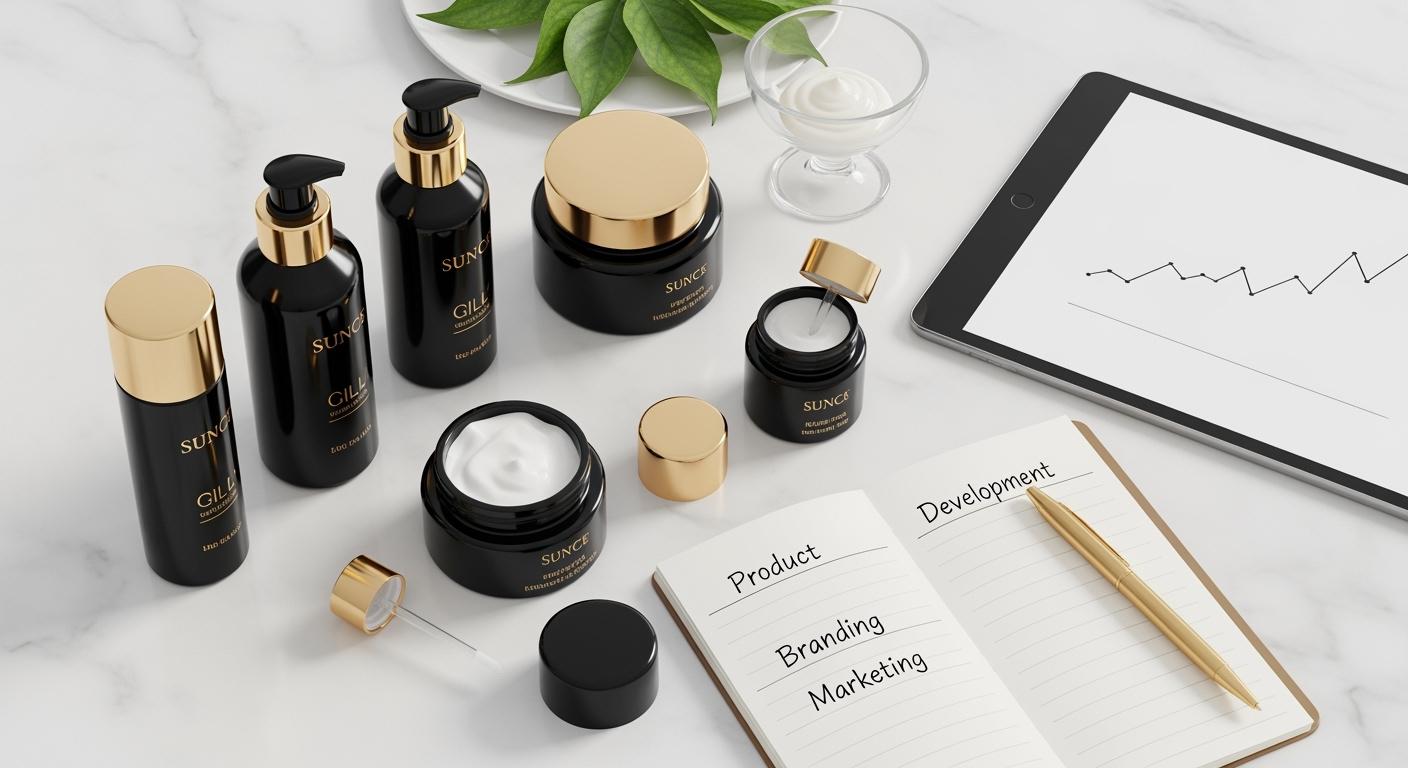
You want your skincare brand to stand out, right? Choosing the right cosmetic packaging manufacturer helps you balance sustainability, customization, and quality. Brands now use refillable bottles and recyclable materials to show eco-consciousness. Custom designs let you reflect your unique style. Quality matters, so packaging needs to look good and work well. Industry leaders offer innovative solutions that fit your vision.
Key Takeaways
Choose a cosmetic packaging manufacturer that prioritizes quality, sustainability, and customization to enhance your brand’s image.
Understand the importance of packaging design, as it influences consumer perception and can drive purchasing decisions.
Request samples from manufacturers to ensure product quality and compliance with your specifications before placing large orders.
Verify certifications like ISO 22715 and ISO 9001 to ensure your packaging meets industry standards for safety and quality.
Build strong partnerships with your packaging suppliers through clear communication and collaboration to foster innovation and reliability.
Part1: Importance of Packaging
1.1 Branding Impact
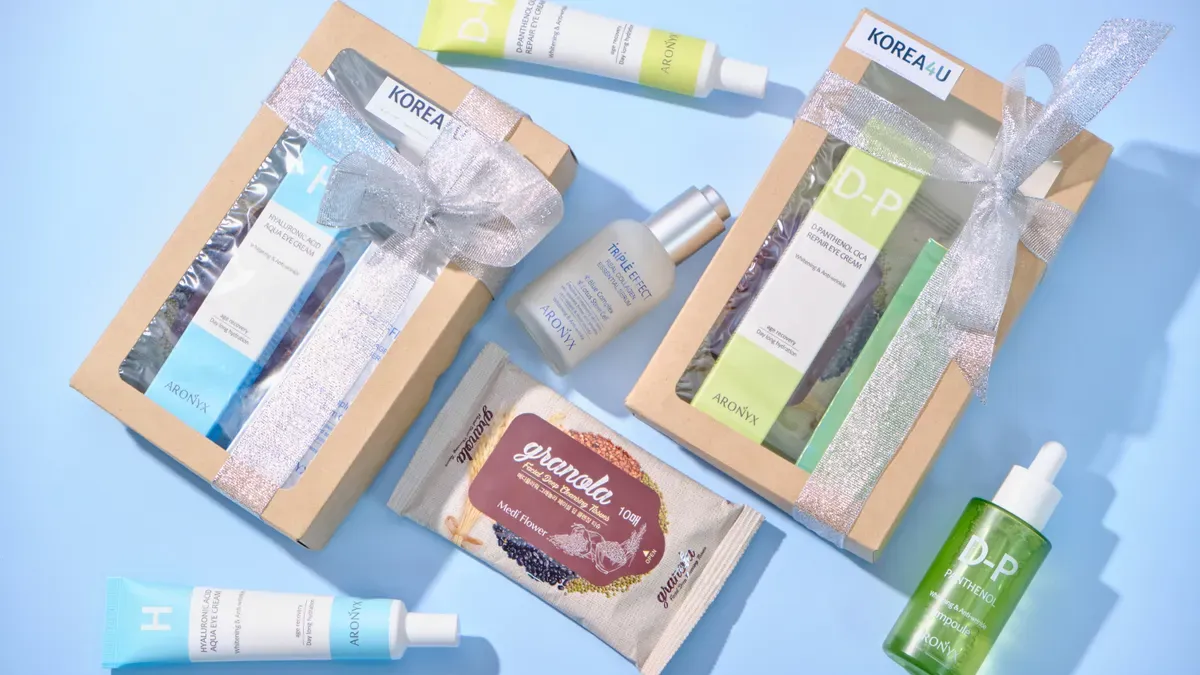
You know that first impressions matter. The right bottle can set your skincare brand apart in a crowded market. When you choose a Cosmetic Packaging Manufacturer, you shape how clients see your products. Color, design, and sustainability all play a role in brand perception. Take a look at how different factors influence your audience:
Factor | Influence on Consumer Perception |
|---|---|
Color Psychology | Colors trigger emotions and affect how people judge quality and effectiveness. |
Sustainability | Eco-friendly bottles boost your reputation and drive buying decisions. |
Design Aesthetics | Attractive, functional bottles create a memorable unboxing experience, especially for online sales. |
Consumer Awareness | Clients want packaging that highlights product efficacy and performance. |
Personalization | Custom bottles meet unique client needs and support the trend toward personalized skincare. |
You can use color to send a message. For example:
Red bottles grab attention and suggest urgency.
Blue bottles build trust and reliability.
Green bottles highlight your commitment to nature and health.
Black bottles show elegance and exclusivity.
1.2 Product Protection
You want your skincare formulas to arrive safe and effective. Packaging does more than look good—it protects your products from damage and contamination. Common failures include weak bottles that break during shipping, unclear labeling, or non-compliance with regulations. You can avoid these pitfalls by working with a Cosmetic Packaging Manufacturer that follows best practices. Here’s a quick look at effective protection methods:
Evidence Type | Description |
|---|---|
Good Manufacturing Practices | Ensures sterility and reduces contamination risk. |
Airless Packaging | Shields formulas from air and microbes, extending shelf life. |
Proper Labeling | Meets legal standards and prevents confusion. |
1.3 Customer Experience
You want your clients to enjoy every interaction with your brand. Easy-to-use bottles, clear labels, and attractive designs all boost satisfaction. Research shows that brands with top customer experience see 2.5 times higher retention rates. When you deliver quality packaging, you encourage repeat orders and build loyalty. In fact, 45% of beauty buyers will purchase again if they rate their experience above 4.5 out of 5. Packaging is more than a container—it’s a key part of your business success.
Part2: Choosing a Cosmetic Packaging Manufacturer
Selecting the right Cosmetic Packaging Manufacturer can shape your skincare brand’s future. You want a partner who understands bottles, jars, and tubes, but also delivers on quality, speed, and sustainability. Let’s break down what you should look for.
2.1 Quality and Certifications
Quality is non-negotiable. You need packaging that protects your formulas and meets industry standards. Top manufacturers like Cosmopacks, Albéa Group, TricorBraun, and HCP invest in certifications that prove their commitment to safety and compliance. Here’s a quick guide to the most important steps and standards:
Step | Description |
|---|---|
1 | Request a Declaration of Conformity from the packaging supplier to ensure compliance with ISO 22715. |
2 | Ask for specific migration test reports for primary packaging relevant to your product type. |
3 | Conduct an audit of the supplier’s manufacturing facility to verify quality control and hygiene practices. |
4 | Work with suppliers certified in quality management systems like ISO 9001 for robust compliance processes. |
5 | Choose ISO-compliant materials that are safe and have a proven track record for cosmetics. |
6 | Partner with knowledgeable suppliers who can provide guidance on ISO 22715 and necessary documentation. |
7 | Establish a rigorous quality assurance protocol including compatibility testing and physical tests for packaging. |
8 | Integrate sustainability practices into packaging design while ensuring compliance with ISO 22715. |
You should always check for ISO 22715 and ISO 9001 certifications. These standards show that your Cosmetic Packaging Manufacturer follows strict quality and safety rules. Here’s a summary:
Standard | Description |
|---|---|
ISO 22715 | Key international standard for cosmetic packaging, ensuring safety, quality, and compliance. |
Importance | Essential for consumer trust, regulatory compliance, and market access in the cosmetics industry. |
If you focus on bottles, look for suppliers who specialize in airless bottle manufacturer solutions. Airless bottles protect sensitive skincare formulas and extend shelf life.
2.2 Customization Options
You want your packaging to reflect your brand’s identity. Customization lets you stand out in a crowded market. Leading manufacturers offer a wide range of options:
Bottles, jars, and tubes in different shapes and sizes.
Custom skincare gift boxes, including magnetic, drawer, and rigid set boxes, all tailored with your brand colors and logo.
Functional features like airless systems, leak-proof pumps, and travel-friendly sizes.
Decoration techniques such as hot stamping, silk screen printing, and embossing.
Luxury add-ons like magnetic closures and personalized inserts.
If you need unique bottle solutions, consider custom dropper bottles for serums or serum bottle packaging for high-end products. These options help you create a premium look and feel.
Tip: Ask your Cosmetic Packaging Manufacturer for samples of decorated bottles to see the quality and finish before you commit.
2.3 MOQ and Pricing
Minimum order quantities (MOQ) and pricing can make or break your launch. Each packaging type has its own MOQ range:
Packaging Type | Common MOQ Range |
|---|---|
Plastic bottles and jars | 3,000–10,000 pcs |
Glass containers | 1,000–5,000 pcs |
Tubes | 5,000–20,000 pcs |
Paperboard boxes | 500–3,000 pcs |
Droppers and pumps | 3,000–5,000 pcs |
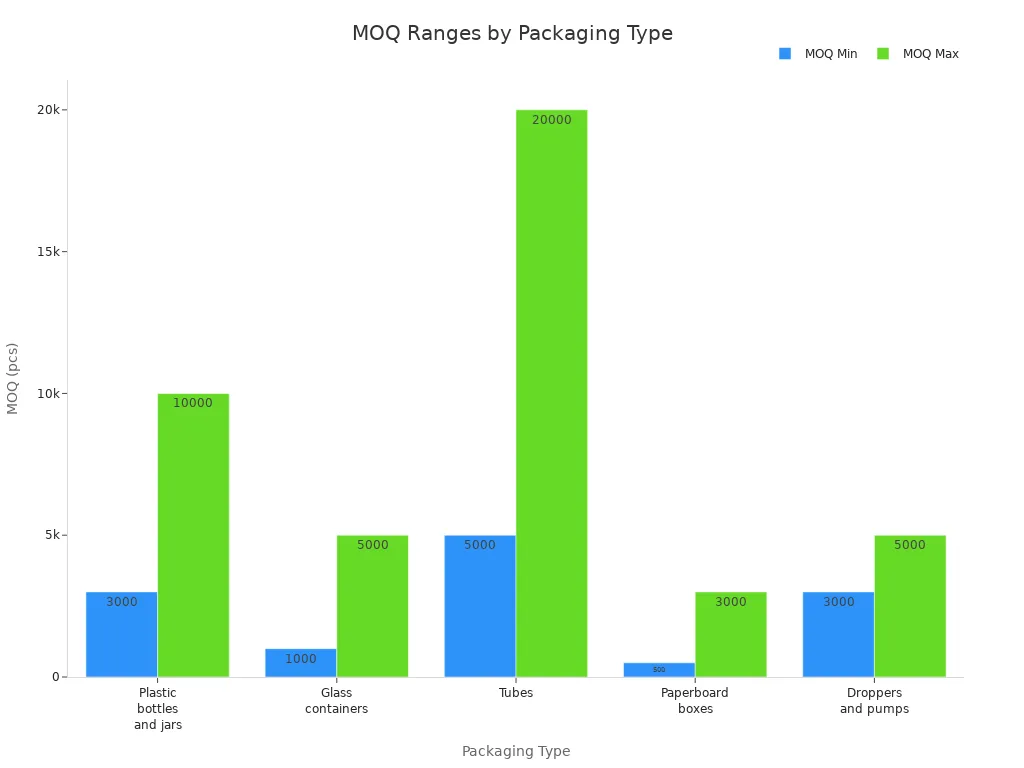
MOQ affects your cost per unit. Higher MOQs lower your unit price, but require more upfront investment.
Smaller orders mean higher per-unit costs, which can impact your cash flow.
Some suppliers, like Onoxa, offer low MOQs (as few as 12 units), which is great for market testing.
For custom packaging, expect MOQs to start at 10,000 pieces per SKU. This helps you get competitive pricing and better margins.
2.4 Lead Times
You need to plan your production schedule around packaging lead times. Here’s what you can expect from top suppliers:
Source | Standard Lead Time | Rush Lead Time |
|---|---|---|
Boxlark | 8 to 10 business days | 4 to 6 business days |
PakFactory | 25 to 28 days | N/A |
PlusPrinters | 4 to 6 business days | N/A |
Lead times vary by product type and customization level. Bottles with custom decoration or airless features may take longer. Always confirm timelines with your Cosmetic Packaging Manufacturer before you finalize your launch date.
2.5 Sustainability Solutions
Sustainability is now a must-have. You want packaging that aligns with your brand values and meets market demand for eco-friendly solutions. Leading manufacturers offer a range of sustainable practices:
Company Name | Sustainable Practices |
|---|---|
ApterGroup Inc. | Recyclable materials, biodegradables, and intelligent packaging technology. |
QUADPACK | Smart packaging, 3D printing, and sustainable materials. |
PKG GROUP | Eco-friendly packaging with a focus on design and environmental consciousness. |
Amcor Limited | Recyclable and biodegradable materials, personalized solutions. |
Berry Global Inc. | Post-consumer recycled plastics and biodegradable materials. |
Albéa | Recyclable and bio-based materials, recycled aluminum, and plant-based plastics. |
Seed Phytonutrients | 100% post-consumer recycled paper bottles, reducing plastic usage by 60%. |
Ethique | Biodegradable cardboard packaging for solid products. |
Zao Organic Makeup | Biodegradable and refillable bamboo packaging. |
Corn-Based Bioplastics | Compostable PLA for jars and bottles. |
Seed Phytonutrients uses shower-friendly paper bottles made from recycled paper.
Ethique offers solid bars in biodegradable cardboard.
Zao Organic Makeup uses refillable bamboo bottles and jars.
Corn-based bioplastics provide compostable options for bottles and jars.
Nearly half (46.5%) of Europe-focused packaging portfolios now include recyclable, reusable, or recycled-content-ready formats. You can lead the way by choosing a Cosmetic Packaging Manufacturer with a strong sustainability track record.
Note: Ask your supplier about their use of recycled materials and their ability to provide documentation for eco-friendly claims.
By focusing on quality, customization, MOQs, lead times, and sustainability, you set your skincare brand up for success. Bottles are more than just containers—they are your first impression and a key part of your brand story.
Part3: Types of Cosmetic Packaging
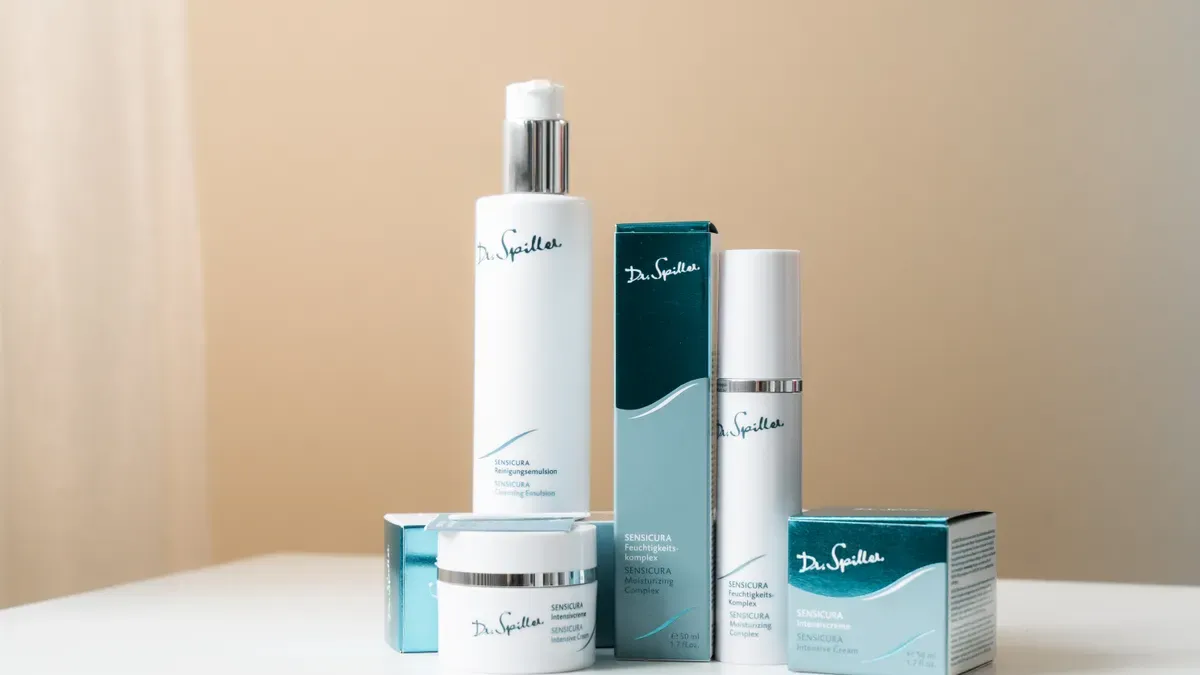
Choosing the right packaging type shapes your product’s performance and brand image. Let’s look at the main options for skincare startups, starting with bottles—the industry’s top choice.
3.1 Bottles
Bottles lead the way in skincare packaging. You can use them for serums, lotions, cleansers, and toners. They offer flexibility, strong shelf appeal, and advanced protection for sensitive formulas. Many brands now prefer airless bottles to keep products fresh and extend shelf life. If you want precise application, dropper bottles work well for serums and oils. For a premium look, serum bottle packaging and glass bottles boost your brand’s reputation and support eco-friendly goals.
Bottle Type | Best For | Dispensing Options |
|---|---|---|
Pump | Lotions, foundations | Controlled amount |
Sprayer | Facial mists, sprays | Fine mist |
Standard Cap | Cleansers, toners | Screw-on or flip-top |
Dropper | Serums, oils | Controlled dosage |
Tip: Classic dropper packaging gives you precise dosing and reduces waste. This helps you deliver consistent results to your clients.
Eco-friendly bottles are trending. Many manufacturers now use recycled plastics, glass, or bioplastics to meet sustainability goals.
3.2 Jars
Jars work best for creams, balms, and masks. They offer a premium feel and let users access thick formulas easily. Glass jars stand out for their elegant look and chemical stability, which protects sensitive ingredients. You should weigh the pros and cons:
Advantage | Description |
|---|---|
Elegant aesthetic | Upscales your brand and feels premium. |
Chemical inertness | Preserves product quality, especially for sensitive formulas. |
Recyclability | Appeals to eco-conscious partners and supports sustainability. |
Fragility | Glass jars can break, so they need careful handling. |
Transportation costs | Heavier jars increase shipping fees and impact margins. |
Production costs | Glass costs more than plastic, raising your overall expenses. |
3.3 Tubes
Tubes are ideal for creams, gels, and sunscreens. They offer hygienic, controlled dispensing and protect products from air and light. Aluminum and laminated tubes provide extra barriers against moisture and UV rays, which helps preserve sensitive formulas. Tubes also arrive fully decorated and ready for filling, saving you time during production.
Tubes give you easy, mess-free application.
Laminated tubes shield contents from contamination.
Aluminum tubes support hygiene and product safety.
3.4 Pumps
Pumps suit lotions, serums, and liquid cleansers. They improve user experience by delivering the right amount every time. When you select pumps, focus on three key factors:
Factor | Description |
|---|---|
Formula Compatibility | Ensures the pump matches your product’s texture and ingredients. |
User Experience | Makes dispensing easy and reliable for your customers. |
Sustainability | Supports your brand’s eco-friendly mission with recyclable or refillable parts. |
Note: Many brands now choose pumps made from recycled materials or designed for easy recycling.
You can match each packaging type to your product’s needs and your brand’s sustainability goals. Bottles remain the top choice for most skincare startups, but jars, tubes, and pumps each offer unique benefits for specific formulas.
Part4: Finding Cosmetic Packaging Manufacturers
4.1 Research Methods
You want to find a Cosmetic Packaging Manufacturer like Oulete that fits your business. Start by searching industry directories, trade shows, and B2B platforms. Look for suppliers who specialize in bottles for skincare. Visit their websites and review their product catalogs. You can also reach out to industry associations for recommendations.
4.2 Sample Requests
Requesting samples helps you check product quality before you commit. You can test batches to make sure bottles meet your specifications. Stability testing shows if bottles keep your formulas safe during storage. Ask for a Certificate of Analysis for each batch to confirm compliance with quality standards.
Batch testing ensures bottles match your requirements.
Stability testing confirms product safety and integrity.
Certificate of Analysis documents quality and compliance.
Tip: Always request samples for decorated bottles and jars. This lets you see the finish and durability firsthand.
4.3 Certification Checks
You need to verify certifications before you choose a supplier. Ask for ISO 22715 and ISO 9001 certificates. These show the manufacturer follows strict quality and safety standards. Check if the supplier uses certified materials for bottles and packaging. Review their compliance documents and audit reports.
4.4 Comparing Quotes
When you compare quotes, look beyond price. Review the structure, artwork, and sales channel for each bottle type. Use the table below to guide your decision:
Decision factor | Buyer check | Why it matters |
|---|---|---|
Product format | Share jar, bottle, compact, candle or gift-set details | Different beauty products need different box structures and insert support |
Structure shortlist | Compare carton, rigid box, tube or clear box direction | Prevents discussing finish before the structure is practical |
Artwork and finish | State logo files, color references and finish goals | Keeps sampling realistic for the chosen material and quantity |
Sales channel | Define shelf display, ecommerce or gifting use | Changes packing review, protection and presentation priorities |
You can contact Oulete for a quote if you need bottle packaging for skincare.
4.5 Reviews and References
Check reviews and ask for references from other B2B clients. Look for feedback on bottle quality, lead times, and customer service. Reach out to previous buyers to learn about their experience. Reliable manufacturers will share references and testimonials.
Note: Strong reviews and references help you avoid costly mistakes and build trust with your supplier.
Part5: Challenges and Solutions
Every skincare startup faces hurdles when sourcing bottles and packaging. You can overcome these challenges with the right strategies and partners. Let’s break down the most common issues and practical solutions.
5.1 MOQ Issues
Minimum order quantities (MOQs) often create headaches for new brands. You might see high upfront costs and limited flexibility when you need to order thousands of bottles at once. Here’s what you usually face:
High upfront costs with large orders.
Limited ability to adjust order sizes as your business grows.
Cash flow strain from tying up capital in unsold inventory.
You can manage these challenges by negotiating with suppliers for lower MOQs, starting with stock bottles, or partnering with manufacturers who support small batch runs. This approach helps you test the market without risking your budget.
5.2 Design Limitations
You want your bottles to stand out, but design options can feel limited, especially with tight budgets. Many startups solve this by focusing on simple, sustainable designs. Check out these solutions:
Solution Type | Description |
|---|---|
Sustainable Materials | Choose eco-friendly bottles to reduce your environmental impact. |
Minimal Design | Use simple packaging to cut costs and speed up production. |
Supplier Support | Lean on your manufacturer’s expertise to navigate design challenges. |
Simplicity often leads to better recycling and lower costs. You can also explore new materials like bio-based plastics or refillable bottle systems.
5.3 Shipping Logistics
Shipping bottles internationally brings its own set of challenges. You need to watch out for:
Regulatory restrictions—compliance issues can delay shipments.
Fragile packaging—glass bottles may break during transit.
Shelf life sensitivity—temperature changes can spoil your products.
High customer expectations—delays or damaged bottles hurt your reputation.
Work with experienced logistics partners and choose sturdy, compliant packaging to reduce risks. Always check regulations for your target markets.
5.4 Quality Consistency
You need every bottle to meet your standards. Leading manufacturers use advanced machines, strict quality control, and consistent decoration processes to deliver reliable results. Here’s how they do it:
Method | Benefit |
|---|---|
Advanced Manufacturing | Uniform shape and size for every bottle. |
Quality Control | Inspections at multiple stages to catch defects early. |
Sustainable Materials | Eco-friendly bottles that don’t sacrifice performance. |
Ask your supplier about their quality management systems and request samples before placing large orders. This step ensures your bottles always look and perform as expected.
Tip: Building a strong relationship with your manufacturer helps you solve problems quickly and keep your supply chain running smoothly.
Part6: Building Partnerships
6.1 Communication
You want to build a strong partnership with your cosmetic packaging manufacturer. Clear communication sets the foundation. Regular project updates keep everyone on the same page. You should set timeline expectations early to avoid confusion. Proactive issue resolution helps you spot problems before they grow. Involve your supplier in the design process for bottles. This speeds up lead times and sparks creativity. Treat your manufacturer as a strategic partner, not just a vendor. Integrate them into your marketing plans with a streamlined feedback loop. This approach boosts trust and operational resilience.
Regular updates maintain transparency.
Clear timelines prevent misunderstandings.
Proactive problem-solving keeps projects on track.
Supplier involvement in bottle design enhances creativity.
Strategic partnership fosters innovation and faster launches.
Feedback loops align marketing and production.
Tip: Schedule monthly check-ins to review bottle development and address any concerns.
6.2 Contracts
You need a solid contract to protect your business and ensure smooth operations. Key terms should cover bottle stability testing, batch size flexibility, and raw material qualification. Quality control procedures and intellectual property protection are essential. Use the table below to guide your contract discussions:
Key Contract Terms | Description |
|---|---|
Stability Testing | Ensure bottles keep products safe and compatible over time. |
Batch Size Flexibility | Allow for small initial runs and larger orders as your business grows. |
Raw Material Qualification | Confirm supply chain transparency, especially for sustainable bottle materials. |
Quality Control Procedures | Set standards for materials, production, and finished bottles, including traceability. |
Intellectual Property Protection | Safeguard your branding and formulas from unauthorized use. |
Note: Review contract terms with your legal team before signing.
6.3 Collaboration
Collaboration drives long-term success. Work closely with your manufacturer during product development. Share your vision for bottle design and sustainability goals. Transparency in operations builds trust. Focus on innovation and eco-friendly solutions. When you collaborate, you create packaging that fits your brand and meets market demands.
Close teamwork in bottle development.
Transparent operations strengthen relationships.
Shared focus on sustainability and innovation.
Callout: Strong partnerships lead to faster launches, better bottle quality, and lasting business growth.
You can set your skincare startup up for success by following a few key steps:
Research and compare bottle suppliers with strong industry reputations.
Request samples to check bottle quality and fit.
Confirm certifications and sustainability practices.
Build long-term partnerships for reliable supply.
Tip: Reach out to leading manufacturers and ask for decorated bottle samples. Sustainable choices and strong relationships will help your brand grow.
FAQ
What bottle materials work best for skincare products?
You can choose PET, glass, or airless plastic bottles. PET offers durability and cost savings. Glass gives a premium look and supports sustainability. Airless bottles protect sensitive formulas. Each material fits different product needs and brand goals.
How do I request bottle samples before placing a large order?
You should contact Oulete and ask for decorated bottle samples. This lets you check quality, fit, and finish. Testing samples helps you avoid costly mistakes and ensures your bottles meet your standards.
What certifications should my bottle supplier have?
Look for ISO 22715 and ISO 9001 certifications. These show your supplier follows strict quality and safety standards. Certified suppliers help you meet industry regulations and build trust with your business partners.
Can I order custom bottles with my company’s branding?
Yes, you can. Most manufacturers offer custom bottle shapes, colors, and decoration options. You can add your logo, choose unique finishes, and select features like pumps or droppers. Custom bottles help your brand stand out. Contact Oulete to create custom branded bottles for your product line.
How do I ensure my bottles support sustainability goals?
Tip: Ask your supplier about recycled materials, refillable designs, and eco-friendly production. Choose bottles made from PCR plastics or glass. Sustainable bottles show your commitment to the environment and appeal to eco-conscious partners.