


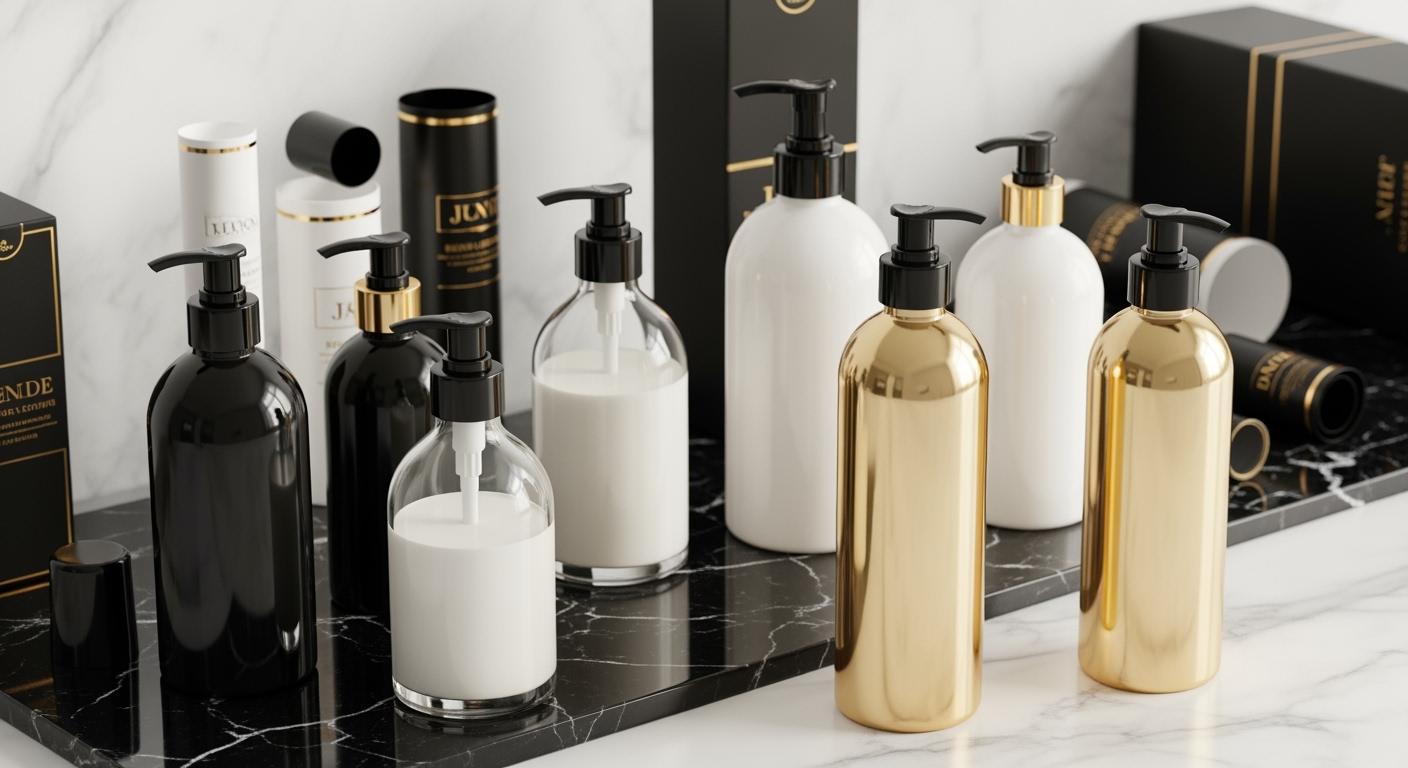
You need packaging that protects your Body Lotion Bottle, delivers user convenience, and builds your brand. Pump bottles remain popular for hygiene and easy dispensing. Common capacities range from 20–150 ml, with 120–150 ml ideal for lotions. Materials like PET, PP, and glass offer different benefits. Custom sizing and decoration help your product stand out. oulete supports business buyers with reliable packaging solutions.
Packaging acts as a protective casing and shapes consumer perceptions. Attractive, functional packaging boosts brand loyalty and ensures product safety.
Product Type | Capacity Range | Neck Sizes | Pump Output | Materials |
|---|---|---|---|---|
Body Lotion | 200–500 ml | 24 / 28 mm | 2–3 cc | PET, PP |
Hand Cream & Lotion | 50–150 ml | 18–20 mm | 0.5–1 cc | PET, Acrylic+PP |
Key Takeaways
Choose pump bottles for easy dispensing and hygiene. They minimize contamination and enhance user experience.
Select the right bottle capacity based on your target market. Smaller sizes appeal to travelers, while larger sizes offer better value for families.
Consider material options carefully. Glass provides premium quality, while PET and PP are cost-effective and versatile.
Customize your packaging to stand out. Unique designs and eco-friendly options attract attention and build brand loyalty.
Test compatibility between your lotion and packaging materials. This ensures product stability and maintains quality.
Part1: Why Body Lotion Bottle Packaging Matters
1.1 Product Safety & Preservation
You need packaging that keeps your lotion safe and fresh. The right bottle protects the formula from heat, light, moisture, and oxygen. Pumps and spray tops help minimize exposure, which extends shelf life. Dark or opaque bottles shield contents from light, while glass bottles can be sterilized and do not leach chemicals. Plastic bottles cost less but may degrade if exposed to heat or light. Choosing the best packaging type ensures your Body Lotion Bottle maintains quality and effectiveness.
Packaging Type | Benefits for Shelf Life | Risks for Shelf Life |
|---|---|---|
Bottles with pumps/spray | Minimize exposure to heat, light, moisture, O₂ | N/A |
Dark or opaque bottles | Protect contents from light | N/A |
Glass bottles | Can be sterilized, do not leach chemicals | N/A |
Plastic bottles | Less expensive | Risk of degradation from heat/light |
1.2 User Convenience & Hygiene
You want packaging that makes dispensing easy and keeps the product clean. Pump bottles offer a hygienic solution because users do not touch the lotion inside. This reduces contamination risk and supports a positive user experience. Pumps also allow precise dosing, which helps avoid waste. For business buyers, selecting the right dispensing mechanism improves customer satisfaction and builds trust.
Tip: Pumps and airless dispensers help prevent bacteria from entering the bottle, which preserves product integrity.
1.3 Brand Image & Customization
Packaging shapes how customers see your brand. Custom sizing and decoration set your product apart in a crowded market. You can use unique colors, shapes, and finishes to create a memorable unboxing experience. Eco-friendly packaging appeals to environmentally conscious buyers and strengthens your brand identity.
Customized packaging enhances visual appeal, attracting attention and influencing purchase decisions.
It aligns packaging with brand values, helping customers connect with your mission.
Memorable unboxing experiences foster loyalty and encourage repeat purchases.
Eco-friendly options resonate with buyers who value sustainability.
First impressions matter. Attractive packaging creates a strong impact and builds trust.
Sustainability trends drive demand for eco-friendly materials.
Visual appeal makes packaging a critical marketing tool.
Part2: Body Lotion Bottle Pump Types
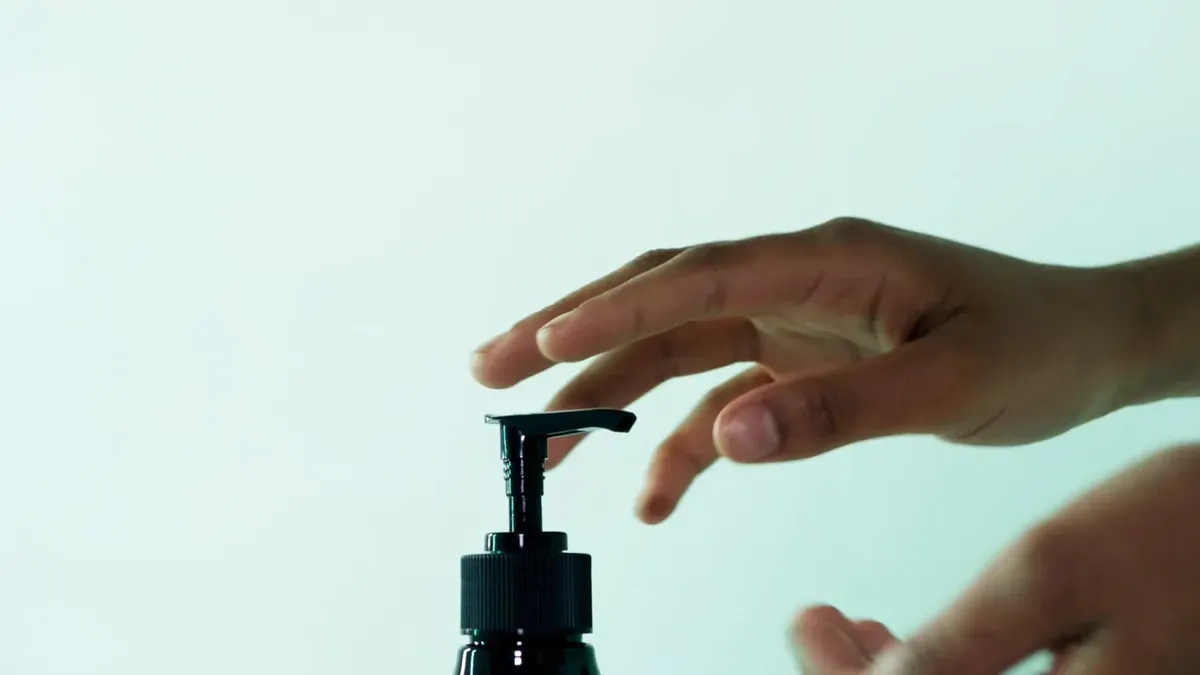
Choosing the right pump for your Body Lotion Bottle can transform the user experience and protect your product’s quality. Each pump type serves a unique purpose, supporting different lotion textures, packaging needs, and usage scenarios. Understanding these options helps you select the best fit for your brand and customers.
2.1 Standard Pumps
Standard pumps remain the most common choice for Body Lotion Bottle packaging. You get a simple, reliable dispensing mechanism that works well with medium-viscosity lotions. These pumps deliver a consistent amount of product with each press, making them ideal for daily-use skincare and body care products. Standard pumps also support hygiene by reducing direct contact with the lotion, which helps prevent contamination.
Pump Type | Functionality Description | Best For |
|---|---|---|
Standard Lotion Pump | Simple and reliable dispensing, ideal for medium-viscosity products. | Daily-use skincare and body care products |
You can find more details about lotion bottles with pump on our product page.
Tip: Standard pumps usually dispense between 0.2cc and 0.5cc per stroke. Consider the lotion’s thickness and desired dosage when choosing pump output.
2.2 Airless Pumps
Airless pumps use a vacuum system to dispense lotion without letting air enter the bottle. This design protects sensitive formulas from oxidation and contamination. You can use airless pumps for lotions with active ingredients, such as antioxidants or brightening agents, because they maintain ingredient potency over time. Airless pumps also require fewer preservatives, supporting cleaner and more natural formulations.
Benefit | Airless Pumps | Standard Pumps |
|---|---|---|
Direct Contact | No direct contact, reducing contamination risk | Some contact possible |
Sealed Environment | Prevents external contaminants | Open to air and contaminants |
Exposure to Air | Minimizes exposure, keeps product cleaner | Frequent exposure possible |
Preservative Use | Fewer preservatives needed | Often requires more preservatives |
You can explore more about airless bottle manufacturers for your packaging needs.
Note: The sealed environment of airless pumps helps keep formulas fresh and effective, making them a top choice for premium brands. For more on pump hygiene.
2.3 Foaming Pumps
Foaming pumps mix air with liquid to create a soft, airy foam. You can use these pumps for low-viscosity lotions, facial cleansers, or mousse-based products. The pre-lathered foam spreads easily on the skin, making application smooth and enjoyable. Foaming pumps also help users use less product per application, which reduces waste and saves money.
Foaming pumps enhance the application experience with a luxurious feel.
They work best with light, water-based formulas.
The foam requires less water for rinsing, supporting eco-friendly routines.
2.4 Lockable & Mini Pumps
Lockable pumps feature a twist-to-lock mechanism that prevents accidental dispensing. You can use these pumps for travel-sized Body Lotion Bottle packaging or on-the-go products. Mini pumps offer the same benefits as standard pumps but in a compact size, making them perfect for samples or travel kits.
Pump Type | Functionality Description | Best For |
|---|---|---|
Locking Lotion Pump | Twist-to-lock, prevents accidental dispensing | Travel-sized or on-the-go packaging |
Mini Pump | Compact, reliable dispensing | Samples, travel kits |
Tip: Lockable and mini pumps help you meet airline regulations and customer needs for portability.
2.5 Pump Selection Tips
Selecting the right pump for your Body Lotion Bottle involves several key factors:
Match the pump type to your lotion’s viscosity. Thicker lotions need pumps with wider orifices, while lighter formulas can use fine mist sprayers.
Consider the dosage per pump. Body lotions often require a higher output per stroke.
Align pump materials with your lotion’s chemical composition to avoid compatibility issues.
Evaluate the cost and aesthetic appeal of each pump type.
Think about your target market’s preferences. Airless pumps appeal to customers who value hygiene and ingredient integrity, while standard pumps offer affordability and simplicity.
For travel or sample sizes, choose lockable or mini pumps to prevent leaks and spills.
Note: The viscosity of your lotion affects the choice of tubing diameter, spring tension, and nozzle design. Always test your formula with the selected pump to ensure optimal performance.
By understanding the strengths of each pump type, you can create a Body Lotion Bottle that meets your brand’s needs and exceeds customer expectations.
Part3: Body Lotion Bottle Capacity Options
3.1 Popular Sizes (20-150ml)
You can select from a wide range of bottle sizes for your lotion products. Most brands use bottles between 20 ml and 150 ml for daily skincare. These sizes fit well for personal use and retail shelves. The table below shows common categories and their typical applications:
Bottle Size Category | Volume Range | Typical Applications |
|---|---|---|
Mini or Travel-Size Bottles | 10–50 ml | Hotel amenities, travel kits, sample distributions |
Standard Daily-Use Bottles | 100–250 ml | Everyday lotions, creams, moisturizers |
Large Household Bottles | 300–500 ml | Family body lotions, baby care moisturizers |
Professional or Salon Bottles | 500–1000 ml | Massage oils, moisturizing creams for frequent use |
You can match bottle size to your product’s purpose and target market.
3.2 Travel & Sample Sizes (50-100ml)
Travel and sample sizes, usually between 50 ml and 100 ml, help you reach new customers and support portability. Many buyers prefer these sizes for convenience and trial. Smaller bottles often create a sense of luxury and exclusivity, while larger ones communicate value. The table below highlights how consumers view these sizes:
Bottle Size | Typical Use | Consumer Perception |
|---|---|---|
5ml | Samples, travel kits, trial products | Luxury and exclusivity |
15ml | Targeted treatments, travel | Luxury and exclusivity |
30ml | Daily-use serums and oils | Practicality and value |
60ml | Toners, mists | Practicality and value |
100ml+ | Cleansers, refills | Value-oriented products |
Tip: Offering travel and sample sizes can boost trial rates and encourage repeat purchases.
3.3 Custom Sizing Benefits
Custom sizing gives you flexibility to meet diverse business needs. You can tailor bottle sizes for different markets, from travel-friendly options to larger family packs. Custom sizes help your brand stand out and improve consumer satisfaction. They also support sustainability by reducing packaging waste.
Custom sizes enhance brand perception and market differentiation.
You can target various segments with flexible bottle options.
Larger bottles signal practicality, while smaller bottles suggest exclusivity.
3.4 Choosing the Right Capacity
You should consider cost, logistics, and consumer preferences when selecting bottle capacity. Production and shipping costs change with bottle size. Smaller bottles reduce shipping expenses and suit younger buyers who value portability. Larger bottles offer better value and appeal to older customers.
Note: Analyze your target market and product use case before finalizing the capacity for your Body Lotion Bottle.
Part4: Material Options for Lotion Bottles
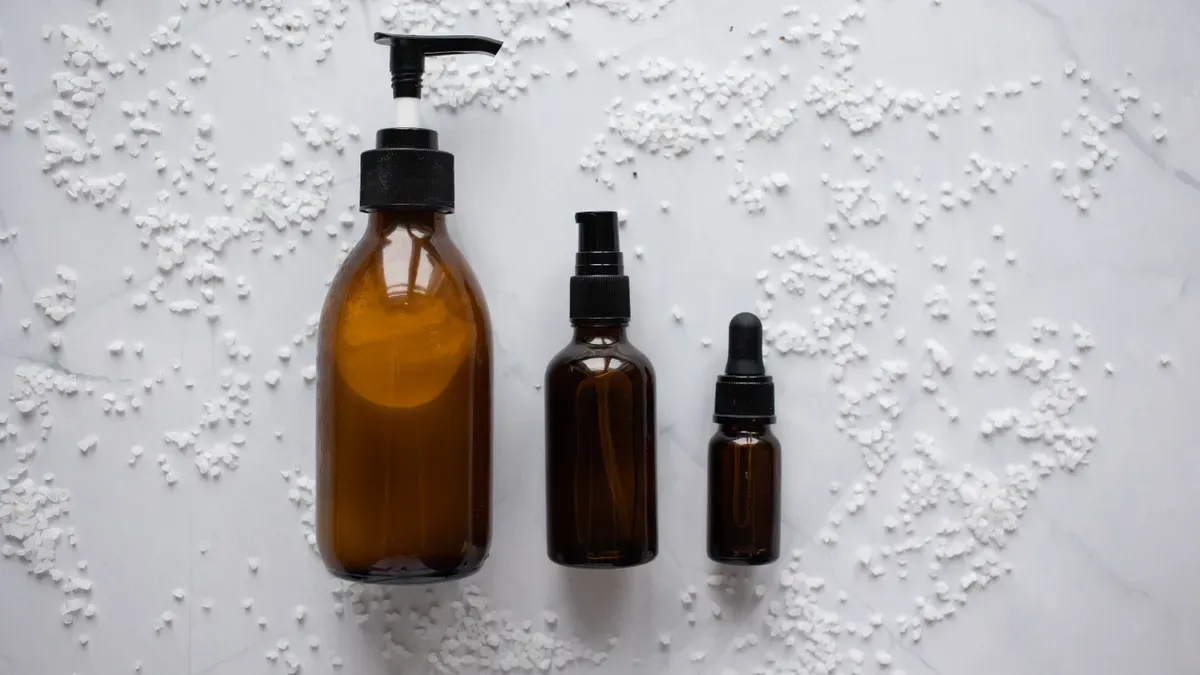
4.1 Plastic (PET, PP): Pros & Cons
You often choose plastic materials like PET and PP for lotion bottles because they offer practical benefits. PET gives you lightweight strength and excellent chemical resistance. PP provides heat resistance and flexibility. Both materials support versatile designs and cost-effective production. You can easily customize shapes and colors to match your brand.
Advantages | Disadvantages |
|---|---|
Lightweight and strong | Contributes to plastic pollution |
Cost-effective | Potential for chemical leaching |
Versatile in design | |
Excellent chemical resistance | |
Heat resistance and flexibility (PP) |
Plastic bottles help you reduce shipping costs and simplify logistics. However, you must consider environmental impact. Plastic pollution remains a concern, and some plastics may leach chemicals into sensitive formulas. You can explore PP airless bottles and acrylic airless bottles for advanced packaging options.
Tip: Always check the compatibility of your formula with the plastic type to avoid unwanted reactions. For more information on plastic safety, visit FDA’s guidance on food contact materials.
4.2 Glass: Pros & Cons
Glass offers you a premium packaging solution for lotions. You gain safety and purity because glass does not interact with active ingredients, fragrances, or oils. Glass ensures your formula stays exactly as intended. You avoid chemical reactions and off-gassing. Glass is non-porous and chemically inert, so your product remains stable over time.
Glass enhances the perceived value of your product, especially in mid-to-premium price ranges.
You can use glass for sensitive formulas that require maximum protection.
Glass does not break down or leach chemicals, making it ideal for high-end skincare.
Plastic may be acceptable for basic lotions, but it can diminish your brand’s image and pose risks for products with potent ingredients. Glass bottles help you create a luxury experience and build trust with your customers. You can find glass dropper bottles for specialized applications.
Note: Glass bottles weigh more and cost more to ship. You must balance aesthetics and logistics when choosing glass for your Body Lotion Bottle.
4.3 Material Compatibility
You need to match your lotion formula with the right bottle material. Compatibility issues can arise from the type of resin, formula viscosity, and active ingredients. Essential oils may damage gaskets, and high-viscosity creams can cause instability in pumps. Alcohol-based lotions may weaken sealing components over time.
Detail | Typical Problem | Cause | Recommendation |
|---|---|---|---|
Material compatibility | Yellowing, cracking, corrosion | AS or non-resistant materials used | Choose PETG or PP |
To avoid problems like yellowing, cracking, or corrosion, select materials such as PETG or PP that resist active ingredients. Always consider the entire contact path, including pumps and closures. This approach prevents leakage and ensures reliable dispensing.
Tip: Test your formula with the chosen packaging to confirm compatibility. For more guidance, review material compatibility resources from the European Plastics Converters.
4.4 Sustainability & Recycling
You must address sustainability when selecting bottle materials. Glass can be recycled multiple times without degrading its structure. The recycling rate for glass containers in the U.S. reached 31.3% in 2018. Plastic recycling rates vary, with PET and HDPE bottles recycled at about 29% in 2018.
Glass supports a circular economy because it retains quality through repeated recycling.
Plastic recycling depends on local facilities and consumer participation.
You can choose recycled PET (rPET) to reduce environmental impact.
Note: Eco-friendly packaging appeals to buyers who value sustainability. For more information on recycling rates, visit EPA’s facts and figures about materials, waste, and recycling.
You can enhance your brand’s reputation by selecting sustainable materials and promoting recycling. Always communicate your packaging choices to business buyers who prioritize environmental responsibility.
Part5: Customization & Practical Tips
5.1 Decoration Technologies
You can use advanced decoration technologies to make your Body Lotion Bottle stand out. Techniques like silk screening, hot stamping, and labeling allow you to create intricate designs and vibrant colors. These methods boost visual appeal and help your product catch the eye on crowded shelves. Premium finishes add texture, inviting customers to touch and interact with your packaging, which conveys a sense of luxury.
Silk screening and hot stamping create detailed graphics and bold branding.
Labels offer flexibility for limited editions or regulatory updates.
Tactile finishes increase consumer engagement and perceived value.
Explore our customization services for more decoration options.
5.2 Branding & User Experience
Branding strategies help you differentiate your lotion bottles in a competitive market. A visually unified series makes your products easier to merchandise and market. Cohesive packaging also encourages shoppers to buy more and share their experiences online, which increases your brand’s reach.
Branding Strategy | Explanation |
|---|---|
Visually unified series | Simplifies shopping and boosts cross-selling opportunities |
Cohesive packaging for social sharing | Fuels organic promotion through user-generated content |
Series packaging for competitive edge | Helps your brand stand out and builds emotional connections with buyers |
Color choices play a big role in user experience. Up to 90% of snap judgments about products come from color. Consistent use of color and shape fosters brand loyalty and makes your packaging memorable. Texture and material choices also reflect product quality and align with customer expectations.
5.3 Cost & Supply Chain Factors
You need to consider several cost components when planning your packaging project. Material costs, manufacturing, and logistics all impact your bottom line.
Cost Component | Percentage of Total Cost |
|---|---|
Material Costs | 40% |
Manufacturing Costs | 35% |
Packaging & Logistics | 25% |
Choose materials that match your product and market. For example, glass suits premium lines, while PET works well for mass-market or travel products. Evaluate your supplier’s production capacity and automation levels to ensure efficiency. Always request product samples to test compatibility with your formula. Verify certifications like ISO 9001 and FDA approval for quality and compliance.
5.4 Working with oulete
When you work with oulete, you gain a partner who understands the needs of business buyers. Assess production feasibility to decide if custom molds or stock molds fit your project. Ensure bottle specifications match your filling equipment to avoid extra costs. Test packaging for transportation durability to reduce shipping damage. Stay informed about regulations in your target market, such as EU cosmetic rules or FDA labeling. Align your packaging design with your brand image and customer expectations for maximum impact.
Ready to start your custom project? Contact oulete for a quote and expert guidance.
When you select packaging for your Body Lotion Bottle, focus on pump type, capacity, and material.
Test formula compatibility with each material.
Choose packaging that matches your brand’s image and user needs.
Consider sustainability and cost.
Step | Why It Matters |
|---|---|
Compatibility Testing | Prevents product instability |
User Experience Trials | Increases satisfaction and loyalty |
Customization Features | Strengthens brand identity |
You can consult oulete for tailored solutions or request samples to refine your packaging choice.
FAQ
What is the best material for body lotion bottles?
You should choose PET or PP plastic for cost-effective, lightweight bottles. Glass works best for premium products. Always test your formula with the material to ensure compatibility and safety.
How do I select the right pump for my lotion?
Match the pump type to your lotion’s viscosity. Standard pumps suit medium lotions. Airless pumps protect sensitive formulas. Lockable pumps work well for travel. Test each option with your product.
Can I order custom bottle sizes and shapes?
Yes, you can request custom sizes and shapes to fit your brand’s needs. Customization helps you stand out in the market and meet specific customer demands.
Are eco-friendly packaging options available?
You can choose recycled PET (rPET) or glass for sustainable packaging. These materials support recycling and appeal to environmentally conscious buyers. Communicate your eco-friendly choices to your customers. Contact Oulete to customize bottle sizes and shapes for your brand.
What decoration methods can I use for branding?
You can use silk screening, hot stamping, or custom labels. These methods create unique designs and enhance your brand’s visibility on shelves.