


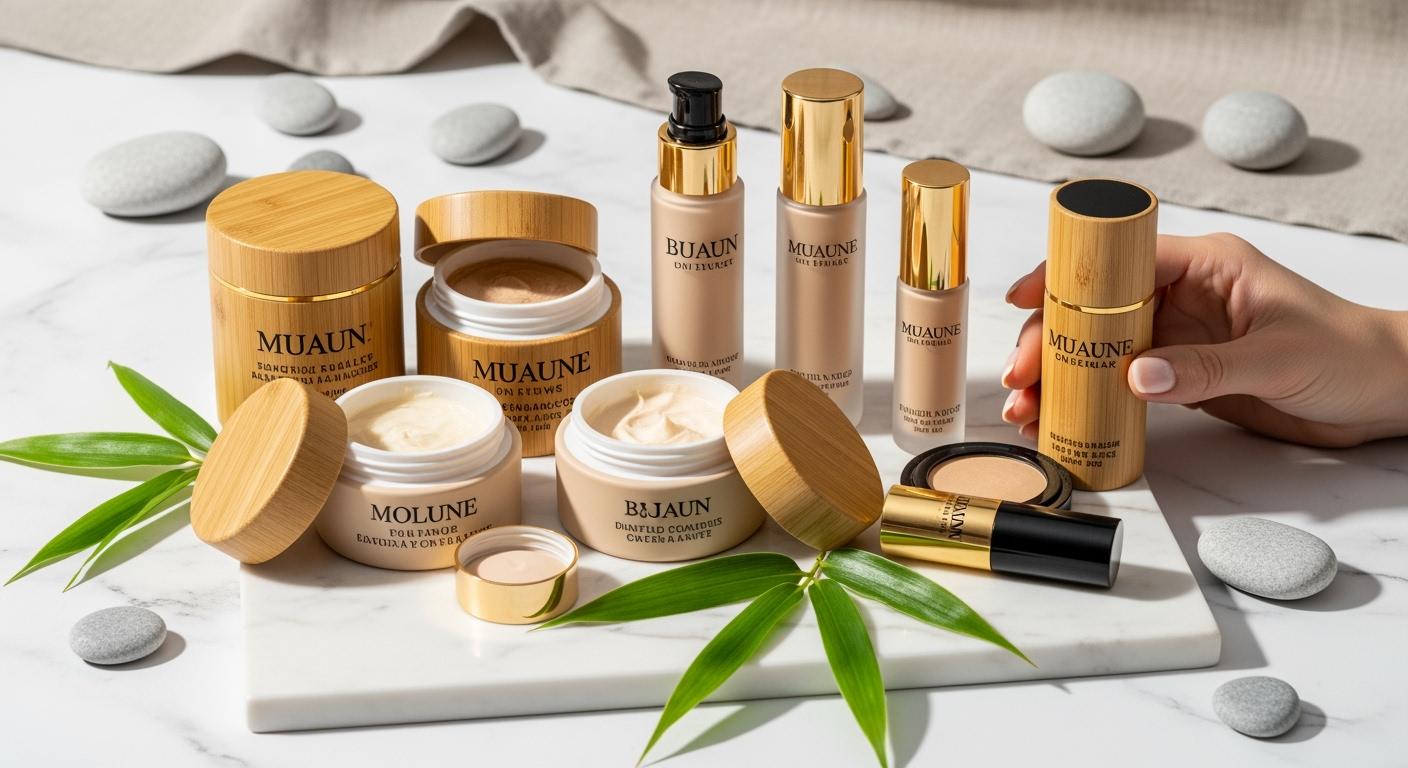
You want packaging that matches your eco-friendly values and meets business demands. Bamboo Cosmetic Packaging offers you a practical solution. Bamboo grows quickly, needs no harmful chemicals, and comes from renewable sources. You can choose from a range of forms—bottles, jars, lids, and tubes—to fit your products. Many brands now use bamboo packaging because it is lightweight, biodegradable, and supports creative customization or hybrid designs.
Key Takeaways
Bamboo packaging is a sustainable choice that reduces reliance on plastics and supports eco-friendly values.
Customization options for bamboo packaging enhance brand identity and attract eco-conscious customers.
Switching to bamboo helps lower your carbon footprint and supports a circular economy.
Reliable suppliers with certifications ensure quality and sustainability in your bamboo packaging.
Integrating bamboo packaging can improve brand loyalty and allow for premium pricing due to its luxury appeal.
Part1: Bamboo Cosmetic Packaging Overview
1.1 What Is Bamboo Cosmetic Packaging
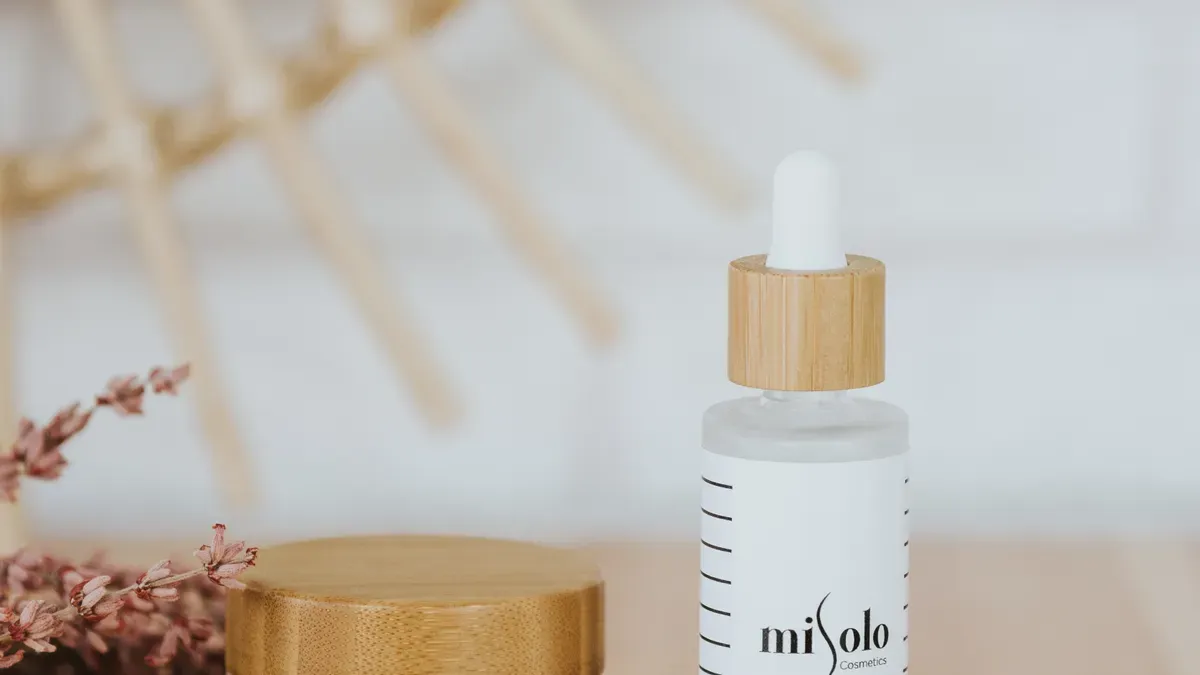
You can choose Bamboo Cosmetic Packaging as a sustainable alternative for your beauty products. This type of packaging uses bamboo as the main material for containers, lids, and other components. Many brands now combine bamboo with other materials, such as glass or plastic, to create hybrid packaging. These hybrid options help you balance eco-friendly goals with product safety and durability. For example, you might select a bamboo lid paired with a glass bottle or a bamboo shell around a plastic dispenser. This approach allows you to maintain product integrity while reducing your reliance on traditional plastics.
Bamboo Cosmetic Packaging stands out because it is biodegradable, renewable, and lightweight. You can use it for a wide range of beauty products, including skincare, haircare, and makeup. The natural look of bamboo also appeals to eco-conscious customers and helps your brand stand out on the shelf.
1.2 Key Features And Forms
You will find many forms of Bamboo Cosmetic Packaging in the beauty industry. Some of the most common include:
Bottles for serums, lotions, and perfumes
Jars for creams and balms
Lids and caps for various containers
Tubes for lip balms and creams
Makeup packaging such as compacts and lipstick cases
Serum droppers for precise application
These options give you flexibility when designing your product line. You can select packaging that matches your brand’s style and meets your customers’ needs.
Bamboo Cosmetic Packaging is gaining popularity for several reasons:
Sustainability is a major factor as you look for eco-friendly materials.
Your customers want transparency and greener options.
New regulations encourage you to adopt sustainable packaging solutions.
Tip: If you want to reduce your environmental impact and meet market demands, consider switching your bottles and other packaging to bamboo-based solutions.
Part2: Environmental Benefits
2.1 Sustainability Advantages
When you compare bamboo to traditional packaging materials like plastic and glass, you see clear sustainability advantages. Bamboo grows rapidly and can be harvested without causing deforestation. Plastic, on the other hand, relies on fossil fuels and creates long-term waste. Glass production requires high energy and emits significant carbon dioxide.
You can review the main sustainability benefits of bamboo in the table below:
Feature | Bamboo | Plastic | Glass |
|---|---|---|---|
Renewable Resource | Yes | No | No |
Biodegradable | Yes | No | No |
Durability | High | Moderate | High |
Carbon Footprint | Low | High | High |
Aesthetic Appeal | Natural, unique | Standard | Clear, heavy |
Note: Bamboo Cosmetic Packaging, especially bottles and jars, offers a strong combination of durability and eco-friendly appeal. You can use these options to meet both sustainability goals and customer expectations.
You also benefit from bamboo’s low carbon footprint. Bamboo’s cultivation and processing require less energy than plastic or glass. When you choose bamboo, you help reduce emissions and support a circular economy.
2.2 Bamboo’s Renewability
Bamboo stands out for its renewability. You can harvest bamboo every three to seven years, while timber takes decades to mature. Under optimal conditions, bamboo grows up to one meter per day. This rapid growth allows you to source materials frequently without harming the environment.
Bamboo’s root system stays intact after harvesting, so the plant regenerates quickly.
You avoid deforestation because bamboo does not require replanting.
Bamboo absorbs carbon up to 30% faster than mixed hardwood forests.
A hectare of bamboo can absorb about 17,000 kilograms of CO2 each year, offsetting the emissions of several passenger cars.
When you use bamboo bottles and other packaging, you support a model where resources renew themselves naturally. This approach helps your business lower its environmental impact and meet regulatory requirements for sustainable sourcing.
2.3 Reducing Plastic Use
Switching to bamboo packaging helps you reduce plastic use in your product lines. Plastic bottles and containers contribute to pollution and landfill waste. Bamboo decomposes naturally, leaving minimal waste behind. You can also reuse and recycle bamboo components, which appeals to environmentally conscious clients.
Bamboo bottles and jars provide eco-friendly alternatives to plastic.
These solutions help you reduce plastic waste and strengthen your market reputation.
Bamboo is produced without chemical additives, making it safer for both your products and the environment.
You can replace pollution-driving processes, such as plastic electroplating, with bamboo-based solutions.
Bamboo’s biodegradability ensures that your packaging does not linger in the environment.
You may face challenges when reducing plastic use, such as higher initial costs or supply chain disruptions. Some clients may need education about the benefits of bamboo. However, you can overcome these obstacles by highlighting bamboo’s renewability, safety, and positive brand impact.
Tip: If you want to lead in responsible luxury, consider integrating bamboo bottles and jars into your cosmetic packaging strategy. This move demonstrates your commitment to sustainability and positions your brand as an industry innovator.
Part3: Sourcing And Suppliers
3.1 Finding Reliable Partners
You need reliable partners to ensure the success of your Bamboo Cosmetic Packaging strategy. When you evaluate suppliers for bottles and other packaging, focus on their production capacity, quality control, and environmental measures. Reliable suppliers can handle large orders during product launches and maintain consistent quality.
Criteria | Description |
|---|---|
Production Capacity | Suppliers should have the ability to meet demand, especially during major product launches. |
Quality Control | A strict quality control system is essential to ensure compliance with industry standards. |
Environmental Measures | Suppliers should utilize eco-friendly materials and have waste reduction and recycling programs. |
You should also check material sourcing and certification. Look for suppliers who provide documentation for sustainable harvesting, such as FSC certification. Inspect the finish quality of bottles and jars to ensure smooth interiors, which help prevent residue and bacterial growth. Test the lid seal and closure type for security and product safety.
3.2 Certifications And Standards
Certifications play a key role in supplier selection. You should prioritize suppliers with recognized certifications:
Forest Stewardship Council (FSC) certification confirms that bamboo comes from responsibly managed forests.
ISO 14001 shows a supplier’s commitment to reducing environmental impact.
These certifications help you meet regulatory requirements and appeal to eco-conscious clients. They also ensure that your bottles and other packaging align with your brand’s sustainability goals.
3.3 Ethical Sourcing
Ethical sourcing strengthens your brand and supports long-term sustainability. When you choose suppliers with verified certifications, you ensure that bamboo is harvested responsibly. Ethical sourcing also supports local communities and aligns with consumer expectations for eco-friendly products. By working with ethical partners, you contribute to a circular economy and enhance your brand’s reputation in the market.
Tip: Build strong relationships with suppliers who share your values. This approach helps you secure a stable supply of high-quality Bamboo Cosmetic Packaging and supports your business growth.
Part4: Customization And Design
4.1 Custom Styles And Branding
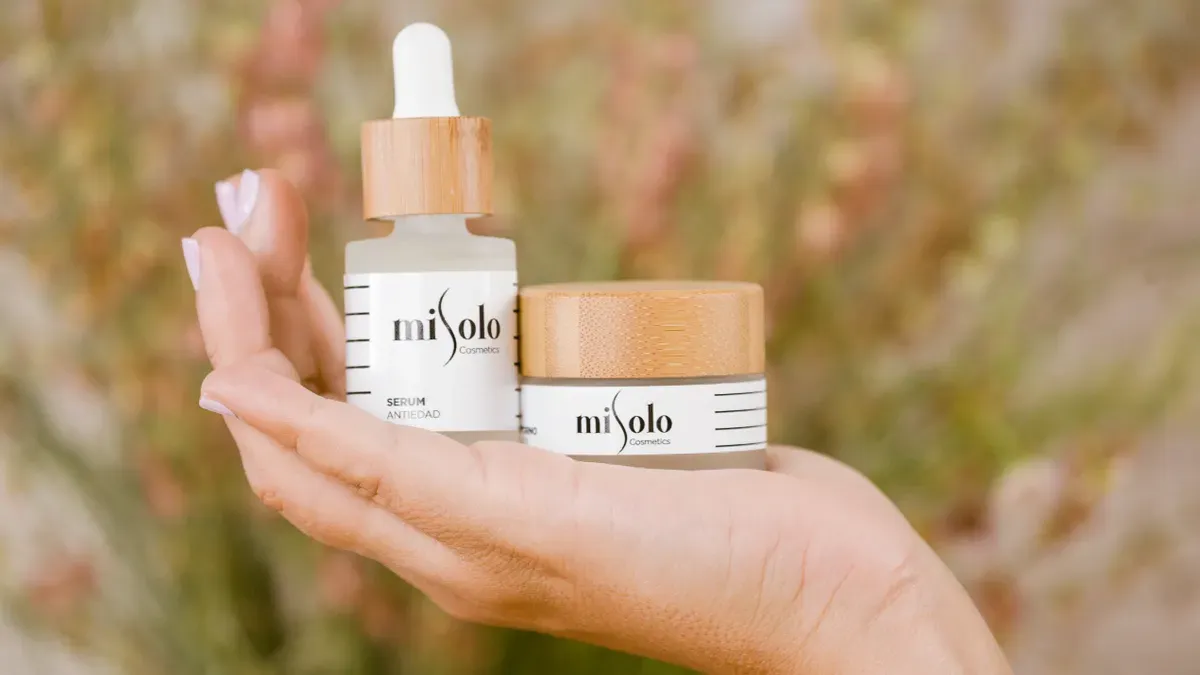
You can use customization to make your packaging stand out and reflect your brand’s identity. Bamboo Cosmetic Packaging offers many ways to personalize your bottles and containers. You may choose from different closure systems, color matching, and branding techniques. The table below shows some popular options:
Customization Option | Description |
|---|---|
Closure Systems | Choose from various closure types to improve function and style. |
Color Matching | Match colors to your brand for better recognition. |
Hybrid Solutions | Combine bamboo with glass or plastic for unique packaging. |
Engraving and Printing | Use laser engraving or screen printing for logos and designs. |
Natural Materials | Select eco-friendly dyes and materials to show your green commitment. |
You can engrave your logo or print your brand message directly on the bamboo surface. This approach gives your bottles a natural and premium look. Color matching helps you create a consistent product line that customers remember.
4.2 Hybrid And Replaceable Components
Hybrid designs let you combine bamboo with other materials, such as glass or recyclable plastic. This method improves the function of your packaging. For example, a bamboo shell around a plastic or glass bottle can protect the product and keep it safe from leaks. Hybrid bottles often use an inert inner liner to keep formulas stable and prevent moisture or oil from affecting the bamboo. You can also choose replaceable bamboo parts, like lids or outer shells, which make recycling easier and extend the life of your packaging.
Hybrid bottles use bamboo with aluminum or plastic for better sealing and dispensing.
You can separate bamboo from other parts for recycling.
Replaceable components help you update your packaging without changing the whole bottle.
If you want to explore more about hybrid packaging, you can look into airless bottle manufacturers or custom dropper bottles for advanced options.
4.3 Product Compatibility
You need to check if your cosmetic formulas work well with bamboo packaging. Some chemicals may react with bamboo, and the material’s porous nature can cause problems for liquids. For liquid products, you may need an inner plastic lining, but this can reduce the environmental benefits. Always test your formulas with bamboo bottles, jars, or tubes before a full launch. This step ensures product safety and keeps your brand’s green promise.
Tip: Work with your supplier to find the best packaging for skincare, makeup, or haircare products. Consider using cosmetic tube packaging or serum bottle packaging for better compatibility with certain formulas.
Part5: Implementation Steps
5.1 Integrating Bamboo Packaging
You can start integrating bamboo packaging into your product line by following a clear roadmap. Begin with an audit of your current packaging. Identify which bottles, jars, and containers you want to replace with bamboo alternatives. Set goals for sustainability and brand image. Create a timeline for the transition. You may choose a phased approach, starting with a single product category such as skincare bottles.
Next, select the right bamboo packaging forms. Work with your design team to match the new packaging to your brand’s style. Test prototypes for compatibility with your formulas. Make sure the bottles protect your products and meet quality standards. You can request a custom packaging quote to estimate costs and plan your budget.
You should communicate the change to your clients and partners. Use marketing materials to highlight the benefits of bamboo packaging. Show your commitment to sustainability and innovation. Update your website and product labels to reflect the new packaging.
Tip: Start with refillable bottles or hybrid designs if you want to ease the transition. You can explore refillable skincare packaging for advanced options.
5.2 Production And Logistics
You must address several production and logistics challenges when you switch to bamboo packaging. Regional bamboo cultivation exposes suppliers to risks such as extreme weather and insect infestations. Infrastructure limitations in non-Asian countries lead to reliance on imported bamboo pulp. This increases production costs and complicates supply chains.
Logistics challenges include long-distance transport, customs delays, and rising shipping costs. These factors affect timely delivery of bottles and jars. You may face cost-competitiveness issues because bamboo products are often pricier than conventional alternatives. Quality consistency can vary due to differences in bamboo species and processing techniques. This makes certification more difficult.
You need to balance sustainability with scalability. Large-scale bamboo plantations may compete with agricultural land and pose ecological risks. You should work with suppliers who use responsible sourcing and maintain quality standards.
Challenge | Impact on Your Business | Solution |
|---|---|---|
Regional Cultivation | Supply risk, price fluctuation | Diversify sourcing, monitor supplier regions |
Import Reliance | Higher costs, longer lead times | Plan inventory, negotiate shipping contracts |
Logistics | Delivery delays, increased expenses | Use reliable freight partners |
Quality Consistency | Certification issues, product variability | Set strict quality requirements |
Scalability | Ecological concerns, land competition | Support sustainable farming practices |
Note: You can minimize risks by planning ahead and working with experienced suppliers. Always monitor your supply chain and adjust your logistics strategy as needed.
5.3 Working With Partners
You can achieve a smooth transition to bamboo packaging by collaborating with trusted partners. Look for suppliers who specialize in bottles and jars made from bamboo. Check their certifications and production capacity. You may want to work with companies like oulete that offer custom cosmetic packaging services. These partners can help you design, produce, and deliver high-quality bamboo bottles.
Set clear expectations with your partners. Share your sustainability goals and quality standards. Ask for samples and test them with your products. Review their logistics capabilities to ensure timely delivery. Build long-term relationships to secure a stable supply.
You should also involve your marketing and sales teams. They can help communicate the benefits of bamboo packaging to your clients. Use case studies and testimonials to show successful transitions. Highlight how Bamboo Cosmetic Packaging supports your brand’s eco-friendly image.
Tip: Choose partners who offer flexible solutions and support innovation. This approach helps you stay ahead in the market and meet changing customer demands.
Part6: Challenges And Solutions
6.1 Cost And ROI
You may notice that Bamboo Cosmetic Packaging costs more than plastic but less than glass. The raw material is inexpensive, but hand-finishing increases labor costs. For example, the unit cost for a bamboo bottle is $0.15, while plastic bottles cost $0.10. However, bamboo’s durability reduces losses from damage during shipping and handling. Over time, you can balance higher initial costs with lifecycle savings. Bamboo’s biodegradability and renewability lower waste management expenses. You also gain improved brand loyalty, which can boost your return on investment. Many brands charge premium prices for products in bamboo bottles because customers see them as luxurious and eco-friendly.
Bamboo packaging offers higher long-term ROI due to enhanced consumer loyalty and marketing value.
You can minimize damage-related losses because bamboo is durable.
The perception of luxury allows you to set premium pricing.
Tip: Consider lifecycle costs and marketing benefits when evaluating ROI for bamboo bottles.
6.2 Supply Chain Issues
You face supply chain challenges when sourcing bamboo bottles. Regional cultivation exposes suppliers to risks such as weather and pests. Importing bamboo pulp increases production costs and complicates logistics. You may experience delays from customs or rising shipping expenses. Quality consistency can vary between batches, making certification harder. To address these issues, you should diversify your supplier base and monitor their sourcing practices. Set strict quality requirements and plan inventory ahead to avoid shortages.
Challenge | Solution |
|---|---|
Regional Risks | Diversify sourcing regions |
Import Costs | Negotiate shipping contracts |
Quality Variability | Set strict quality standards |
Logistics Delays | Use reliable freight partners |
Note: Work closely with suppliers who specialize in bamboo bottles and maintain certifications for sustainable sourcing.
6.3 Consumer Acceptance
You see growing demand for sustainable packaging, but not all customers prioritize eco-friendliness. Some value convenience and aesthetics more than environmental benefits. Bamboo Cosmetic Packaging competes with other eco-friendly options that may offer better convenience or visual appeal. Promotion plays a key role in building consumer trust. You can increase acceptance by educating clients about bamboo’s reliability and environmental advantages. Awareness-building initiatives help shape favorable attitudes toward bamboo bottles.
Promotion builds consumer trust and influences purchase decisions.
Educating clients enhances perceptions of bamboo’s benefits.
Awareness initiatives drive demand for eco-friendly bottles.
Tip: Highlight the biodegradability and luxury appeal of bamboo bottles in your marketing to attract environmentally conscious clients.
Part7: Action Plan For Brands
7.1 Assessing Readiness
You should start by evaluating your current packaging strategy. Review your product portfolio and identify which bottles or containers use the most plastic or non-renewable materials. Check if your supply chain can support a shift to Bamboo Cosmetic Packaging. Assess your team’s experience with sustainable materials and determine if you need additional training or support. You can also survey your clients to understand their interest in eco-friendly packaging. This step helps you set realistic goals and spot any gaps before you begin.
7.2 Building A Roadmap
Once you know your starting point, you can build a clear roadmap. Set specific targets for replacing plastic bottles with bamboo alternatives. Create a timeline for each stage, such as design, testing, and launch. Assign responsibilities to your team members and communicate your sustainability goals to your suppliers. You should request samples and test them with your products to ensure compatibility. Plan for marketing activities that highlight your new packaging and educate your clients about its benefits. Use feedback from early adopters to refine your approach.
Tip: Start with a pilot project using one product line, such as skincare bottles, to manage risk and gather insights before scaling up.
7.3 Measuring Impact
You need to track both environmental and business outcomes after switching to bamboo bottles. Use clear metrics to measure progress:
Monitor strength criteria and tensile strength to ensure packaging quality.
Check water vapor transmission rates to protect product integrity.
Track greenhouse gas emissions and transportation efficiency.
Measure the product-to-package ratio and recyclability of materials.
Evaluate the use of renewable energy in your supply chain.
Record green innovation efforts and client feedback.
Regularly review these indicators to see if you meet your goals. Share results with your team and partners to drive continuous improvement.
You gain practical and business advantages when you choose Bamboo Cosmetic Packaging for your beauty brand. The table below highlights key benefits:
Benefit/Application | Description |
|---|---|
Luxury Appeal | Adds sophistication and attracts premium clients. |
Sustainability | Reduces your environmental impact. |
Customization | Enhances brand loyalty with unique designs. |
Usage in Various Packaging Parts | Offers tactile experiences with caps, trays, and closures. |
Fits with Luxury Beauty Products | Ideal for premium bottles and skincare lines. |
You can take action by exploring these benefits and using available resources:
Reduce your carbon footprint with bamboo bottles.
Access customization options for unique packaging.
Benefit from market growth and government incentives.
Get support from partners like oulete for a smooth transition.
Start your journey toward sustainable packaging and elevate your brand’s reputation today.
FAQ
What types of cosmetic bottles can you make with bamboo?
You can choose from serum bottles, lotion bottles, and perfume bottles. Bamboo works well as an outer shell or lid. Hybrid bottles often combine bamboo with glass or plastic for better product safety.
How do bamboo bottles compare to plastic bottles for durability?
Bamboo bottles offer high durability. They resist cracks and dents better than plastic. You can ship bamboo bottles with less risk of damage. This helps you reduce losses during transport.
Are bamboo bottles safe for all cosmetic formulas?
You need to test your formulas with bamboo bottles. Some liquids may need an inner liner to prevent leaks or reactions. Work with your supplier to ensure compatibility and product safety.
What certifications should you look for in bamboo bottle suppliers?
You should look for FSC certification for responsible sourcing. ISO 14001 shows strong environmental management. These certifications help you meet industry standards and build trust with your clients.
Can you customize bamboo bottles for your brand?
Yes, you can engrave logos, match colors, or combine bamboo with other materials. Customization helps your bottles stand out and supports your brand identity.