


You want your toothpaste to stay clean and safe every time you use it. Airless pump toothpaste dispensers offer better hygiene than traditional tubes because their vacuum-sealed design keeps out air and germs. Clean packaging matters for your health. Some toothpaste packages pose ingestion risks, especially for children. Child-resistant caps help prevent accidents. You may also notice that packaging design affects how much toothpaste you use and how much stays fresh. Look for features that protect your toothpaste from contamination and make each use easier.
Key Takeaways
- Airless pump dispensers keep toothpaste clean by preventing air and germs from entering. This design reduces contamination risks.
- Traditional tubes expose toothpaste to germs through direct contact and air exposure. Always close the cap tightly to maintain hygiene.
- Using airless pumps allows for precise dispensing, minimizing waste and ensuring you get the right amount of toothpaste each time.
- Airless dispensers help preserve the freshness of toothpaste longer than traditional tubes, keeping ingredients stable and effective.
- Choose airless pump dispensers for a safer, cleaner, and more eco-friendly way to use toothpaste, especially when sharing with others.
Traditional Tubes: Hygiene Factors
Squeeze Mechanism Exposure
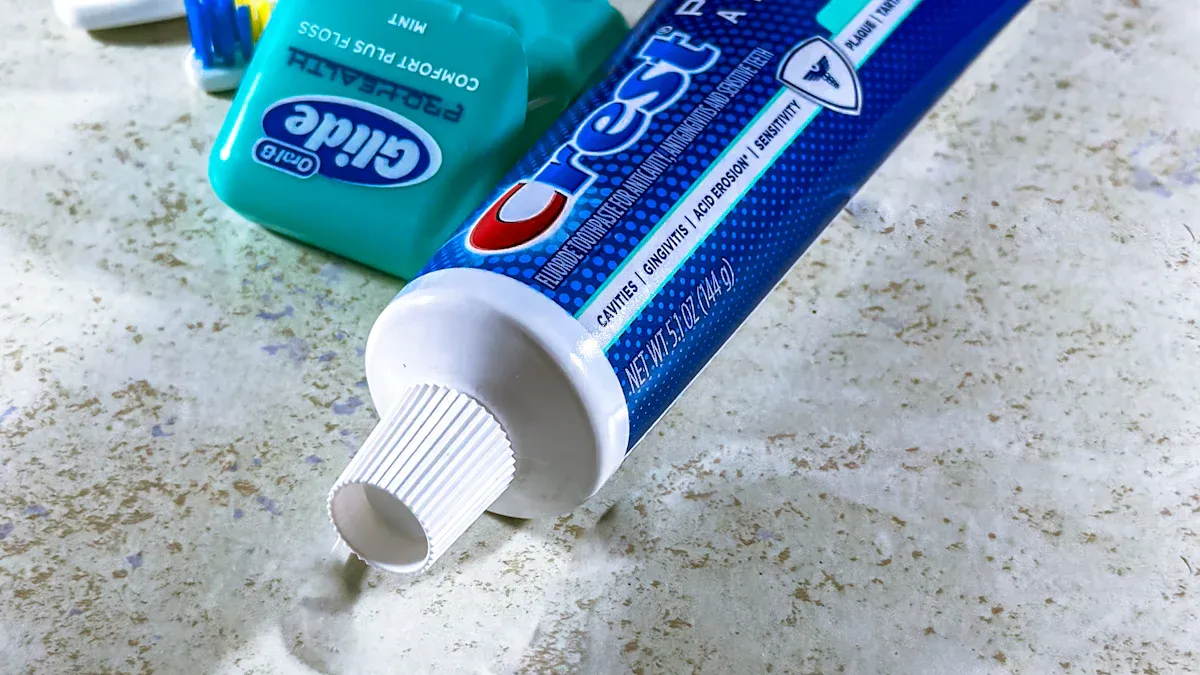
When you use a traditional toothpaste tube, you squeeze the tube to push out the paste. This action exposes the opening to air and your fingers. Each time you touch the tube, you may transfer germs from your hands to the tube’s surface. The opening of the tube can also collect bacteria from the bathroom environment. If you share toothpaste with others, the risk of contamination increases. You might notice that the cap sometimes gets sticky or messy, which can attract more germs.
Tip: Always close the cap tightly after each use to help keep the toothpaste clean.
Effective barrier protection plays a key role in keeping toothpaste safe. It prevents microbes from entering the tube and protects the active ingredients. When the barrier breaks down, bacteria can grow inside the tube, which affects the quality and safety of the toothpaste.
Common Contamination Risks
You face several contamination risks with traditional tubes. Repeated handling and exposure to air can let germs build up on the tube and around the opening. Sharing toothpaste with family members or friends increases the chance of transferring bacteria.
- The narrow opening of aluminum tubes minimizes the surface area exposed to bacteria, which reduces contamination risk during use.
- Plastic tubes often have wider openings, making them more prone to collecting germs.
- If you leave the cap off, dust and particles can settle on the paste.
A table can help you compare contamination risks:
| Tube Type | Opening Size | Contamination Risk |
|---|---|---|
| Aluminum Tube | Narrow | Lower |
| Plastic Tube | Wide | Higher |
You can lower contamination risks by keeping your tube clean and storing it in a dry place. Always check the tube for signs of damage or leaks. If you see any, replace the tube to protect your health.
Airless Pump Toothpaste Dispensers: Hygiene Features
Vacuum-Sealed System
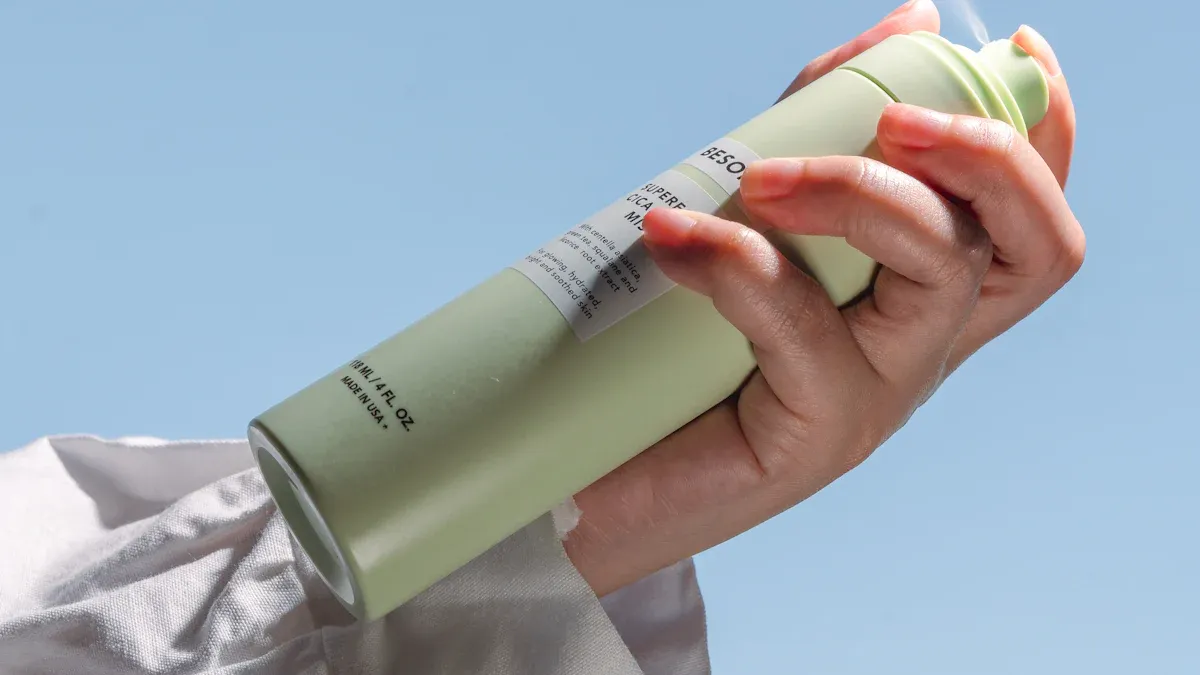
You get a cleaner experience with airless pump toothpaste dispensers. The vacuum-sealed system keeps air out of the container. This design stops germs and dust from entering. You press the pump, and the toothpaste comes out without exposing the rest of the paste to air. The sealed environment protects the toothpaste and keeps it fresh for longer. You do not have to worry about bacteria building up inside the dispenser.
Note: Airless pump toothpaste dispensers help you avoid contamination risks that often happen with traditional tubes.
- Airless pumps maintain a sealed environment, minimizing contamination risks.
- Traditional tubes allow air entry, which can introduce contaminants.
You see a clear difference in hygiene. Airless tubes do not let air enter, so the risk of contamination drops. Regular squeeze tubes have a moderate risk because air can get inside.
Material Safety and Clean Dispensing
You benefit from safe materials in airless pump toothpaste dispensers. Manufacturers use polypropylene (PP), polymethyl methacrylate (PMMA), and silicon. These materials resist bacteria and do not react with toothpaste ingredients. You get a clean and smooth dispensing action every time. The pump mechanism prevents you from touching the paste directly. This feature helps you avoid transferring germs from your hands.
You notice that the dispenser stays clean and easy to use. The materials do not break down or leak. You can trust that your toothpaste stays protected. The pump system gives you the right amount of paste, reducing waste and mess.
Tip: Choose airless pump toothpaste dispensers if you want a safer and cleaner way to use toothpaste.
Contamination Risks Compared
Direct Contact and Germ Transfer
You face different risks of germ transfer depending on the toothpaste packaging you use. When you squeeze a traditional tube, your fingers often touch the opening. This contact can transfer bacteria from your hands to the tube. If you share toothpaste with others, the risk increases. Germs can build up around the nozzle, especially if the cap stays off or the tube sits in a damp bathroom.
Airless pump toothpaste dispensers help you avoid this problem. The pump system keeps your hands away from the paste. You only touch the button or top of the pump, not the opening where the toothpaste comes out. This design lowers the chance of spreading germs between users.
Here is a table that shows how the risk of contamination compares:
| Packaging Type | Contamination Risk Level | Description |
|---|---|---|
| Traditional Tubes | Higher | More accessible to microbial contamination due to open design and exposure during use. |
| Airless Pump Systems | Lower | Closed system design minimizes exposure to contaminants, providing better protection during use. |
Tip: You can reduce germ transfer by choosing packaging that limits direct contact.
Air Exposure Differences
Air exposure plays a big role in toothpaste hygiene. When you use a traditional tube, air can enter the opening after each use. This air brings in bacteria and moisture, which can help germs grow around the nozzle. If you leave the cap off, the risk gets even higher. You may notice the paste dries out or changes color over time.
Airless pump toothpaste dispensers use a sealed system. This system keeps air out and stops bacteria from getting inside. You get fresher toothpaste every time you use the pump. The closed design also helps your toothpaste last longer and stay safe, even if you share it with others.
- Traditional tubes can harbor bacteria around the nozzle due to air exposure, raising hygiene concerns, especially in shared spaces.
- Airless pump dispensers utilize sealed systems that prevent air and finger contact, significantly reducing contamination risks.
- The design of airless dispensers helps maintain product freshness and extends shelf life by minimizing air exposure.
Note: You protect your health and your toothpaste by choosing packaging that limits air exposure.
Practical Use and Product Preservation
Controlled Dispensing and Waste Reduction
You want to use toothpaste efficiently and avoid waste. Airless pump toothpaste dispensers help you get almost all the product out of the container. You press the pump and receive a measured amount each time. This prevents you from squeezing out too much or leaving unused paste inside. Traditional tubes often leave leftover toothpaste that you cannot reach. You may also notice that squeezing a tube can cause messy spills.
- Airless pump dispensers allow for nearly complete usage of the product.
- They ensure controlled dispensing amounts, which helps prevent waste.
- Traditional tubes often leave behind unused product.
- Precise dispensing reduces waste and keeps your bathroom cleaner.
Shelf Life and Freshness
You want your toothpaste to stay fresh and safe. Airless pump toothpaste dispensers keep air out, which helps preserve the paste. The pump system uses a piston that moves up with each press, pushing toothpaste out through a nozzle. This prevents air and moisture from entering the container. You protect the toothpaste from bacteria and keep it fresh longer.
| Feature | Description |
|---|---|
| Air Exposure Prevention | The airless pump system prevents air from entering the bottle, preserving freshness. |
| Contamination Prevention | It ensures that the toothpaste remains uncontaminated by bacteria or moisture. |
| Mechanism | A piston moves upward with each pump, pushing toothpaste out through a nozzle. |
You also need to consider storage conditions. Keep toothpaste in a cool, dry place and avoid sunlight. Fluoride toothpaste usually lasts longer than non-fluoride types. Natural ingredients may shorten shelf life.
| Factor | Description |
|---|---|
| Storage conditions | Storing in a cool, dry place preserves active ingredients; avoid sunlight. |
| Type of toothpaste | Fluoride toothpastes generally have a longer shelf life than non-fluoride. |
| Ingredients | Natural ingredients or special additives may lead to a shorter shelf life. |
Travel Safety and Eco-Friendliness
You may travel often and want your toothpaste to stay safe in your bag. Airless pump toothpaste dispensers prevent leaks and protect the paste from exposure. The design is tamper-proof and keeps the product sealed. Traditional tubes can leak or get messy during travel.
| Feature | Airless Pump Dispensers | Traditional Tubes |
|---|---|---|
| Leak Prevention | Yes | No |
| Tamper-Proof | Yes | No |
| Protection from Exposure | Yes | Limited |
You also help the environment by reducing waste. Airless pumps use durable materials and allow you to use all the toothpaste. You throw away less packaging and leftover paste. This makes your daily routine cleaner and greener.
Tip: Choose packaging that prevents leaks and waste for safer travel and a healthier planet.
Which Is More Hygienic?
Key Hygiene Differences
You want to keep your toothpaste clean every day. Airless pump toothpaste dispensers give you a safer experience because the pump system keeps germs away from the paste. The sealed design stops bacteria from entering the container. You only touch the pump, not the paste or the opening. This lowers the risk of contamination.
Traditional tubes let air and germs reach the paste. You touch the tube and the opening when you squeeze out toothpaste. If you share a tube, you increase the chance of spreading germs. The open design makes it easier for bacteria to grow around the nozzle.
Here is a table that shows the main hygiene differences:
| Feature | Airless Pump | Traditional Tube |
|---|---|---|
| Bacterial Contamination | Minimal risk due to pump mechanism | Higher risk from direct contact |
| Sanitary Design | Sealed system prevents contact | Open design allows for contact |
Note: You protect your health by choosing packaging that limits contact and keeps germs out.
You see clear advantages with airless pump toothpaste dispensers. These dispensers protect your toothpaste from air and bacteria. You waste less product and keep ingredients stable. The table below shows the main differences:
| Feature | Airless Pump Dispenser | Traditional Tube |
|---|---|---|
| Hygiene | High | Moderate |
| Waste Reduction | Up to 35% less waste | More waste |
| Shelf Life | Longer | Shorter |
Choose airless pumps for better hygiene and product preservation. Consider your daily routine and decide which packaging fits your needs best.
FAQ
Are airless pump toothpaste dispensers safe for children?
You can use airless pump dispensers safely with children. The design prevents accidental spills and keeps the paste clean. Many pumps have child-resistant features. Always supervise young children during brushing for best results.
Can you refill an airless pump toothpaste dispenser?
Most airless pump dispensers are not refillable. Manufacturers design them for single use to keep the system hygienic. You should check the packaging for refill instructions before trying to add more toothpaste.
Do airless pump dispensers work with all types of toothpaste?
You can use most standard toothpaste formulas in airless pumps. Very thick or gritty pastes may not dispense smoothly. Always read the product label to see if the dispenser matches your preferred toothpaste.
How do you clean an airless pump toothpaste dispenser?
You do not need to clean the inside of an airless pump dispenser. The sealed system keeps germs out. You can wipe the nozzle with a clean tissue if needed. This helps keep the outside clean and free from residue.