


Airless vs Dropper Bottles: Manufacturer’s Comparison Guide
Last month, a Korean skincare brand sent us two formulations and asked us to package both in dropper bottles. We ran compatibility tests in our Shaoxing factory and called them back within a week: the vitamin C serum was already oxidizing in the dropper samples. Airless pump bottles are vacuum-sealed dispensing systems that use piston technology to protect products from air exposure and contamination, reducing product waste by up to 95%, while dropper bottles use traditional glass or plastic pipettes that expose products to air with each use, typically leaving 10-15% of product unreachable. The right choice depends on your formulation, budget, and brand positioning. Here is what we have learned from producing both systems across 20 injection molding machines.
What Are Airless Pump Bottles?
An airless pump bottle is a dispensing container that uses a mechanical piston to push product upward without allowing air to enter the container. Unlike conventional pumps that draw air in to replace dispensed product, airless systems create a vacuum beneath the piston disc, forcing every last drop toward the pump head.
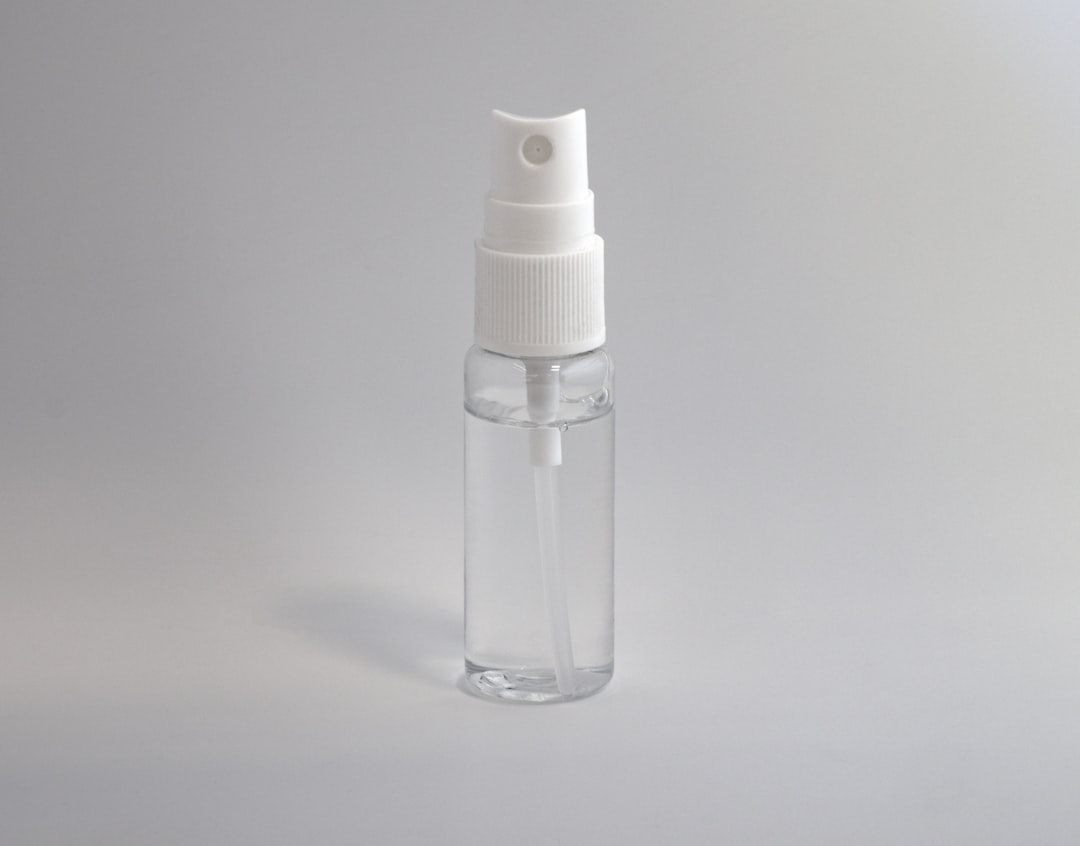
Photo by Brett Jordan on Unsplash
An airless pump bottle is a vacuum-sealed dispensing system that uses a rising piston to push cosmetic product upward without exposing it to air. The piston creates negative pressure inside the container, eliminating oxidation and contamination from external sources while dispensing up to 95% of the product.
The key components include the outer shell (typically PP or PETG), an inner cylinder, the piston disc, and the pump mechanism with actuator. At our facility, we produce these from PP airless bottle molds using injection molding, which gives us control over wall thickness, piston tolerances, and surface finish that assembly-only operations cannot match.
Common capacities range from 15ml to 100ml, with 30ml and 50ml being the most requested sizes for serums and treatment products. The material options include virgin PP, PE, PETG, and post-consumer recycled (PCR) blends at 10-50% recycled content.
What makes airless bottles different from a manufacturing standpoint is the precision required. The piston must maintain a seal against the inner cylinder wall throughout its entire travel distance. A tolerance variation of even 0.1mm can cause the piston to stick or allow air ingress. This is why we run in-house quality checks on every batch, testing pump actuation cycles and seal integrity before shipment.
What Are Dropper Bottles?
A dropper bottle is a container fitted with a pipette dispenser, consisting of a rubber or silicone bulb attached to a glass or plastic tube that draws liquid up through manual suction. The user squeezes the bulb, releases it to draw product into the pipette, then squeezes again to dispense drops.
A dropper bottle is a traditional dispensing container that uses a pipette with a rubber or silicone bulb to draw and release liquid cosmetic products drop by drop. The open-system design exposes the product to air each time the dropper is inserted and removed, which suits air-stable formulations like facial oils.
Dropper bottles are most commonly made from glass (clear, amber, or frosted) with a plastic or bamboo collar, rubber bulb, and glass pipette. Plastic dropper bottles use PP or PE bodies with plastic pipettes. Standard capacities sit between 10ml and 50ml, with 30ml being the dominant size for facial serums and oils.
According to Cosmetics Design Europe, dropper bottles account for approximately 60% of the serum packaging market despite declining in premium segments, driven by lower entry costs and consumer familiarity. They remain the default choice for indie brands launching their first products, primarily because the tooling cost is minimal and glass droppers are available off-the-shelf from hundreds of suppliers.
Airless Bottles vs Dropper Bottles: Complete Comparison
This table covers the factors that matter most when you are placing an actual purchase order, not just browsing options. We based these figures on our production data and the formulation testing we run for customers.
| Factor | Airless Pump Bottles | Dropper Bottles |
|---|---|---|
| Product preservation | No air contact; prevents oxidation throughout product life | Air enters with each use; oxidation-sensitive actives degrade over time |
| Contamination risk | Closed system; no direct contact between dispenser and product | Pipette re-enters product after touching skin/surfaces; contamination risk higher |
| Dispensing efficiency | Up to 95% product evacuation | 85-90% product evacuation; 10-15% typically left in bottle |
| Ingredient compatibility | Best for vitamin C, retinol, peptides, niacinamide, AHAs/BHAs | Best for facial oils, oil-based serums, air-stable water formulations |
| Dosing precision | Consistent metered dose per pump; less user control over exact amount | Drop-by-drop control; precise micro-dosing possible |
| Unit cost (MOQ 1,000) | $1.50-$4.00 per unit | $0.40-$1.00 (glass); $0.25-$0.60 (plastic) |
| Custom tooling cost | $3,000-$8,000 for custom molds | Minimal; standard sizes available off-the-shelf |
| Shelf life impact | Maintains ingredient stability 2-3x longer | Standard shelf life; accelerated degradation for air-sensitive formulas |
| Refillability | Limited; some designs support refills but mechanism adds complexity | Simple to refill; glass bottles widely reused |
| Recyclability | PP/PE recyclable; multi-component disassembly may be needed | Glass infinitely recyclable; rubber bulb and mixed materials complicate plastic droppers |
| PCR material options | 10-50% PCR PP/PE/PET available | Limited PCR options for glass; PCR plastic droppers available |
| Viscosity range | Works with thin serums through thick creams (broad range) | Best for thin, free-flowing liquids; thick products clog pipettes |
| MOQ range | 1,000-5,000 units typical | 1,000-3,000 units typical |
| Decoration options | Hot stamping, metallization, spray coating, silk screen | Silk screen, labeling, frosting (glass), spray coating |
| Consumer perception | Modern, premium, clinical | Classic, apothecary, luxury (glass) |
Benefits of Airless Packaging
The shift toward airless is not just marketing. According to Market Research Future, the global airless packaging market was valued at USD 6.73 billion in 2023 and is projected to reach USD 10.89 billion by 2032, growing at a CAGR of 5.5%. That growth is driven by real performance advantages.
Product waste reduction. According to Packaging Strategies, airless bottles can dispense up to 95% of product content compared to 85-90% for traditional dropper bottles. For a brand selling a $60 serum, that 5-10% waste difference translates directly into customer value. Oulete + airless pump bottles + piston-driven evacuation technology is one of the combinations we see customers adopt most frequently.
Airless pump bottles reduce product waste to as little as 5%, compared to 10-15% waste typical with dropper bottles. The piston mechanism pushes product upward uniformly, ensuring consumers use nearly every drop they paid for, which directly supports premium pricing and customer satisfaction claims.
Extended ingredient stability. According to Cosmetics & Toiletries, products in airless packaging maintain ingredient stability 2-3 times longer than products in dropper bottles exposed to air. This matters for formulations built around active ingredients like L-ascorbic acid (vitamin C), retinol, and peptide complexes.
Contamination prevention. According to Journal of Cosmetic Science, contamination risk is reduced by 80-90% with airless systems compared to droppers, where the pipette re-enters the product after touching skin or surfaces. This closed-system approach aligns with ISO 22715:2006 cosmetics packaging requirements and FDA 21 CFR Part 700 regulations on contamination prevention.
Reduced preservative requirements. Because airless bottles prevent microbial contamination from repeated opening, formulators can reduce preservative loads. This is a real selling point for clean beauty brands that want shorter ingredient lists.
Premium brand positioning. According to Beauty Packaging, 68% of premium skincare brands now use airless packaging for serums and treatments containing vitamin C, retinol, and other oxidation-sensitive actives. Oulete + cosmetic airless bottles + customizable finishes gives brands the shelf presence they need to justify higher price points.
Benefits of Dropper Bottles
Droppers are not obsolete. They remain the right choice for specific applications and business situations.
Precise micro-dosing. For potent actives used in small quantities (retinoid oils, concentrated botanical extracts), the drop-by-drop control a pipette offers is genuinely useful. Consumers can add exactly two or three drops, which is harder to achieve with a pump dispenser.
Dropper bottles provide drop-by-drop dispensing control that allows consumers to precisely measure potent active ingredients. This micro-dosing capability makes droppers the preferred packaging for concentrated facial oils, retinoid treatments, and botanical serums used in quantities of just two to five drops per application.
Lower entry cost. With wholesale pricing of $0.40-$1.00 per unit for glass droppers versus $1.50-$4.00 for airless bottles, the cost difference is substantial for brands doing their first production run. No custom tooling means faster time-to-market as well.
Visual product appeal. Clear glass dropper bottles let consumers see the product color, clarity, and fill level. For brands whose marketing depends on the visual quality of their formulation (gold-toned oils, clear serums with visible botanical inclusions), this transparency is a genuine sales driver.
Refillability and circular economy. Glass dropper bottles are straightforward to refill and can be part of a brand’s refill program. The glass body is infinitely recyclable. Brands prioritizing circular packaging models often start with glass droppers for this reason.
Consumer familiarity. The dropper is a known format. Consumers understand how to use it without instructions. This familiarity reduces friction at point of sale, particularly in markets where airless packaging is less common.
When to Choose Airless Bottles
Choose airless packaging when your formulation demands it, not just when your marketing team wants a premium look.
Air-sensitive active ingredients. If your formula contains L-ascorbic acid (vitamin C), retinol, retinal, bakuchiol, peptide complexes, niacinamide at high concentrations, or AHAs/BHAs, airless is the functional choice, not just the aspirational one. These ingredients measurably degrade when exposed to oxygen with each dropper opening.
According to Grand View Research, the skincare segment accounts for approximately 45% of the airless packaging market share due to the need to protect active ingredients from oxidation. Oulete + airless dispensing systems + ISO 9001 certified production ensures the packaging actually delivers the protection it promises.
Skincare products containing vitamin C, retinol, peptides, or other oxidation-sensitive actives require airless packaging to maintain potency throughout the product’s shelf life. The vacuum-sealed environment prevents the oxygen exposure that causes these ingredients to degrade, discolor, and lose their therapeutic effectiveness.
Preservative-free or low-preservative formulations. Clean beauty brands formulating without parabens, phenoxyethanol, or other broad-spectrum preservatives need the contamination barrier that airless systems provide. The closed system compensates for the reduced microbial resistance.
Thick formulations. Creams, rich moisturizers, and gel-cream hybrids with higher viscosity work well with airless pumps but would clog a dropper pipette. The piston pushes product regardless of consistency, whereas gravity and suction limit what a dropper can handle.
Long shelf life requirements. Products expected to sit on shelves or in inventory for 12-24 months benefit from the extended stability airless packaging provides.
When to Choose Dropper Bottles
Droppers are the right call in several specific scenarios.
Facial oils and oil-based serums. Pure oils (rosehip, jojoba, squalane) and oil-based serums are naturally air-stable. They flow through pipettes smoothly, and the drop-by-drop dosing suits how consumers use them. Airless packaging adds cost without adding functional value here.
Entry-level product launches. If you are testing a new SKU or launching your first product, the lower unit cost and zero tooling investment of dropper bottles lets you validate market demand before investing in custom airless packaging.
Transparent formulations with visual appeal. When your product’s appearance is part of the brand story, clear glass droppers create an unboxing experience that opaque airless containers cannot replicate.
Budget-driven product lines. Not every SKU in a brand’s lineup needs premium packaging. Mid-range products, body oils, and hair serums can use dropper bottles without compromising efficacy if the formulation is air-stable.
Cost Analysis: Airless vs Dropper Bottles
The unit price difference is significant, but total cost of ownership tells a more complete story.
Direct unit costs. Airless bottles range from $1.50 to $4.00 per unit at MOQ 1,000-5,000 units, depending on size, material, and decoration. Glass dropper bottles cost $0.40-$1.00 per unit, while plastic droppers run $0.25-$0.60.
Tooling investment. Custom airless bottle molds cost $3,000-$8,000, which is amortized across production volume. Standard dropper bottles require no tooling, since they use existing molds from stock catalogs. This distinction matters most for brands ordering fewer than 10,000 units.
Product waste economics. A brand selling a $60 serum in a 30ml dropper bottle loses 10-15% of product to waste. At $2/ml product cost, that is $6-$9 in wasted formula per unit. The airless alternative wastes only 5%, saving $3-$6 per unit in product cost alone. At higher product values, the airless packaging pays for its own premium.
The cost gap between airless and dropper bottles narrows significantly when product waste is factored in. A $60 serum loses $6-$9 per unit in unreachable product trapped in a dropper bottle, while an airless bottle wastes only $3 worth. For premium formulations, the airless packaging cost premium is offset by reduced product waste.
Volume pricing. At 10,000+ units, airless bottle pricing drops meaningfully. At our facility, we see customers who start with 1,000-unit orders at higher per-unit cost and move to 5,000-10,000 unit runs within 6-12 months as their product gains traction.
Total cost of ownership. Factor in reduced returns from product degradation, longer shelf life reducing expired inventory, and the premium pricing airless packaging supports. For brands with product costs above $1/ml, the math usually favors airless.
Material Options and Sustainability
Sustainability questions come up in nearly every packaging conversation we have. The answer is not straightforward for either format.
Airless bottle materials. Most airless bottles use PP (polypropylene) as the primary material, which is widely recyclable. At Oulete, we produce airless bottles with 10-50% post-consumer recycled (PCR) PP, PE, and PET without compromising the pump mechanism’s function. Seven years of PCR production has taught us where recycled content works and where it creates problems. You can read more about how PCR materials perform under lab testing in our blog post on hidden properties of PCR plastic testing results from top labs.
Glass dropper sustainability. Glass is infinitely recyclable and carries strong sustainability perception. However, glass is heavier, increasing shipping emissions. The rubber bulb and plastic collar create a multi-material assembly that consumers rarely separate for recycling.
Post-consumer recycled (PCR) airless bottles with 10-50% recycled PP, PE, or PET content reduce virgin plastic use while maintaining pump mechanism integrity. Glass dropper bottles offer infinite recyclability but their heavier weight increases shipping emissions and their multi-material construction complicates real-world recycling rates.
PCR compatibility with airless mechanisms. This is a gap we see across the industry: most competitors cannot tell you whether their airless pumps function reliably with PCR content. We test PCR material batches for melt flow consistency, surface friction against the piston seal, and long-term dimensional stability. Not all PCR feedstock performs identically, and blending ratios need adjustment based on the source material.
Quality Control and Testing Requirements
This section covers what to ask your supplier, whether that supplier is us or someone else.
Pump actuation testing. The pump mechanism should be tested for actuation life exceeding 2x the number of doses the product capacity delivers. A 30ml bottle dispensed at 0.5ml per pump yields 60 doses; the pump should reliably function for 120+ actuations minimum.
Seal integrity. Oxygen transmission rate testing per ASTM D3985 verifies that the airless container actually prevents air ingress. Any supplier claiming “airless” should be able to provide OTR test data.
Drop testing. Both airless and dropper bottles should survive standardized drop tests. Glass droppers are inherently more fragile, but even plastic airless bottles need to maintain seal integrity after impact.
Formulation compatibility testing. Before committing to production, fill samples with your actual formulation and run accelerated aging tests (elevated temperature storage for 4-8 weeks). Check for leaching, discoloration, seal degradation, and pump function changes.
Certifications to verify from any supplier. ISO 9001 quality management, GMP compliance for cosmetic packaging, and third-party testing reports (SGS, TUV, or equivalent). These are not optional credentials; they are baseline requirements per EU Cosmetics Regulation 1223/2009 Article 11, which mandates that packaging must not compromise product quality and safety during storage.
How to Choose the Right Supplier
Finding the right packaging partner matters as much as choosing the right packaging format.
Manufacturer vs. trading company. A manufacturer with injection molding capability controls tooling, materials, and quality at the source. A trading company adds margin and a communication layer without adding production value. Ask to see the factory floor, not just a showroom.
In-house testing. Suppliers who test their own products (actuation cycles, seal integrity, drop tests) can catch defects before shipment. Ask for test reports, not just certificates.
PCR capability. If sustainability matters to your brand, verify that the supplier has actual experience producing with PCR materials, not just a willingness to try. Ask for PCR production history, material test data, and references from brands currently using their PCR packaging.
MOQ flexibility. Rigid 10,000+ MOQ requirements lock out emerging brands. A supplier willing to produce at 1,000-unit MOQ demonstrates flexibility and confidence in their production efficiency.
Sample testing with your formula. Any serious supplier will fill samples with your product and let you evaluate performance. If a supplier resists compatibility testing, that tells you something about their confidence in their own packaging.
Lead times and communication. Expect 30-45 days for standard orders. Clear, responsive communication during sampling and production is a reliable indicator of how the relationship will work long-term.
Frequently Asked Questions
What is the difference between airless pump bottles and dropper bottles? Airless pump bottles use a vacuum-sealed piston mechanism that pushes product upward without allowing air into the container, protecting formulations from oxidation and contamination. Dropper bottles use a pipette with a rubber bulb to draw and dispense liquid, exposing the product to air with each use. The key differences are product preservation, contamination risk, dispensing efficiency, and cost.
Are airless bottles better than dropper bottles for serums? It depends on the serum formulation. Airless bottles are better for serums containing oxidation-sensitive actives like vitamin C, retinol, and peptides, since they prevent air exposure that degrades these ingredients. Dropper bottles work well for oil-based serums, squalane blends, and other air-stable formulations where the drop-by-drop dosing control is an advantage.
How much do airless bottles cost compared to droppers? Airless bottles cost $1.50-$4.00 per unit at MOQ 1,000-5,000 units, while glass dropper bottles cost $0.40-$1.00 and plastic droppers $0.25-$0.60 per unit. Custom airless molds add $3,000-$8,000 in tooling, while standard dropper bottles use stock molds with no tooling fee. However, airless bottles reduce product waste by 5-10%, which partially offsets the higher packaging cost for premium formulations.
Can airless bottles be refilled? Some airless bottle designs support refilling, but the piston mechanism makes the process less straightforward than refilling a dropper bottle. The piston must be reset to the bottom of the cylinder, and the refill must be done without introducing air. Brands planning refill programs should specify refillable designs from the outset so the manufacturer can engineer the mechanism accordingly.
Which packaging is better for vitamin C serums? Airless bottles are the clear choice for vitamin C serums. L-ascorbic acid oxidizes rapidly when exposed to air, turning brown and losing efficacy. Every time a dropper is opened, air enters the bottle and contacts the product. Airless packaging eliminates this exposure, maintaining vitamin C potency throughout the product’s shelf life.
How long does product last in airless vs dropper bottles? Products in airless packaging maintain ingredient stability 2-3 times longer than the same products in dropper bottles, according to cosmetic formulator testing data. This extended stability is most significant for formulations with oxidation-sensitive active ingredients. Air-stable products like pure oils show minimal shelf life difference between the two formats.
Can airless bottles be made with recycled plastic? Yes. Airless bottles can be manufactured with 10-50% post-consumer recycled (PCR) PP, PE, or PET. The critical factor is ensuring the PCR material maintains consistent melt flow and dimensional properties so the piston seal functions properly. Not all PCR feedstock performs identically, so material testing is essential before production.
What is the minimum order quantity for airless bottles? MOQ varies by supplier, typically ranging from 1,000 to 5,000 units for airless bottles and 1,000 to 3,000 units for dropper bottles. At Oulete, we offer a 1,000-unit MOQ for both formats, making it accessible for emerging brands to start with smaller production runs and scale as demand grows.