


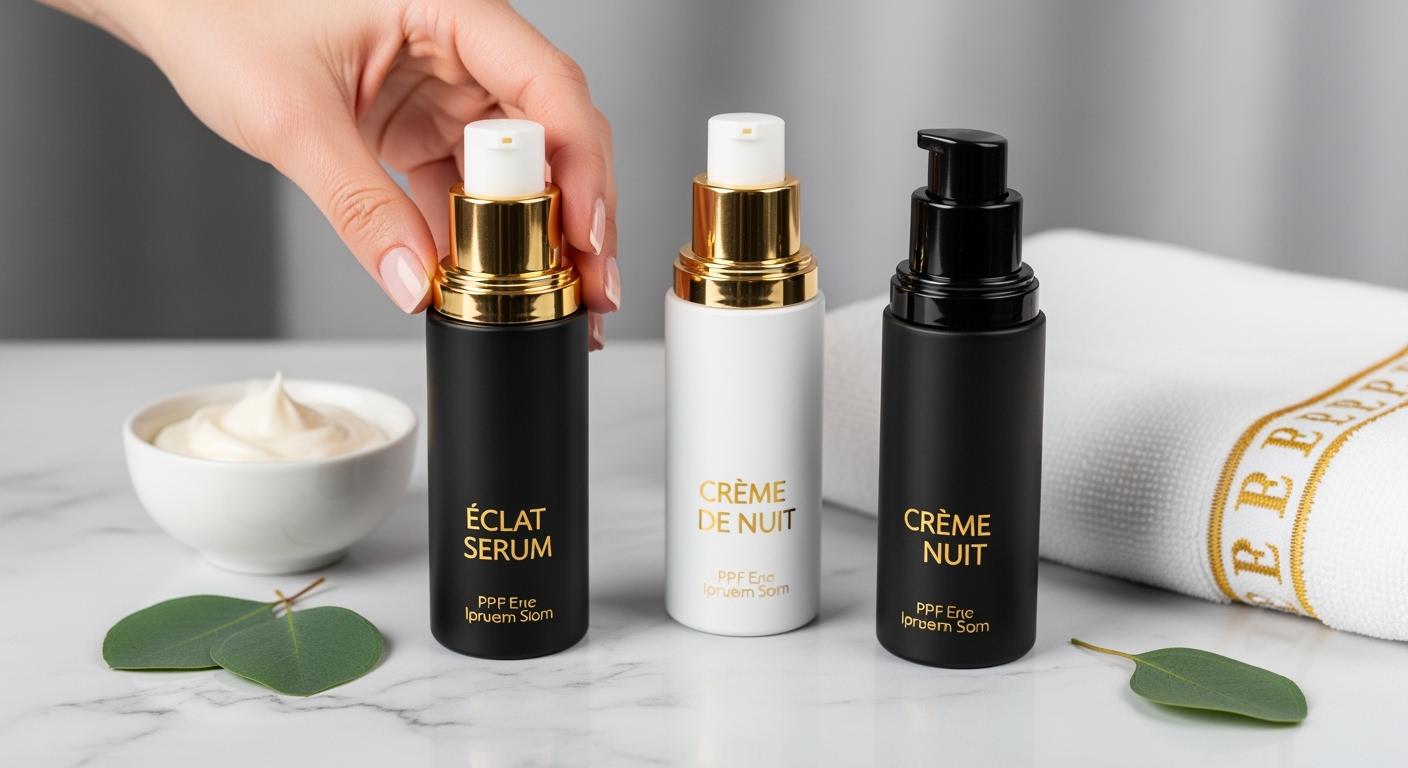
You need packaging that protects your skincare formulas and supports your brand’s reputation. PP airless bottles offer a practical solution. These bottles shield products from contaminants, extend shelf life, and support eco-friendly goals.
Airless technology uses a vacuum system to limit oxygen exposure, which slows the breakdown of sensitive ingredients and maintains efficacy.
Market data shows strong growth: the airless packaging sector is set to rise from USD 10.21 billion in 2026 to USD 18.44 billion by 2035, reflecting high demand from brands like yours.
Key Takeaways
PP airless bottles protect skincare formulas from air and contaminants, extending shelf life by up to 15%.
Using airless technology reduces the need for preservatives, aligning with the clean beauty trend and enhancing product safety.
Airless bottles provide precise dispensing, minimizing waste and ensuring customers receive the full product.
Choosing recyclable PP airless bottles supports sustainability goals and meets consumer demand for eco-friendly packaging.
Customization options for airless bottles allow brands to enhance their identity and stand out in a competitive market.
Part1: Why Airless Bottles for Skincare?
1.1 Main Benefits for Formulas
You want your skincare formulas to stay potent and stable from production to the end user. Airless Bottles offer several advantages that directly address these needs. Research from the Packaging Innovation Forum shows that airless packaging can extend the shelf life of skincare products by up to 15%. This improvement comes from the vacuum mechanism, which dispenses products without introducing air. You protect sensitive ingredients from oxidation and contamination, which is crucial for maintaining efficacy.
A European skincare brand improved formula stability by 40% after switching to airless packaging for a vitamin C serum. The reduction in oxidation-related color changes demonstrated the protective benefits of this technology. The Journal of Cosmetic Science found that up to 30% of active ingredients can degrade rapidly due to air exposure. Airless Bottles help preserve the integrity of these sensitive formulations.
Exposure to air leads to oxidation, a chemical reaction that eventually degrades a product’s active ingredients, thus reducing its efficacy and shelf life.
1.2 Addressing Packaging Challenges
You face common packaging challenges, such as contamination and ingredient degradation. Airless Bottles solve these issues by creating a vacuum seal and eliminating contact with air and contaminants. This design ensures that your product remains fresh and stable throughout its lifecycle.
Airless Bottles prevent air from entering during use, reducing oxidation and contamination.
Traditional packaging allows air and light to enter, which can degrade sensitive ingredients.
The vacuum effect dispenses the product without allowing air to enter the container, extending shelf life and maintaining integrity.
Skincare formulators often choose airless packaging for its ability to maintain potency, protect from contamination, and deliver precise dosage. You reduce waste and minimize the need for preservatives, which enhances product safety and performance. With airless technology, your formulas remain effective from the first pump to the last, supporting your brand’s reputation for quality and innovation.
Part2: How PP Airless Bottles Work
2.1 Piston System and Airtight Design
You need packaging that keeps your skincare formulas safe from air and bacteria. PP airless bottles use a piston system and airtight design to achieve this. The piston moves upward as you dispense the product, creating a vacuum that pushes the formula out without letting air in. This system eliminates the need for a dip tube, which often allows air to re-enter in traditional packaging.
Here is a breakdown of the technical features that help maintain an airtight environment:
Feature | Contribution to Airtight Environment |
|---|---|
Piston Mechanism | Creates a vacuum seal by pushing product up, eliminating air. |
No Dip Tube | Prevents air entry by removing the path for air to enter. |
Sealed Head | Ensures a tight seal to stop air from re-entering after dispensing. |
Vacuum Effect | Maintains product in place and prevents air from being drawn in. |
Material Choice | Blocks oxygen and moisture, enhancing the airtight properties. |
Airless Bottles reduce oxidation and contamination. They ensure precise dispensing and keep your product fresh. Traditional pump bottles often allow air to re-enter, which can compromise product integrity and increase waste.
2.2 Preserving Sensitive Ingredients
You want to protect sensitive or active-rich skincare formulas. Airless Bottles offer a solution by preventing harmful contaminants like oxygen, water, and dust from reaching your product. This protection is essential for formulas with antioxidants, peptides, or other actives that degrade quickly when exposed to air.
Airless designs can extend the shelf life of products by up to 15%. This extension is vital for maintaining product efficacy.
Research shows that air-free environments are essential for preserving antioxidant-rich compounds.
Airless dual-dispensing bottles protect sensitive active substances from oxidation.
By choosing PP airless bottles, you ensure your formulas remain potent and stable throughout their lifecycle. This approach supports your brand’s commitment to quality and innovation in skincare packaging.
Part3: Key Advantages for Brands
3.1 Product Protection & Shelf Life
You want your skincare products to reach customers in peak condition. PP airless bottles help you achieve this by blocking oxygen and minimizing exposure to air and light. This packaging protects sensitive ingredients, such as vitamin C and retinol, from oxidation and degradation. You can expect your formulas to stay fresh, potent, and effective for longer periods.
Airless pump bottles protect the product from air exposure, preserving its integrity, freshness, and effectiveness.
They significantly reduce oxidation, which helps maintain the potency of active ingredients and extends shelf life.
Data indicates that airless pump bottles can provide a 30% longer shelf life compared to traditional packaging.
These bottles block oxygen, which slows down formula degradation.
Airless pump bottles minimize contamination risks with each use.
Reduced exposure to light and air helps preserve product efficacy for longer durations.
You can deliver products with consistent quality, which strengthens your brand’s reputation and reduces the risk of customer complaints about spoiled or ineffective formulas.
3.2 Reduced Preservatives & Waste
You know that today’s skincare market values clean and minimal ingredient lists. PP airless bottles support this trend by reducing the need for preservatives. The airtight design limits exposure to air and contaminants, so you can use fewer additives while still maintaining product safety and longevity.
Airless pump bottles reduce the need for preservatives by minimizing exposure to air and contaminants.
This preservation method aligns with the demand for clean and natural beauty products.
By limiting oxygen exposure, airless bottles help maintain the potency of actives like vitamin C and retinol, thus extending shelf life and reducing the need for preservatives.
Airless pump bottles help extend shelf life and reduce the need for added preservatives by limiting air exposure.
You also benefit from less product waste. The piston system dispenses nearly all of the formula, so you maximize yield and minimize leftovers. The following table summarizes how these features reduce waste and improve hygiene:
Feature | Benefit |
|---|---|
Controlled dispensing | Ensures consistent delivery of product |
Reduced exposure to air | Preserves sensitive ingredients |
Refillable designs | Minimizes waste and extends product shelf life |
You can offer eco-friendly refilling options, which further supports your sustainability goals and appeals to environmentally conscious clients.
3.3 Enhanced User Experience
You want your packaging to reflect the quality of your brand. Airless packaging is often perceived as more technical and refined, which aligns with the expectations of customers seeking high-quality skincare products. This perception enhances your premium positioning in the market and creates a polished retail experience.
The design elements of airless packaging, such as material quality, wall construction, and decorative features, play a crucial role in enhancing the perceived value of premium skincare products. The cosmetic packaging market continues to grow, with a projected value of USD 44.28 billion by 2030. Brands that invest in advanced packaging solutions stand out in a competitive landscape.
Better hygiene
Fresher skincare
Less waste
Eco-friendly refilling options
PP airless bottles also support the clean beauty movement. Over 78% of high-end skincare brands now launch preservative-free and natural ingredient products. Airless packaging provides a vacuum-sealed environment that isolates air pollution, extending the shelf life of preservative-free products by two to three times. You can meet the demands of modern consumers and position your brand as a leader in innovation and sustainability.
Part4: Sustainability of PP Material
4.1 Recyclability & Eco Impact
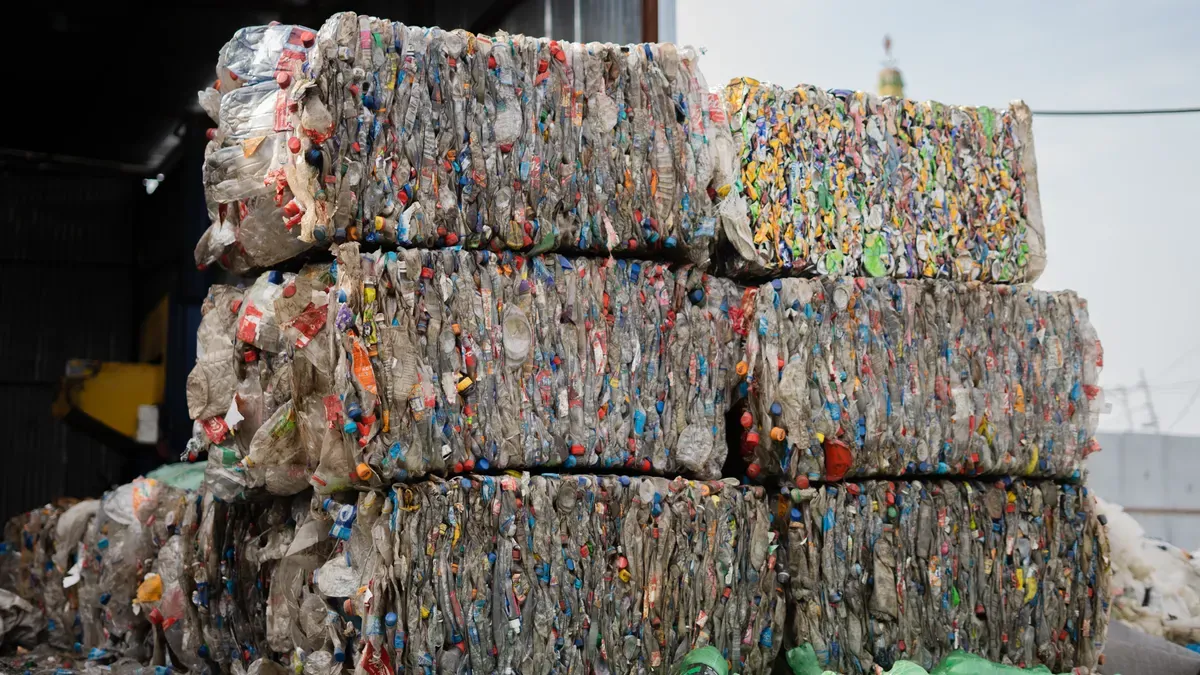
You want packaging that supports your sustainability goals and meets industry standards. PP airless bottles offer a strong solution. Polypropylene (PP) is 100% recyclable and promotes a circular economy. You can reduce environmental impact by choosing bottles made from recycled materials and by supporting responsible manufacturing practices. Many suppliers now offer PP bottles with sustainability certifications. The most recognized certifications include:
Certification Name | Description |
|---|---|
ISO 14001 | Specifies requirements for an effective environmental management system. |
Global Recycled Standard | Ensures products are made from recycled materials and promotes sustainable practices. |
You can align your brand with global sustainability goals by using PP airless bottles. These bottles enhance product preservation, minimize waste, and meet increasing demand for eco-friendly packaging solutions. In advanced recycling regions, such as Europe, PP airless bottles achieve recycling rates up to 50%. Globally, the rate stands at 30-40%. This performance supports your commitment to responsible packaging.
Tip: Consider integrating PCR airless bottles into your product line to further boost your sustainability credentials.
4.2 Comparing Packaging Materials
You need to evaluate packaging materials for both performance and environmental impact. PP airless bottles compare favorably to other options. Glass has a higher recycling rate, reaching 70-80% in strong markets, but it is heavier and less flexible for design and branding. PP bottles offer a balance of recyclability, lightweight construction, and compatibility with refillable skincare packaging.
Material | Global Recycling Rate | Notes |
|---|---|---|
PP Airless Bottles | 30-40% | Higher in advanced regions (up to 50%) |
Glass | 70-80% | High post-consumer content, heavier |
You can promote your brand’s sustainability by choosing PP airless bottles. These bottles are made from recyclable materials, support a circular economy, and reduce waste. You also meet the demands of clients seeking eco-friendly packaging. For brands looking to differentiate, refillable skincare packaging provides additional value and aligns with modern sustainability standards.
Note: PP airless bottles help you minimize environmental impact and position your brand as a leader in responsible skincare packaging.
Part5: Choosing the Right Airless Bottle
5.1 Formula Compatibility & Size
You need to match your packaging to your product’s unique requirements. Start by evaluating the viscosity of your skincare formula. Thicker creams and balms work best with airless jars, while serums and lotions benefit from airless pump bottles that offer precise dispensing. Emulsions also fit well with pump bottles, as these protect the formula from air exposure.
Product Type | Suitable Packaging Type | Key Feature |
|---|---|---|
Thicker creams/balms | Airless jar | Better suited for non-flowing products |
Serums/lotions | Airless pump bottle | Narrow dispensing head for precision |
Emulsions | Airless pump bottle | Protects formula from air exposure |
When selecting the right size, consider both the shelf life and the user experience. Smaller bottles (15mL, 30mL) suit high-potency formulas or travel sizes, while larger options (50mL, 100mL) fit daily-use products. You should also assess the dispensing mechanism. Ensure it matches the product’s viscosity and delivers accurate dosing. This approach helps maintain formula stability and reduces waste.
Tip: Always test the airflow and pump performance with your actual formula before finalizing your packaging choice.
If you need expert advice, explore custom cosmetic packaging services or request a custom packaging quote to ensure your selection aligns with your brand’s needs.
5.2 Customization for Branding
You want your packaging to reflect your brand identity and stand out in a crowded market. PP airless bottles offer a wide range of customization options. You can choose from interchangeable components, standardized bottle bodies in popular sizes, and tailored pumps or actuators. Custom-molded colors and advanced decoration techniques, such as gradient sprays or vacuum metallization, add visual appeal.
Customization Option | Description |
|---|---|
Interchangeable Components | Tailor pumps and actuators to your brand’s aesthetic and functional needs. |
Standardized Bottle Bodies | Choose from common sizes for flexibility and consistency. |
Customizable Pumps/Actuators | Select different pumps for each bottle size to create a unique look. |
Tailored Dosage Outputs | Adjust product output (1mL, 2mL, 0.3mL, 0.5mL) for formula needs. |
Custom-Molded Colors | Apply brand colors to different bottle parts. |
Additional Techniques | Use gradient sprays, metallization, or custom labels for premium branding. |
You can further enhance your packaging with silk screen printing, hot stamping, or tactile finishes like frosted or matte surfaces. These options help you create a premium, recognizable product line. For more details, visit custom cosmetic packaging services or request a custom packaging quote.
Note: Always confirm that your chosen design meets regulatory standards for cosmetic packaging in your target markets.
You gain a smart, practical solution for skincare packaging with Airless Bottles. These bottles protect formulas from contamination, support sustainability goals, and enhance user experience. Industry reports highlight strong growth, driven by demand for contamination-free dispensing and eco-friendly solutions. Packaging experts recommend focusing on formula compatibility, pump quality, and airtightness. To evaluate your options, review:
Step | Why It Matters |
|---|---|
Test formula compatibility | Prevents separation or clogging |
Assess pump performance | Ensures smooth dispensing |
Check sustainability fit | Meets eco-friendly standards |
Consider Airless Bottles for your next product launch to deliver safe, effective, and sustainable skincare.
FAQ
What makes PP airless bottles suitable for sensitive skincare formulas?
You protect sensitive ingredients from oxidation and contamination. The airtight piston system keeps formulas stable and potent. You maintain product quality and reduce the risk of spoilage. For sensitive skincare formulas such as serums, lotions, creams, and active ingredient products, contact Oulete to discuss PP airless bottle capacity, pump dosage, material compatibility, refillable design, decoration options, MOQ, and custom packaging requirements.
Can you recycle PP airless bottles after use?
You can recycle PP airless bottles in most regions. Polypropylene supports a circular economy. Check local recycling guidelines for best practices.
How do airless bottles reduce product waste?
You dispense nearly all of the formula with the piston mechanism. This system minimizes leftovers and ensures consistent dosing. You maximize yield and reduce waste.
Are PP airless bottles compatible with refillable packaging programs?
You can integrate PP airless bottles into refillable packaging programs. Many suppliers offer refillable designs. You support sustainability and meet eco-friendly goals.
What customization options are available for branding?
You select custom colors, finishes, and pump styles. You add silk screen printing or hot stamping. These options help you create a unique and premium product line.