


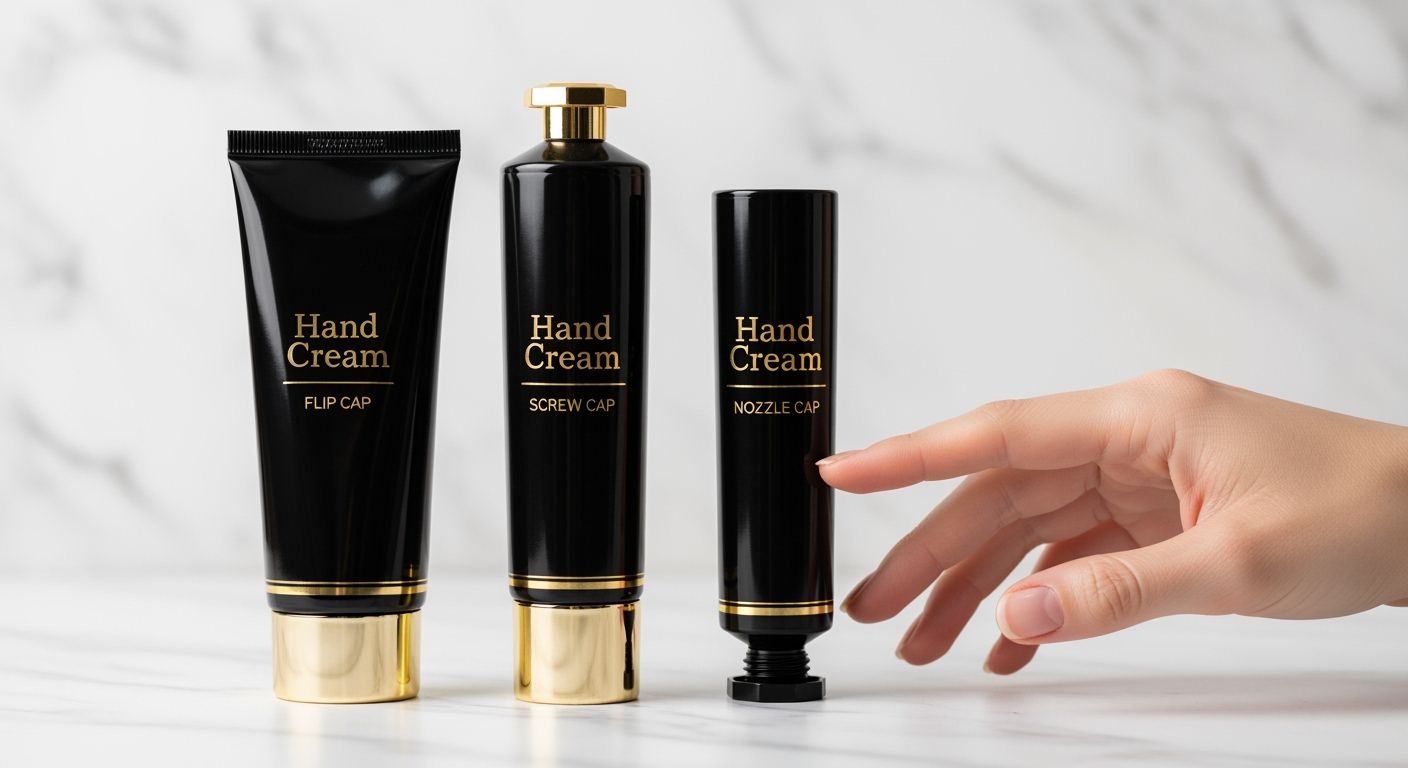
Choosing the right cap for your hand cream tubes changes everything. Flip caps give you quick access, screw caps offer tight closure, and nozzle designs help with precise application. You need to match the cap with your formula and user needs. Cap design affects how customers see your brand. For example, airless bottle packaging protects formulas and gives a premium feel, while skincare jars highlight a sensory experience. Don’t forget: supply chain, compatibility, and marketing goals all play a part in your decision.
Key Takeaways
Choose the right cap type to enhance user experience. Flip caps offer quick access, screw caps provide a tight seal, and nozzle caps allow for precise application.
Cap design impacts brand image. Match your cap style to your brand message to stand out on the shelf and attract buyers.
Consider supply chain and cost factors when selecting a cap. A good cap reduces leaks and waste, saving money and protecting your reputation.
Test your cap and tube combination before production. This step helps catch issues early and avoids costly recalls.
Plan for customization and minimum order quantities. Custom caps often require higher MOQs, so manage your inventory and costs effectively.
Part1: Why Hand Cream Tube Cap Choice Matters
1.1 Product Performance & User Experience
When you choose a cap for your Hand Cream Tube, you shape how people use your product every day. The right cap keeps the cream fresh and easy to dispense. If you pick a flip cap or disc top, users get quick, one-handed access. These caps also help control how much product comes out, so you avoid waste. A screw cap gives a tight seal, which helps prevent leaks during shipping or storage. Nozzle designs let users apply cream with precision, which works well for targeted treatments.
Poor cap design can cause leaks, dried residue, or even contamination. You want a cap that handles thick hand cream without making users squeeze too hard. A good seal keeps your product safe and clean.
1.2 Brand Image & Market Positioning
Cap choice does more than protect your Hand Cream Tube. It also tells a story about your brand. A sleek flip cap can make your product look modern and user-friendly. A screw cap might signal a classic or premium feel. Nozzle caps can highlight a focus on hygiene or targeted care. When you match your cap style to your brand’s message, you stand out on the shelf and in the minds of buyers.
Flip caps suggest convenience and innovation.
Screw caps hint at tradition and reliability.
Nozzle caps show attention to detail and precision.
1.3 Supply Chain & Cost Factors
You need to think about more than just looks and function. Cap selection affects your supply chain, costs, and even sustainability goals. Some cap types require special molds or higher minimum order quantities (MOQ). Others may use more plastic or need extra assembly steps. If you choose a cap that seals well, you reduce the risk of leaks and returns, which saves money and protects your reputation.
Reliable sealing means fewer damaged shipments.
Controlled dispensing reduces product waste.
The right cap can streamline your filling and packaging process.
Choosing the best cap for your Hand Cream Tube is not just about style. It’s a decision that impacts performance, brand image, and your bottom line.
Part2: Flip Cap Features

2.1 Structure & Mechanism
Flip caps use a simple hinge and snap system. You open the cap with your thumb and close it with a gentle push. The cap clicks shut, locking in the product. This design works well for tubes made from flexible materials like plastic. You can operate the flip cap with one hand, which makes it ideal for busy routines. The mechanism keeps the opening clean and shields the cream from air and dust.
2.2 Advantages for Hand Cream Tubes
You get several benefits when you choose flip caps for your Hand Cream Tube:
Quick access with one hand, so you can multitask.
Secure snap closure keeps the tube tightly sealed.
The cap prevents leaks and contamination.
You protect the product’s integrity and freshness.
The design supports controlled dispensing, reducing waste.
Flip caps help you deliver a reliable experience to your customers. You also lower the risk of damaged shipments.
2.3 Limitations & Risks
Flip caps have some drawbacks. The hinge can break if you apply too much force. You may find that the cap does not fit every tube shape or size. Some formulas, especially thick creams, may clog the opening. You need to check compatibility with your filling equipment. If you use a flip cap, you must ensure the closure stays tight during transport. Quality control becomes important to avoid leaks or loose caps.
Tip: Always test your cap and tube combination before full production. This step helps you catch issues early and avoid costly recalls.
2.4 Customization & MOQ
You can customize flip caps with your logo, color, or graphics. Most suppliers set the minimum order quantity (MOQ) at 10,000 pieces for custom options. The MOQ depends on tube size, decoration, and packaging structure.
Customization Type | Minimum Order Quantity |
|---|---|
Customized logo | 10,000 pieces |
Customized packaging | 10,000 pieces |
Graphic customization | 10,000 pieces |
Customized Color | 10,000 pieces |
If you want to explore more about custom cosmetic packaging services, check Oulete’s product pages for details. High MOQs can help you secure better pricing and consistent quality, but you need to plan your inventory and supply chain carefully.
Part3: Screw Cap Features
3.1 Structure & Mechanism
Screw caps use a threaded design that twists onto the neck of the tube. When you tighten the cap, it compresses a liner against the opening. This creates a strong seal and helps prevent leaks. The threads keep the cap in place, so it does not pop off during transport or storage. Here’s how screw caps compare to other options:
Screw caps: Use threads to create a tight seal by pressing a liner against the tube neck. This design offers strong leak resistance.
Flip caps: Rely on a hinge for one-handed opening and controlled dispensing through a small hole.
Nozzle caps: Focus on precise dispensing, often for products that need careful application.
You can open and close a screw cap with a simple twist. This mechanism works well for thicker creams and formulas that need extra protection.
3.2 Advantages for Hand Cream Tubes
Screw caps bring several benefits to your Hand Cream Tube packaging. Many brands choose them for their reliability and security. Here are some key advantages:
The screw cap design prevents leakage and spills. Your product stays secure during shipping and storage.
The compact size of the tube makes it easy to carry. Users can moisturize on the go without worrying about messes.
Screw caps work well with a wide range of tube materials and sizes.
You get a classic look that fits both premium and everyday brands.
If you want to protect your product and reputation, screw caps offer a dependable solution.
3.3 Limitations & Risks
Screw caps do have a few drawbacks. You need two hands to open and close them, which can slow down the user experience. If the threads do not align properly, the cap may not seal tightly. Over-tightening can damage the cap or tube neck. Sometimes, users misplace the cap, which can lead to contamination or drying out the cream. You should test the cap and tube combination to avoid these issues.
Tip: Always check the fit and sealing performance during your quality control process. This step helps you catch problems before your product reaches the market.
3.4 Customization & MOQ
You can customize screw caps with your brand’s logo, color, or special finishes. Most suppliers set the minimum order quantity (MOQ) for custom screw caps at around 10,000 pieces. The MOQ may change based on tube size, decoration, and packaging structure.
Planning your order size and customization early helps you manage costs and supply chain timelines. High MOQs often lead to better pricing and consistent quality, but you should balance this with your inventory needs.
Part4: Nozzle Cap Features
4.1 Structure & Mechanism
Nozzle caps use a narrow, tapered tip that fits onto the end of your Hand Cream Tube. You twist or snap the cap open, and the nozzle lets you squeeze out the cream in a controlled stream. Some nozzle caps include an internal piston or pump system. This mechanism creates vacuum pressure, pulling a set amount of cream from the tube. You get a consistent dose every time. The nozzle design works well for tubes made from flexible plastic or laminate materials.
4.2 Advantages for Hand Cream Tubes
You want precision when dispensing hand cream. Nozzle caps deliver that. Here’s how they help:
You control the dosage, so you use only what you need.
The advanced metering technology ensures you get the same amount each time.
The internal piston mechanism draws a predetermined volume, reducing waste.
The narrow tip lets you target specific areas, which is great for spot treatments or professional applications.
Nozzle caps make your product feel more professional. You can offer customers a clean, hygienic experience.
4.3 Limitations & Risks
Nozzle caps have a few challenges. The tip can clog if your formula is thick or dries quickly. You need to check compatibility with your filling equipment. Sometimes, the cap may not seal tightly, which can lead to leaks during shipping. If users lose the cap, the cream can dry out or become contaminated. Quality control is important. You should test the nozzle and tube combination before full production.
Tip: Always run filling and sealing tests with your actual formula. This step helps you avoid costly mistakes and ensures your product stays fresh.
4.4 Customization & MOQ
You can customize nozzle caps with your brand’s color, logo, or graphics. Most suppliers set the minimum order quantity (MOQ) for custom nozzle caps at around 10,000 pieces. The MOQ depends on tube size, decoration, and cap structure. Planning your customization early helps you manage costs and supply chain timelines. High MOQs often mean better pricing and consistent quality, but you need to balance this with your inventory needs.
Part5: Hand Cream Tube Cap Comparison

When you choose a cap for your hand cream packaging, you need to weigh several factors. Let’s break down how flip caps, screw caps, and nozzle caps stack up across the most important criteria for B2B buyers.
5.1 Ease of Use
You want your customers to have a smooth experience every time they use your product. The cap design plays a big role in that. Here’s a quick look at how each cap type performs:
Cap Type | Advantages | Disadvantages |
|---|---|---|
Flip Cap | One-handed operation, fast access | May lack lining, hinge can wear out |
Screw Cap | Tight seal, user-friendly | Slower to open, needs two hands |
Nozzle Cap | Precise dispensing, good for spot treatment | Not as quick for general use |
Flip caps let users open and close the tube with one hand, which is perfect for multitasking or in-shower use. Screw caps give you a secure closure but take a bit longer to open. Nozzle caps shine when you need accuracy, like for targeted application, but they may slow down the process if you want a quick dab of cream.
Tip: If your formula is thick or your customers value speed, flip caps often deliver the best user experience.
5.2 Leakage & Product Protection
Protecting your product from leaks and contamination is critical. You want to avoid returns, complaints, and wasted product. Here’s how each cap type helps:
Screw caps create a strong, secure closure. They keep your hand cream fresh and block out contaminants.
Flip caps offer easy access but still protect against spills and leaks.
Nozzle caps can include tamper-evident features, which reassure buyers that the product is safe and untouched.
If you ship your Hand Cream Tube long distances or store it for extended periods, screw caps often provide the best leak protection. Flip caps work well for everyday use, while nozzle caps add an extra layer of safety with their sealing options.
5.3 Hygiene & Compatibility
Hygiene matters, especially for skincare products. You want to keep your formula clean and stable. Screw caps seal tightly, locking out moisture loss and blocking bacteria. This helps maintain the texture and safety of your cream, which builds trust with your customers.
Flip caps also support hygiene. They allow one-handed use, which is great in wet environments like showers. The design keeps the opening covered, reducing the risk of sticky buildup and contamination. Nozzle caps take hygiene a step further by minimizing direct contact with the product. They work well for formulas that need precise, mess-free application.
Flip caps: Quick, one-handed use; less direct contact; good for wet or busy environments.
Screw caps: Best for secure sealing and long-term storage.
Nozzle caps: Excellent for targeted, hygienic dispensing.
If you want to see more about tube and cap compatibility, check out Oulete’s hand cream tubes page for technical details.
5.4 Cost & Supply Chain
Cost and supply chain efficiency can make or break your project. Each cap type brings its own strengths:
Cap Type | Cost Efficiency | Supply Chain Efficiency |
|---|---|---|
Flip Cap | Reduces packaging waste, supports material savings | Enhances user experience, encourages repeat use |
Screw Cap | Uses less plastic, easy to produce, sustainable | Secure seal prevents leaks during shipping |
Nozzle Cap | Minimizes waste with precise application | Longer product lifespan, reduces demand volatility |
Flip caps help you cut down on packaging waste and can boost your brand’s sustainability profile. Screw caps are simple to manufacture and use less material, which can lower costs and support green initiatives. Nozzle caps may cost a bit more upfront, but they extend the life of your product and reduce waste, which can stabilize your supply chain.
Note: Always consider your MOQ and lead times when choosing a cap. Custom designs may require higher minimum orders and longer production schedules.
By comparing these features, you can select the best cap for your Hand Cream Tube based on your formula, brand goals, and operational needs.
Part6: Cap Selection Guide for Brands
6.1 Formula & Packaging Fit
You want your hand cream to stay fresh and easy to use. The right cap depends on your formula’s texture and how customers use your product. For example, thick creams often need screw caps or pump caps for a tight seal and easy dispensing. Lighter lotions work well with flip-top caps for quick access. If you offer targeted treatments, nozzle tips help users apply the right amount. Before you choose, match your formula with the cap’s functionality.
Cap Type | Functionality | Use Case |
|---|---|---|
Screw Caps | Provide a tight seal, suitable for infrequent use. | Creams, gels, ointments |
Flip-Top Caps | Allow one-handed operation, designed for convenience. | Daily-use products like lotions and cleansers |
Nozzle Tips | Enable controlled, targeted dispensing for precision. | Lip care, eye creams, medicated ointments |
Pump Caps | Offer measured doses, reduce waste. | Thicker creams or serums |
Membrane Seals | Protect from air and contamination. | All tubes before first use |
6.2 Brand & Market Alignment
Your cap choice shapes how buyers see your brand. Flip caps suggest modern convenience. Screw caps give a classic, reliable feel. Nozzle tips show you care about precision and hygiene. Think about your target market. Are you aiming for luxury, clinical, or everyday use? Align your cap style with your brand message and market expectations. This helps your product stand out and builds trust with buyers.
6.3 MOQ & Lead Time
Minimum order quantity (MOQ) and lead time can affect your launch plans. Custom caps often require higher MOQs, usually starting at 10,000 pieces. Plan your inventory and production schedule early. Ask suppliers about their standard lead times for both stock and custom options. If you need flexibility, some suppliers offer lower MOQs for standard caps. Always balance your budget with your supply chain needs.
6.4 Quality Control & Supplier Tips
Quality control keeps your product safe and your reputation strong. Reliable suppliers run tests like fit and twist checks, seal integrity, and torque testing. They also check for leaks, cap fitting, and durability. You should look for partners who inspect raw materials, monitor production, and test tube dimensions. Final random checks before shipment help catch any last-minute issues.
Raw material inspection
Tube dimension checks
Printing inspection
Leakage testing
Cap fitting verification
Final packaging inspection
Tip: Always request quality control reports from your supplier. This step helps you avoid costly recalls and keeps your customers happy.
Choosing the right cap for your hand cream tube shapes how your product performs and how buyers see your brand. Flip-top caps give you quick, one-handed access. Screw caps offer a tight seal for travel and storage. Nozzle designs help you deliver precise application.
Flip-top caps: Easy to open and close, perfect for fast use.
Screw caps: Secure closure, great for leak prevention.
Nozzle caps: Targeted dispensing, ideal for specialty creams.
Cap Type | Benefits |
|---|---|
Flip-top caps | Quick, easy application |
Screw-on caps | Extra security for travel-sized products |
Nozzles | Best for targeted, controlled dispensing |
You should match your cap choice to your formula, market, and supply chain needs.
FAQ
What cap type works best for thick hand cream formulas?
You get the best results with screw caps or pump caps. These options handle thicker creams without clogging. They also provide a tight seal, which helps prevent leaks during shipping and storage.
How do I choose the right MOQ for custom tube caps?
You should discuss your forecast and project needs with your supplier. Most custom caps require a minimum order of 10,000 pieces. Planning ahead helps you balance inventory costs and secure better pricing.
Can I customize cap color and logo for my brand?
Yes, you can. Most suppliers offer color matching and logo printing for flip, screw, and nozzle caps. Oulete’s custom cosmetic packaging services can help your product stand out and support your brand identity.
What quality checks should I request from my packaging supplier?
Ask for raw material inspection, leak testing, cap fitting checks, and final packaging inspection. These steps help you avoid defects and ensure your hand cream tubes meet your quality standards.
How do I get a quote or samples for hand cream tube caps?
You can contact Oulete for a quote or to request samples. Their team will guide you through options, MOQ, and lead times to match your project needs.