


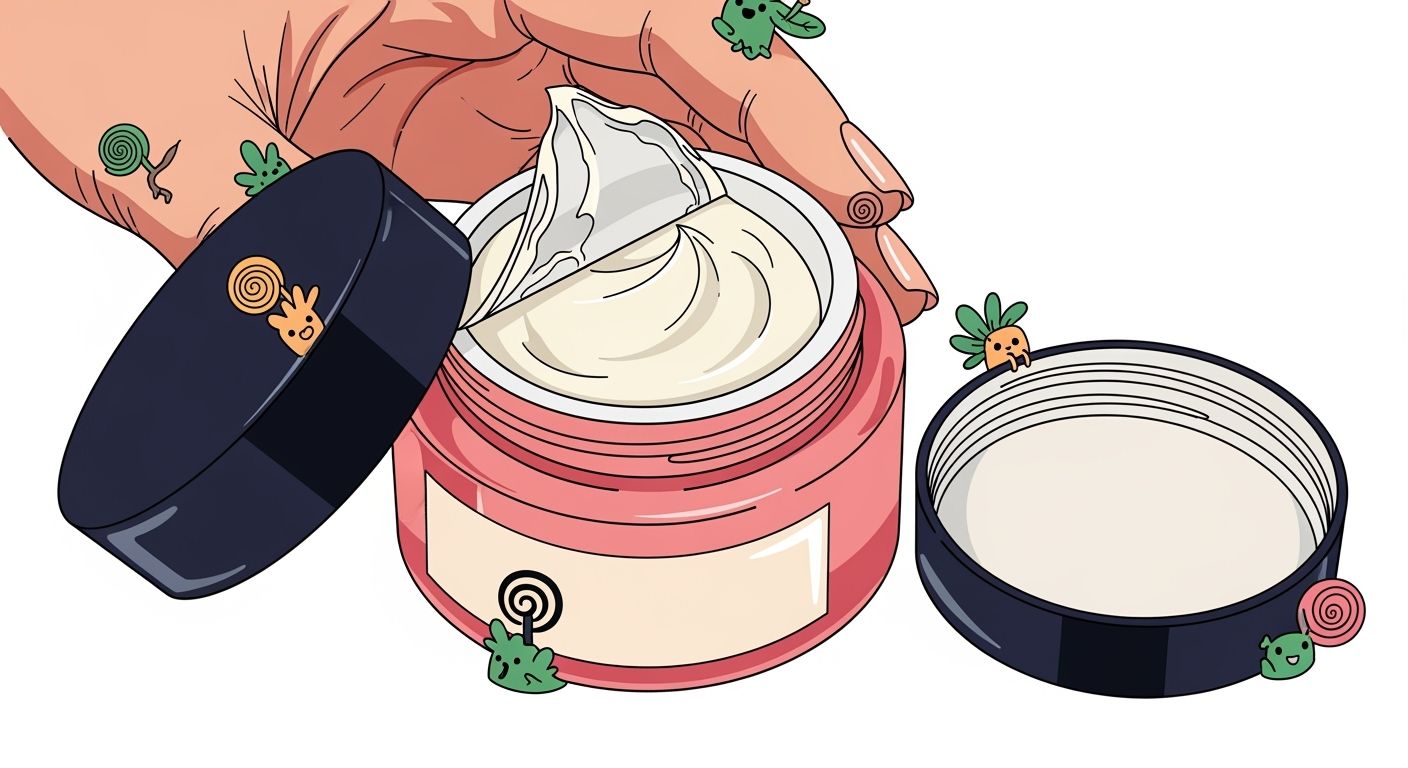
You rely on airtight and tamper-evident skincare jar liners to protect cream products from leakage, contamination, and oxidation. These seals help prevent shipping damage and preserve product quality. Tamper-evident features deter counterfeiters and provide a clear visual confirmation of product integrity. If you are developing premium cream or mask products, choosing the right skincare jars with compatible liners can reduce packaging failure risks before mass production. The table below shows how these liners improve consumer trust and safety:
Evidence | Explanation |
|---|---|
Tamper-evident seals deter counterfeiters | These seals make it clear if a product has been tampered with, ensuring consumers receive authentic products, which builds trust. |
Airtight seals preserve product integrity | They protect against environmental factors that can degrade product quality, reassuring consumers about the safety and effectiveness of the product. |
Visual confirmation of product integrity | Tamper-evident seals provide a visual cue that a product is safe to use, enhancing consumer confidence in the brand. |
Neglecting proper liners exposes your business to complaints, regulatory risks, and loss of brand reputation. To confirm liner compatibility, sealing performance, or jar specifications, you can request a custom packaging quote from Oulete.
Key Takeaways
Use airtight and tamper-evident liners to protect your cream products from leaks and contamination.
Select liner materials based on your cream’s pH and ingredients to ensure compatibility and effectiveness.
Implementing high-quality seals enhances product freshness and extends shelf life, benefiting both your brand and customers.
Regularly evaluate your packaging suppliers to ensure compliance with industry standards and maintain product integrity.
Customizing liners with your brand’s logo can enhance your product’s appeal and reinforce brand identity.
Part1: Skincare Jar Liners and Inner Seals
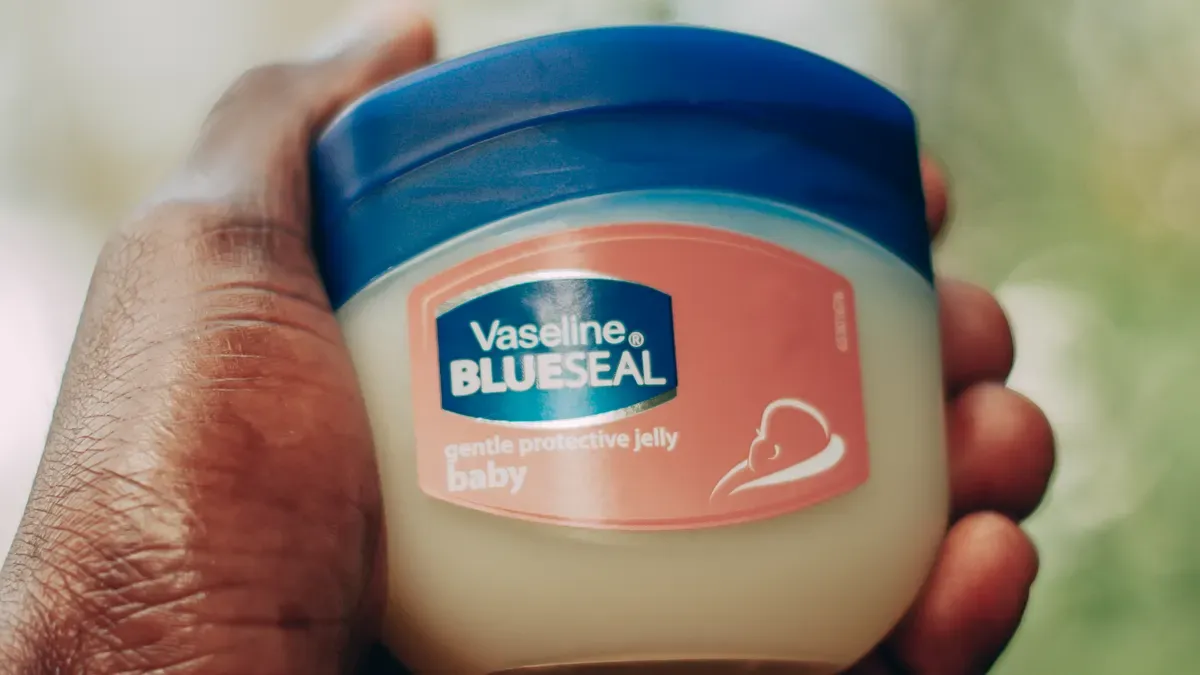
1.1 Types and Functions
You encounter a variety of Skincare Jar Liners when sourcing cream packaging. Each liner type serves a unique function, helping you protect your product and maintain quality during storage and transport. The table below highlights common liner types and their features:
Type | Material | Features |
|---|---|---|
Pull Tab Gaskets | PE or PP plastic | Premium feel, excellent moisture barrier, user-friendly pull tab |
Venting Liners | Specialized Membrane | Allows gas passage while blocking liquids, ideal for active formulas |
Foam Liners | Foam | Suitable for water-based creams, standard protection |
Induction Seals | Various | Recommended for long-distance shipping, high-density protection |
EPE Liners | High-grade EPE | Durable for international transport, prevents seal failure |
You select liners based on product viscosity, shipping needs, and the level of protection required. Pull tab gaskets offer a premium experience, while venting liners suit formulas that release gases.
1.2 Material Compatibility
Choosing the right Skincare Jar Liners means considering how liner materials interact with your cream formulations. You must ensure liners resist oils, alcohols, surfactants, fragrances, and active compounds. The table below outlines key compatibility factors:
Factor | Description |
|---|---|
Material Compatibility | Liners must resist interaction with oils, alcohols, surfactants, fragrances, and active compounds. |
Structural Integrity | Multi-layer films with reinforced seams prevent tearing or leakage under pressure. |
Handling Different Viscosities | Liners are designed to conform to container dimensions, reducing stress and ensuring stable positioning. |
You avoid liner failures by matching materials to your cream’s chemistry and viscosity. Structural integrity ensures your packaging withstands handling and transport.
1.3 Tamper Evidence and Airtightness
You prioritize tamper-evident and airtight liners to protect your brand and meet regulatory standards. Tamper-evident seals provide visible evidence of tampering, which builds consumer trust and ensures product integrity. Airtight liners prevent oxygen and moisture from entering, reducing spoilage and oxidation. You also notice that demand for contamination-resistant packaging is rising in the food and beverage sector due to stricter safety regulations. Airtight seals help maintain product freshness and extend shelf life by blocking oxidation and microbial growth.
Tip: Always verify that your liner supplier offers proven tamper-evident and airtight solutions for your cream packaging. This step safeguards your product and supports your reputation in the beauty industry.
Part2: Benefits for Cream Packaging
2.1 Preventing Leakage and Contamination
You need to keep your cream products safe during storage and shipping. Skincare Jar Liners and inner seals play a critical role in this process. They create a secure barrier that prevents leaks and spills. This barrier helps you maintain product integrity by stopping evaporation and blocking contaminants. You ensure your creams remain safe and effective from your facility to your client’s warehouse.
Liners and seals prevent leaks that can damage outer packaging and cause costly returns.
They reduce the risk of contamination from dust, microbes, or other environmental factors.
You protect your brand reputation by delivering products that arrive in perfect condition.
Note: Consistent use of high-quality liners and seals reduces the risk of product recalls and customer complaints.
2.2 Preserving Freshness and Shelf Life
You want your creams to stay fresh and effective for as long as possible. Liners and seals prevent exposure to air, moisture, and light. These elements can degrade sensitive ingredients in creams and serums. Induction sealing provides a tamper-evident and leak-proof seal. This method enhances the integrity of your health and beauty products. You preserve quality and prevent contamination.
Effective sealing techniques increase shelf life. They minimize contamination and protect the integrity of your ingredients. Your cream products remain fresh, which supports your brand’s promise of quality.
2.3 Enhancing User Experience and Brand Trust
You build trust with your clients by ensuring product integrity. Jar liners and inner seals provide tamper evidence, which is crucial for your buyers. They see that your products have not been opened or altered. This assurance increases confidence in your brand.
Liners and seals prevent contamination, which supports safety and quality.
Tamper-evident features show your commitment to high standards.
The choice of liner influences how your clients perceive your brand’s reliability.
You can look at other industries for inspiration. For example, Dell improved customer satisfaction by using innovative packaging materials. Net-a-Porter enhanced the unboxing experience with luxury packaging. HelloFresh ensured product freshness and safety with insulated liners. These examples show that packaging decisions impact customer satisfaction and brand loyalty.
Tip: Select liners and seals that match your product’s needs and your brand’s image. This decision can set you apart in a competitive market.
Part3: Issues Without Proper Liners
3.1 Leakage and Shipping Damage
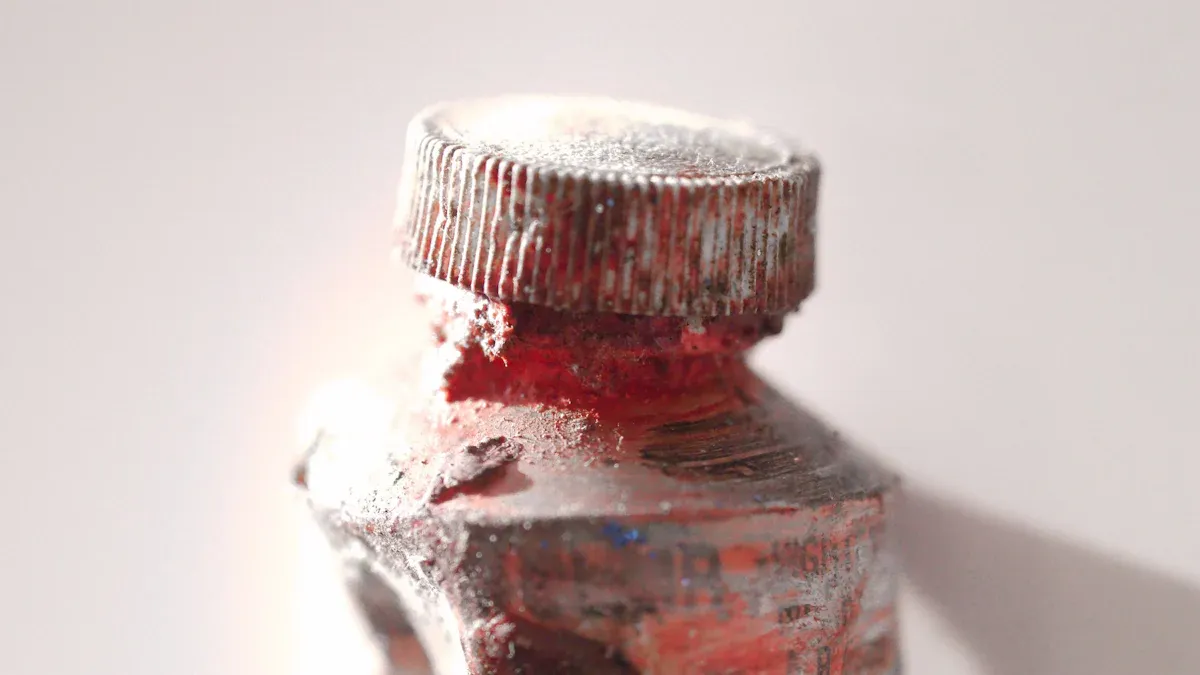
When you skip proper liners, you risk product leakage during shipping. Creams can seep out of jars and damage outer packaging. This leads to messy deliveries and extra costs for replacements. Your clients may receive damaged goods, which can harm your business relationships. You also face higher shipping costs due to returns and repackaging.
An improper liner not only will shorten shelf life, but it can also allow leakage of the product during transit, causing quality problems.
You need to use reliable Skincare Jar Liners to avoid these issues and keep your products secure throughout the supply chain.
3.2 Product Spoilage and Complaints
Without a proper seal, air and moisture can enter the jar. This exposure causes creams to spoil faster. Active ingredients may lose their effectiveness. Clients may notice changes in texture, color, or scent. Spoiled products often lead to complaints and negative reviews. You may also face requests for refunds or replacements. These problems can damage your reputation and increase your costs.
Spoilage leads to wasted inventory.
Complaints can reduce repeat business.
Negative feedback may impact your brand image.
3.3 Regulatory and Safety Risks
Regulatory bodies require safe and tamper-evident packaging for cosmetics. If you do not use proper liners, you risk failing safety inspections. Non-compliance can result in product recalls or fines. Unsafe packaging may also expose users to contamination. This can lead to legal action and loss of trust from your business partners. You must follow industry standards to protect your brand and meet legal requirements.
Note: Always check that your packaging meets current regulations for cosmetic products in your target markets.
Part4: Choosing and Sourcing Liners
4.1 Material Selection and Customization
You need to match liner materials to your cream’s formulation. The pH of your product determines which coating or liner works best. For example, standard polypropylene-lined closures suit creams with a pH between 5.5 and 7.0. If your formula is more acidic, you should consider modified epoxy-amine coatings. Highly aggressive formulations below pH 4.5 require fluorinated polymer coatings or multilayer barriers. The table below helps you choose the right liner for your cream:
pH Range | Coating Recommendation | Notes |
|---|---|---|
5.5–7.0 | Polypropylene-lined or BPA-free phenolic | Stable, low migration rates |
4.5–5.5 | Modified epoxy-amine | Standard linings degrade within 12–18 months |
Below 4.5 | Fluorinated polymer or multilayer barrier | Extensive compatibility testing needed |
You can also customize liners by thickness, color, and branding. Custom disc liners or induction seals can enhance your product’s appearance and performance.
4.2 MOQ, Lead Time, and Quality Control
You must plan for minimum order quantities (MOQ) and lead times when sourcing liners. Stock orders often have low or no MOQ and ship within 1–2 weeks. Custom manufacturing usually starts at 10,000 units, with variable lead times. See the table below for a quick overview:
Sourcing Strategy | MOQ | Lead Time |
|---|---|---|
Stock orders | Low/None | 1–2 weeks |
Custom OEM/ODM | 10,000+ | Varies |
Hybrid | Varies | Varies |
Quality control ensures your liners perform as expected. You should check that inner liners act as hygienic barriers and that cap liners create airtight seals. Precision threads and torque tests help guarantee secure closures and easy opening for end users.
Inner liners minimize air exposure and contamination.
Cap liners keep creams fresh and prevent drying.
Precision threads and torque tests ensure reliability.
4.3 Supplier Evaluation and Cost
You need to evaluate suppliers carefully. The choice of packaging, including liner material and closure system, affects product integrity and brand image.
The selection of packaging is more than a logistical step. It expresses your brand and shows your commitment to product quality. You must understand material science and closure mechanics to make the right choice.
The closure system and liner material determine shelf life and consumer safety.
You should weigh global versus domestic supply options. Reliable partners help you avoid disruptions and maintain operational success.
Cost also plays a role. Foam liners, pressure-sensitive liners, and induction seals each have different price points and performance benefits. Supply chain disruptions, such as reliance on specific materials or facilities, can increase costs and cause delays. You should balance cost, performance, and supply reliability to protect your business.
Skincare jar liners and inner seals protect your cream products and support your brand’s reputation. You prevent leaks, contamination, and spoilage by choosing the right materials and closure systems.
Liners and seals act as the first defense against air and moisture.
Tamper-evident features show your commitment to safety and compliance.
Ongoing evaluation helps you meet industry standards and adapt to market changes.
Careful sourcing ensures product quality, regulatory compliance, and customer satisfaction in every shipment.
FAQ
What is the main purpose of a skincare jar liner?
You use a skincare jar liner to create a barrier between your cream and the jar lid. This barrier prevents leaks, contamination, and oxidation. Liners help you maintain product quality and meet industry safety standards.
How do I choose the right liner material for my cream?
You should match the liner material to your cream’s pH and ingredients. For aggressive or acidic formulas, select specialized coatings. For standard creams, polypropylene or EPE liners work well. You can also compare liner compatibility with different skincare jars before confirming production.
What is the typical MOQ for custom jar liners?
You usually need a minimum order quantity (MOQ) of 10,000 units for custom liners. Stock options may have lower MOQs or none at all. Always confirm with your supplier before placing an order.
How do tamper-evident seals benefit my brand?
You show your commitment to safety and quality by using tamper-evident seals. These seals provide visible proof that your product has not been opened or altered. This builds trust with your clients and helps you comply with regulations.
Can I customize liners with my brand logo or color?
You can customize liners with your logo, color, or special features. Customization helps you reinforce your brand identity and create a premium look. For liner design, jar matching, or decoration support, you can contact Oulete for a quote.