


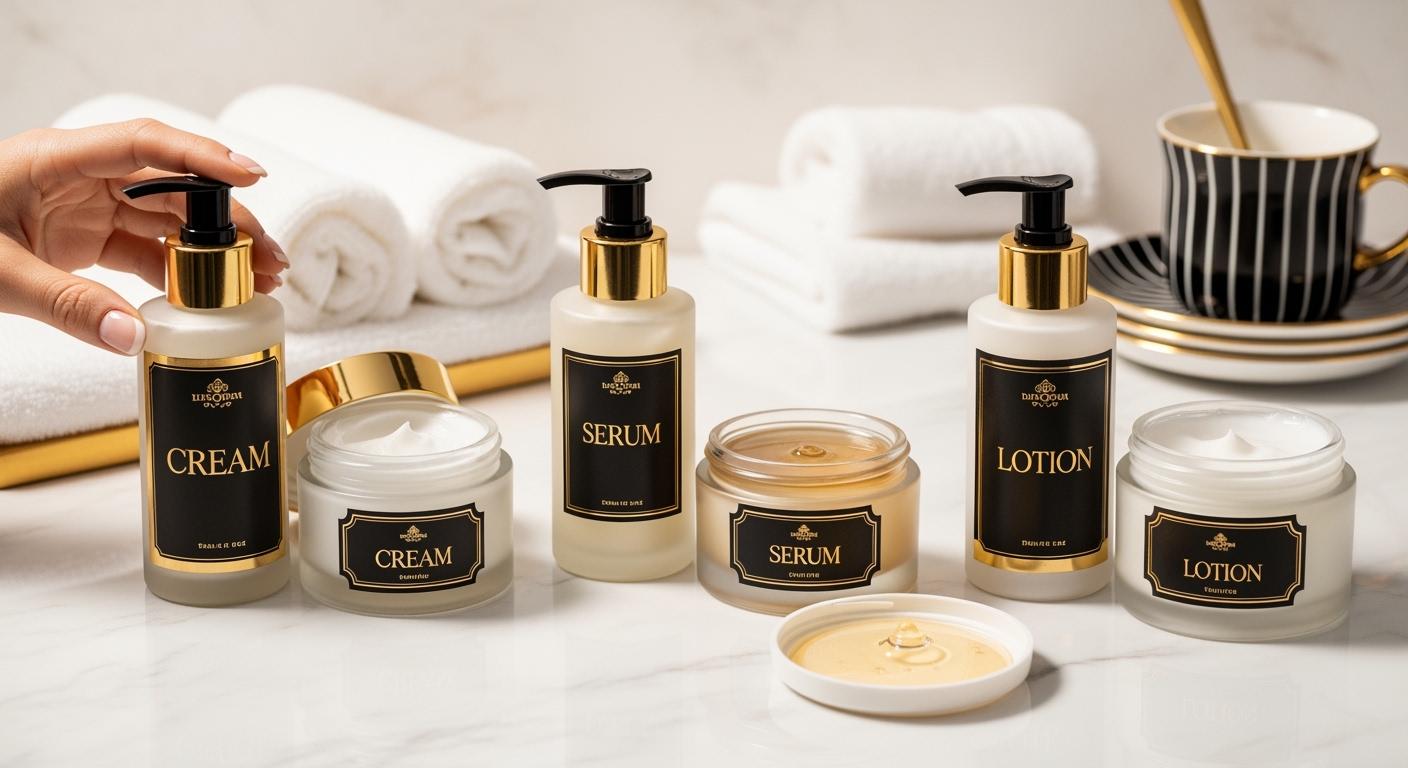
You know that the right pump makes a difference in how your cosmetic product performs. Selecting a pump that matches the formula can protect product integrity and improve user satisfaction.
Choosing the right lotion pump is crucial for user experience.
Compatibility with product formula is essential to prevent issues.
Proper pump selection can enhance efficiency and enjoyment.
Cosmetic Pump Packaging plays a key role in ensuring smooth dispensing and maintaining hygiene throughout the product’s life cycle.
Key Takeaways
Choose the right pump based on your product type—lotion, serum, or cream—to ensure proper dispensing and maintain product quality.
Consider viscosity when selecting a pump; it affects how well the product flows and dispenses, impacting user experience.
Use airless pumps for serums to protect sensitive ingredients from air exposure and contamination, enhancing product longevity.
Measure the neck size of your bottle accurately to ensure compatibility with the pump, preventing leaks and maintaining product integrity.
Customize dip tubes to fit your bottle perfectly, maximizing product retrieval and ensuring efficient dispensing.
Part1: Identify Product Type & Viscosity
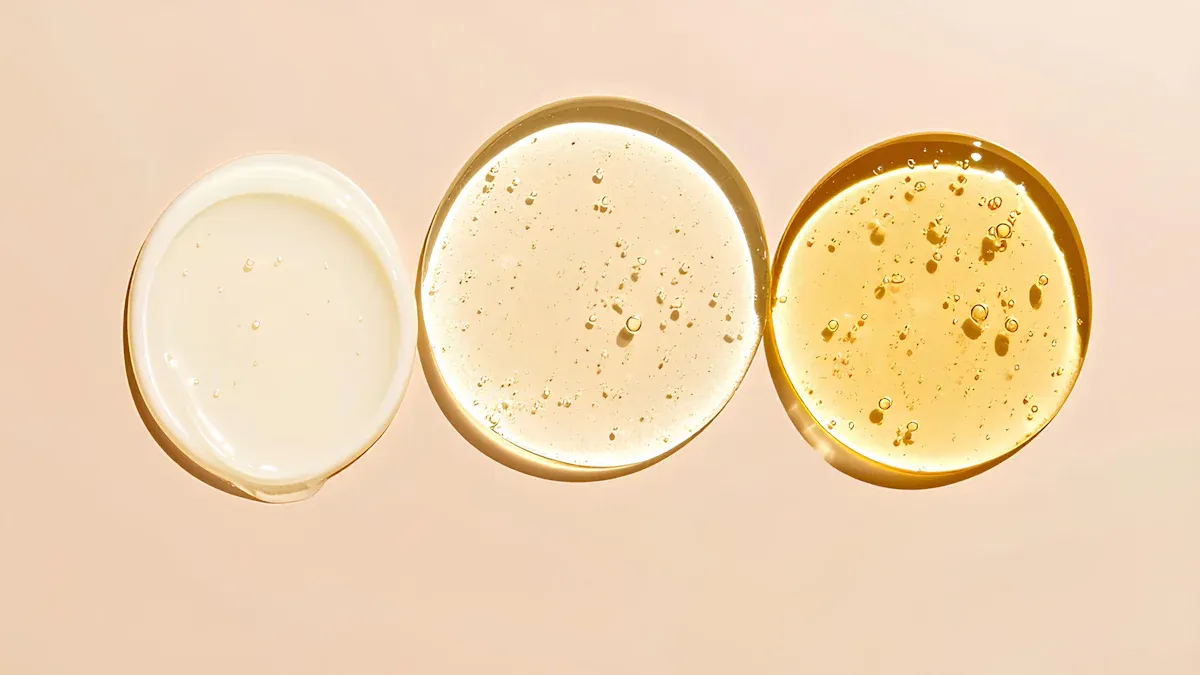
1.1 Lotion, Serum, or Cream?
You need to start by identifying the type of cosmetic product you want to package. Each product—lotion, serum, or cream—has unique characteristics that affect packaging decisions. The table below shows common product types and their preferred packaging options:
Product Type | Common Packaging Types |
|---|---|
Creams | Airless cream pump bottles, Glass cream jars, Acrylic cream jars, Plastic cream jars, Tube packaging |
Lotions | Lotion pump bottles, Airless lotion pump bottles, Tube packaging, Mist/spray bottles |
Serums | Airless Pump Bottles, Serum Pump Bottles, Lotion Pump Bottles |
You should match the product type with the right packaging to ensure proper dispensing and maintain product quality.
1.2 Viscosity and Flow
Viscosity describes how thick or thin a cosmetic product is. You can use this property to predict how the product will flow through a pump. Here is a quick comparison:
Lotions have a lower viscosity and feel lighter.
Creams are thicker and have a richer texture.
Serums are very fluid and absorb quickly.
Viscosity affects how the product feels and how well it dispenses. You want to select packaging that supports the natural flow of your formula.
Tip: Test the flow of your product before choosing a pump. This step helps you avoid clogging or leaking issues later.
1.3 Why Viscosity Impacts Pump Choice
You must consider viscosity when selecting a pump for your packaging. The table below outlines how different viscosity ranges match with pump types:
Viscosity Range (cP) | Pump Type | Description |
|---|---|---|
<100 | Peristaltic Pump | Best for very thin products; less effective with thicker formulas. |
100 – 1,000 | Piston Pump | Handles medium viscosity; works well for most lotions and some serums. |
>1,000 | Pressure Vessel | Designed for thick creams; ensures smooth dispensing without clogging. |
Cosmetic Pump Packaging works best when you align the pump type with the viscosity of your product. This approach ensures efficient dispensing and a positive user experience.
Part2: Cosmetic Pump Packaging Options
2.1 Airless Pumps for Serums
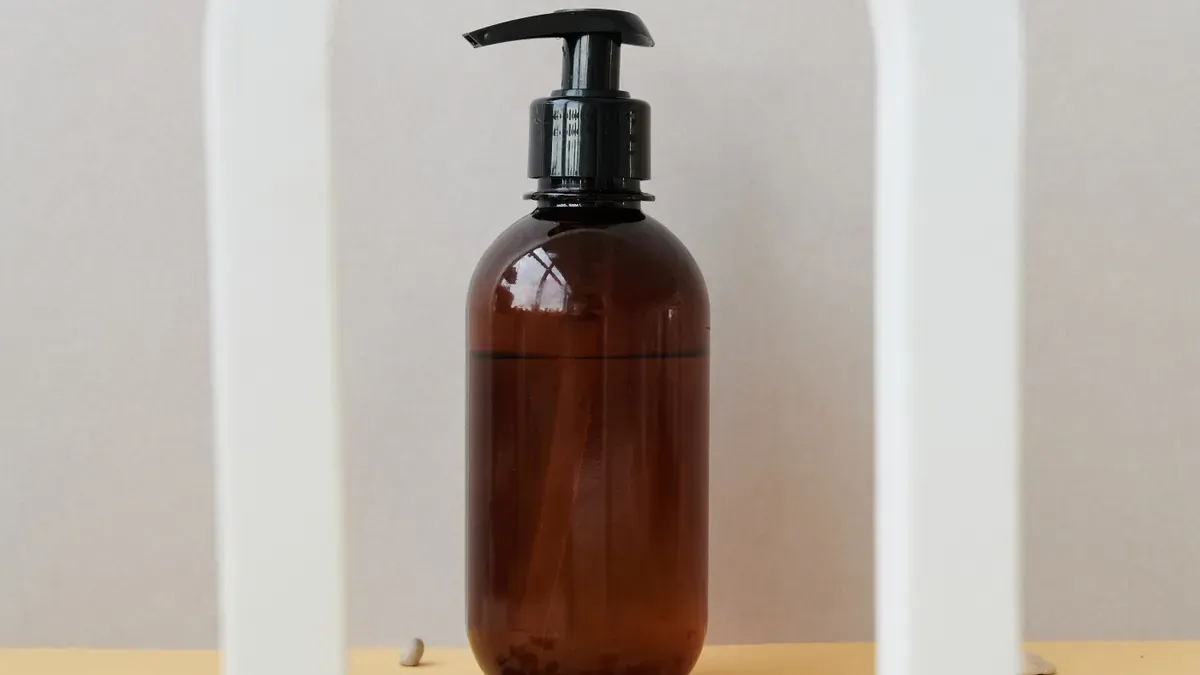
You should consider airless pumps when packaging serums. These pumps use a vacuum system that prevents air from entering the container. This design protects sensitive ingredients from oxidation and contamination. Airless pumps also allow for precise dosing, which is important for lightweight products like serums and oils. The table below compares airless pump bottles with traditional pump bottles:
Feature | Traditional Pump Bottles | Airless Pump Bottles |
|---|---|---|
Air Exposure | Product is exposed to air, causing oxidation. | Product is completely sealed from air, preserving active ingredients. |
Contamination Risk | Risk of microbial contamination from air and fingers. | Sealed system prevents external contamination. |
Hygiene | Good, but air can enter. | Excellent, with no air entry or finger contact. |
Product Protection | Good, but air exposure is a factor. | Superior protection from air, light, and contaminants. |
Dispensing | Direct contact can lead to contamination. | No-touch dispensing enhances hygiene and safety. |
Tip: Airless pumps support sustainability trends. Many brands now use refillable airless systems to reduce plastic waste.
2.2 Cream Pumps and Jars
You can use cream pumps and jars for high-viscosity products such as night creams and targeted treatments. Airless jars combine the luxury feel of traditional jars with the protective benefits of airless technology. This packaging allows for sanitary application and precise dosing. Cream jars also minimize product waste and improve shelf life. The table below highlights the advantages of cream jars:
Advantage | Description |
|---|---|
Hygiene | Jars eliminate the need for repeated finger contact, reducing contamination risks. |
Product Stability | They maintain consistency without relying on pumps that can introduce air bubbles. |
User Convenience | The wide-mouth design allows easy access to thick creams, minimizing waste. |
Customization | Jars can be made from various materials, allowing brands to differentiate their products visually. |
Sanitary application reduces hygiene concerns.
Precise dosing ensures controlled use.
Premium aesthetic supports brand positioning.
2.3 Lotion Pump Bottles
Lotion pump bottles work well for thicker liquids such as body lotions and conditioners. These bottles often include a locking feature to prevent leaks during transport. The pump design ensures smooth dispensing without clogging. Lotion pump bottles differ from airless pumps because they use a dip tube and do not provide a vacuum seal. The table below outlines key design features:
Type of Pump Bottle | Design Features | Purpose |
|---|---|---|
Lotion Pump Bottles | Designed for thicker liquids, often with a locking feature. | Ideal for dispensing products like shampoo and body lotion. |
Airless Pump Bottles | Utilizes a vacuum mechanism, no dip tube, protects from air. | Best for serums and creams that require preservation. |
Cosmetic Pump Packaging must match the viscosity and sensitivity of your product. You should evaluate hygiene, sealing, and dispensing features when selecting the right packaging for your formula.
Part3: Pump Selection Criteria
Selecting the right pump for your cosmetic product involves more than just matching the look. You need to ensure compatibility between the pump and the bottle for optimal performance and product integrity. This section guides you through the essential criteria for pump selection in Cosmetic Pump Packaging.
3.1 Neck Size & Closure
You must start by measuring the neck size and choosing the correct closure type. The neck finish determines which pumps and closures will fit your bottle. Industry standards use a two-number system, such as 24-410, where the first number is the diameter (in millimeters) and the second is the thread style.
Neck Finish | Typical Use | Common Closures |
|---|---|---|
20-410 | Serums, eye drops, small bottles (1-2 oz) | Treatment pumps, fine mist sprayers, droppers |
24-410 | Lotions, shampoos, body washes (4-16 oz) | Disc-top caps, flip-top caps, lotion pumps |
24-400 | Similar to 24-410, different thread pattern | Not interchangeable with 24-410 closures |
28-410 | Larger bottles (16-32 oz) | Pumps, sprayers, disc-tops |
28-400 | Beverage-style bottles | Press-on caps, flip-tops |
30-400 | Personal care, larger format | Disc-tops, snap caps |
42-410 | Wide-mouth jars and bottles | Jar caps, wide flip-tops |
Note: Always match the thread style number between the bottle and closure. For example, a 24-410 pump will not fit a 24-400 bottle, even though the diameter is the same. The thread pitch and depth differ.
You should consider the following when selecting neck size and closure:
Proper compatibility prevents leaks and maintains product freshness.
Thread compatibility ensures a snug fit and protects the product.
Tamper-evident features add safety and build trust with your clients.
A secure seal enhances user satisfaction and product integrity.
3.2 Dosage & Output
You need to determine the ideal dosage and output for your product. The pump output affects how much product dispenses with each press. This factor influences both user experience and product waste.
Most pumps deliver a consistent amount, usually between 0.25 ml and 0.5 ml per press.
Pumps reduce over-dispensing and spills, which can occur with droppers or open bottles.
Treatment pumps provide precise dosing, which helps maintain product quality and reduces contamination risk.
Tip: Select a pump output that matches the viscosity and intended use of your product. For example, a serum may require a lower output for targeted application, while a body lotion may need a higher output for full coverage.
When you choose the right dosage, you help your clients control usage and minimize waste. This approach supports both cost efficiency and sustainability goals.
3.3 Dip Tube Length
You must adjust the dip tube length to fit your bottle perfectly. An incorrect dip tube can cause poor dispensing or leave product at the bottom of the container. Follow these best practices for measuring and cutting dip tubes:
Measure from the gasket (the base of the pump head) to the tip of the dip tube using a ruler or depth gauge.
Subtract the wall thickness of the container and an extra 1/32 inch (0.8 mm) for optimal fit.
Cut the dip tube to the final length with sharp scissors or a tube cutter. Make sure the cut is clean and straight.
Test the dip tube by inserting it into the bottle and checking the dispensing function.
Straight dip tubes reach the bottom center of the bottle for maximum product retrieval.
Curved dip tubes are longer and designed for bottles with rounded bottoms.
Manufacturers also consider the tube’s diameter, material, and the viscosity of the product. Thinner tubes may bend to reach more product, while thicker tubes work best for creams and viscous formulas. Cutting the dip tube at an angle prevents it from sitting flush against the bottom, which improves dispensing.
Best Practice: Test the pump and dip tube with your actual product and bottle. This step ensures smooth dispensing and minimizes waste.
Cosmetic Pump Packaging requires careful attention to these details. By following these criteria, you can ensure your packaging solution delivers reliability, safety, and a positive experience for your clients.
Part4: Adjusting for Fit & Function
4.1 Measuring Bottle Height
Accurate bottle height measurement is essential for ensuring your pump and dip tube fit perfectly. You can follow these steps to achieve precise results:
Place the bottle on a flat, stable surface.
Use a vernier caliper to measure from the base to the highest point of the bottle mouth.
Rotate the bottle 360 degrees to check for any variation in height.
Compare your measurements with the design specifications to confirm accuracy.
This process helps you avoid mismatches between the pump and the bottle, which can lead to dispensing problems or product waste.
4.2 Customizing Dip Tubes
You need to customize dip tubes to match the unique dimensions of your packaging. Proper dip tube length ensures that your pump dispenses nearly all the product, reducing waste and improving efficiency. Consider these techniques:
Cut curved dip tubes slightly longer than the bottle height so they reach the lowest point inside the container.
Use a depth gauge for precise measurement, especially for custom or irregularly shaped bottles.
Measure from the neck opening to the lowest point, accounting for any curves or angles in the container.
By tailoring the dip tube, you maximize product retrieval and maintain consistent dispensing performance.
4.3 Preventing Dispensing Issues
Dispensing issues can disrupt product delivery and affect user satisfaction. Common causes include trapped air, dried product blocking the nozzle, overly thick formulas, or faulty pump components. You can prevent and resolve these problems by following these steps:
Prime the pump by pressing it several times to remove air bubbles.
Inspect the nozzle for clogs and clean if necessary.
Hold the bottle at different angles to encourage flow.
Check that the bottle contains enough product.
Ensure the dip tube is securely attached to the pump.
Dispense slowly to allow proper flow.
Shake the bottle gently to distribute the product evenly.
Store the bottle upright in a cool, dry place.
Keep the nozzle area clean and free from debris.
Tilt the bottle to help remaining product reach the dip tube.
By addressing these factors, you ensure reliable pump performance and maintain the integrity of your cosmetic packaging.
You can achieve the best results by following these key steps:
Check that the pump fits your bottle’s neck size.
Select a pump that matches your product’s viscosity.
Customize the pump design to reflect your brand.
Proper pump selection supports product quality and enhances user satisfaction. You gain efficient dispensing, strong product protection, and a polished appearance. For advanced solutions, consult with packaging experts. They help you improve convenience, reduce waste, and ensure your packaging meets industry standards.
FAQ
How do you determine the right pump for a new cosmetic formula?
You should test the formula’s viscosity and flow. Match these properties with pump specifications. Consult your packaging supplier for compatibility. Oulete can help you review formula needs, bottle structure, and pump options through its custom cosmetic packaging services.
What is the best way to measure bottle neck size for pump selection?
You can use a caliper to measure the diameter and thread style. Refer to industry standards like 24-410 or 28-400. Accurate measurement prevents leaks and ensures a secure fit between pump and bottle.
Can you customize dip tubes for unique bottle shapes?
Yes, you can cut dip tubes to match bottle height and shape. Use a depth gauge for precision. Customization maximizes product retrieval and supports consistent dispensing.
Why does pump output matter for professional cosmetic packaging?
Pump output controls product dosage. You select output based on formula viscosity and intended use. Proper output reduces waste and supports user satisfaction.
What steps help prevent pump clogging in thick creams?
You should prime the pump before use. Clean the nozzle regularly. Choose pumps designed for high-viscosity products. These steps maintain smooth dispensing and minimize downtime.