


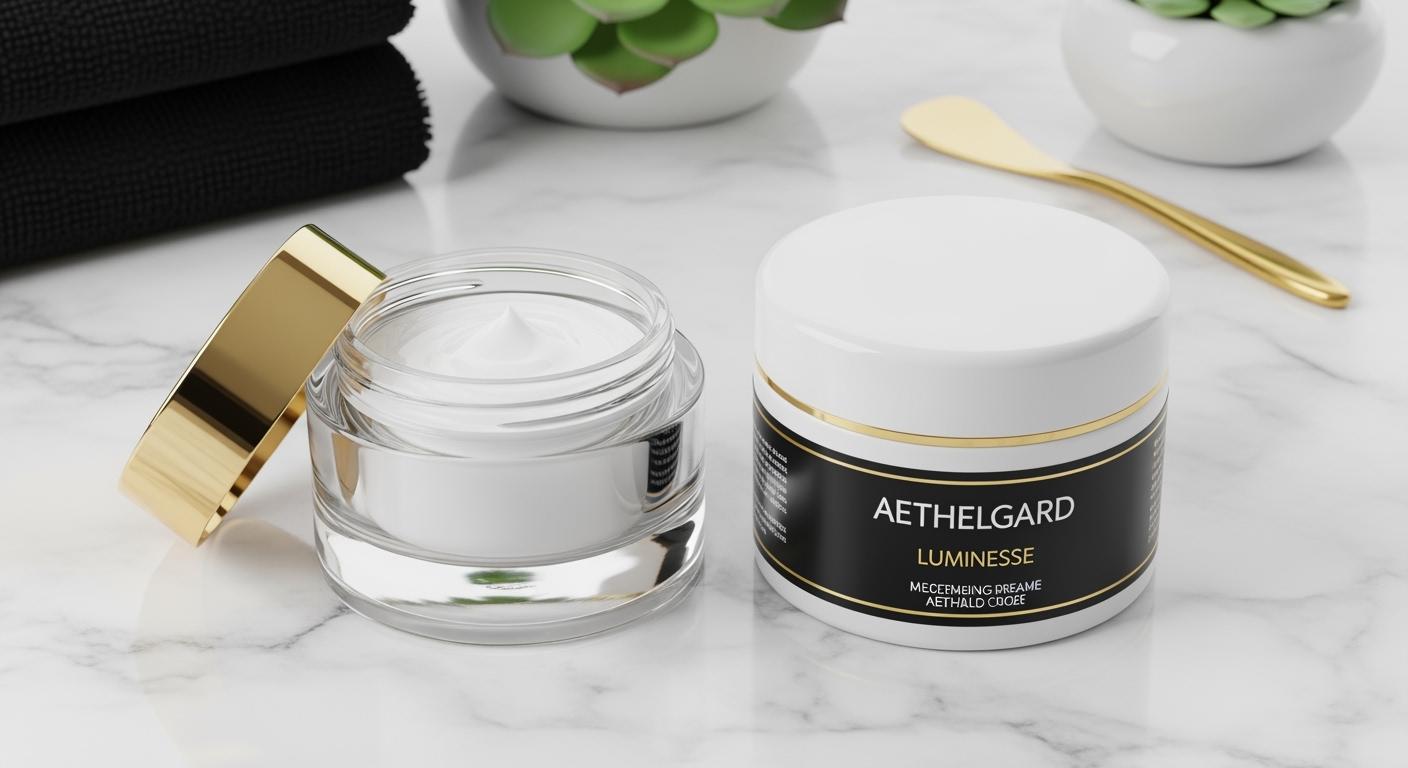
When you select packaging for skincare, you want to protect what matters most: your product’s ingredients. Industry surveys show what buyers care about:
Quality ingredients top the list for 35% of women shopping for skincare.
Scientific research and clinical trials come in close behind at 31%.
If you want to keep those quality ingredients potent and safe, glass cream jars offer a clear advantage for your brand.
Key Takeaways
Glass cream jars preserve skincare ingredients better than plastic. They block UV light and moisture, keeping products stable and effective.
Safety is a priority. Glass jars are non-toxic and do not leach harmful chemicals, making them safer for sensitive skincare formulas.
Choose glass for sustainability. Glass is 100% recyclable and can be reused endlessly, reducing environmental impact compared to plastic.
User experience matters. Glass jars convey luxury and quality, while plastic jars offer convenience and durability for on-the-go use.
Consider cost vs. value. Glass jars may have higher upfront costs but enhance brand reputation and product integrity, justifying the investment.
Part 1: Preservation
1.1 Glass Cream Jars: Stability
When you want your skincare formulas to stay potent, Glass Cream Jars give you a clear edge. You get a material that doesn’t react with your product. Glass blocks UV light, air, and moisture, so your active ingredients—like vitamins and antioxidants—stay stable longer. If you store sensitive formulas in glass, you protect them from sunlight and temperature swings. That means your creams keep their texture and effectiveness.
Tip: Always use airtight liners with glass jars. This helps prevent oxidation and moisture loss, which can cause up to 40% drop in potency for ingredients like Vitamin C or Retinol.
Here’s a quick look at how glass compares to plastic for preservation:
Property | Glass | Plastic |
|---|---|---|
Chemical Inertness | High; stable, does not react with contents | Lower; may react with certain ingredients |
Airtightness | Excellent; prevents oxidation | Moderate; can allow air and moisture in |
Barrier Properties | Strong; blocks UV, oxygen, and moisture | Weaker; less effective at blocking elements |
Permeability | Impermeable; does not age | Permeable; can degrade over time |
Suitability for Long-term | Ideal for sensitive formulations | Not recommended for long-term storage |
If you want more details on glass packaging science, check out Glass Packaging for Cosmetics for an authoritative overview.
1.2 Plastic Jars: Stability
Plastic jars offer some protection for your skincare products. They block air, light, and contaminants, so your creams stay safe from outside threats. You also get less moisture loss, which helps keep the texture consistent. However, plastic is more porous than glass. Over time, air and moisture can seep in, and some plastics may react with active ingredients. This can lead to ingredient degradation and shorter shelf life.
If you’re looking for packaging that keeps products effective from first use to last, plastic jars do a decent job. But they don’t match the barrier strength of glass.
1.3 Which Preserves Better
You want your skincare products to deliver results every time. Glass Cream Jars stand out for preservation. They are non-reactive, block UV light, and keep air and moisture out. This means your formulas stay stable, and your brand reputation stays strong. Plastic jars help protect your products, but they can’t match the impermeability and long-term stability of glass.
Note: If you’re packaging sensitive or high-value skincare, glass jars are the best choice for maintaining product integrity and shelf life.
Part 2: Safety
2.1 Glass Cream Jars: Safety
When you choose packaging for skincare, safety should always come first. Glass Cream Jars give you peace of mind because they are non-toxic and non-leaching. You never have to worry about chemicals like BPA or phthalates getting into your formulas. These chemicals can disrupt hormones and have been linked to serious health problems, including cancer, lower IQ, reproductive issues, and developmental problems in children. Some studies even connect them to earlier puberty in girls and higher rates of testicular cancer.
You want a packaging material that keeps your product pure. Glass does not react with active ingredients, so it protects even the most sensitive skincare formulas. Take a look at how glass performs in terms of chemical safety:
Evidence Type | Description |
|---|---|
Chemical Inertness | Glass does not react with active ingredients, ensuring the integrity of sensitive skincare formulas. |
Non-Toxicity | Glass provides a non-reactive barrier, preventing unwanted interactions that could compromise product safety. |
Dermatological studies show that glass is non-reactive and does not interact with its contents. This means you get a lower risk of contamination and a safer product for your customers. Glass comes from natural materials and helps preserve freshness without adding any harmful substances.
2.2 Plastic Jars: Safety
Plastic jars might seem convenient, but they come with real safety concerns. Many plastics can leach chemicals into your skincare products, even those labeled as BPA-free. Almost all plastic products tested in recent studies released chemicals with estrogenic activity, which can disrupt the endocrine system.
Here are some chemicals and risks you should know about:
Chemicals with estrogenic activity (EA) can leach from various plastic products.
Polyethylene Terephthalate (PET): Can leach antimony and break down under high temperatures.
Polypropylene (PP): Used for caps and jars, but can degrade with UV exposure.
Polycarbonate (PC): Contains Bisphenol A (BPA), a known endocrine disruptor.
Phthalic acid: Toxic, can cause skin inflammation and dermatitis.
Bromine: Found in PET bottles, can depress the central nervous system.
If your skincare products contain essential oils, plastic jars become even riskier. Essential oils are highly potent and can damage or break down plastic containers. This increases the chance of chemical leaching and product contamination. For products with essential oils, glass or aluminum jars are a much safer choice.
2.3 Which Is Safer
You want to deliver safe, high-quality skincare to your customers. Glass Cream Jars stand out as the safer option for packaging. They do not leach harmful chemicals, react with ingredients, or break down when exposed to essential oils. Glass keeps your formulas pure and stable, reducing the risk of contamination or adverse reactions.
Plastic jars, on the other hand, can introduce unwanted chemicals into your products. This risk increases with heat, UV exposure, or the presence of essential oils. If you want to protect your brand and your customers, glass is the clear winner for safety.
Tip: For brands that focus on sensitive skin or high-value formulas, choosing glass packaging can help you build trust and avoid costly recalls or customer complaints.
Part 3: Sustainability
3.1 Glass Jars: Eco Impact
If you want your brand to stand out as eco-friendly, glass jars give you a strong foundation. Glass is 100% recyclable and can be reused over and over without losing quality. You can melt down old glass jars and turn them into new ones or even use them in construction materials. This endless recyclability helps you reduce waste and show your commitment to sustainability.
However, you should know that making new glass jars uses a lot of energy. The process creates a higher carbon footprint than plastic manufacturing. When you use recycled glass, you cut down on carbon emissions and energy use. Many major markets have strong recycling systems for glass, but you still need proper sorting and local processing to get the full benefit.
Glass is 100% recyclable and can be reused endlessly.
Recycled glass lowers energy use and carbon emissions.
Glass recycling helps brands reduce waste and promote a greener image.
3.2 Plastic Jars: Environmental Impact
Plastic jars offer some advantages, but they come with big environmental challenges. You can recycle plastic, but only a few times before it loses quality. Most plastic jars end up in landfills or the environment, where they break down into microplastics. These tiny particles can pollute soil and water, creating long-term risks.
Improper disposal of plastic jars can lead to pollution, especially if they contain leftover chemicals. These chemicals can leak into the ground or water, harming ecosystems and public health.
Plastic can only be recycled a limited number of times.
Improper disposal can pollute soil and water.
Residual chemicals in jars can harm sanitation workers and communities.
3.3 Which Is Greener
You want your business to make responsible choices. Glass jars win on sustainability because you can recycle them forever without losing quality. They do use more energy to produce, but using recycled glass helps lower the carbon footprint. Plastic jars are lighter and cheaper to ship, but they create more waste and pollution over time.
Leading environmental organizations call glass a healthier, more sustainable option. It’s free from harmful chemicals and lasts longer than plastic. If you want to boost your brand’s green credentials, glass jars are the way to go.
Tip: If you want to maximize your sustainability impact, use recycled glass and work with local recycling programs.
Part 4: User Experience
4.1 Glass Jars: Handling
When you choose glass cream jars for your skincare line, you send a message of luxury and quality. Customers often see glass as sophisticated and eco-friendly, which can boost your brand’s reputation. Many users love the look and feel of glass jars, especially when the design is sleek and the surface is easy to grip. If you add grip-friendly textures and easy-to-open lids, you make your products more accessible—even for people with physical limitations.
However, glass jars come with some challenges. The weight of glass can make shipping more expensive and handling less convenient. You also face the risk of breakage, which can lead to product loss and customer complaints. Here’s what users often say about glass jars:
Glass jars look and feel premium, which increases satisfaction.
The heavier weight can cause concerns about dropping or breaking the jar.
Many customers prefer glass for its eco-friendly appeal and perceived higher quality.
Tip: If you want to maximize user satisfaction, consider adding non-slip coatings or ergonomic lids to your glass jars.
4.2 Plastic Jars: Handling
Plastic cream jars offer a different set of advantages. You get lightweight packaging that’s easy to carry and ship. Plastic jars are shatterproof, so you don’t have to worry about breakage during transport or daily use. This makes them a practical choice for travel kits or on-the-go skincare routines. The design of plastic jars often allows for quick and easy access to creams and masks.
Feature | Description |
|---|---|
Lightweight | Easy to carry, enhancing portability for users on the go. |
Shatterproof | Durable and resistant to breaking, making them safe for travel. |
Easy Access | Design allows for straightforward access to the product, improving convenience. |
But plastic jars have their drawbacks. Users often complain about hygiene issues, especially if the jar is opened and closed frequently. Exposure to air and humidity can also affect the stability of active ingredients. Here’s a quick look at common complaints:
Complaint Type | Description |
|---|---|
Hygiene Issues | Users report risks of bacterial contamination leading to skin issues like rashes and infections. |
Product Stability | Exposure to air and light can destabilize active ingredients, reducing their effectiveness. |
Oxidation of Ingredients | Opening jars exposes products to oxidation, degrading ingredients and potentially harming skin. |
Inadequate Packaging for Actives | Certain active ingredients perform poorly in jars, necessitating airless packaging for stability. |
4.3 Which Is More Practical
If you want to deliver the best user experience, you need to balance luxury with practicality. Glass jars win points for aesthetics and eco-friendliness. In fact, 75% of Europeans prefer glass packaging for beauty and medical products, and most millennials see glass as the best choice for health and the environment. However, glass can be heavy and fragile, which may increase costs and risks for your business.
Plastic jars excel in portability and durability. They are easy to ship, safe for travel, and convenient for everyday use. But you may face more complaints about hygiene and product stability.
Note: For premium skincare lines, glass jars can elevate your brand and satisfy eco-conscious customers. For travel kits or budget-friendly products, plastic jars offer unbeatable convenience.
Part 5: Cost & Value
5.1 Price Comparison
When you compare glass and plastic cream jars, cost often becomes a deciding factor for your business. Glass jars usually come with a higher price tag. You pay more for the raw material, production, and shipping because glass is heavier and more fragile. Plastic jars, on the other hand, offer a more budget-friendly option. They cost less to produce and ship, which can help you keep your margins healthy—especially if you operate at scale.
Here’s a quick look at the average unit cost for each material:
Material | Unit Cost |
|---|---|
Glass | High |
Plastic | Low-medium |
You might find that plastic jars fit better if you want to launch a mass-market line or need to keep costs down. Glass jars make sense when you want to position your brand as premium or eco-conscious, even if you pay more upfront.
Note: Shipping costs can add up quickly with glass due to its weight and breakability. Factor this into your total cost of ownership when planning your packaging budget.
5.2 Value for Brands
Choosing the right jar does more than affect your bottom line—it shapes your brand’s reputation and customer loyalty. Glass jars bring a range of value-added benefits that go beyond the initial investment:
Product Integrity Preservation: Glass keeps your formulas stable and potent, which means fewer complaints and returns.
Eco-friendliness: You show your commitment to sustainability, which appeals to retailers and eco-conscious buyers.
Non-reactivity: Glass protects natural and organic ingredients, making it ideal for clean beauty lines.
Premium Aesthetic Appeal: The look and feel of glass elevate your product, helping you command higher price points.
Sustainability: You can reuse glass jars multiple times, which supports your green initiatives.
Visibility: Clear glass lets buyers see the product, which can boost trust and drive sales.
Aesthetics: Sleek glass designs add sophistication and help your products stand out on the shelf.
When you use glass packaging, you send a message of luxury and quality. Many brands report that glass jars help them justify higher prices and attract customers who want the best. Plastic jars, while practical and cost-effective, often signal a mass-market approach. They work well for travel kits or entry-level lines but may not deliver the same brand prestige.
Tip: If you want to position your skincare line as high-end or eco-friendly, investing in glass jars can pay off in stronger brand perception and higher margins.
You want your skincare products to stand out and stay safe. Glass Cream Jars offer the best mix of preservation, safety, and sustainability. They help you protect your formulas and boost your brand’s image. If you want to position your business as premium or eco-friendly, choose glass. Next, review your supply chain and work with trusted partners to optimize your packaging process.
FAQ
What makes glass jars a better choice for premium skincare brands?
Glass jars signal luxury and quality. You boost your brand image and attract buyers who value eco-friendly packaging. Glass also preserves product integrity, helping you maintain high standards.
Are plastic jars suitable for sensitive skincare formulas?
Plastic jars can pose risks. Some plastics leach chemicals, especially with essential oils. If you want to protect sensitive formulas, glass jars offer safer, non-reactive packaging.
How does jar material affect shipping and logistics?
Plastic jars weigh less and resist breakage. You save on shipping costs and reduce damage claims. Glass jars cost more to ship but elevate your brand’s reputation.
Can you recycle both glass and plastic cream jars?
You can recycle both materials. Glass jars recycle endlessly without losing quality. Plastic jars recycle only a few times before degrading. Glass supports your sustainability goals better.
What should you consider when choosing jar packaging for your skincare line?
Think about product preservation, safety, sustainability, user experience, and cost. Glass jars work best for premium, eco-conscious brands. Plastic jars fit mass-market or travel lines. Need skincare jars for your cream or mask products? Explore Oulete’s skincare jar packaging for glass jar options, custom finishes, and brand-ready cosmetic packaging solutions.