


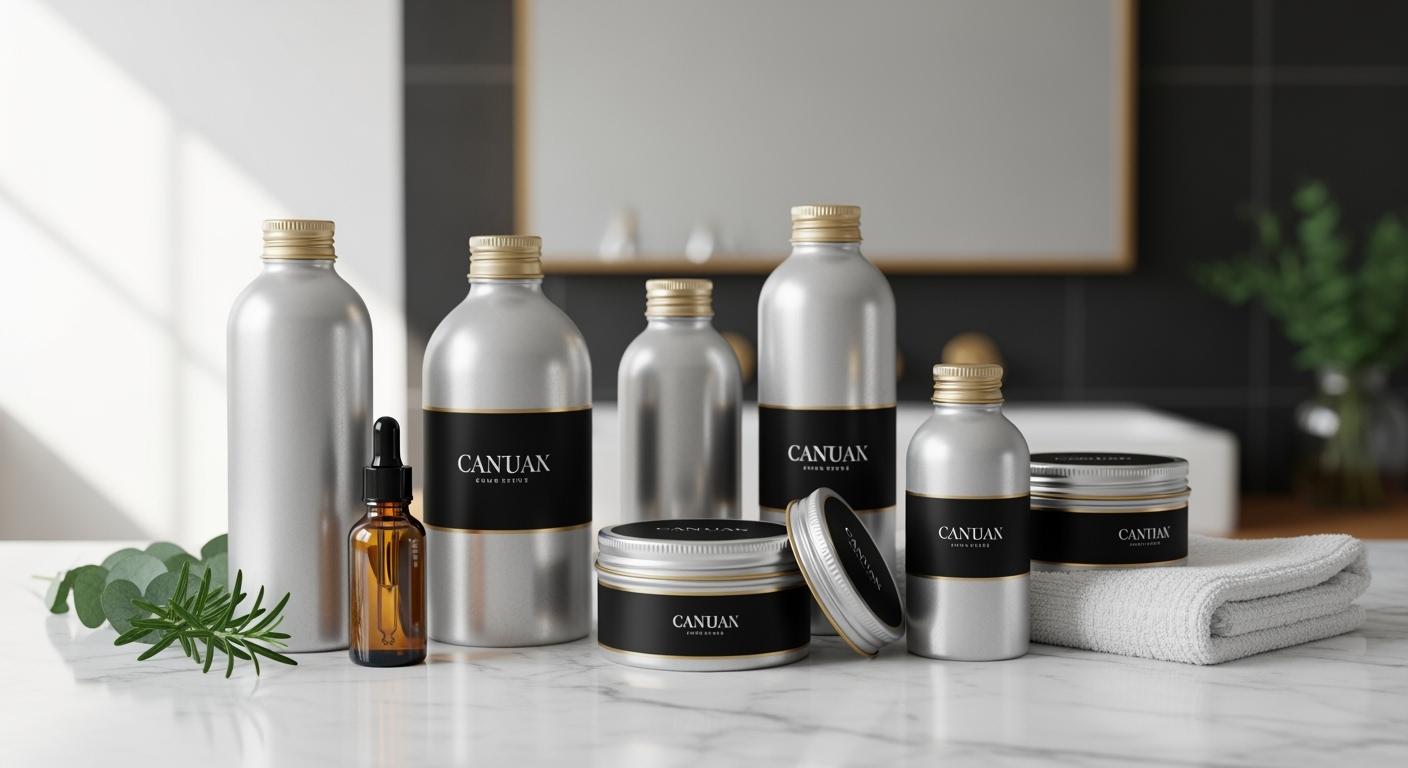
If you want your skincare brand to stand out, choose aluminum bottles or jars when your formulas need strong protection and your brand values eco-friendly solutions. You should match your packaging to both your product’s needs and what your customers expect. Consider these points:
Many buyers now prefer sustainable options.
Aluminum Cosmetic Packaging is infinitely recyclable and lowers environmental impact.
Brands using aluminum bottles often boost their reputation among eco-conscious clients.
Let your packaging reflect your commitment to quality and sustainability.
Key Takeaways
Choose aluminum packaging for skincare products needing strong protection and sustainability. It enhances product safety and aligns with eco-friendly values.
Aluminum bottles, jars, and tubes offer versatility for various skincare formulas. They protect sensitive ingredients from light and air, ensuring product stability.
Aluminum is infinitely recyclable, making it a smart choice for brands aiming to reduce environmental impact. This boosts your brand’s reputation among eco-conscious consumers.
Customization options for aluminum packaging allow brands to create a unique identity. High-resolution printing and various finishes enhance shelf appeal.
Consider supply chain challenges and regulatory compliance when switching to aluminum. Strong supplier relationships and clear branding strategies ease the transition.
Part 1: Aluminum Cosmetic Packaging Overview
1.1 Forms: Bottles, Jars, Tubes
When you look at Aluminum Cosmetic Packaging, you’ll see three main forms: bottles, jars, and tubes. Bottles stand out as the most versatile option for skincare brands. You can use them for serums, toners, oils, and even lotions. Their lightweight design makes shipping easier and reduces costs.
Jars work well for creams, balms, and body butters. They offer a wide opening, so your customers can access thicker products with ease.
Tubes are perfect for travel-sized products or items that need controlled dispensing. They keep formulas fresh and are easy to squeeze.
Tip: Bottles often provide the best balance between product protection and user experience for most skincare applications.
1.2 Key Features and Safety
You want your packaging to keep products safe and stable. Aluminum Cosmetic Packaging uses a special lacquer lining inside each bottle, jar, or tube. This lining acts as a barrier, so your formula never touches the metal. Here’s what this means for your products:
The lacquer lining prevents any reaction between the aluminum and your skincare formula.
It keeps the packaging corrosion-free, which protects product purity.
The lining blocks moisture, gas, odor, and light, so your product stays fresh.
It minimizes air entry, reducing the risk of changes to your formula.
The lacquer’s inert nature means no unwanted chemical reactions.
Regulatory standards also play a big role in packaging safety. Here’s a quick look at the main regulations you should know:
Regulation Type | Description |
|---|---|
FDA Regulations (USA) | Packaging must be free from harmful chemicals, resist leakage, and not react with the product. |
EU Regulations (EC) No 1223/2009 | Packaging must be non-toxic, compatible, and undergo safety assessments. |
International Standards (ISO) | Sets global standards for safe materials and good manufacturing practices in cosmetics packaging. |
You can trust that modern aluminum bottles and jars meet these standards, giving your brand peace of mind and a strong foundation for product safety.
Part 2: Best Products for Aluminum Packaging
2.1 Ideal Skincare Formulas
You want your skincare formulas to stay fresh and effective. Aluminum Cosmetic Packaging works best for products that need extra protection from light, air, and moisture. Many active ingredients break down when exposed to sunlight or oxygen. You can prevent this by choosing opaque bottles or jars.
Here’s a quick list of formulas that benefit most from aluminum bottles and jars:
Serums with vitamin C or retinol
Facial oils and essences
Moisturizers and creams
Body butters and balms
Waxes and ointments
Toners and facial mists
Travel-size skincare products
You get an extra layer of security with aluminum bottles. These containers block UV light and seal tightly, so your formulas stay stable. Airless pumps and tight-fitting caps also help limit air exposure. This keeps oxidation-sensitive ingredients potent for longer.
Note: If you work with formulas that contain natural extracts or antioxidants, you’ll see the biggest benefits from Aluminum Cosmetic Packaging. These products often lose strength in clear or plastic bottles.
2.2 Application Examples
Let’s look at how brands use aluminum bottles and jars for different skincare products. You can see the most common types in the table below:
Type of Product | Recommended Size | Packaging Type |
|---|---|---|
Serum or essence | 30 ml or 50 ml | Bottle with serum pump |
Toner or facial mist | 50 ml to 150 ml | Bottle with fine mist sprayer |
Lotion or body care | 100 ml to 250 ml | Bottle with lotion pump |
Travel skincare | 30 ml, 50 ml, 100 ml | Bottle with secure cap/pump |
Refill program | Reusable bottle | Bottle with cap or pump |
You’ll notice that bottles appear in every category. Brands choose bottles because they offer flexibility for pumps, sprayers, and caps. You can use the same bottle for serums, toners, or lotions by switching the closure.
Why do brands pick aluminum bottles over other materials? Here’s what you should consider:
Product integrity: Aluminum bottles protect your formulas from sunlight, air, and humidity. This keeps your product stable and extends shelf life.
Sustainability: You can recycle aluminum bottles many times. This supports your brand’s eco-friendly goals and appeals to partners who value green solutions.
Aesthetic appeal: Aluminum bottles give your products a premium, modern look. Many high-end brands use them to stand out on the shelf.
If you want to launch a refill program, aluminum bottles work well. They’re durable and easy to clean, so you can reuse them without worry. You also get the benefit of lightweight shipping, which helps reduce costs.
Tip: For most skincare brands, bottles offer the best mix of protection, sustainability, and branding options in Aluminum Cosmetic Packaging.
Part 3: Pros and Cons of Aluminum Packaging
3.1 Sustainability and Recycling
If you want to boost your brand’s sustainability profile, aluminum bottles offer a clear advantage. You can recycle aluminum almost endlessly without losing quality, which is a big win for your environmental goals. Take a look at how aluminum compares to glass and plastic:
Material | Recycling Rate | Notes |
|---|---|---|
Aluminum | 65% | Most desired material at MRF; fetches high prices. |
Glass | 33% | Recycling fraught with issues; requires 30% less energy than virgin glass. |
Plastic | 9% | Only 9% recycled; rigid plastics like PET have a 29% recycling rate. |
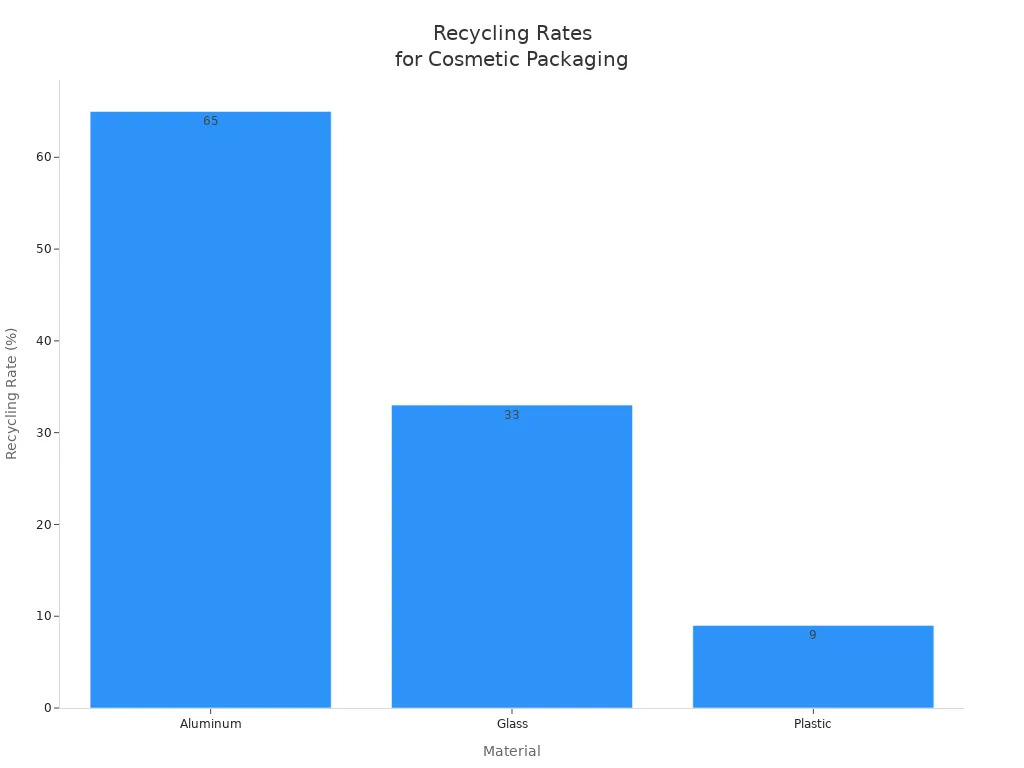
You can see that Aluminum Cosmetic Packaging stands out for recyclability. This makes it a smart choice if you want to meet rising sustainability standards in the industry.
3.2 Product Protection
You need packaging that keeps your formulas safe. Aluminum bottles provide excellent barriers against UV light, water vapor, and oxygen. This means your sensitive ingredients—like vitamin C or retinol—stay potent longer. You also reduce contamination risks during dispensing. The non-reactive and impermeable nature of aluminum extends shelf life and keeps your products fresh.
Tip: If you work with active or natural formulations, aluminum bottles help you maintain product quality from filling to end use.
3.3 Cost and Brand Image
You might pay more upfront for aluminum bottles compared to plastic, but you gain long-term value. Aluminum is lightweight, which lowers shipping costs. It also supports refill programs, which are growing in popularity among brands. Here’s a quick comparison:
Aluminum: Premium look, recyclable, higher initial cost, lightweight.
Plastic: Cost-effective, less sustainable, versatile.
Glass: Luxurious, heavy, fragile, moderate recycling rate.
Aluminum packaging elevates your brand image. The metallic finish signals quality and sustainability. You can customize bottles to create a distinctive market presence. Many brands use aluminum to align with eco-conscious buyers and stand out on the shelf.
Note: If you want to position your brand as premium and sustainable, aluminum bottles deliver both performance and visual impact.
Part 4: Switching to Aluminum: Practical Tips
4.1 Sourcing and Supply Chain
When you switch to Aluminum Cosmetic Packaging, you face new sourcing and supply chain challenges. You want to secure recycled aluminum, but you may run into higher costs and compatibility issues. Here’s a quick look at the main challenges:
Challenge | Description |
|---|---|
High Costs | You pay more for production compared to plastic. |
Product Compatibility Issues | Some formulas need extra testing to avoid reactions with aluminum. |
Corrosion Potential | You must use protective coatings to prevent rust. |
Consumer Perception | Some buyers have mixed feelings about aluminum’s look and feel. |
Transportation Logistics | Aluminum bottles are heavier than plastic, which can raise shipping costs. |
You can improve your supply chain by working with suppliers who focus on sustainability. Aluminum bottles are lighter than glass, so you get better transportation efficiency and less risk of breakage. Plastic may cost less, but it brings pollution and recycling problems. Aluminum’s high recycling rate—about 65%—makes it a smart choice for brands that want to lower their environmental impact.
Tip: Build strong relationships with suppliers who offer recycled aluminum and understand the needs of skincare brands. This helps you secure quality materials and streamline your process.
4.2 Compliance and Customization
You need to meet strict regulations when you use aluminum bottles for skincare. Here’s a summary of key compliance requirements in major markets:
Region | Compliance Requirement |
|---|---|
North America | FDA 21 CFR: Heavy metal migration limits (lead, cadmium, mercury). |
Europe | REACH: Registration of all chemical substances in aluminum alloys and coatings. |
Germany | LFGB: Testing under real-world use conditions. |
You also need to register your facility with the FDA, list your products with full ingredient disclosure, and provide scientific safety evidence. Don’t forget to report adverse events quickly and label your bottles clearly with product identity, net quantity, and ingredients.
Customization gives you a chance to make your bottles stand out.
The flexibility of aluminum bottles lets you use high-resolution printing, embossing, and a range of finishes—matte, glossy, or textured. You can tailor the look with different printing techniques and cap styles, creating a unique brand presence.
The visual and tactile appeal of custom-designed bottles can boost shelf presence and attract more business clients.
You may face obstacles during the switch, like educating your buyers about the benefits of aluminum or setting up refill systems. Clear labeling and marketing help increase acceptance. Focus on refillable bottles that reduce waste and avoid greenwashing. Make sure your refill systems are easy to use for your partners.
When you evaluate aluminum bottles for your skincare line, keep these decision points in mind:
Know your target audience and their sustainability expectations.
Stick to your budget and understand minimum order quantities.
Define your brand position with packaging that reflects your values.
Tailor bottles for each product’s needs.
Aluminum bottles offer durability, corrosion resistance, and endless recyclability. You meet regulatory goals and tap into a growing market for eco-conscious packaging. Take time to review your packaging strategy—aluminum bottles can help you stand out and support your brand’s sustainability goals.
FAQ
What skincare products work best in aluminum bottles?
You get the most value from aluminum bottles when you use them for serums, oils, toners, and lotions. These bottles protect sensitive formulas from light and air, keeping your products stable and fresh.
Can you customize aluminum bottles for your brand?
Absolutely! You can choose from different shapes, finishes, and printing options. Embossing, matte or glossy coatings, and custom caps help you create a unique look that matches your brand identity. Need custom bottle shapes, finishes, or logo printing? Explore Oulete’s custom packaging services to create brand-ready skincare packaging.
Are aluminum bottles safe for all skincare formulas?
Most formulas work well in aluminum bottles because of the protective lacquer lining. You should always test your product for compatibility, especially if it contains acids or essential oils.
How do aluminum bottles support sustainability goals?
Aluminum bottles are infinitely recyclable. You can use them in refill programs, reduce single-use waste, and show your commitment to eco-friendly practices. This helps you meet both regulatory and client expectations.
What should you consider when switching to aluminum bottles?
You need to review supply chain options, check regulatory compliance, and plan for higher upfront costs. Strong supplier relationships and clear branding strategies make the transition smoother for your business.